Samuel Uriel Vasquez Leal

Nicolás Dumit Estévez Raful Espejo Ovalles Morel: Samuel, Linda Mary Montano introduced us. I believe that you invited her to perform in Los Angeles. It is great to have this conversation with you at a moment when your idea for the Performance Art Museum is materializing. How did you get interested in performance art?
Samuel Vasquez: Yes, the magical Linda graced Los Angeles with her performance of “Lin-Bob Sings Healing Chakra Songs” at the iconic first black lesbian owned nightclub Catch One as part of a series we produced in October 2024. I’m grateful for the connections she has made for me along the way, including with you.
It took me two decades of living to become aware of my interest in performance art. Being reared in a Mexican household filled with upheaval and love prepared me to go deep with artists whose practices expose the unspoken and unseen aspects of daily life. The Performance Art Museum reflects my awareness as a museum professional over the years that the existing models for art institutions don’t fully accommodate the needs of performance art or performance artists. We’re rethinking the whole idea of a museum as a space for objects in light of performance art’s reliance on the body and presence and the dematerialization of the art object. I started a space for performance art early in my career, and worked at institutions that present performance art including MOCA, the Hammer, and ICA LA. Now it’s my focus and my passion to provide a home for global performance art where none currently exists.
NDEREOM: When did you think about opening a museum devoted to such an ephemeral field, such as performance art?
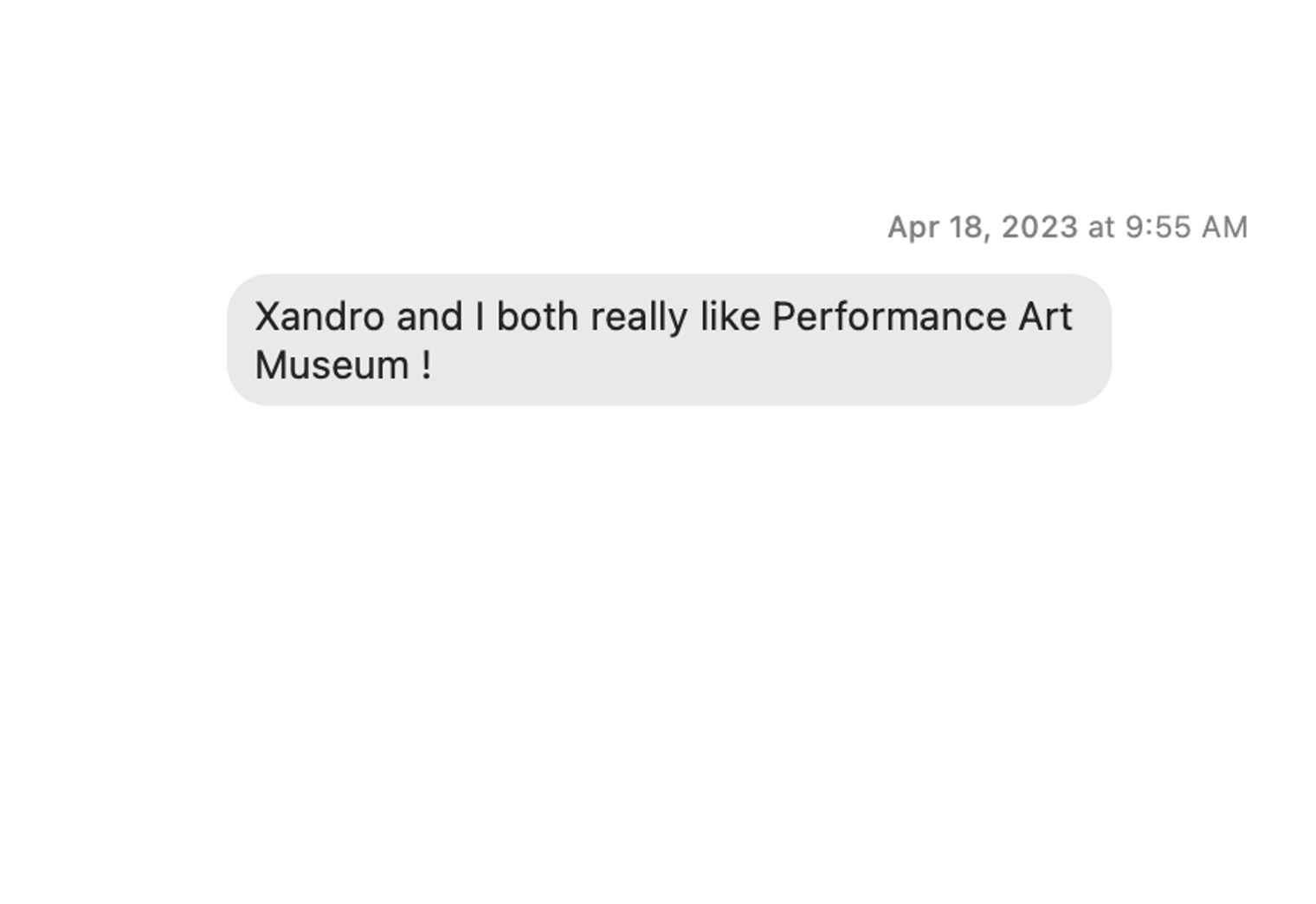
SV: The idea of the museum was actually thanks to Xandro Segade and Malik Gaines. I had always wanted to go back to performance art (having started in the art world by opening a collective-run performance art space) after many years of working in visual art museums. The dream was to open a small storefront space and host performances. But after speaking with various performance artists and hearing their needs and what would benefit the field, I understood something more was needed. So after explaining all this to Xandro and Malik over coffee, the next day they sent me a text message saying they really like Performance Art Museum! And that’s when I committed to found the first US institution dedicated to performance art.
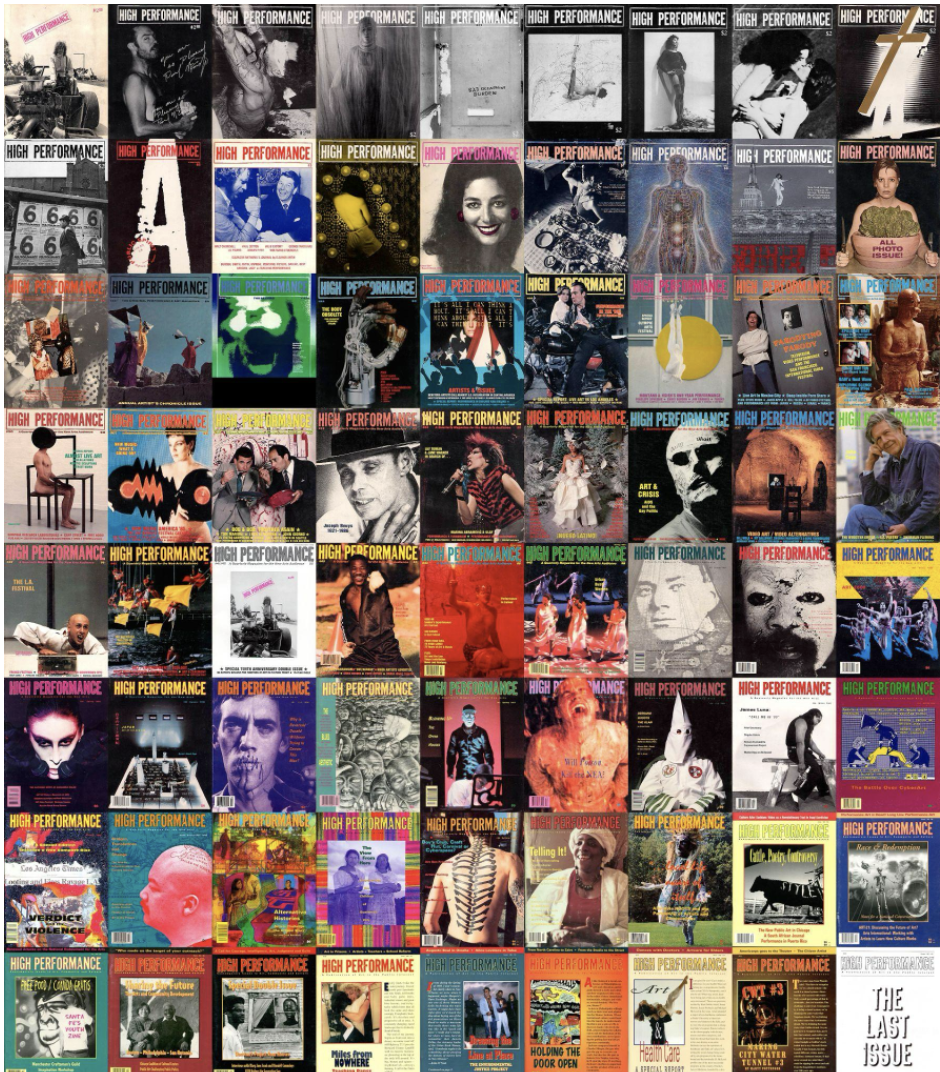
The Performance Art Museum will need to have space to exhibit archival documentation and ephemera from historical performances, and it will also need space to present live art that is being made now as well as reperformances and scholarly programs such as our upcoming High Performance: A 2-Year Conference (2026-2027) dedicated to the legacy of the first US-based publication dedicated to performance art. The High Performance initiative is being realized with partners including 18th Street Arts Center, Highways Performance Space, Los Angeles Contemporary Exhibitions, and the Getty Research Institute. Working with these diverse partner venues is allowing us to try out different kinds of sites for our programming in order to better understand what our ongoing needs will be in a dedicated, permanent space in the future.
NDEREOM: During a virtual meeting we had, Nao Bustamante came up. We both agreed on the amazing work that this woman has been generating for decades. I have had the fortune of working with Nao in a curatorial capacity for more than ten years. She is one of the artists who I first think about when organizing an exhibition. I so much enjoy the time Nao and I spend together communicating, talking and shaping things as the show gets ready to open. Last time Nao and I did this was in the Bronx. What are the histories/herstories/theirstories that connect you to this cult figure, as I call Nao lovingly?
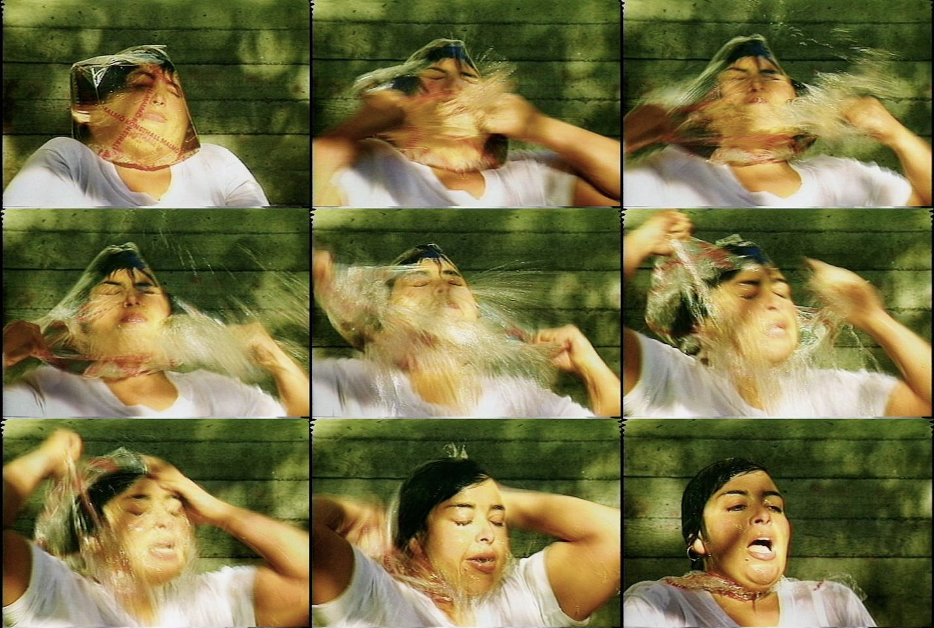
SV: I just recently told Nao this story. For many many years I had an image of Nao’s Sans Gravity, 1993/2023 performance as my screen backdrop on my computer. I’m a big fan of the absurd so this image captured that essence so well. At first I didn’t know where the image had come from out of Nao’s practice, but over time I started to learn more and more. It wasn’t until Nao’s move to LA to teach at USC that we started to become close friends and of course, who better to ask than this performance “cult figure” to be chair of the Performance Art Museum board than Nao! It was important to me that our Board Chair be someone who understands the needs and concerns of performance artists very well and that it be someone who is concerned not only with their own artistic legacy but with the broader legacy of performance art as a practice. Nao fit that bill perfectly. Her deep understanding of Performance Studies theory and connections to that world along with others on our board like Xandro Segade and Amelia Jones ensures that the Museum’s program is infused with conceptual rigor and situated knowledgeably within the larger lineage of performance that we seek to represent.
NDEREOM: I am glad that it is you who is bringing the Performance Art Museum into fruition and not an emerging curator who might not have a clue or interest in legacies. I might sound biased. Maybe ageist, and I feel that most up and coming younger curators tend to include people their own age in their curations. I am big on working with older artists. I figure, these have been my mentors, these are the creatives that I want to hear about—for the most part, and many of them are part of what I see as my art family. This is not to say that my exhibitions only include older artists, and yet that is where my interest is. How will your museum seek to strike a good balance between innovation and legacy; between those who have walked the path and those who are finding their whereabouts?
SV: It's probably because of the unfortunate situation that performance artists tend not to have traditional economic success when they achieve a certain age/status in the manner of their counterparts, that is, creating a need for their legacies to be protected. Meaning, there’s a lot of work to be done in honoring and paying respect to those who have dedicated their lives to practicing performance and have paved the way in our lifetime. There’s a depth to the work of artists who have been practicing for some time, you can feel it, and the depth is needed not only in the moment but also in order for folks to learn how to understand performance and the power that it holds = to move you, to change you.
Performance is a way of life, and commonly the artist’s body is also their instrument, though that’s not always the case. For elder artists who initiated and defined these practices before there was financial support, scholarship, or visibility for their work, ensuring their welfare and financial security even modestly is as crucial as giving visibility to their work. Without direct material support, performance artists are unable to produce work, which is different from object makers who might take their creations to a gallery or an art fair and generate sales revenue. Performance artists live mostly off of grants, the occasional commission, and their own ingenuity. Artist Leslie Labowitz-Starus is a great example – she started SPROUTIME as a business to support herself and her family, applying her understanding of social engagement developed through her longtime art practice. When younger artists enter a field that has changed substantially with institutional support, they may be surprised to learn that their elders still live precariously, given their outsized reputations.
We want to support the artists who are making things happen, whatever age they may be. The Performance Art Museum works with legacy, mid-career, and emerging artists — but the artists we choose, in any generation, are the ones that gather other artists and whom other artists gather around. That could be an elder artist like Linda Montano or a mid-career artist like Dynasty Handbag or an emerging artist like Sebastian Hernandez. What they all have in common is that they build community; they’re not just in it for themselves.
NDEREOM: How much of an archive will the Performance Art Museum be, and what is your understanding of the archive when it comes to performance art? How will you manage actions, which impetus is to dissolve into life and become one with it?
SV: I will admit that I’m not as focused on traditional artist archives as we commonly know them. There are institutions dedicated to the practice of collecting and preserving archives such as the Getty Research Institute, One Archives, and the Smithsonian among others. There are a few ways we’re considering working with archives and archival work. One is through the process of acquisitions. The Performance Art Museum will be a collecting institution focused on acquiring live scores — the performative action itself. This is a very involved process and it’s not for every artist or every performance work. But for some, yes it makes sense. A recent example is the acquisition of Simone Forti’s Dance Constructions by MoMA in 2015. They acquired the actual dance works which came with archival material such as documentation, video, and many notes, but the work itself was the 9 different dance scores. This is similar to how conceptual artists like Lawrence Weiner or Sol LeWitt packaged their site-specific works for acquisition as a set of instructions with documentation, installation notes, and certificates of authentication. The presentation or installation of the work is not the work, rather these materials constitute the work and grant the collection permission to represent or restage it according to the terms outlined by the artist.
We're also interested in considering how the body works as an archive for performers and how this phenomenon can be workshopped and passed on from practitioner to practitioner, in a way like the act of storytelling. I’d like to think of it as embodied storytelling. This relates back to our interest in investing in the artist as the medium as well as the inspiration for the art of performance.
NDEREOM: Creatives from the generation before my generation, as well as those from my generation did not study in performance art departments. My MFA is in Ceramics, and my MA is in Theology, and I am not sure I would enroll to study performance art formally. I got what I got through bits and pieces, witnessing, studying, helping, and assisting brujos, holding a gazillion different jobs, walking, talking with elders… and making it up as I went. I would not choose a different path since I think of myself as a generalist. I am tempted to ask you to define performance art and I know that would be a move in bad taste. What is your understanding of performance art?
SV: Understanding performance art comes in various ways to me. Perhaps it’s best if I say how I experience it rather than how I understand it. Many times when I'm in the zone of seeing/feeling/experiencing performance art, I enter a trance of sorts. A meditation. I’m sure there’s a theory and concept for this, but for me, it’s extremely meditative. I attribute that to the power of performance to bring you into the moment. To shut out the world, noise, distractions, thoughts, and have you focus. The way it’s often said to visualize a candle flame in your head to meditate and quiet your thoughts, that is what performance does for me. It meditates me, refocuses my consciousness, and reenergizes my chakras, as Linda Montano might say. That is how I understand performance art. It’s a personal experience for me, a moving one.
I too, did not study performance, and not sure I would choose to, although I’m a strong advocate for it. For me, understanding performance comes from living life, our daily experiences, so many of them absurd, that then often lend themselves to visuals, symbols, or meaning in the performances I see. Even so, performance art has entered the academy, with artists like Andrea Fraser shaping disciplines within studio art departments and institutions like Yale graduating sound artists with Sculpture MFAs. Artists understand performance as a time-based, embodied discipline that’s anchored in risk and vulnerability. Our job as a museum is to create the conditions that enable these artists to remain present and engaged in this difficult work from a place of safety and trust.
NDEREOM: Performance art has made it to the mainstream, whatever mainstream is. We have seen the proliferation of people performing everywhere, and people like Linda Mary Montano have expressed to me how “EVERYBODY IS PERFORMING.” Some of this is great. Liberating. There is also an evil side to performance art, like the one we are witnessing as part of the current political theatre in the US. I don’t think I need to mention the name of its cruel wannabe high priest. Performance art has been by nature shocking, controversial, strange; although not always. I am wondering if you have anything to say as to the ethics of performance art?
SV: No comment. I won’t make a statement on the ethics of performance art, but I’ll say that the issue of differing ethical contexts and expectations across generations of performance artists and their audiences has come up.
NDEREOM: You have lineages connecting you with Mexico. Do you have any plans for programs and exhibitions focused on performance art linked to that country? How will Latina/o/e/x creatives be represented in the museum? When it comes to my people, I am vocal in asking without fear or hesitation, and I always make it a priority to work with Latina/o/e/x creatives. Also, some would argue as to the BIPOCness of performance art, which is usually perceived as a white medium. Are you doing any research as to the rituals and peoples in Nuestra América to whom we can trace many of performance art’s roots?
SV: I’m glad you brought this up. One question I often ask folks including myself pertains to the origin of performance art. I truly believe it comes from ritual — native ritual, spiritual ritual, indigenous ritual. I would love to write a book titled 1,000 Years of Performance Art. I’m very aware of my lineage and ancestral origins, and am deeply honored I can serve as caretaker and steward of this performance art temple we’re building.
Our present-day culture is built around goods and acquisitions, of which there is very little in performance art. In that respect, it does seem closer to ritual than to work. It’s not about outcomes or recognition. It’s about transforming energy in a collective fashion, which can include healing ancestral pain from racial and gender-based violence. Performance emerges in postwar cultures throughout the 20th century as a site of collective reckoning and reconciliation after confrontation. It emerges in Japan concurrently with Europe before WWII, and has a rich and geographically specific lineage in South America tied to Liberation Theology and anti-authoritarian movements. There isn’t just one history of performance art and we intend to explore as many different cultural perspectives on its origins as exist in the world.
NDEREOM: When my work started to dissolve into life, it was understood by many as social practice. To this I have always said that I seek to do uncategorizable work, and not even work, but to respond to life creatively. Just that. I also talk about how I do the work I do with and in communities because of my training in performance art. Are there any parameters in the case of the Performance Art Museum when it comes to what to show, archive and support? I am asking because I have lost interest in doing work that can be easily understood as performance art and yet the links are there, and performance art is still pivotal to me.
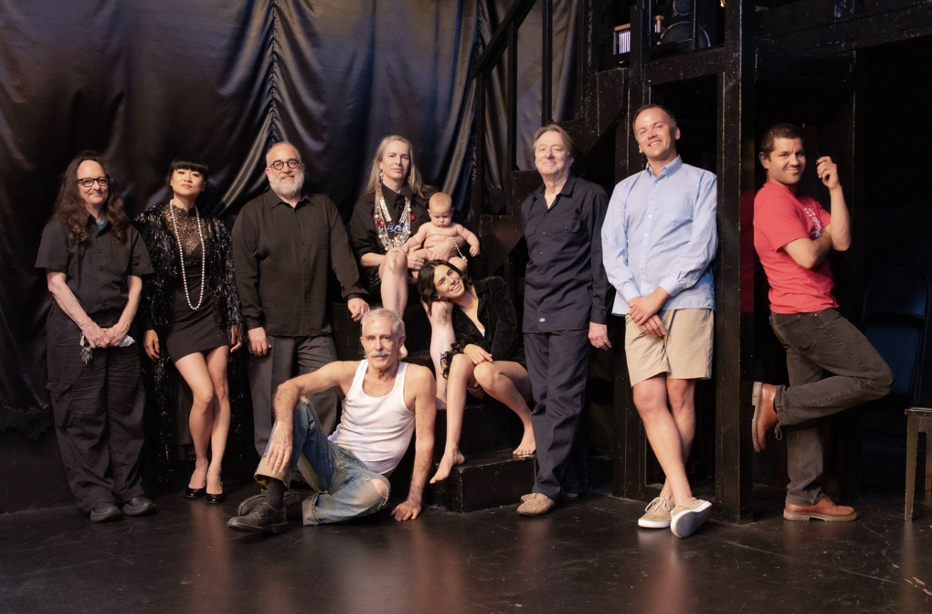
SV: We’re committed to supporting performance art in all its forms. Each artist approaches it differently and we appreciate the challenges that come with upholding individual practice, and welcome the openness! However, I will say that we are particularly interested in artists who have dedicated their practices to performance. Such as through our Long Term Residency, where we work with an artist over the span of two years on whatever form of infrastructure they may need to take their career to the next stage. Asher Hartman, our current Long Term Resident, is a seminal Los Angeles performance artist active for four decades who recently lost his home and archives in the Altadena Eaton Fire. His work overlaps with theater and dance without becoming those forms, which situates him well as a Performance Art Museum artist because we are staking out territory for the medium that sets it apart from other performance-based artistic practices.
NDEREOM: Will the museum have a physical place? How will you deal with objects, props and remnants from performances? I curated an exhibition at Center for Book Arts based on the premise that as post-performance audiences engage some remnants of the actions, they re-perform or activate the pieces, even if introspectively.
SV: It’s important for the museum to have a home. A place for performance artists to feel connected to and know that, as long as the museum is there, there is hope for the future sustainability of performance. Because the work of performance artists is so ephemeral, a permanent physical site creates a sense of longevity and stewardship that is badly needed. Within that space, we will explore the nature of what remains after performance art and how to preserve it for posterity, when that’s appropriate. We’ll also consider when it might be more appropriate not to preserve but simply to present and experience a work of performance art.
NDEREOM: Do you think of yourself as a performance artist? Through the years, I have invited curators to perform with me. I have also curated, although the establishment would not validate me as a curator. I curate because I got tired of hearing one voice and I wanted to have something to say and include in exhibitions those creatives I really admire.
SV: I have at times identified as a performance artist, but at present I identify chiefly as a Museum Director. It’s a full-time job and then some. I think it’s important to define your role and then do everything you can to fulfill it rather than taking on a lot of roles and not giving any of them your all. Wouldn’t it be interesting, however, if we thought of institution-building as performance? Think of Tom Marioni’s Museum of Conceptual Art, or?
NDEREOM: Many performance artists have worked with the concept of museums. Linda Mary Montano did so decades ago. And I opened The Passerby Museum in 2001 with María Alós. Do you want to ask me anything?
SV: I’m curious to know, what is a performance that you would do if there were no limitations? Is it even possible for a performance to exist without limitations, or by its nature would it have to be unrealized?
NDEREOM: You put a smile on my face. So far I have been doing almost everything I have been curious in pursuing, creatively. Some actions took a detour or were shelved for a while because of budget or timing. I am mentally and spiritually preparing for a year-long experience consisting in staying in the Bronx, without leaving its geographic boundaries for 365 days. This is what I see calling me at a time when writing is central to my practice and when I am more and more interested in using the tools I have honed in art during these 30 plus years to engage life out in the open. I am about to decide on the year and, believe me, no year is ideal. It is actually a bit scary for me to know that I have to stay in place for so long. While my home is the South Bronx, I have in my DNA the gene of the pilgrim. Sometimes I think it is the Lebanese in me. I am much of an iconoclast as I am iconophile; an avid traveler and a person who anxiously dreads leaving his home.
I am so much looking forward to seeing your museum take shape. I thank you for this conversation, and I thank as well our dear Linda Mary Montano for bringing us together.
SV: Thank you, Nicolas. I look forward to sharing it with you and your audience when the time comes. In the meantime, thank you for working to strengthen the performance art ecosystem.
All images courtesy of Performance Art Museum
Samuel Uriel Vasquez Leal’s related links: Website / Instagram / Facebook / Contact
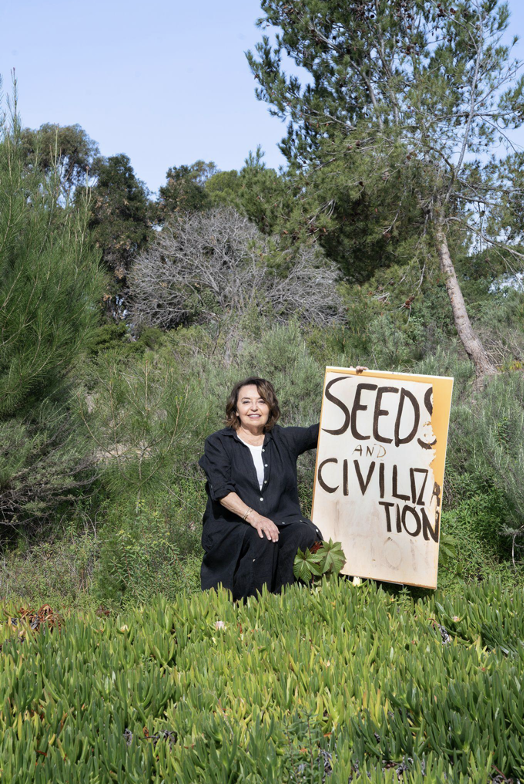
Samuel Uriel Vasquez Leal is a dedicated fundraiser and arts advocate who currently serves as Director of the Performance Art Museum, a new nonprofit organization dedicated to advancing the visibility, legacy, and scholarship of artists working in performance. Most recently, he served as Deputy Director, Advancement at The Museum of Contemporary Art (MOCA) and helped to establish the museum’s performance program and the Environmental Council.