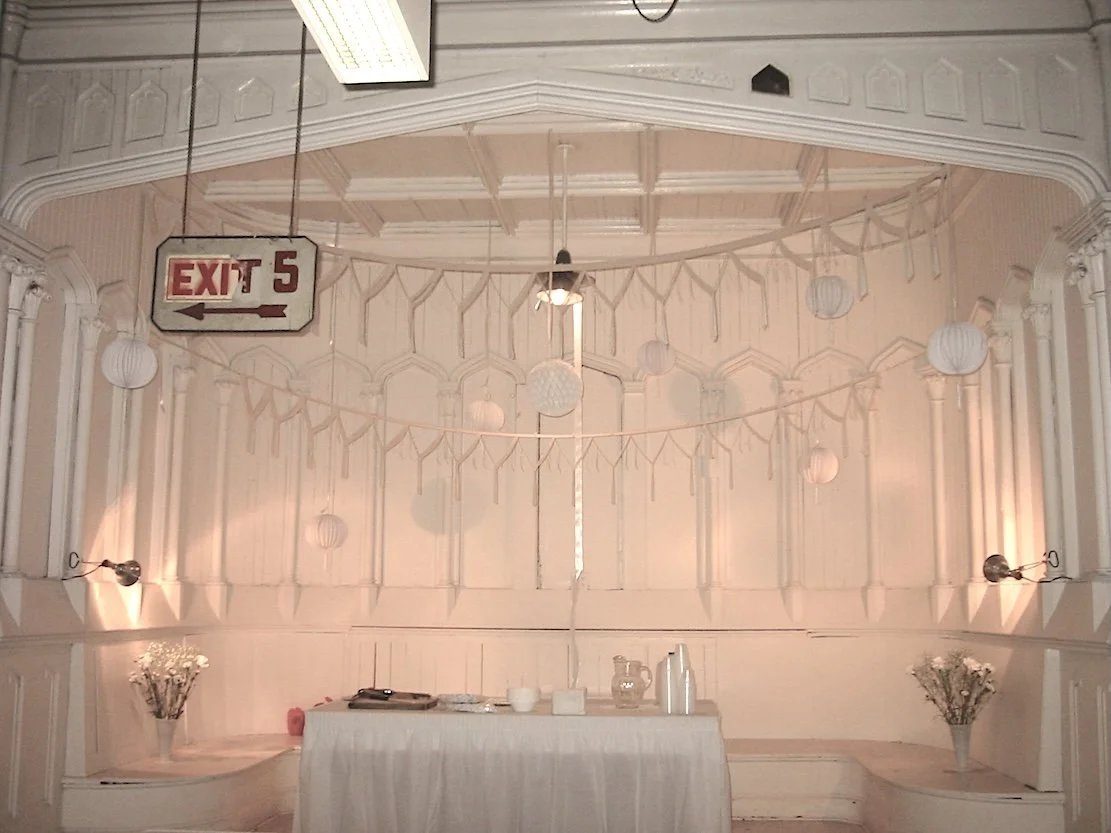
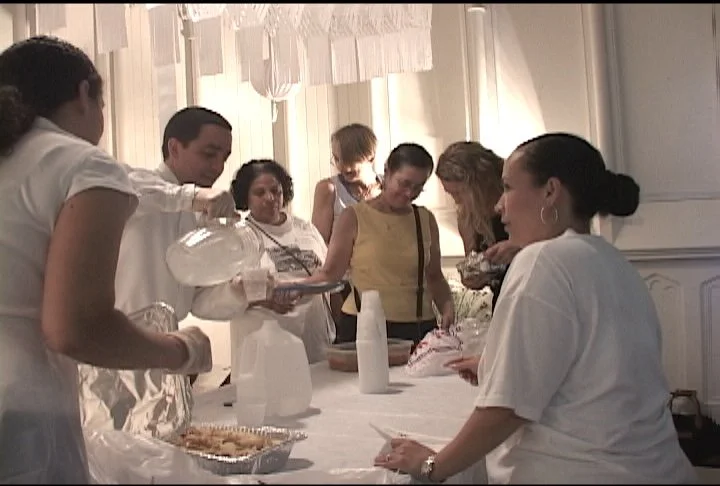
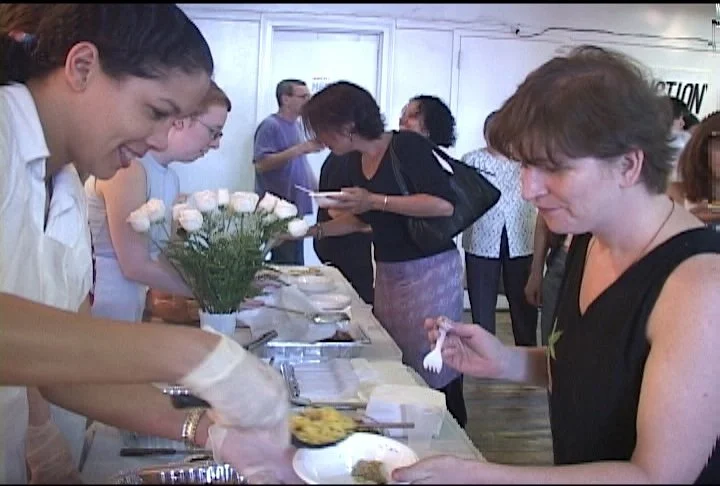
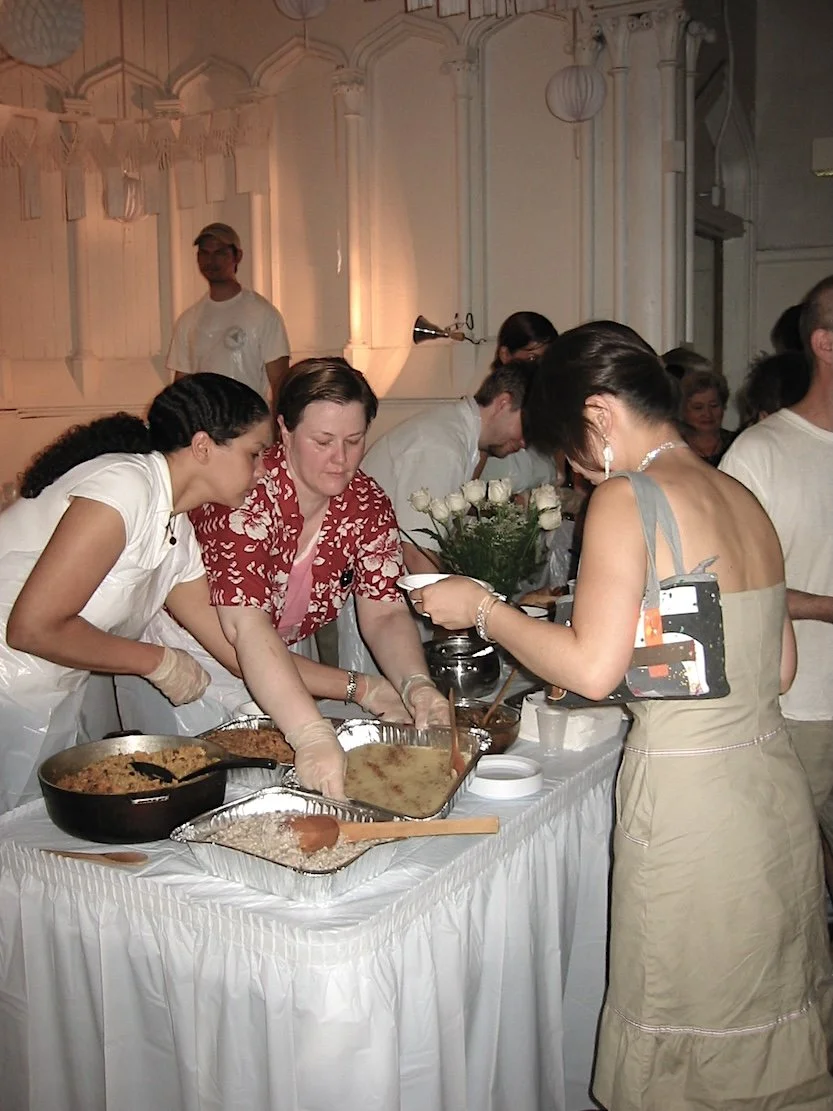
The Interior Beauty Salon

El Reguero/Archives

Photo © 2022 NDER


El Reguero constitutes an in-progress repository of 25 plus years of performances, actions, experiences, interventions, audios, writings, and other creative gestures generated by Nicolás/Dumit. This archive reveals itself, one entry at a time, as opposed to a complete endeavor launched all at once.

Reguero in Spanish means a chaotic collection of objects and things; a big disorder. In the case of this online archive, its name references a store in Santiago, Dominican Republic, where Nicolás was born, and which was characterized by its seemingly disorganized inventory. The store sold from mosquito nets to flower vases and to chamber pots. This was before globalization and 99 cents shops. The story goes that one day two donkeys roaming the city met at El Reguero and made love among the messy rows of goods for sale. These archives are divided in tollos, each one of them representing a decade. Tollo is the Dominican slang for mess.

Art, Tar, Rat. “All that I have written seems to me as so much straw." Phrase said to have been voiced by Saint Thomas Aquinas toward the end of his life…

No elements of this archive can be used without prior consent from Nicolás Dumit Estévez Raful

I Leave the Island: Pondering on Home from Afar /

TOLLO I / 1997-2006

1997: Undeclared Soil / Untitled /

1998: Earthly Experiments /

1999: Learning to Drive / Las Frutas Tropicales / La Fritura / Excuse Me /

2000: / Super Merengue / Islands / BETWEEN, BEFORE & AFTER / Missa Linguarum /

2001: USA Paradisiaca / La Papa Móvil / The Fountain of Youth / She tans. He sails. She swims. He surfs. She shops. He dives / Good Enough to Eat / Cavum Gloriosum / Fellatious / Uvulations / Recuerdos de mis 15 / The Land Columbus Loved Best / 108 Leonard Street / Untitled Intervention at The Clocktower Gallery /

2002: 3 1/2 Hours to Paradise / The Passerby Museum / La Bandera / Everything I am. Everything I have. Now. / Cardiovascular Cha Cha /

2003: Amigo Express / Not for Sale / Recuento de mis 15 / Love is Blind / The Love a Commuter Project /

2004: Consartcration / Cash Tendered / Credited / Takeout: An Edible Portrait of Home / Spread #1 / Opening Spread / Stored / Help Offered / El PIN / La Cruzada del Sabor: Cocinando con El PIN / Everything that you May Have Heard about me Might be True / Orange Alert / Toilet Training / All You Can Eat /

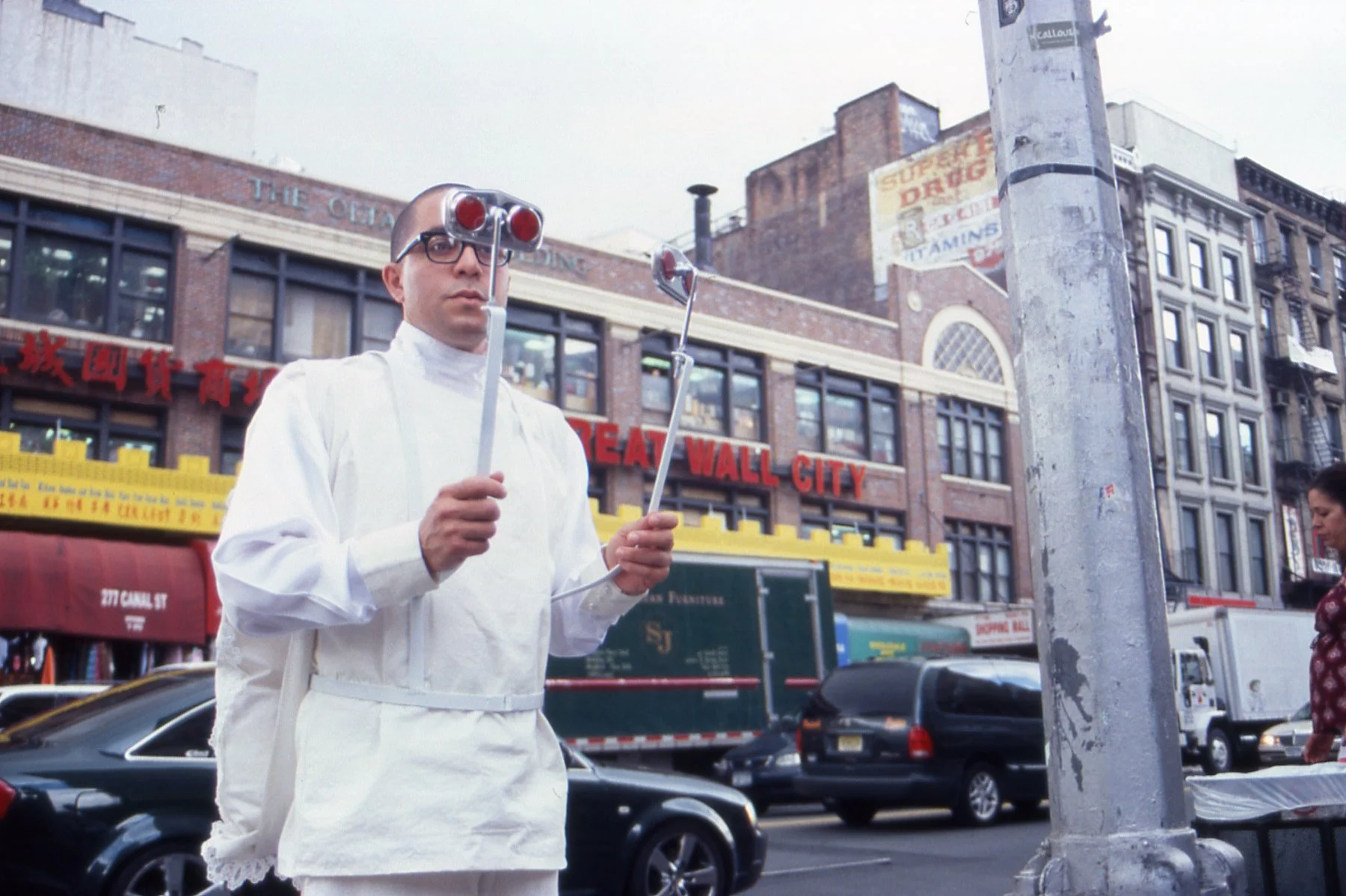
2005: Arroz sin Pollo: I Wish I Could be Universal! / Peek-Skill, May I Borrow Your Eyes? / For Art’s Sake: Pilgrimage to El Museo del Barrio / For Art’s Sake: Pilgrimage to Bronx Museum / For Art’s Sake: Pilgrimage to Studio Museum in Harlem / For Art’s sake: Pilgrimage to Jersey City Museum / For Art’s Sake: Pilgrimage to Smithsonian’s National Museum of the American Indian (NMAI) /

2006: Viewing / Searching for Refuge: Spreading the Word at the Armory / Ánima /

TOLLO II 2007-2016

This 30-year archive is being built gradually. Updates will appear weekly and will eventually include entries through the present day. For inquires regarding commissioning or for exhibiting or any of these works, please contact Nicolás HERE


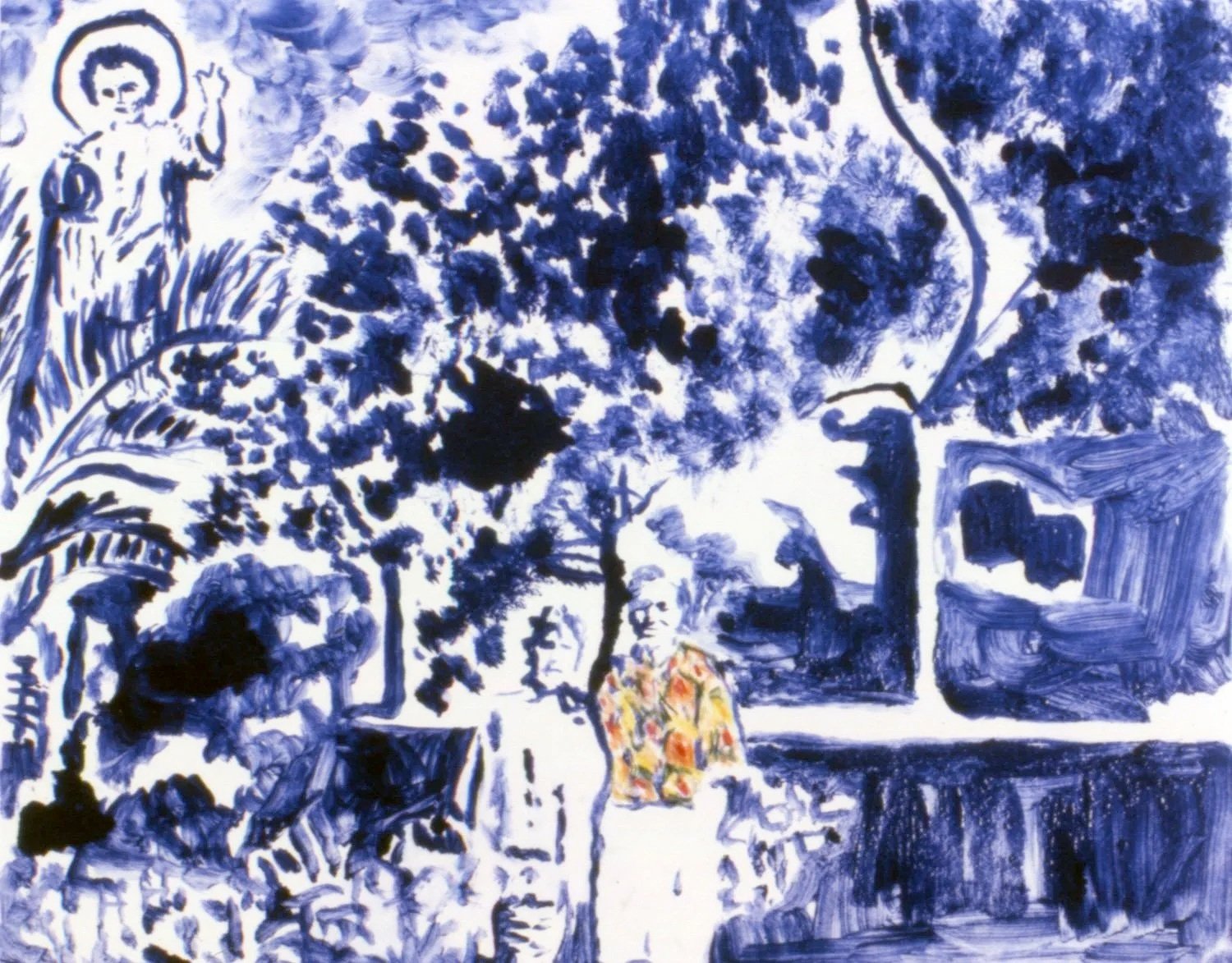
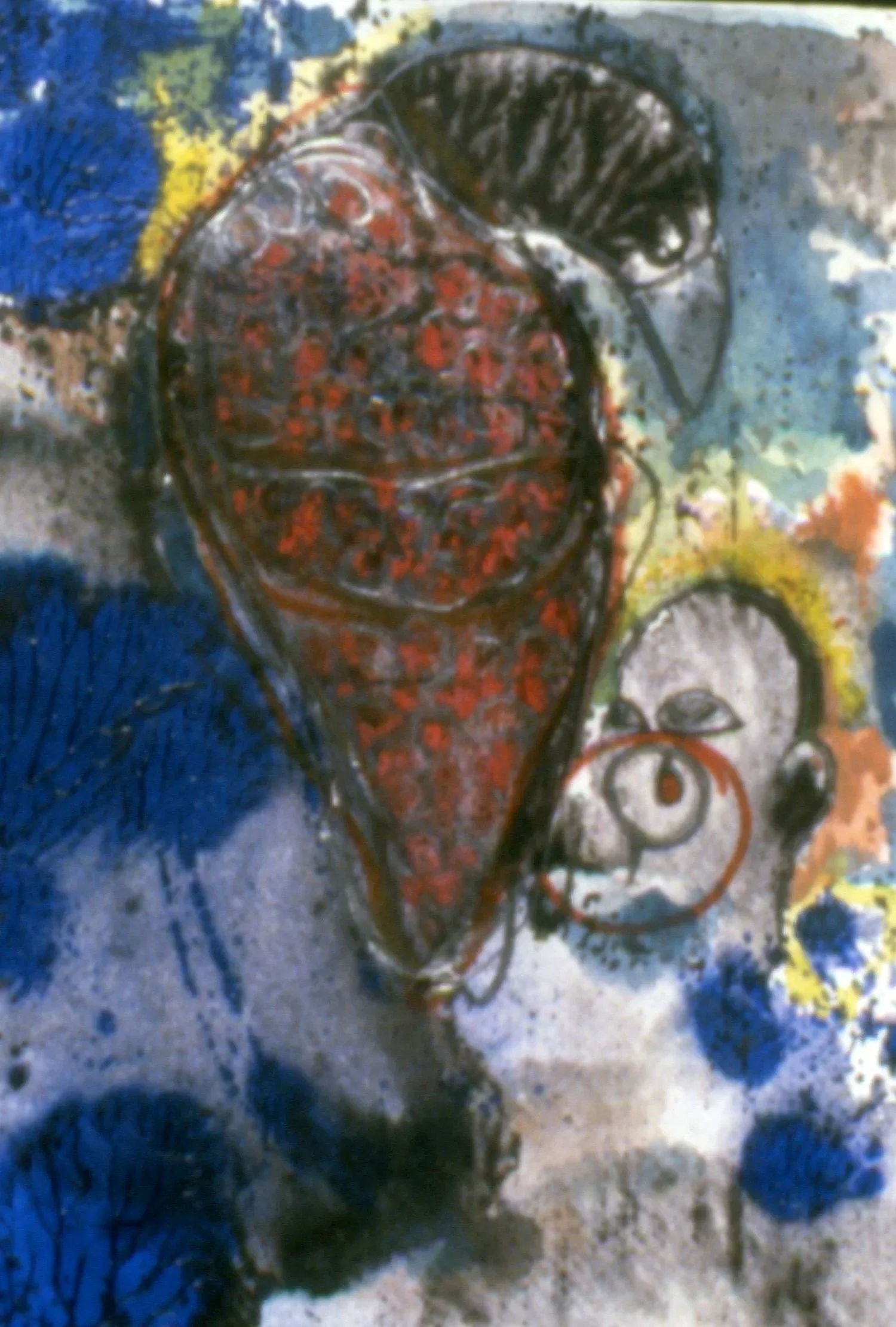
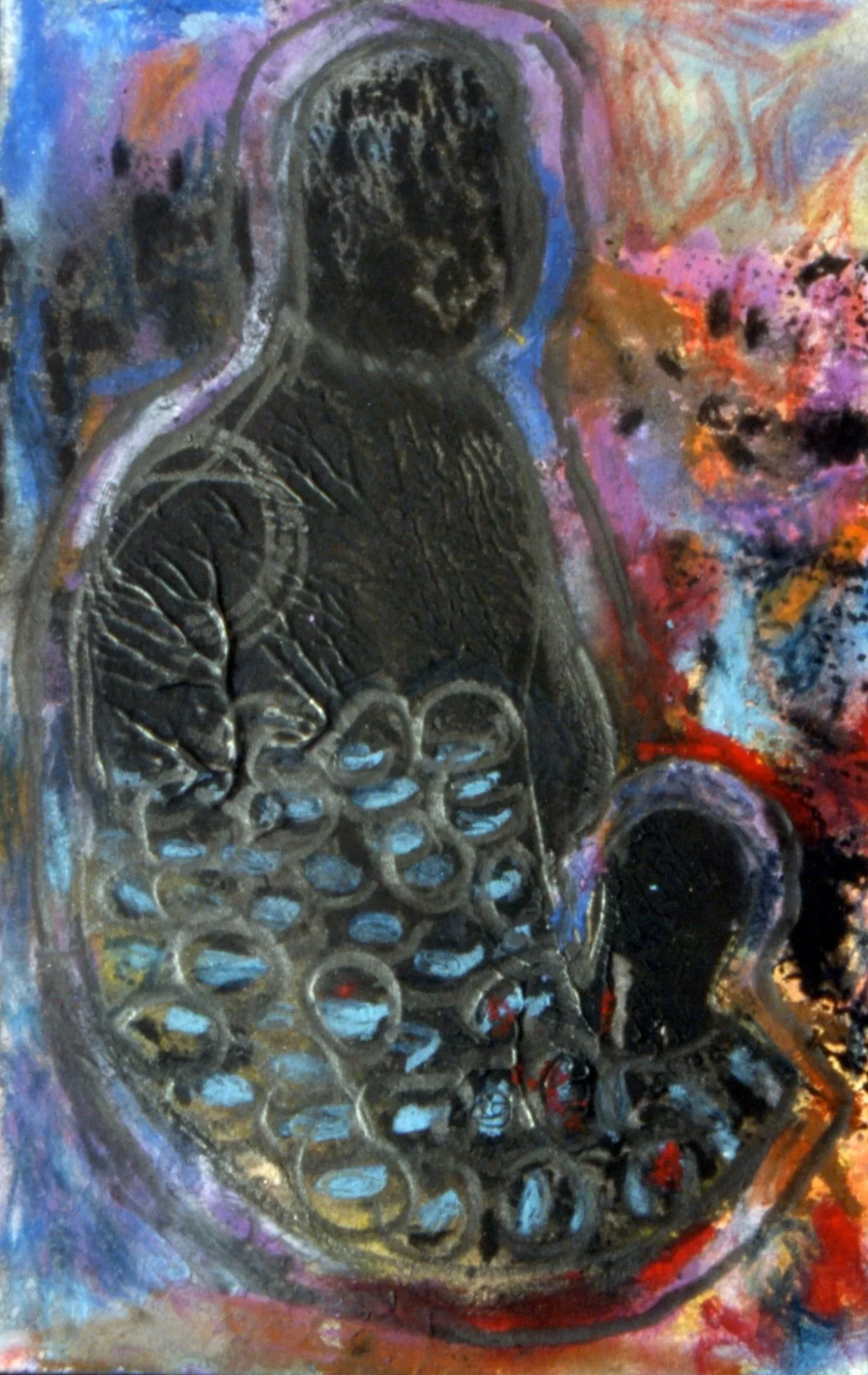
Pondering on Home from Afar


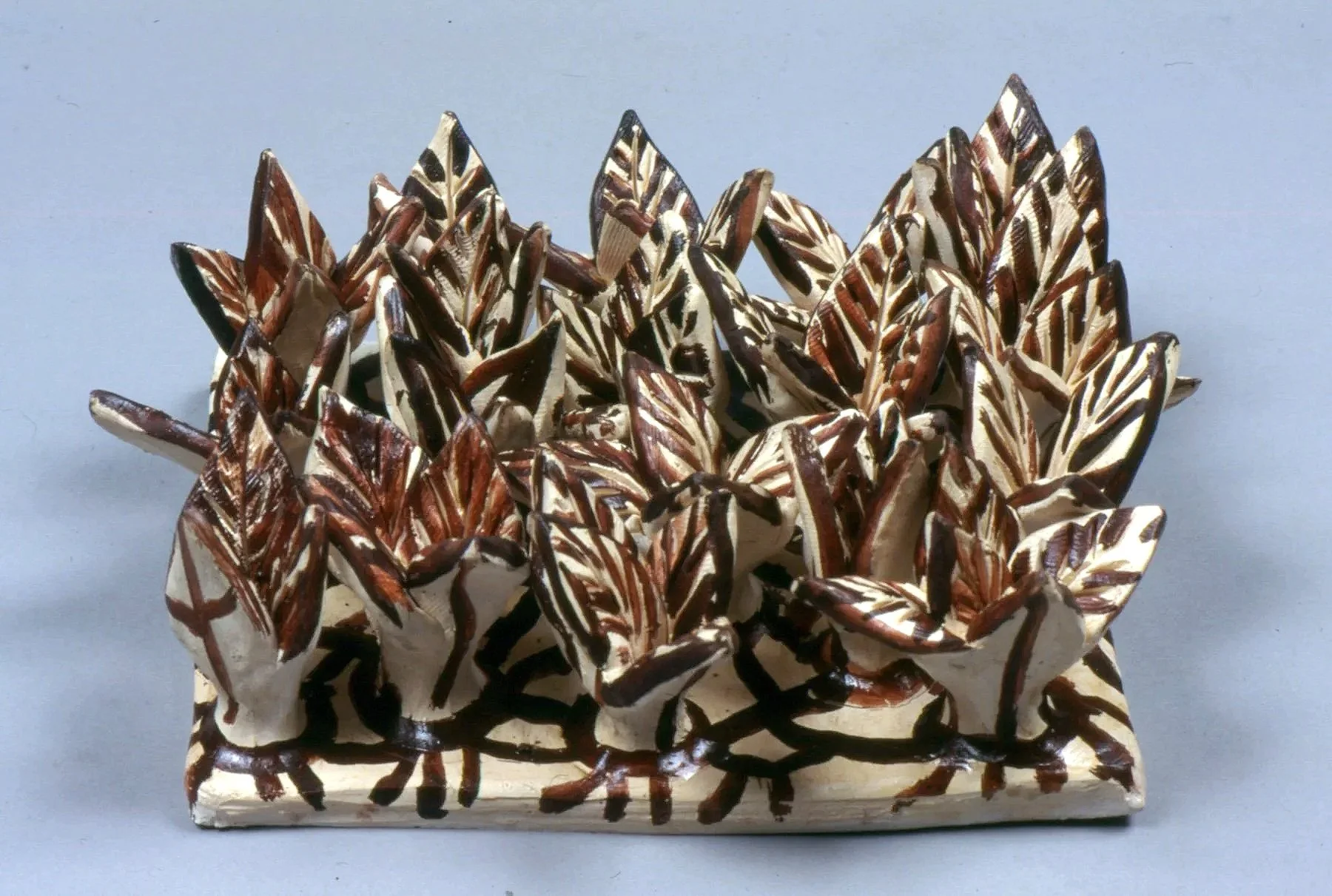
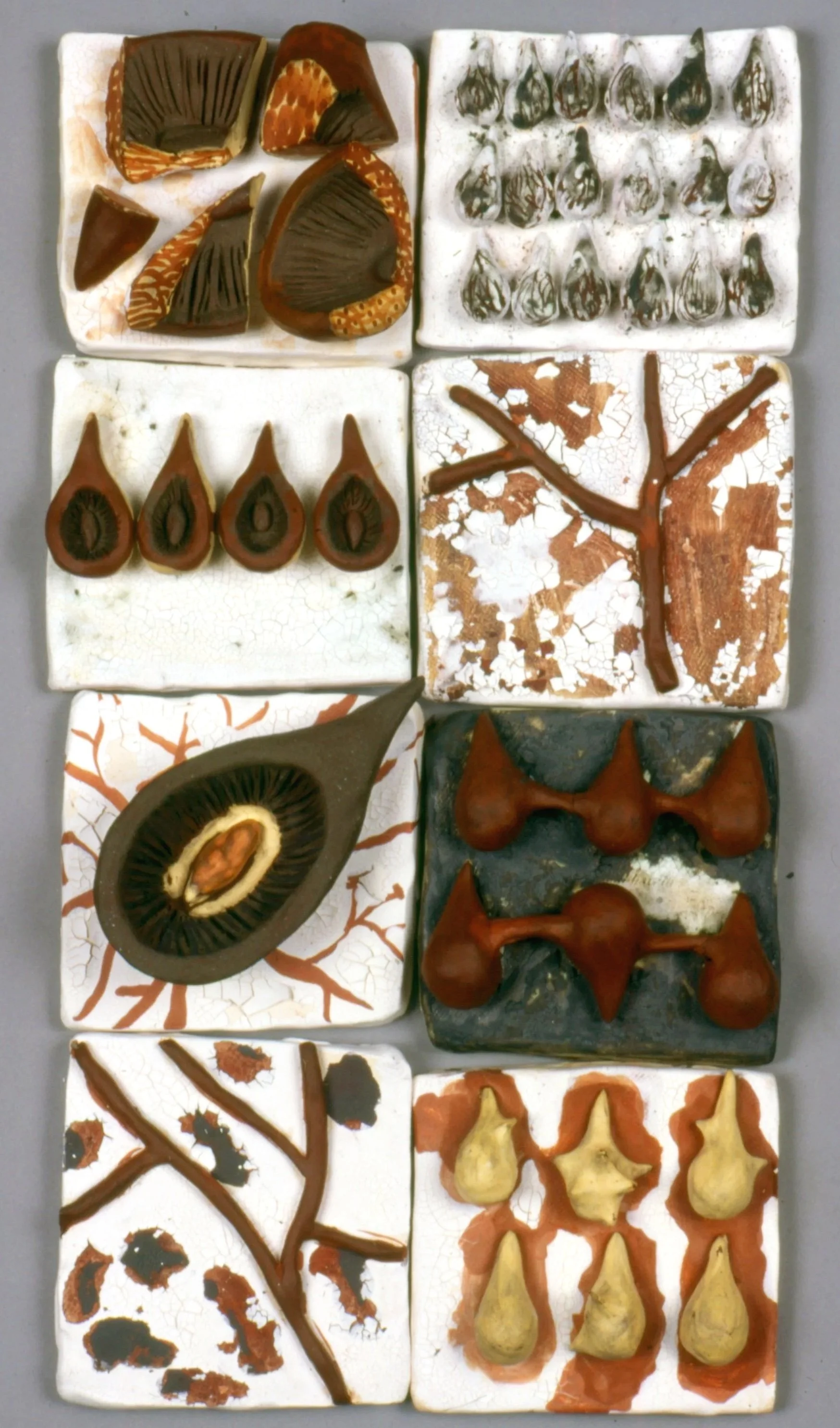
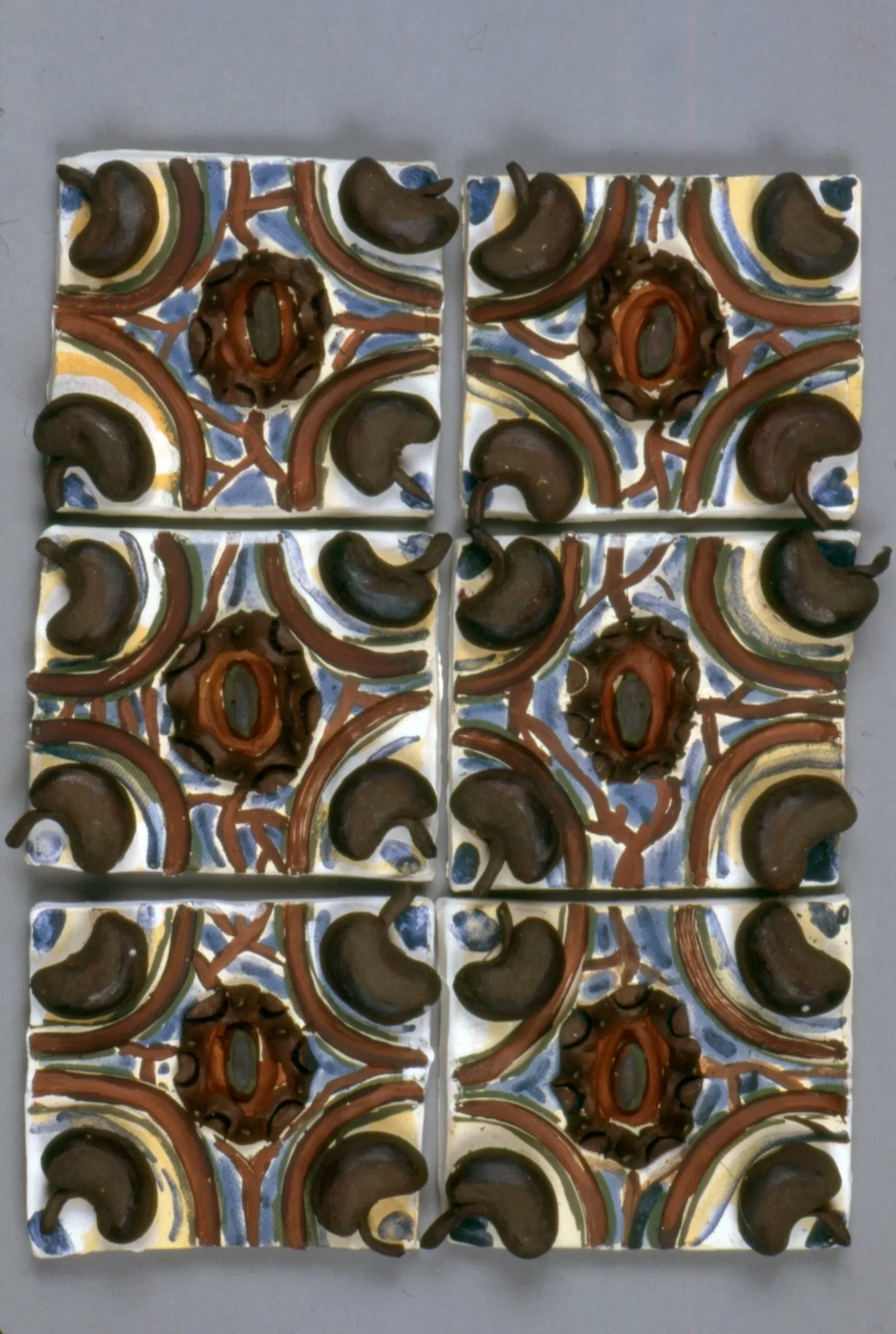
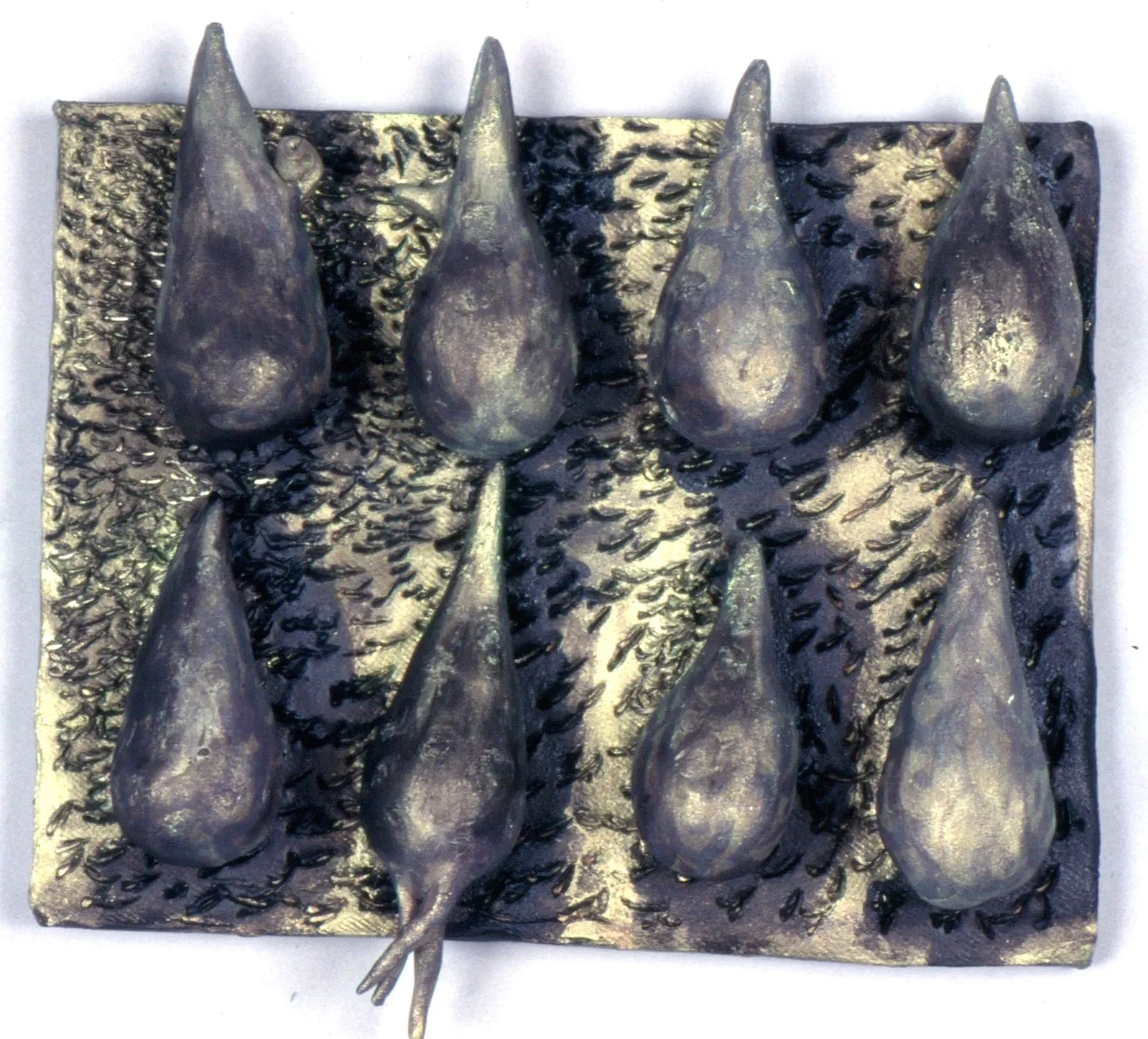
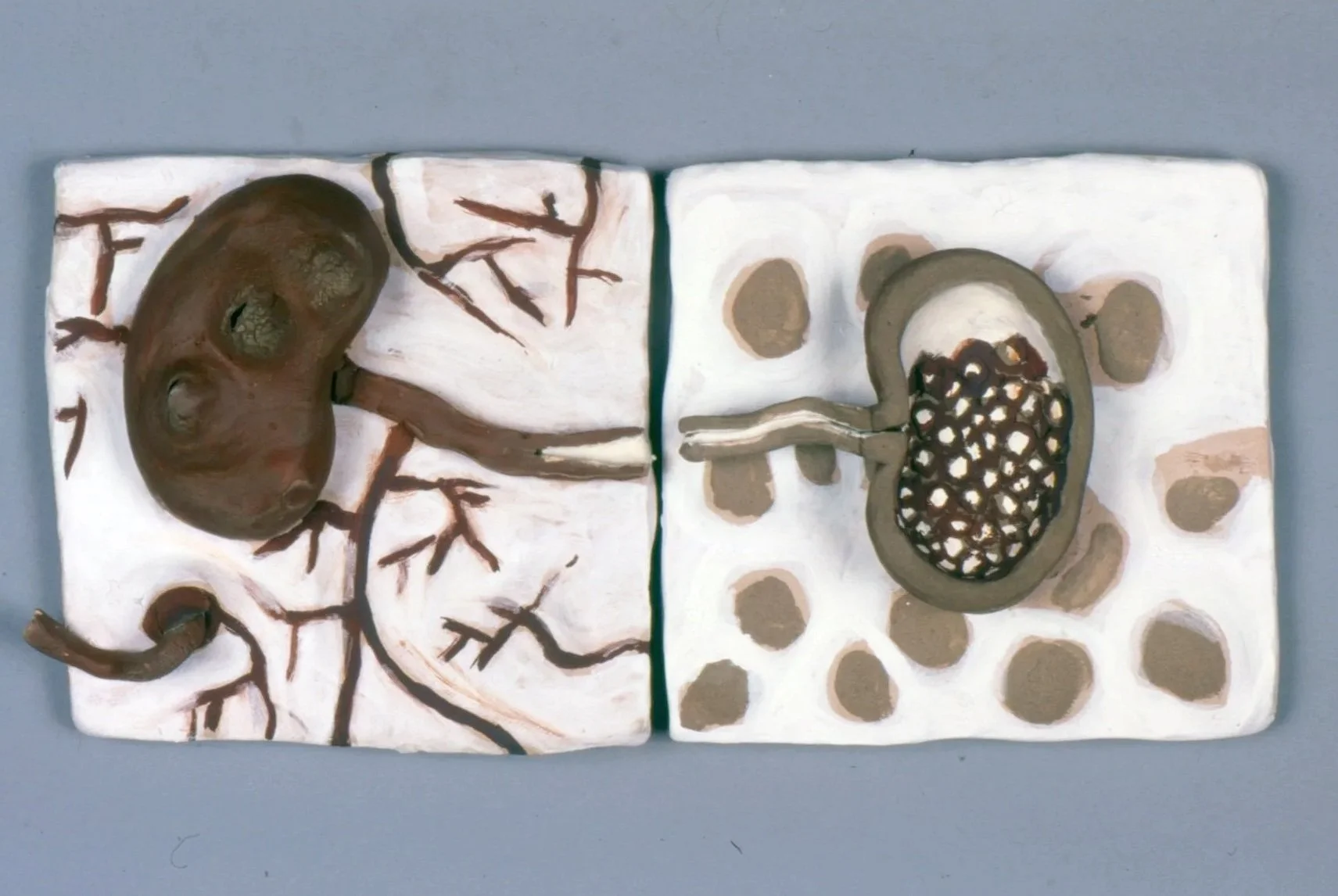
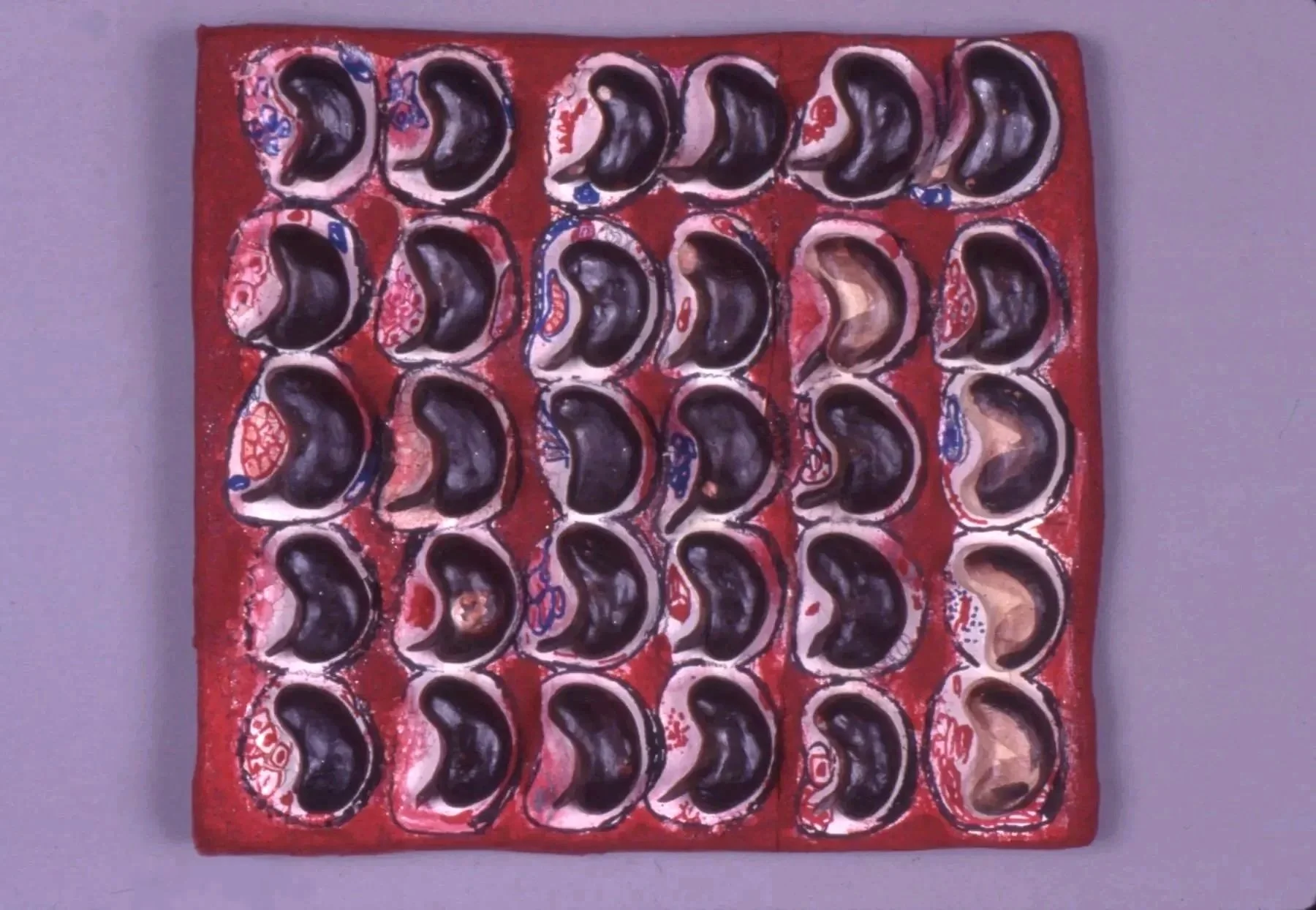
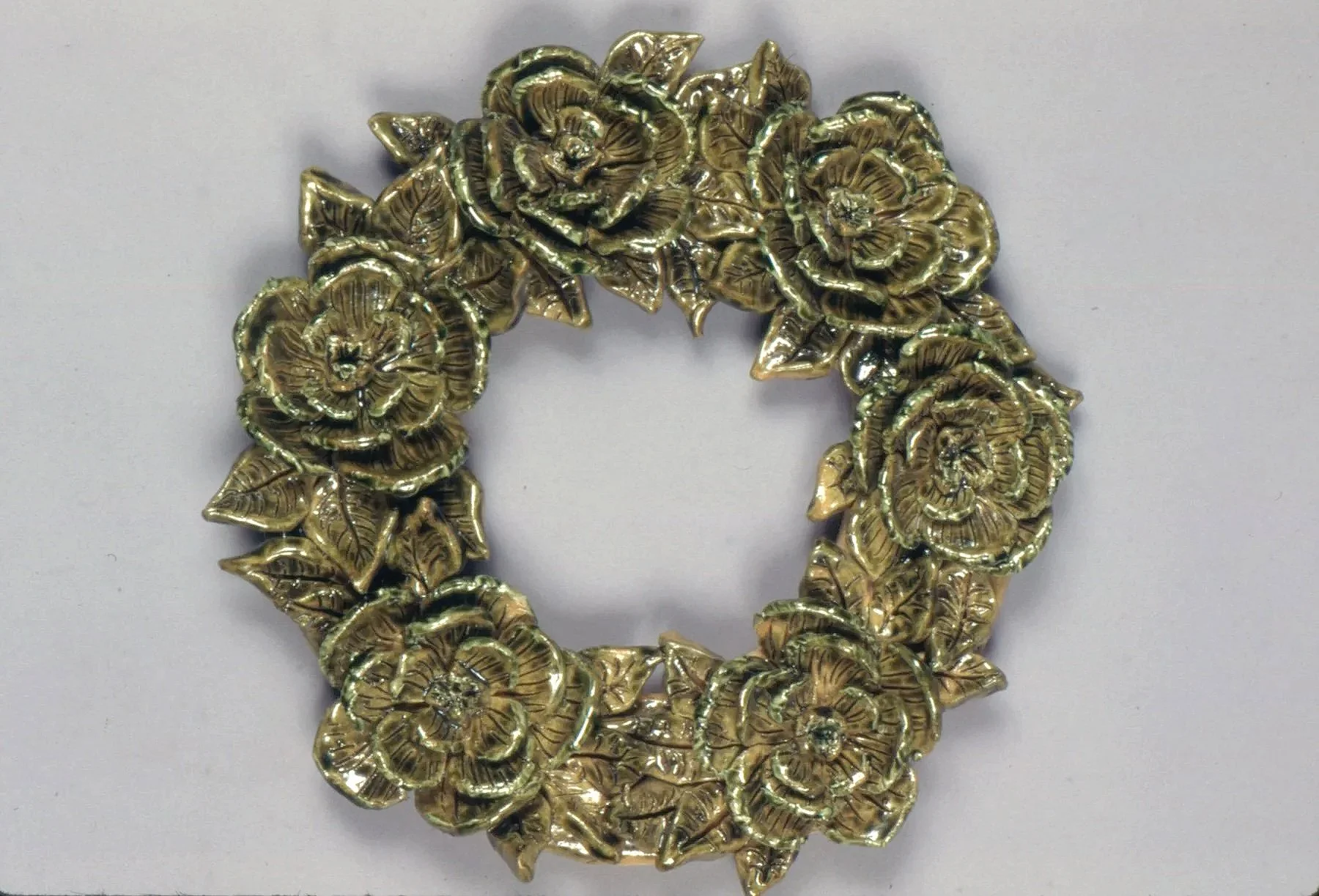
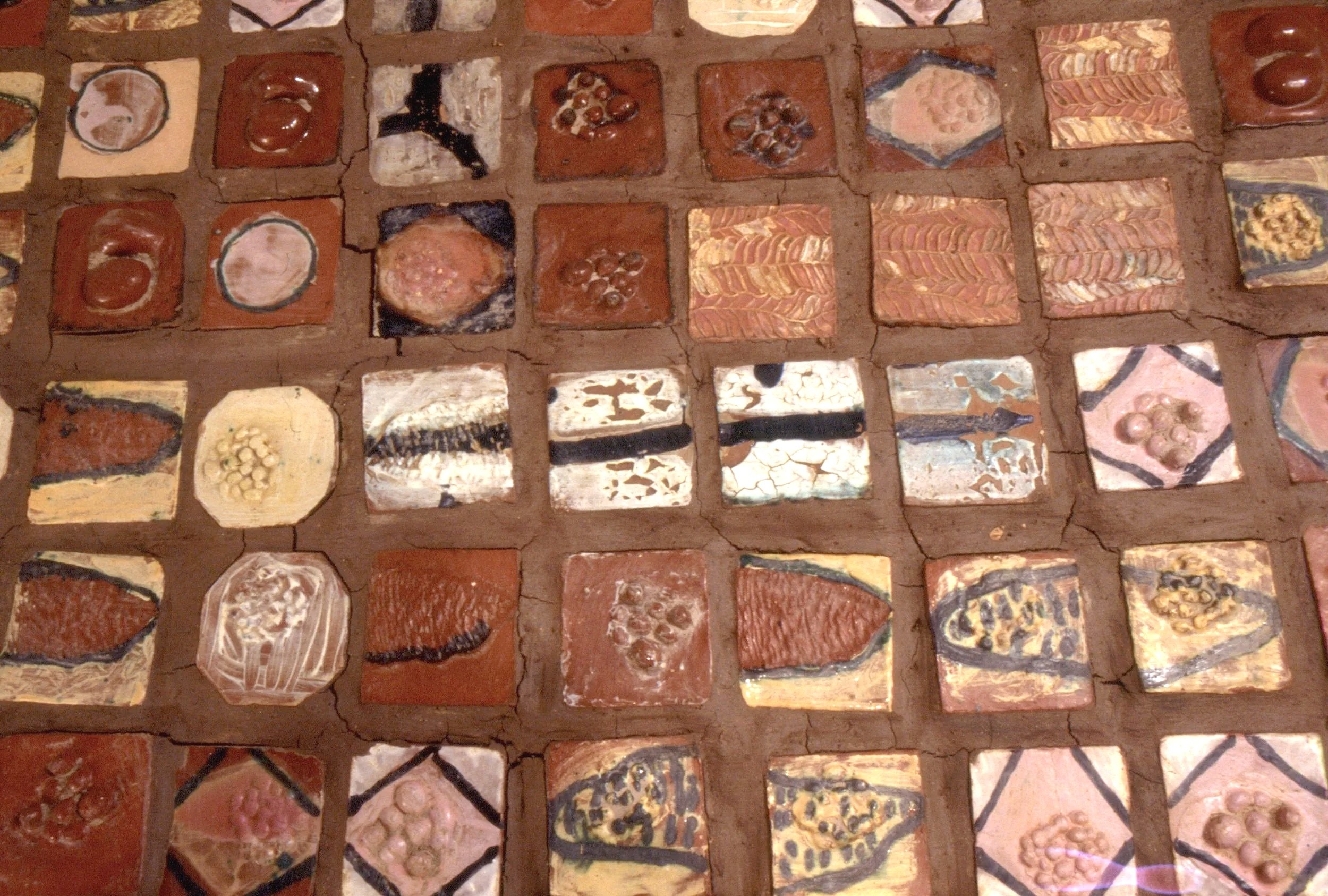
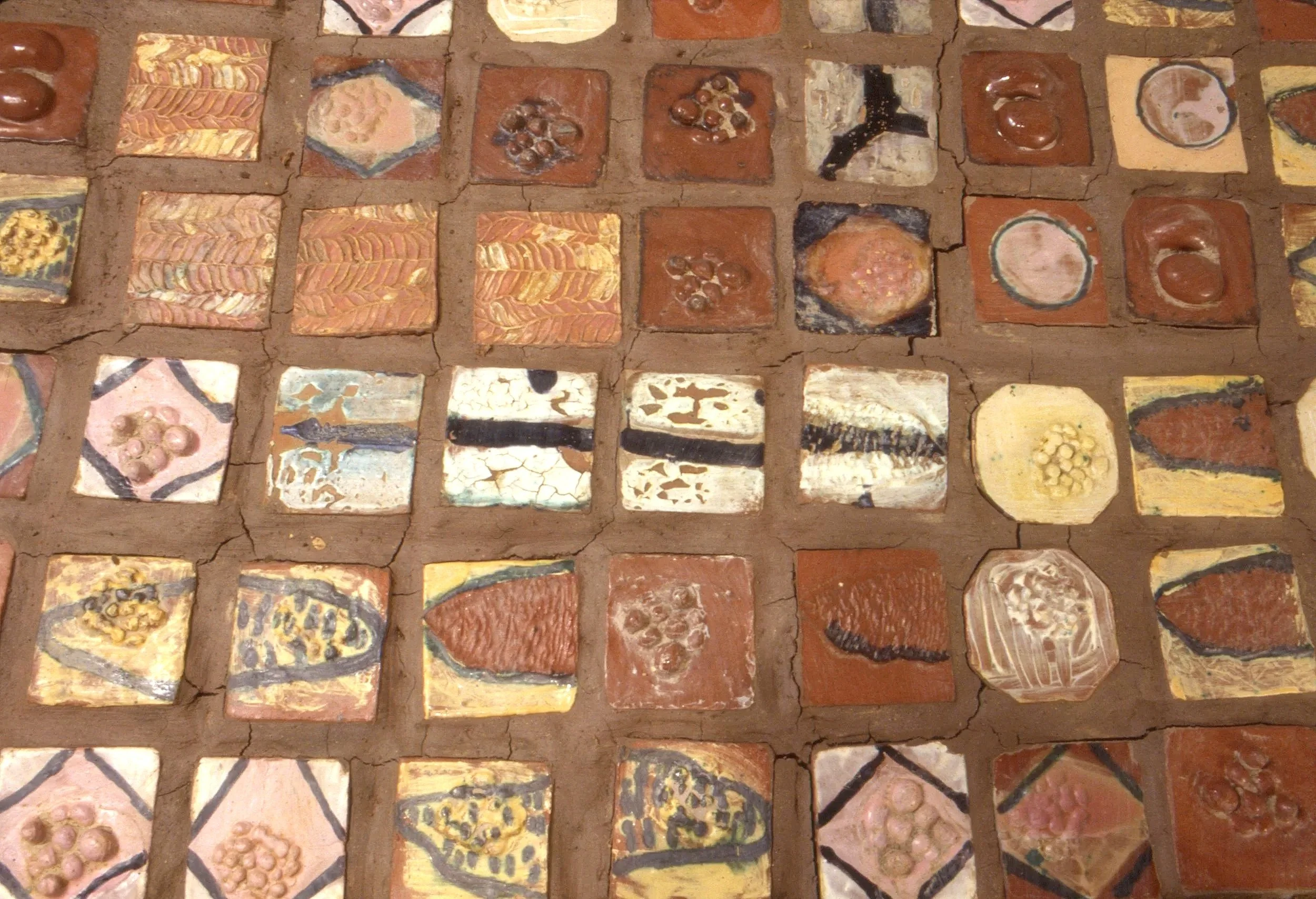
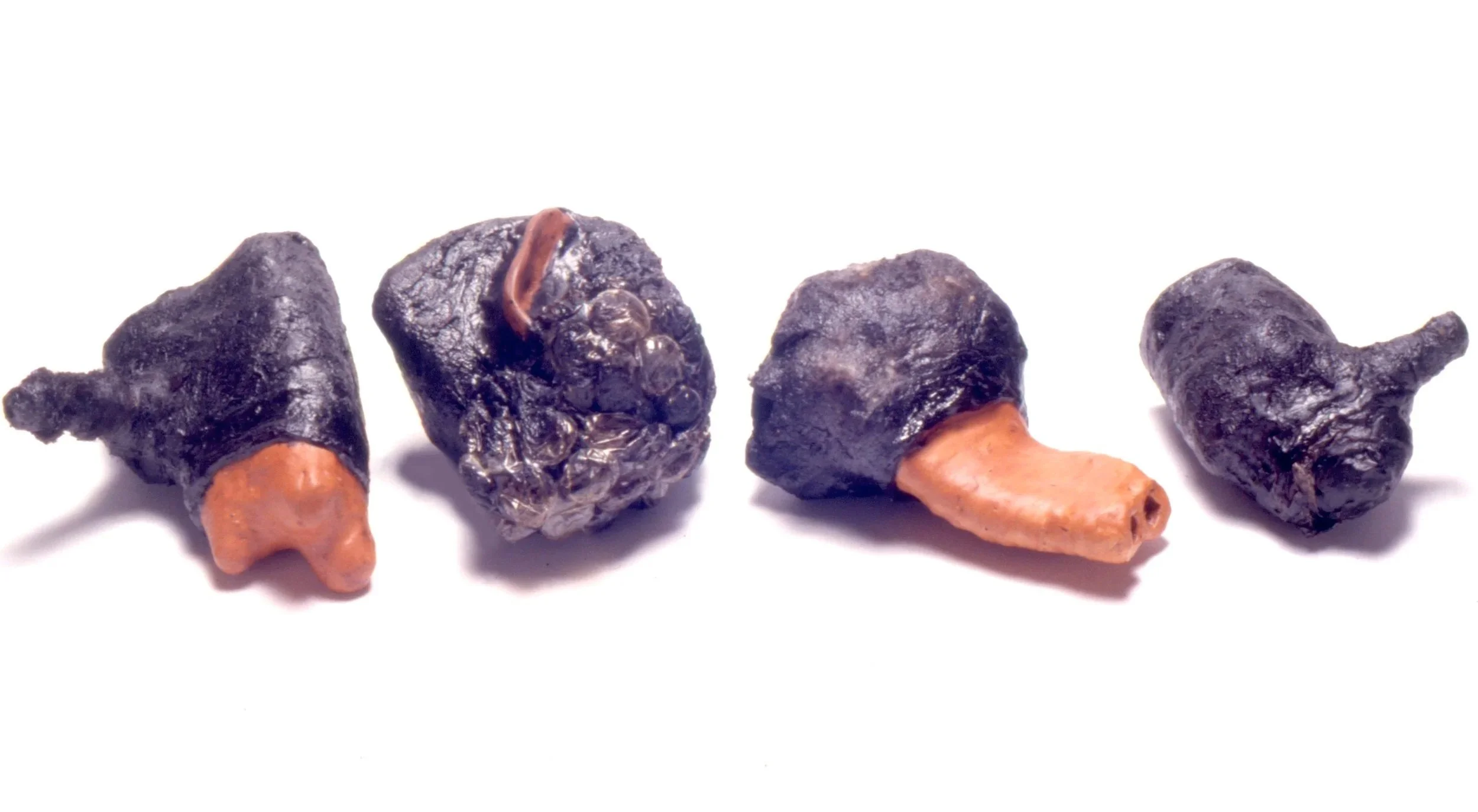
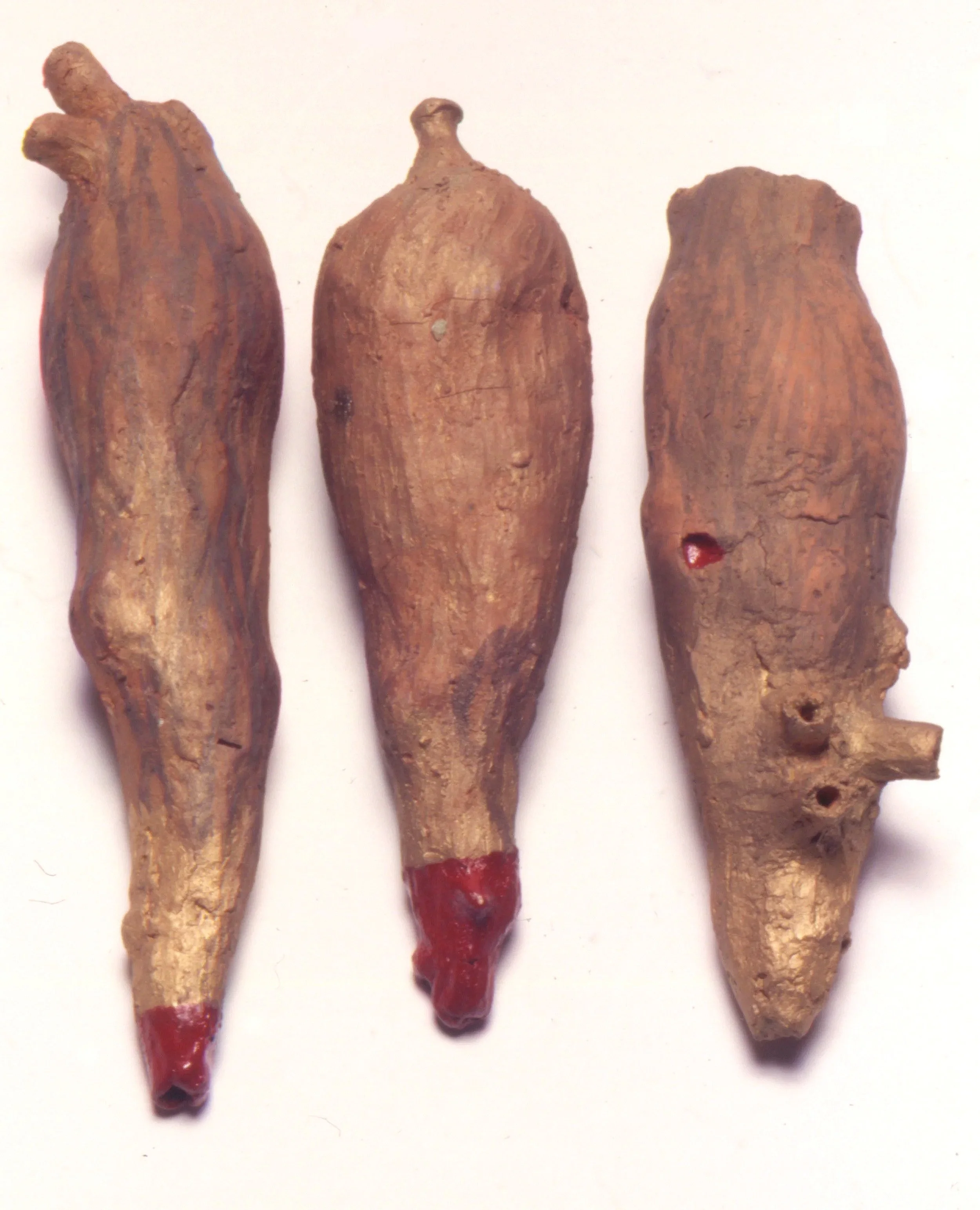
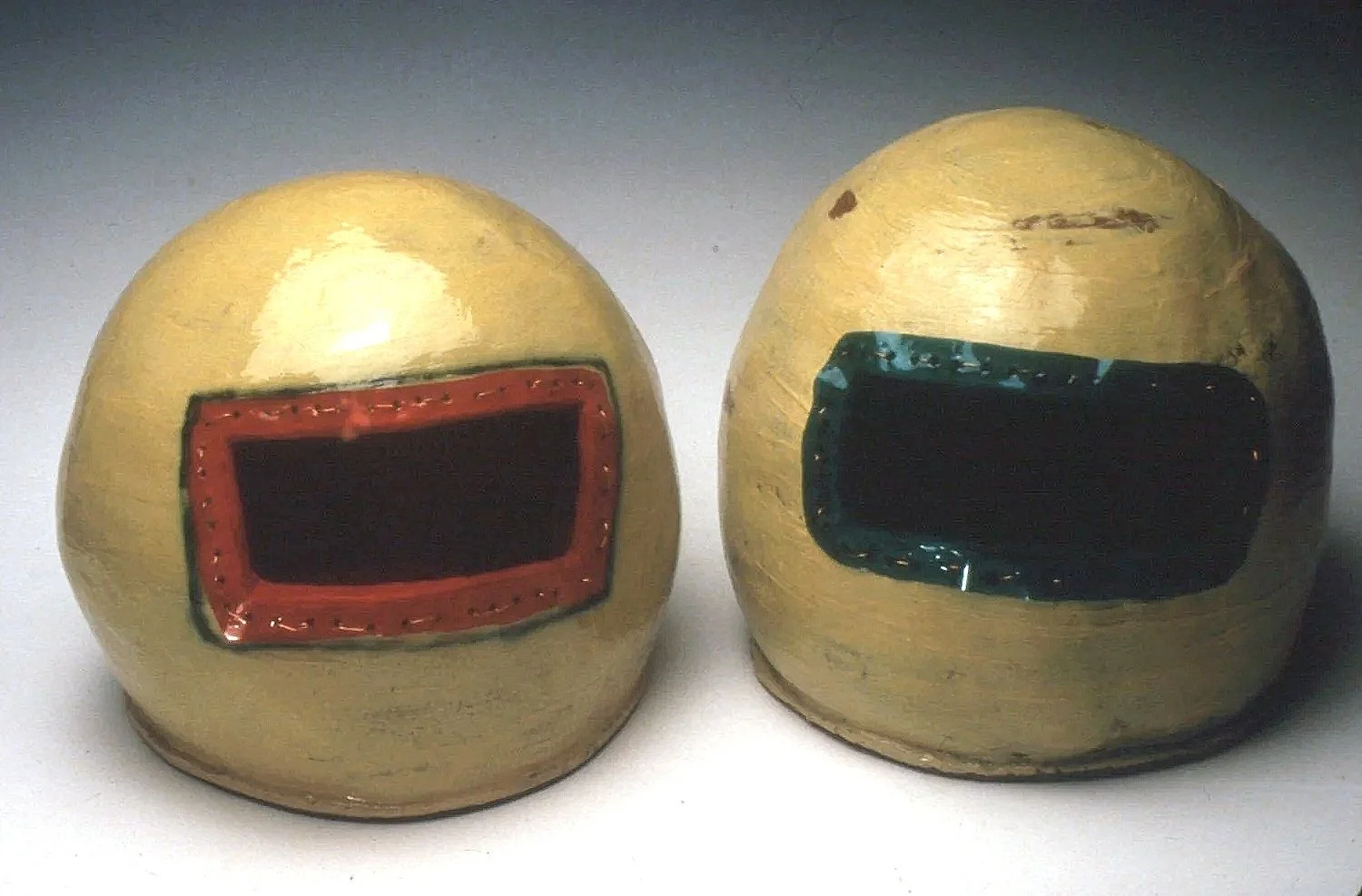
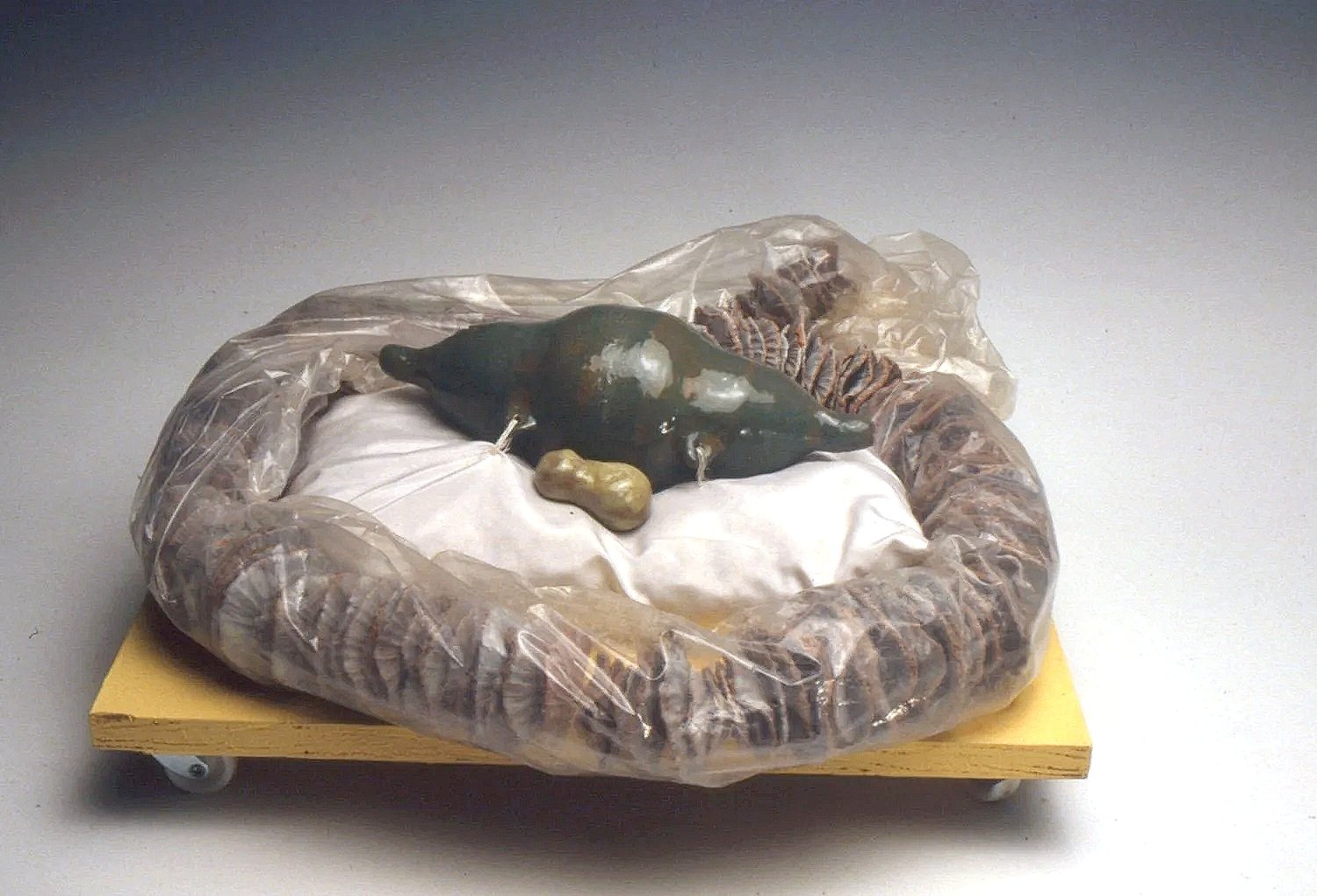
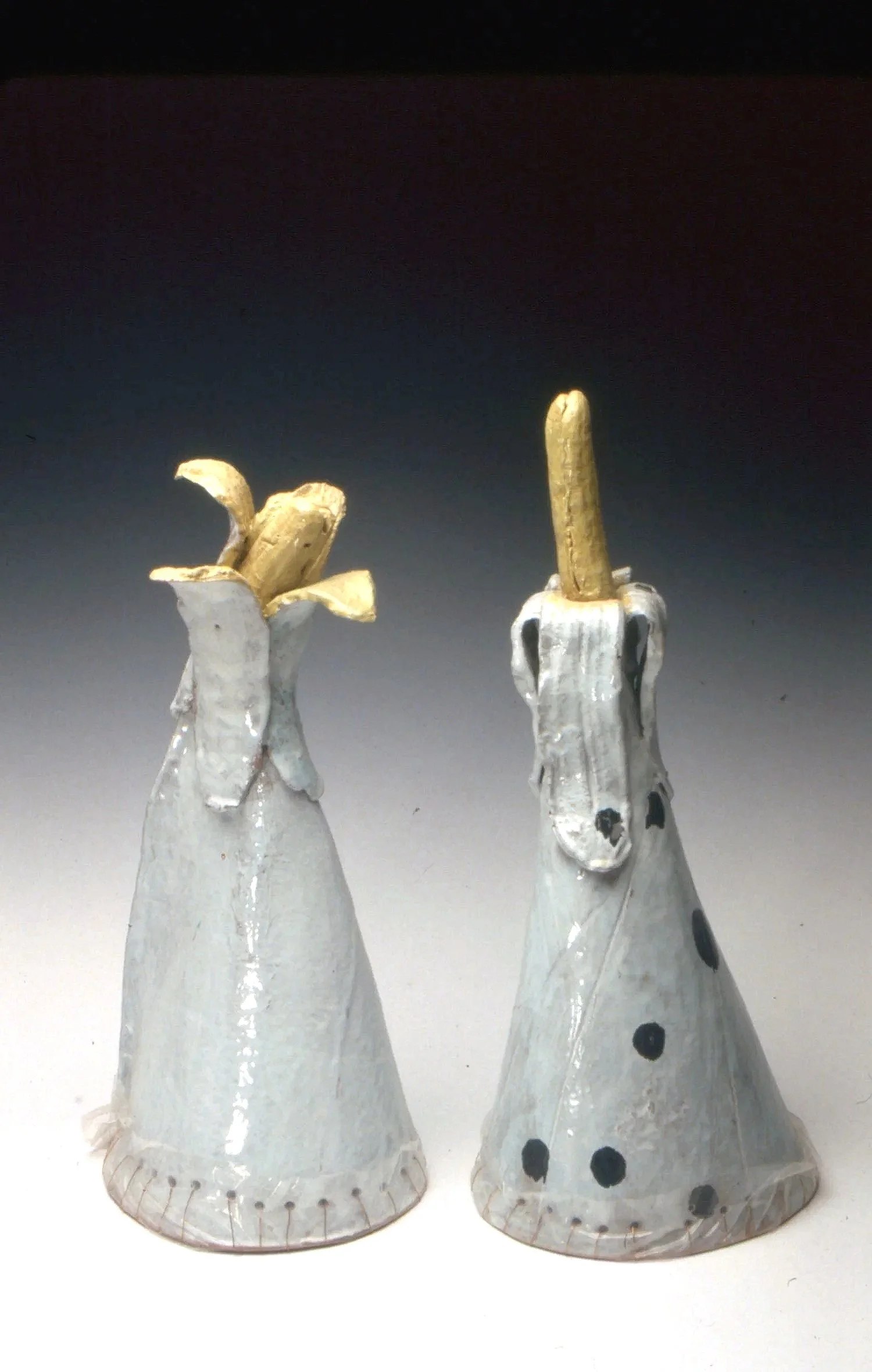
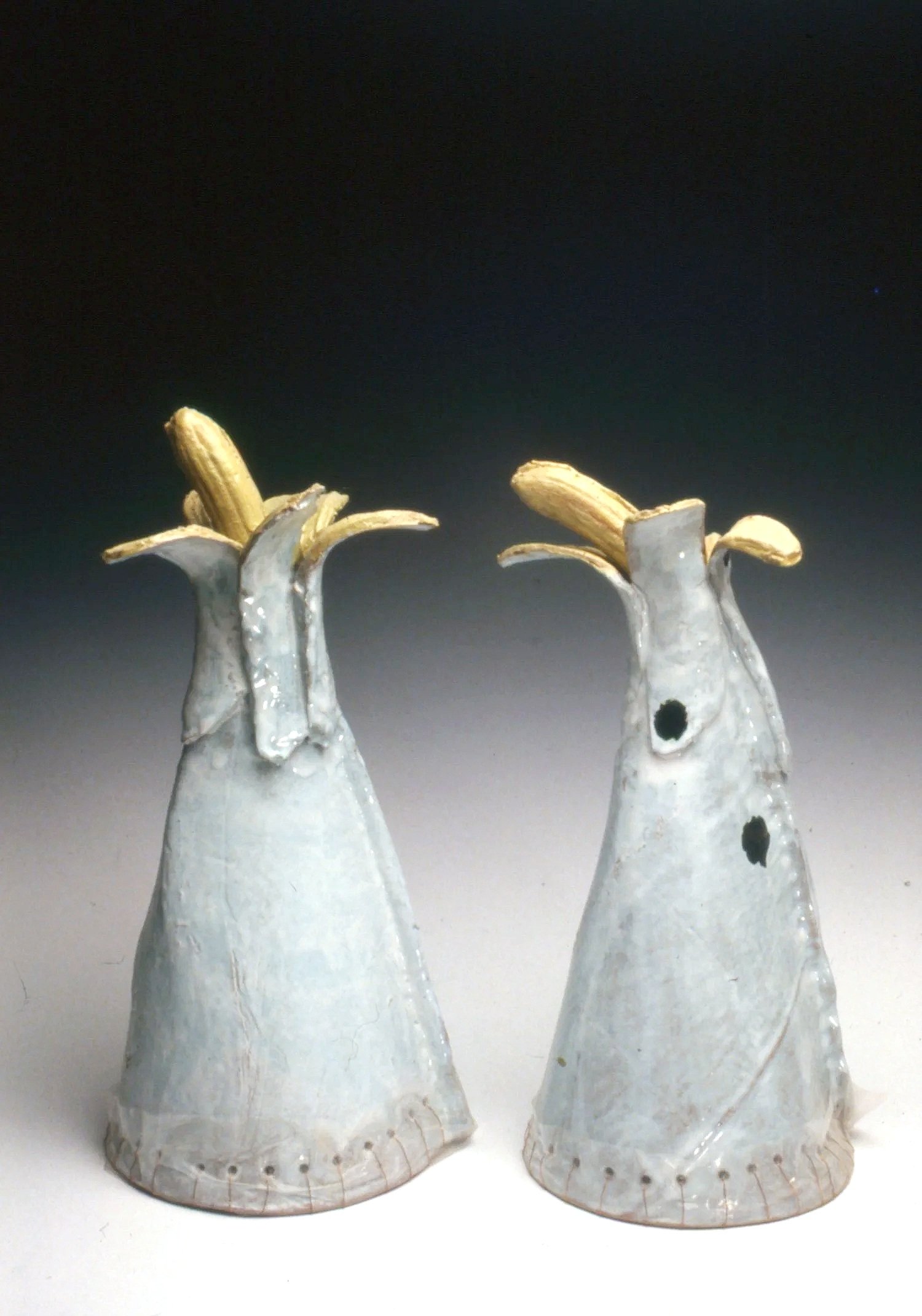
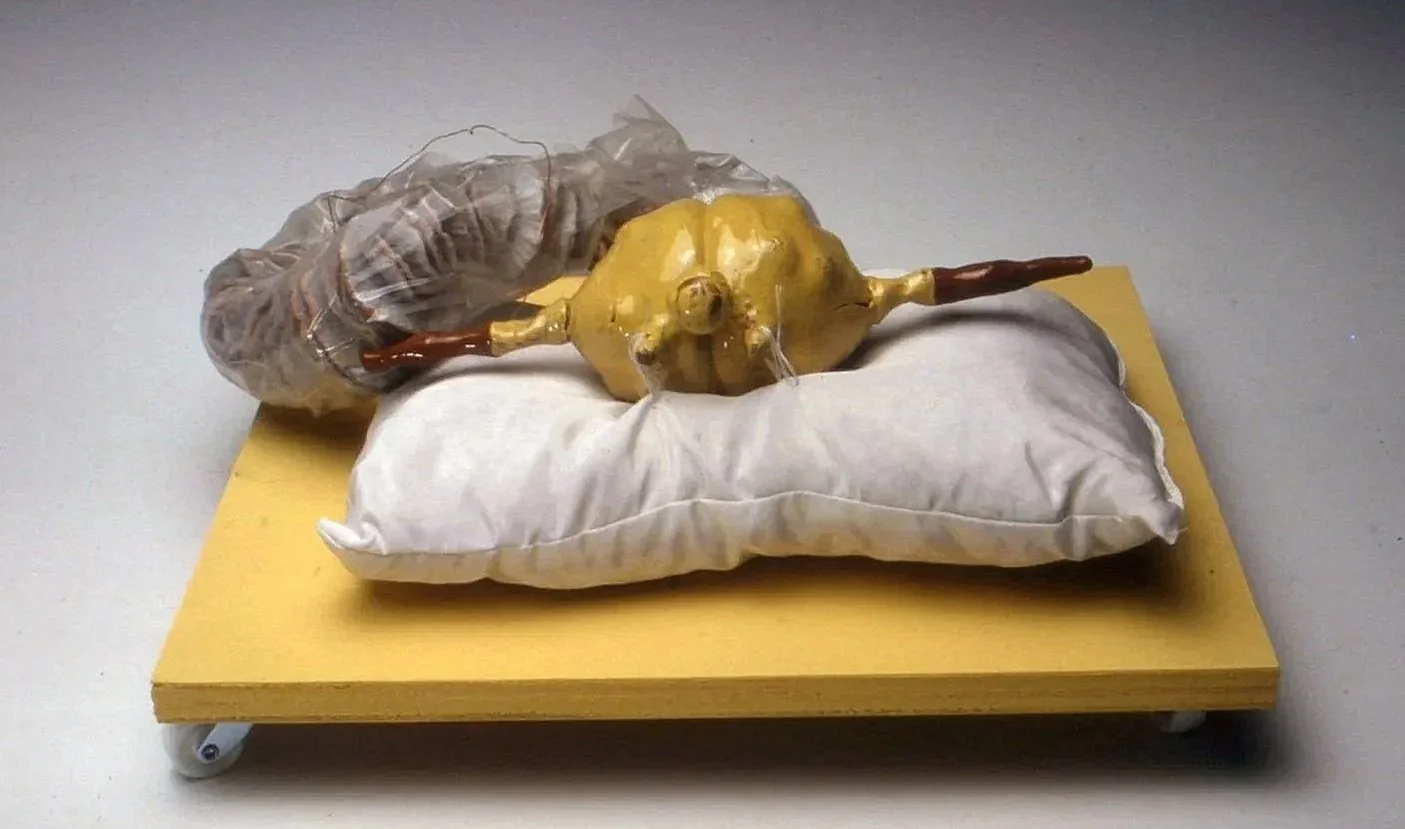
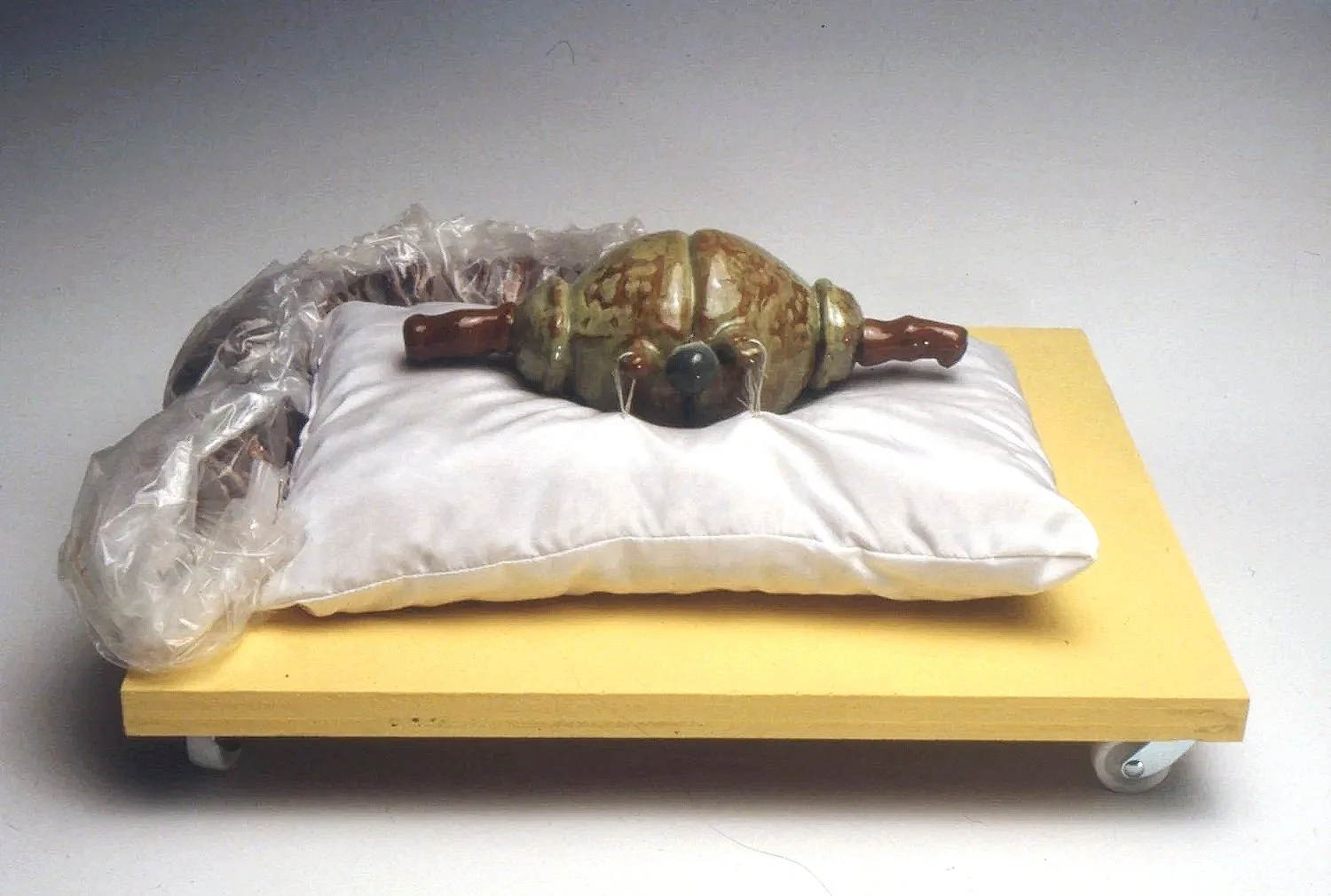
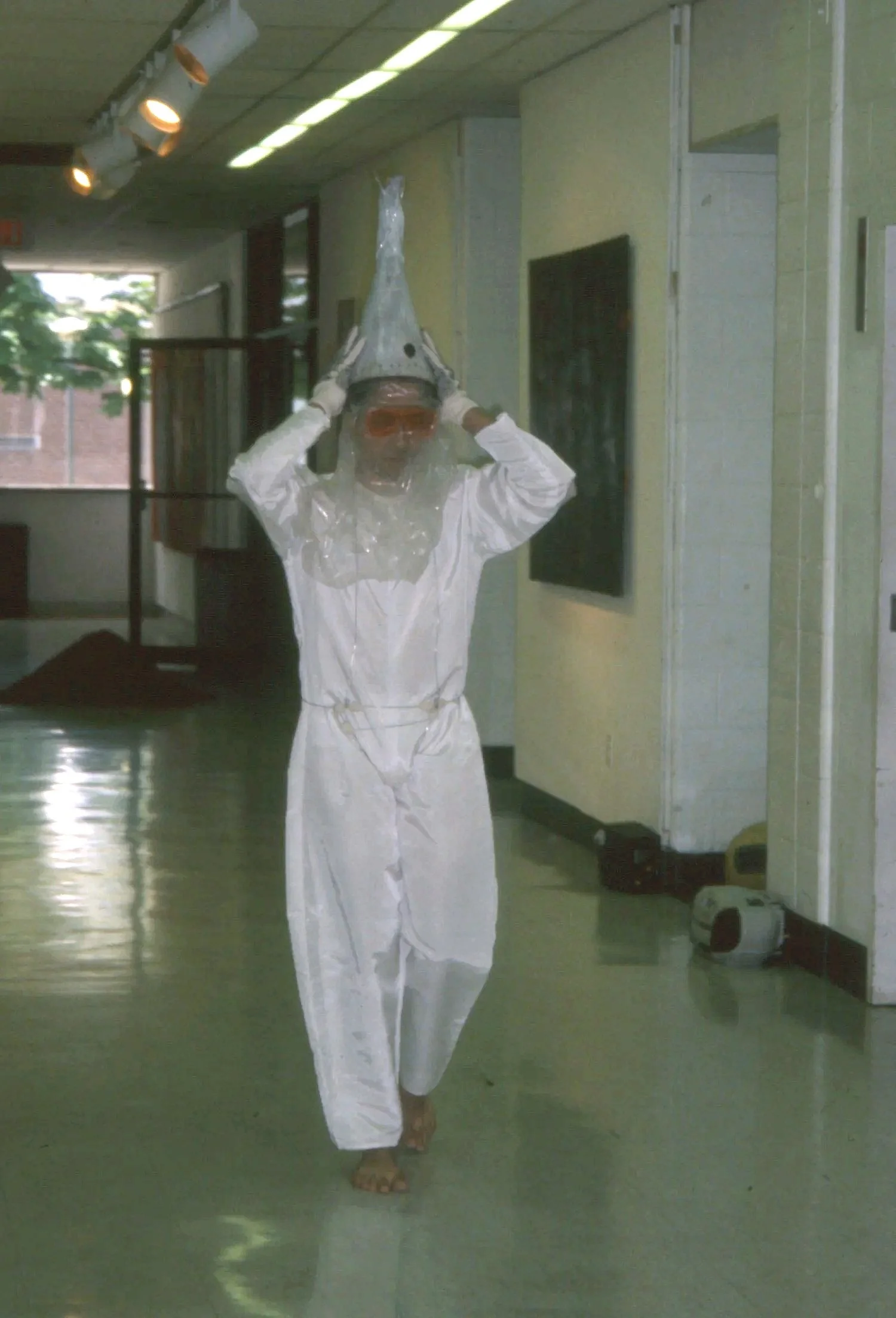
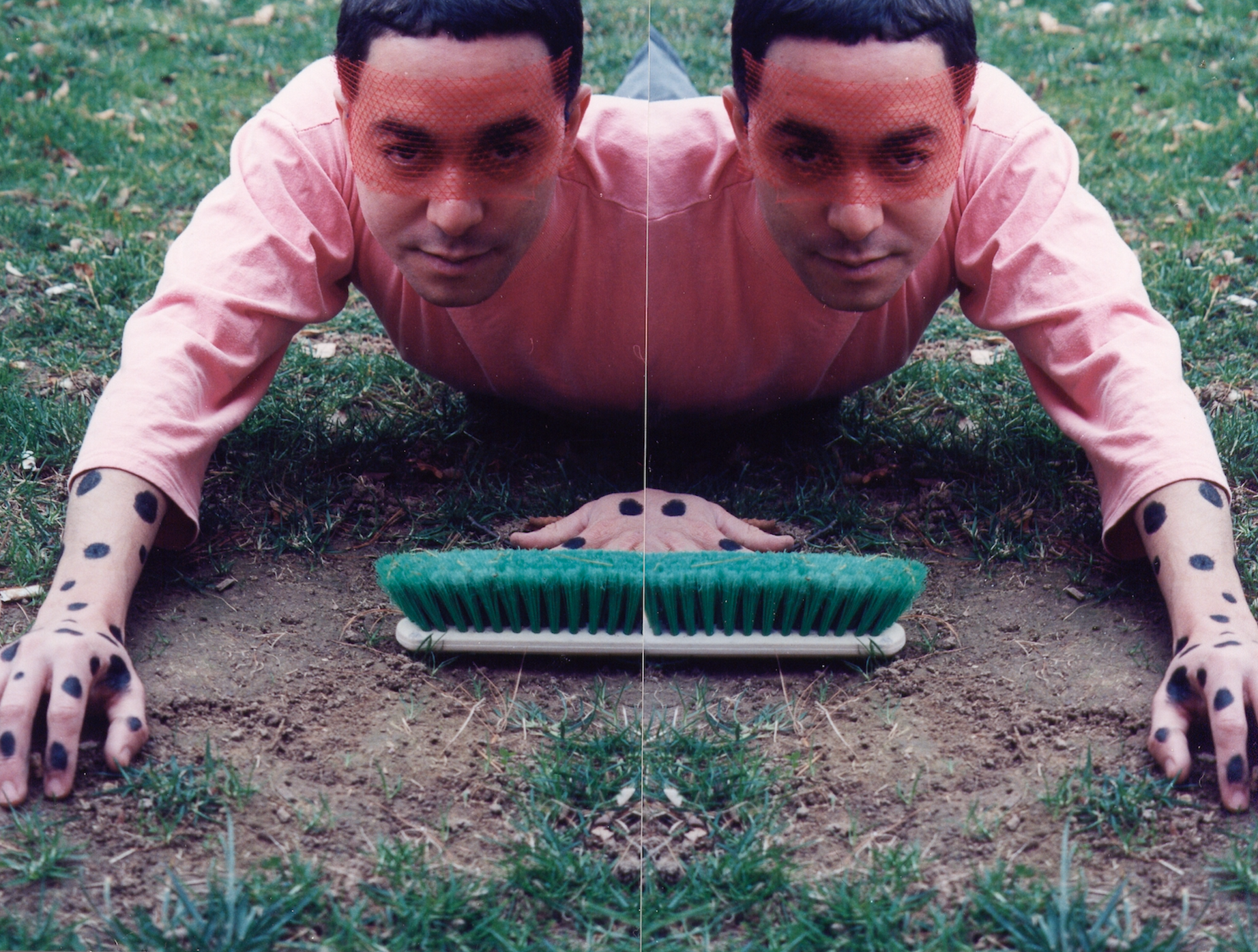
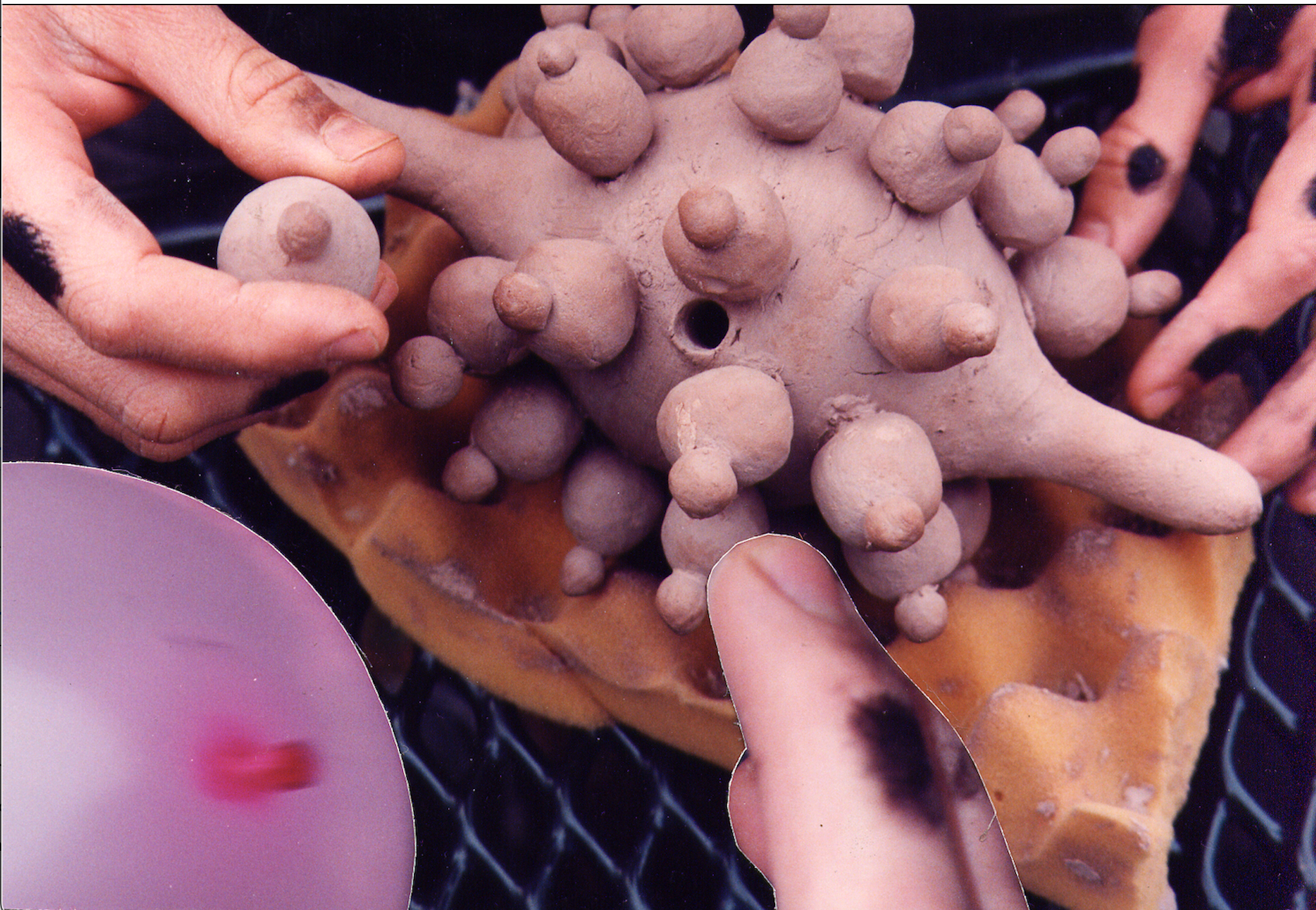
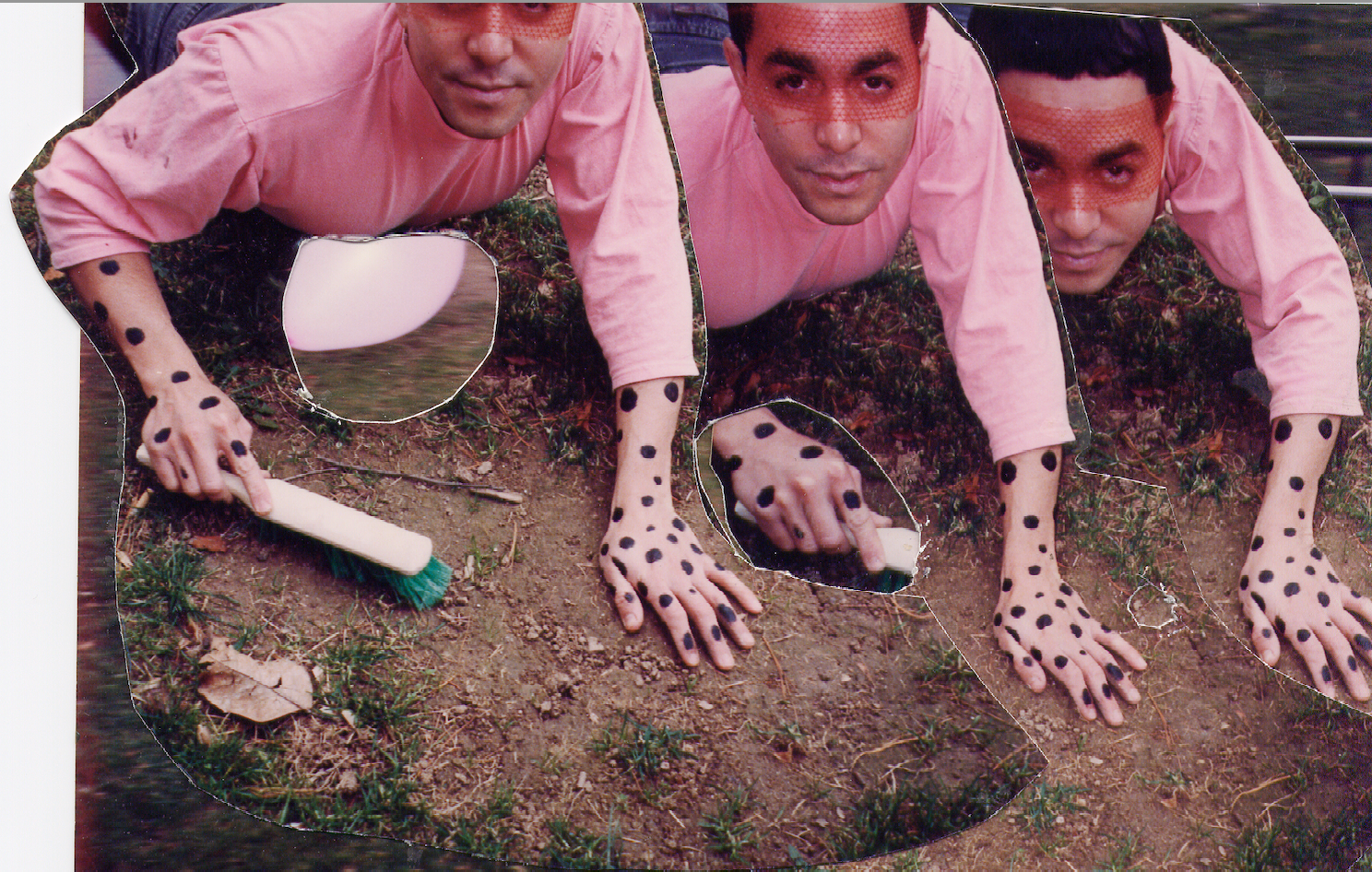
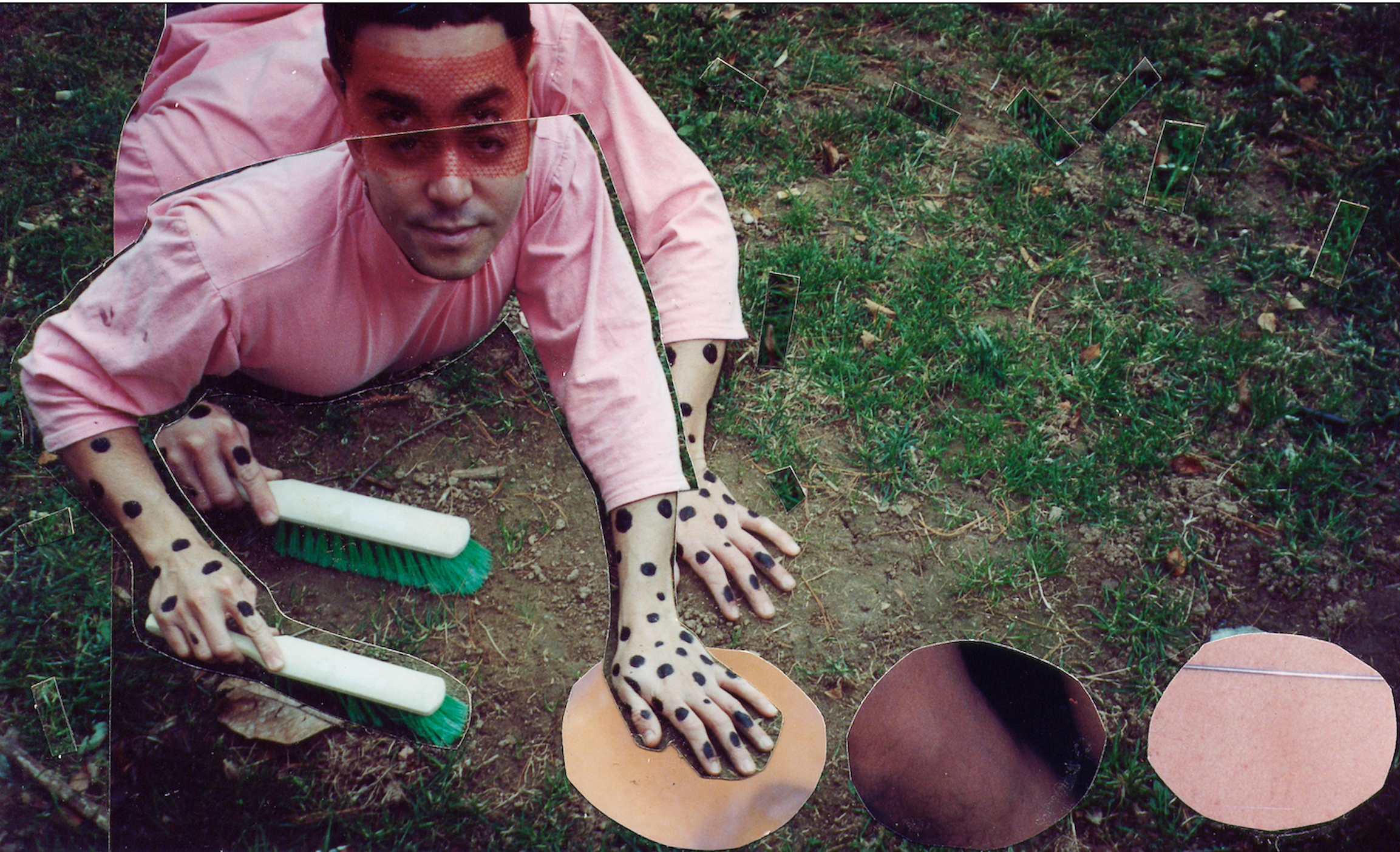
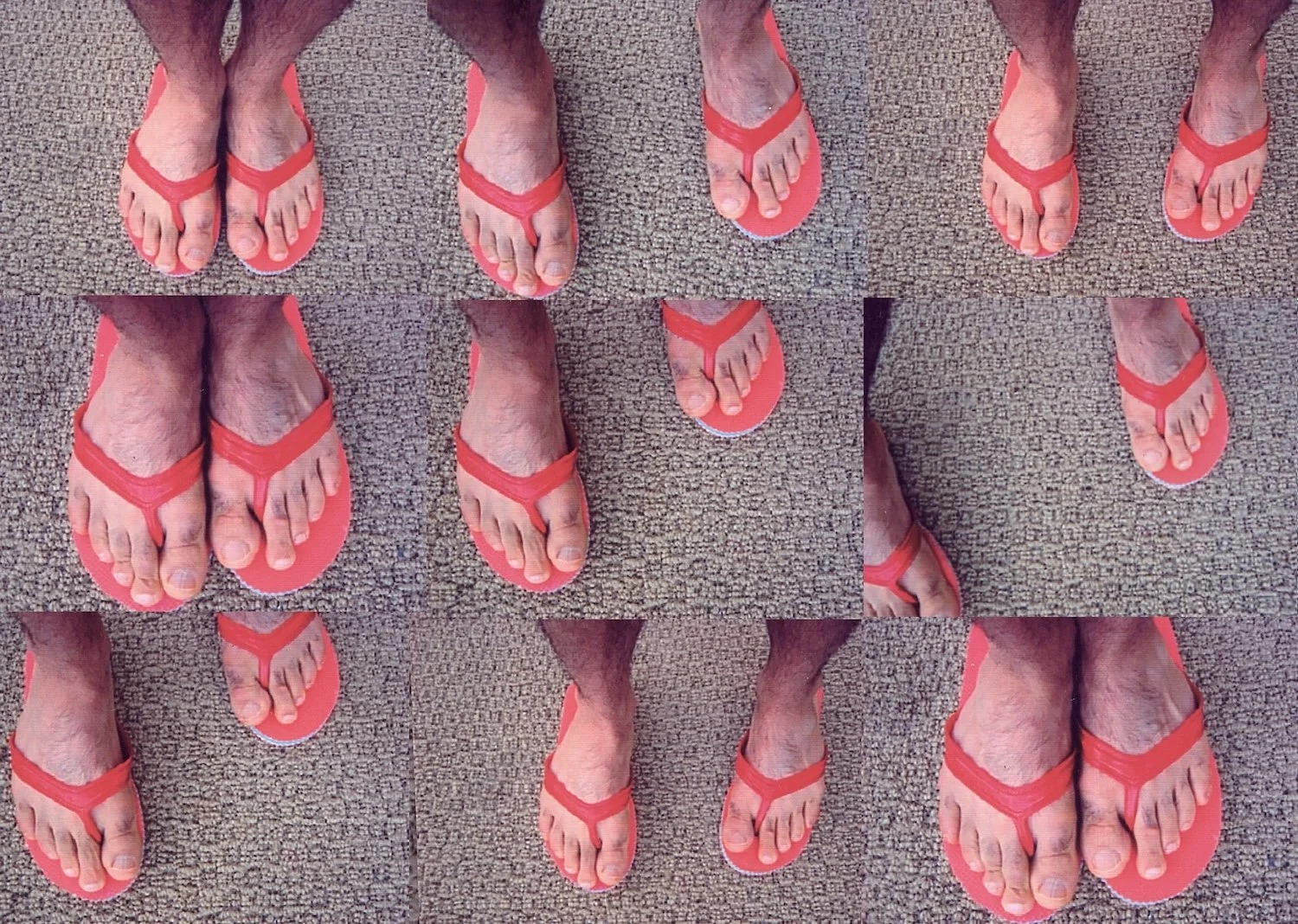
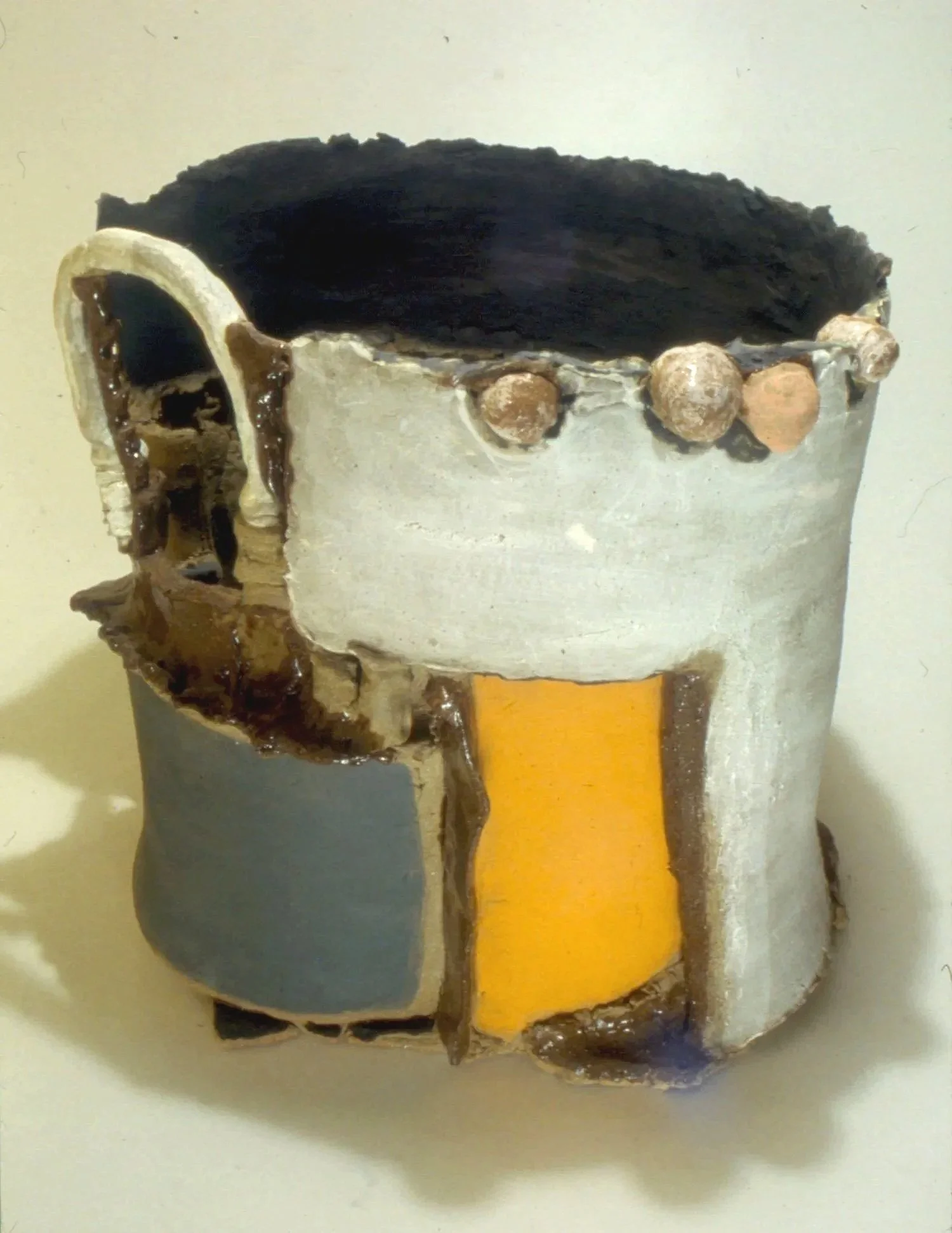
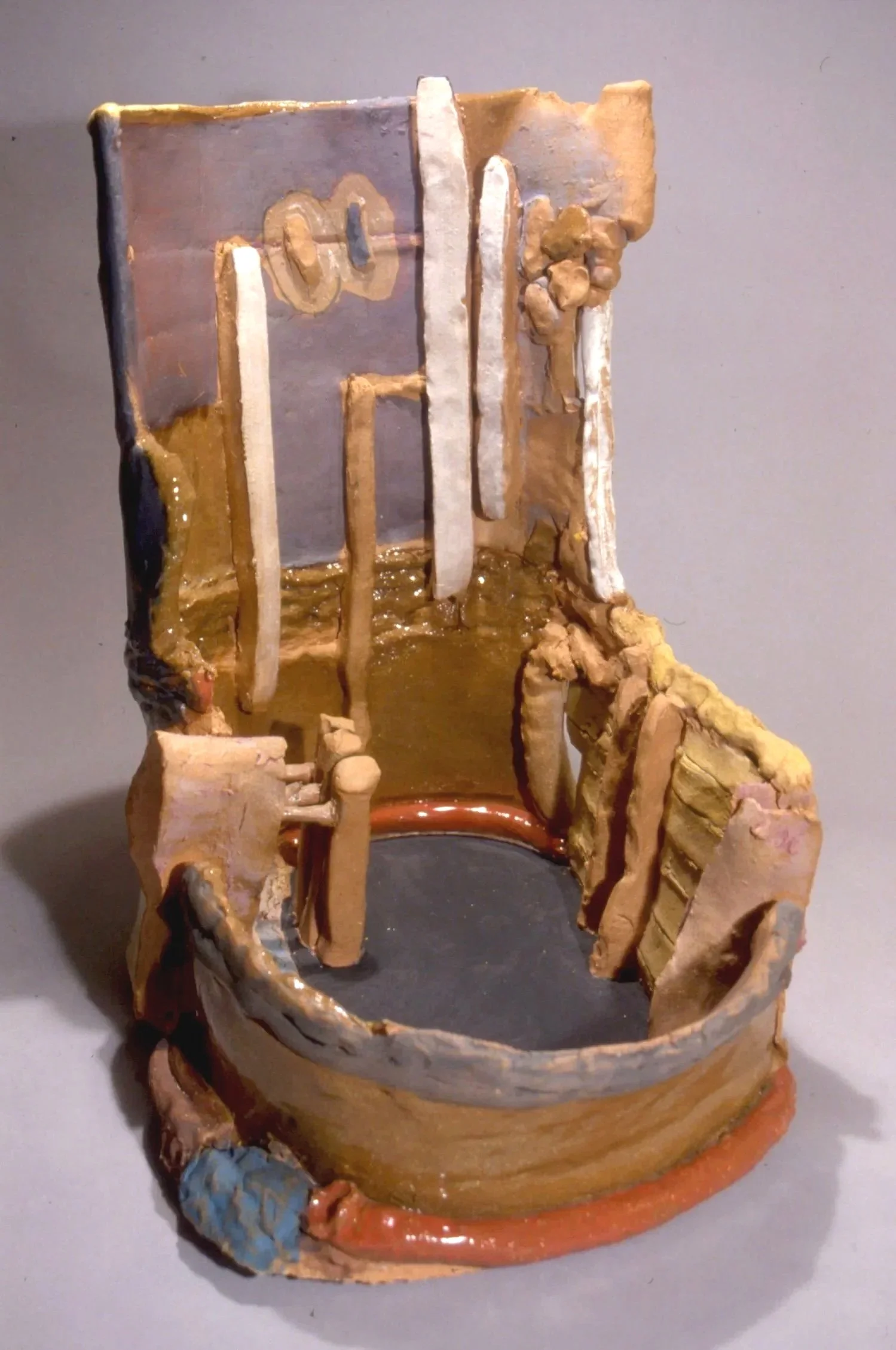
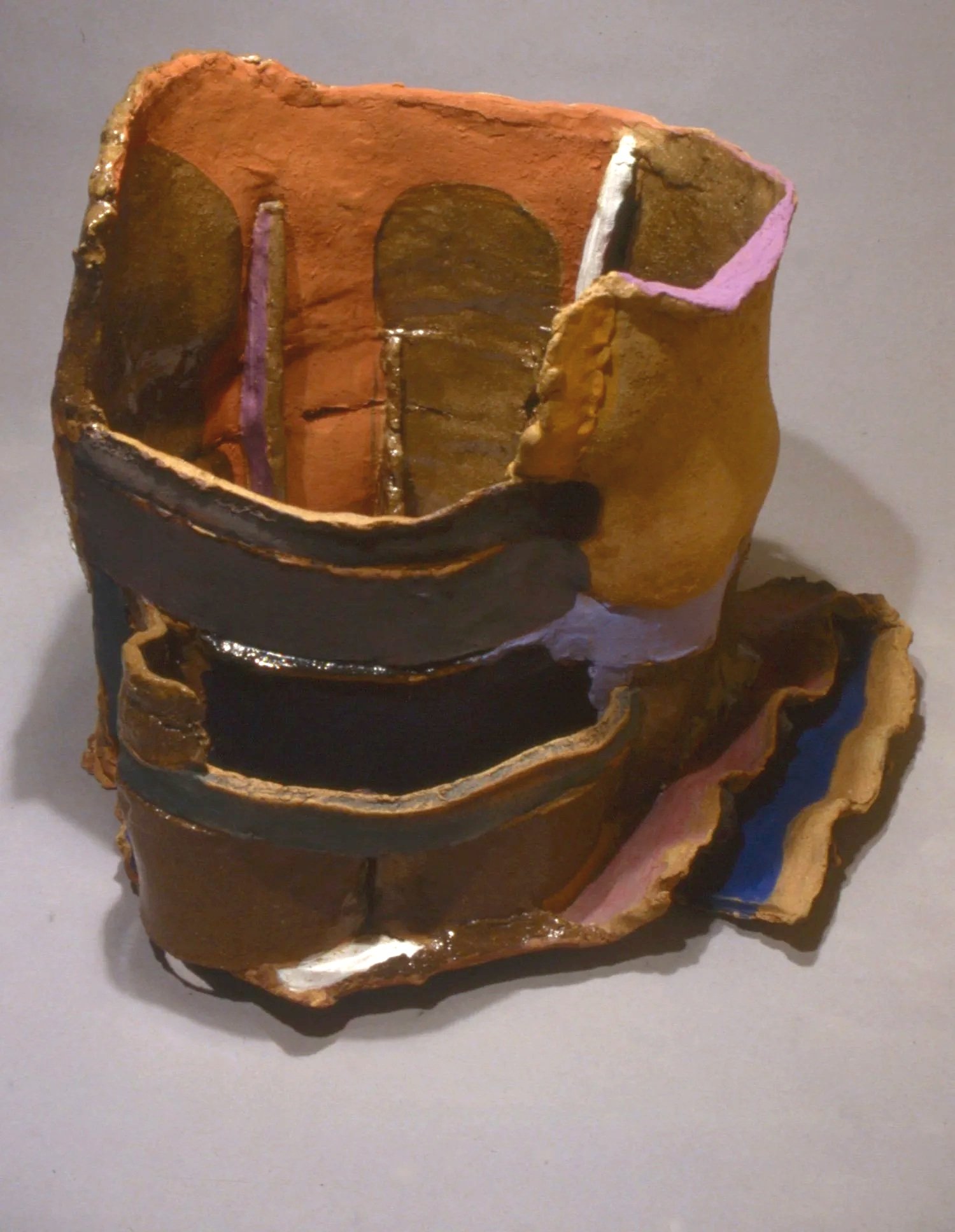
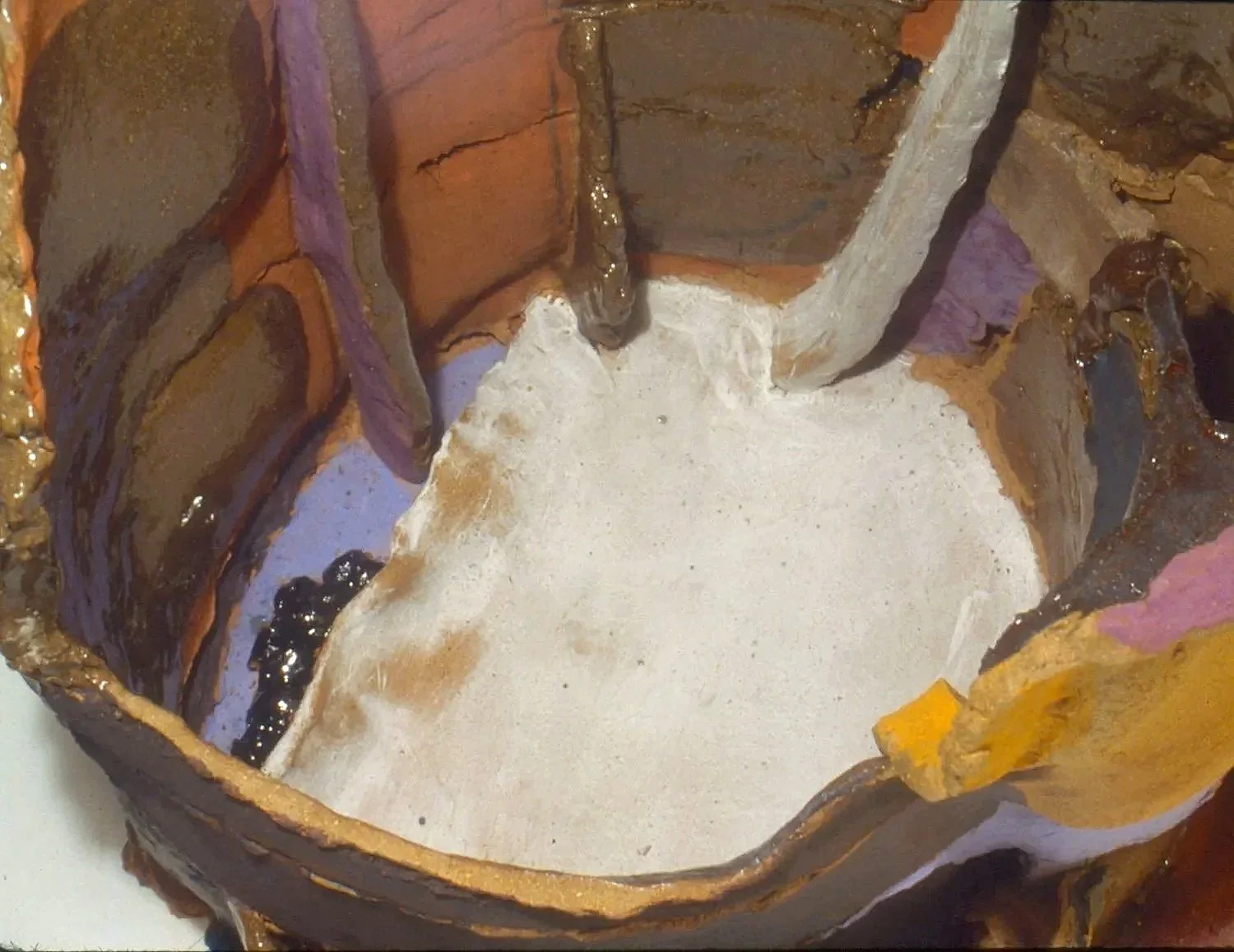
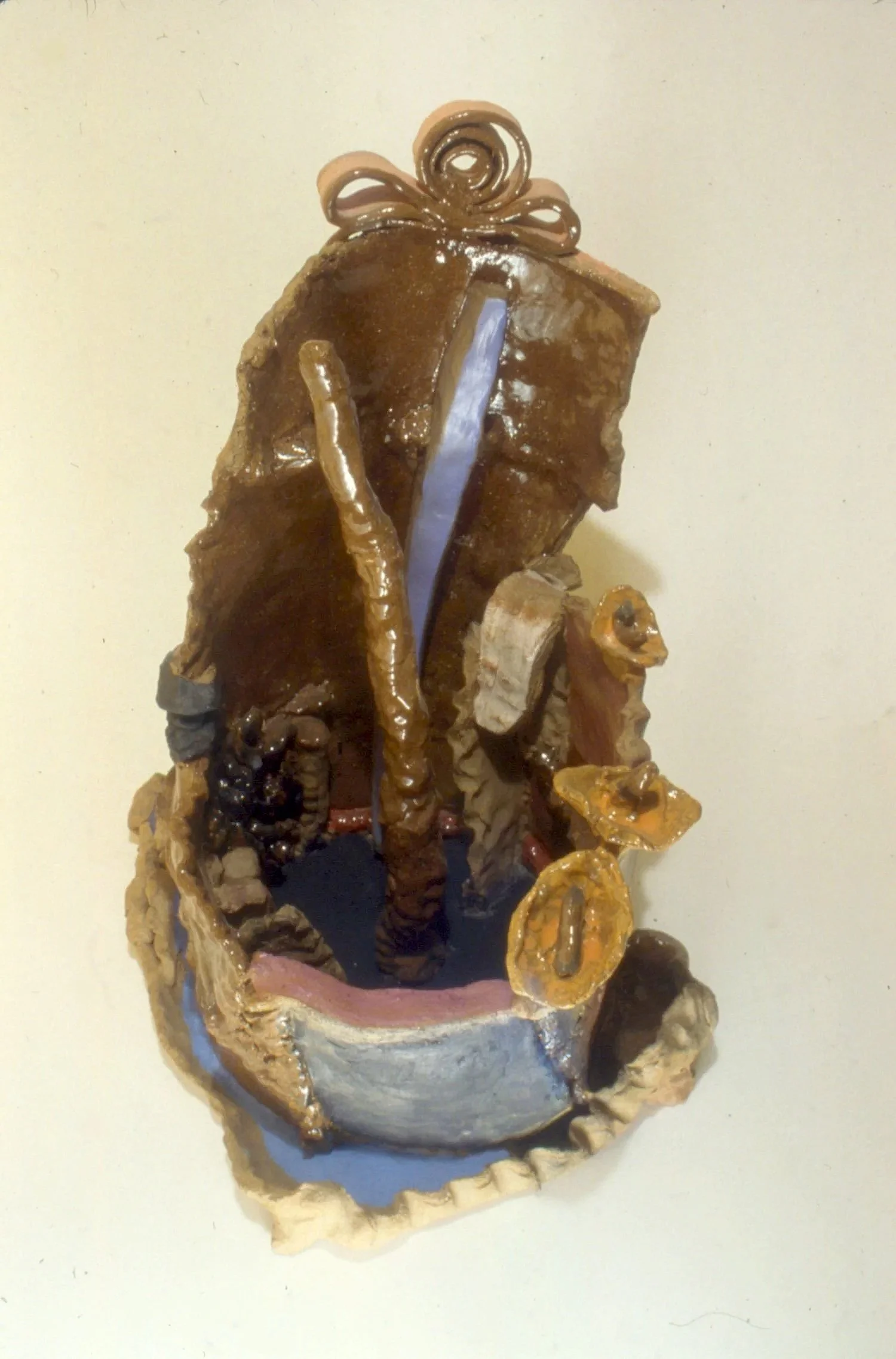
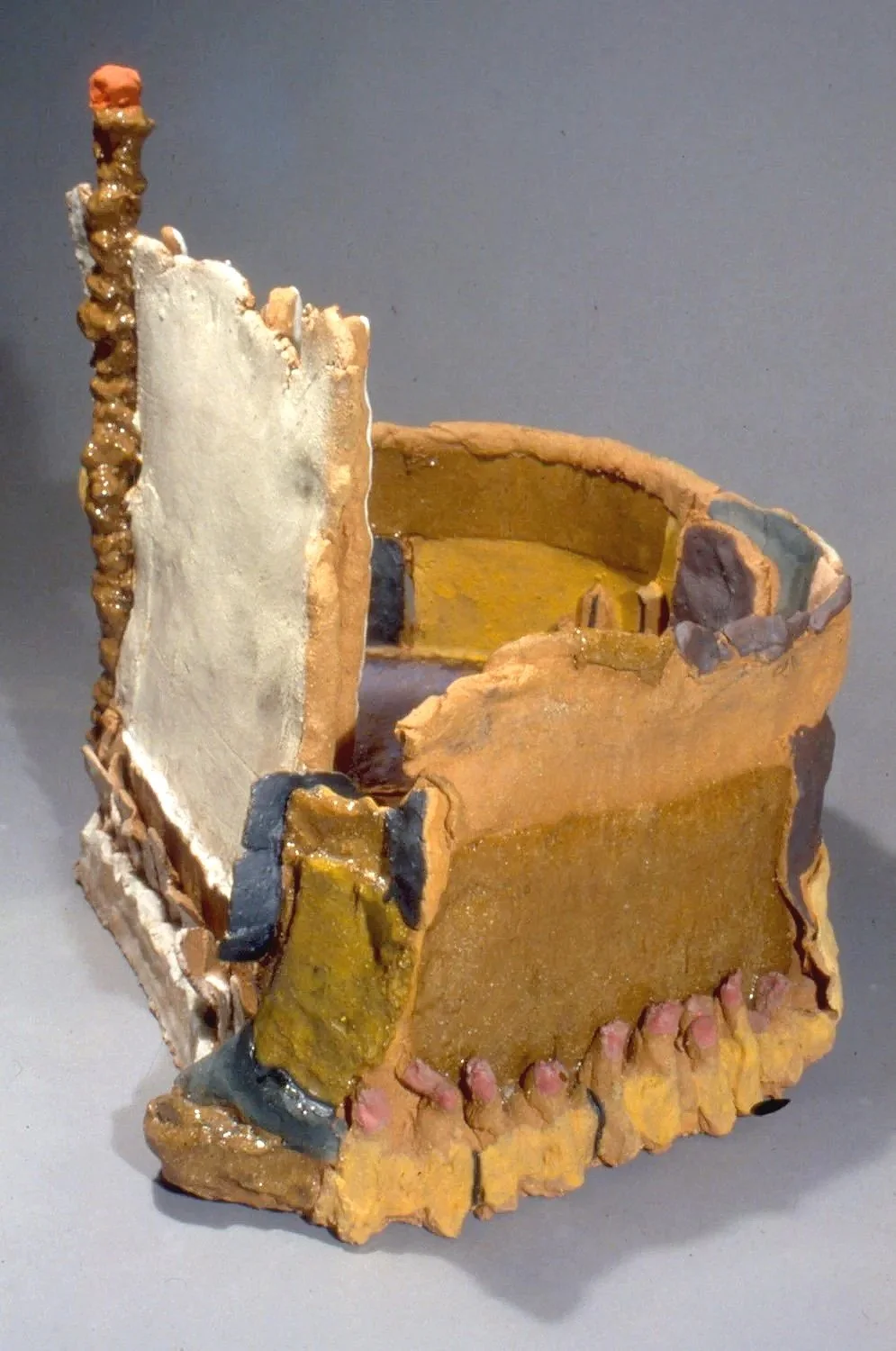
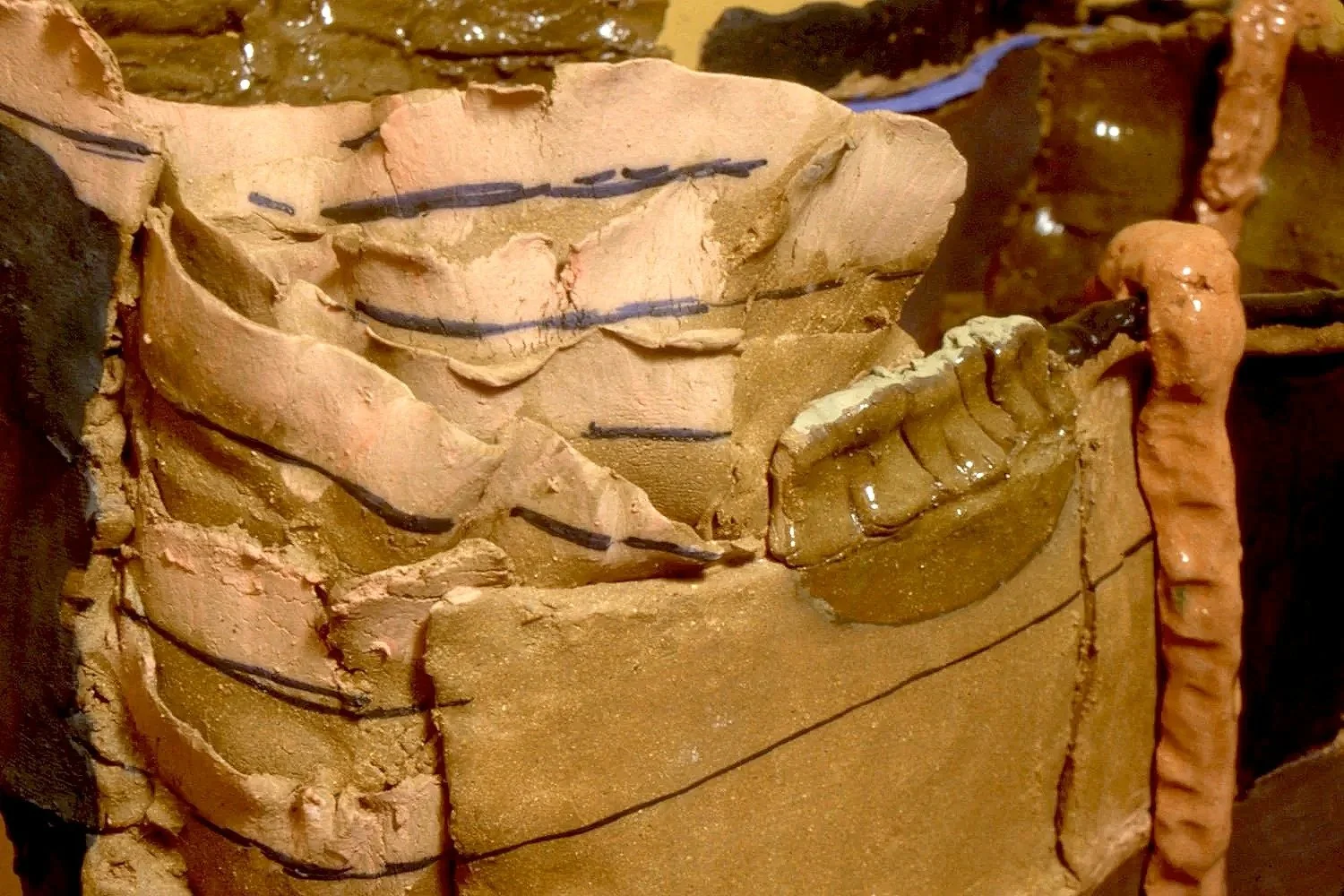
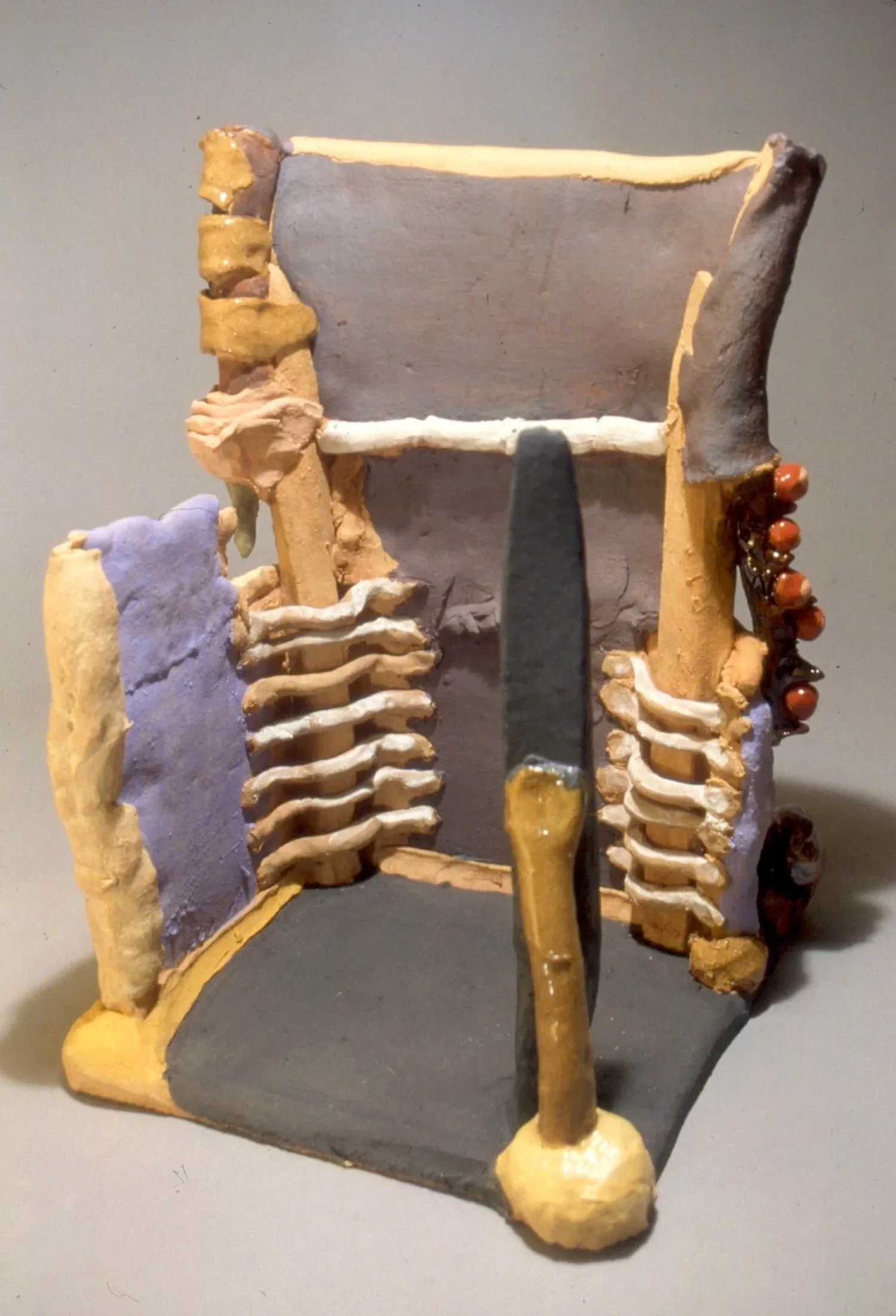
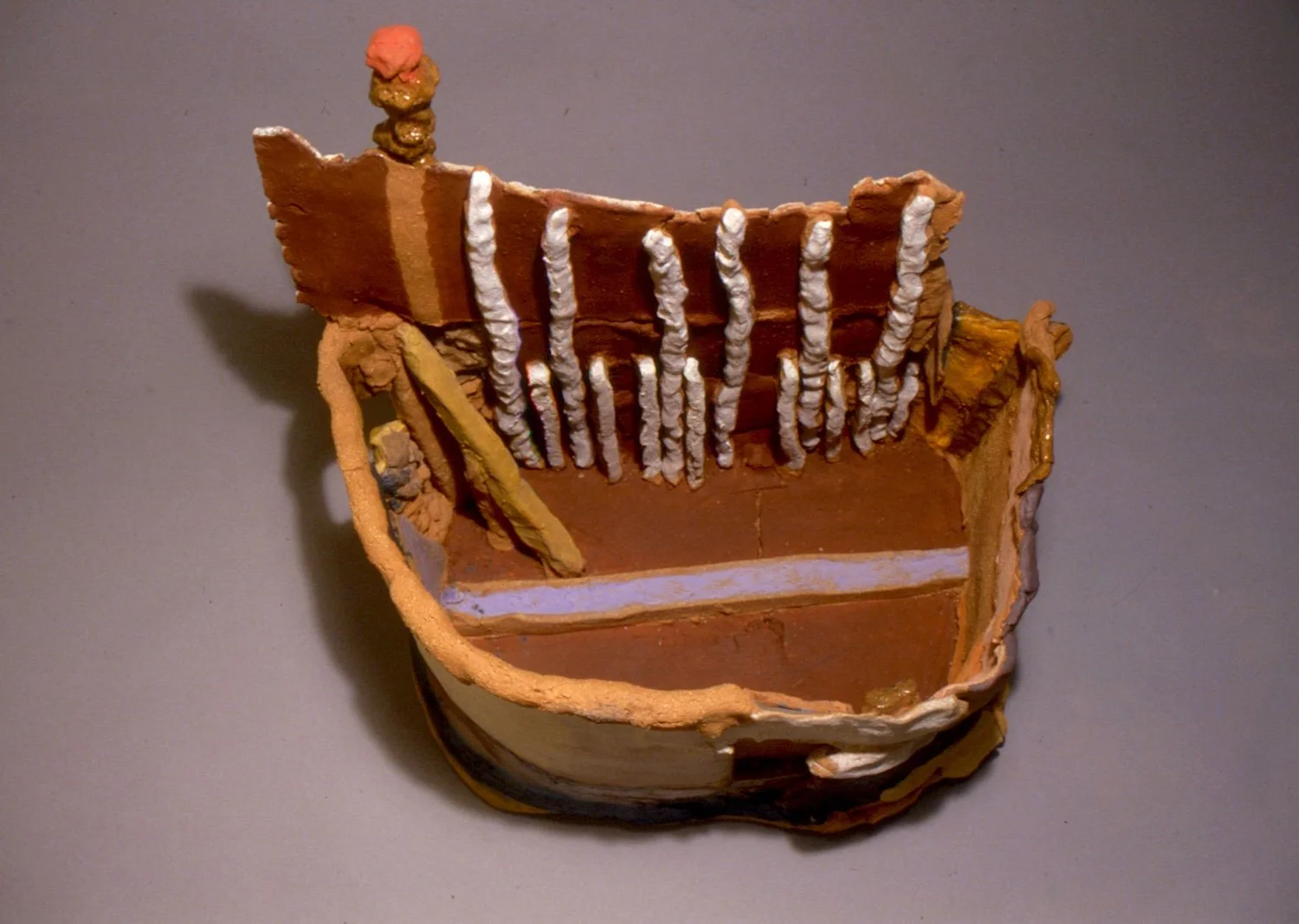
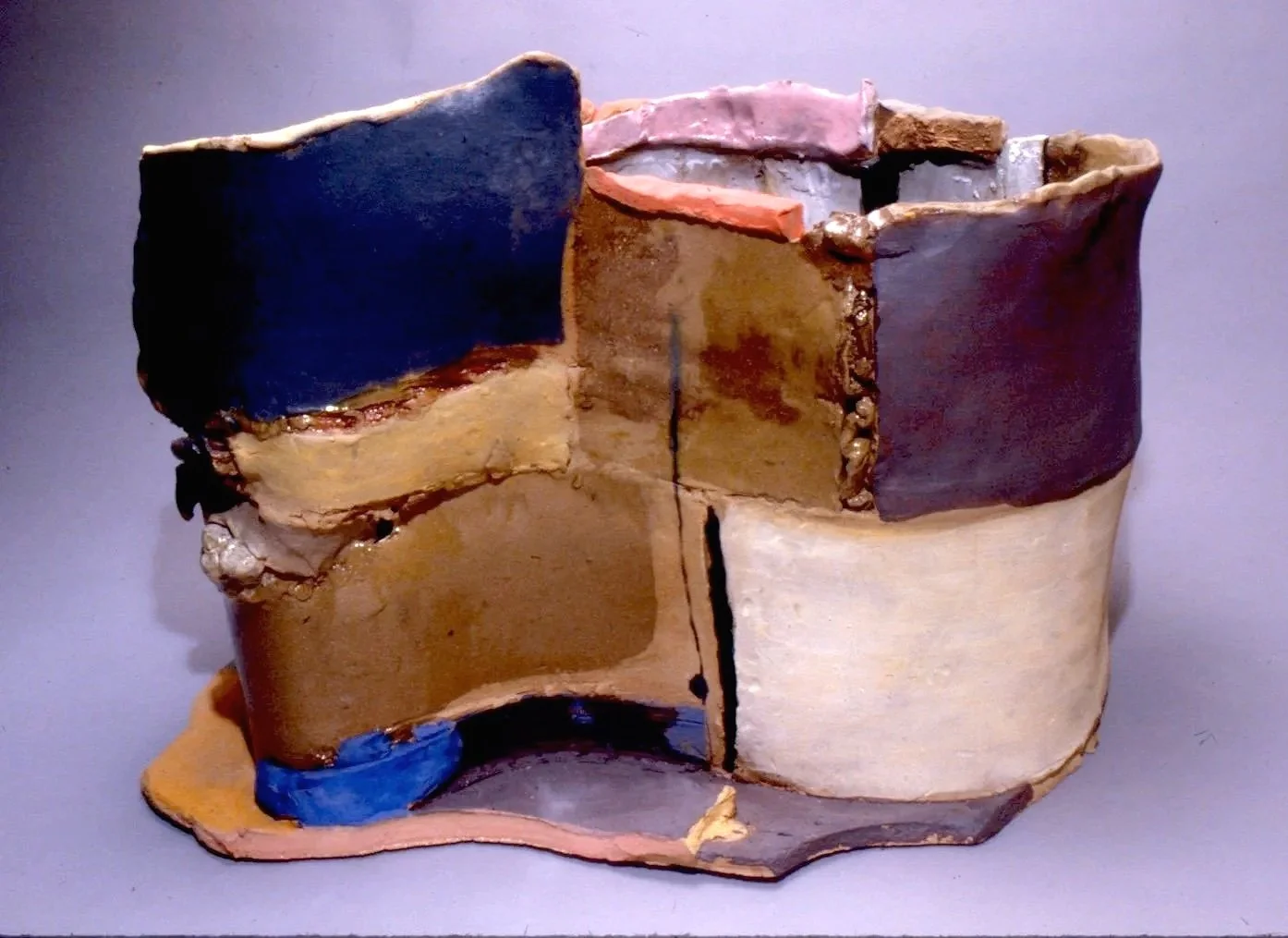
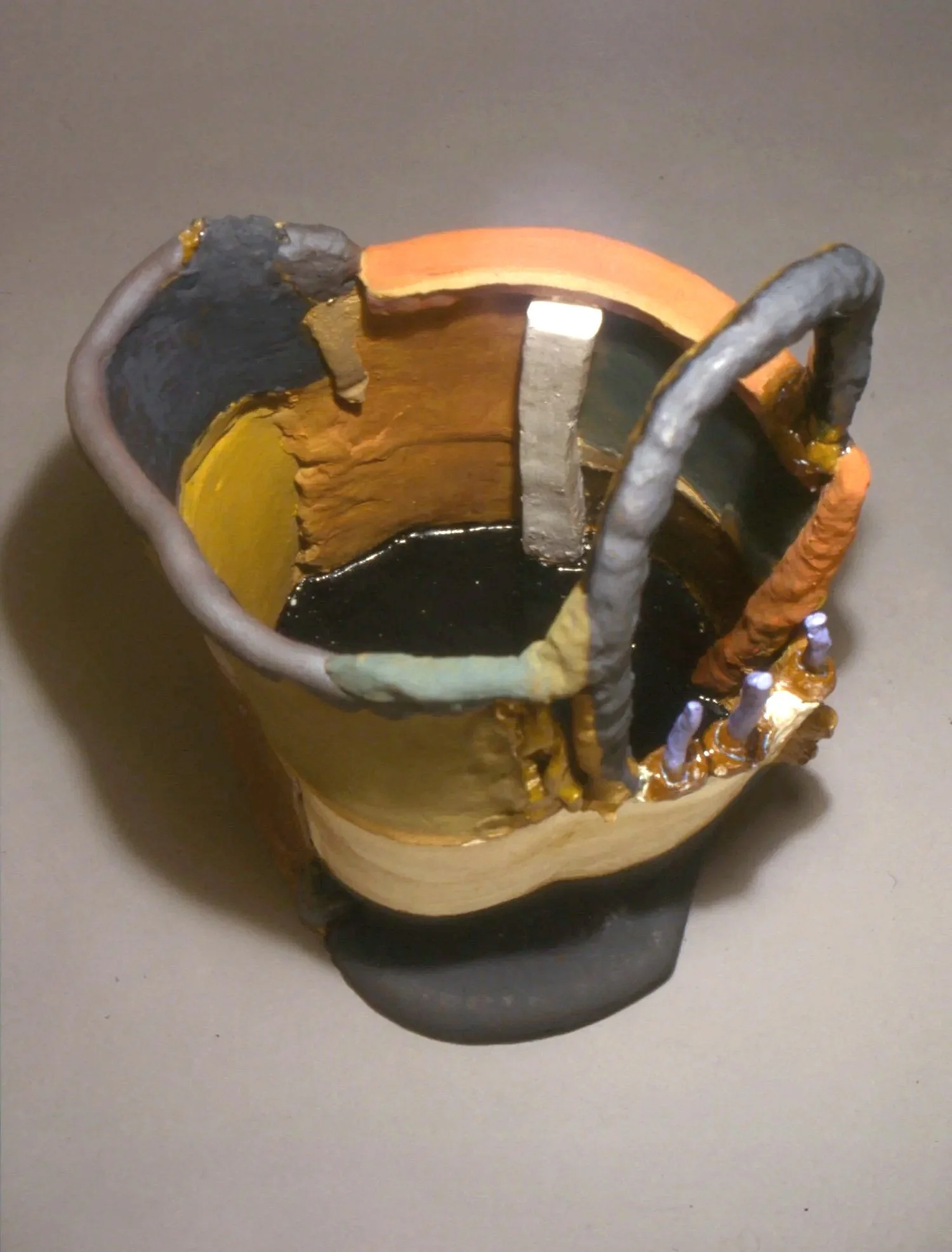
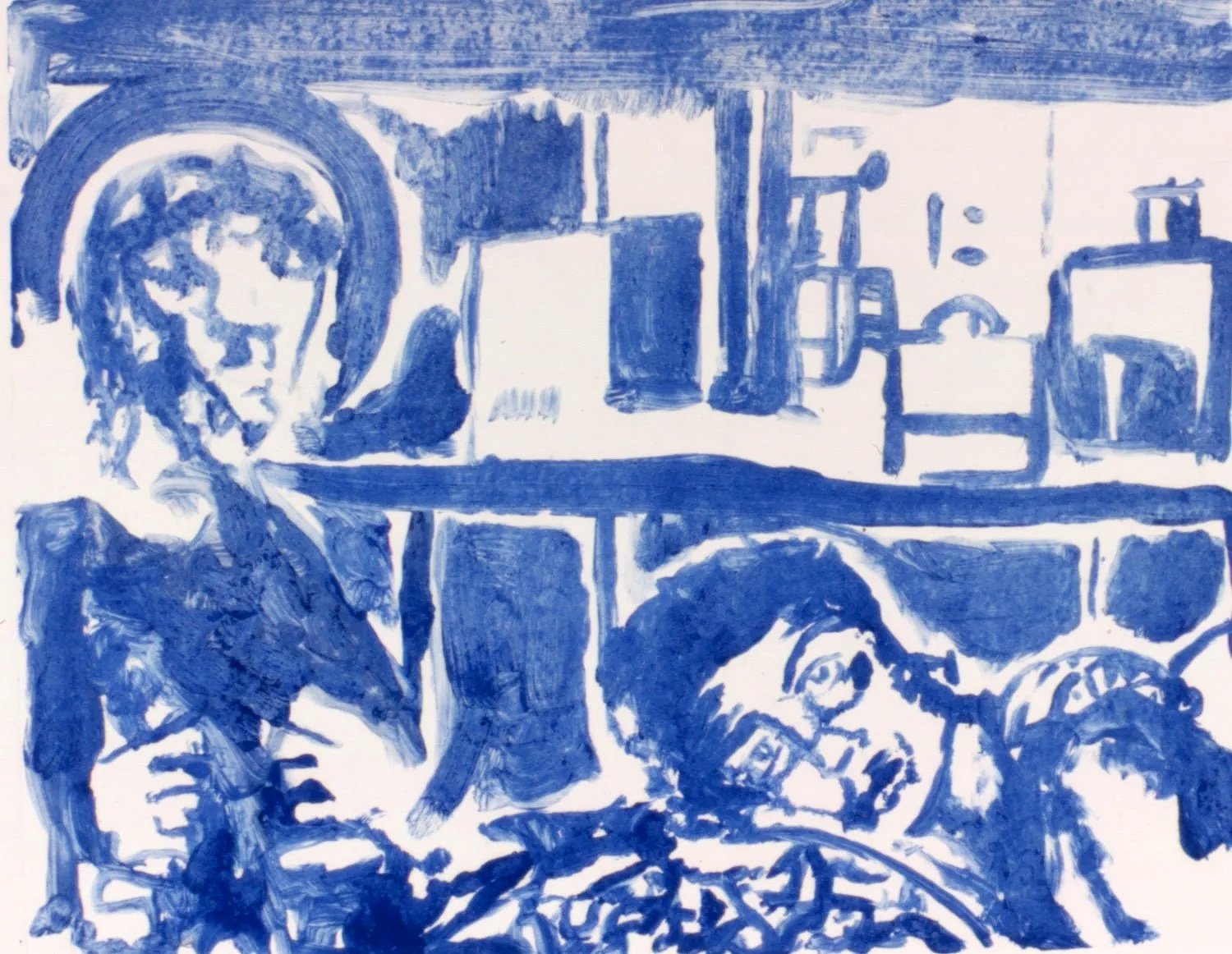
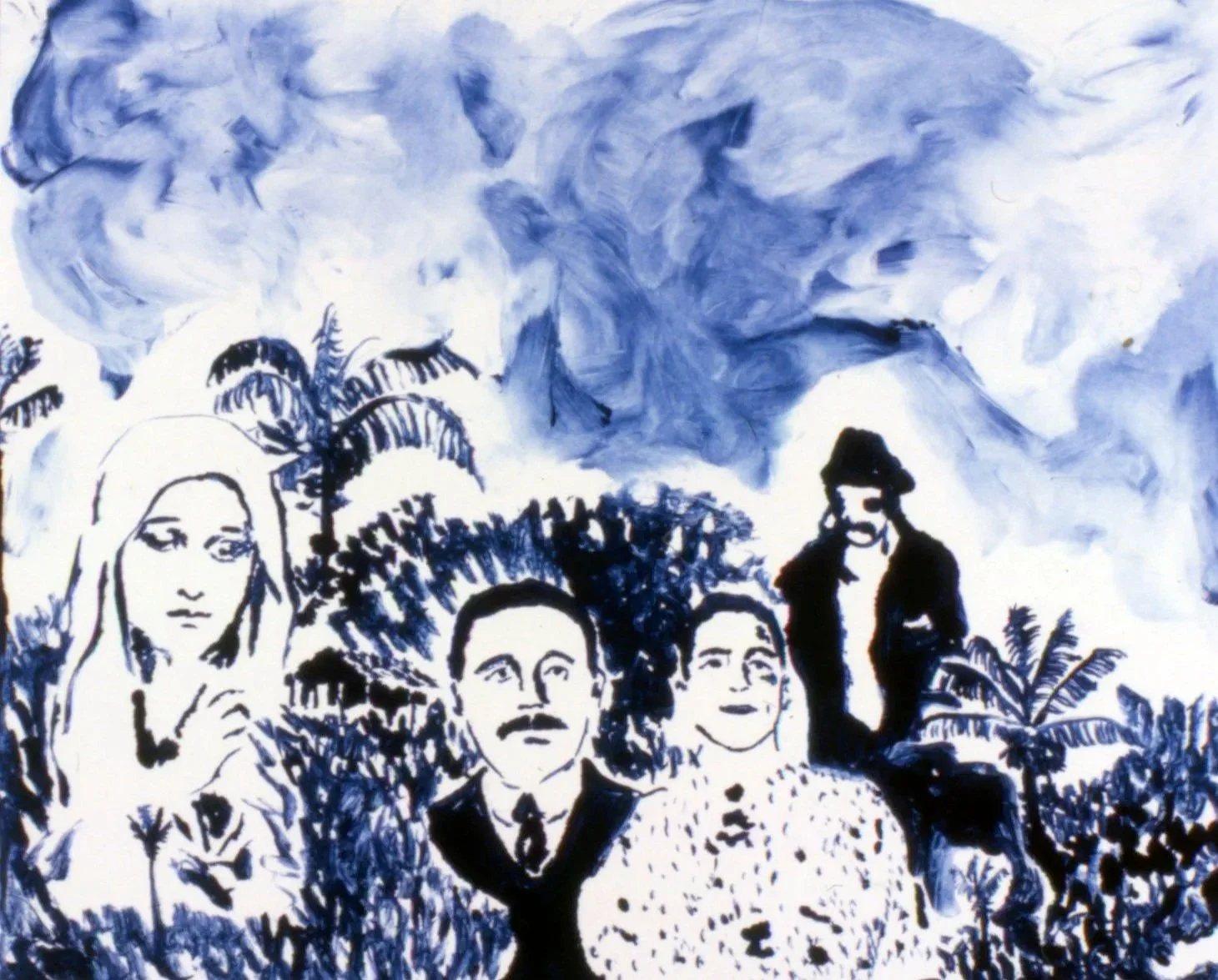
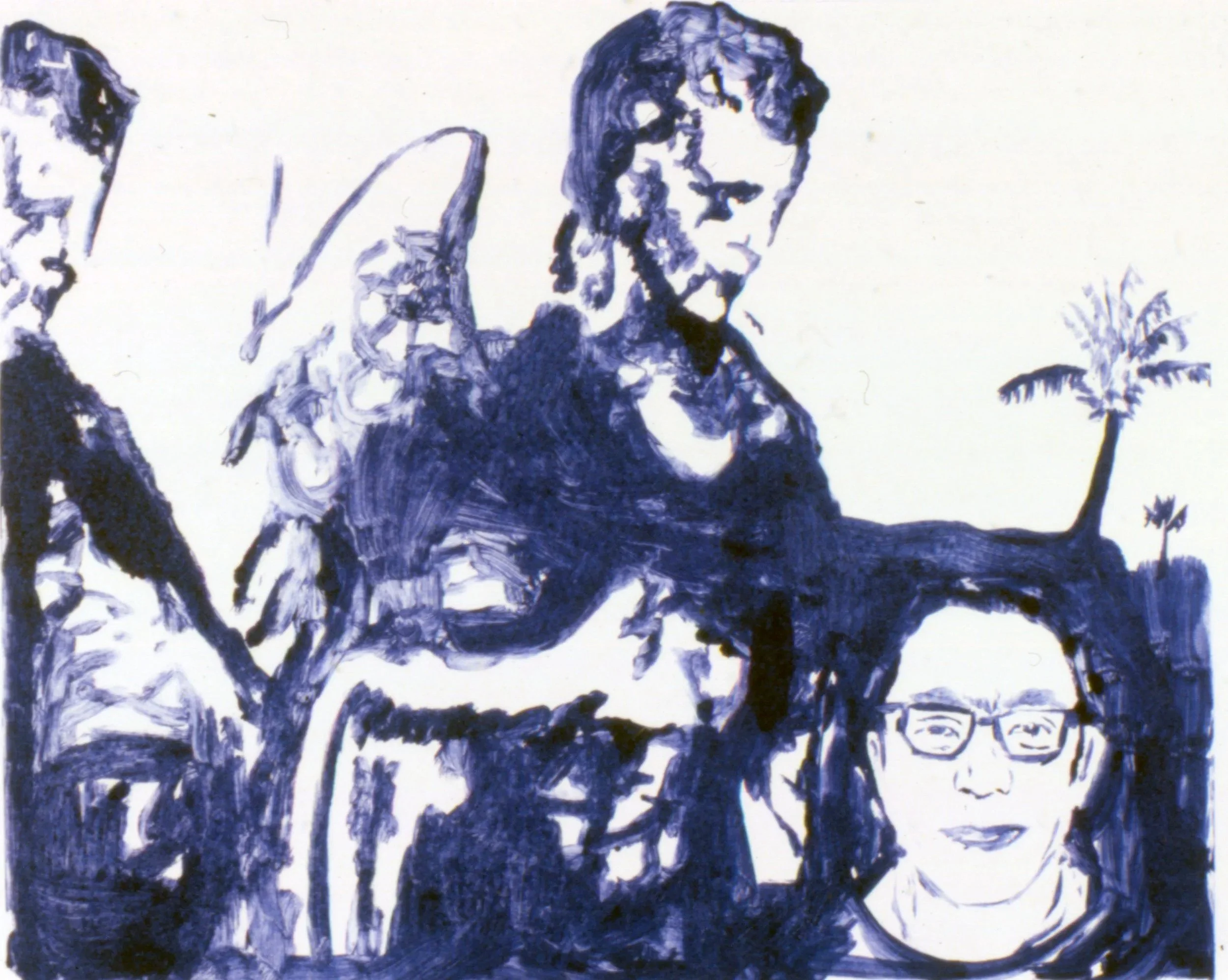
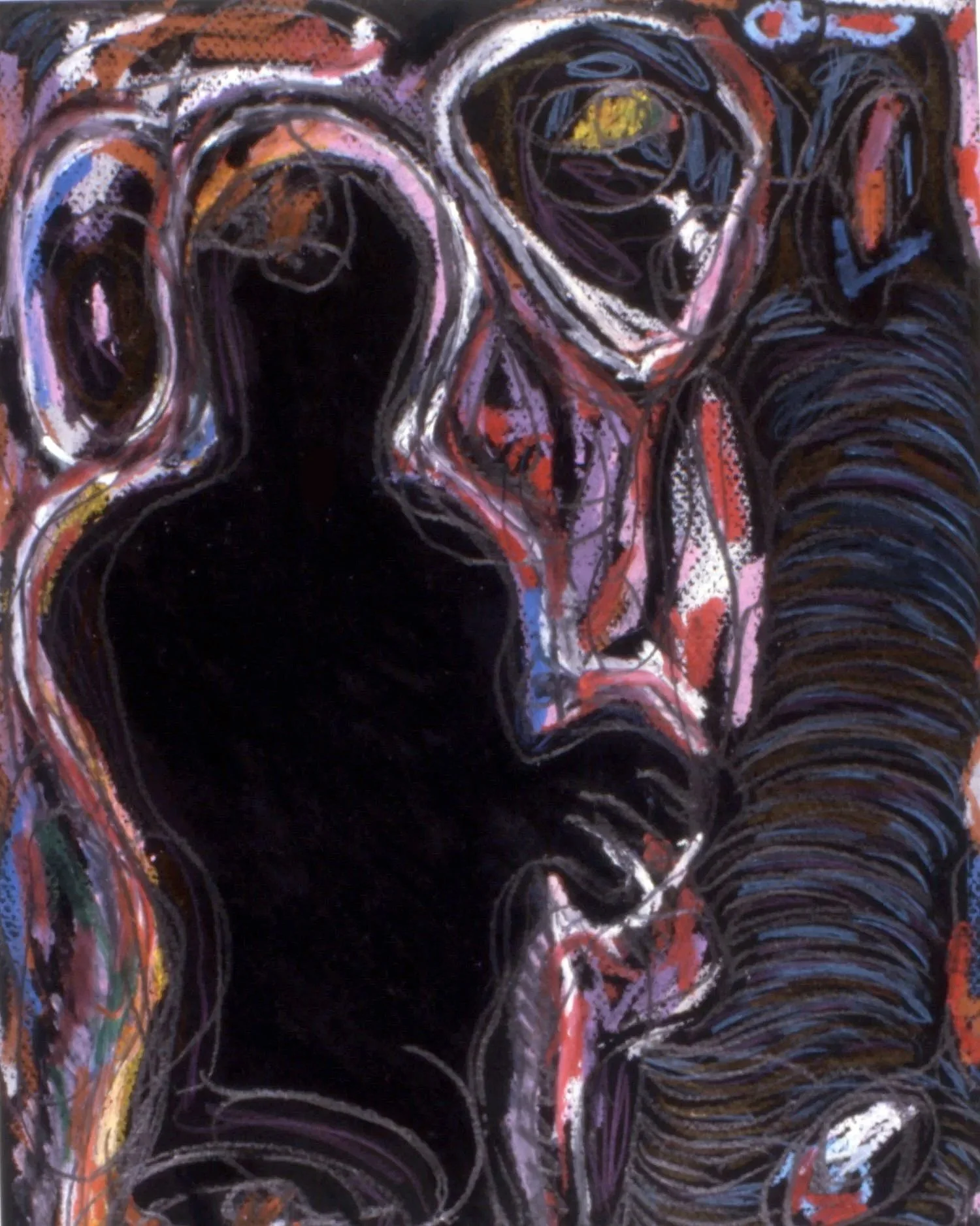
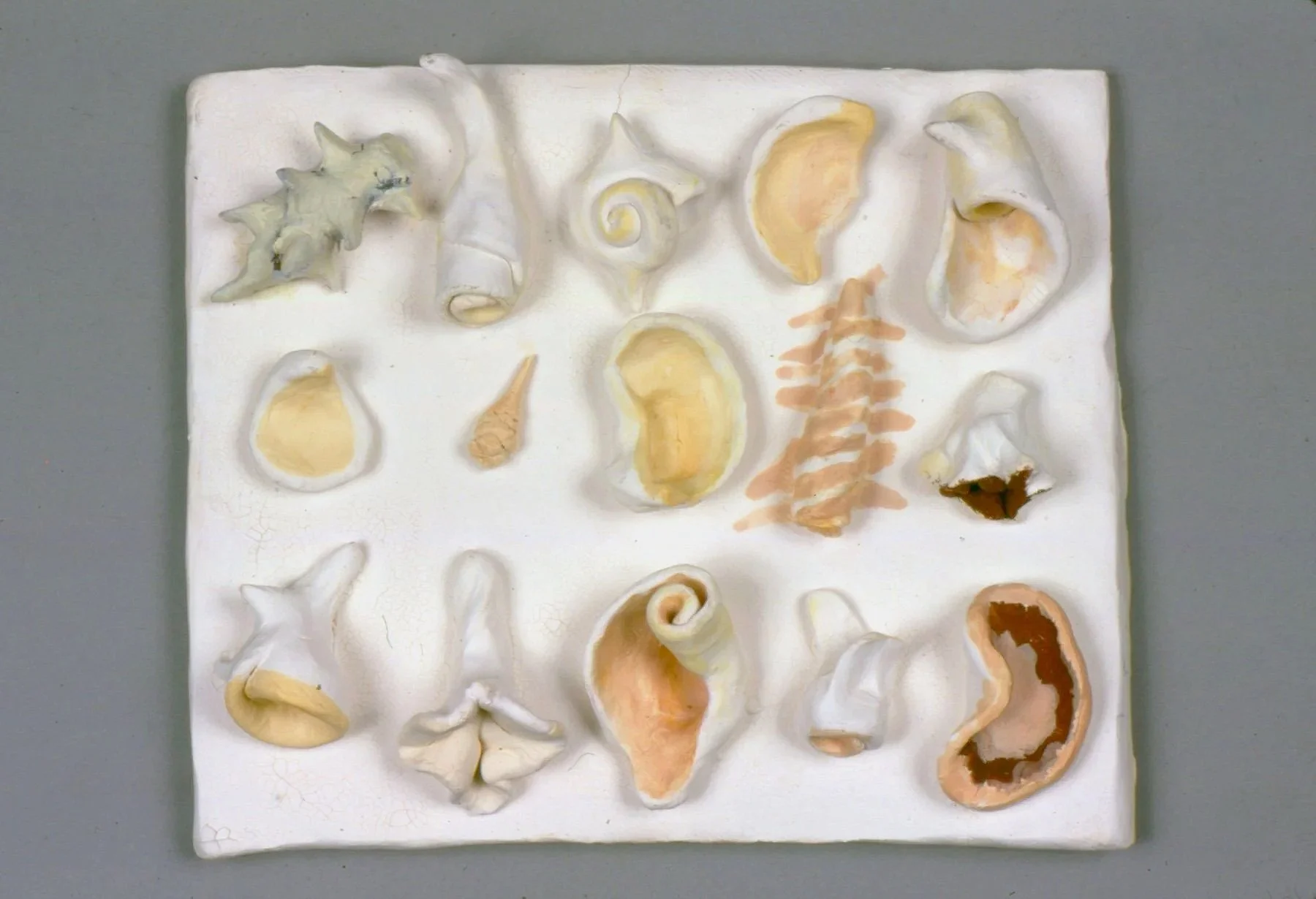
I engage on a series of personal exercises focused on memories from home, that is, the Island of Hispaniola. This group of small works, no larger than 9” x 12, is generated at Penland School of Crafts, North Carolina, while studying with Constance Pierce. I am a brightly-colored ghost, who moves through a new realm accompanied by the saints, energies, stories and relatives who have traveled with me to the US within my body. I unpack, dust and honor them.

To go back to El Reguero/Archives menu, click HERE


Untilted


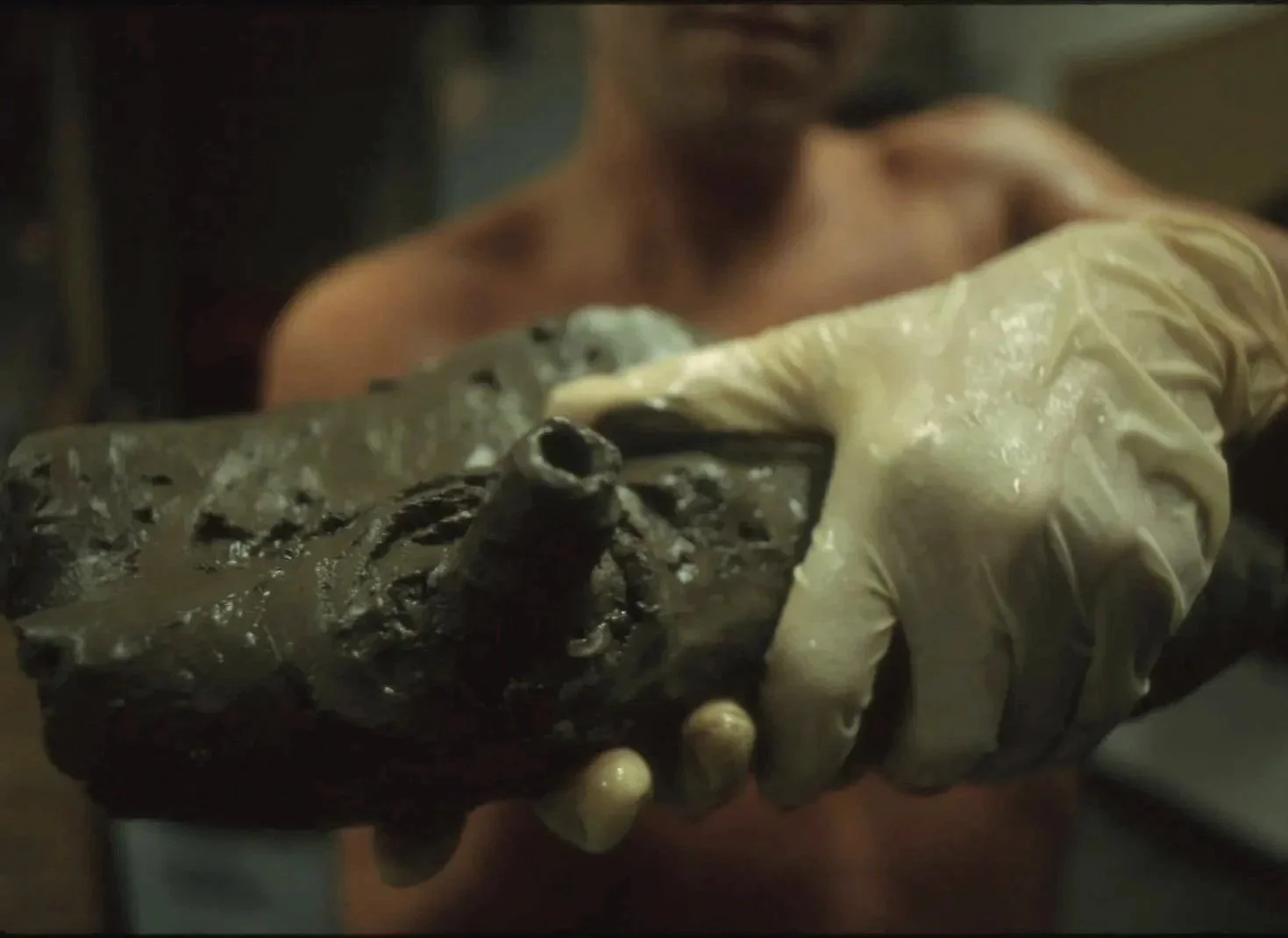
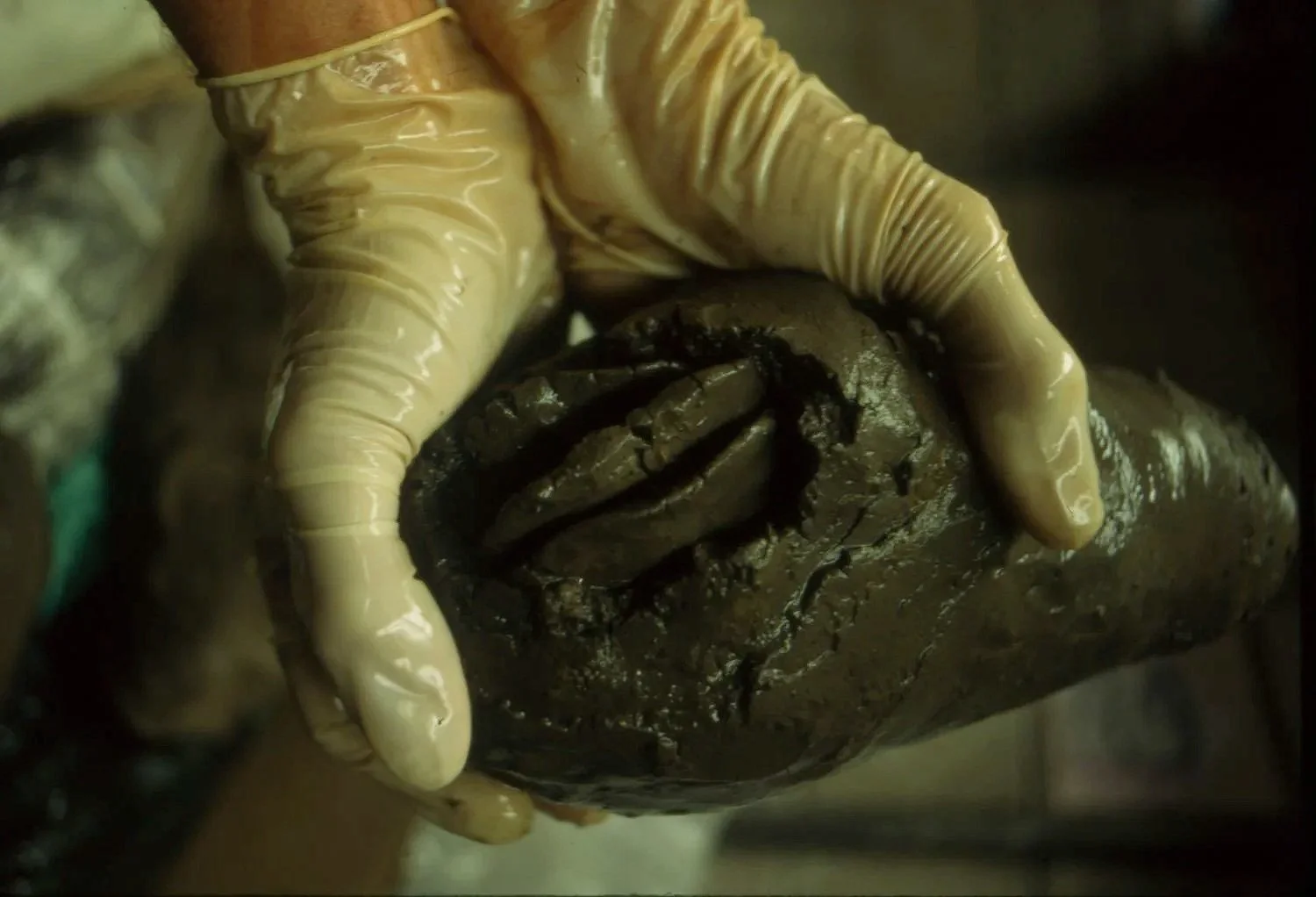
I was slowly transitioning from Medical School and into the arts, while also figuring out how to move between ceramics and performance. At the time, I was using wet mud dug from a lake in Pennsylvania to reimagine the layers surfacing during my relocation process from the Caribbean to the USA. I was the doctor excising, mending and reshaping memories in a new context for me.

This series was produced at Henry Street Settlement/ Abrons Arts Center

To go back to El Reguero/Archives menu, click HERE


Undeclared Soil


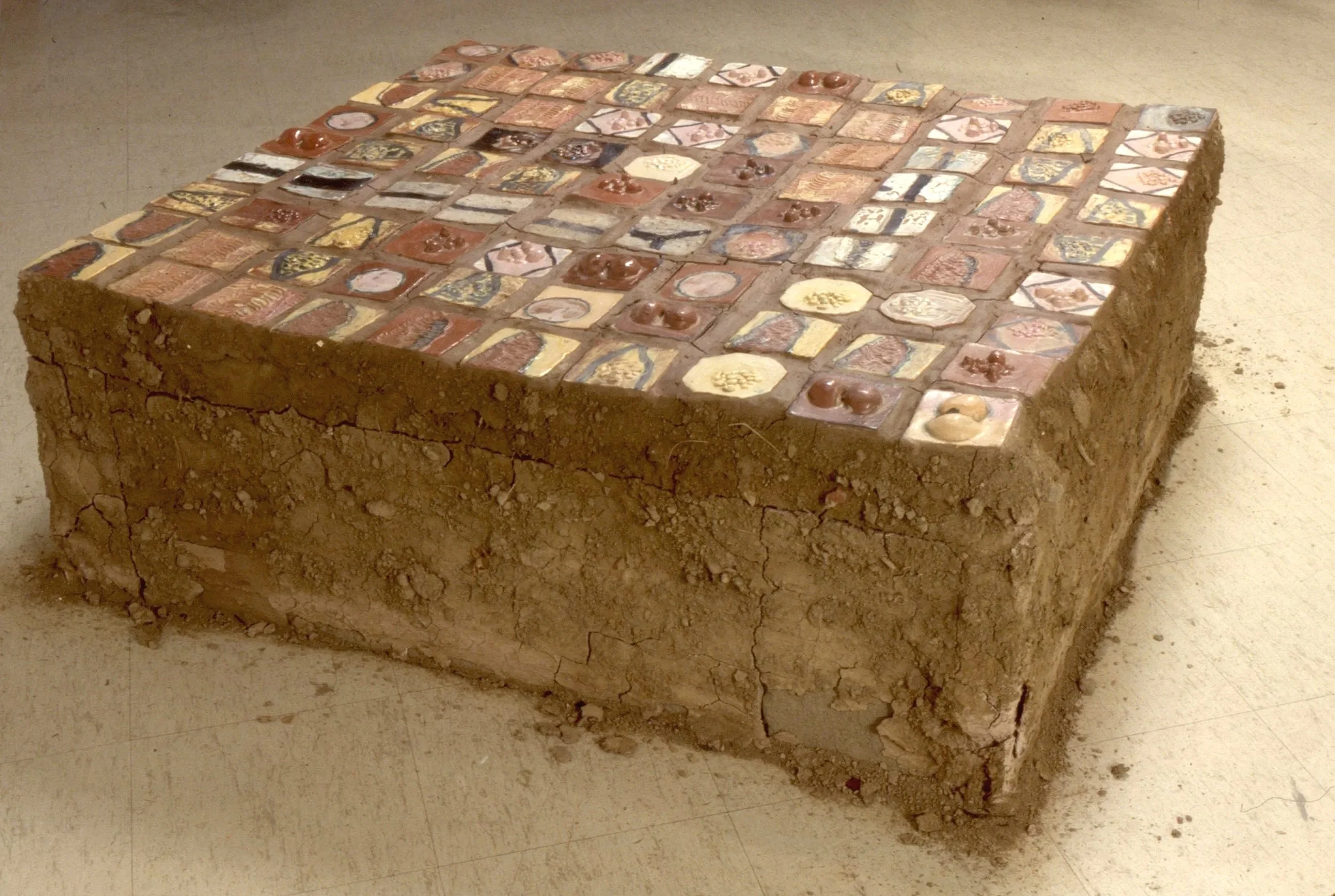
Clay was the primary medium for me as I metabolized my relocation to a new country: the US. The images that were surfacing for me had to do with the place I left behind, and this included tangible items like plants and seeds, but also more unconscious elements, like those I would gather in my dreams. All of these were mixed into stories following non-linear narratives that, now that I see them in perspective, seem to represent chunks of the land that I had left behind and which I carried on the soles of my shoes as I walked through Manhattan.

This series was produced at Supermud Pottery in Manhattan, and I thank Maxine Krasnow for opening the doors to me when I arrive in the City.

To go back to El Reguero/Archives menu, click HERE


Earthly Experiments


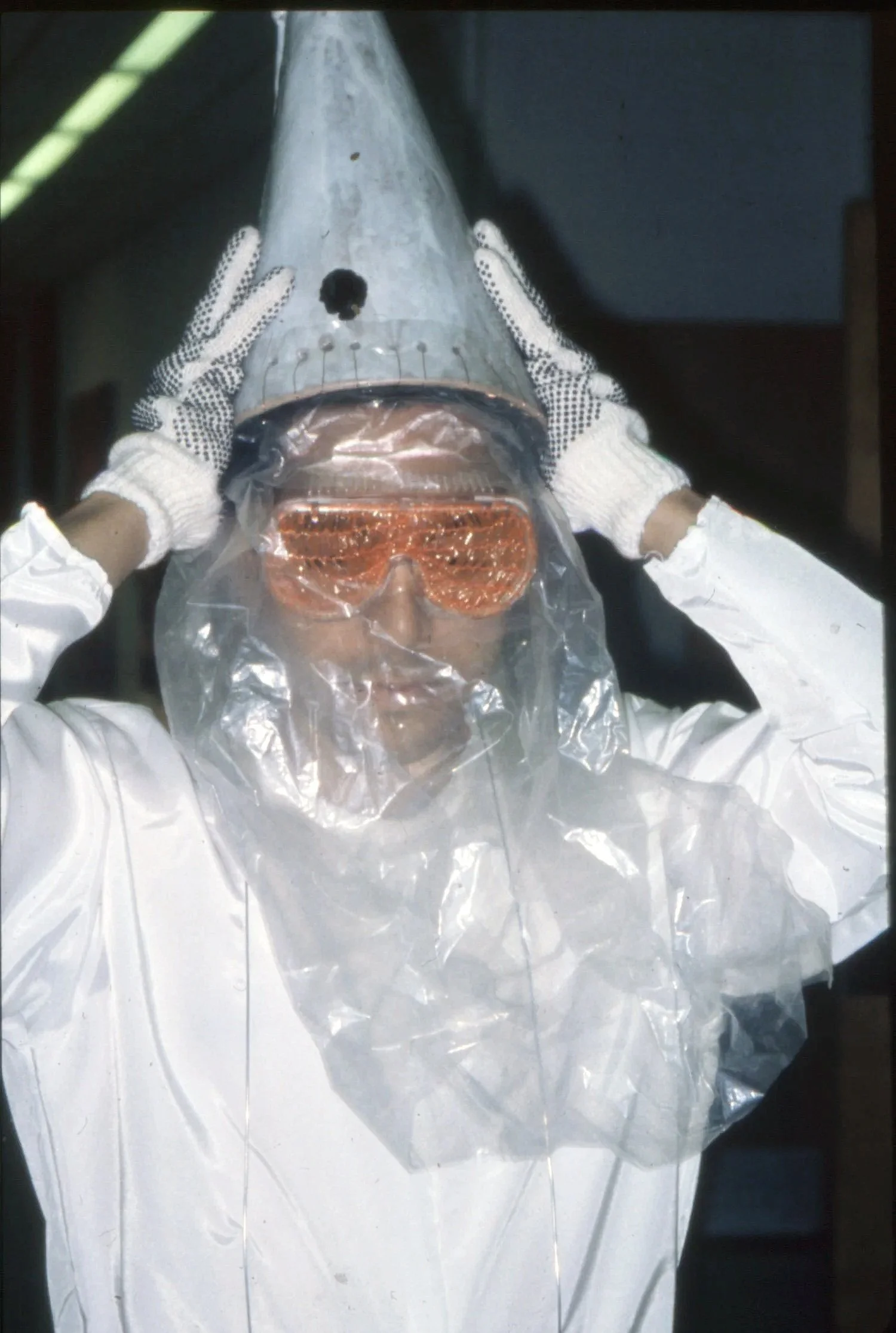
In 1998 I arrived in Philadelphia at Tyler School of Art, and was figuring out where were ceramics taking me. Previously, I was working with clay almost full time, and I reached a point where I did not know what to do with the objects that I was generating. Eventually, I started to make clay props for some of my early performance, like Excuse Me, where I built traffic cones made out of this material. In the meantime, I was mostly focused on using clay, Earth, as a raw element. My conversation then was about leaving the land where I was born: Dominican Republic.

To go back to El Reguero/Archives menu, click HERE


La Fritura


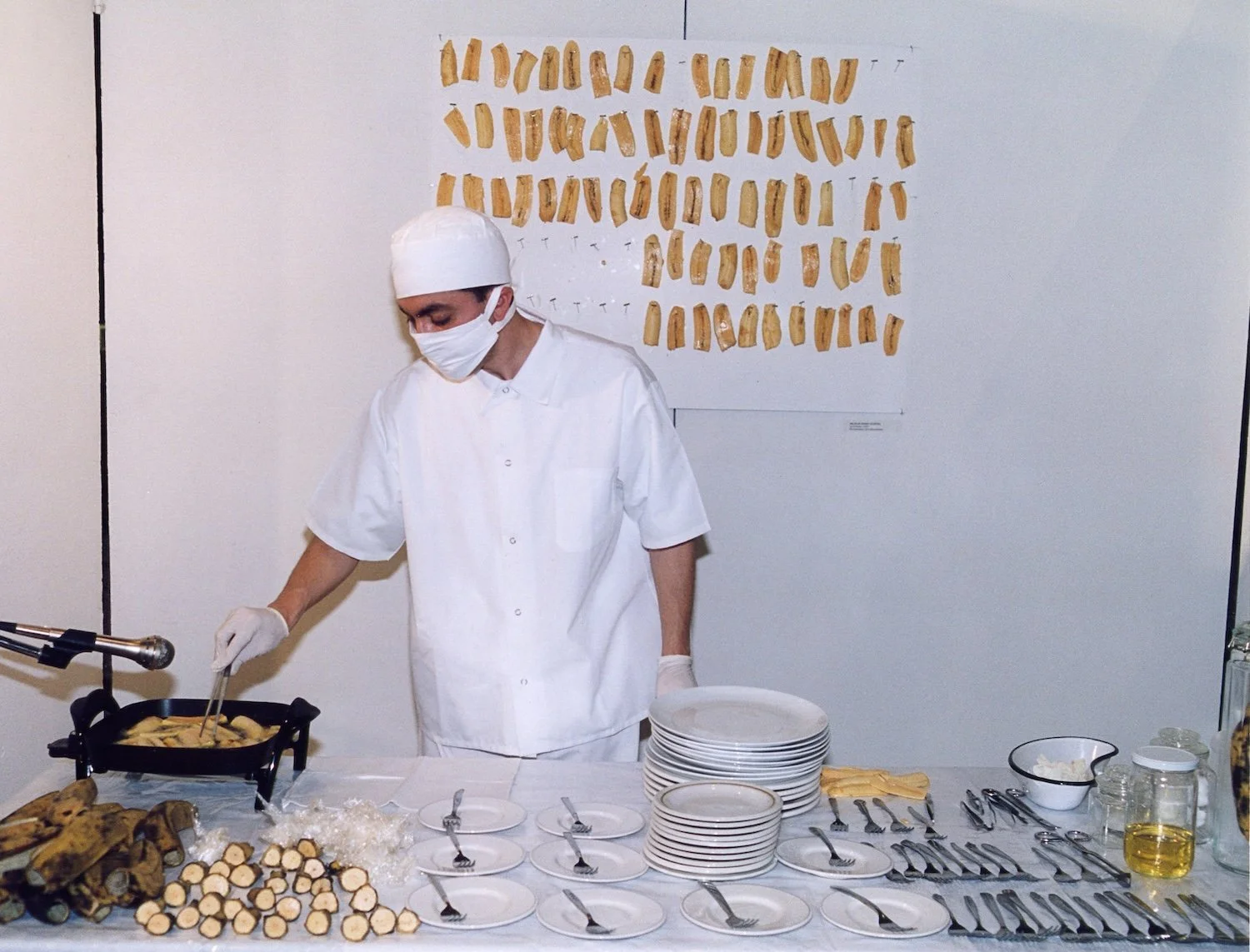
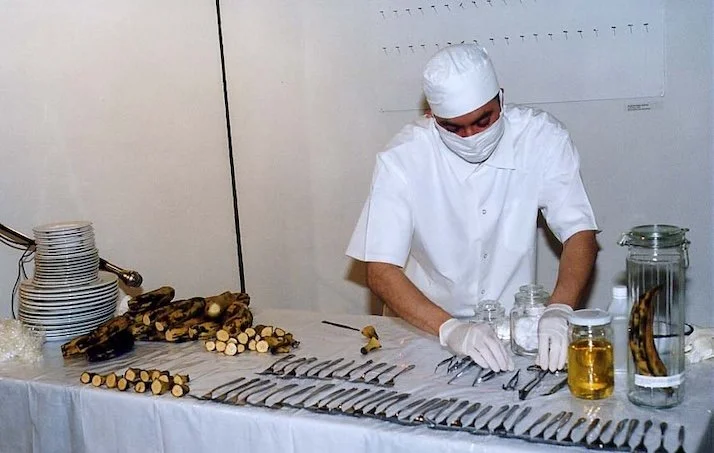
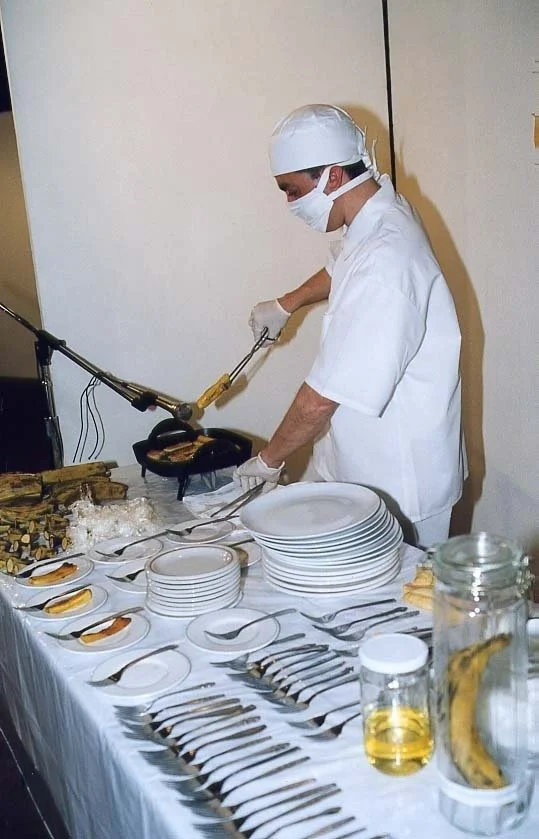
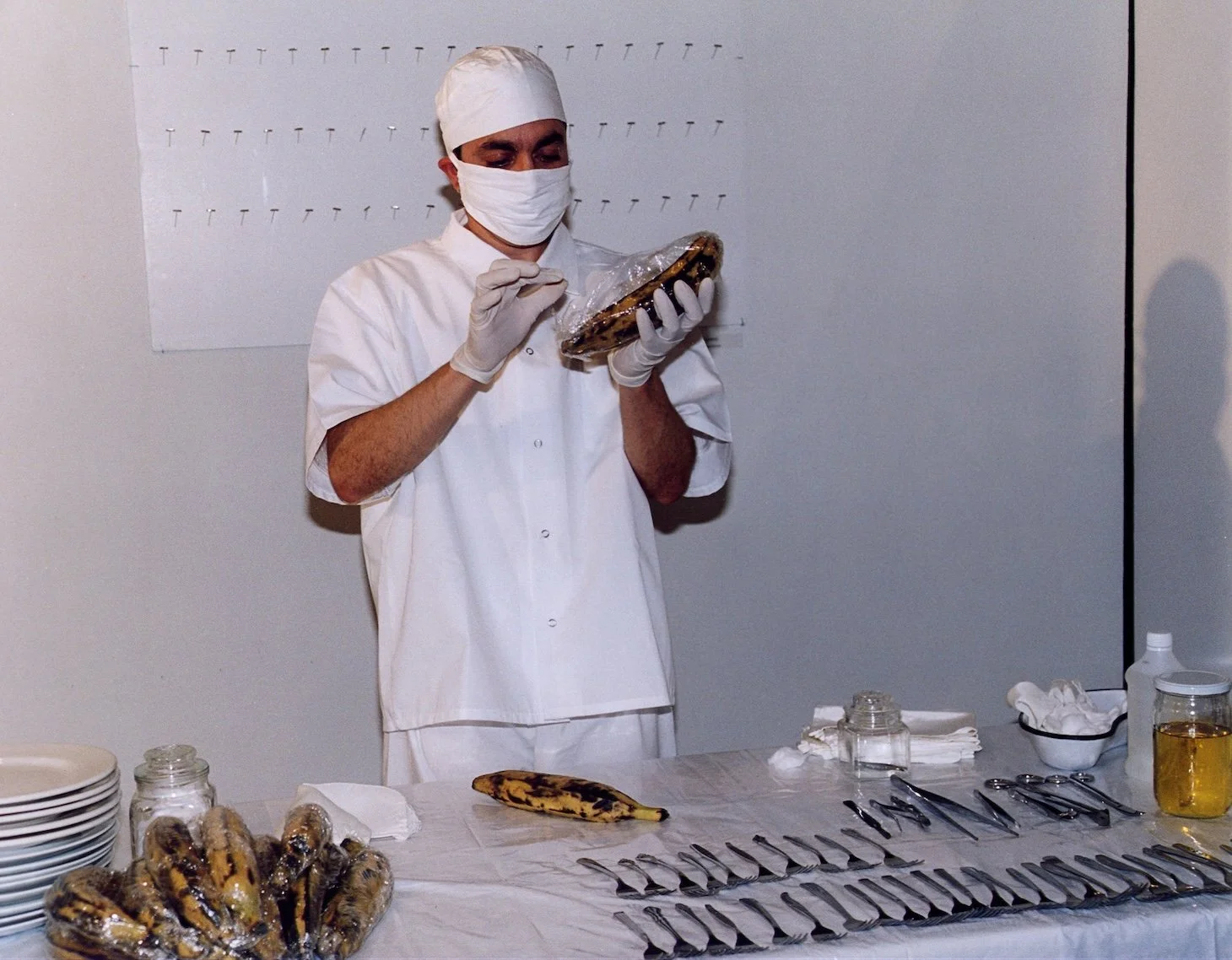
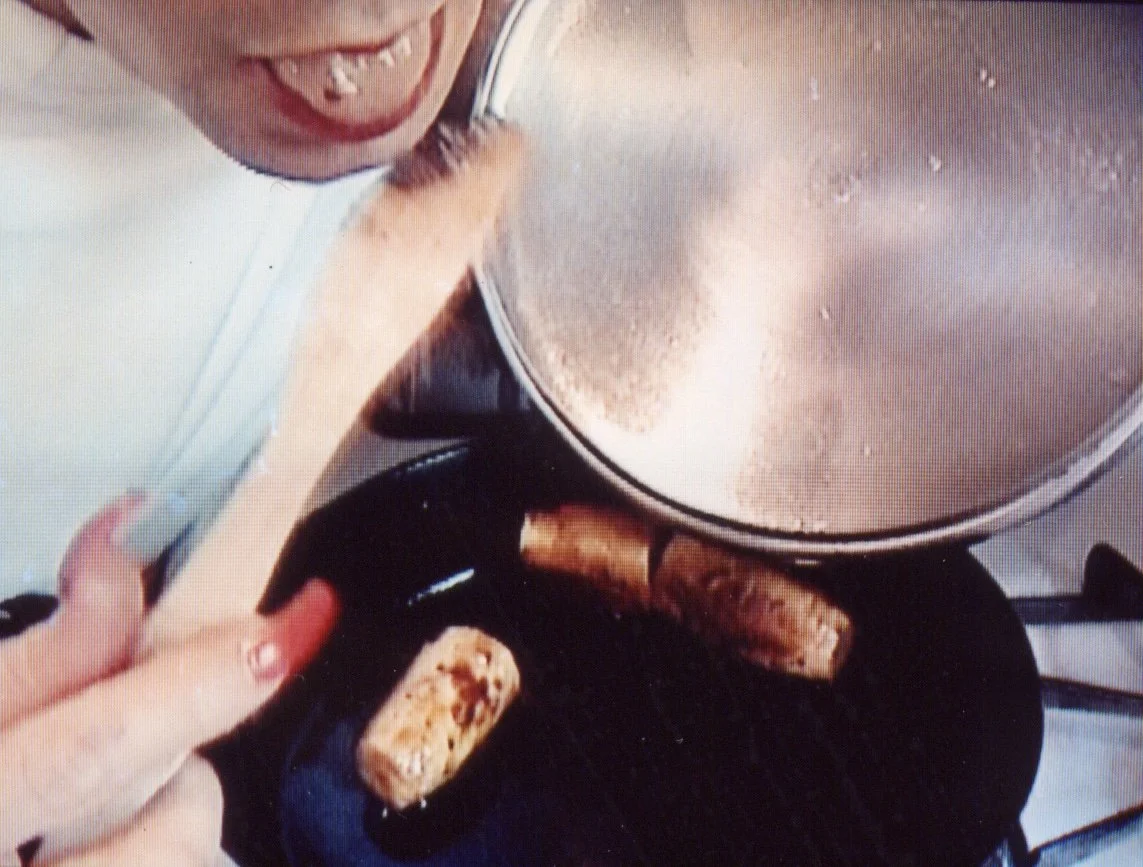
I open an antiseptic version of a fritura, the typical street stand in the Dominican Republic where patrons enjoy the sizzling entrails of differnt creatures. In this case, ripe plantains replace entrails, as a gallery audience observes a meticulous process in which the fruit is peeled, sliced, fried and offered for consumption.

Presented with El Taller Latino Americano / Henry Street Settlement/Abrons Arts Center / El Museo del Barrio

To go back to El Reguero/Archives menu, click HERE


Escuse Me


As a pedestrian, should I honk before turning onto the main road? Or should I devise a set of eye signals to make my roadmates aware that I am about to turn right? I can certainly use my hands to halt the blue Chevy or to wave at the speeding SUV driver rushing toward the shopping mall.

In 1999, while living in suburban Philadelphia, I customized a hallway at Tyler School of Art, turning it into a highway, and invited those in the facility to step into my performance. In the process of dividing and subdividing the indoor space I donned different props, assuming the role of a motor vehicle.

To go back to El Reguero/Archives menu, click HERE


Learning to Drive


While living on the outskirts of Philadelphia, I generate a series of photo collages in preparation for a performance dealing with the hindrances posed by not driving in a car-dominated culture. 25 years later, I am still navigating the world as a walker. I never mastered the art of driving and I might never will!

To go back to El Reguero/Archives menu, click HERE


Super Merengue


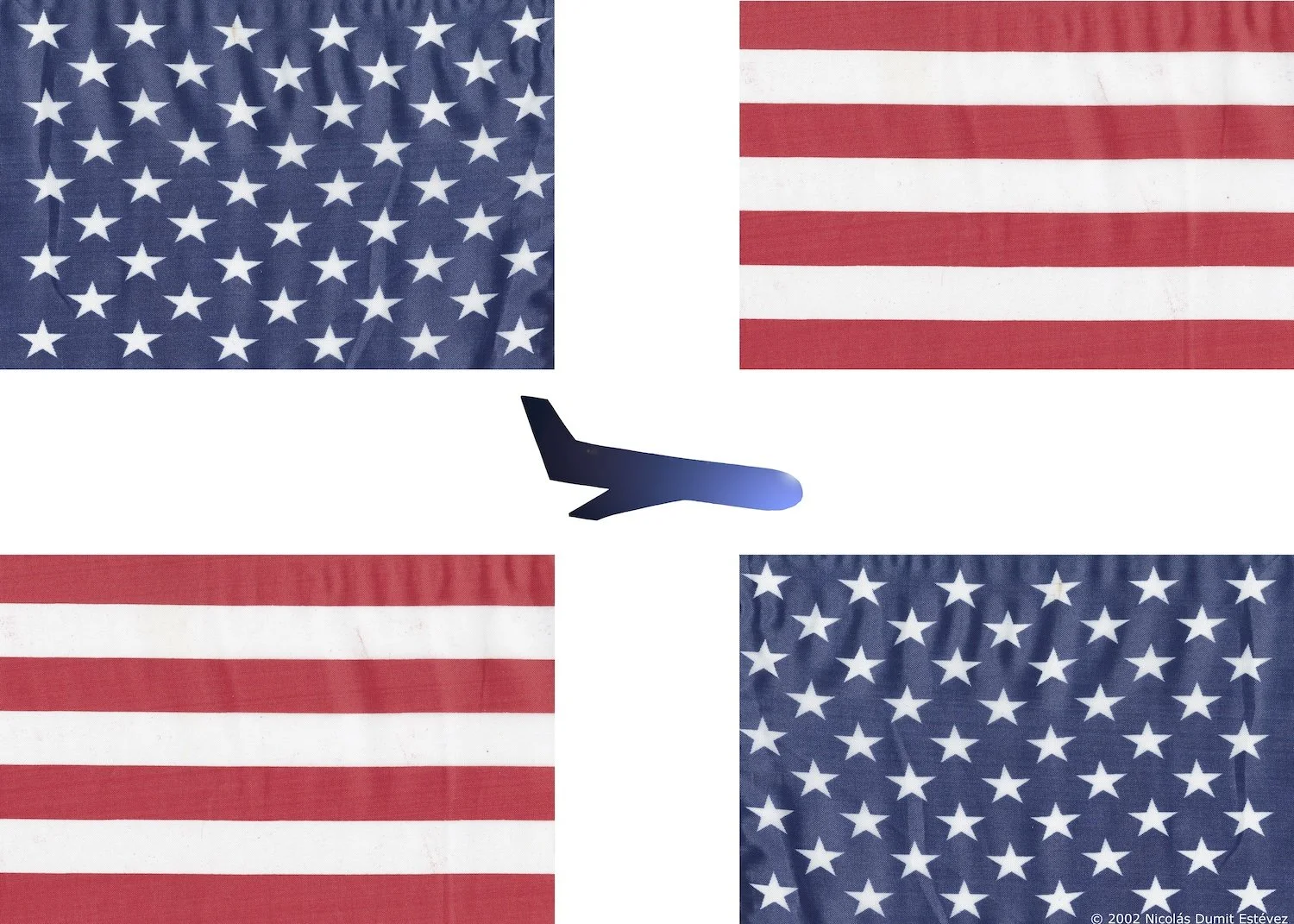
Super Merengue (SM), 1999 - 2003, performance art

This image must not be used without permission from the artist / Special thanks to María Alós for digital design


I invite the audience to join me on a dance flight that does not require an aircraft. SM (Super Merengue) is a character I created who leads an existence both here and there, as well as in the void that links both places: the air space between the U.S. where he claims citizenship, and his place of birth: the Dominican Republic. Performed at Temple University Gallery, Philadelphia, PA; Dixon Place, New York, NY; and the Newark Museum of Art, Newark, NJ. Documentation of this performance has been exhibited at El Museo del Barrio and Longwood Art Project/Bronx Council on the Arts, New York.

Super Merengue (SM), 1999 - 2003, performance art (Merengue Steps Card MSC)

This image must not be used without permission from the artist

More: In the mid ’60ss, when a shift in U.S. immigration policy granted a higher quota of visas to many “Third World” nations, including several in Latin America, a considerable number of Dominicans began to emigrate to the United States, especially to the New York City area. A segment of this population became part of a transient community that relied on the services of an expanding aviation industry to make it possible for it to call both places home. Washington Heights soon established itself as the epicenter of this culture, with neighborhood stores catering to it by carrying summer goods year round, while an array of communication businesses in New York and the Dominican Republic urge customers to purchase beepers and cellular phones, and promise to deliver flowers, messages and money to either place in a matter of hours. Super Merengue, the character in this performance, is the by-product of an American Airlines-traveling line of ancestors. SM has successfully evolved into a sky-dwelling creature no longer dependent on airplane turbines to satisfy his need to fly. As such, SM single-handedly functions as the captain and flight attendant for his innovative way of traveling. 

To access a New York Times review, click HERE

To go back to El Reguero/Archives menu, click HERE


Islands


In the late 1990s I was building my own islands. This process was informed by my experience leaving the Caribbean and looking at the place from afar and above. These islands allude to an emotional geography. They act as open suitcases.

To go back to El Reguero/Archives menu, click HERE


BETWEEN BEFORE & AFTER


3-6-9 / Friday, September 26, 2003, 12: 02 AM, New York, NY

Less than twelve hours from it I am still devising alternatives for attaching two cameras to my body. The news on the radio voices the city’s request for citizens to report any suspicious activities during Rosh Hashanah, so I opt for concealing the equipment in two black bags I sew for the purpose. As much as I refuse to believe that 9/11 has changed the world, I am kindly reminded of my Lebanese lineage. If my walk is to proceed as planned, the cameras or me must not to draw unnecessary attention.

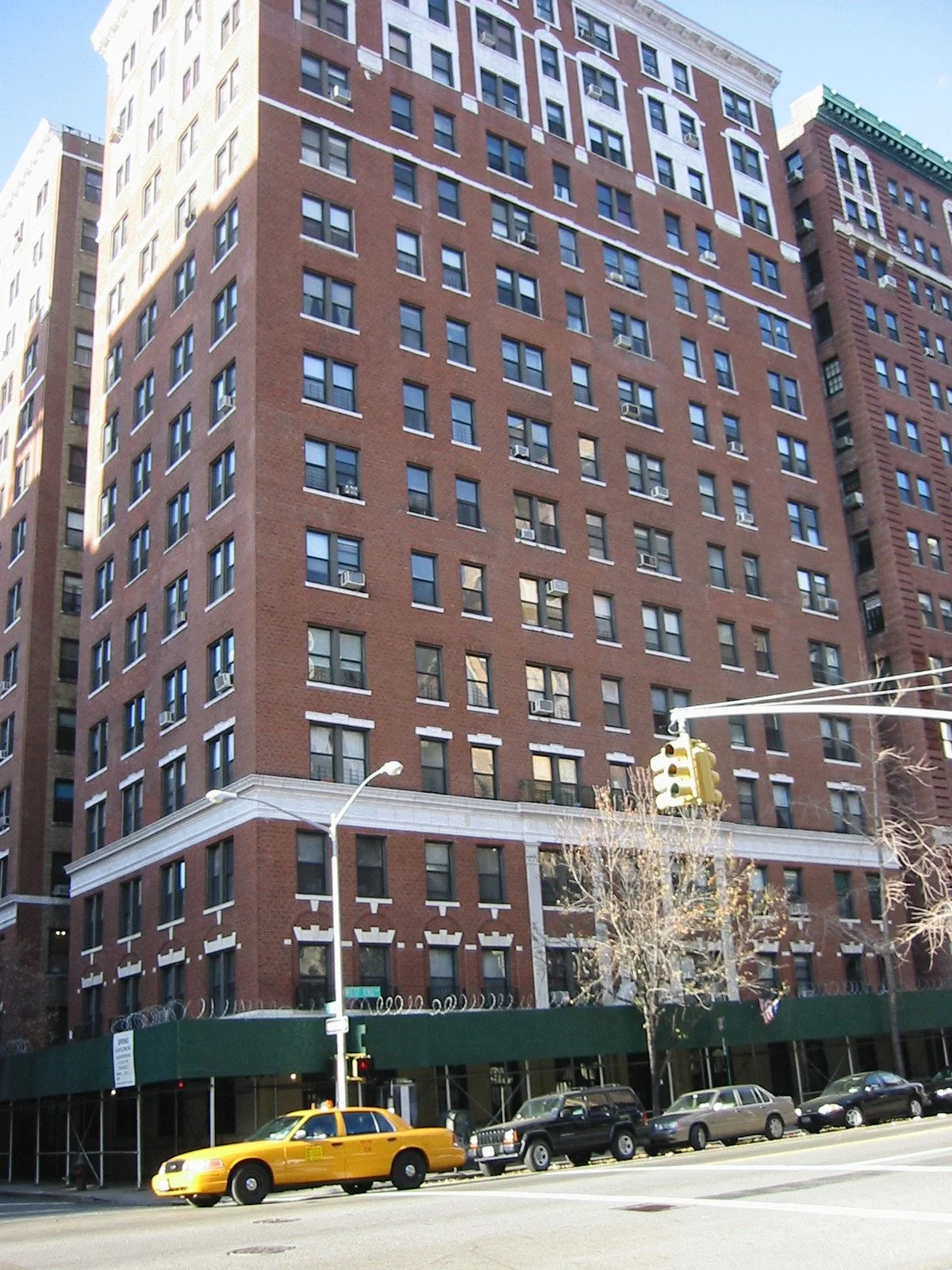
Saturday, September 27, 11:55 AM: It is actually 12:05. I rush to leave my apartment trying my best to make it downstairs before noon. I remember that although my watch is ten minutes fast, my slow descent in the 1930s elevator in my building will resemble a time travel experience. 15 floors divided by 5 minutes equals 20 seconds. If the machine’s mechanism operates as expected I should be in the lobby on time.

4 Cardinals: Invited by Alexander del Re to be part of 4 Cardinals, a world-wide performance event that took place on Sept 27, 2003, 12 noon - 9 PM, and for which artists performed simultaneously around the clock, I proposed to attach one video camera to my chest and one to my back to record a nine-hour walk throughout New York City with no fixed destination, archiving the distance traveled, the stretch to be traveled and the act of traveling on two DV tapes. No maps, cell phone, eating or talking allowed during the duration my journey.

The Upper West Side, a few minutes past noon: I have no problem joining the crowd outside. It is in fact easy to follow a father pushing a stroller and let him open the way for me through the shoppers in search for the perfect peach at West Side Market. Young students pour in and out of Columbia’s gates and, without strollers to follow, I am on my own to find which route to take. From 116th to 130th St., Broadway becomes less populated, almost deserted, so I turn the cameras off to enjoy a minute of quiet before reaching the ecstatic discount world of El Mundo Discount Stores. Once there, I walk as if running late for an appointment, weaving my way through CD peddlers and women fishing bed sheets on sale out of big canvas crates, not realizing that although I am going somewhere, I have nowhere to get to. I make it to 145th St and Riverside Drive in less than one hour, traversing a street flea market on 155th St. before heading further into Washington Heights. The first hours of journeying through Manhattan, the city retains a sharp resemblance to the place I have known for over a decade. I notice I am looking at it from afar, thus having the feeling of not been seeing. I comb the city’s streets in the guise of a ghost. 

2:30 PM, The island stays behind: I find myself sharing a seedy plaza across the George Washington Bridge with an older man. He sits quietly besides a broken memorial as if memorizing in his own memories. Two children in a nearby basketball court shoot an orange ball into the sky. A few raindrops fall. I look for the umbrella in my bag, but instead carry a mental inventory of what I have brought along: an unlimited Metrocard, two dollars and thirty cents, my apartment keys, a jacket, a bottle of seltzer water, a camera, a non-driver’s license ID, an Oxford HMO card, an expired ID from the Dominican Consulate, and a pack of chewing gum. Once in the Bronx, New York seems very big, so vast. Far away. The time goes so slow. The weather plays “I rain/I rain not.” I turn the cameras on “rec.” before leaving the plaza and continuing to go somewhere. And there I hear voices, and the beat of drums. They produce a religious cha-cha that tries to spice the bleak afternoon as much as it can. A middle-aged Puerto Rican man proclaims from a street corner that, “If you don’t go to church, we bring church out into the streets.” He addresses a non-existent audience. Two boys play chasing each other on bicycles. “Blessed be Jesus.” Amen. The Cha-cha resumes. I move on.

Around 4 PM: I continue to walk east on a shopping strip, all the way down to the Major Degan. The expressway’s landscape provides me with plenty of asphalt to look at, with a broken tour bus, and with a Crabapple tree near a public green space. The tiny apples are difficult to see but hard to resist. After several hours walking I have an urge for food. Overcoming remorse, I detach 6 of the tiny fruit from a branch and pop them in my mouth, chew them, suck their juice and spit the coarse pulp out on the grass. I regain the necessary strength to follow the sidewalk along the road. I figure I’ll go as far as it goes, which is not very far. The sidewalk’s abrupt end at a weedy cul-de-sac forces me to change route, going instead in the direction of a pedestrian bridge. Up there, the wind blows a $10 bill on the pavement. I grab it as fast as I can, stashing it in my right pocket. No one sees me. The cameras are on. I hold my cargo tight and continue to walk. Now I begin to feel lonely.

4 PM, still in the Bronx: 4 p.m. arrives at another plaza. This one with beautiful derelict Victorian fountains attesting for its turn of the century past. With time to kill, I spend 20 minutes watching an unhoused man pick at his scabs, go through his belongings and talk to people I am unable to see. Pedestrians pass by, but he doesn’t seem to see them. And they don’t see him neither; nor me. I begin to feel tired. Lost. The city no longer retains a crisp image and I wonder how the two cameras I carry close to my waist are witnessing it. I look around wondering where I am. Yankee Stadium emerges in the cityscape as a big cooking pot. A game boils inside of this place. I follow the noises that come from within the structure and walk toward the glorious Grand Concourse to be comforted by its familiarity. I’m tired. At 4:15 I sit again at another small plaza, when a woman gets closer and closer to me. “F*cking assh*les,” she mutters, together with other insults, then gets even closer. “What time is it?” With her face an inch or so away from my face, I have no choice but to tell her that it is almost 5 o’clock. I ask myself for forgiveness for breaking one of my vows.

5 PM, A sign of Redemption: Addresses start to mix in my head. Confused of where I am and where I have been, I search for a marker. I find 3rd Avenue. You have been here. I find Youngland. I have been there. The Grand Concourse reappears not long after that. I look at places where I could have been before. I find places where I’m sure I have never been and where I might never be again. A two-story brick building catches my eyes. The first floor belongs to a Halal store; the second story houses The Blood of Jesus church. I shift the position of my heel in one of my shoes. There is a blister in it. I take a long break on the post office steps not knowing where to go next.

7 PM, Dreaming of Papa John’s: Night drops by at 7 and finds me still wondering. This time around the Concourse and 167th St. I have to struggle not to give in and eat something. Every hole-in-the-wall eatery opens up the possibility of a gourmet experience. Even a Papa John’s. I remain determined not to ingest anything, comforting my hunger with the smells I manage to catch as I pass by many restaurants. I travel north to sit on a bench at a busy street intersection. Another older man and I become accomplices in killing time. He, until his awaited return to the Dominican Republic, and me until the conclusion of my journey nowhere. Cold, hungry, I listen to the elder’s conversation with a man who now sits with us on the top of the bench. I pretend to look blankly at the black sky even though it is obvious that I can’t spot one single star, and let the two men entertain me with their dialogue. The younger one will be working a double shift on Sunday. The older one has a farm, likes cows, bought a truck and is leaving the US soon. I am leaving the bench now.

The Bronx in the dark, 8 PM: As in trance, I watch the Cross-Bronx Expressway from above, my eyes fixated on the trail of lights that cars leave behind before disappearing from my sight. A loud hello brings my attention back to the Grand Concourse. I find Yoyo’s face, an acquaintance, in the night. I wave at her and see her disappear in the dark; child in hand. I stay put, but then move on.

8:35 to 9 PM: It is getting colder. I proceed to sit on a bench at 176th St., just by the B and D trains entrance. Across the street a Mr. Softee truck plays a lullaby distracting my aching body, but waking up my hungry stomach. I promise myself an ice cream sandwich. I promise myself not to break my vow. I promise myself not to walk back to home, but let the subway map my way back to Manhattan.

To go back to El Reguero/Archives menu, click HERE


Missa Linguarum


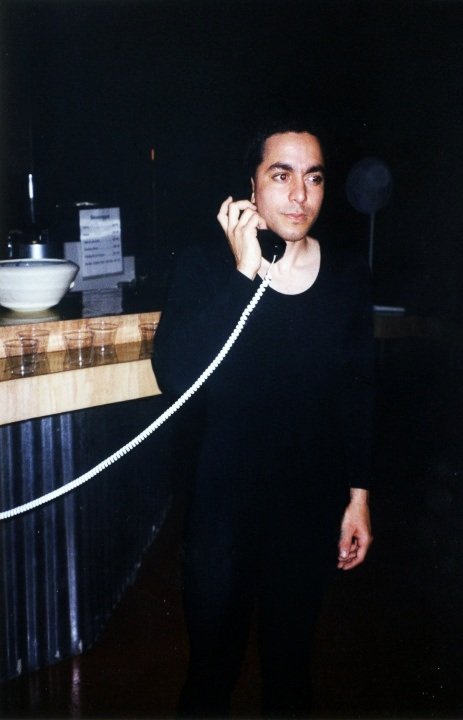
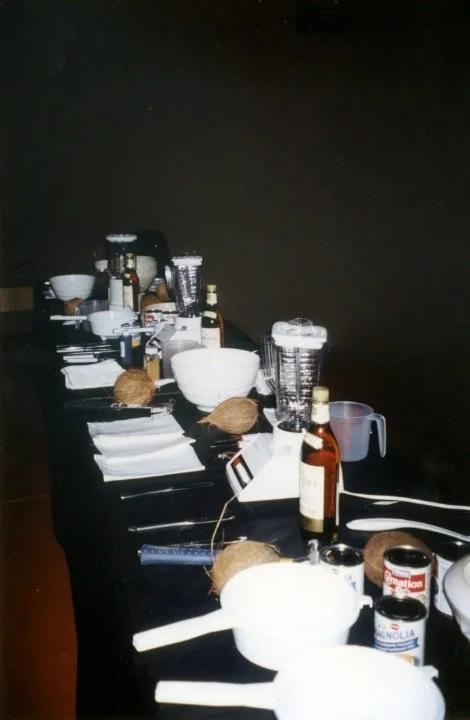
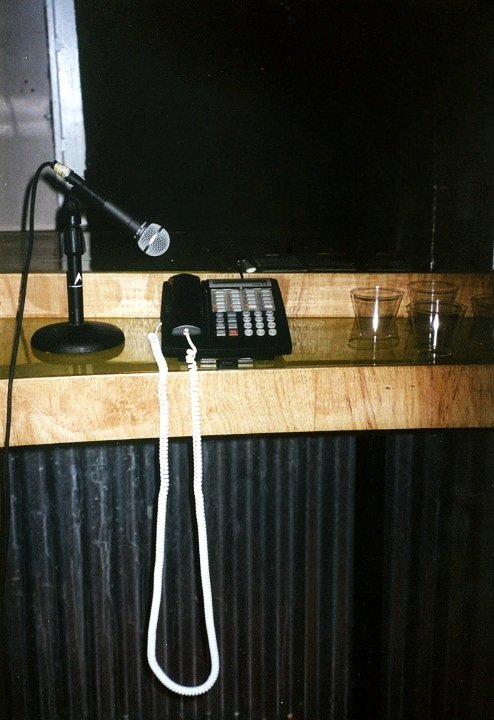
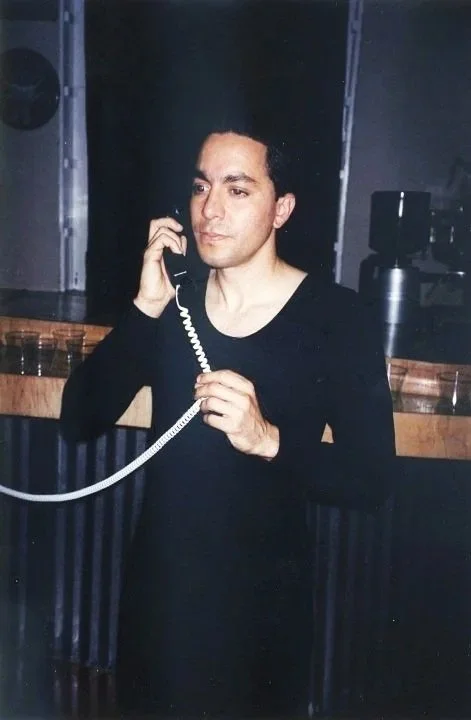
I invite an audience in New York City to prepare a recipe that is transmitted trough a telephone call from the Dominican Republic.

Performed long-distance in collaboration with my Mother Margarita María Raful Ovalles

Conceived and produced by Nicolás Dumit Estévez / Spanish to English interpretation: Elia Alba

Presented at Exit Art as part of Spunky

To go back to El Reguero/Archives menu, click HERE
 

Las Frutas Tropicales


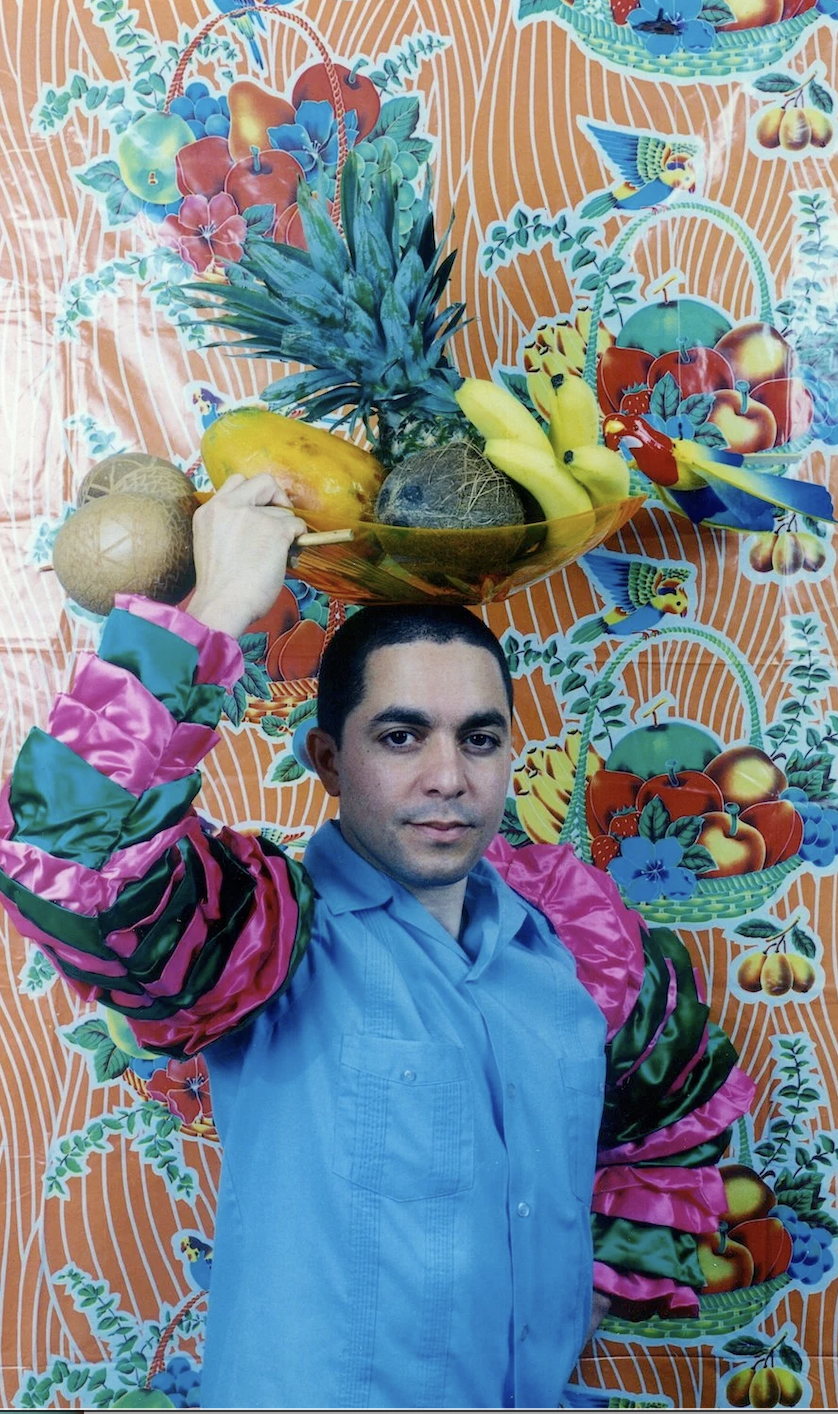
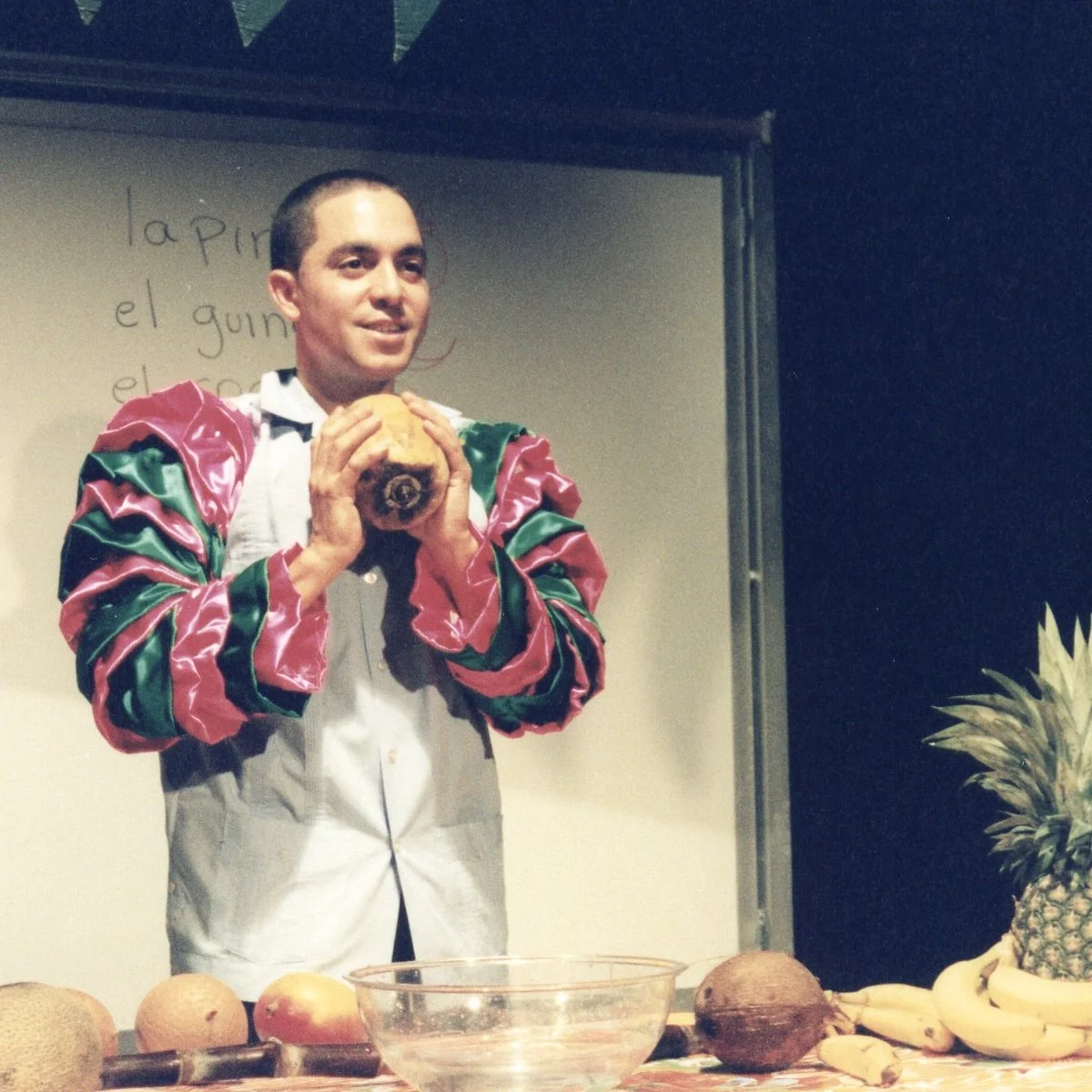
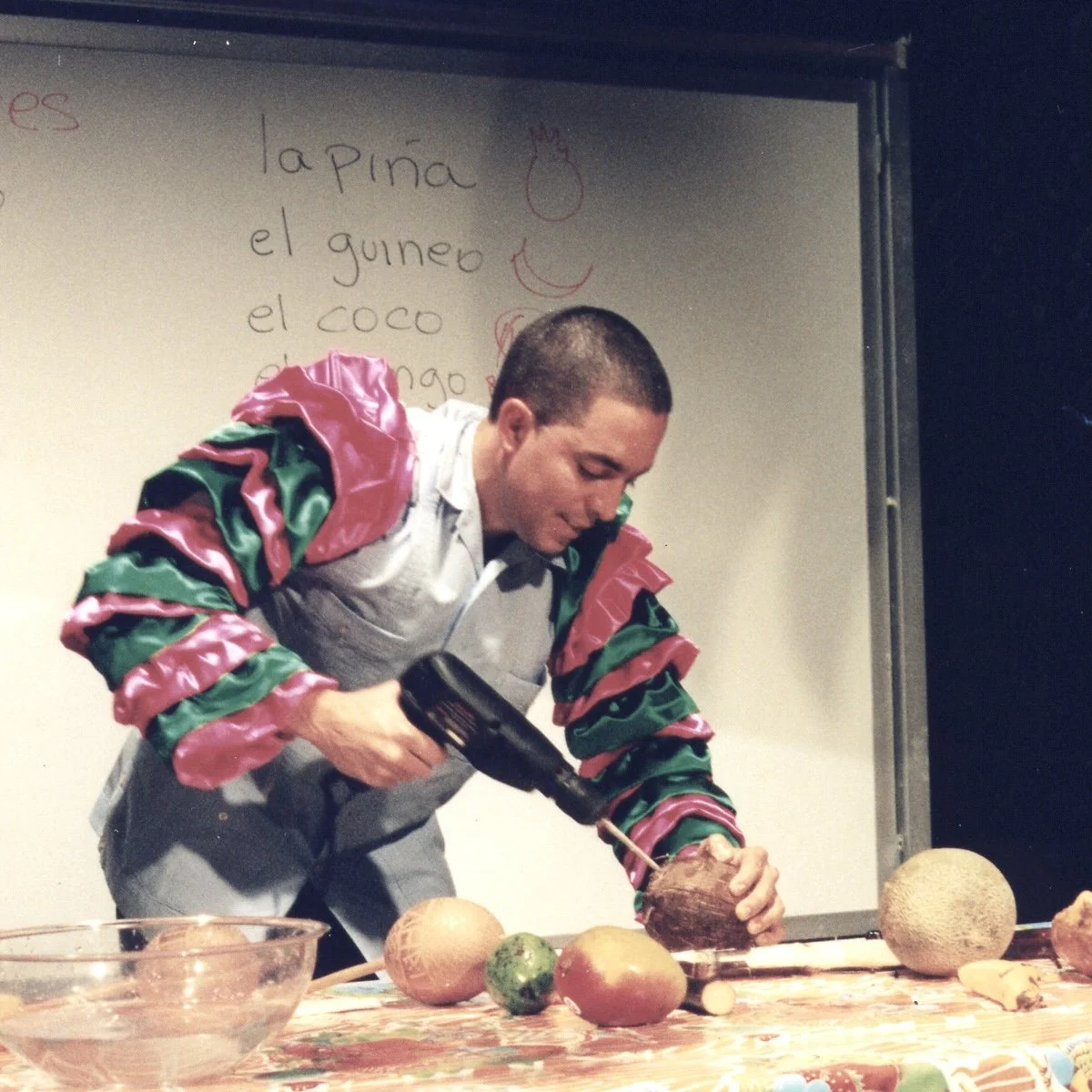
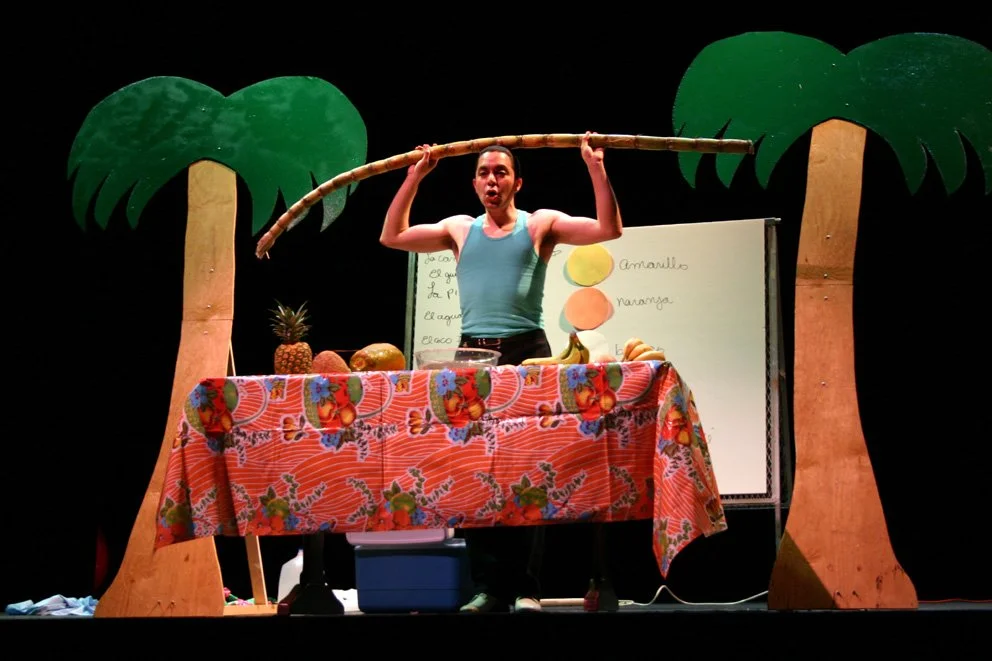
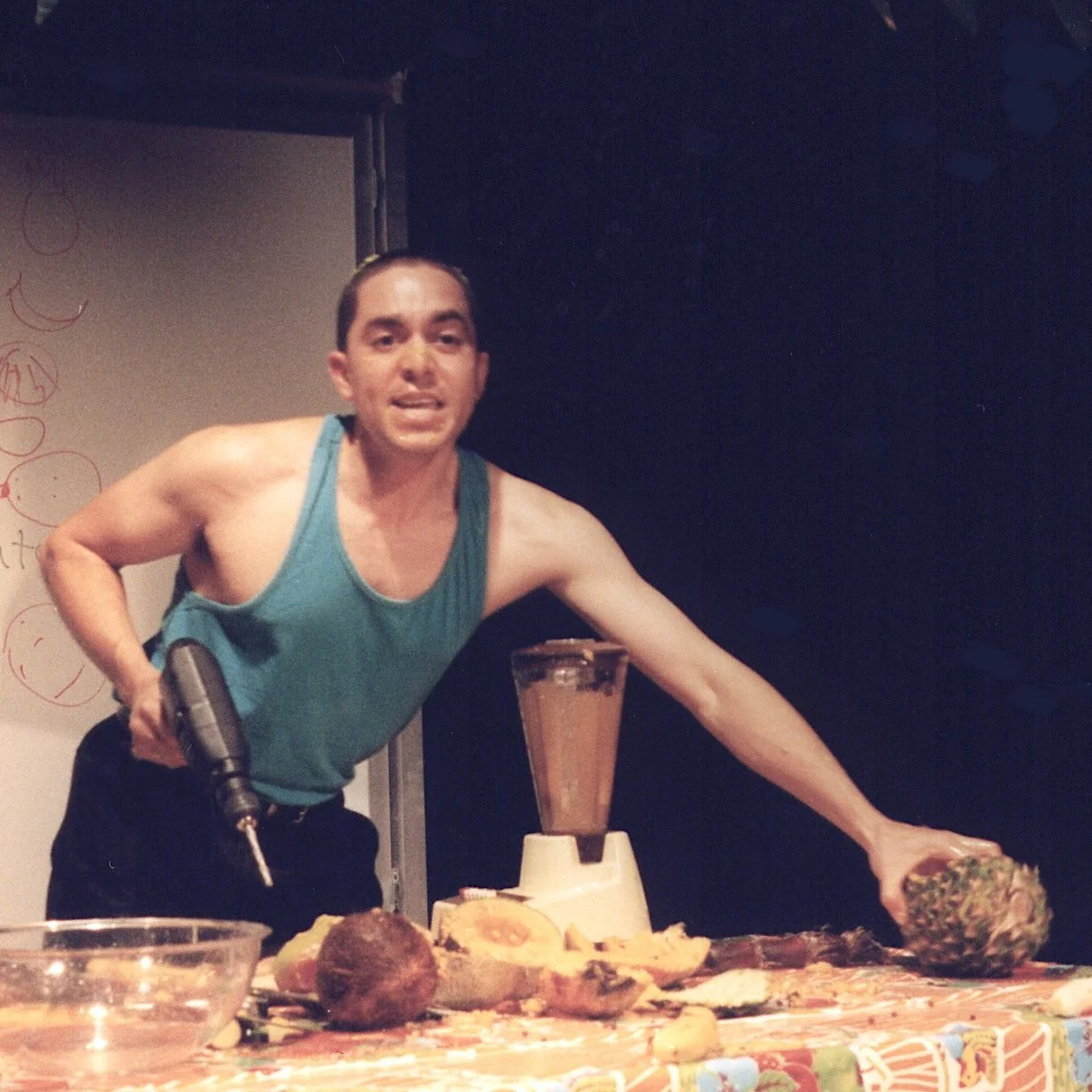
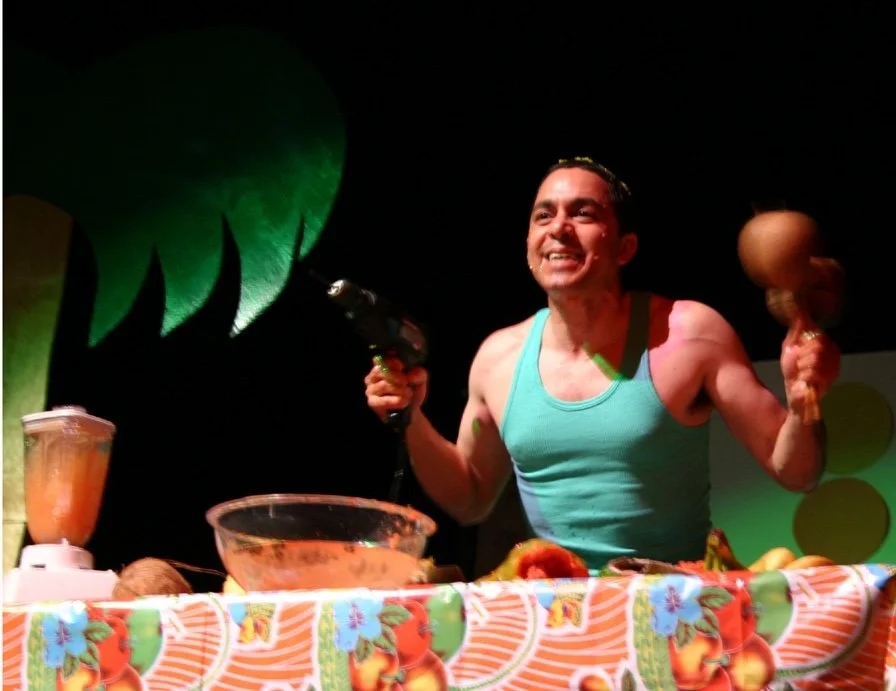
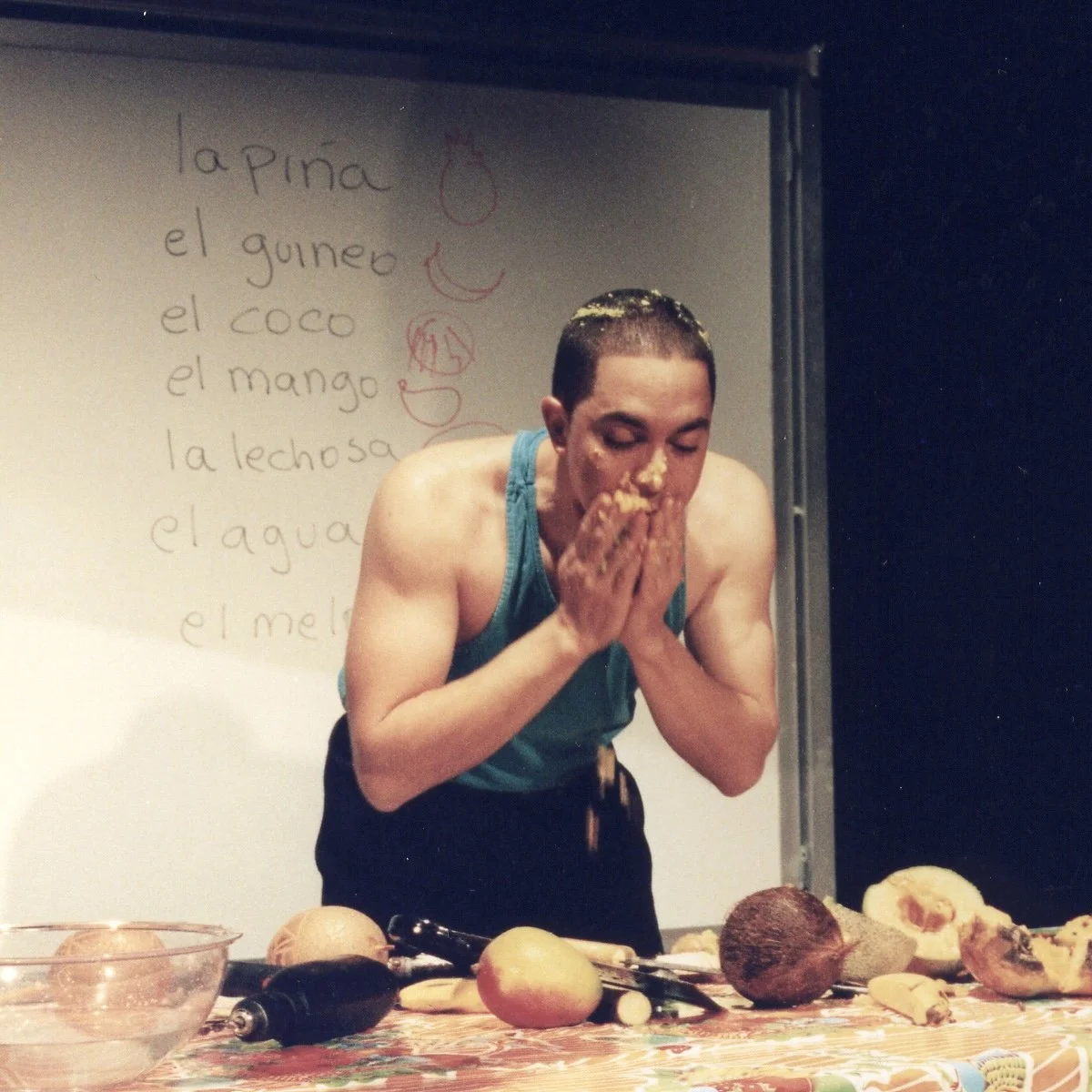
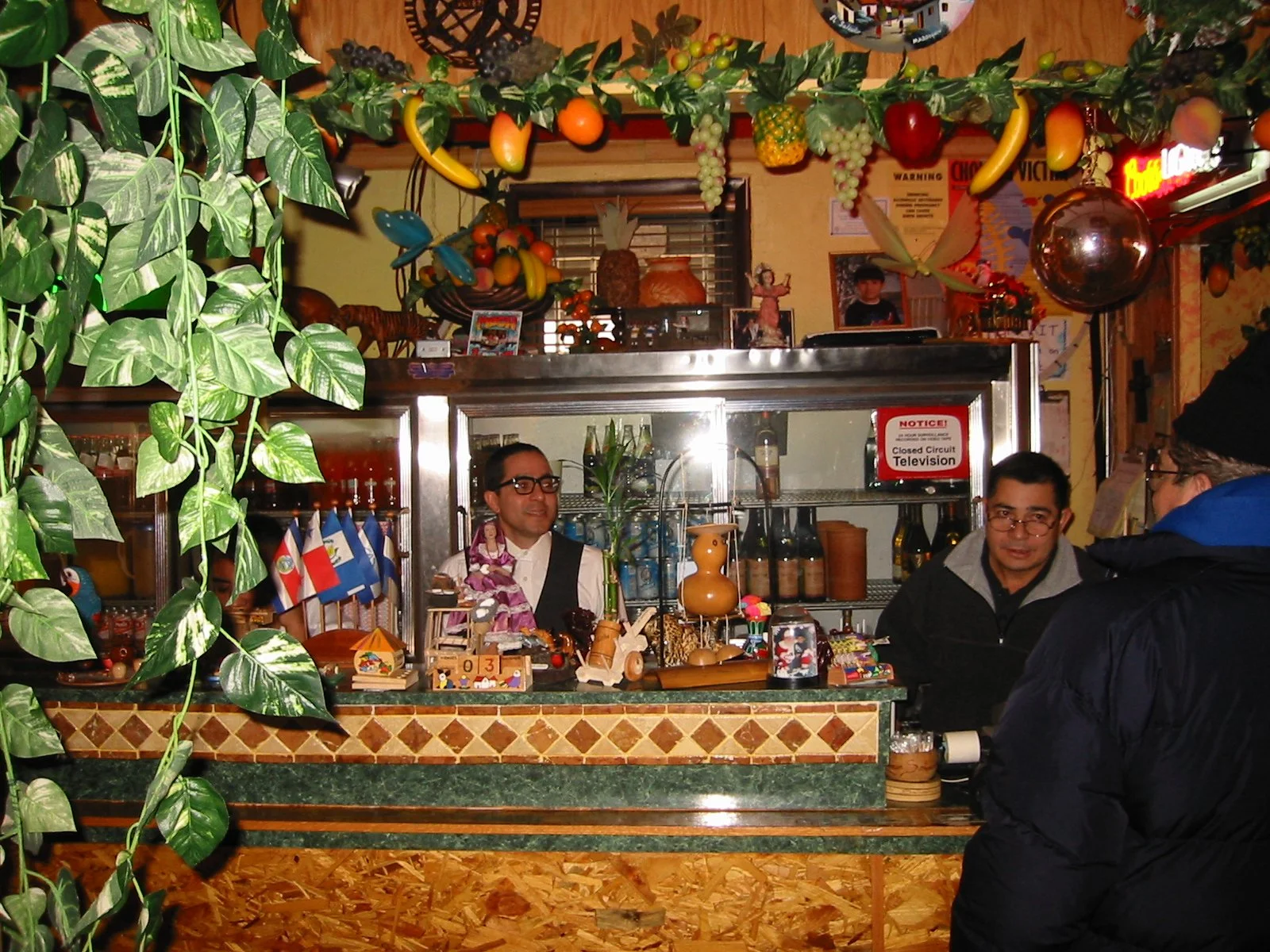
A life-size diorama provides the environment that I assemble on stage to transport the viewer for fifteen minutes to the tropics for a show-and-tell lesson on fruits done in Spanish. The audience is invited to learn the names, sizes, colors and properties of these items, and to eventually experience the gradual collapse of the relationship developed between themselves and the performer, as well as of the representation of the tropics as paradise.

Presented at Dixon Place and P.S. 122, New York, NY; and Mason Gross School of the Arts, Rutgers University, NJ

To go back to El Reguero/Archives menu, click HERE
 

USA Paradisiaca


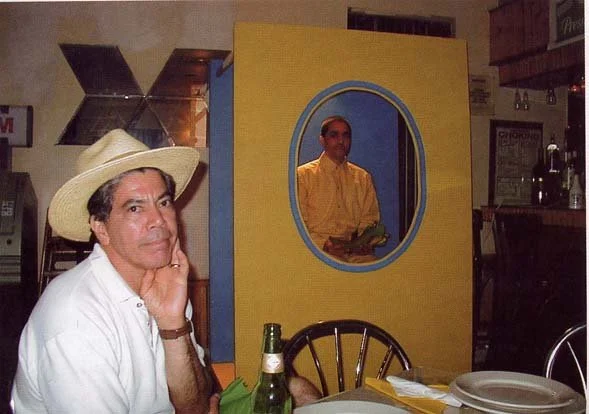
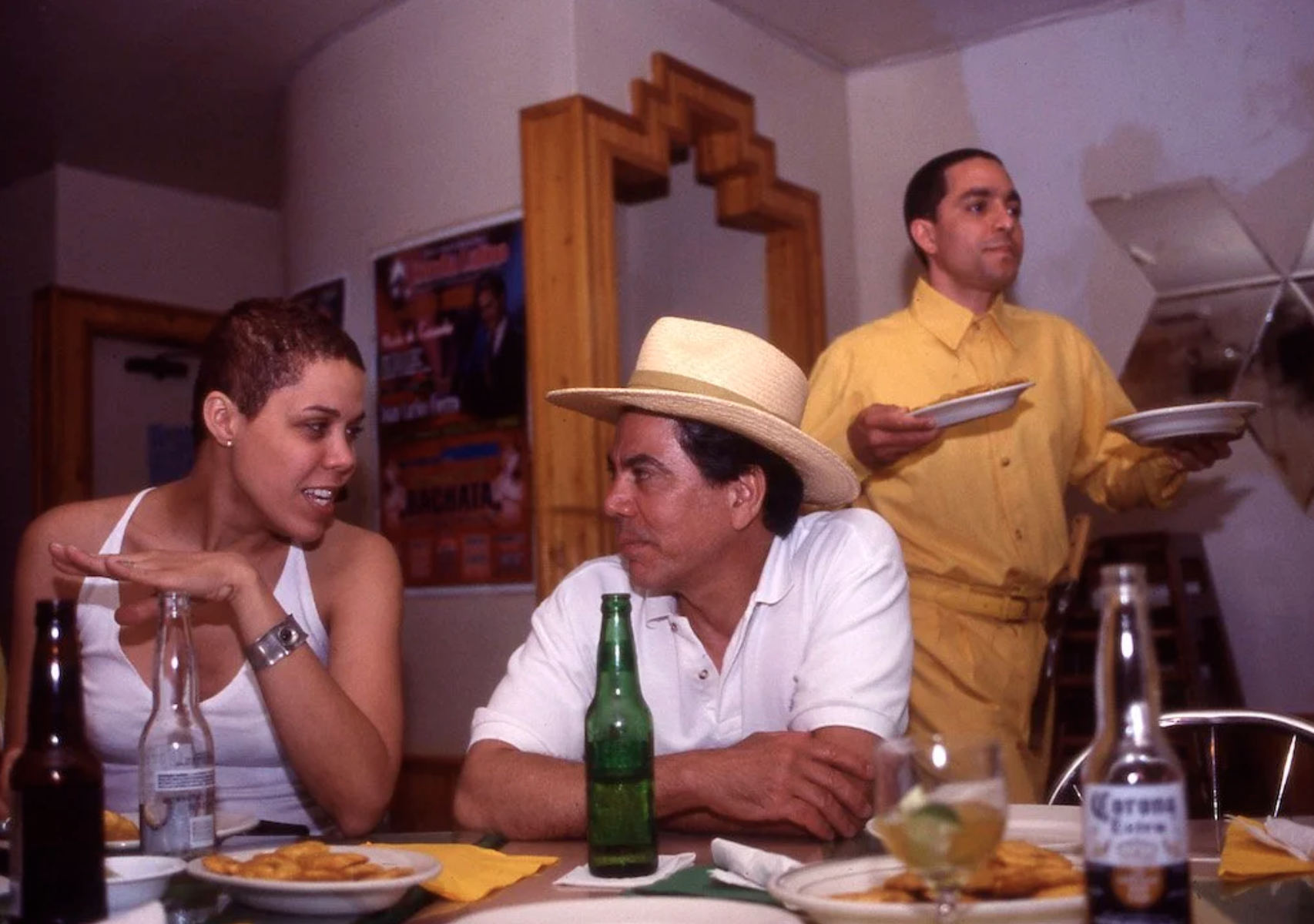
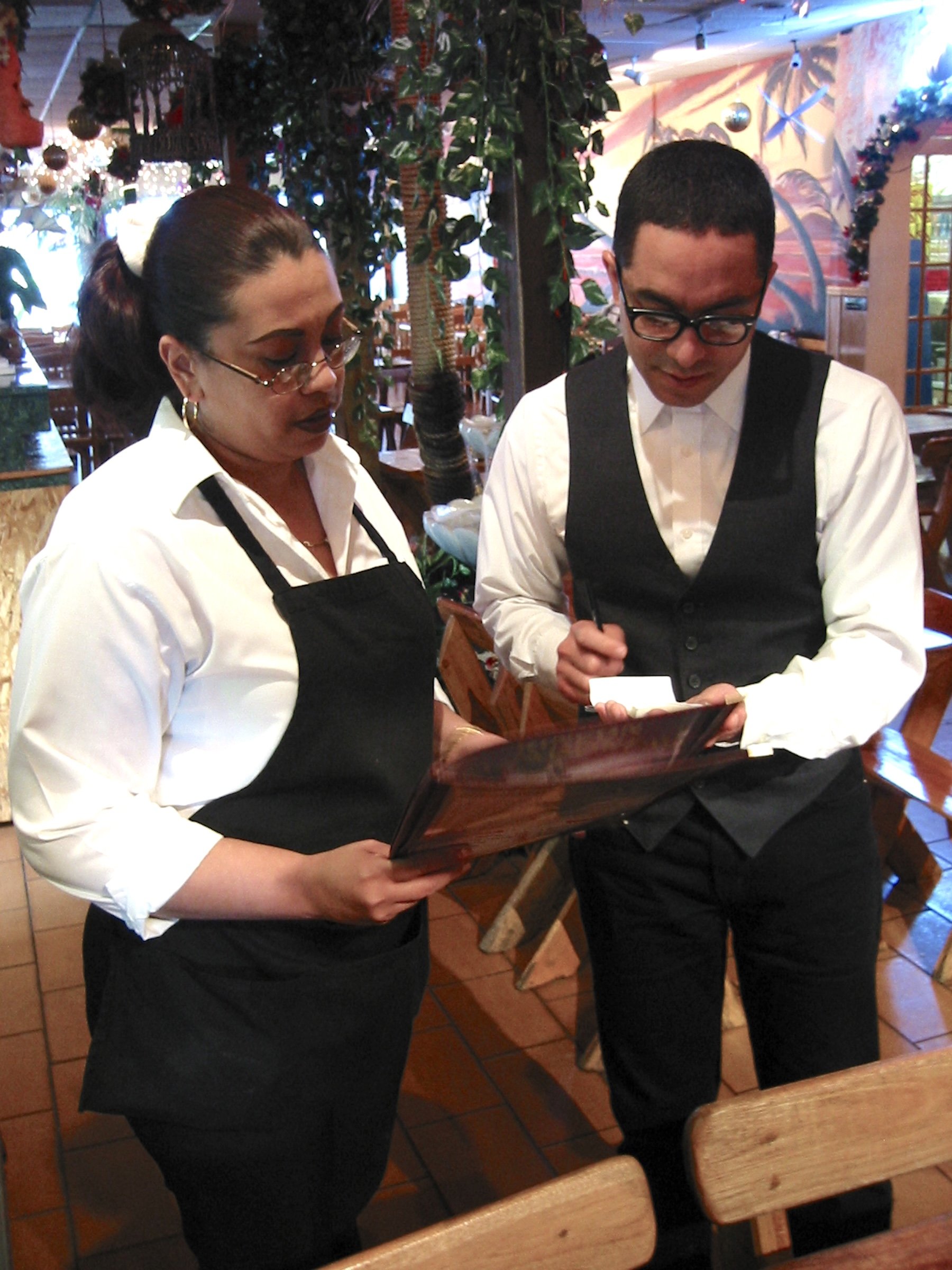
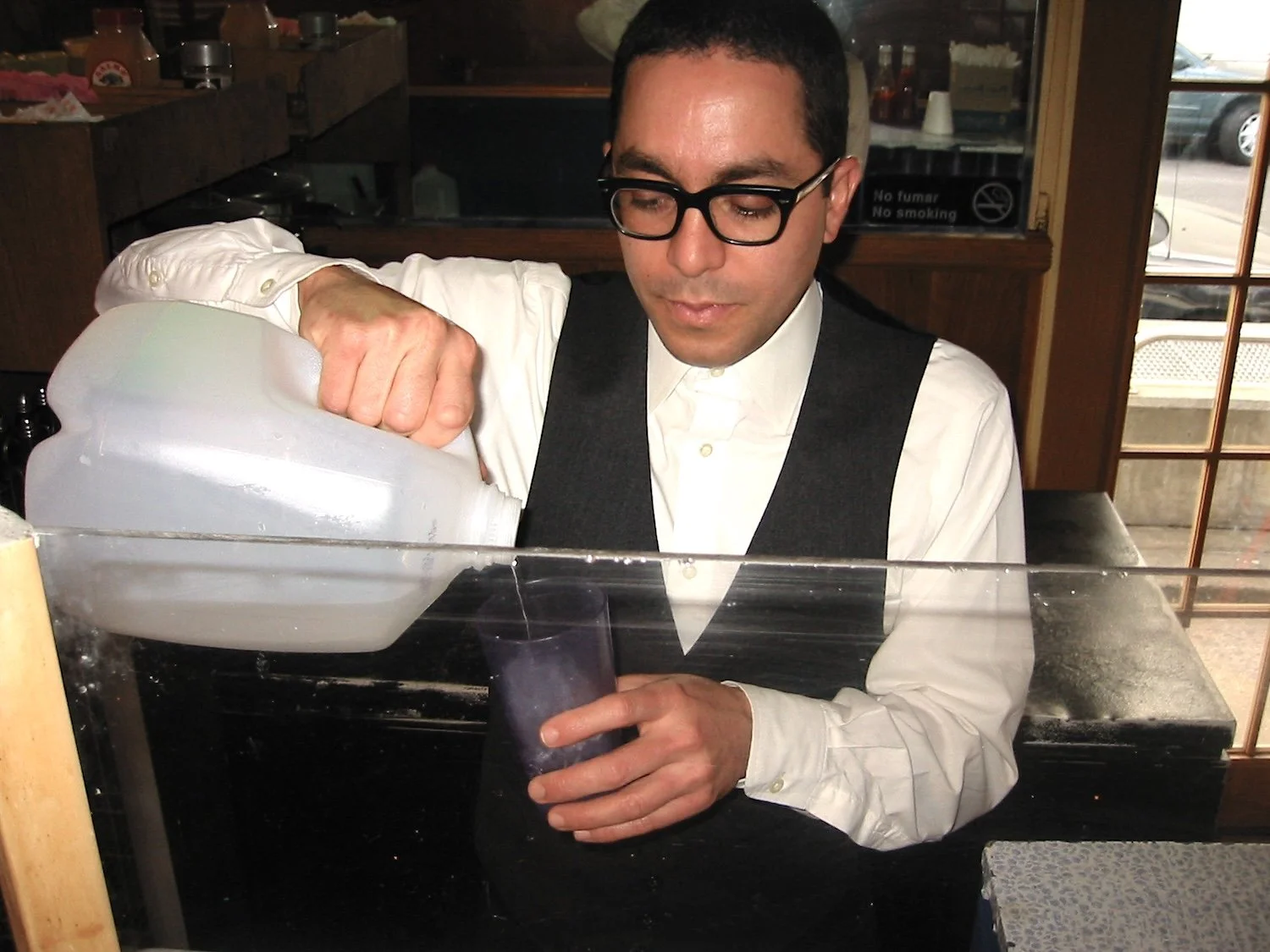
USA Paradisiaca is a video originally created as part of a performance of the same title. This piece was commissioned by Queens Museum in Flushing, New York for an exhibition curated by Valerie Smith entitled Crossing the Line. The piece was one of a group of site-specific projects that took place outside of the Museum’s facilities and in the community. In USA Paradisiaca I host a comprehensive presentation on the plantain at a restaurant while performing in collaboration with the staff. Guests join regular patrons of a Latine restaurant in Queens to sample what to many of them is “the other” in a dinner consisting of five dishes made out of a subtropical fruit, the plantain. In this piece the plantain and the immigrant are interchangeable subjects of a visual/edible presentation that warns the audience to watch out for the indelible stains that can result from handling this specimen.

To access New York Times review on this video click HERE

To go back to El Reguero/Archives menu, click HERE
 

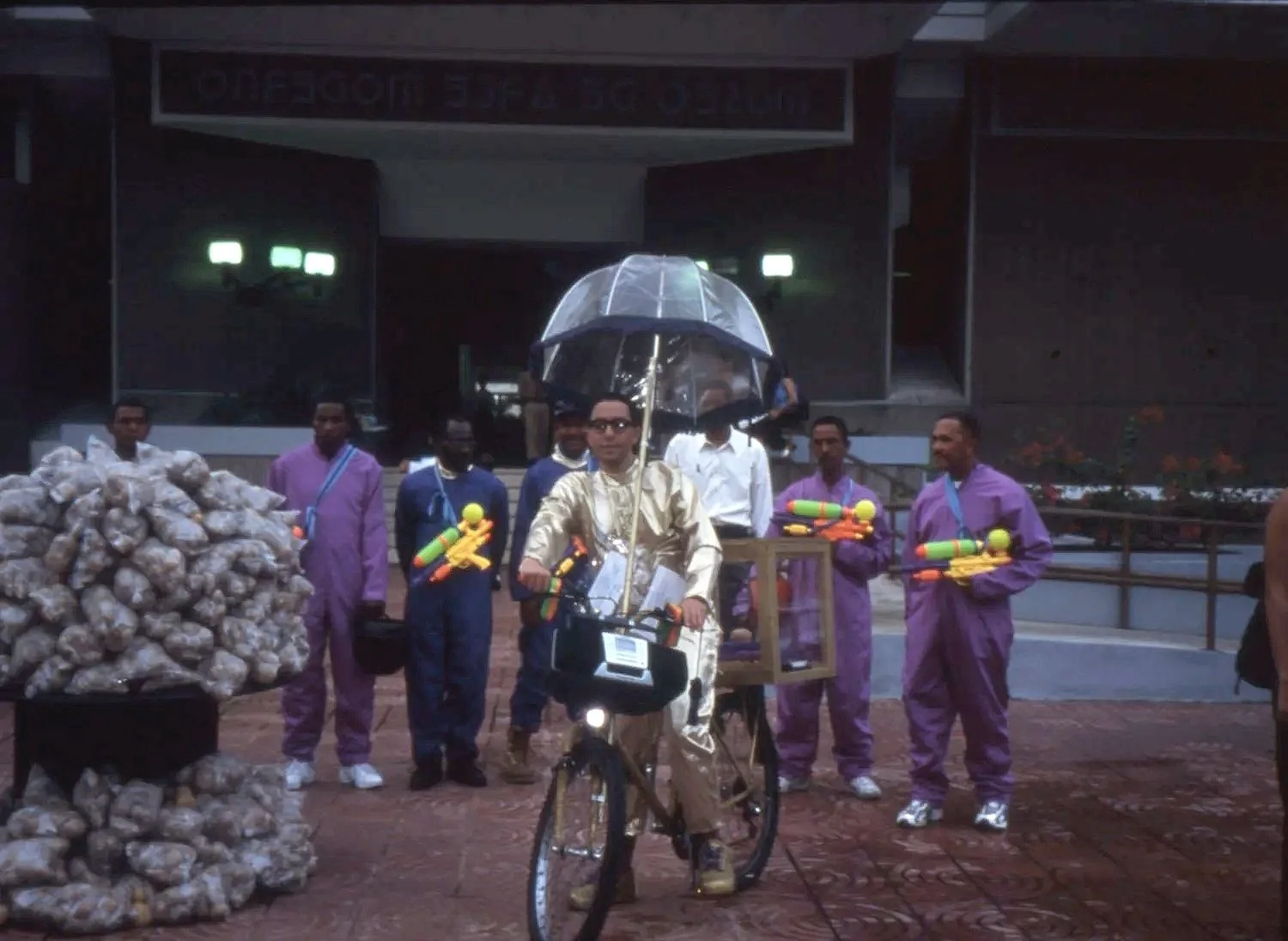
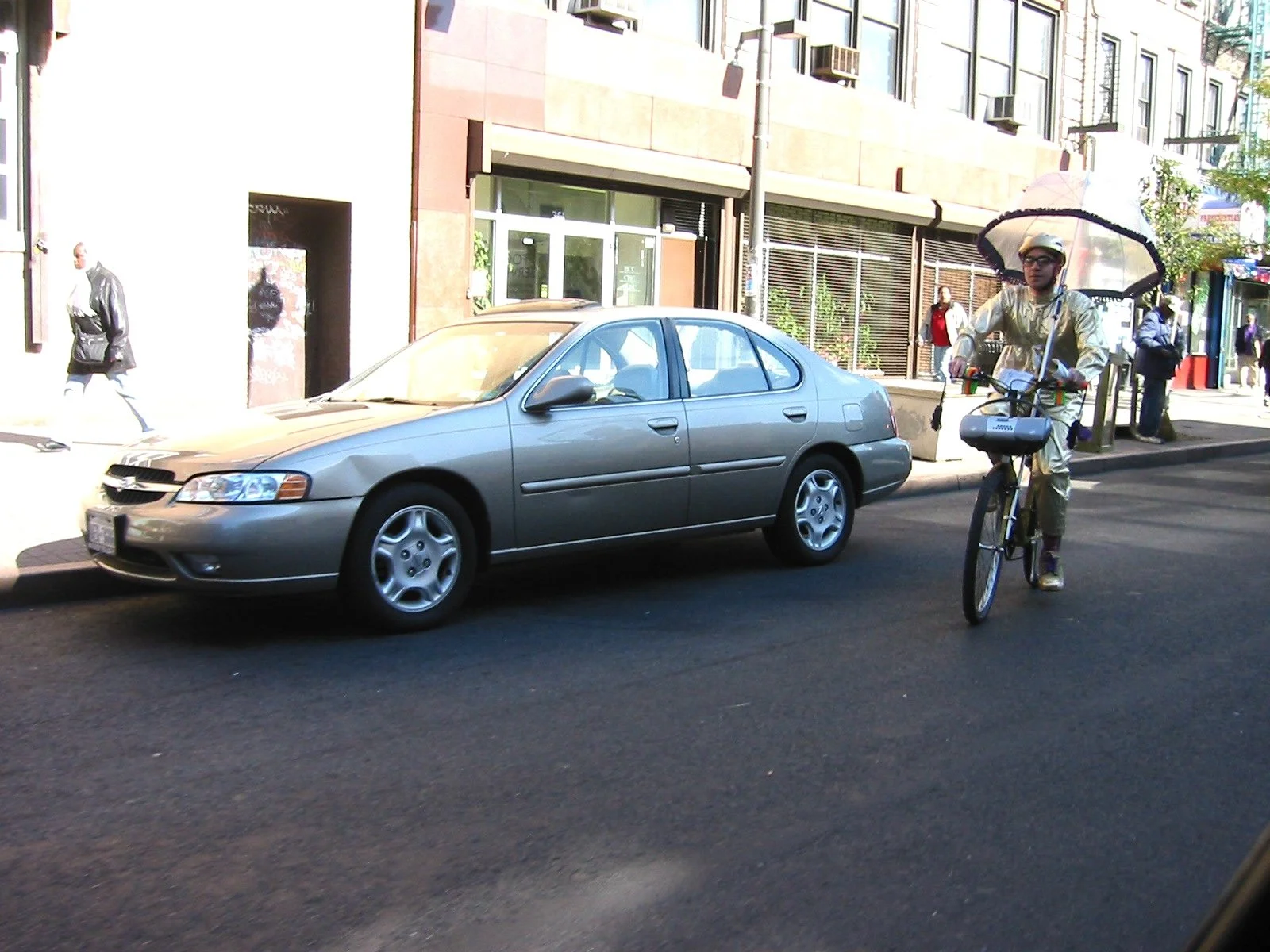
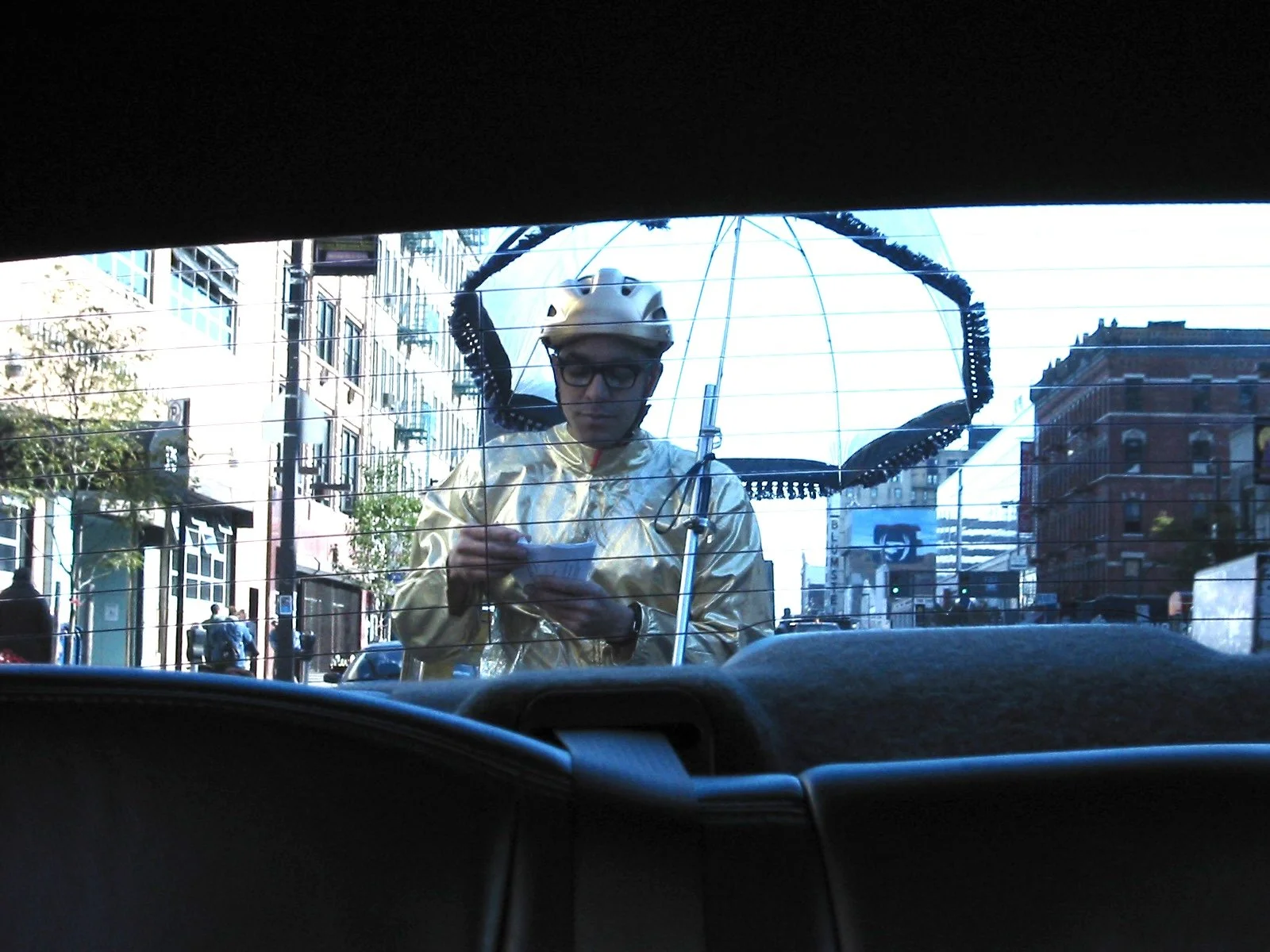
La Papa Móvil


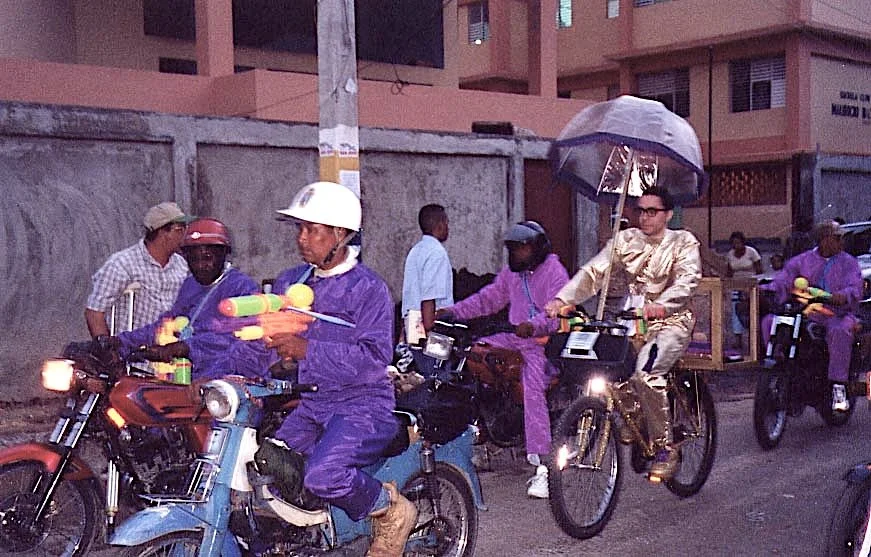
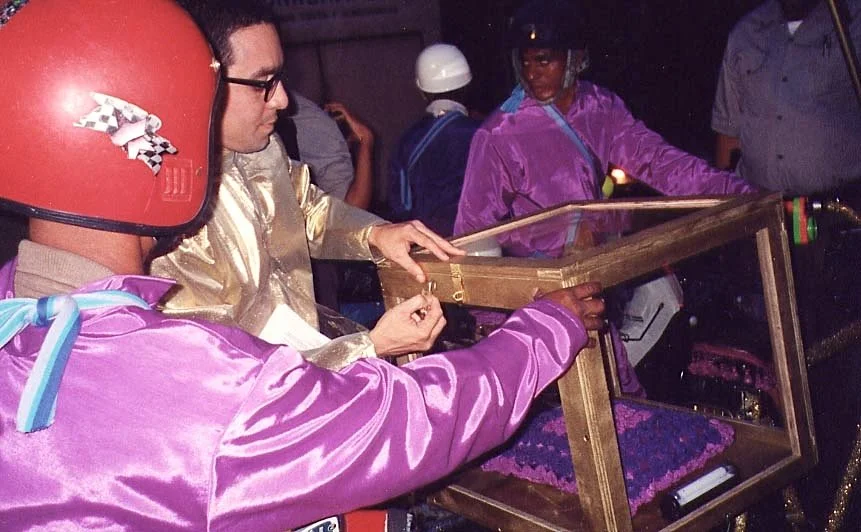
A performance formatted in the manner of religious processions, political campaigns and street vending. This piece traveled to three densely-populated neighborhoods in Santo Domingo, Dominican Republic, where I distributed coupons for 5 pounds of potatoes redeemable at the city’s Museum of Modern Art. This piece was later brought to New York as part of The S-Files at El Museo del Barrio.

La Papa Móvil was first commissioned and produced by Alanna Lockward and Art Labour Archives for Lockward’s exhibition Días hábiles, tácticas celulares para la nueva economía política del sentido, Santo Domingo, Dominican Republic, 2001.

Presented as part Dias hábiles, tácticas celulares para la nueva economía política del sentido, Santo Domingo, Dominican Republic, 2001; and for El Museo’s Biennial: The S-Files, New York, NY, 2003.


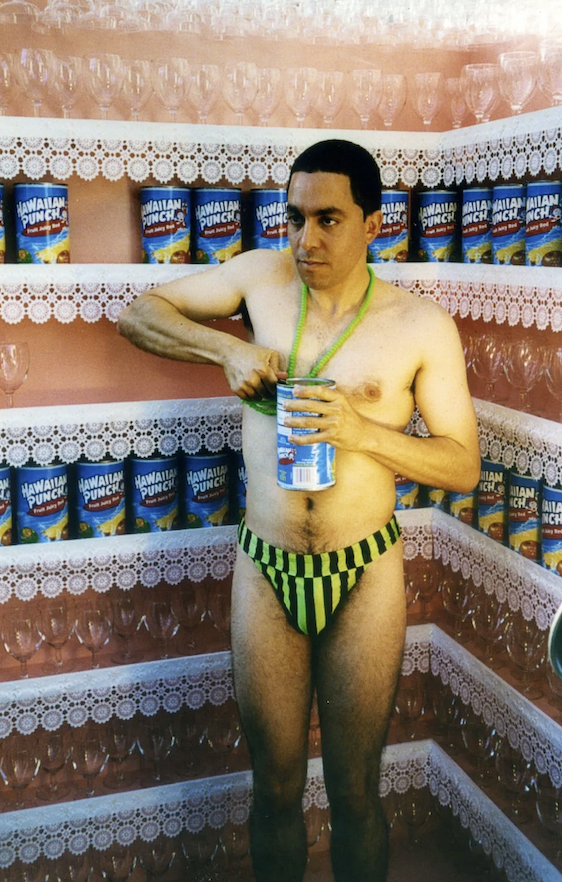
The Fountain of Youth


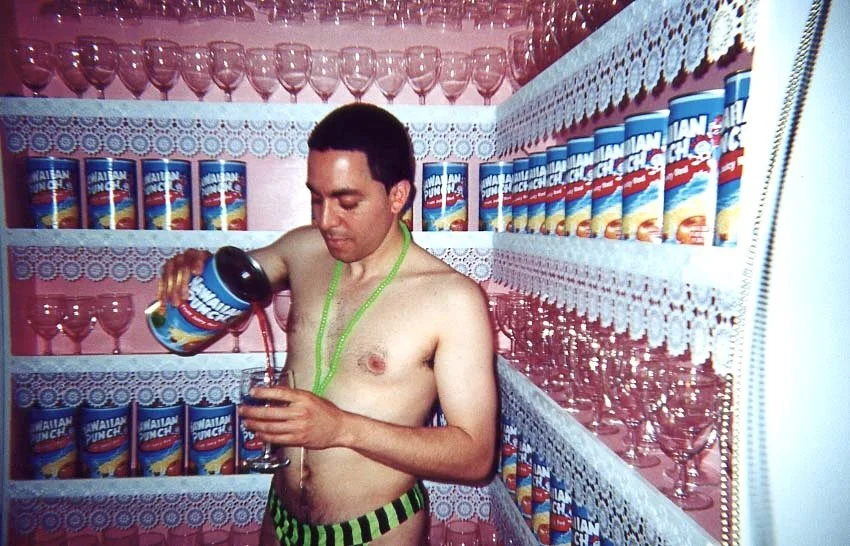
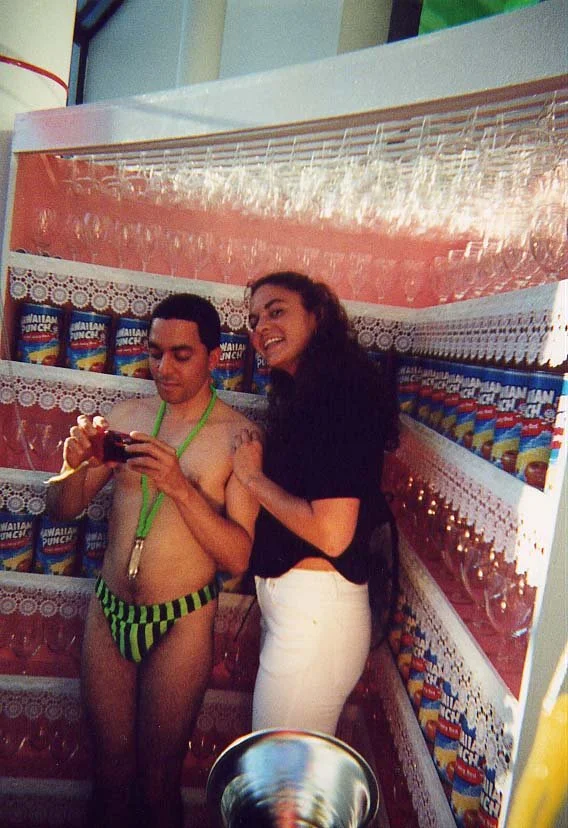
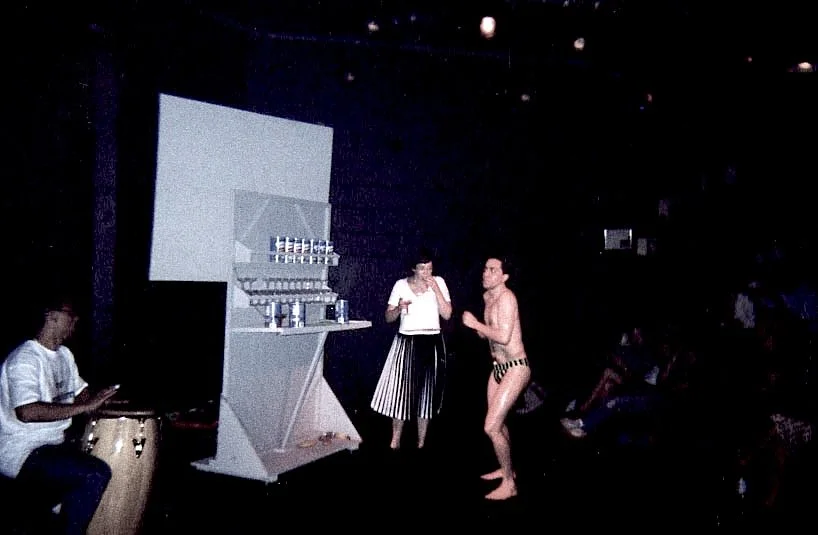
The legend of la fuente de la juventud (the fountain of youth), revived as a transportable display, offers a store-bought cocktail served by an attendant clad in Speedos. Hawaiian Punch gushes from tin cans to fill champing goblets, while visitors supplied with disposable cameras ensure the preservation of the fountain’s sweet spurts beyond their momentary life span. Guests are invited to toast. The fountain will flow while supplies last.

Presented at The Bronx Museum as part of Artists in the Marketplace (AIM), 2001


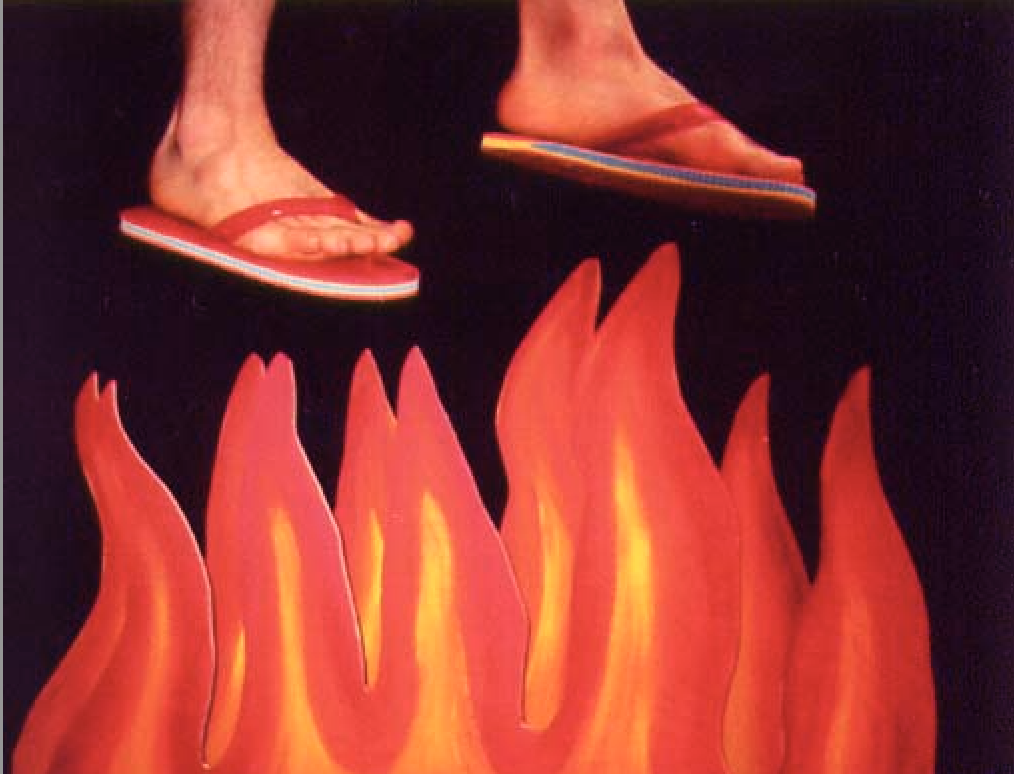
She tans. He sails. She swims. He surfs. She shops. He dives.


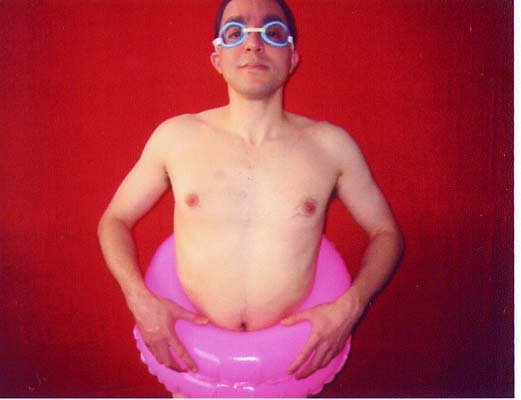
I produced a series of postcards portraying a utopian vacation spot. Images of glittering days and enthralling nights in a tropical paradise are assembled out of plywood, flip flops, lifesavers, floaters, Speedos, towels and goggles. This souvenir is constructed as an accordion of photographs that unfolds unto an all-you-can-take buffet of pleasurable choices.  With unlimited leisure at one’s disposal, applying suntan lotion and hosting a frozen piña colada promise to be the only demands on you during your stay at my leisure-soaked resort.  

Produced and printed with Lower East Side Printshop as part of their residency program

Exhibited at Jersey City Museum as part of Tropicalisms: Subversions of Paradise, 2007, an exhibition curated by Rocío Aranda Alvarado

To access curatorial essay on Tropicalisms: Subversions of Paradise click HERE / To access New York Times arcticle click HERE

To go back to El Reguero/Archives menu, click HERE
 

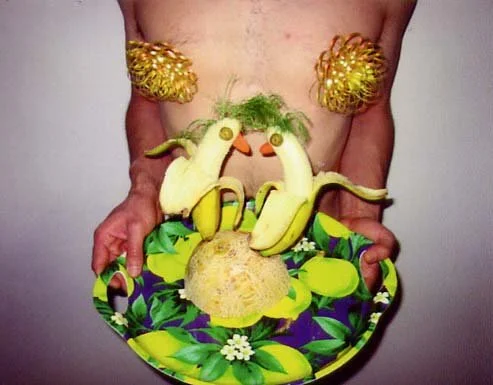
Good Enough to Eat


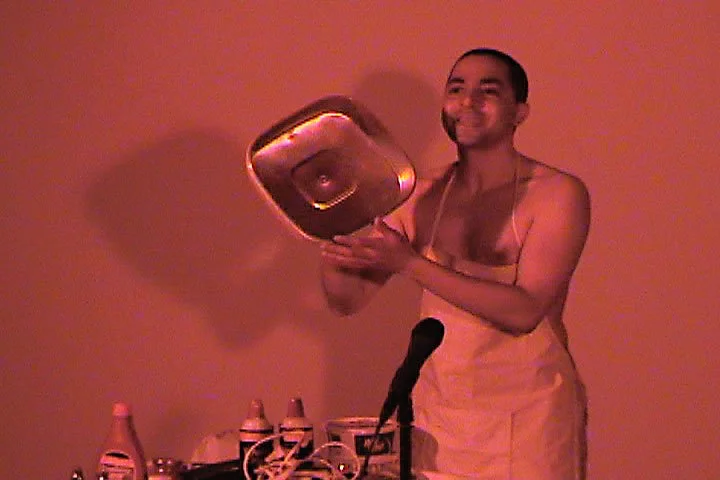
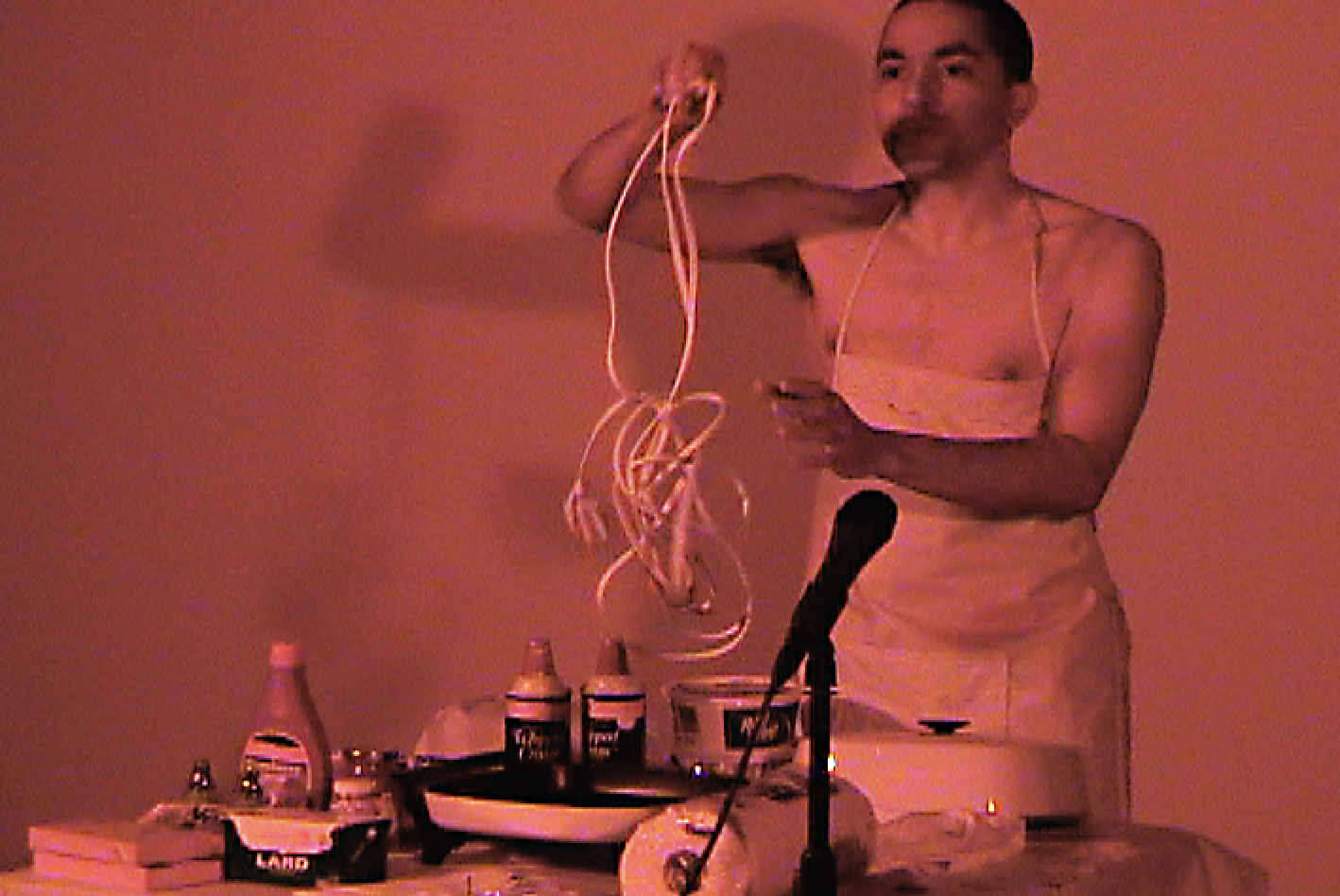
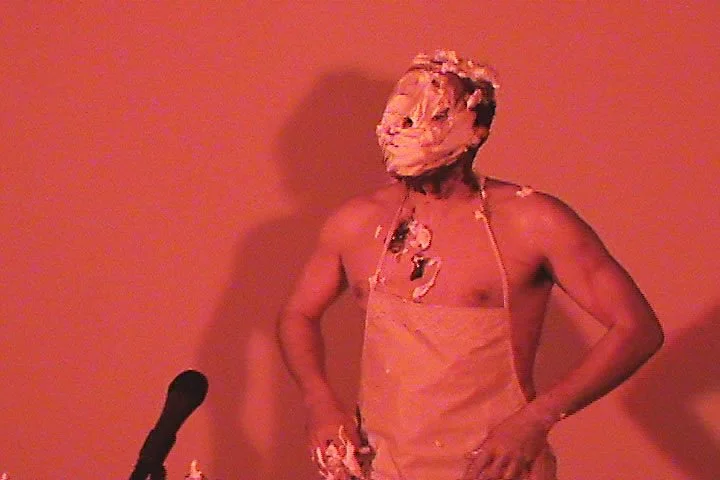
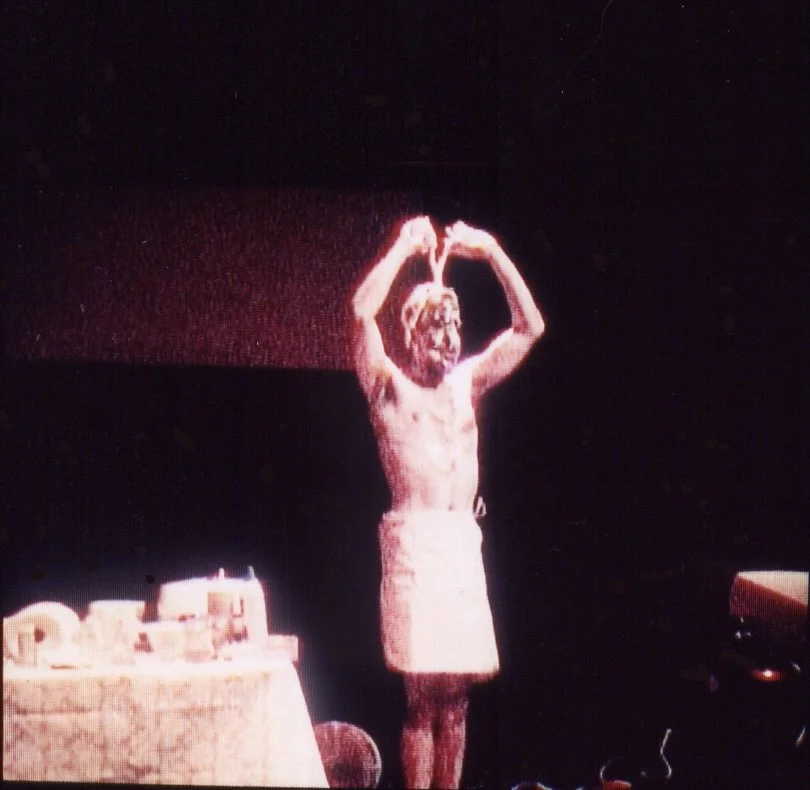
Good Enough to Eat is a 20-minute-long performance during which edible as well as inedible ingredients are used to produce a dish that includes the performer’s body.  Toes, thighs, neck and buttocks are carefully prepared into an elaborate recipe of an onanistic nature that serves one.

Good Enough to Eat is a 20-minute-long performance during which edible as well as inedible ingredients are used to produce a dish that includes the performer’s body.  Toes, thighs, neck and buttocks are carefully prepared into an elaborate recipe of an onanistic nature that serves one.

Presented with Dixon Place / Hartwick College / Franklin Furnace at Sculpture Center / Downtown Community Television DCTV / MoMA


Cavum Glorisum


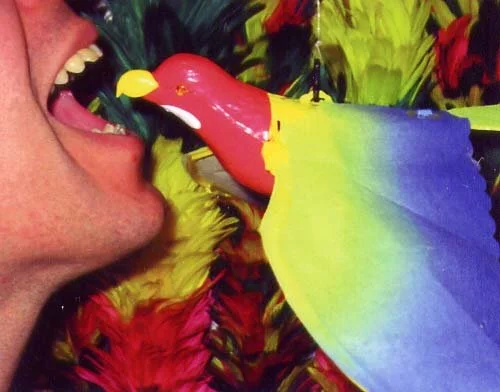
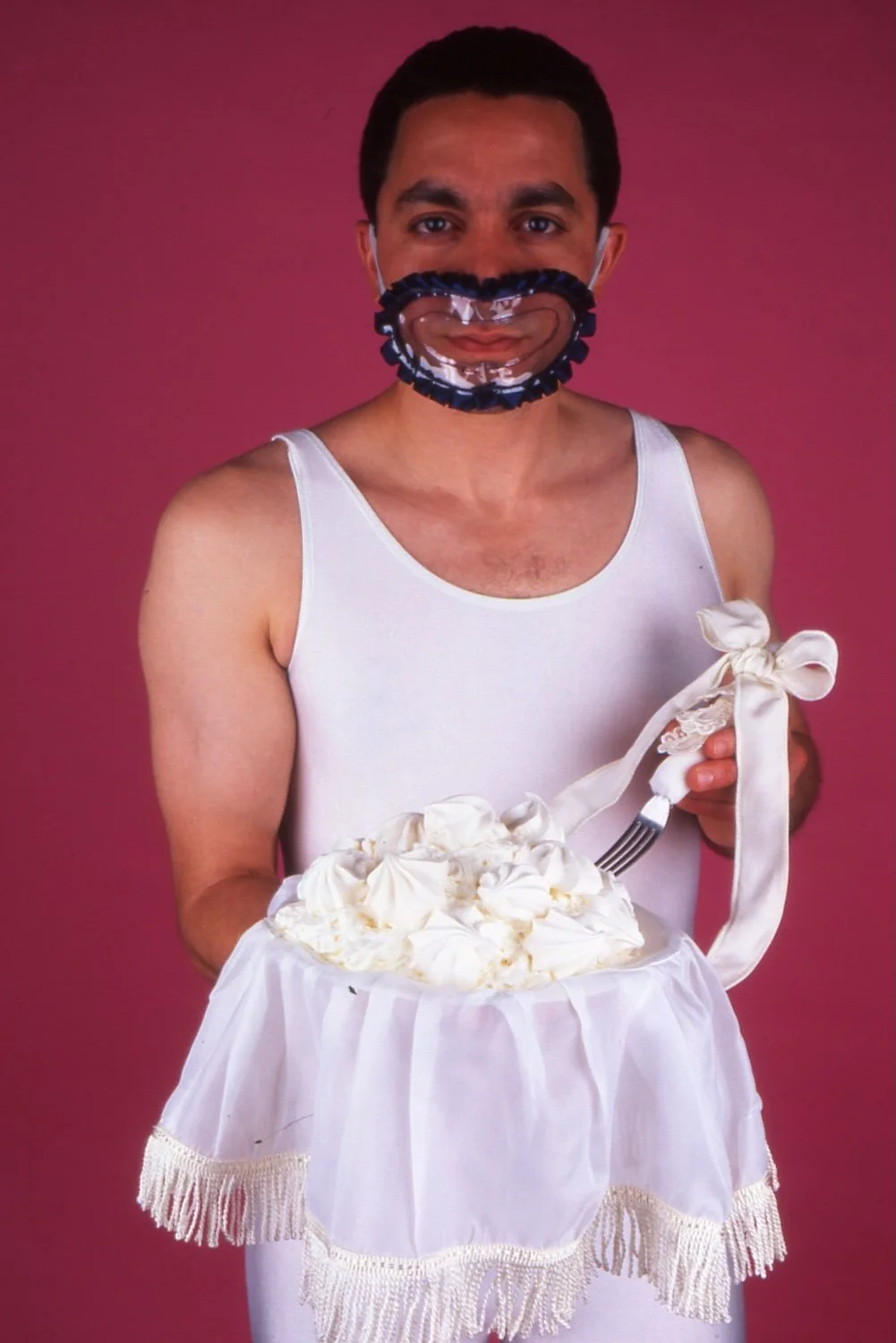
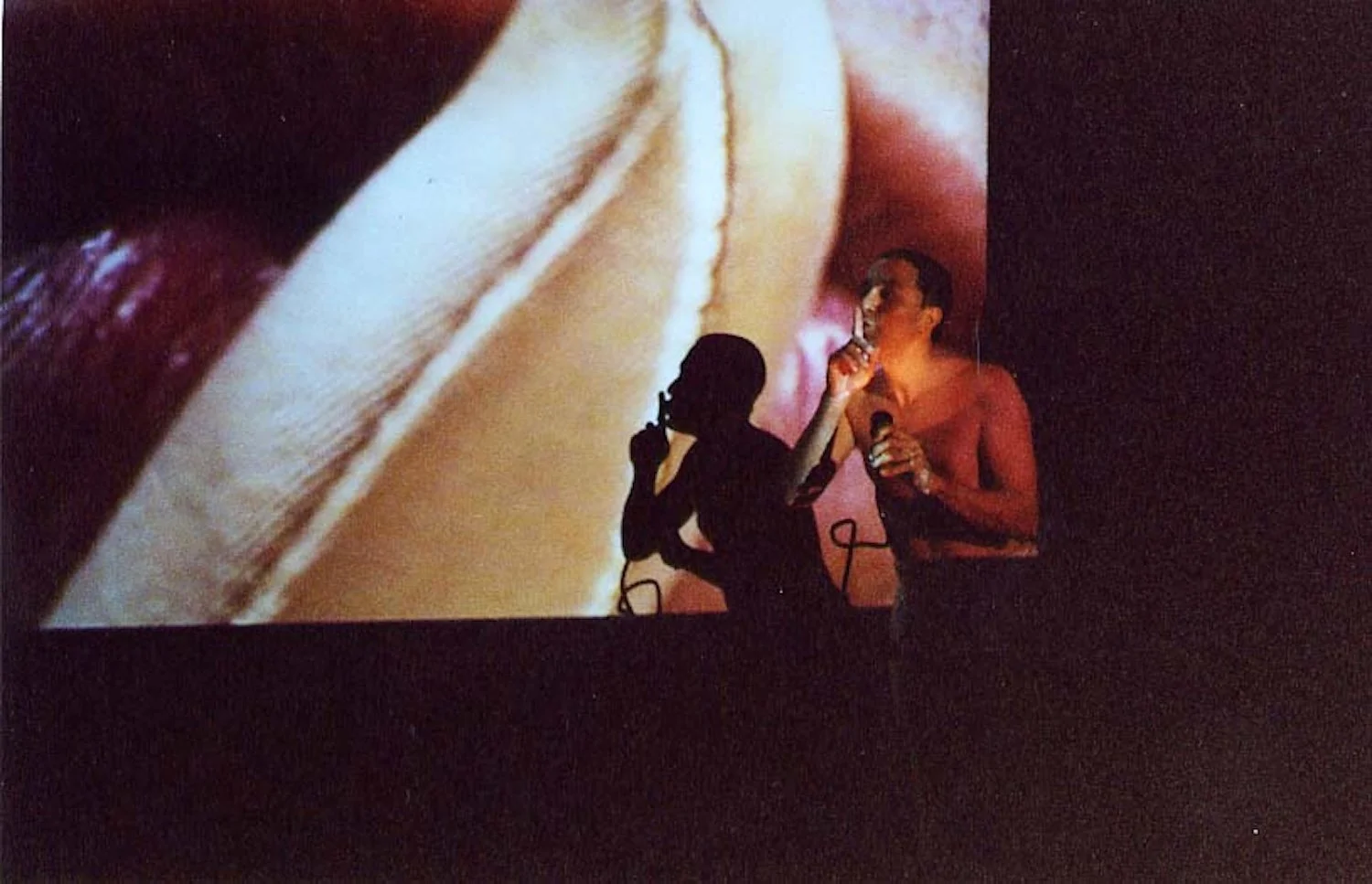
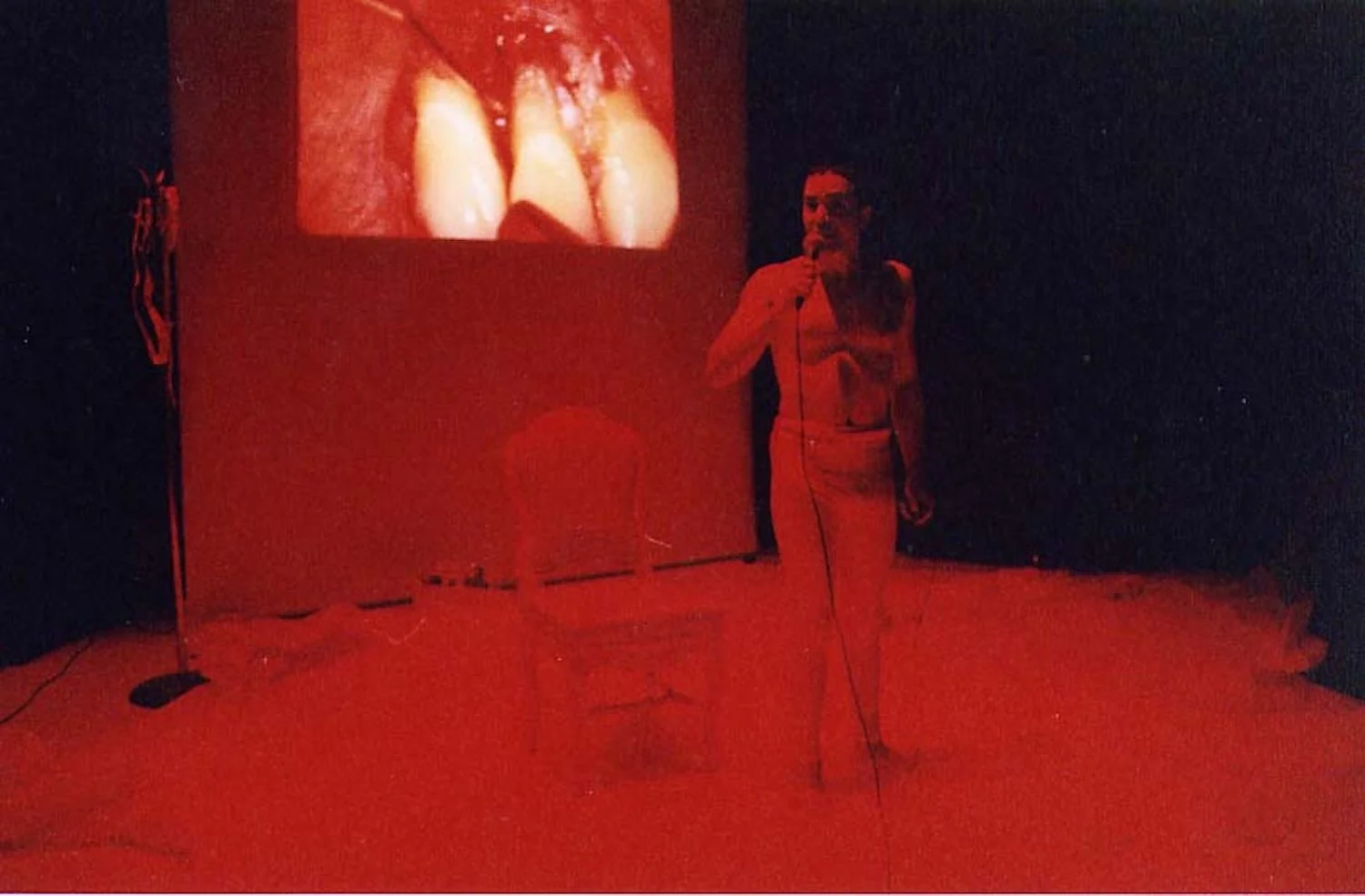
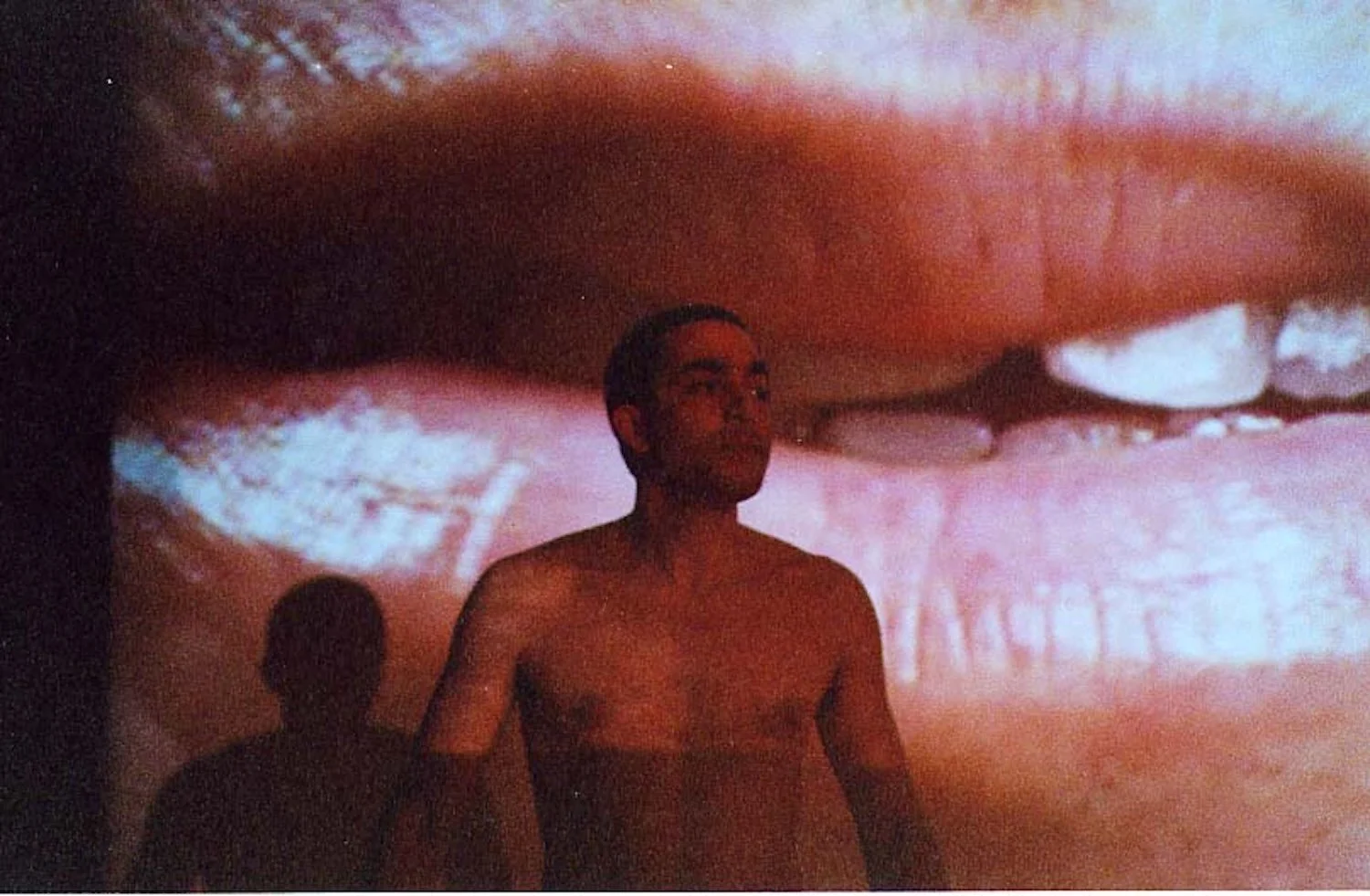
A quasi clinical presentation that uses props and costumes to isolate the cavum oris [the mouth] and all the parts it encompasses, transforming the performance space into an oral cavity. An audio-visual presentation leads the audience to examine the range of experiences open to this organ; sampling an elaborate repast, exchanging functions with its less socially accepted counterpart, and lying through its teeth.

Presented with Dixon Place


Fellatious


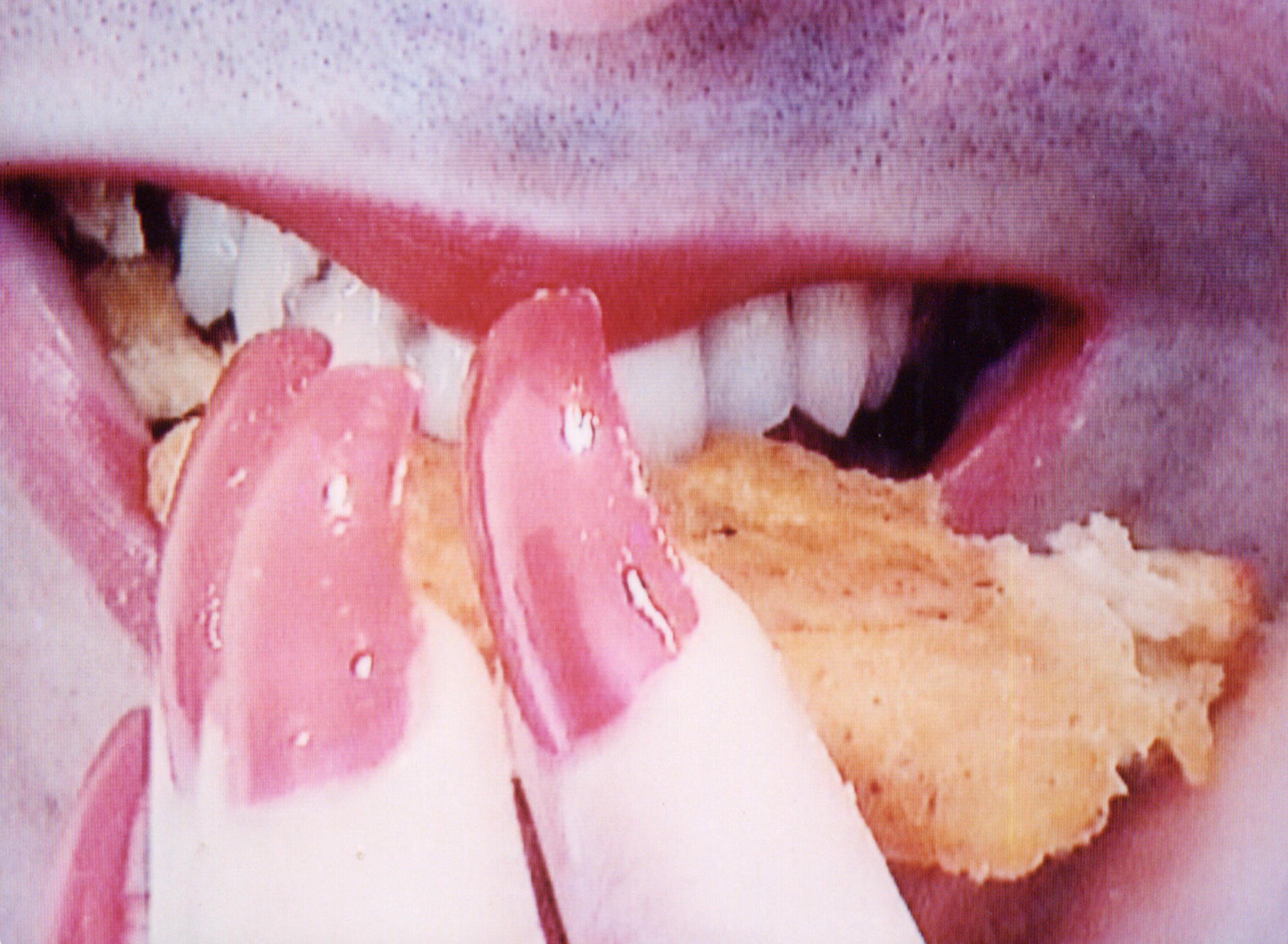
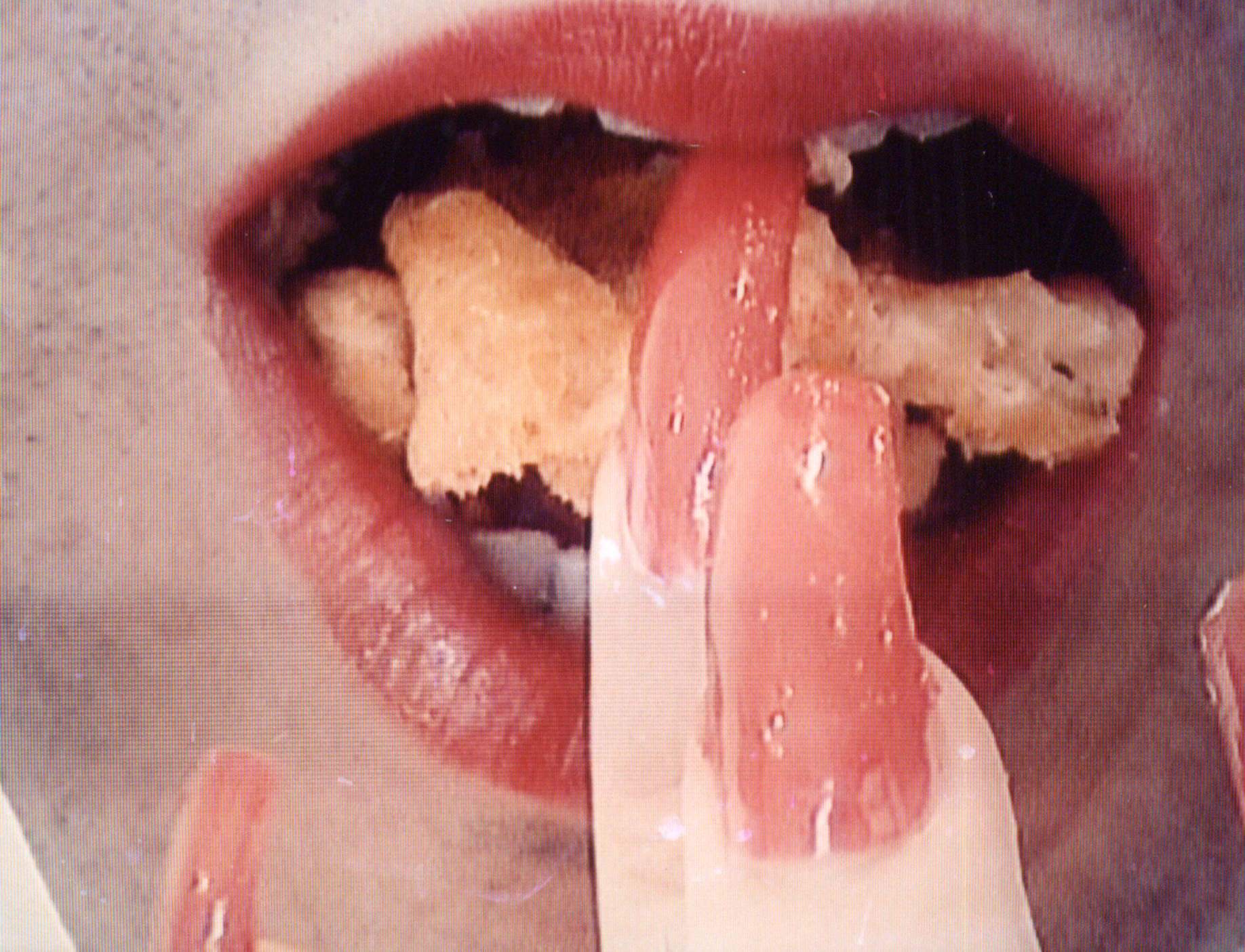
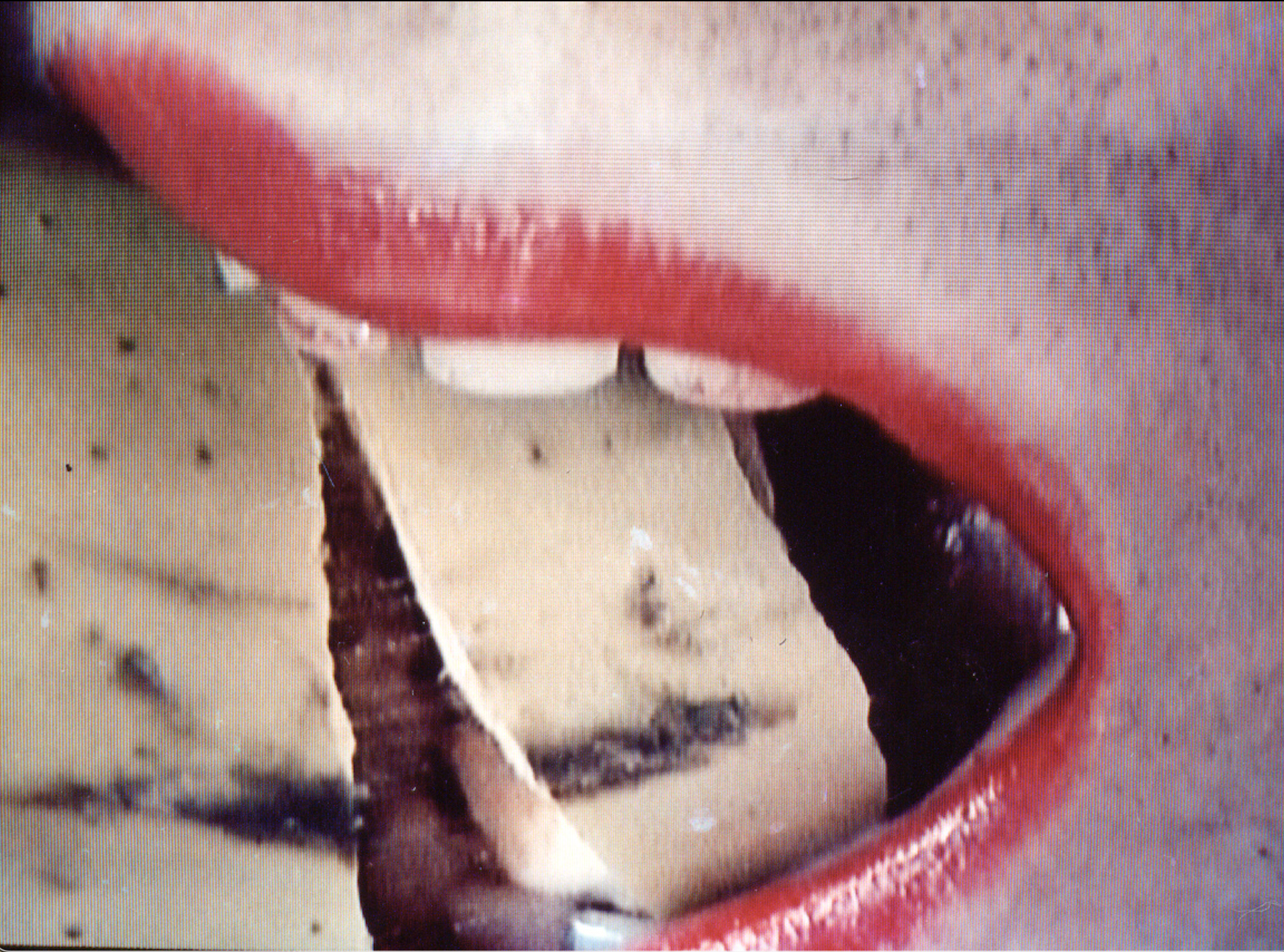
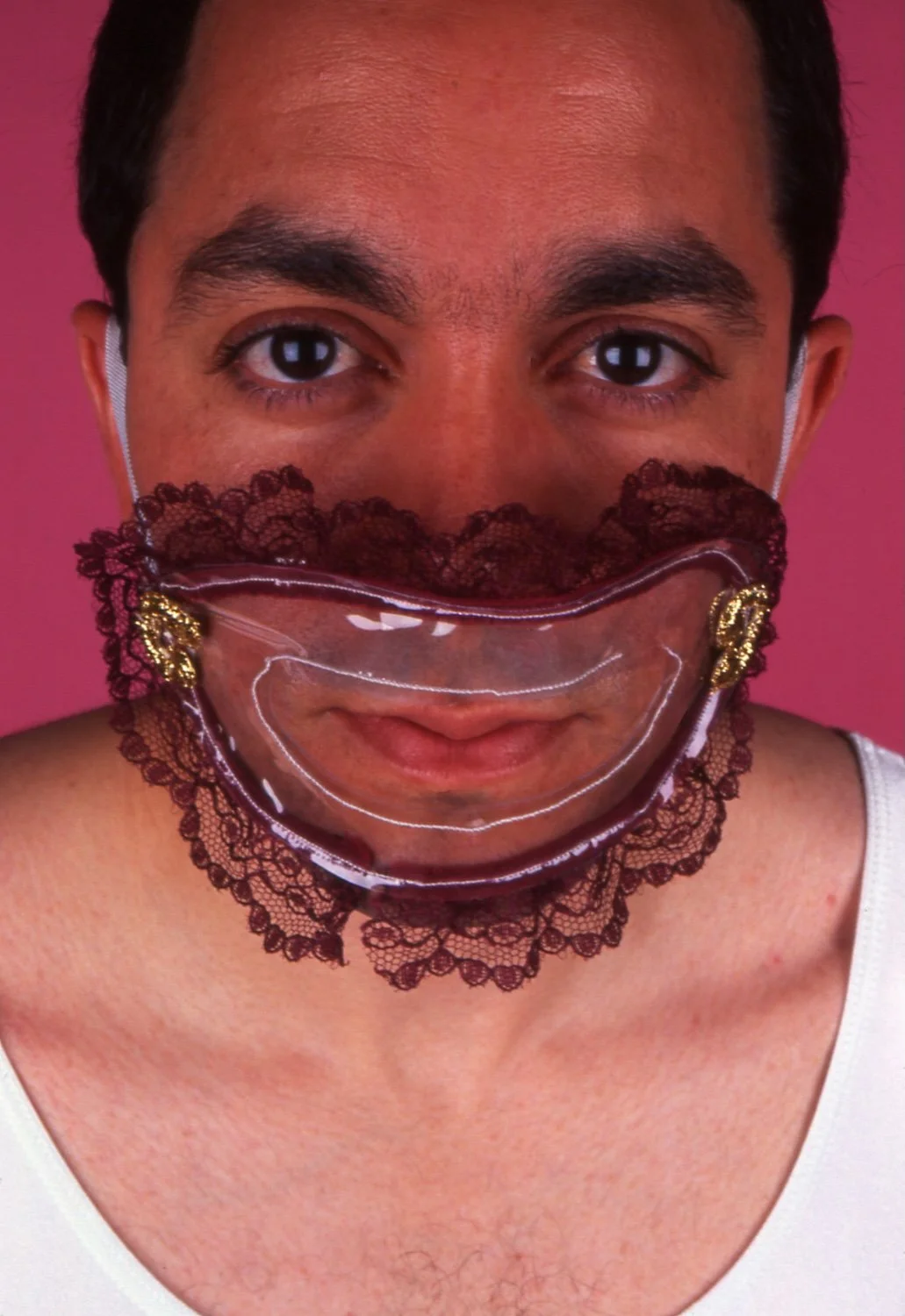
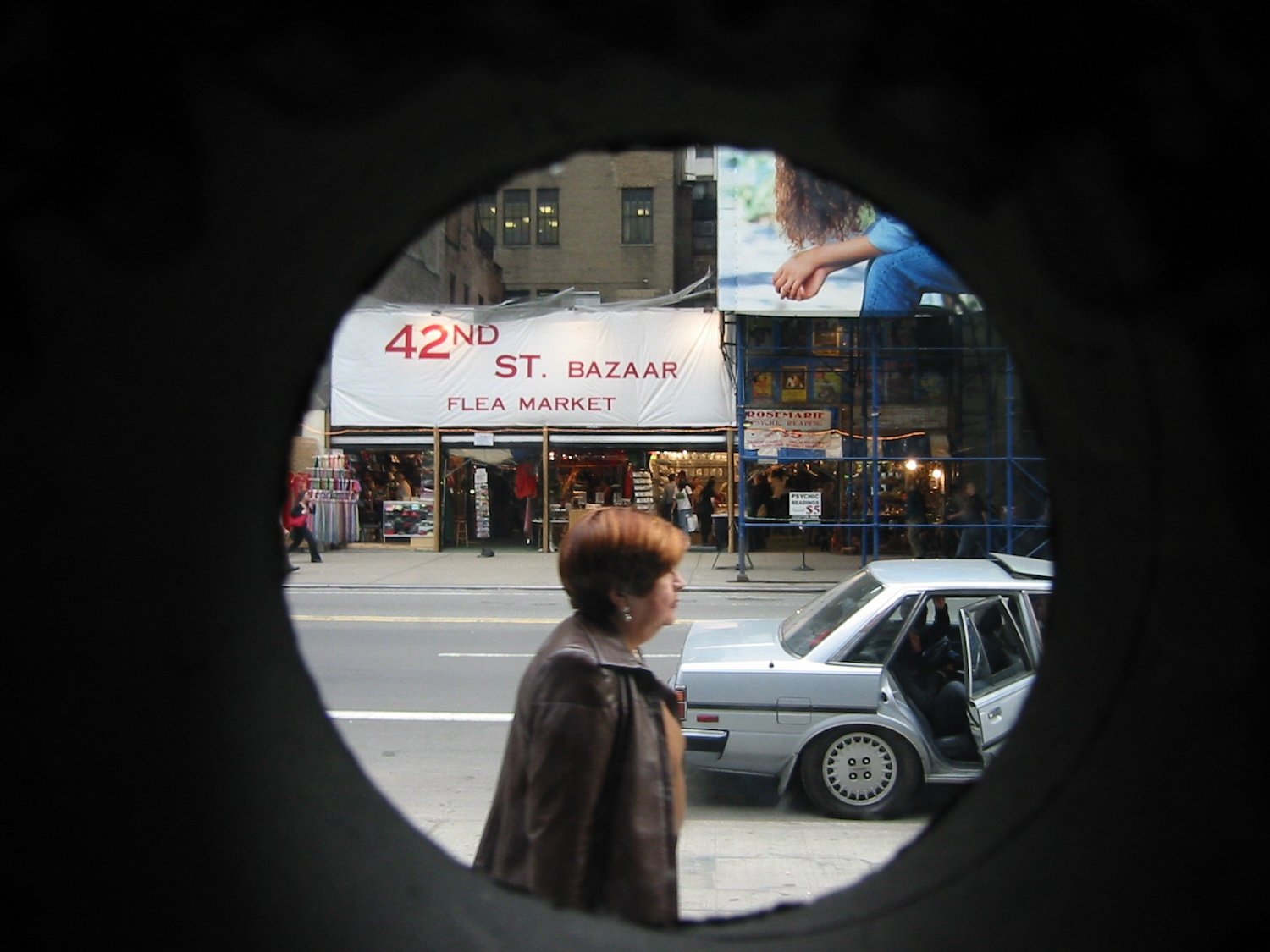
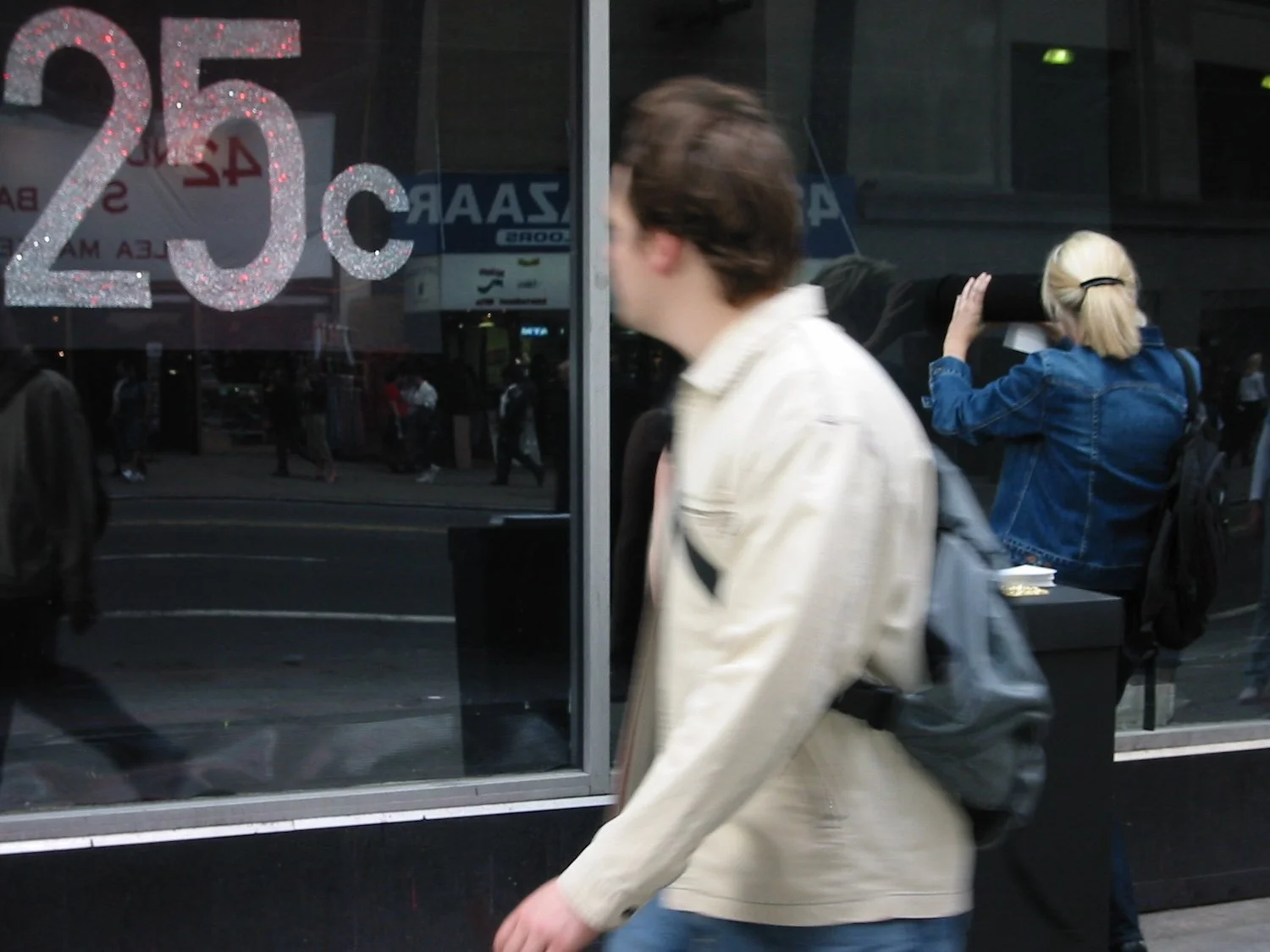
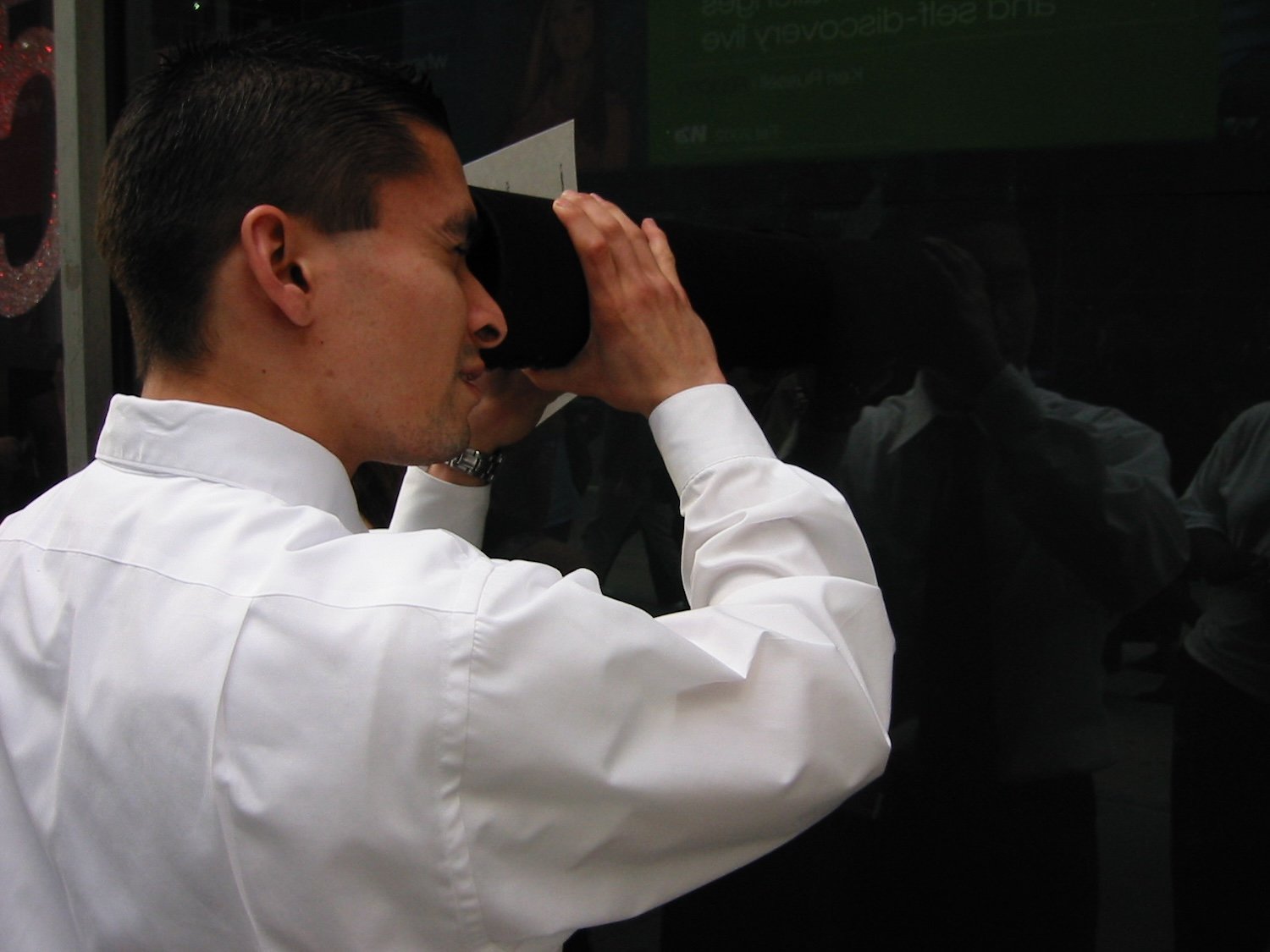
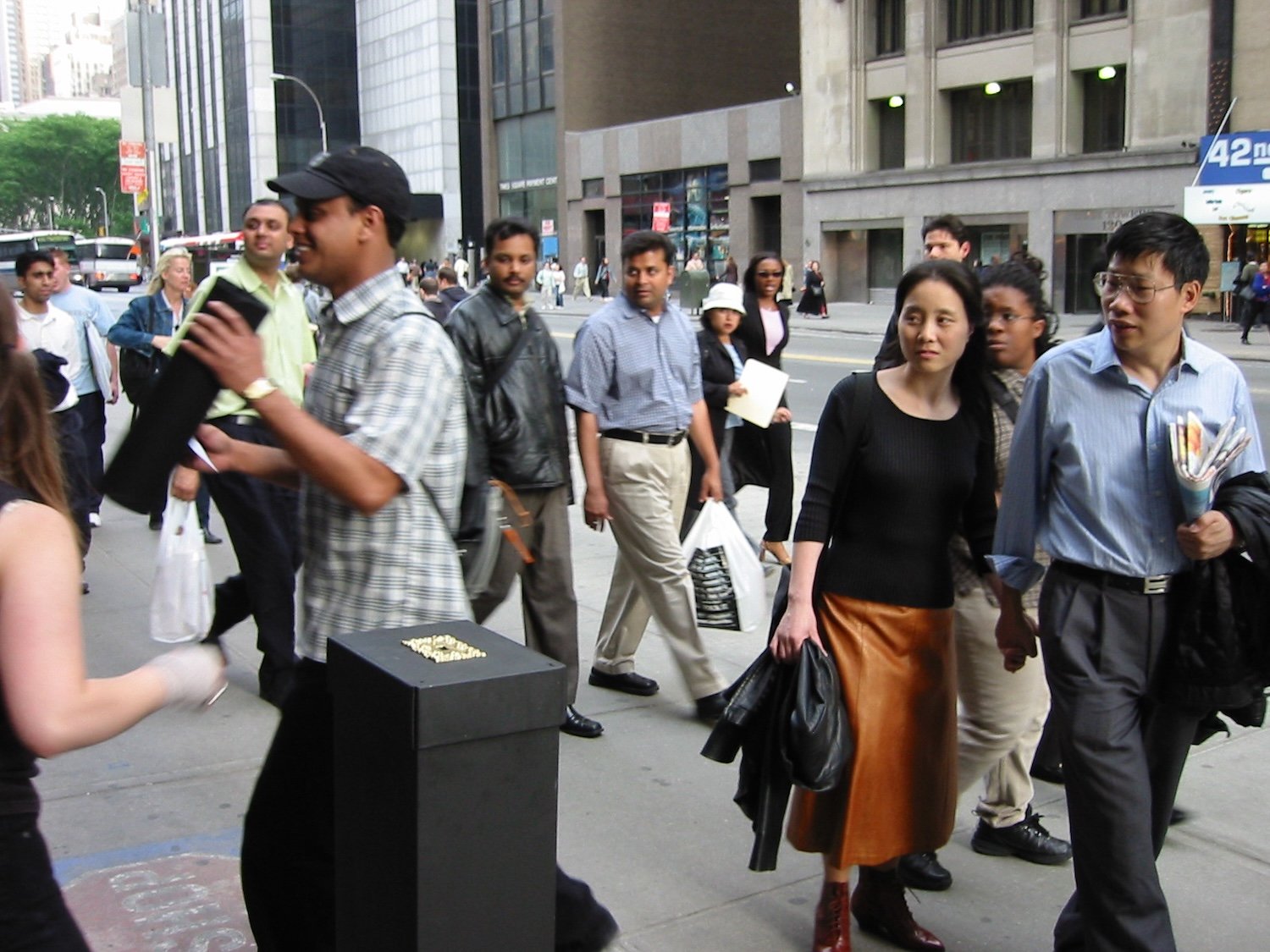
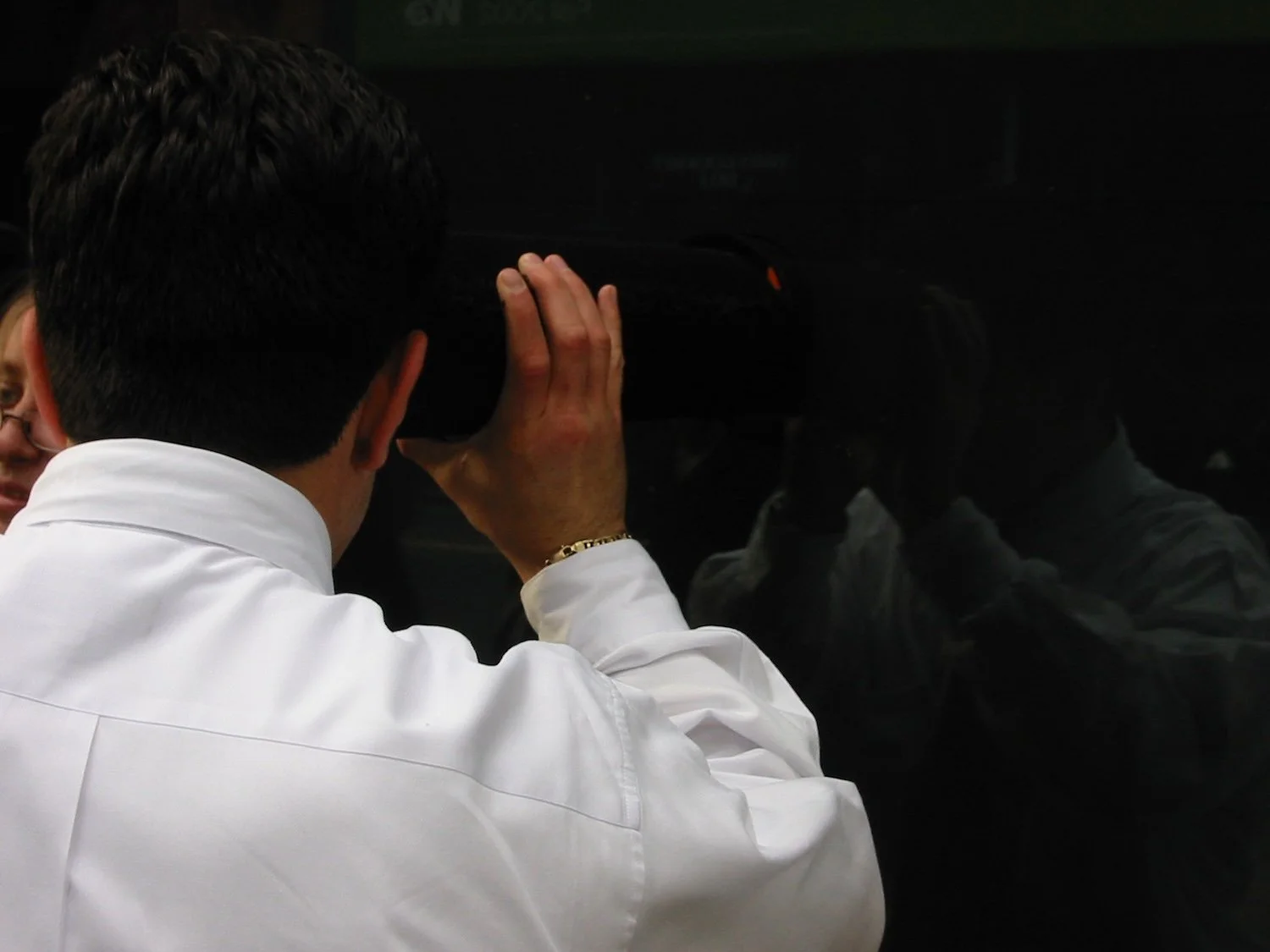
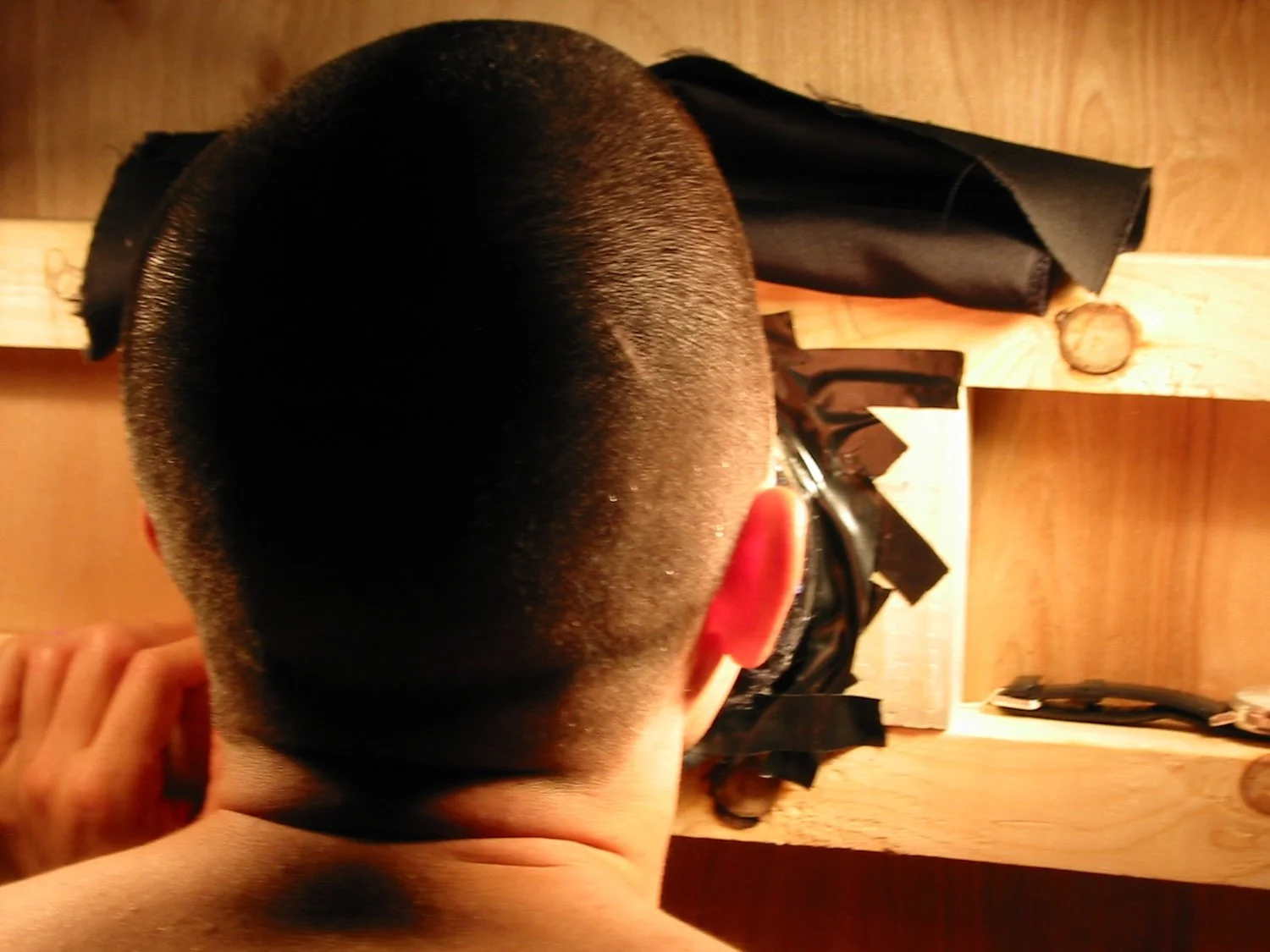
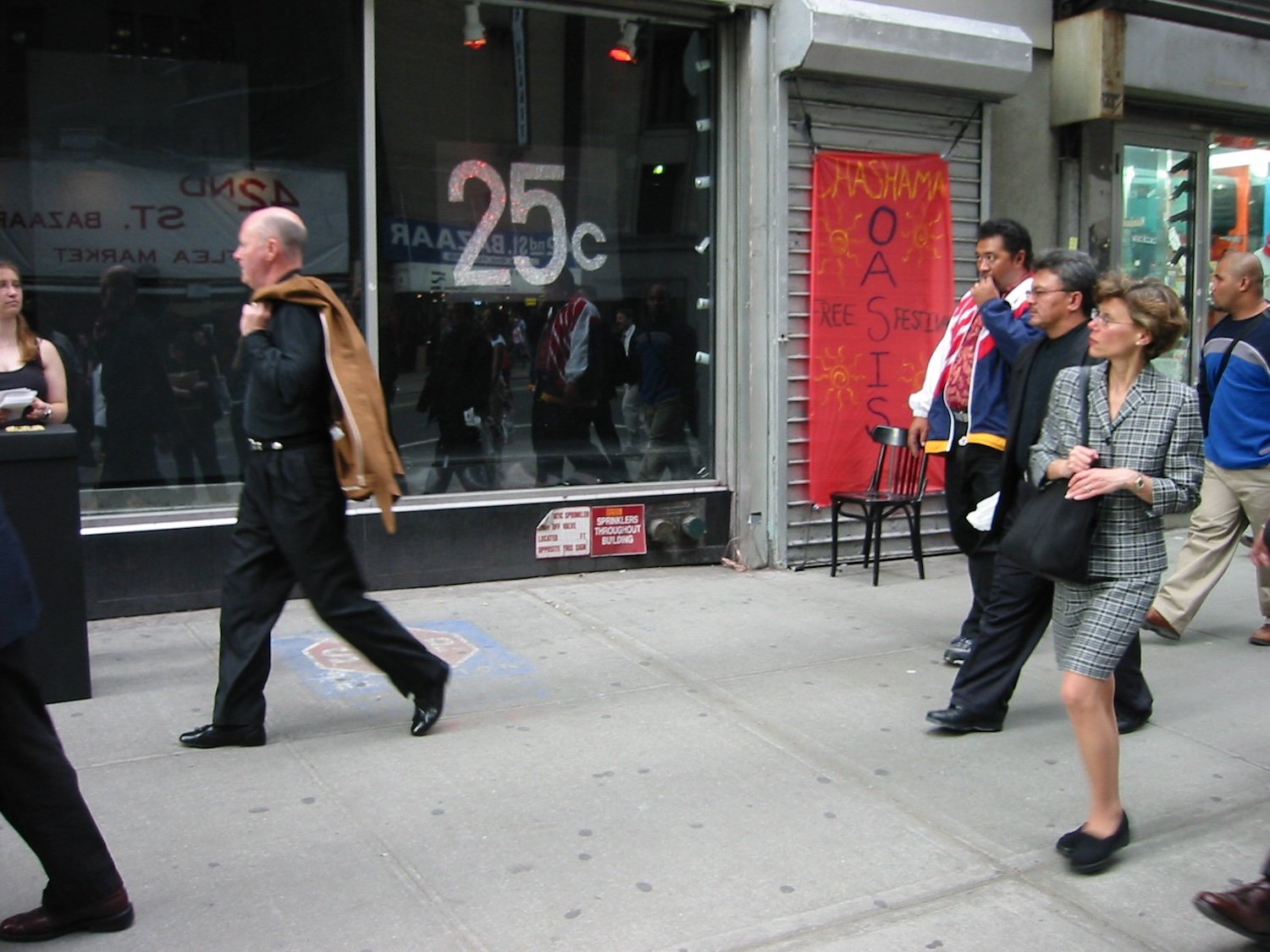
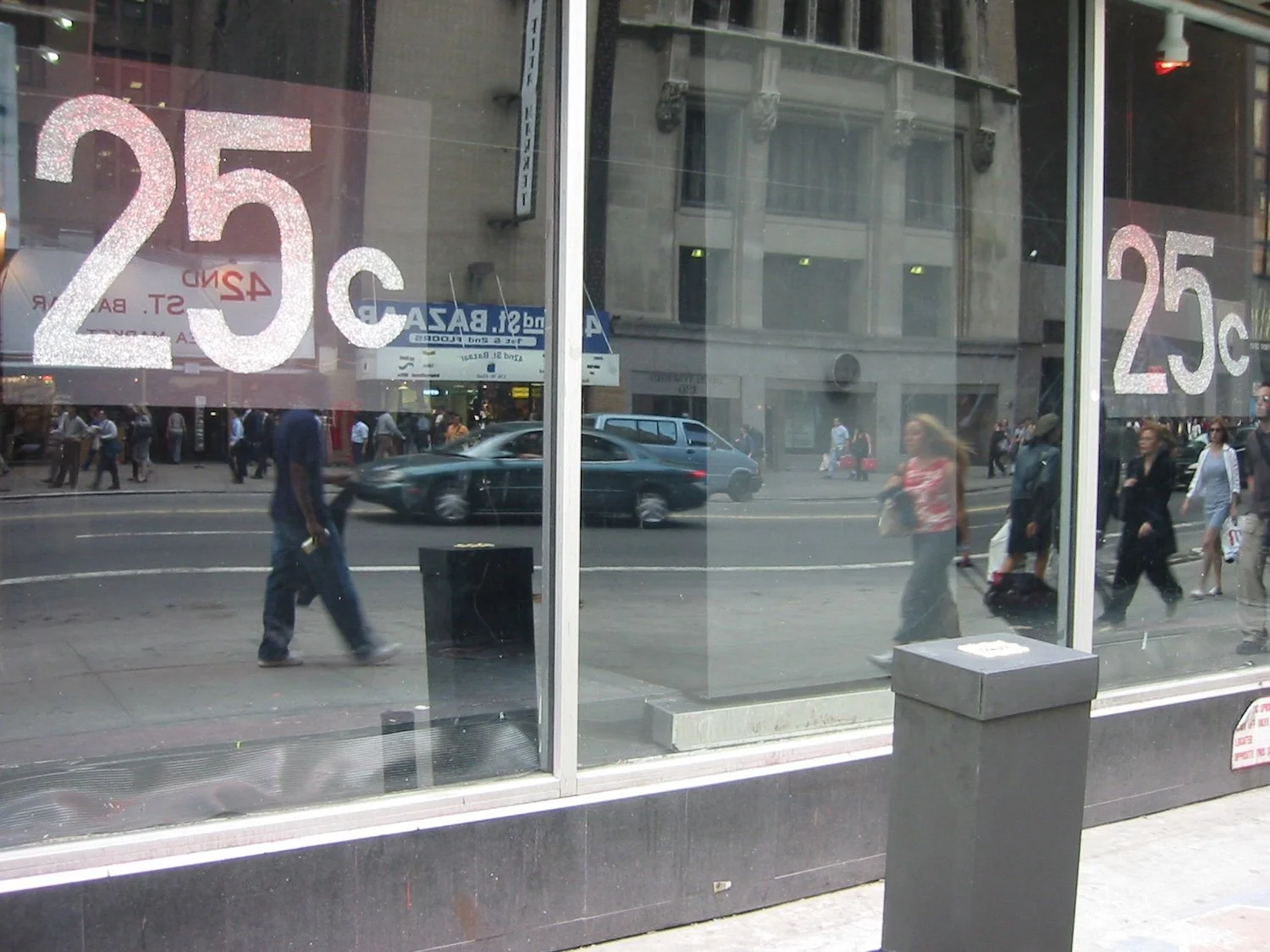
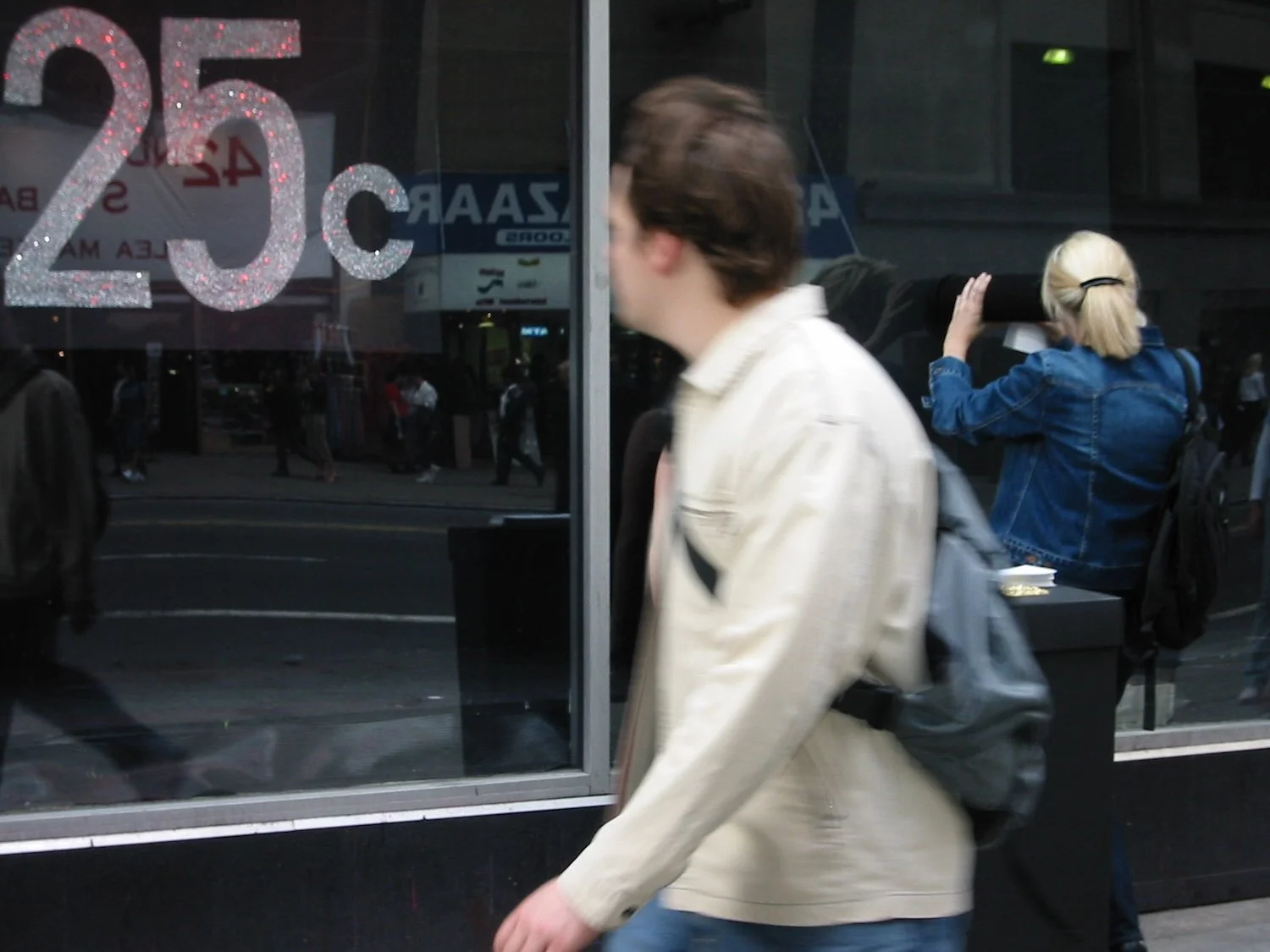
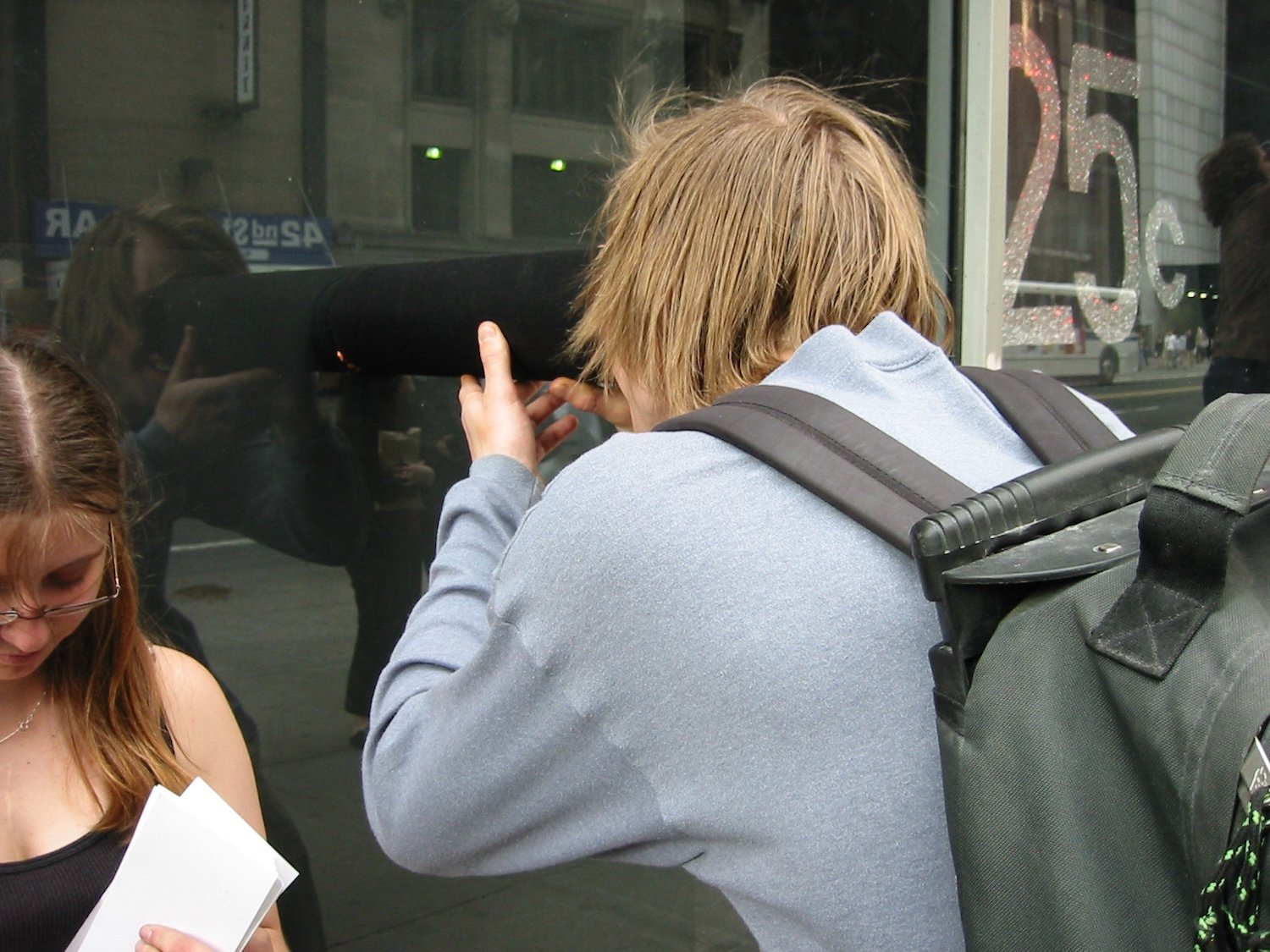
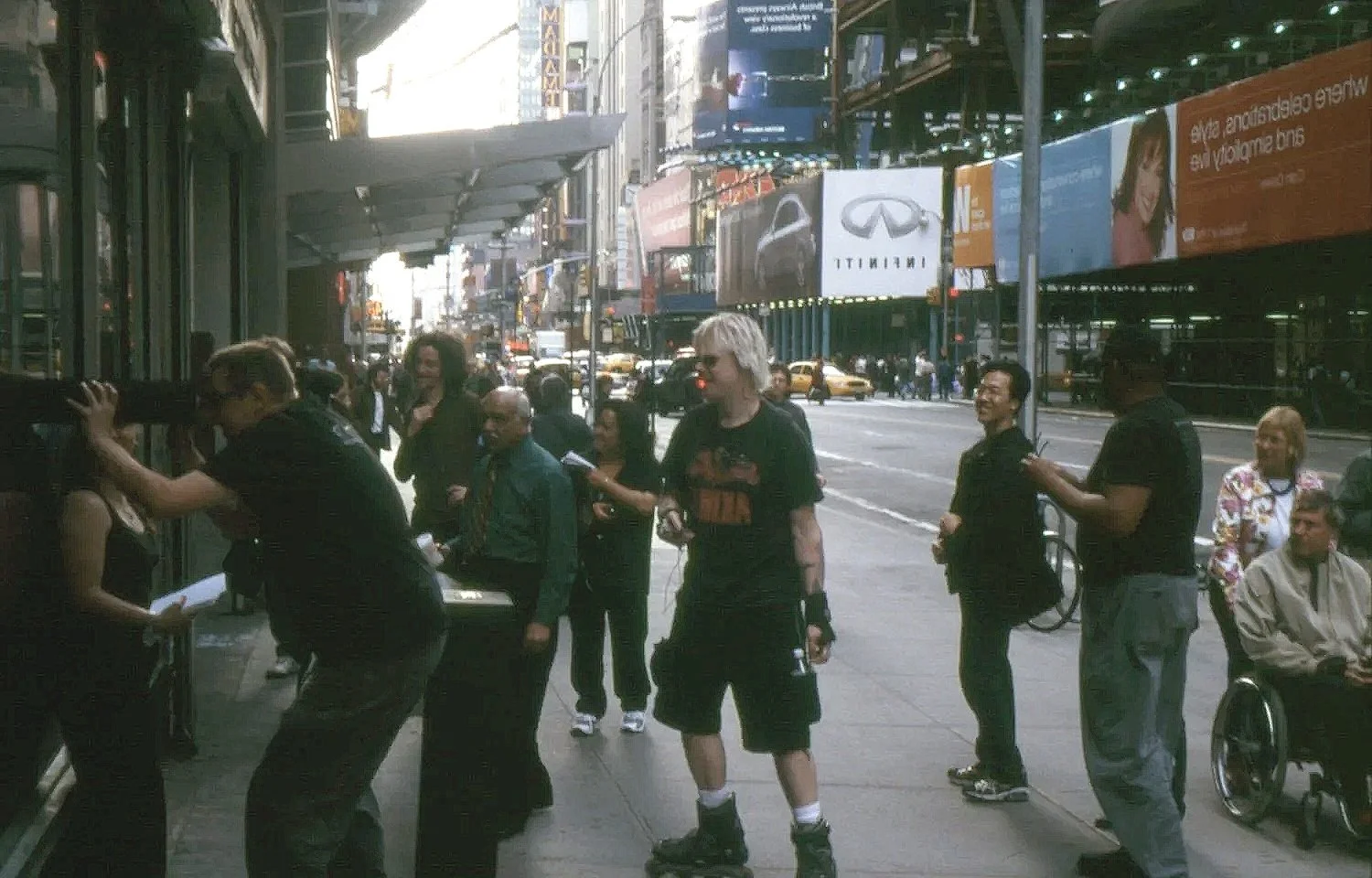
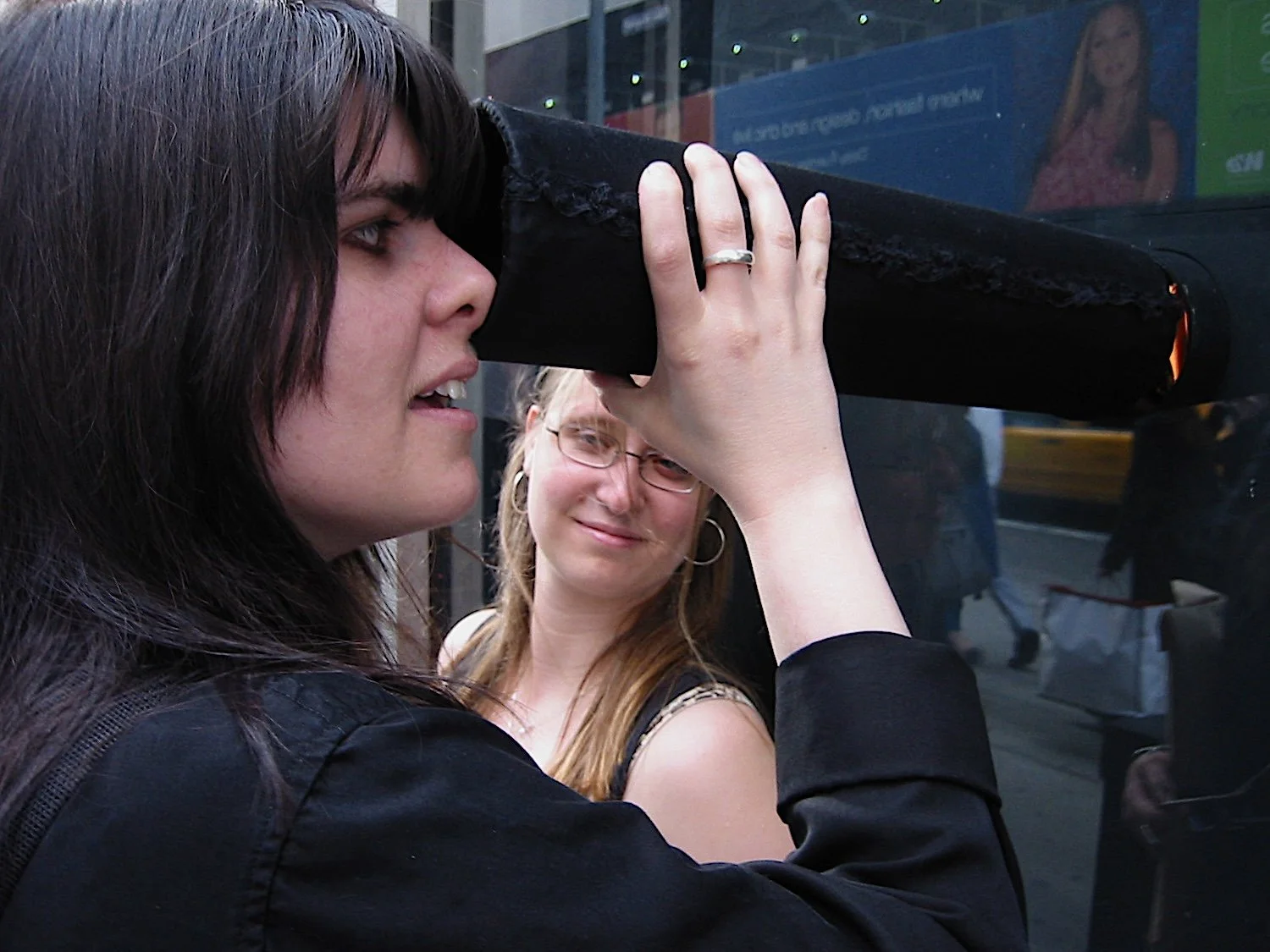
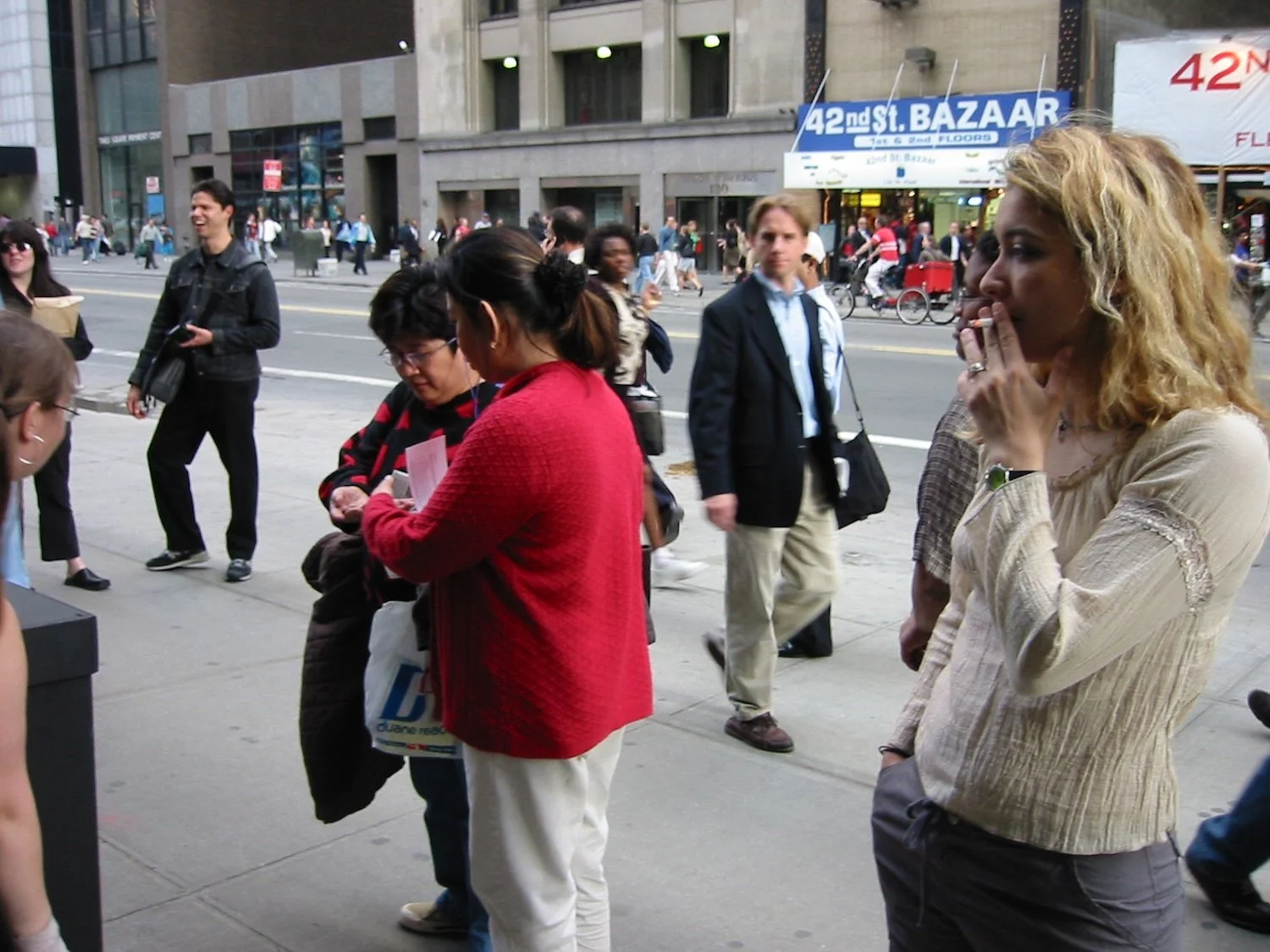
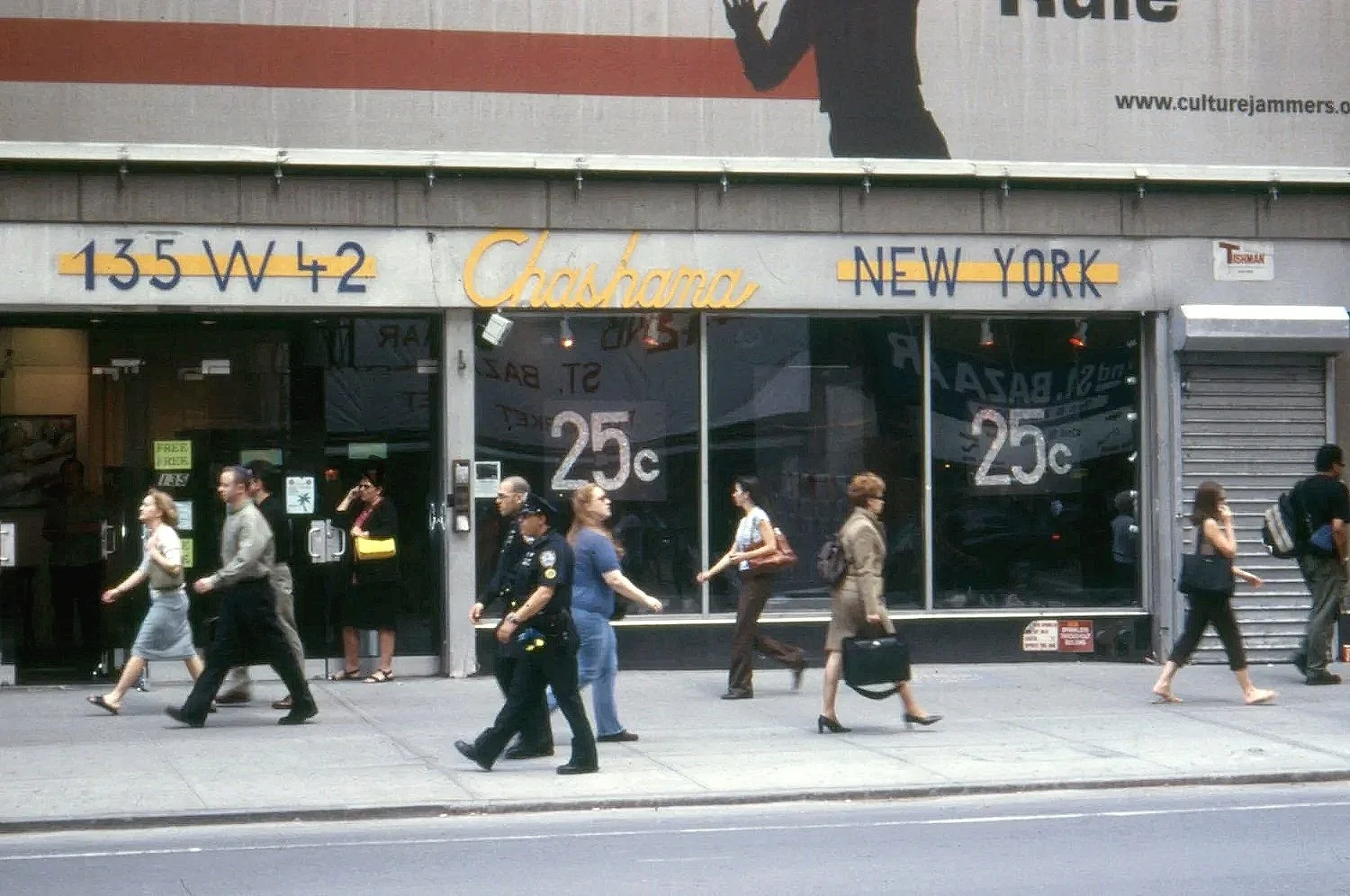
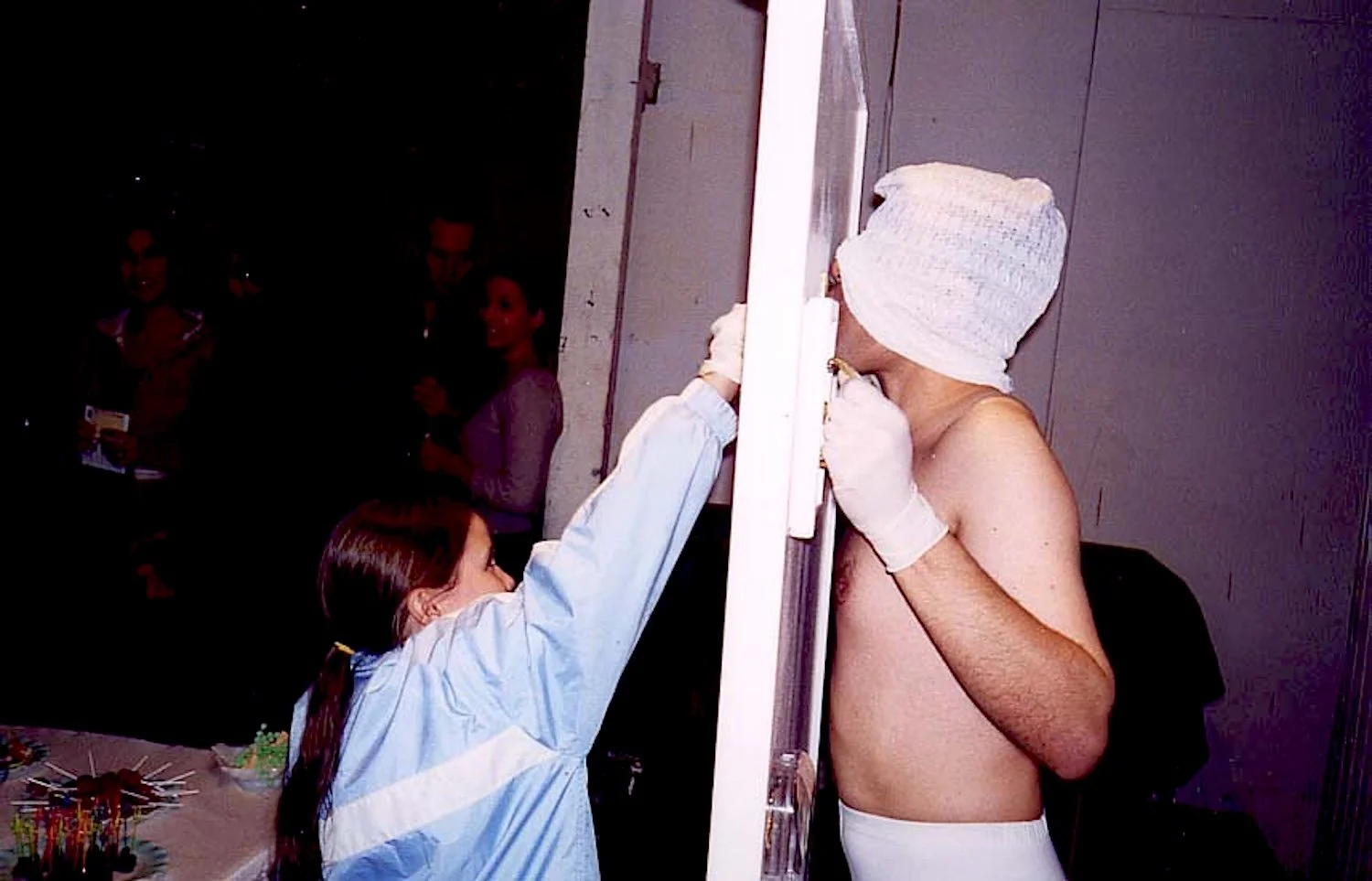
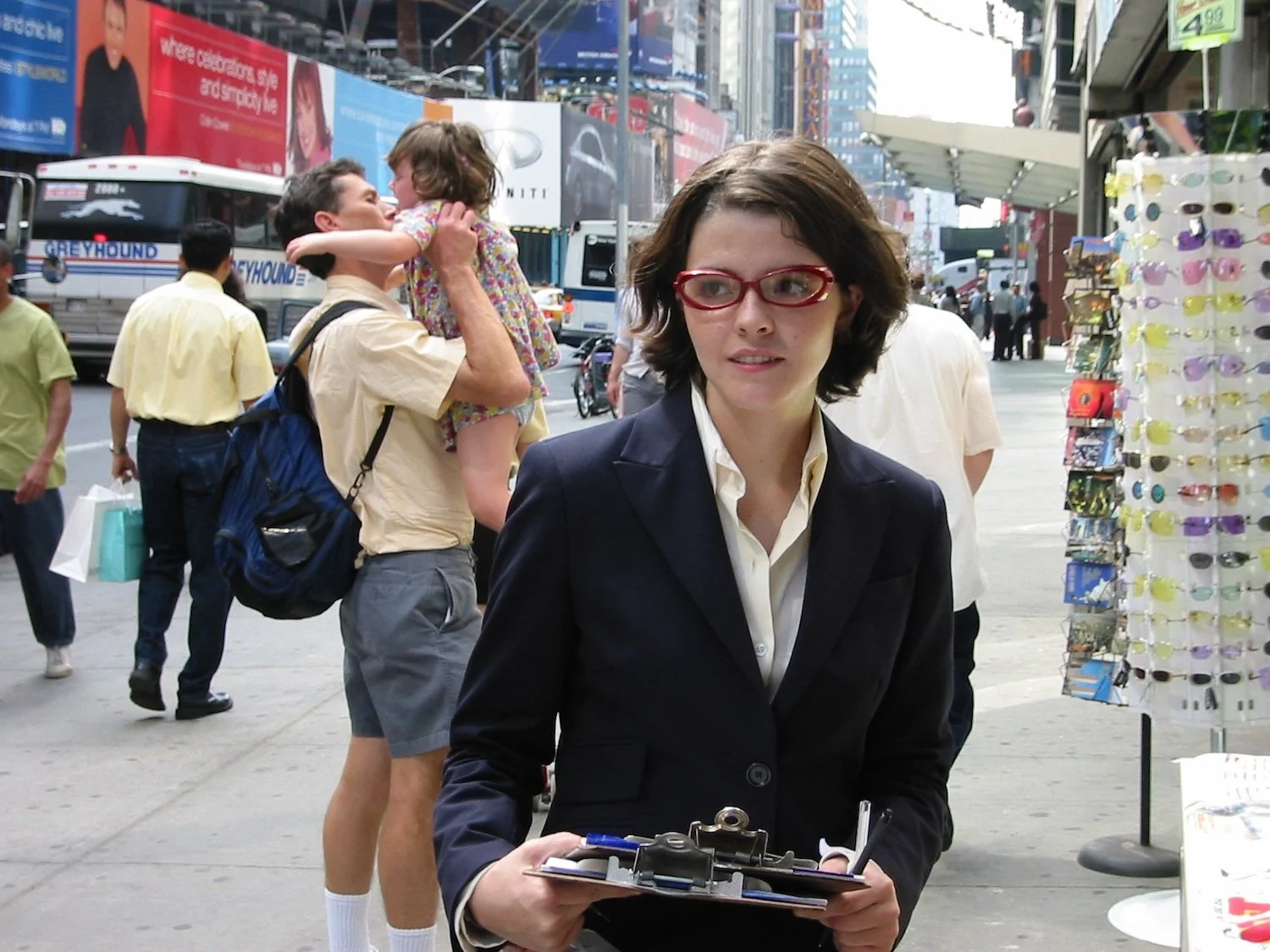
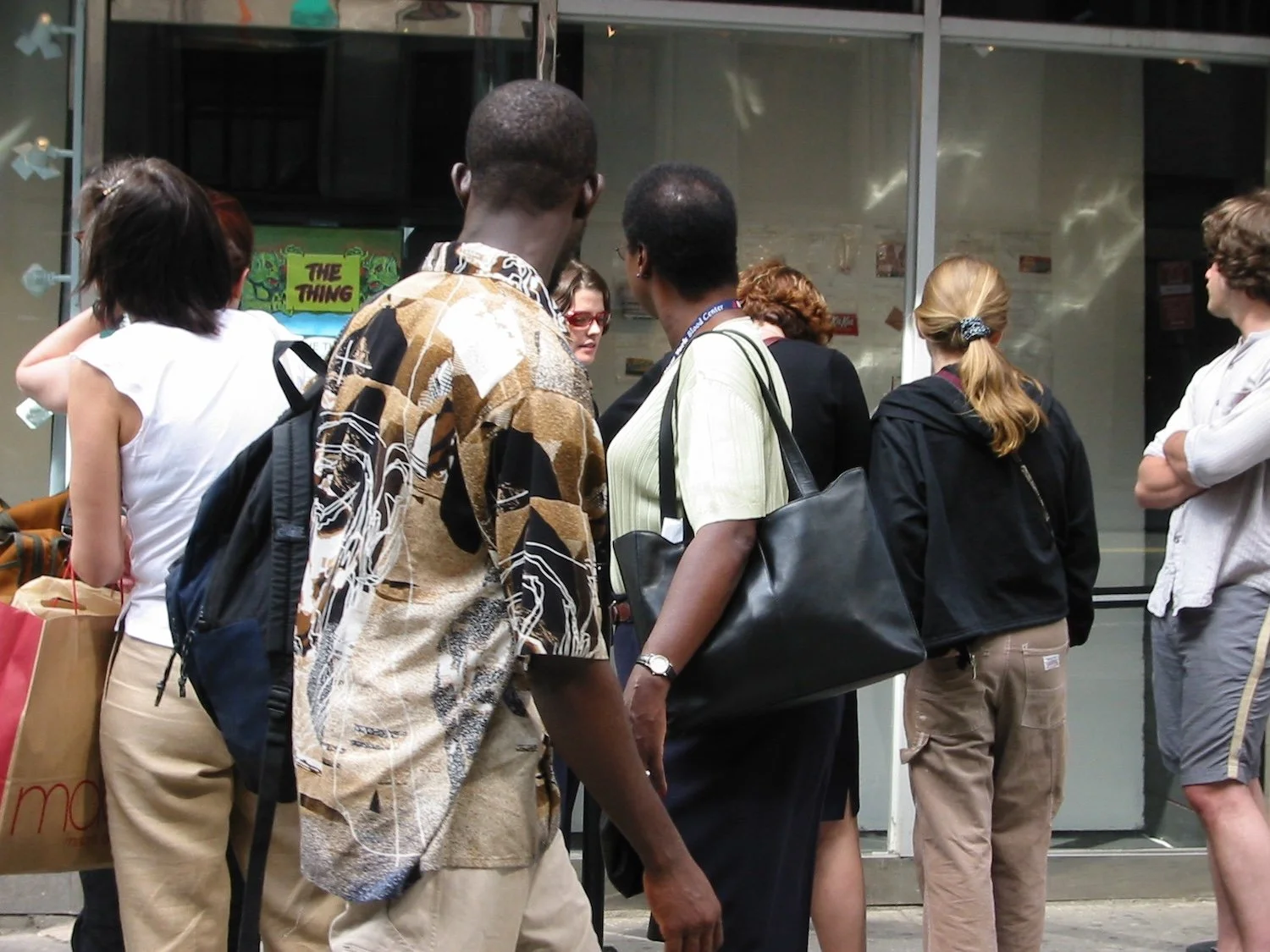
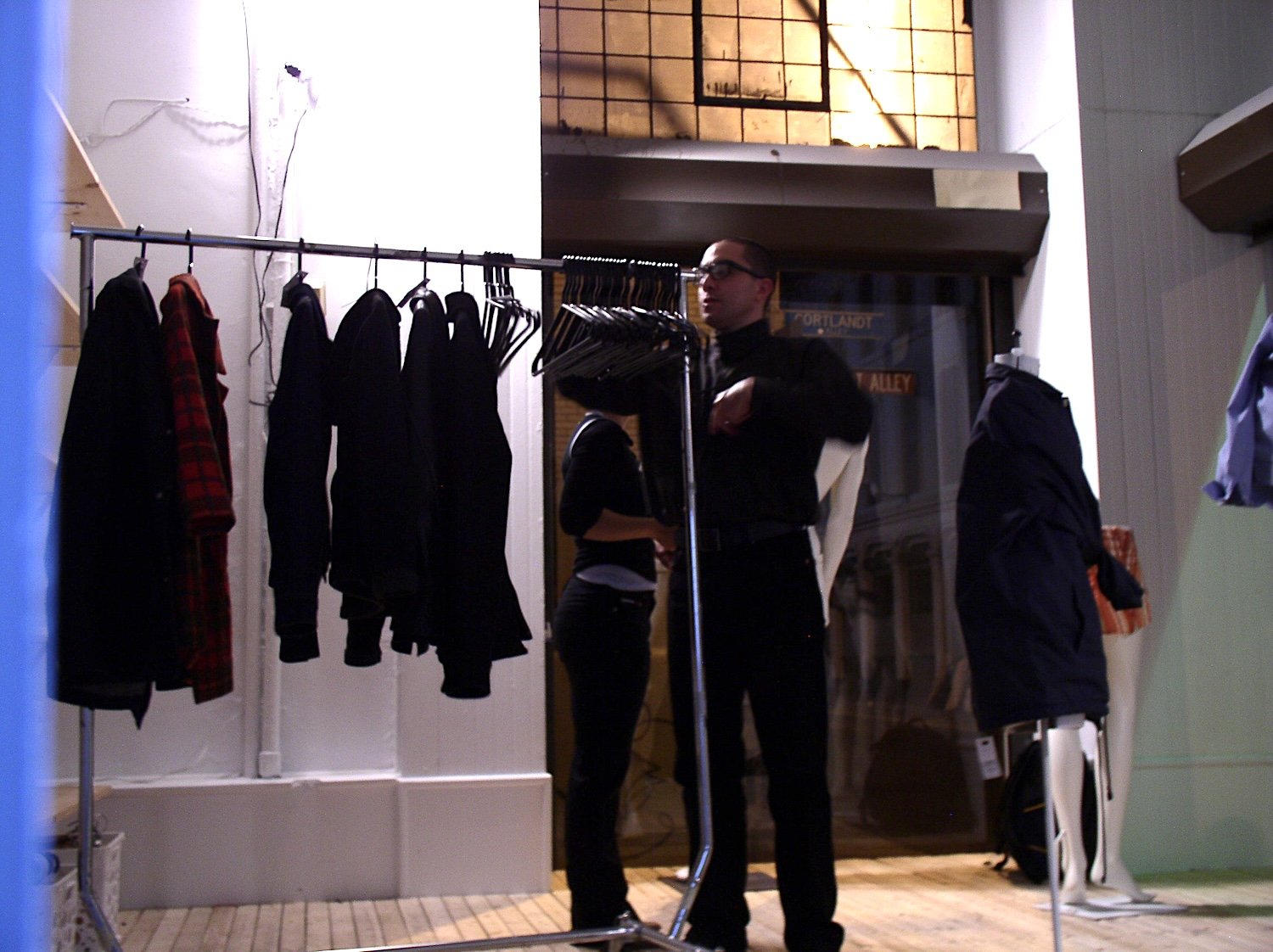
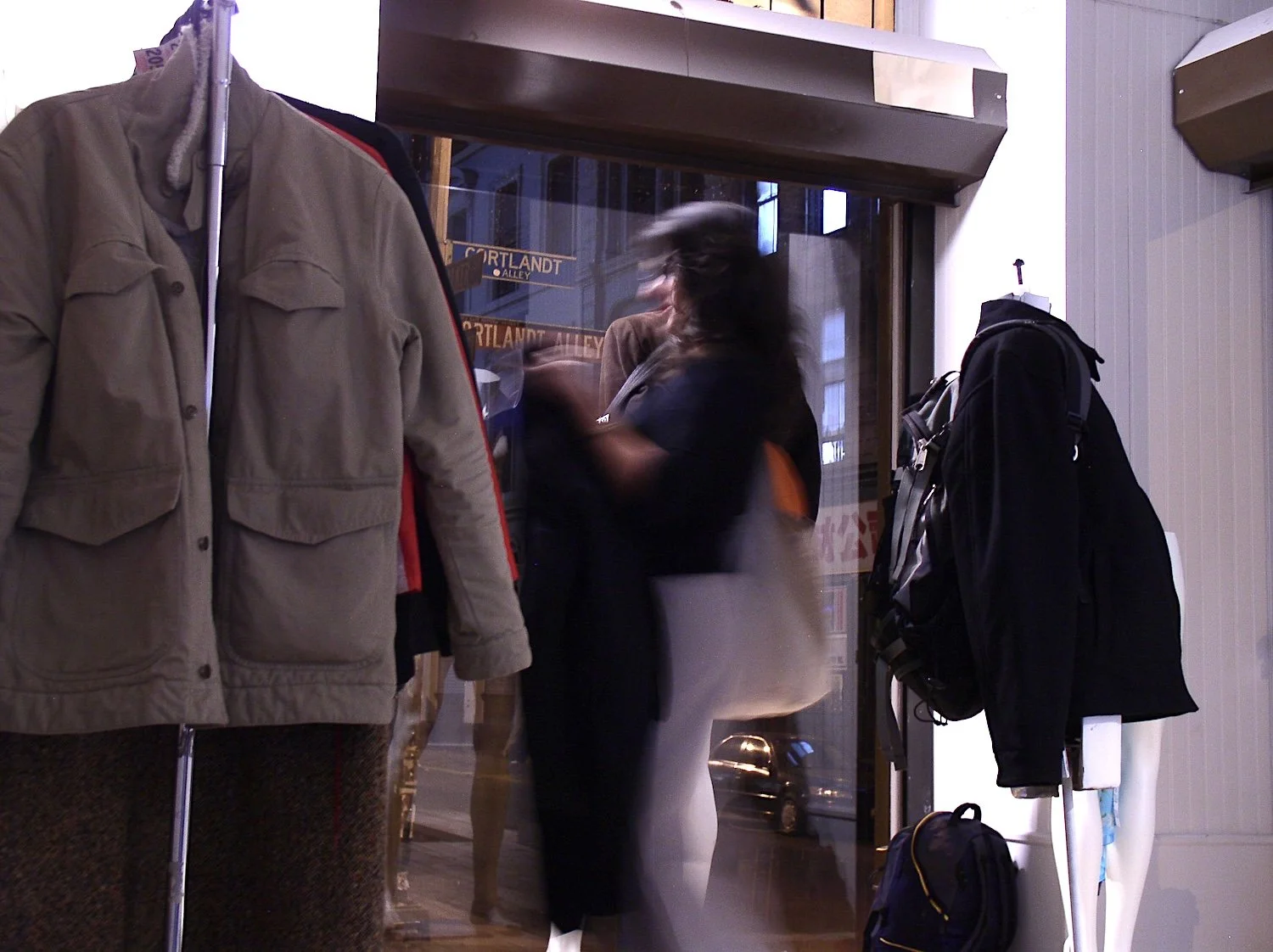
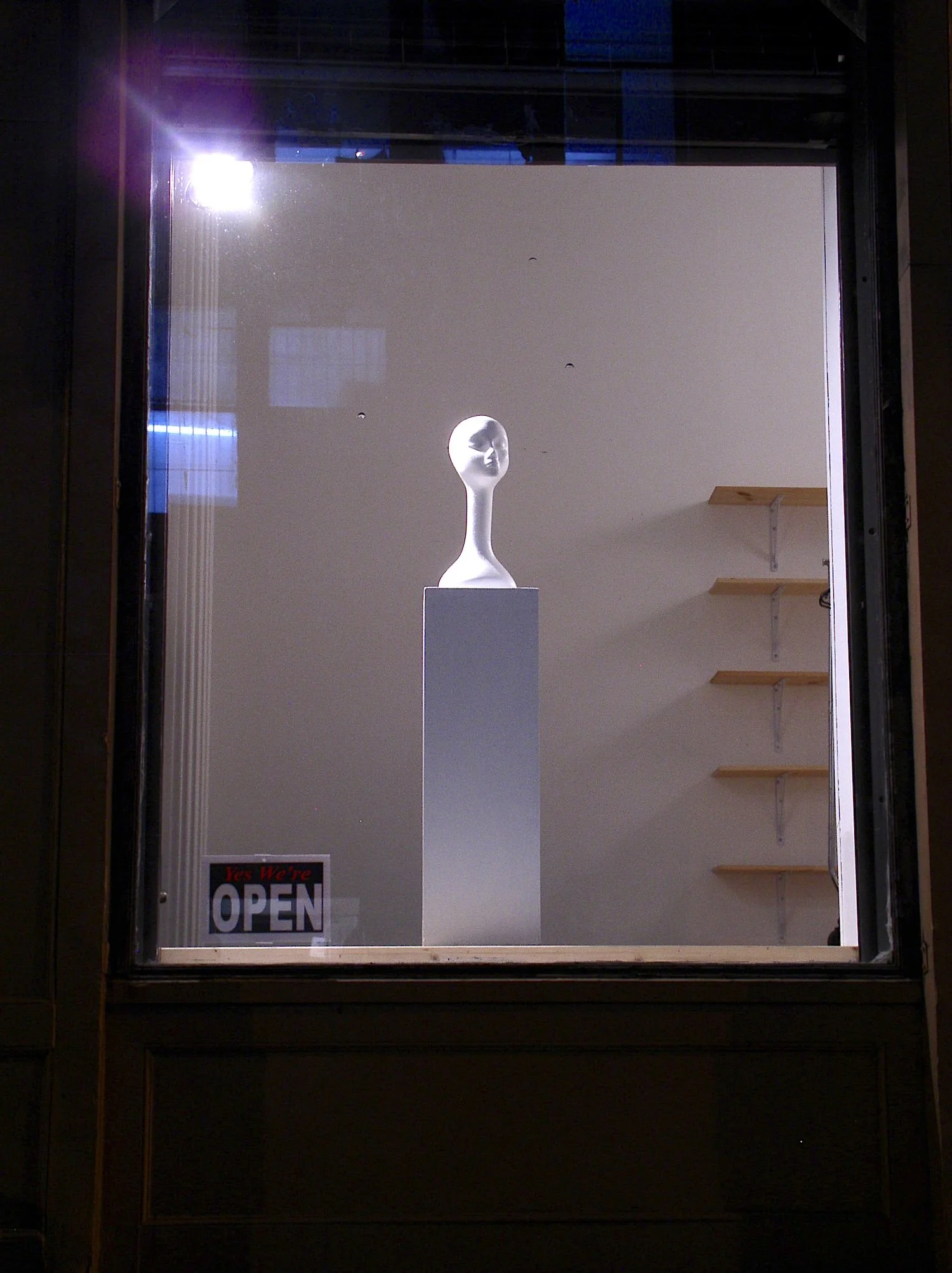
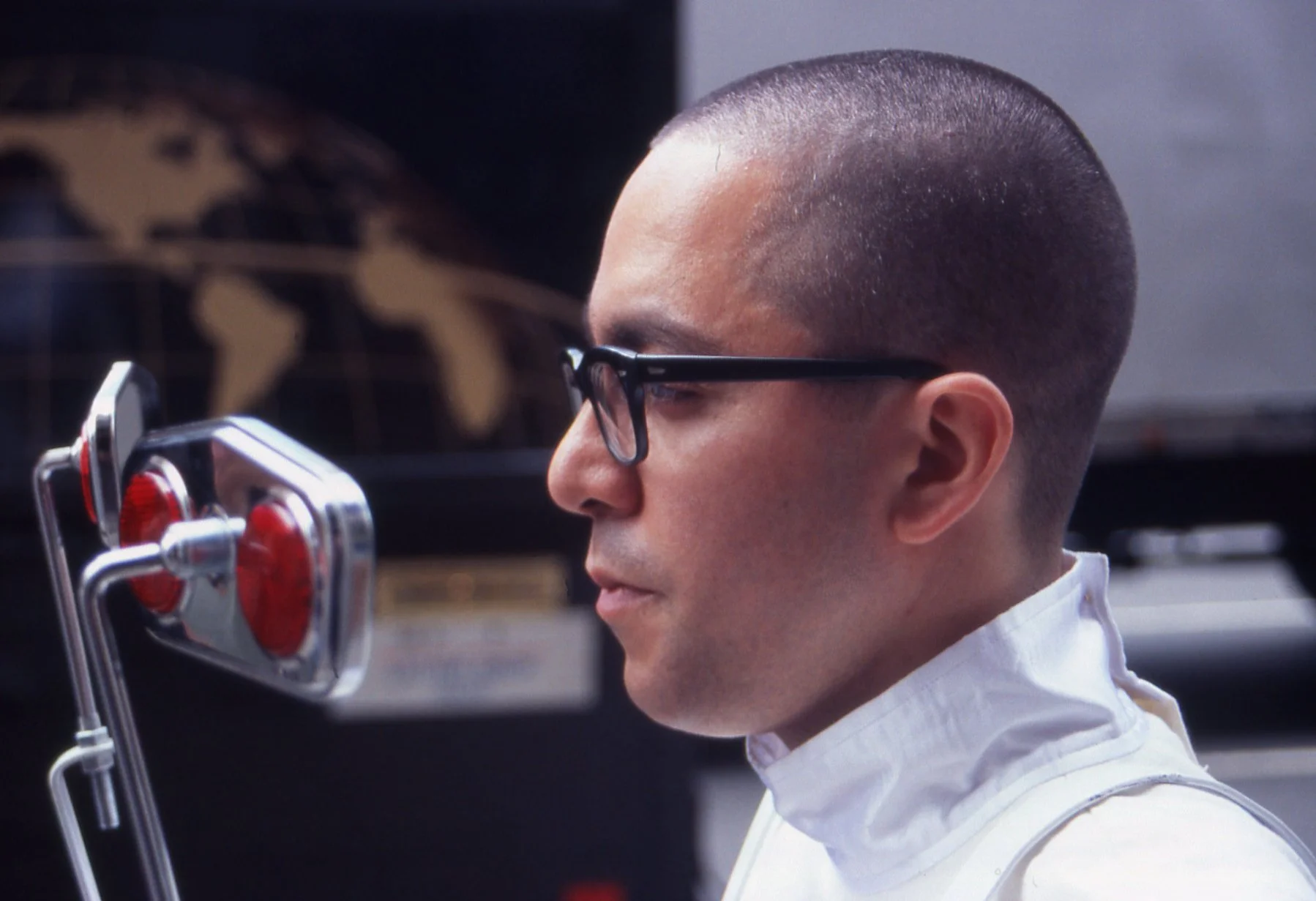
I furnish a store window as a peep show, using flashing lights around it and a 25-cent notice to invite passersby to have a brief look at one of my bodily organs, my mouth. Interested voyeurs pay a required viewing fee, a quarter, after which they receive a black telescope-like device and instructions on how to use it. The window is covered from the inside with a curtain that has an orifice through which I interact with paying participants. The voyeuristic component to the piece relies on the gaze of passersby as they witness the “private” interaction between the performer and the client.

This performance comments on a chapter of the socio-economic history of Times Square and its rapid effacement due to “development.” For this reason I metaphorically relocate the genitals to the upper part of my body, my face, suggesting a reference to the displacement that the actual development of this area of New York City has produced.

Presented with Chashama

To go back to El Reguero/Archives menu, click HERE
 

Uvulations


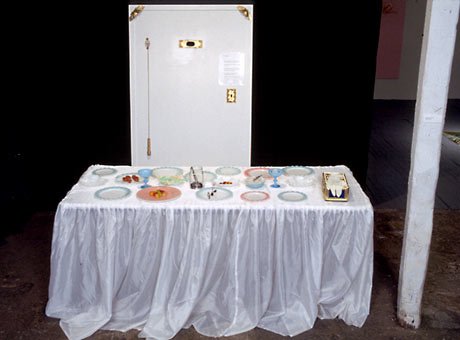
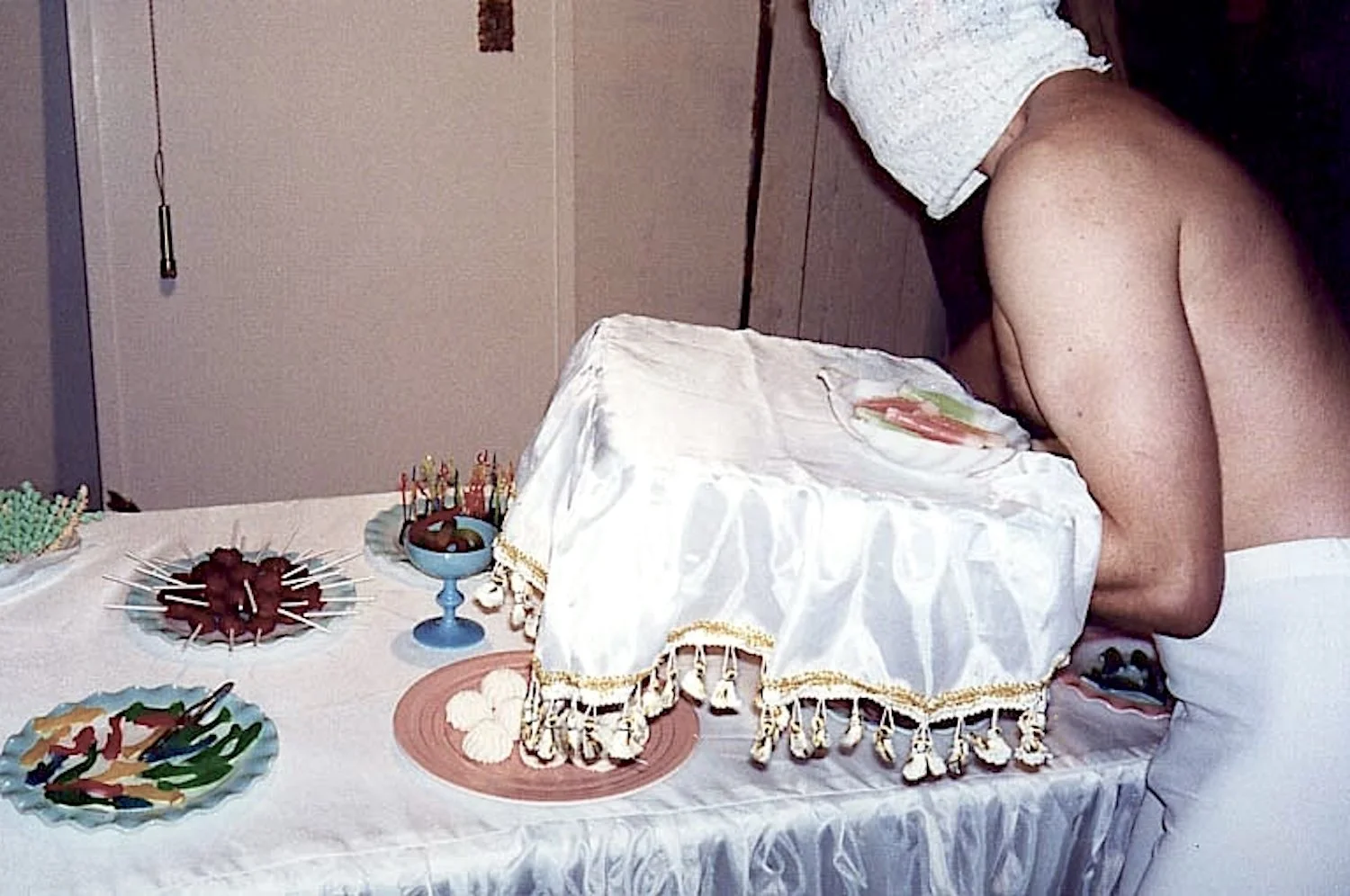
For this piece I set up a banquet for the audience to feed me through a pay-per-view peep hole.

Presented at Smack Mellon

To go back to El Reguero/Archives menu, click HERE
 

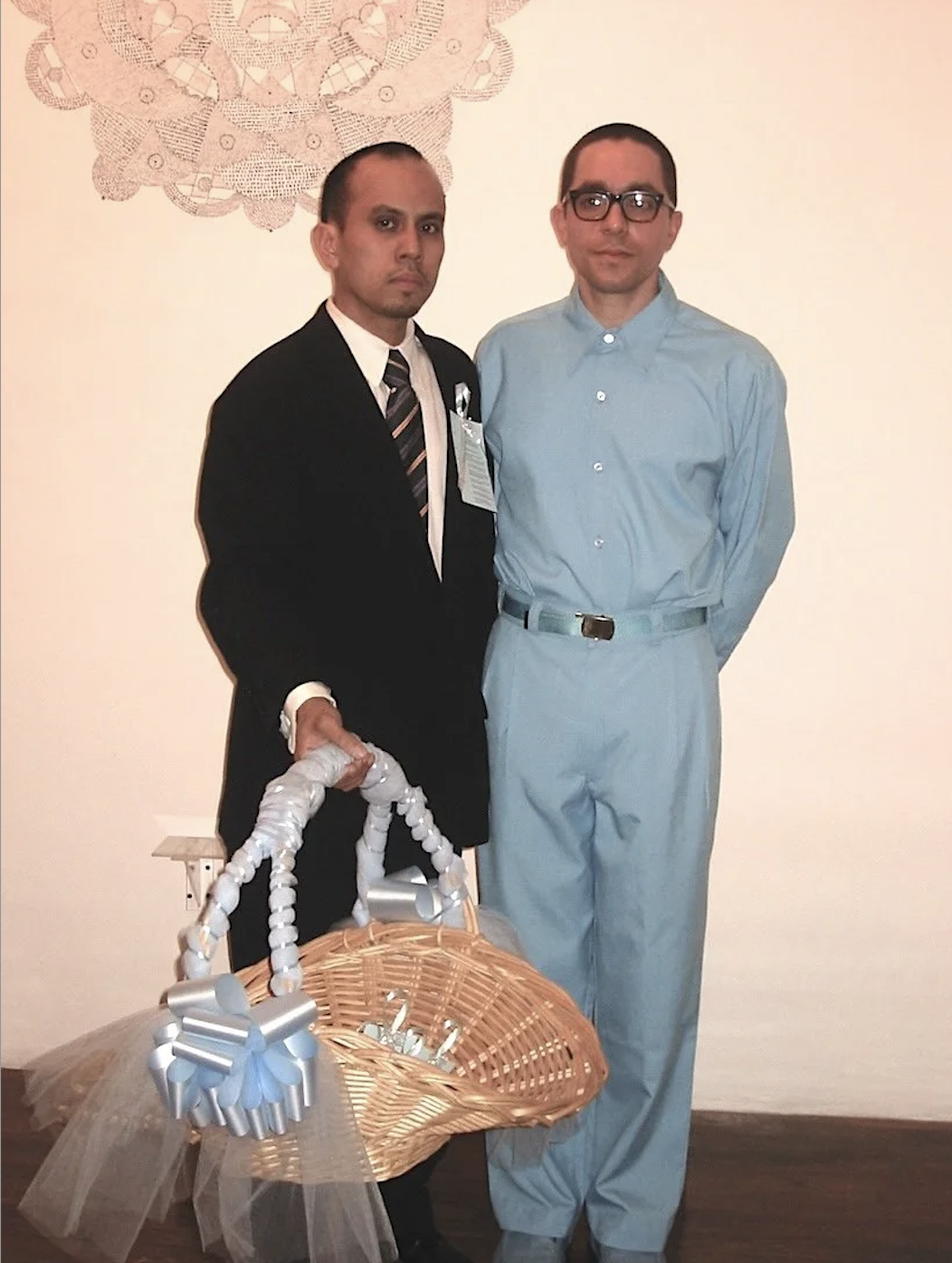
Recuerdos de mis 15


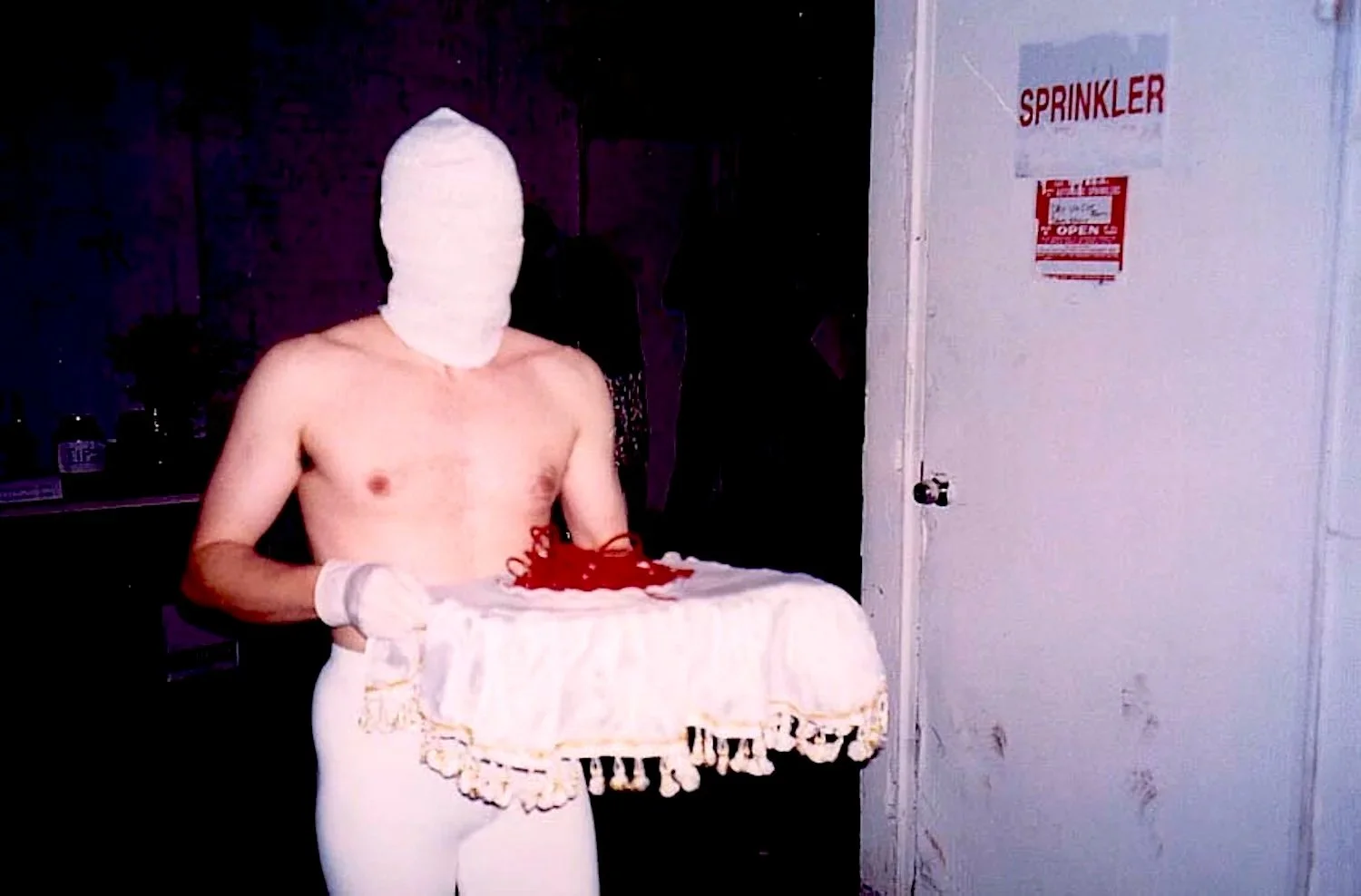
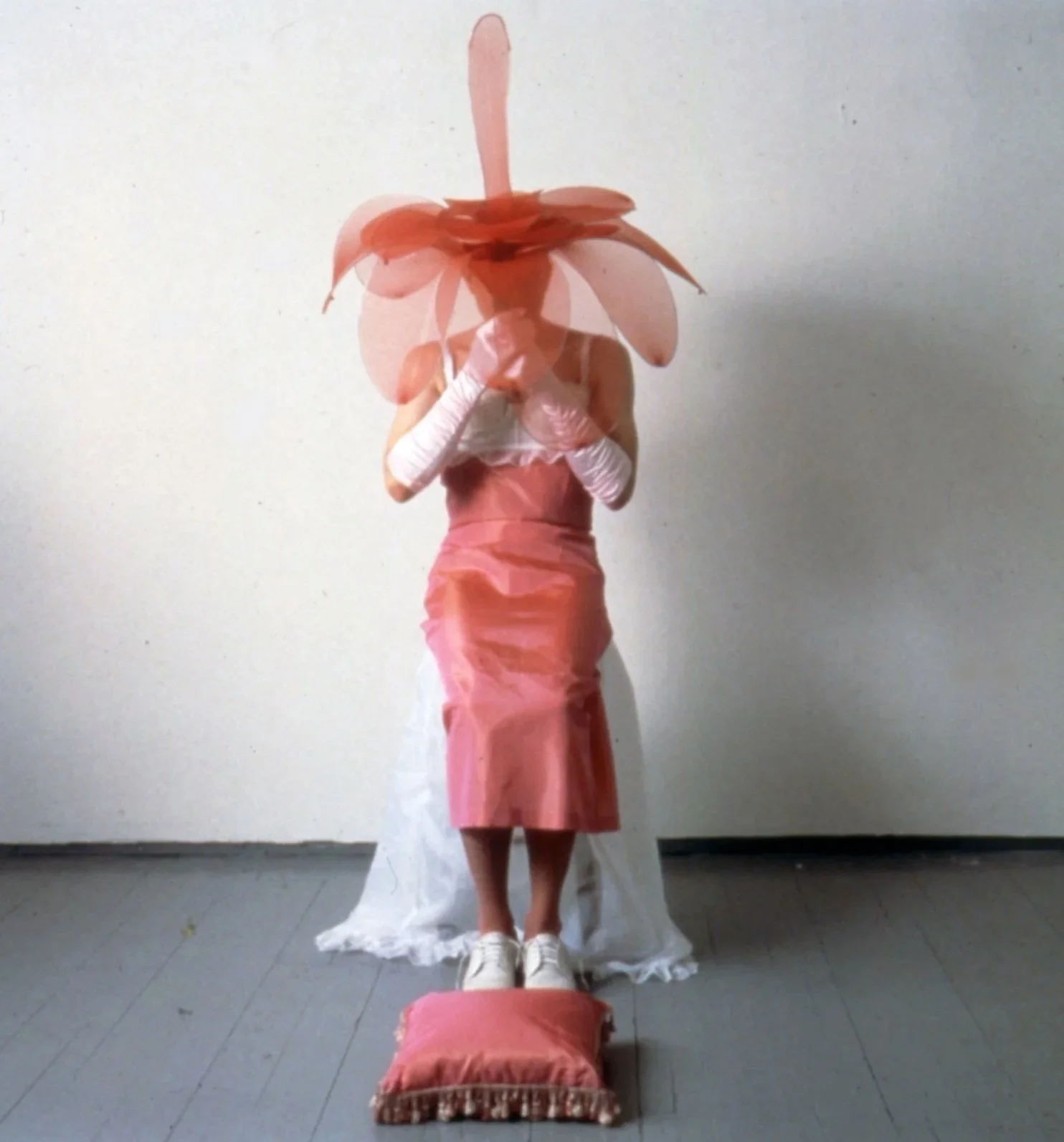
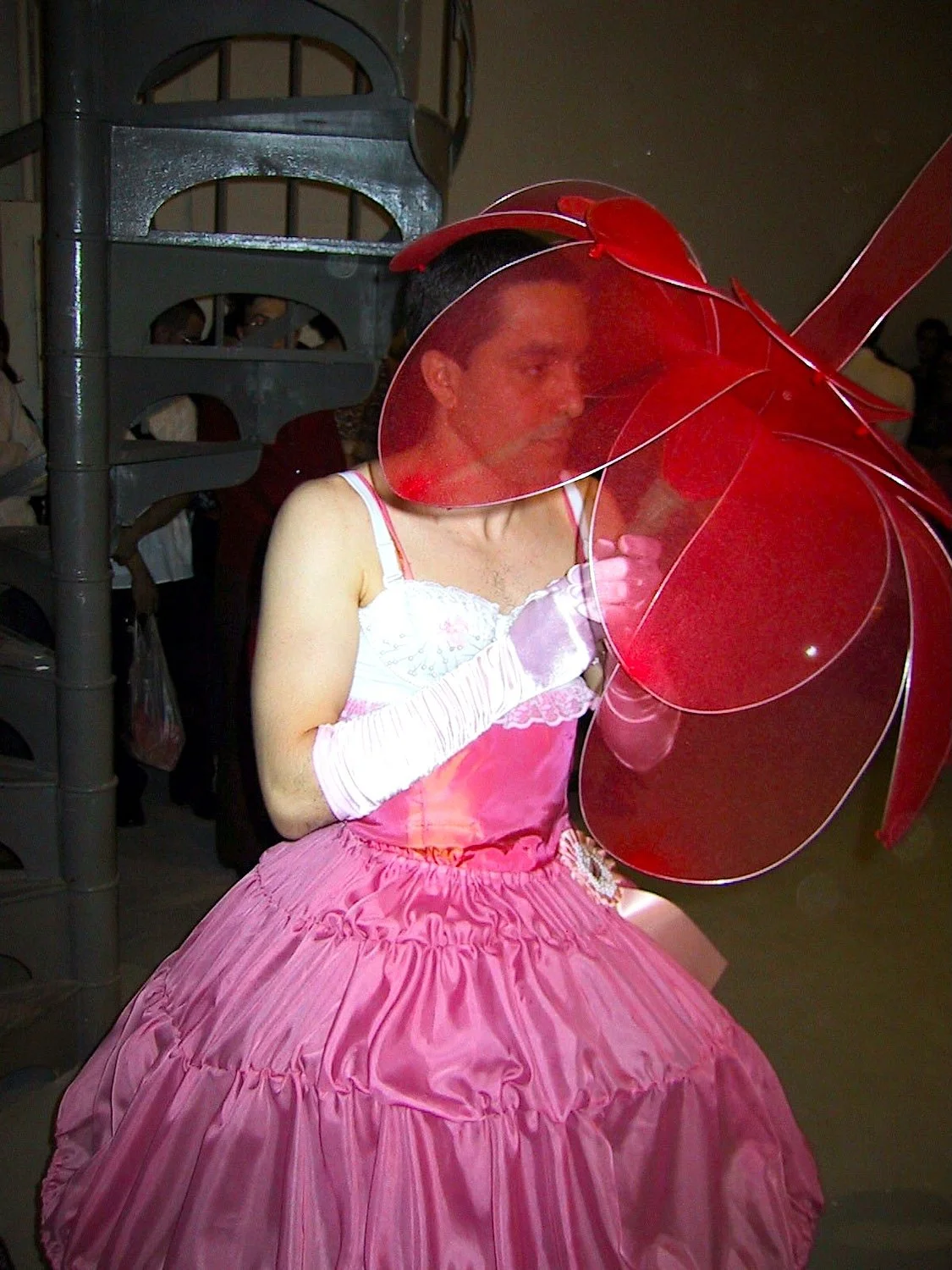
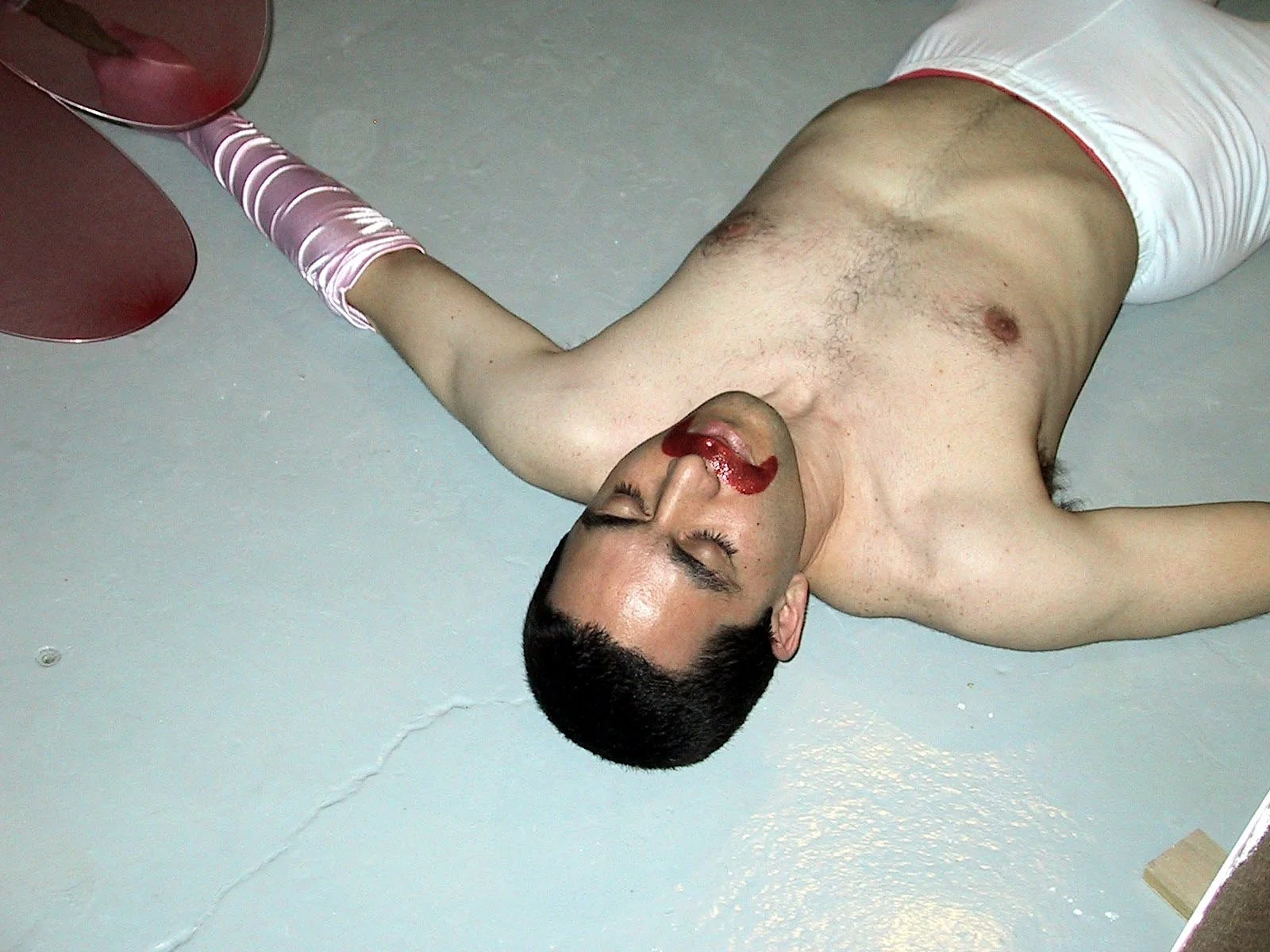
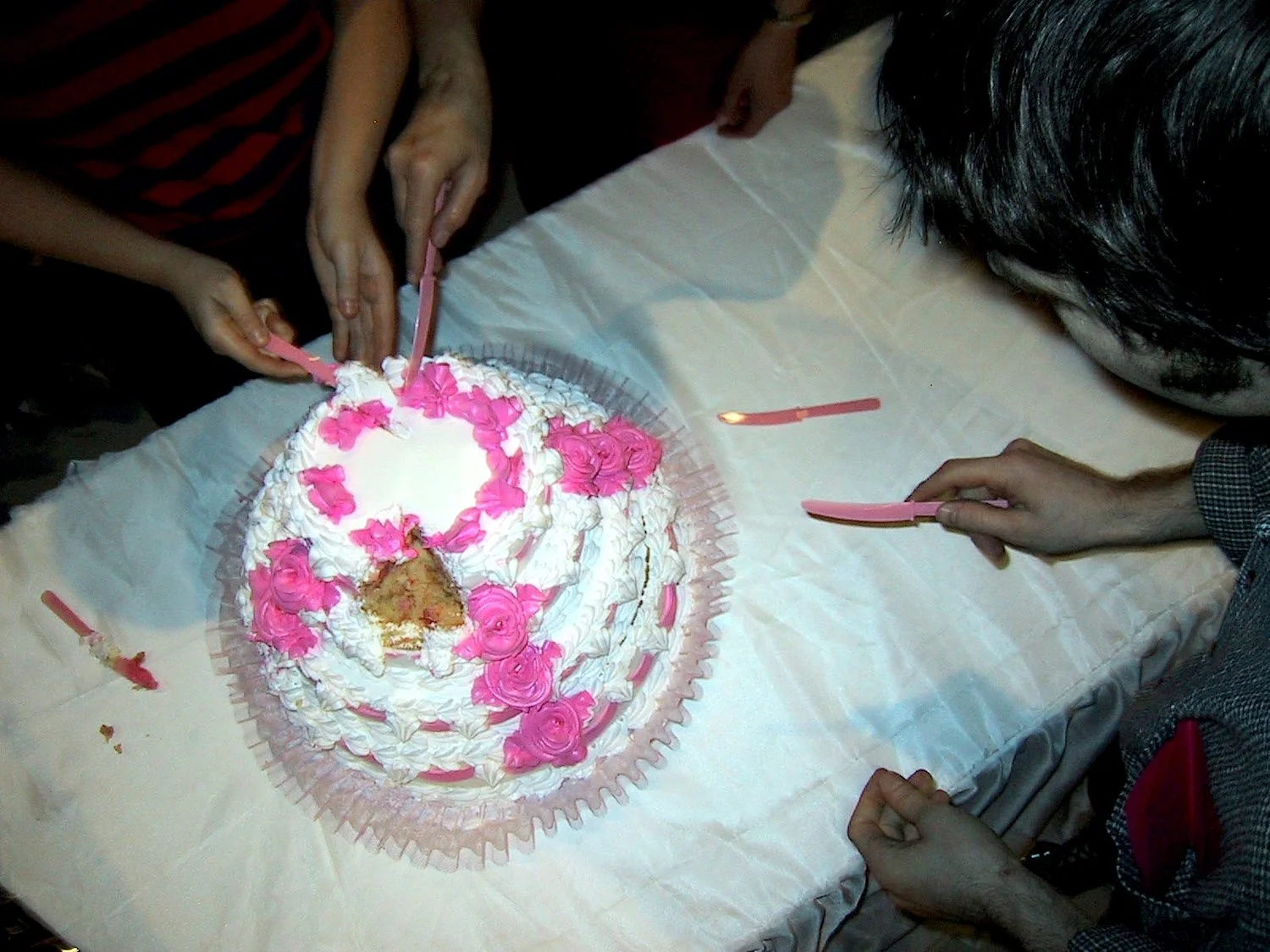
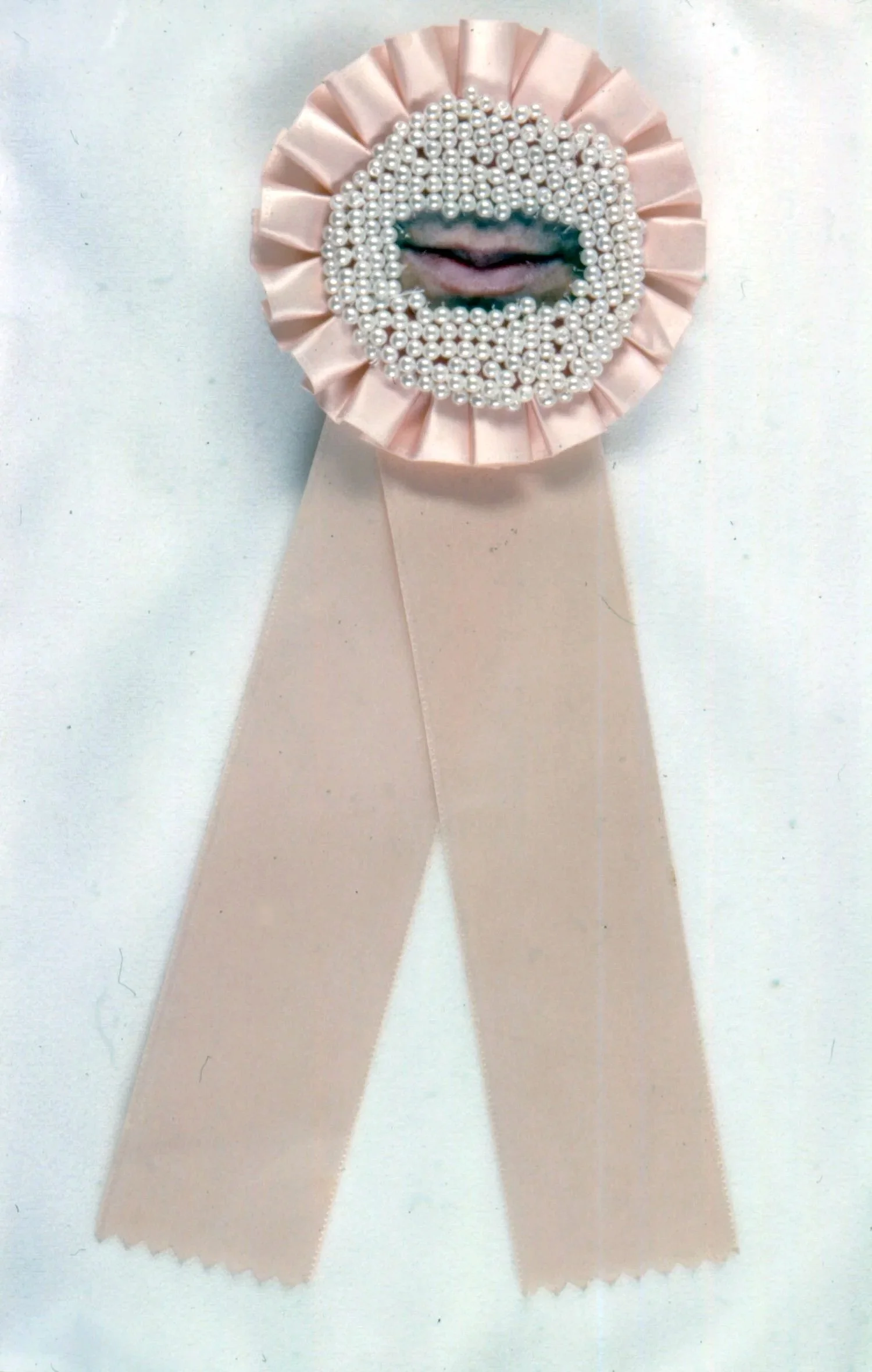
A coming-of-age ceremony formatted as the Latina/o/e/x quintessential quinceañeras, in which I am the guest of honor. The evening concludes with the audience using their bare hands to help them devour an elaborate cake, suggesting a fetishistic relationship between the debutant’s body and the dessert.

Presented at Clocktower Gallery MoMA: PS1

To go back to El Reguero/Archives menu, click HERE
 

The Land Columbus Loved Best


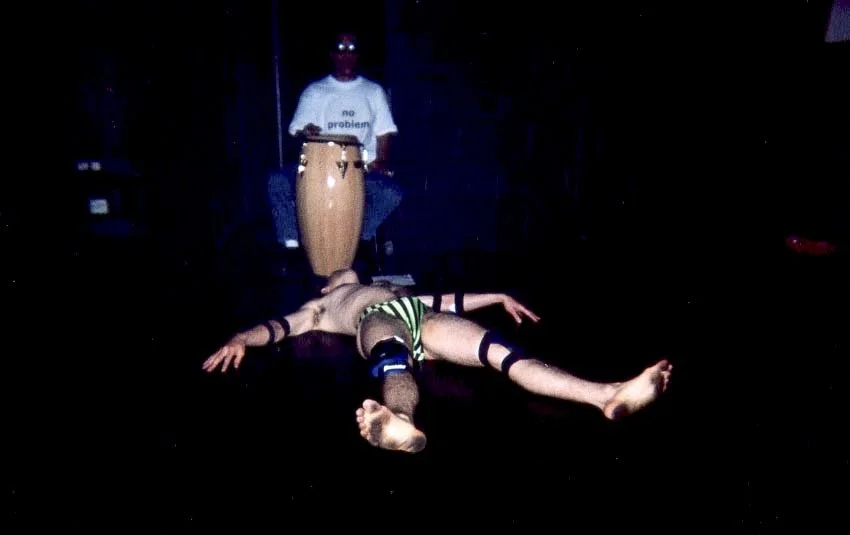
An all-inclusive package deal featuring 35 minutes of choreographed leisure. This piece is performed in conversation with a percussionist Louie Gamboa

Presented at Dixon Place

To go back to El Reguero/Archives menu, click HERE
 

108 Leonard Street


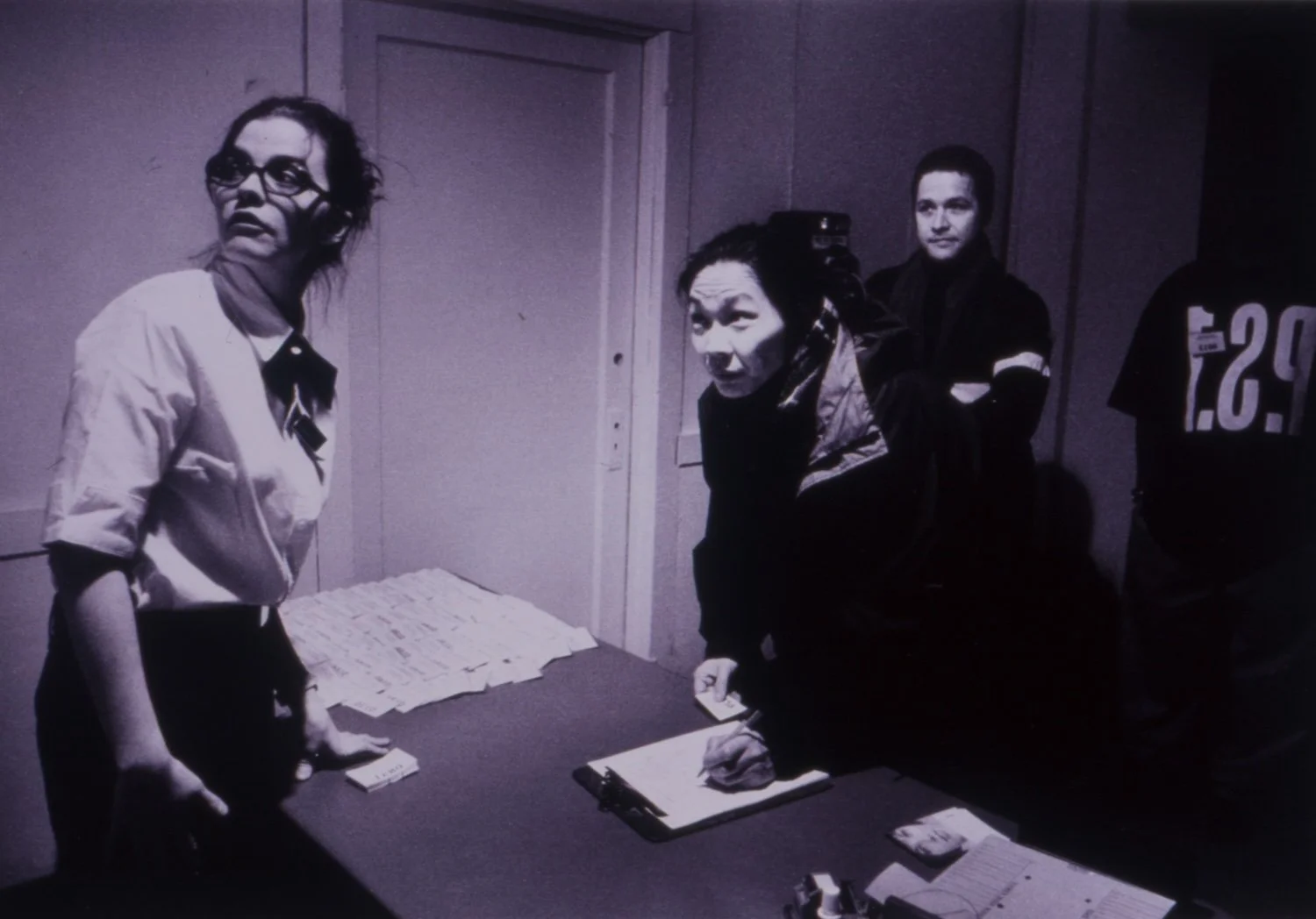
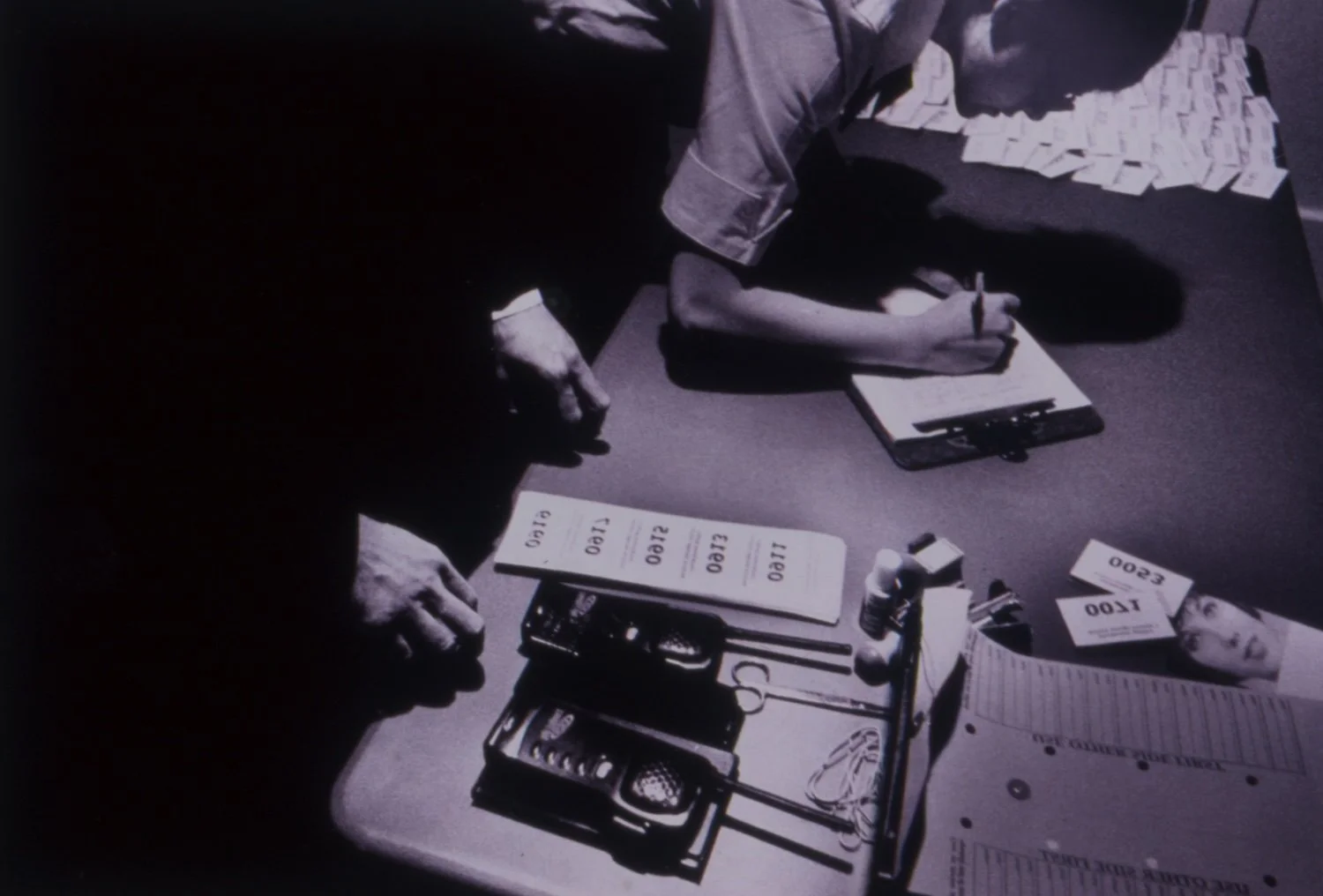
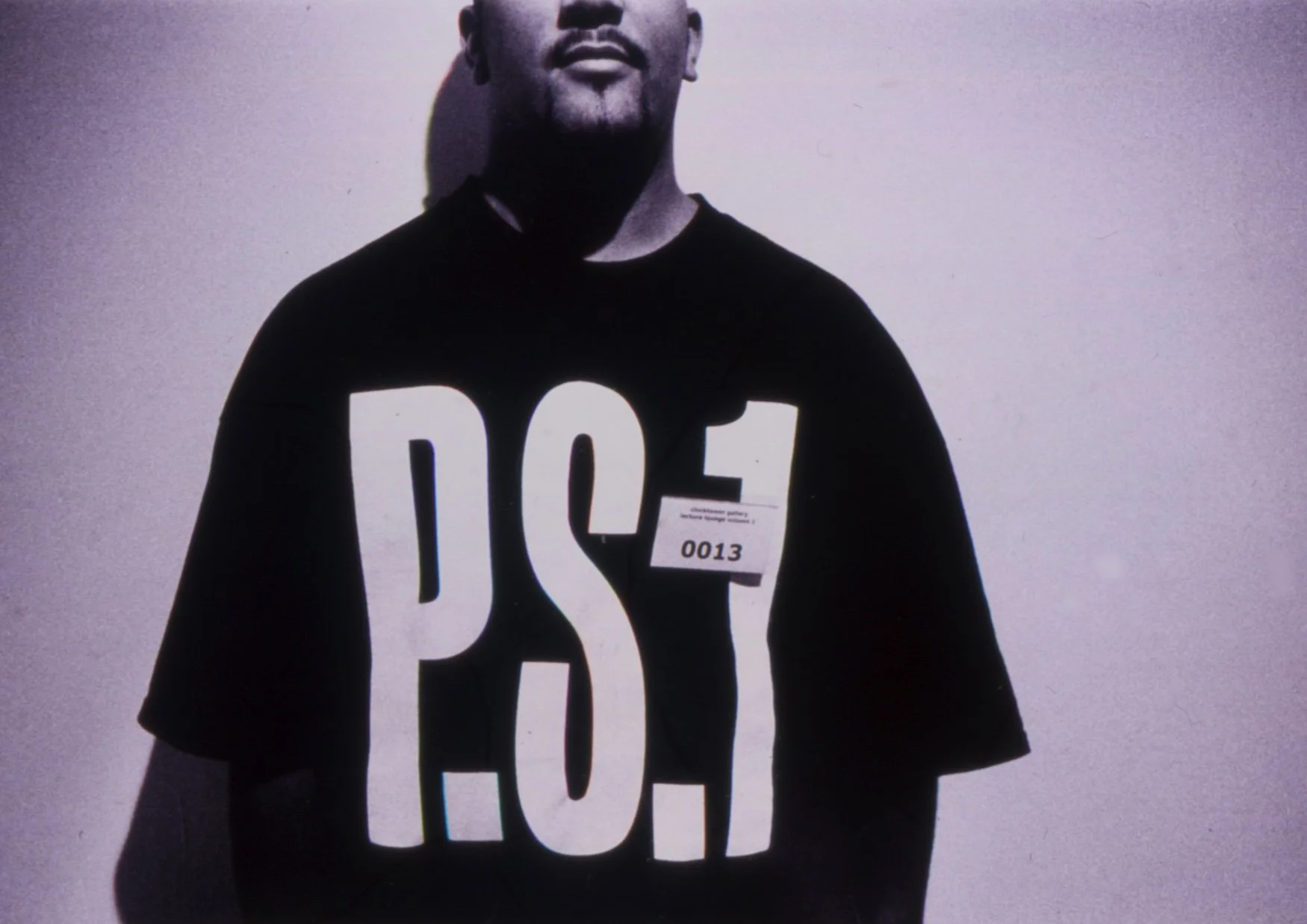
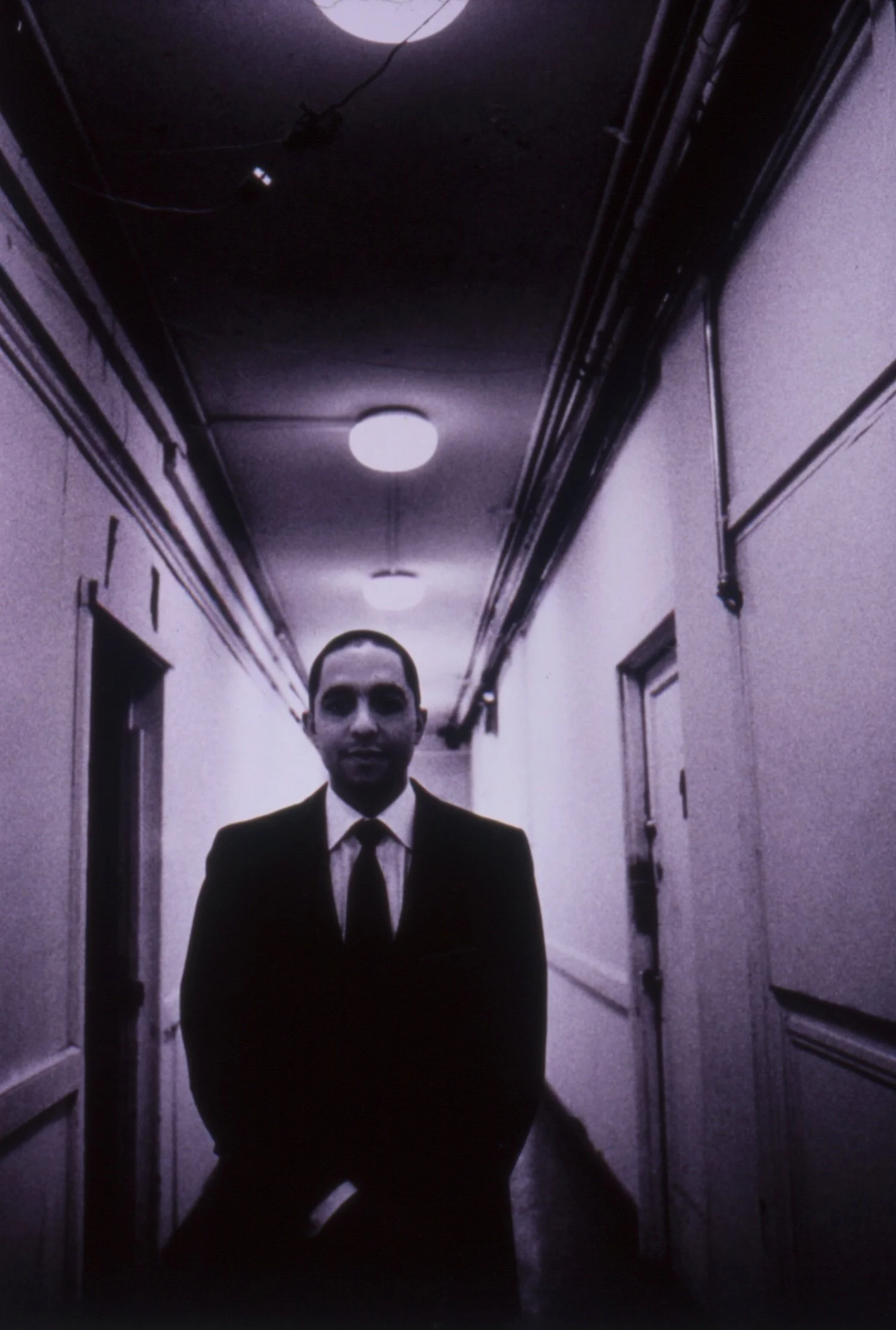
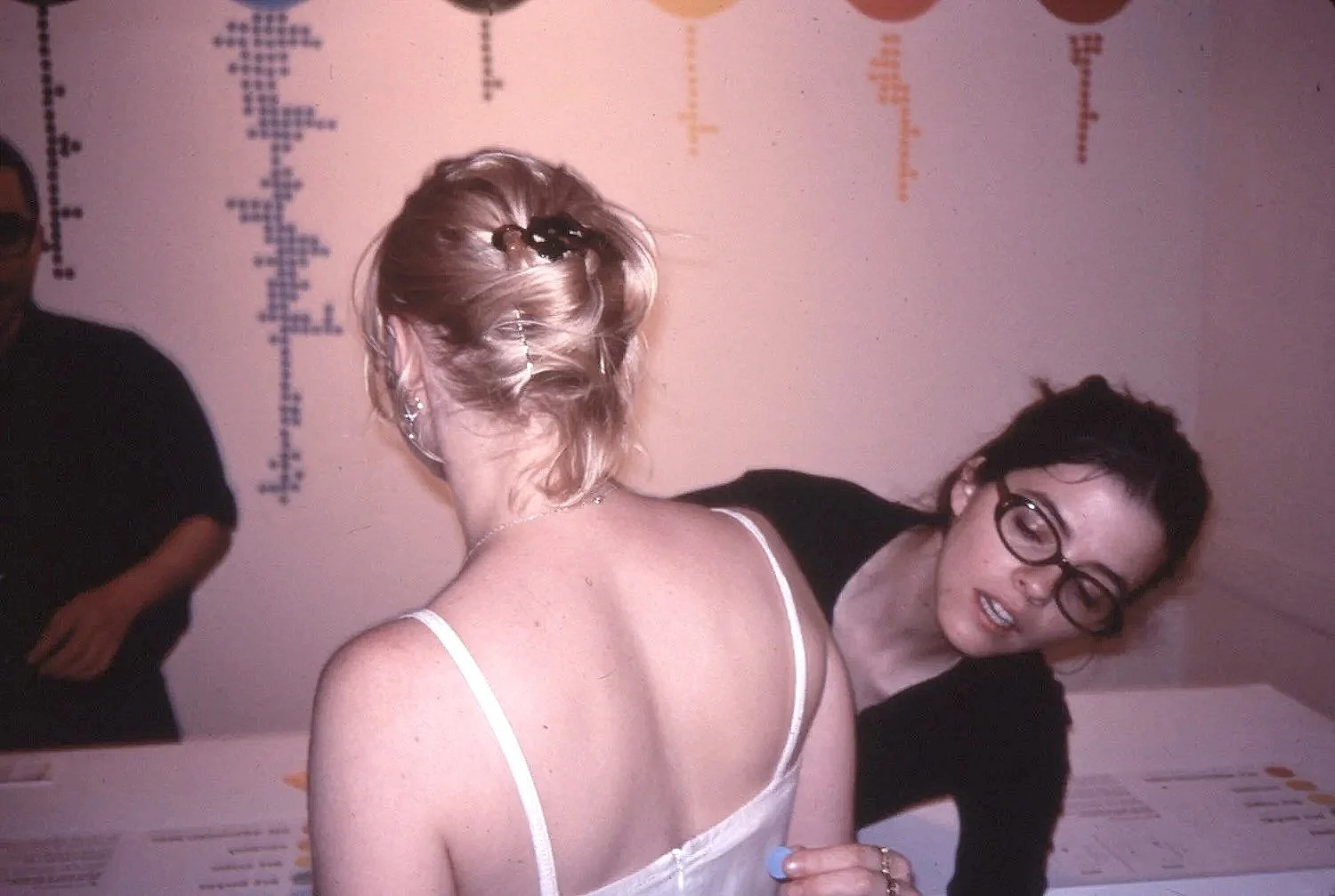
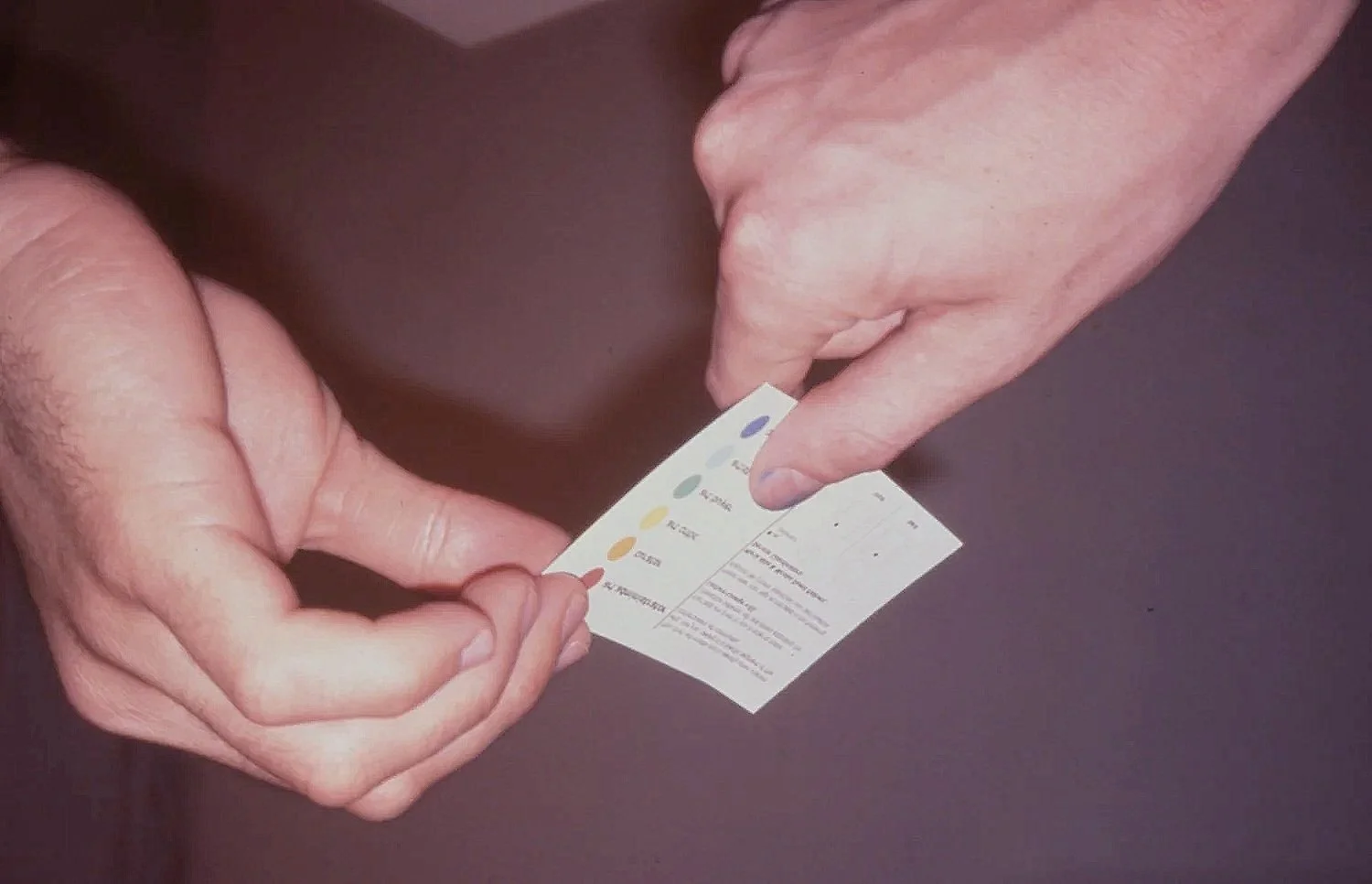
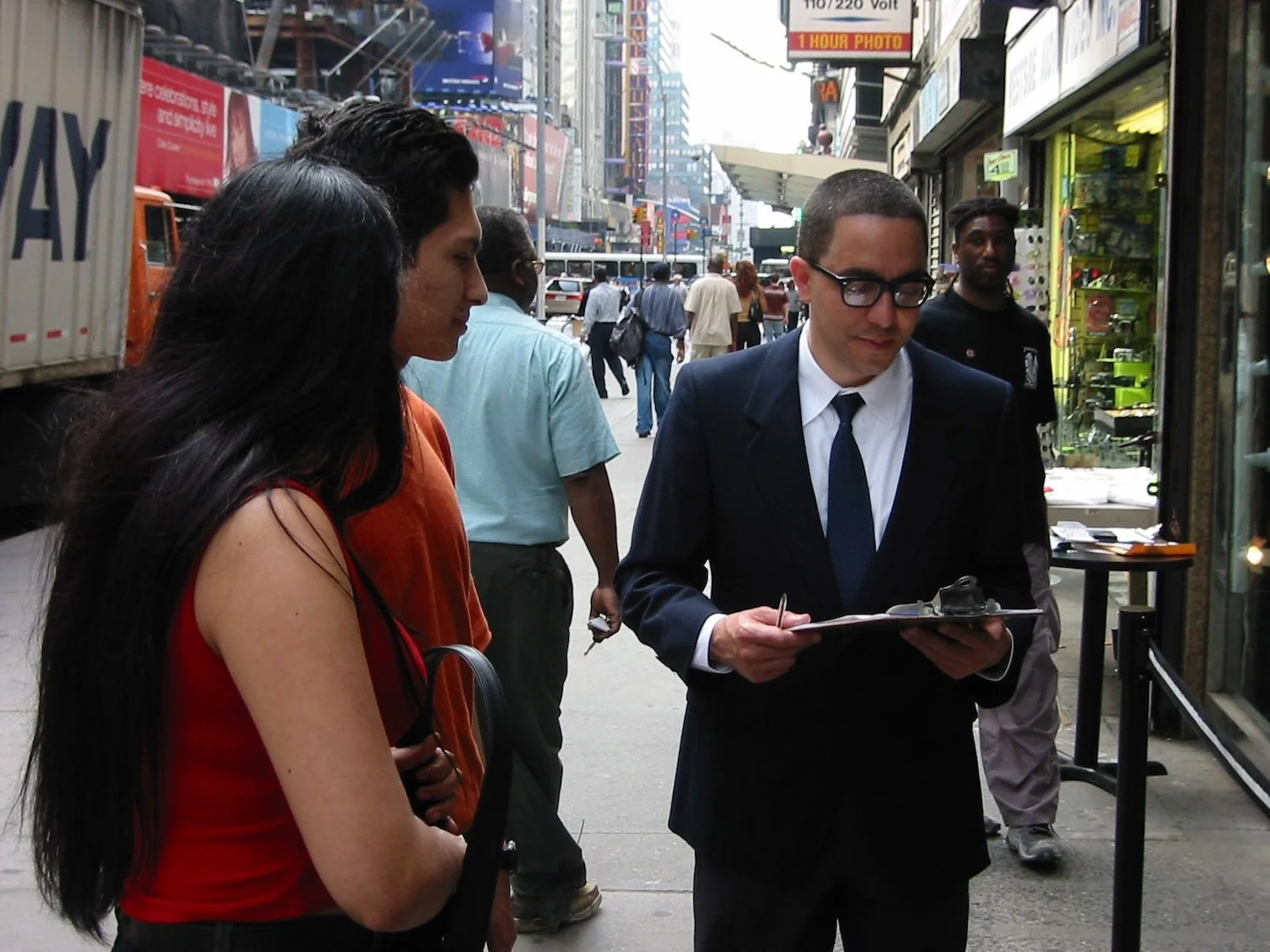
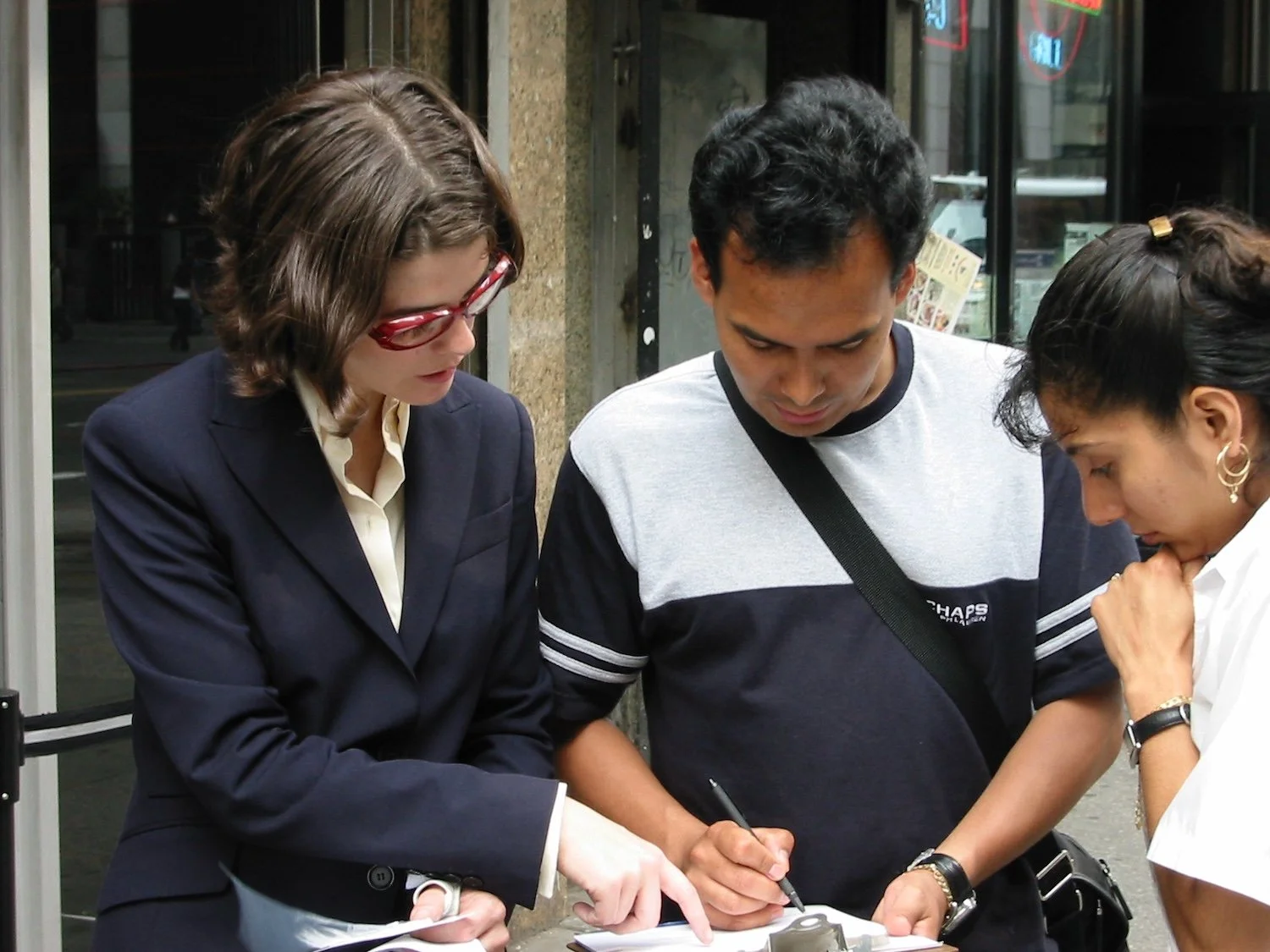
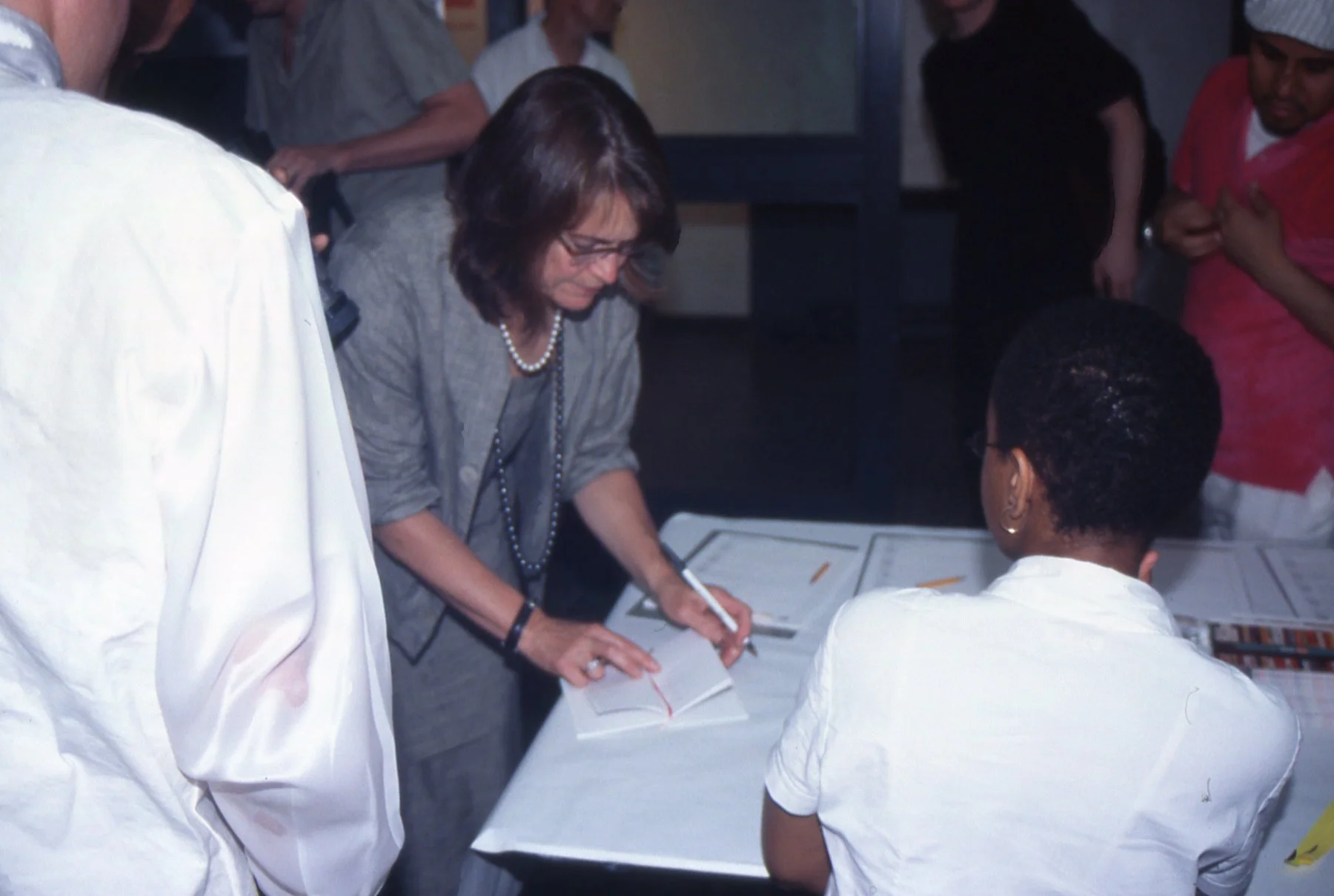
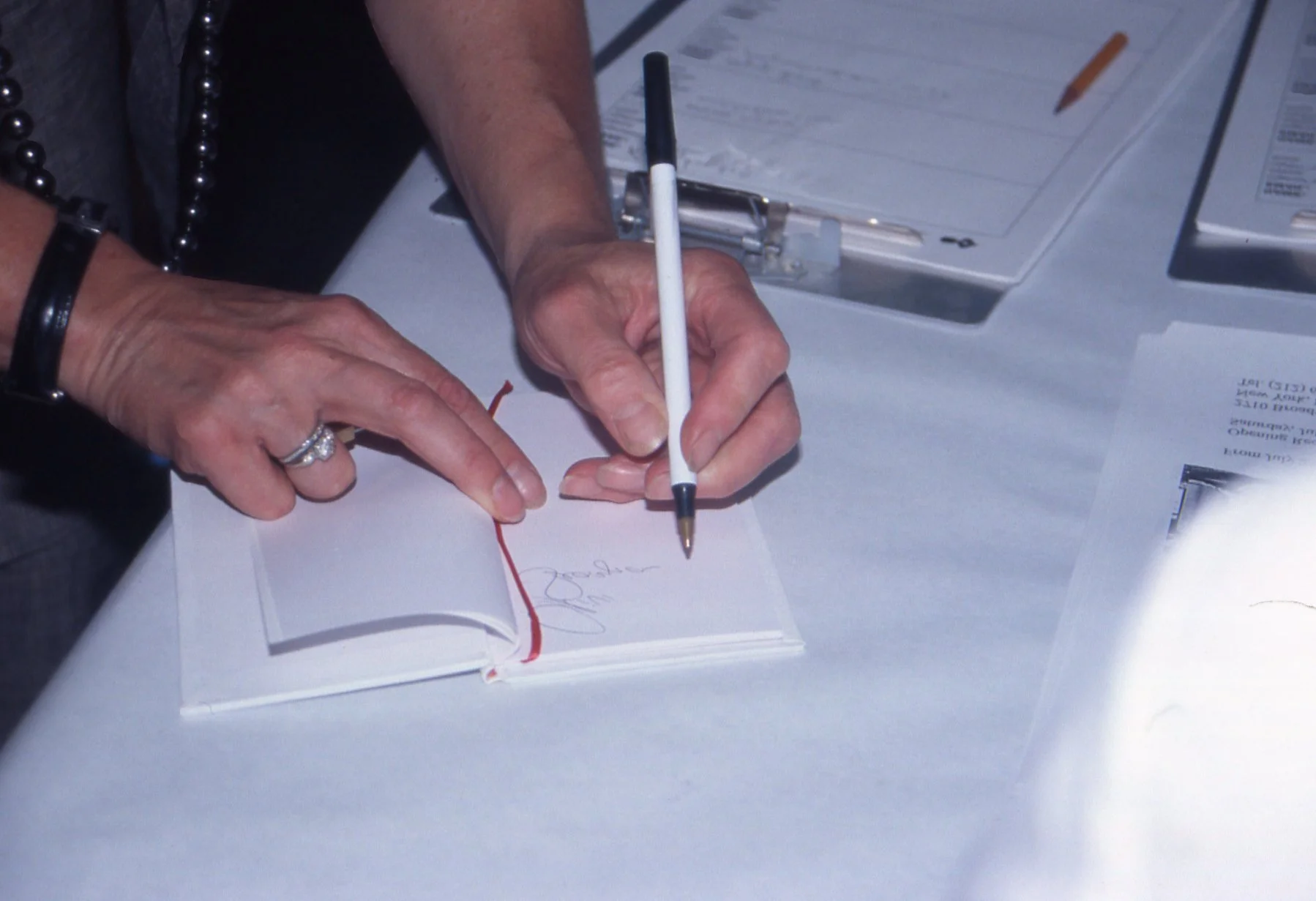
This intervention takes place prior to 9/11 at a building in New York City that houses many government agencies in downtown Manhattan. This is the same location where The Clocktower Gallery / MoMA operates. Prior to 9/11, access to the Gallery was fairly relaxed, with the exception of the security guards sitting 24/7 at the lobby, ready to collect information on each visitor in an old-fashioned composition book. These were analog times! María Alós and Nicolás Dumit Estévez situate themselves right outside The Clocktower Gallery / MoMA. They request from those attending an opening to register with them before proceeding to see the show. María and Nicolás, in their role as guards, collect general information about each attendee thus foretelling, without knowing it, the spread of top-down surveillance that was to come after attacks, but also how much of ourselves we are asked to reveal before we can enter some spaces.

Presented at The Clocktower Gallery / MoMA

To go back to El Reguero/Archives menu, click HERE
 

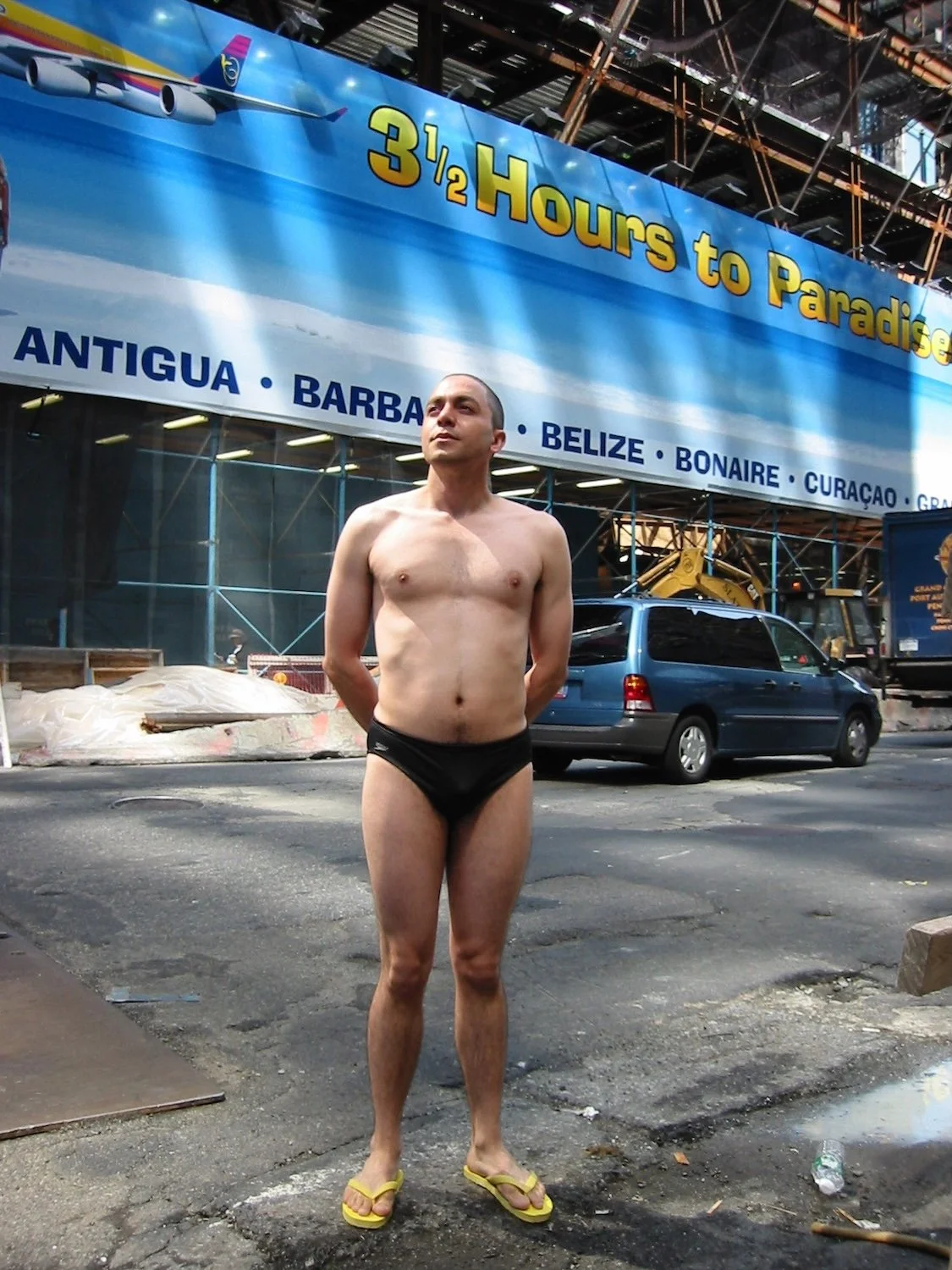
3 1/2 Hours to Paradise


Nicolás Dumit Estévez, 3 1/2 Hours to Paradise, urban intervention at Times Square, 2003 / Photo: Elia Alba / This photo can only be used with permission from the artist


For a whole decade I work on performances, actions, interventions and publications dealing with the perception of the tropics as paradise. In the case of this action on Times Square, New York City, I inhabit a readymade “stage,” including the advertisement that promises New Yorkers a swift trip into the “No Problem” islands of the Caribbean.

To go back to El Reguero/Archives menu, click HERE
 

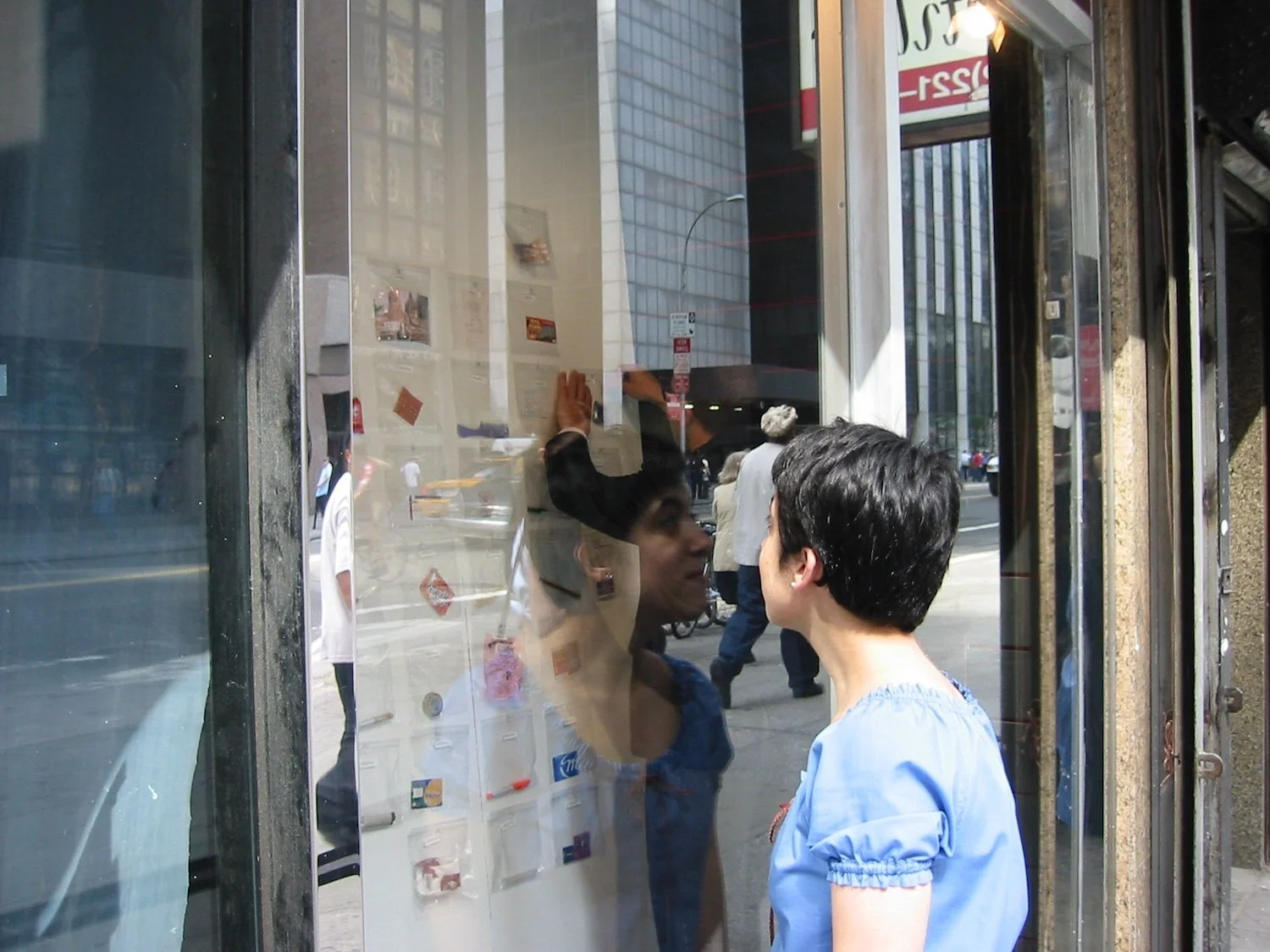
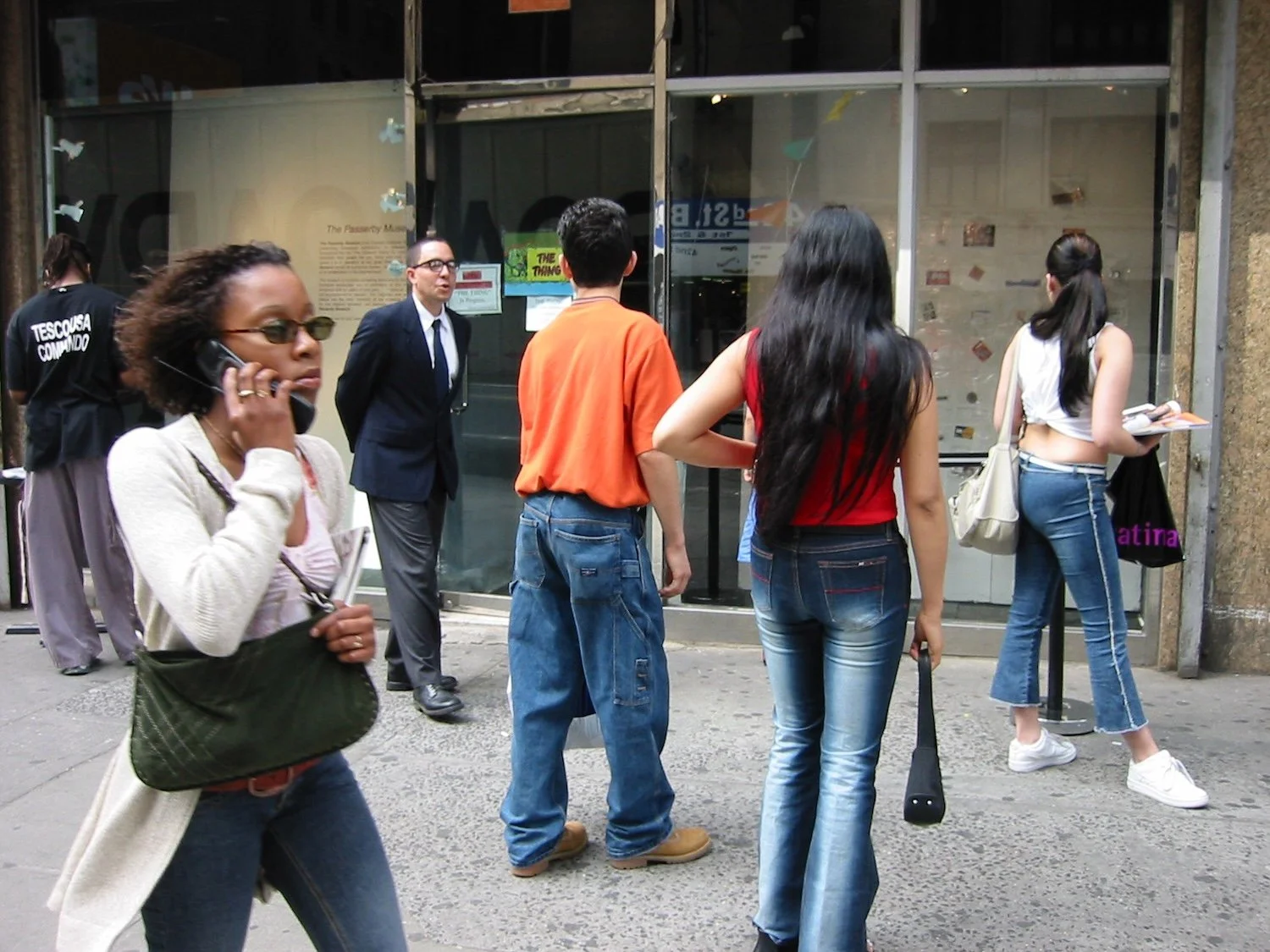
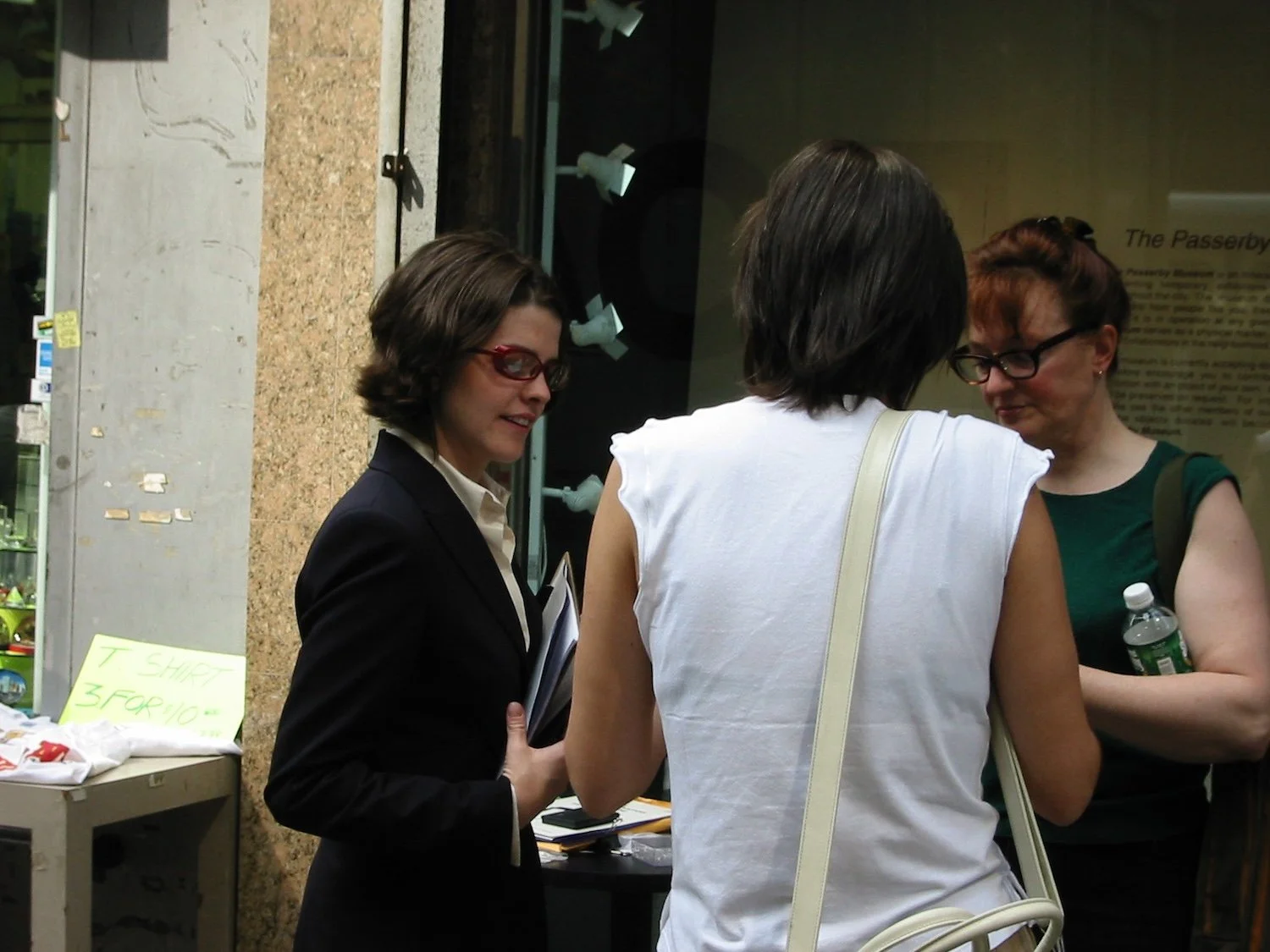
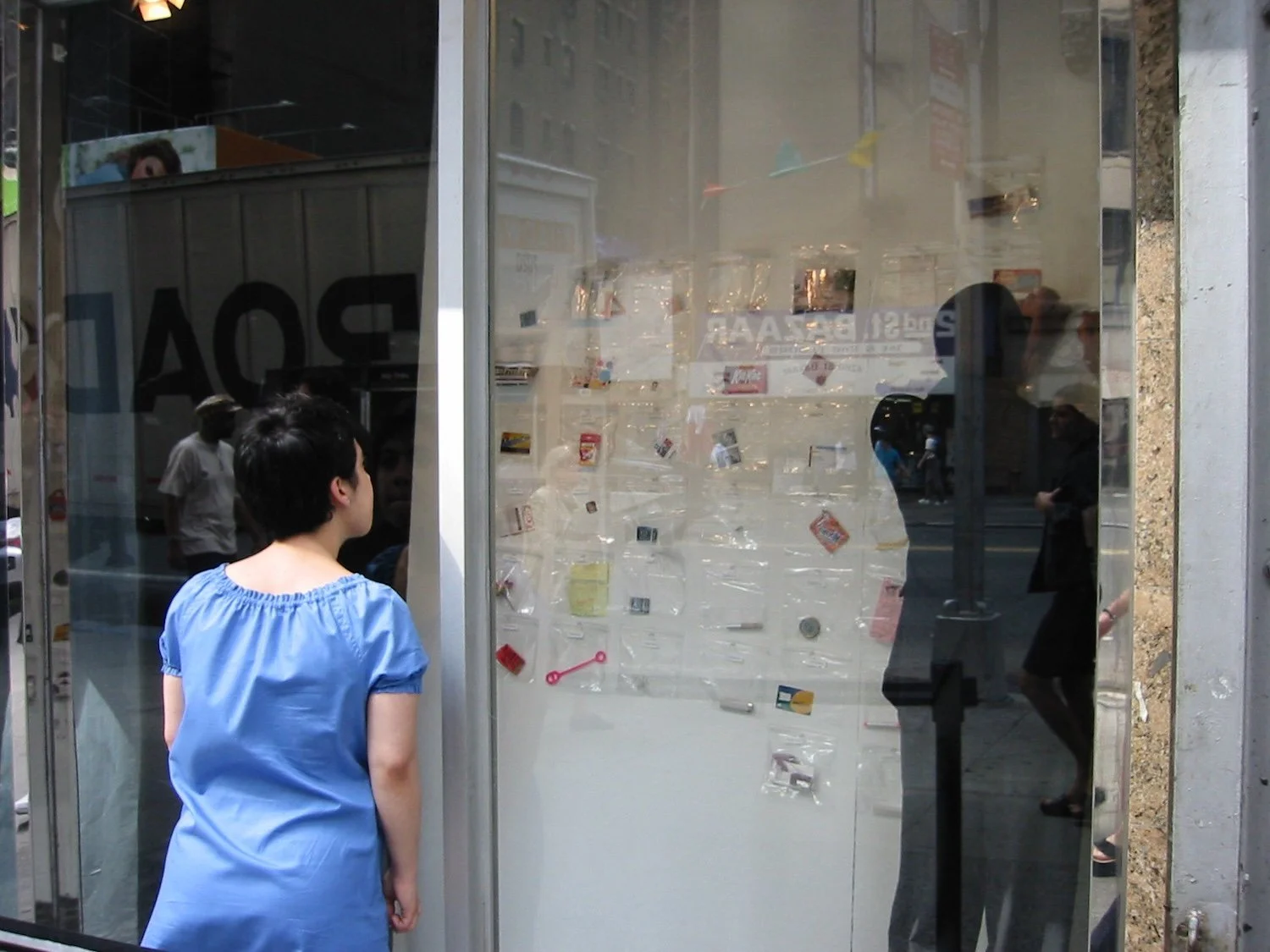
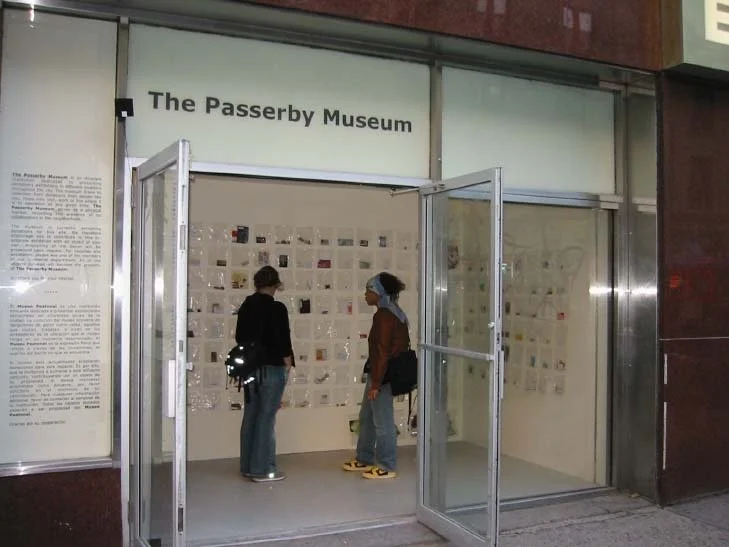
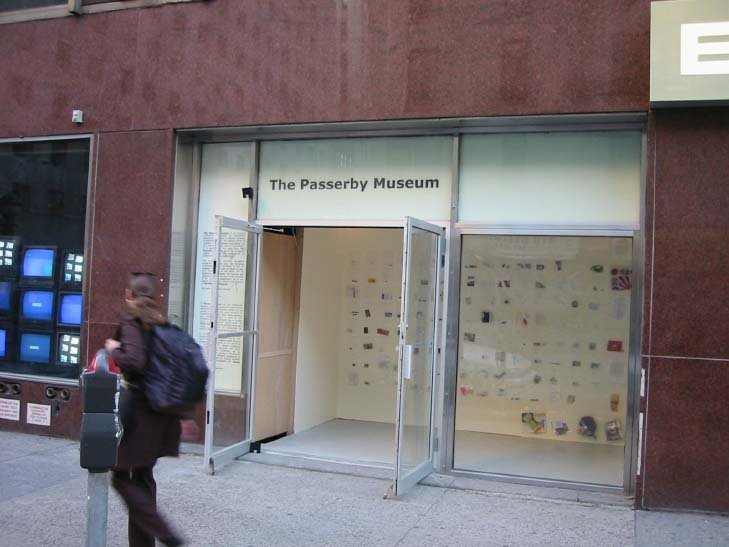
The Passerby Museum


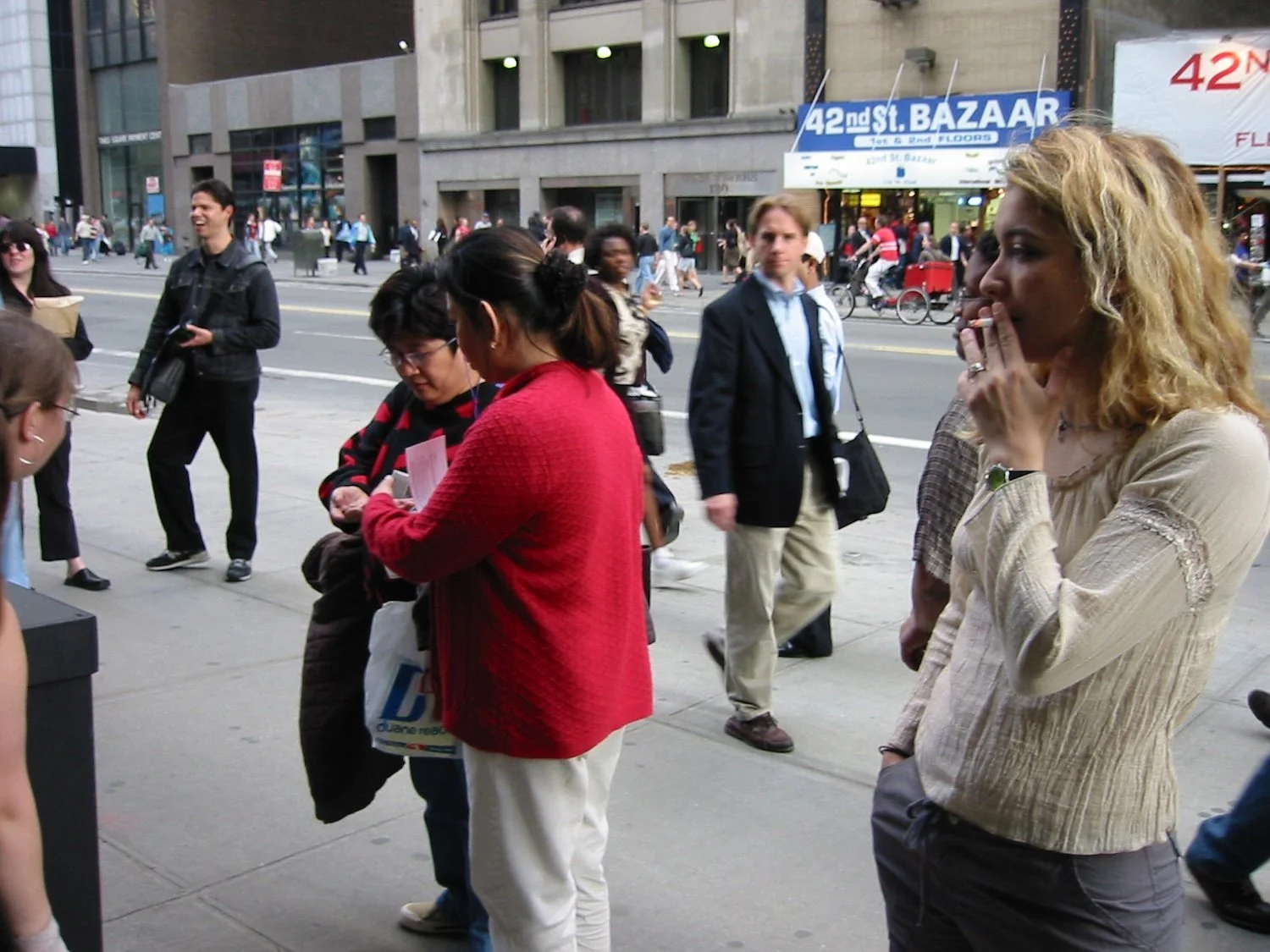
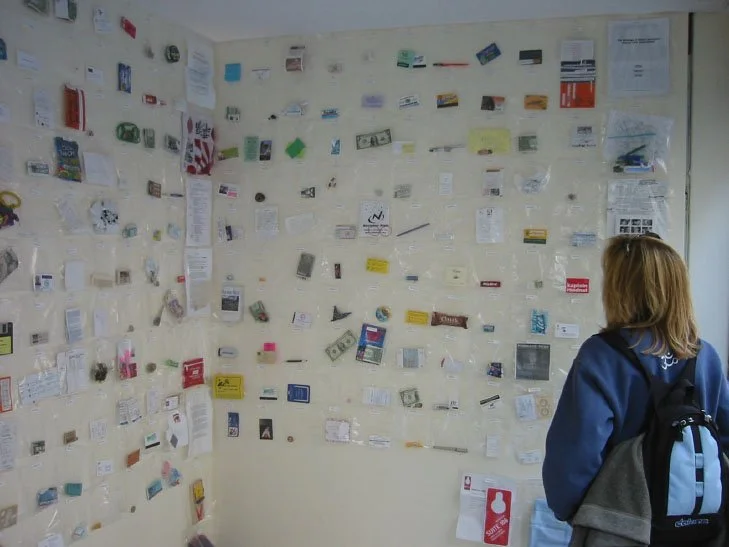
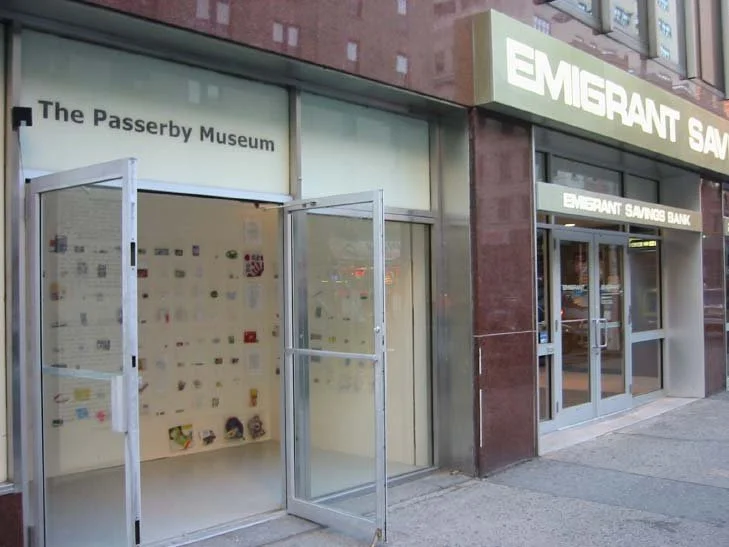
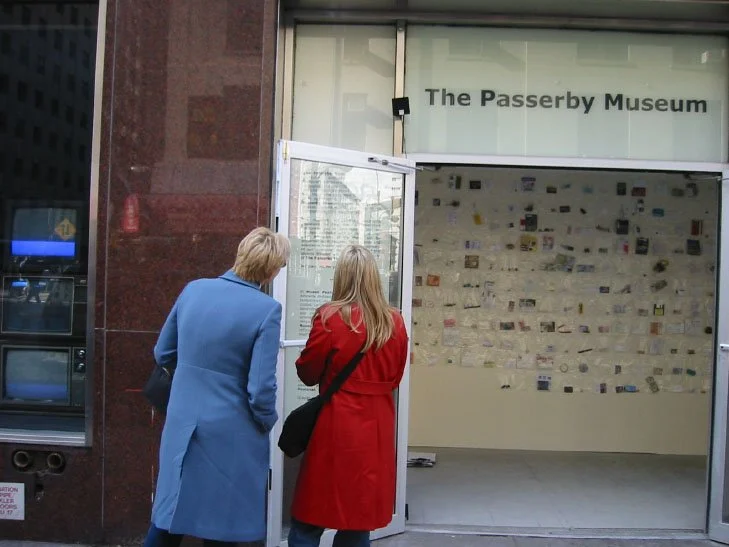
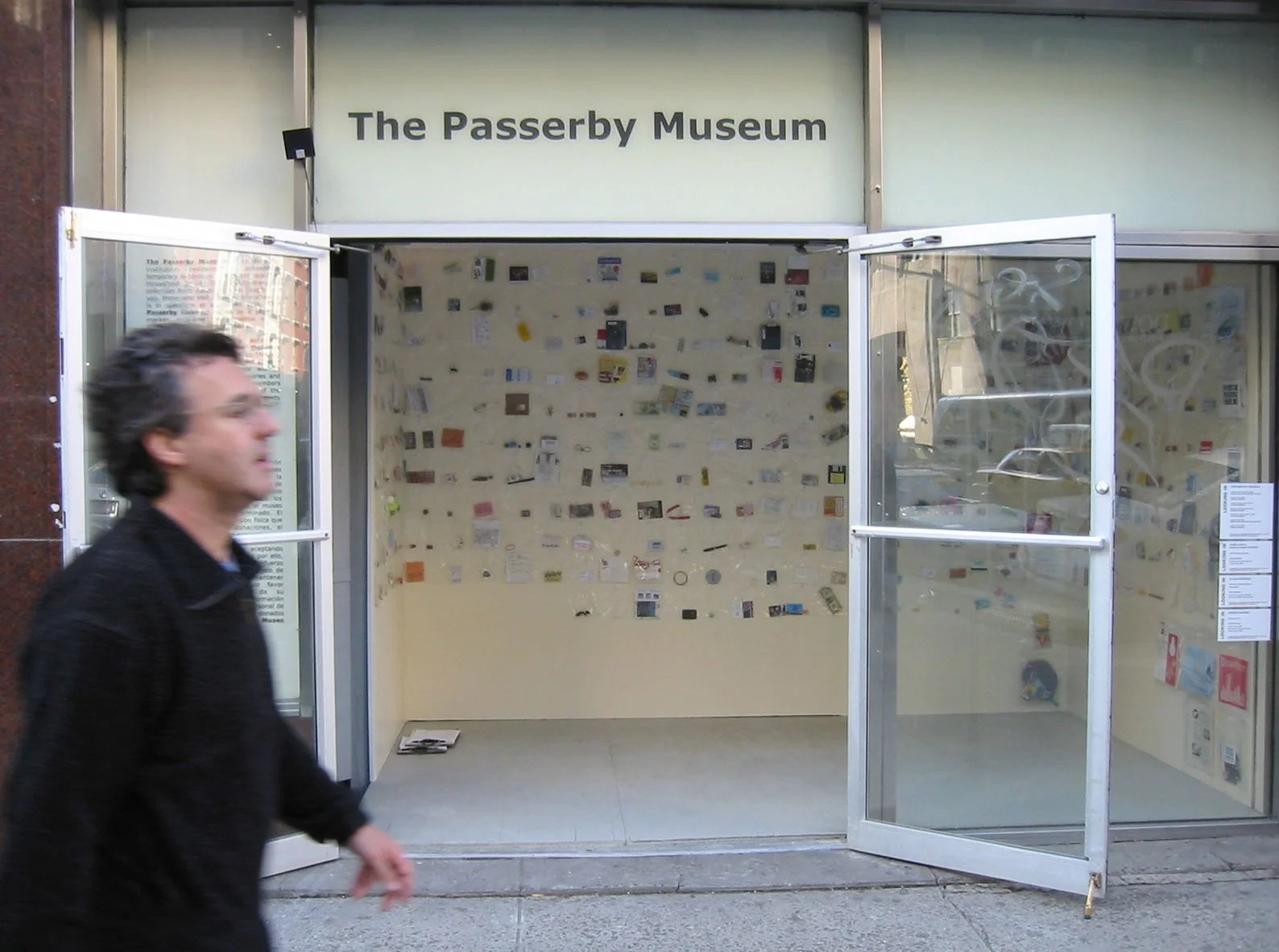
The Passerby Museum is an itinerary institution interested in presenting temporary exhibitions throughout different areas of the city. The museum draws its collection from donations from people like you. Those who visit, work or live where it operates at an specific time. The Passerby Museum serves as a physical marker, recording the presence of its collaborators in the neighborhoods selected.

Audio: “The museum is currently accepting donations for this site. We therefore encourage you to contribute to this in-progress exhibition with an object of your own. The anonymity of the donors can be furnished upon request.  For inquires and assistance, please see one of our staff members from the curatorial department. All of the objects donated will become property of The Passerby Museum.”

 We thank you for your interest (original Statement)

Presented with Chashama / Lower Manhattan Cultural Council / Longwood Art Gallery/BCA / Claremont Museum / MUCA Roma / UNAM / Madrid Abierto / Bienal de la Habana / Palacio Municipal de Puebla

To go back to El Reguero/Archives menu, click HERE
 

La Bandera


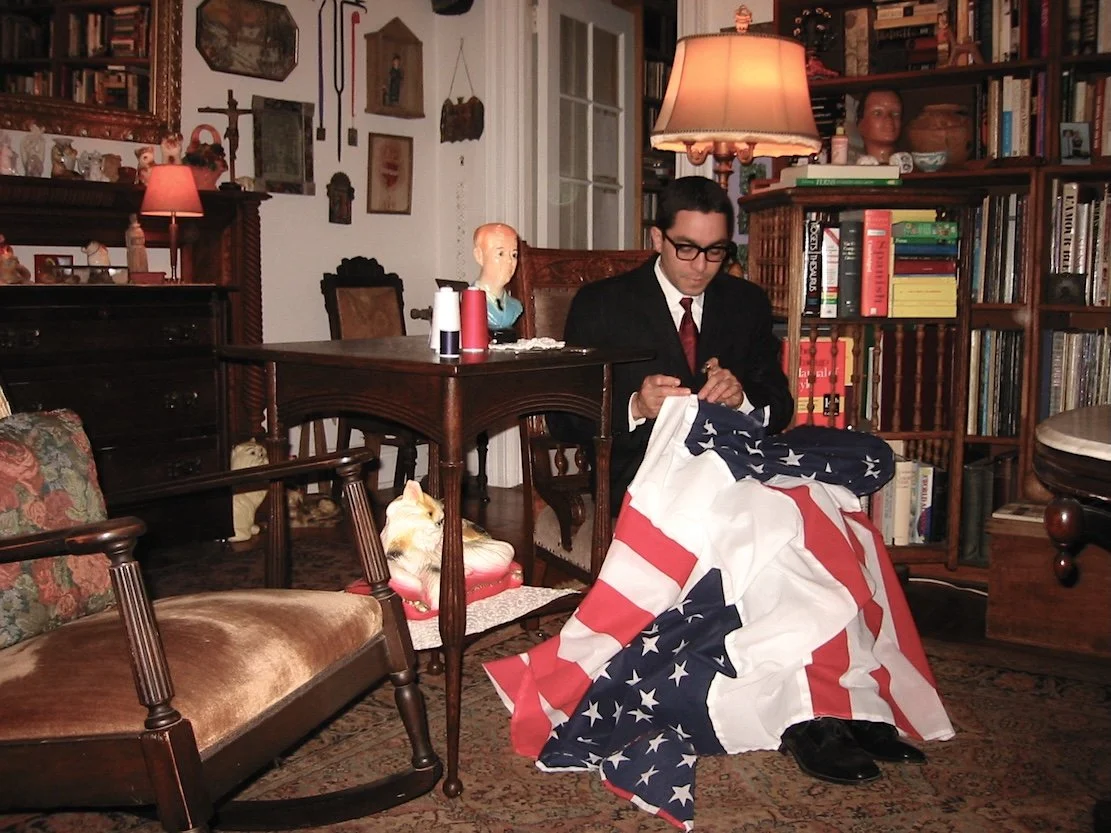
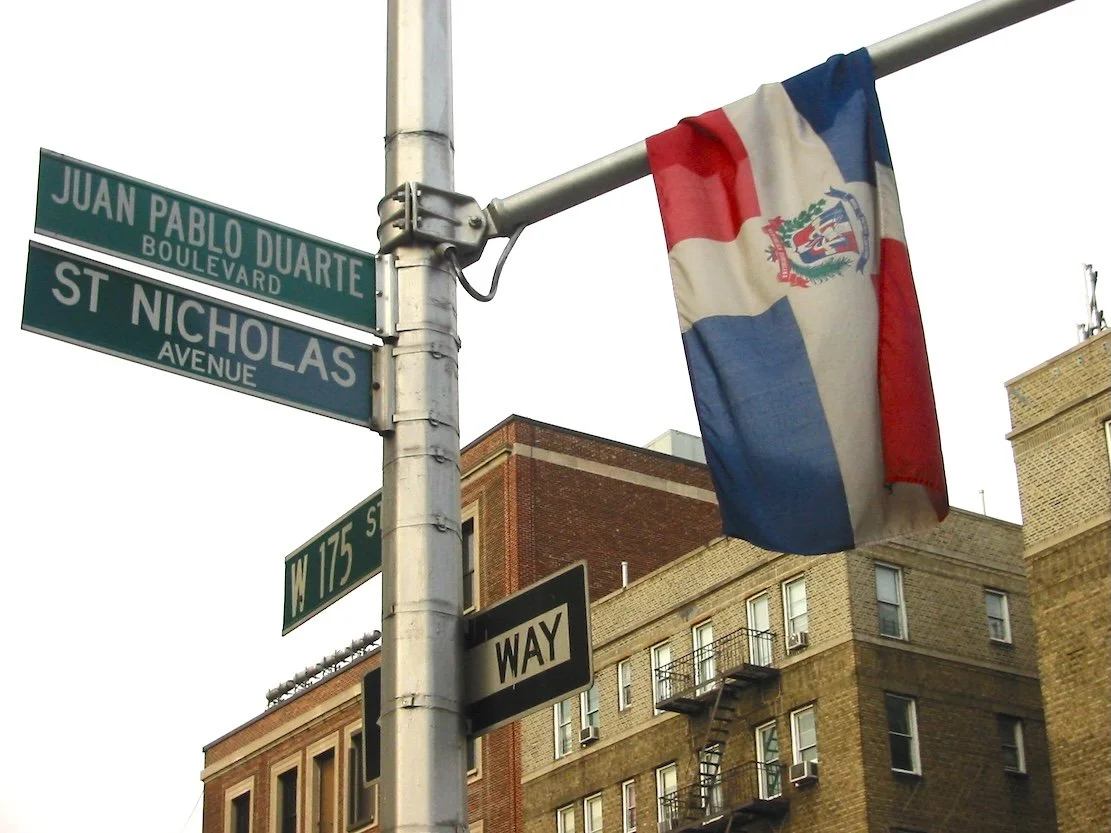
I create a proposal for the first Dominican York flag: a hybrid produced out of two ready-mades: the Dominican flag and the US flag. I include photographs and artifacts that relate to the making of “The Flag” as a mean to insert the project into the historical context of the aforementioned patriotic symbols.

Presented with Longwood Art Gallery/Bronx Council on the Arts; Museo de Arte Moderno, Dominican Republic; El Museo del Barrio; Samson Projects, and at the The Reginald F. Lewis Museum of Maryland African American History & Culture


Everything I am. Everything I have. Now.


For two hours I surrender all of the property I own while living in Vermont. A notarized letter and a detailed inventory of each one of the items accompany the archive.

Presented at Vermont Studio Center


Cardiovascular Cha Cha


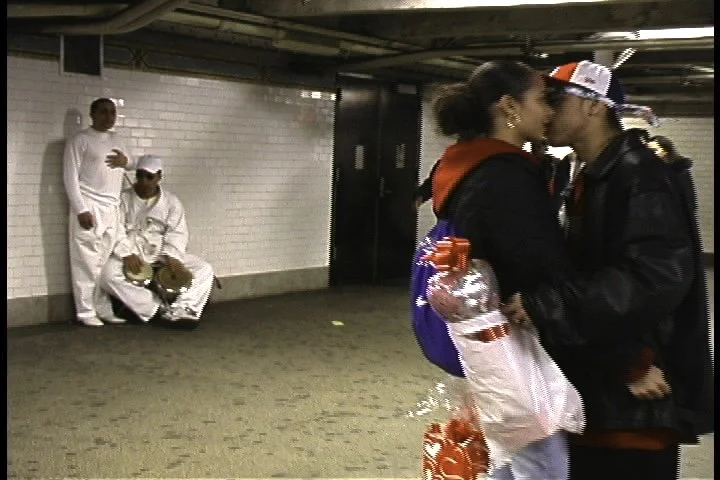
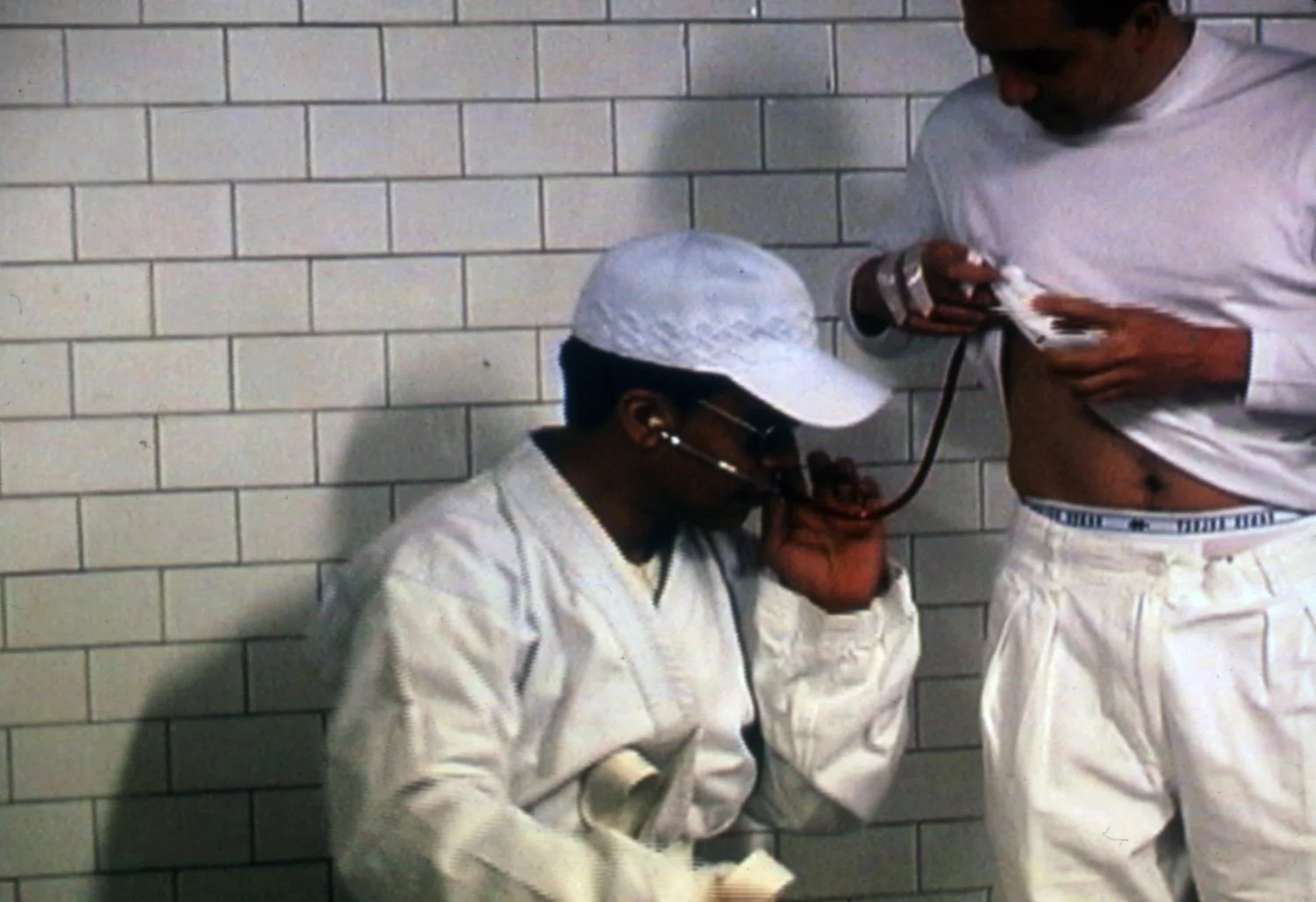
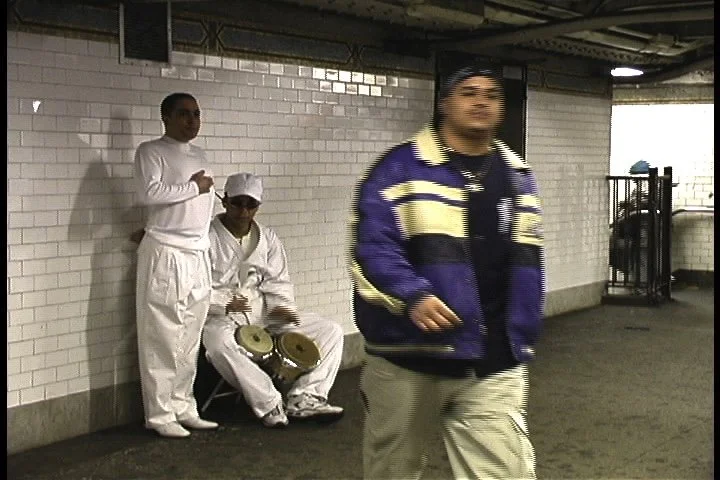
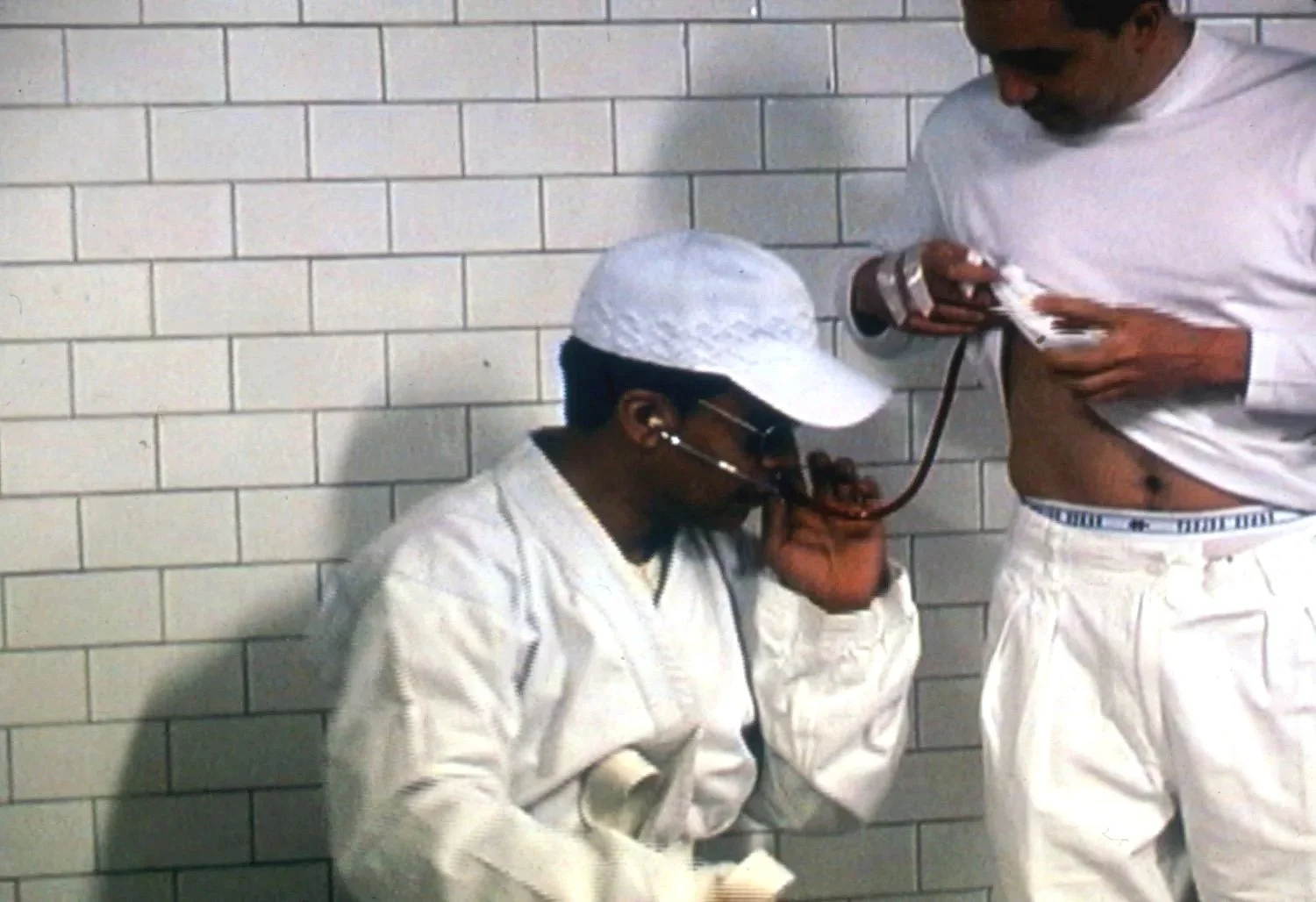
Listen to my heart. Be prepared to experience the sudden halt of the commuter traffic. A percussionist connected by a stethoscope to the performer's heart beats a pair of conga drums, translating without interruption one cardiac cycle after another.

Percussionist: Louie Gamboa

Cardiovascular Cha Cha was presented as part of The Love a Commuter Project, and program launched in 2001 by María Alós and Nicolás Dumit Estévez

Special thanks to Adia Millett

To go back to El Reguero/Archives menu, click HERE
 

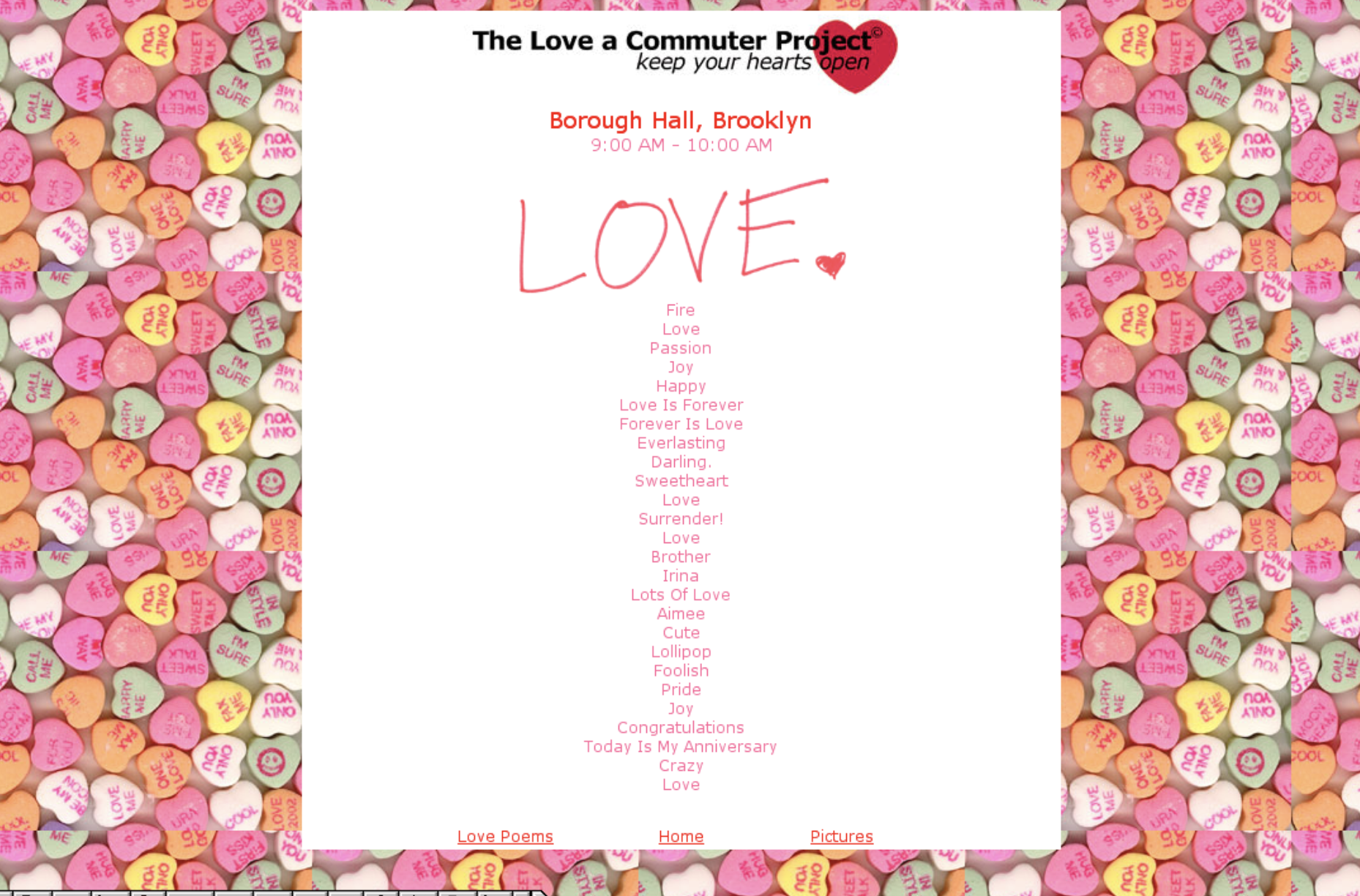
The Love a Commuter Project


february 14, 2001: KEEP YOUR HEARTS OPEN

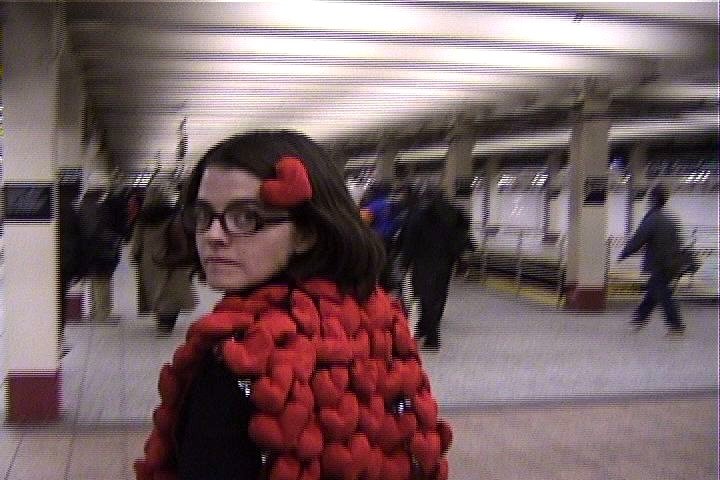
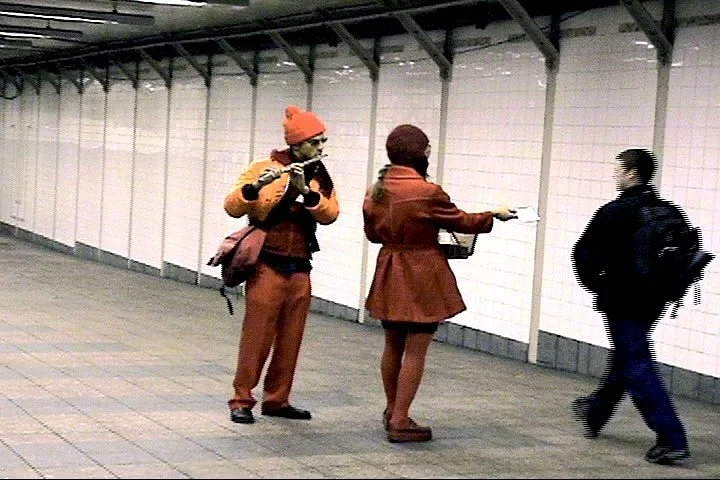
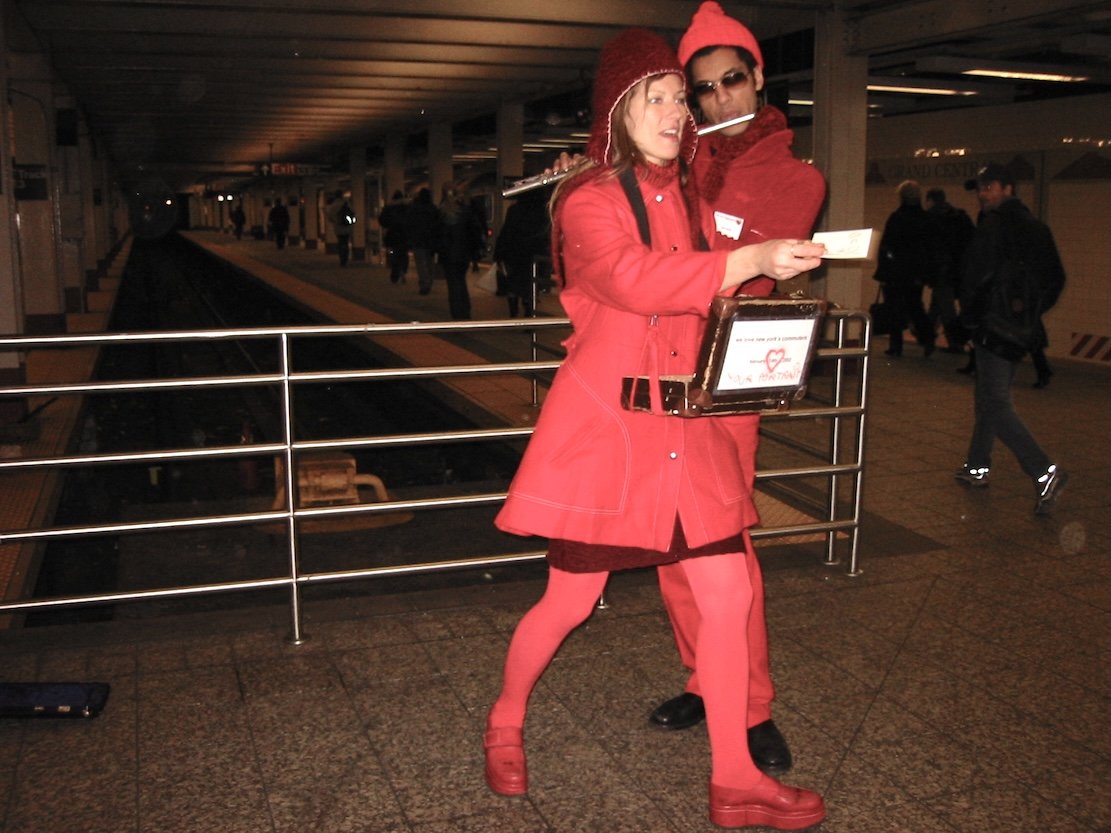
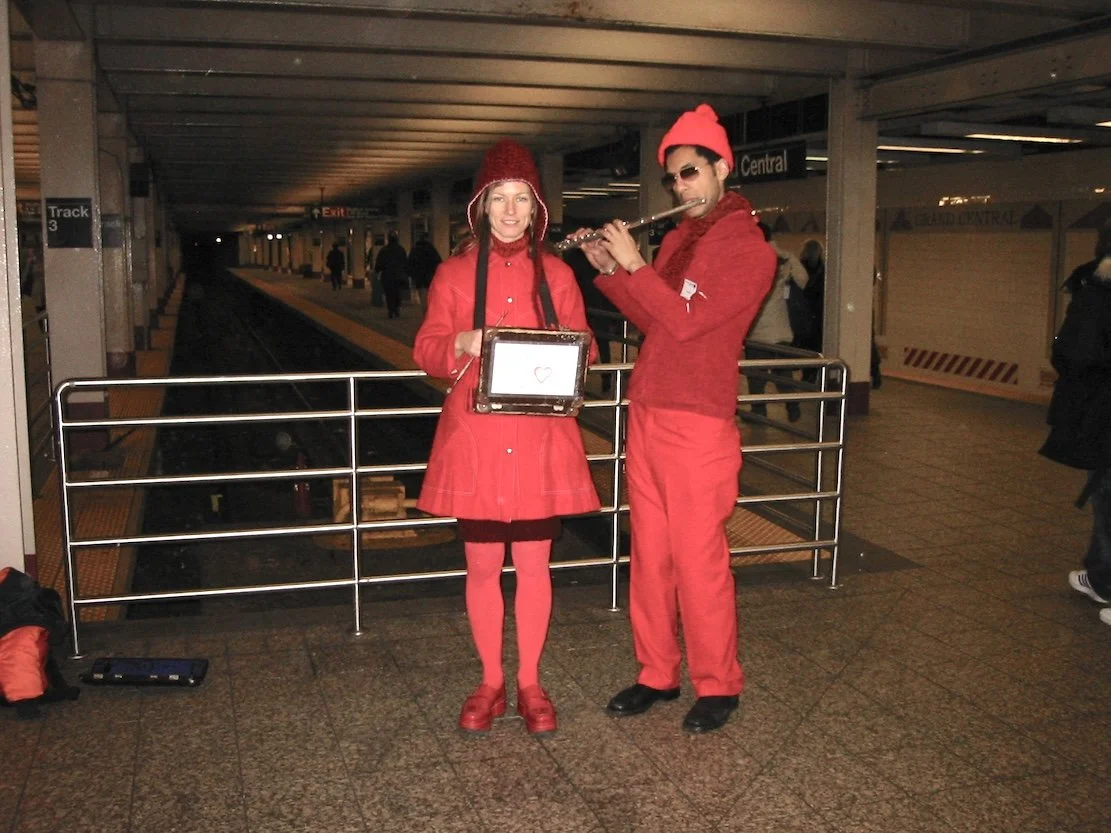
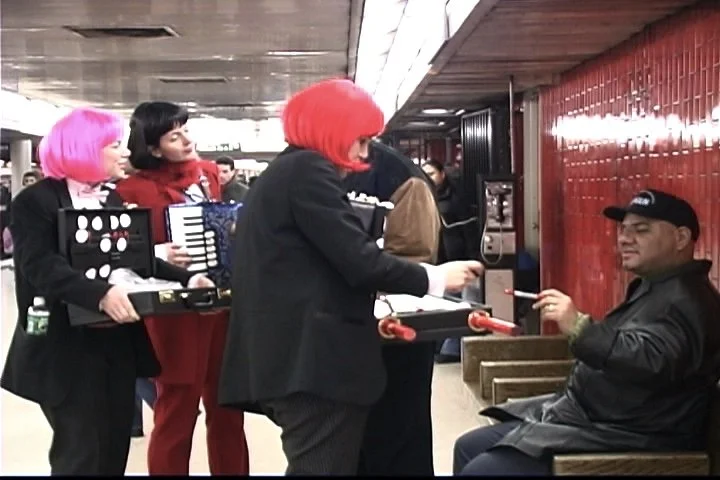
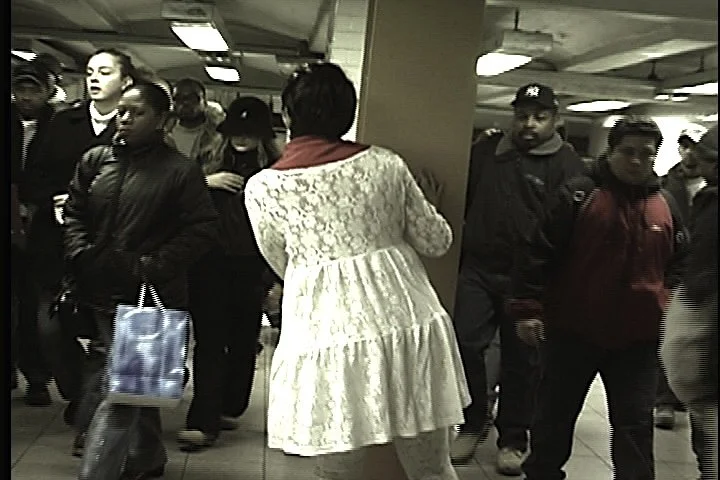
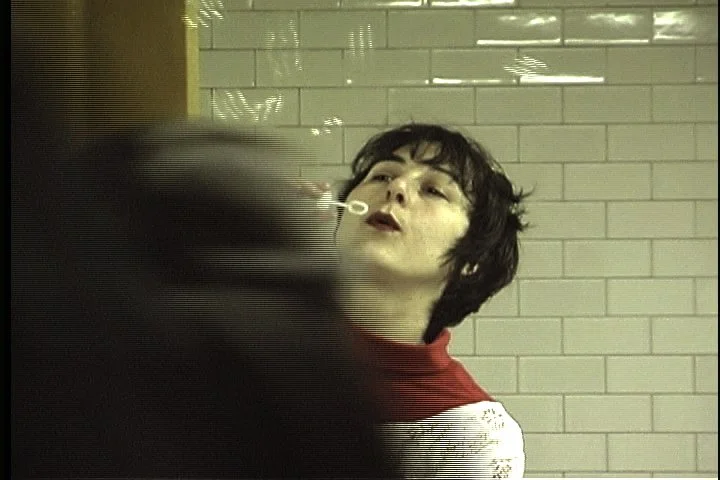
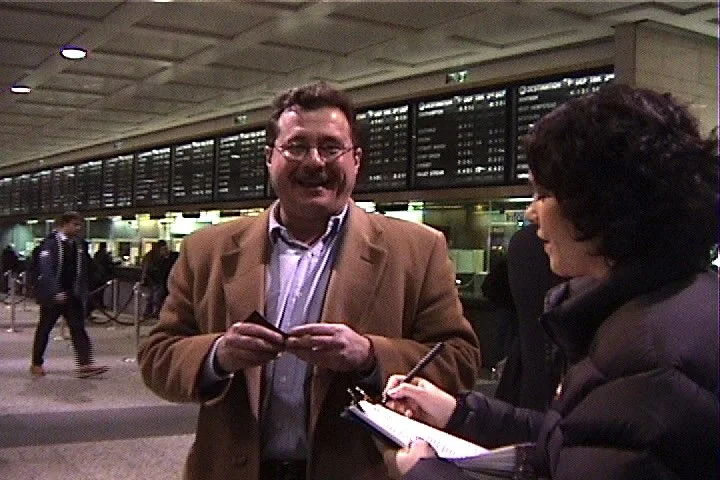
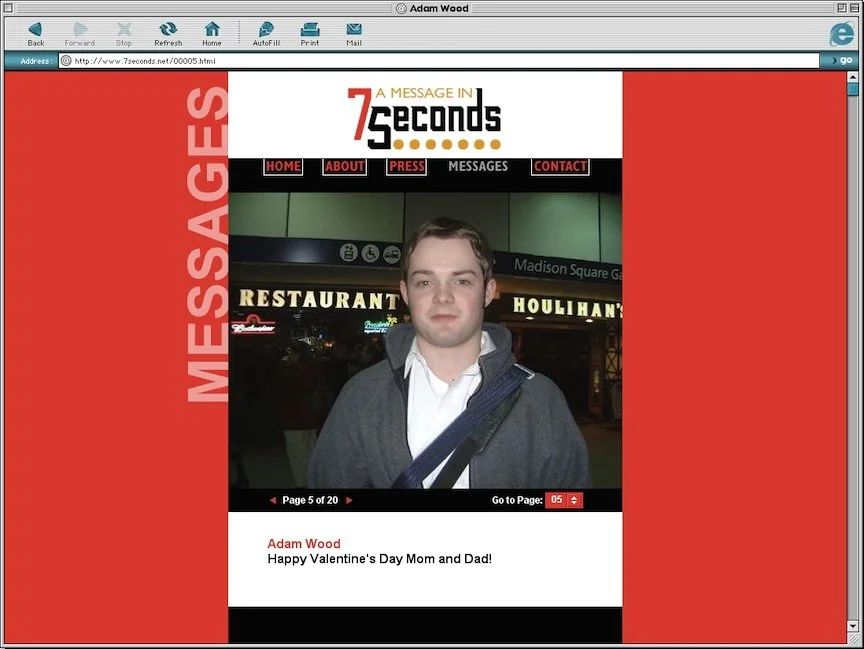
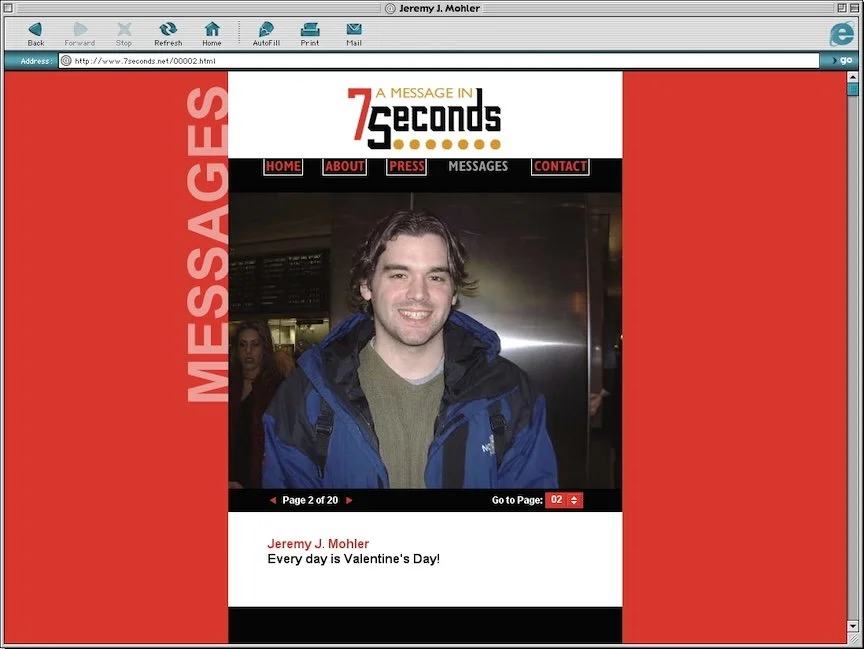
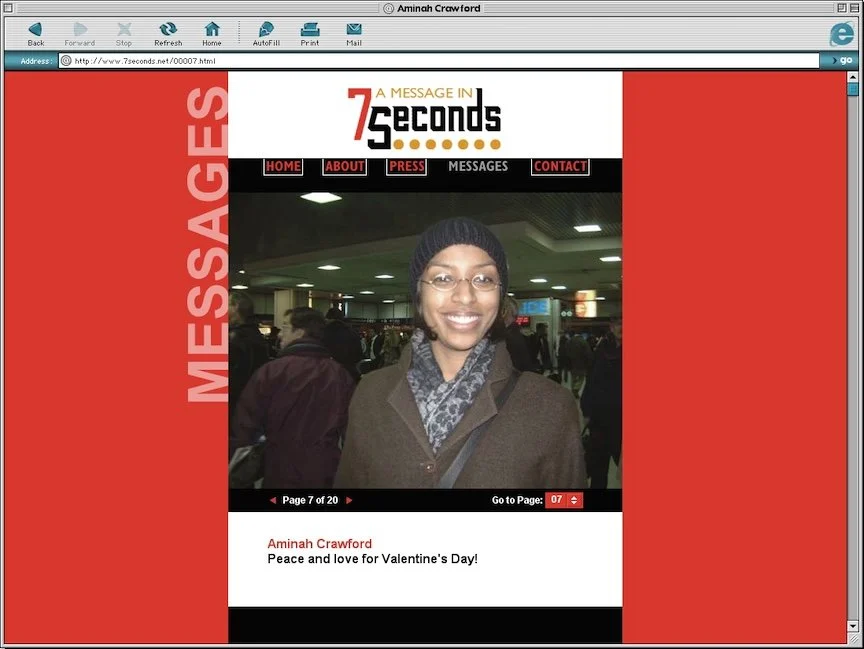
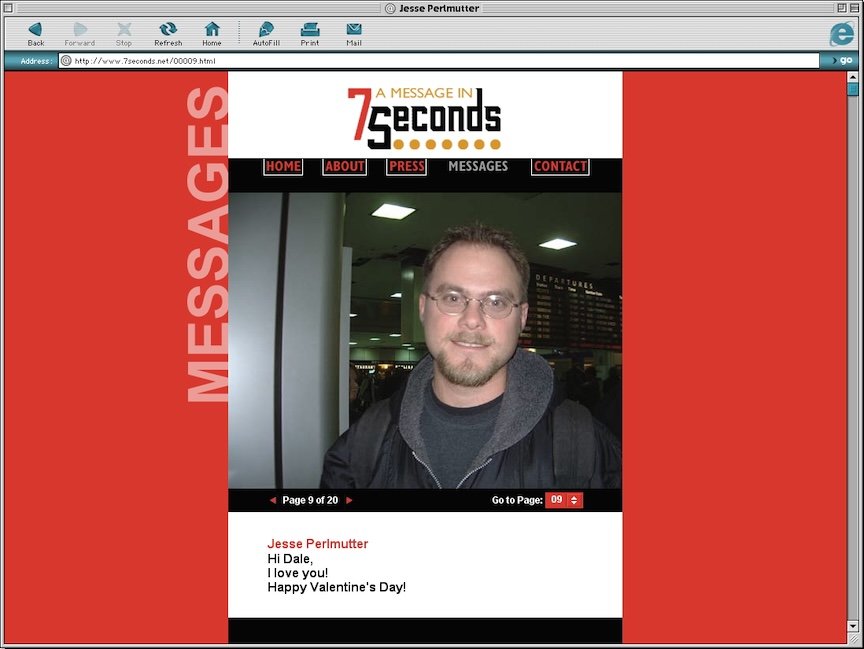
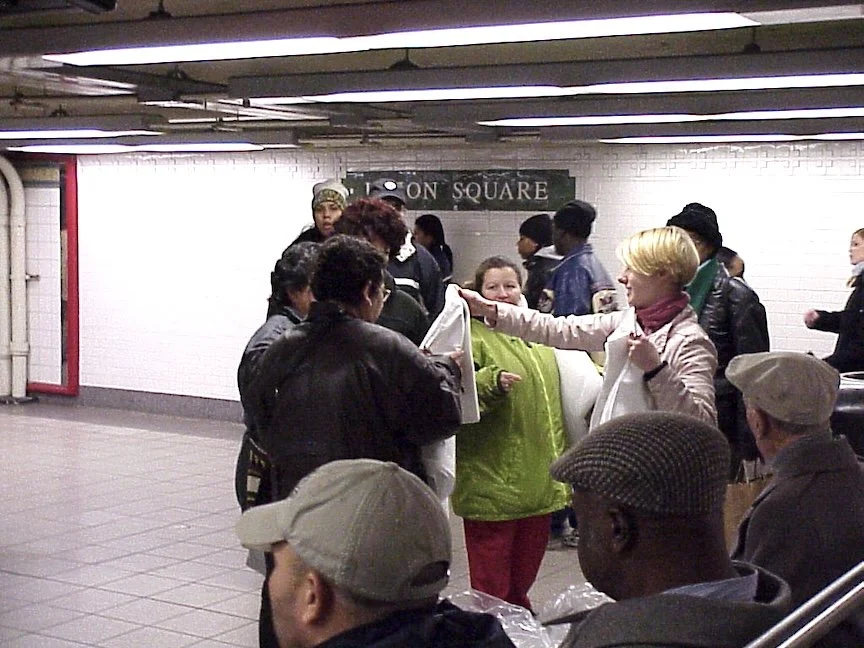
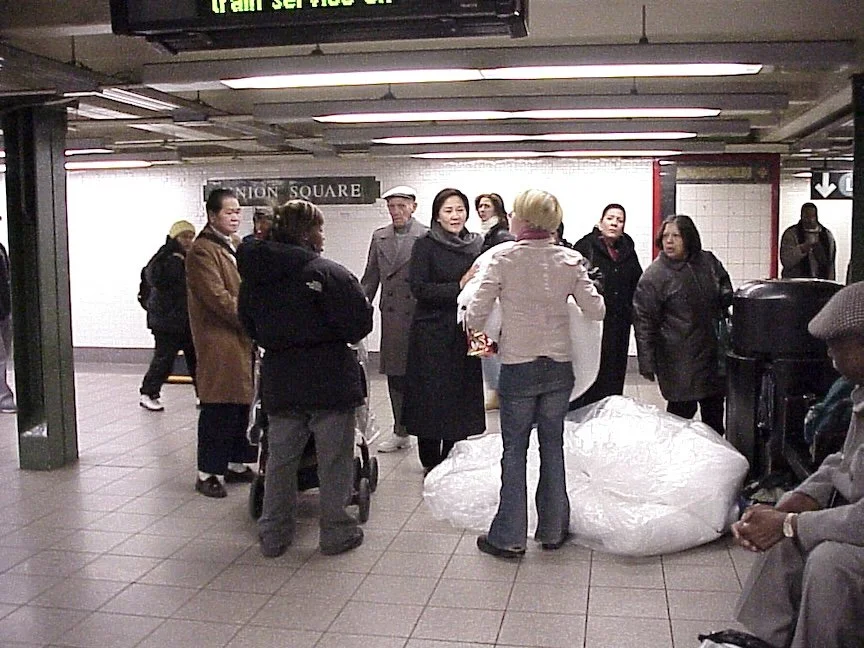
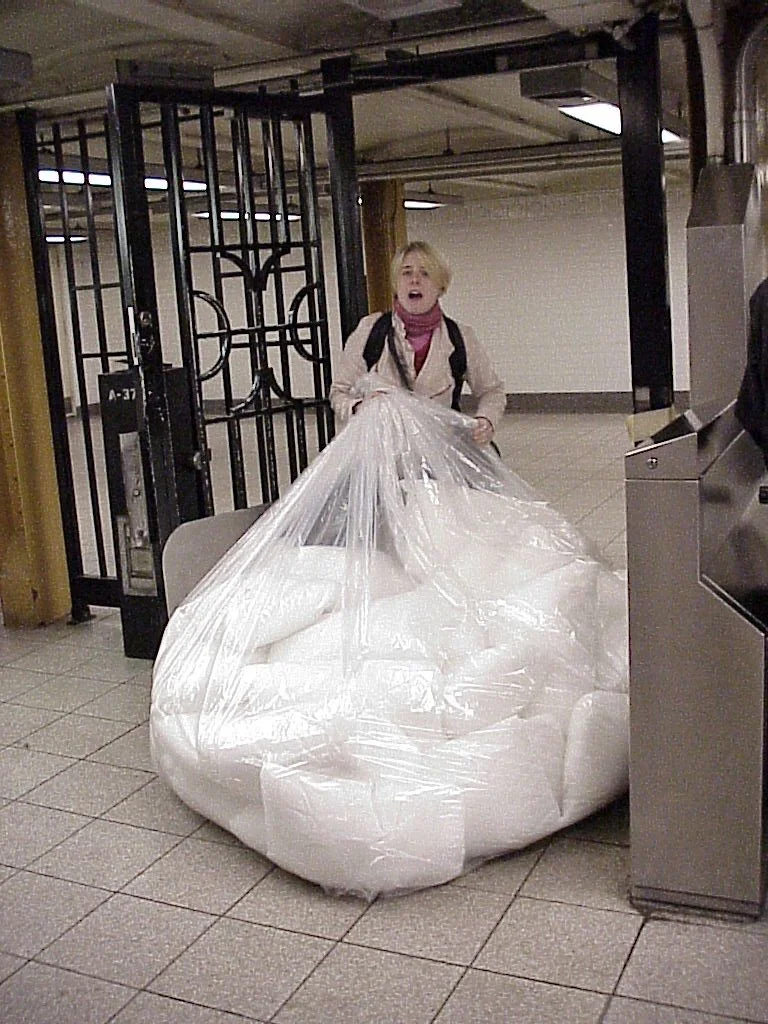
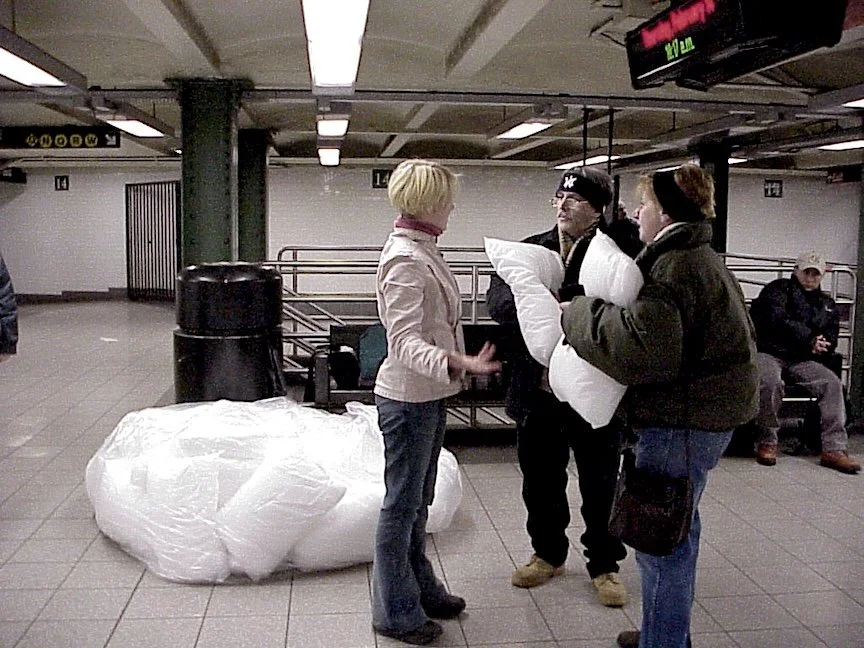
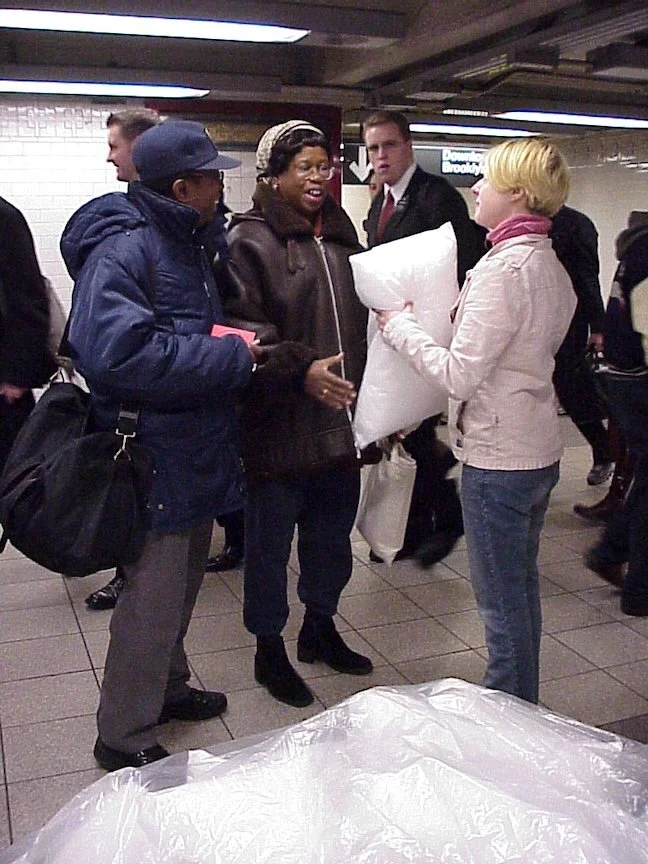
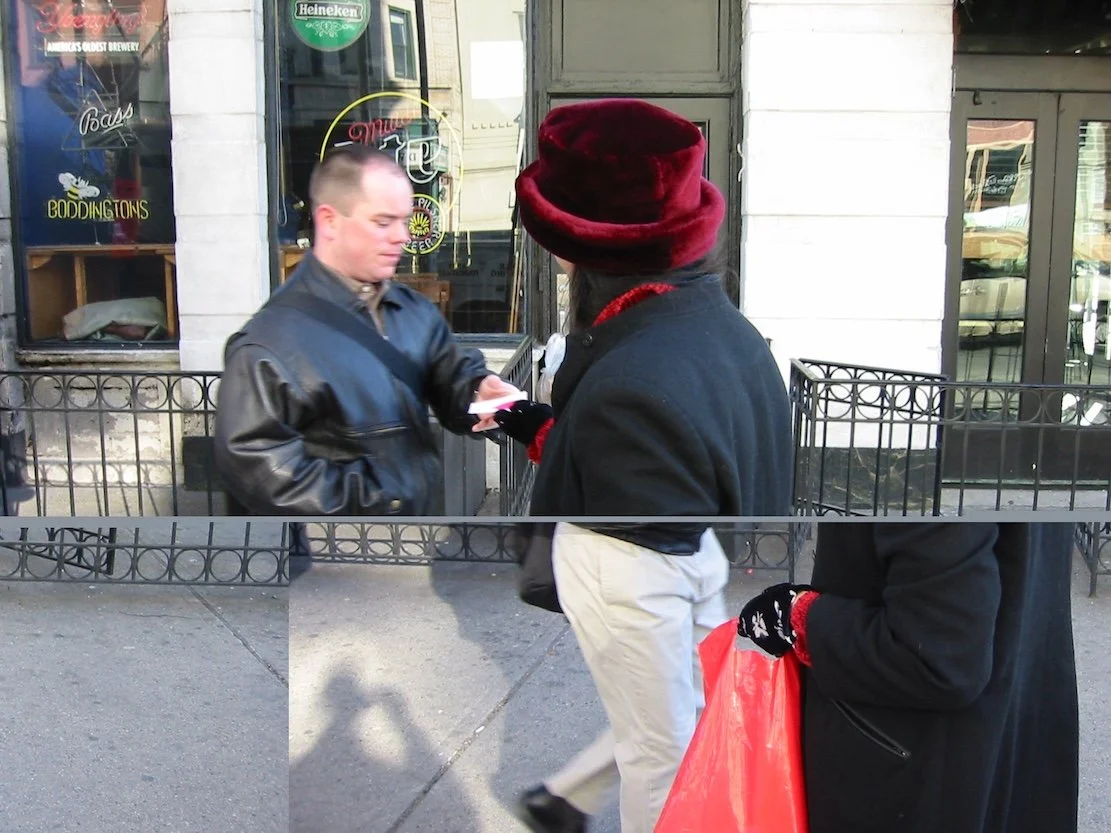
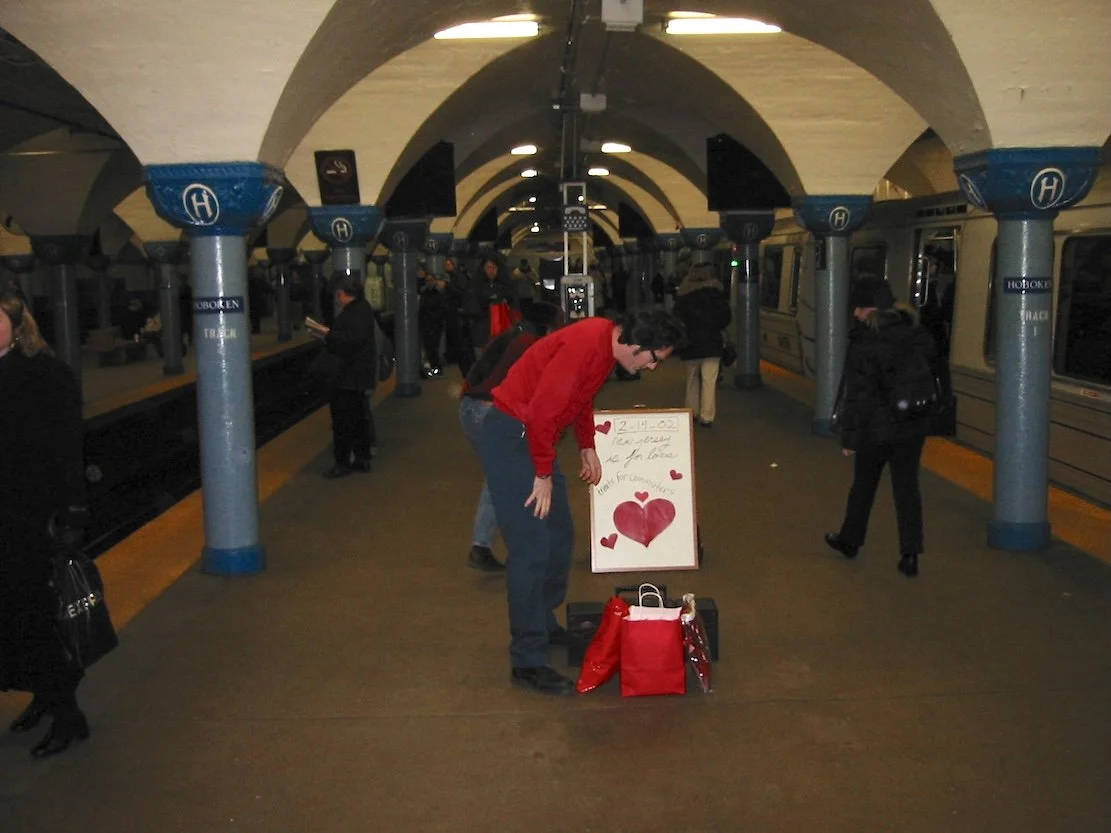
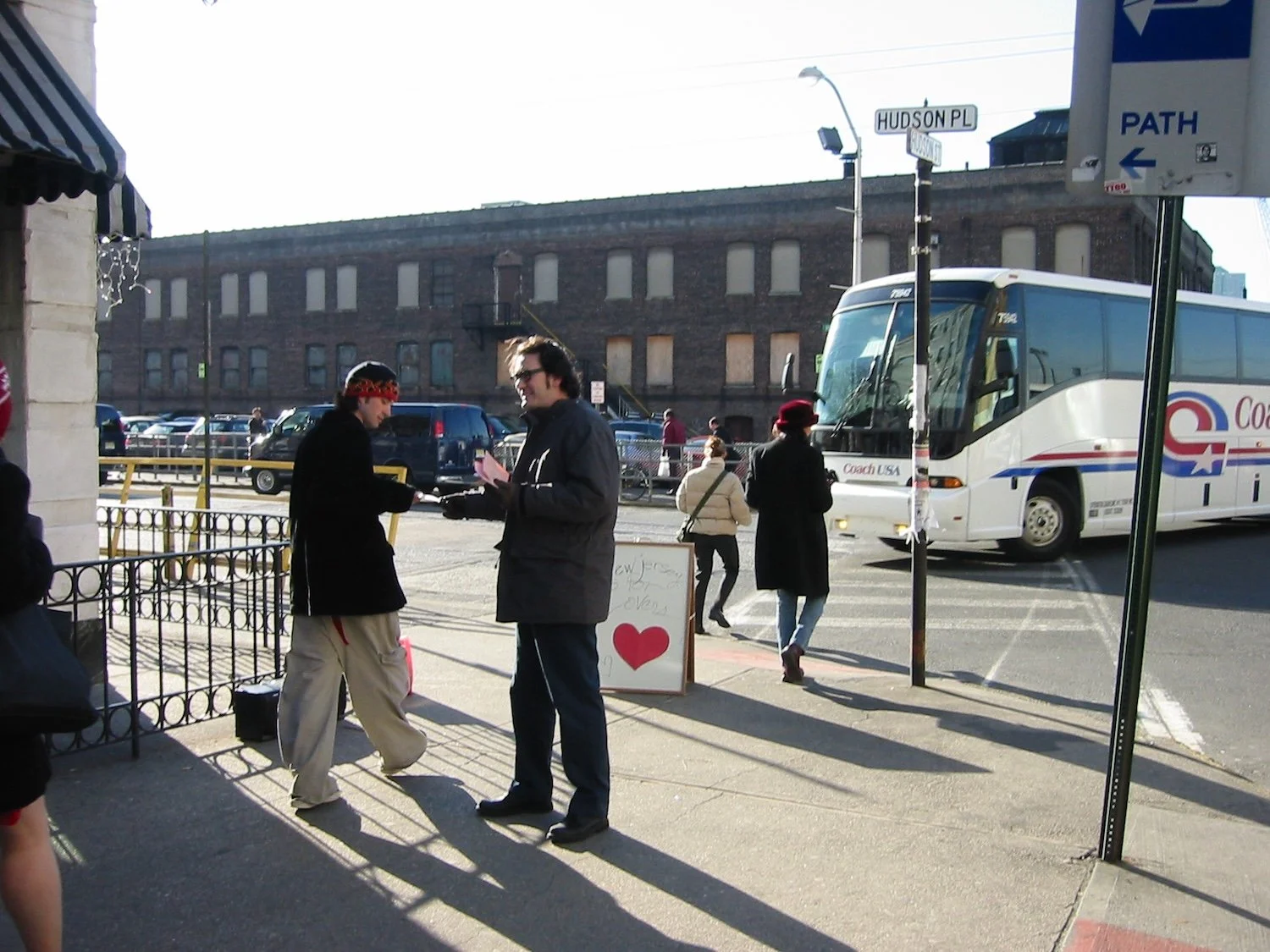
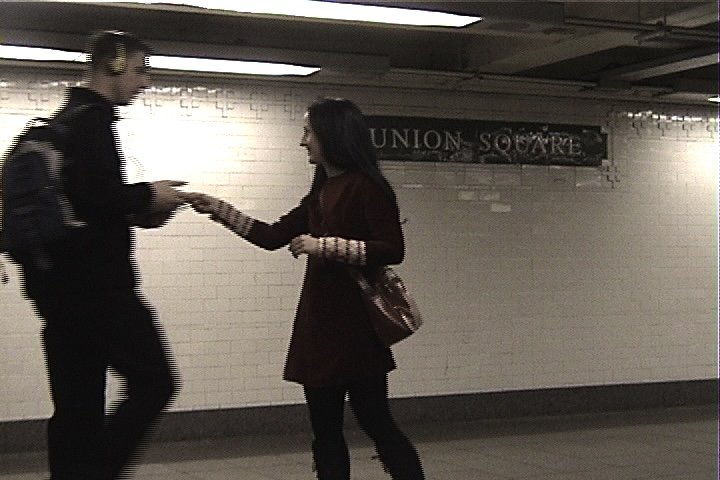
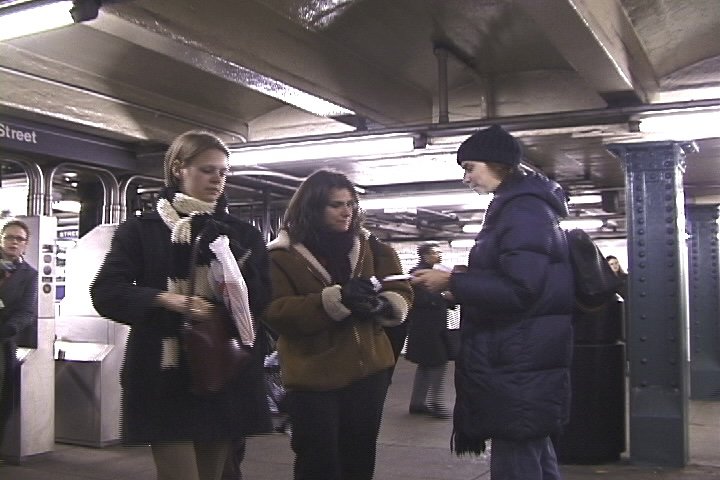
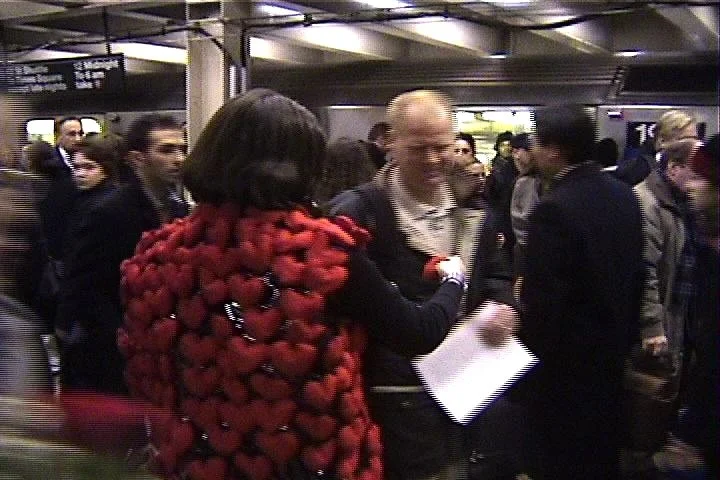
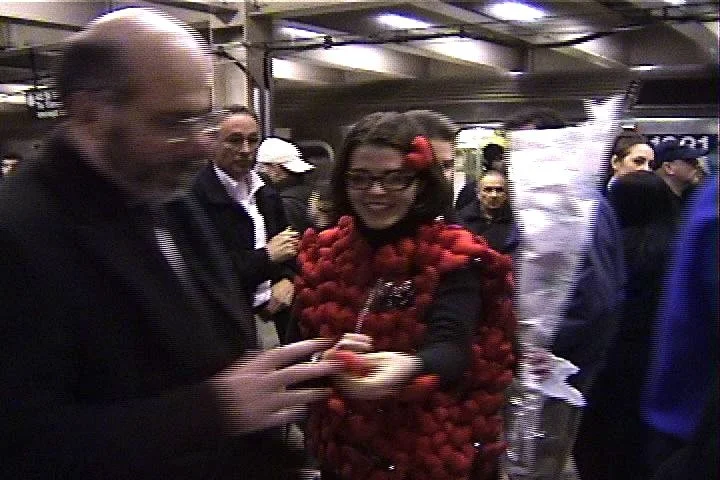
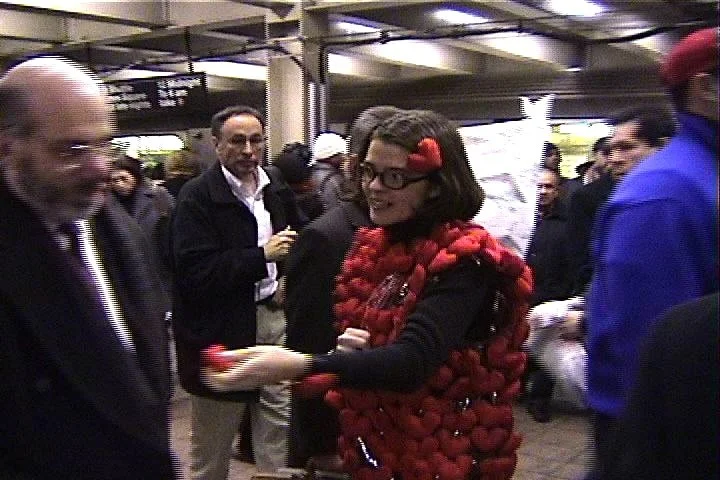
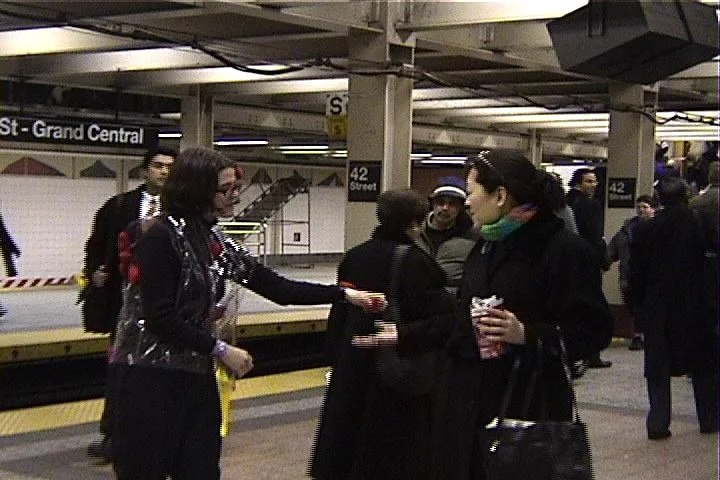
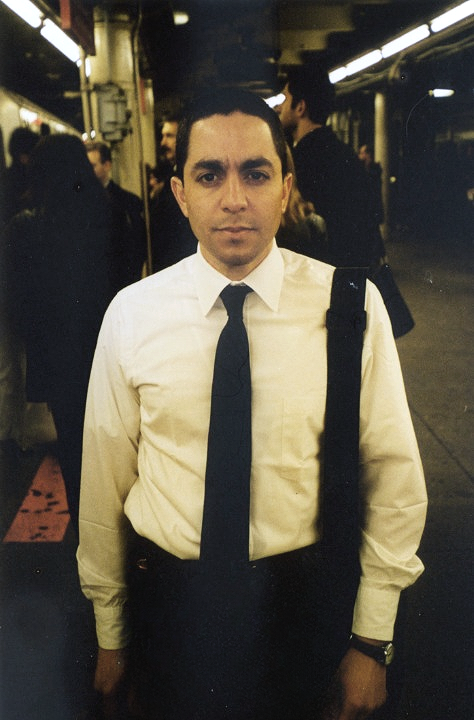
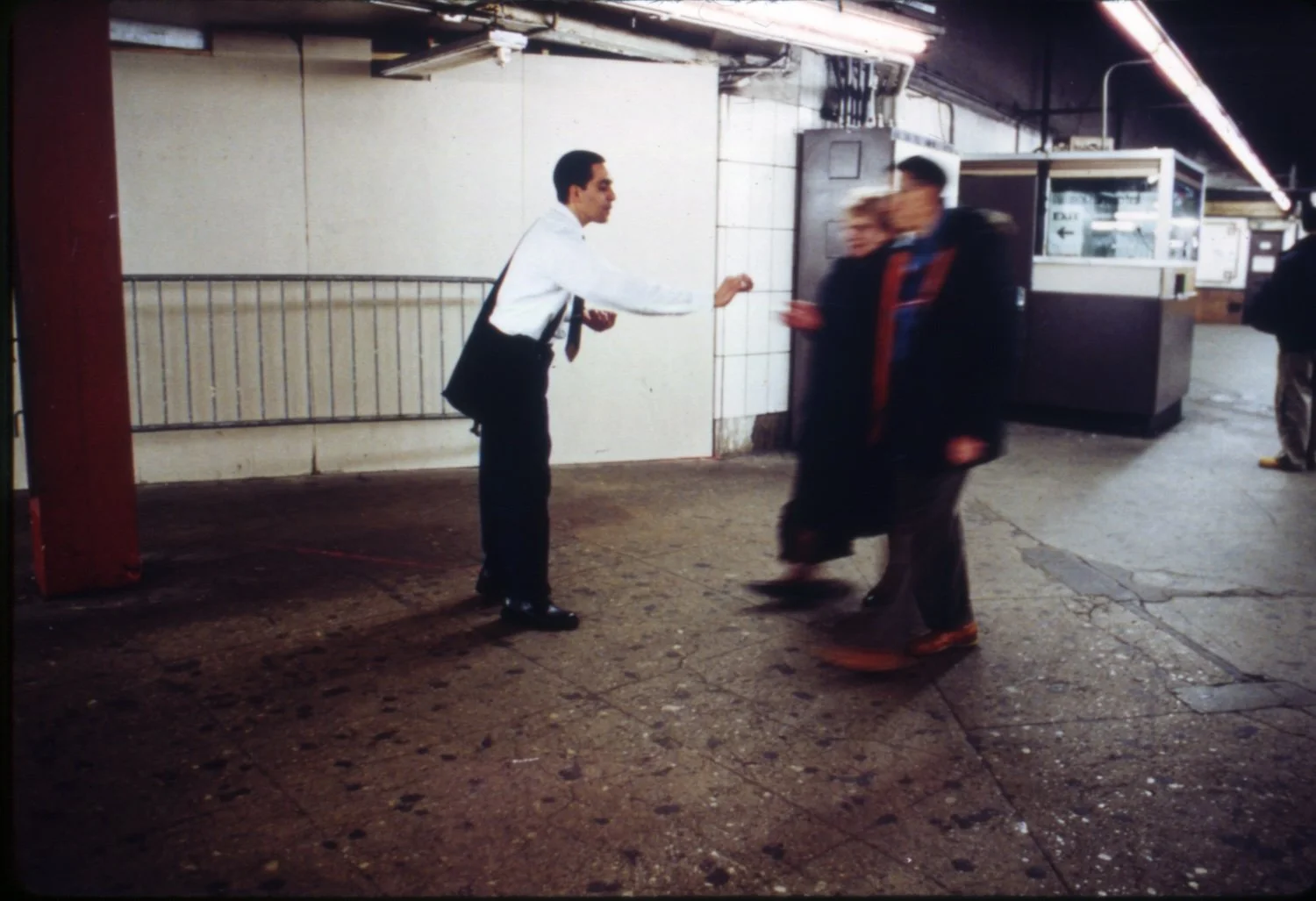
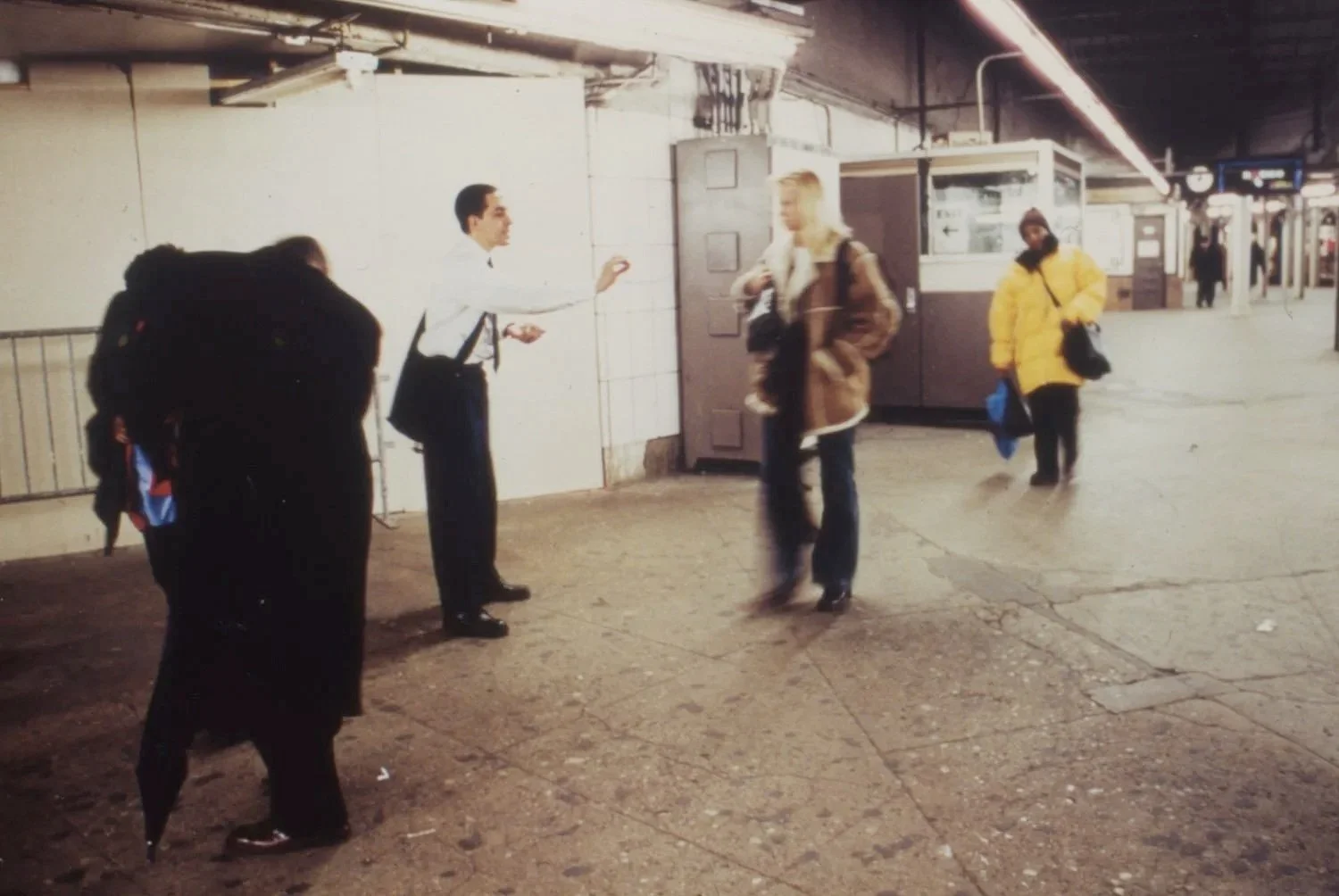
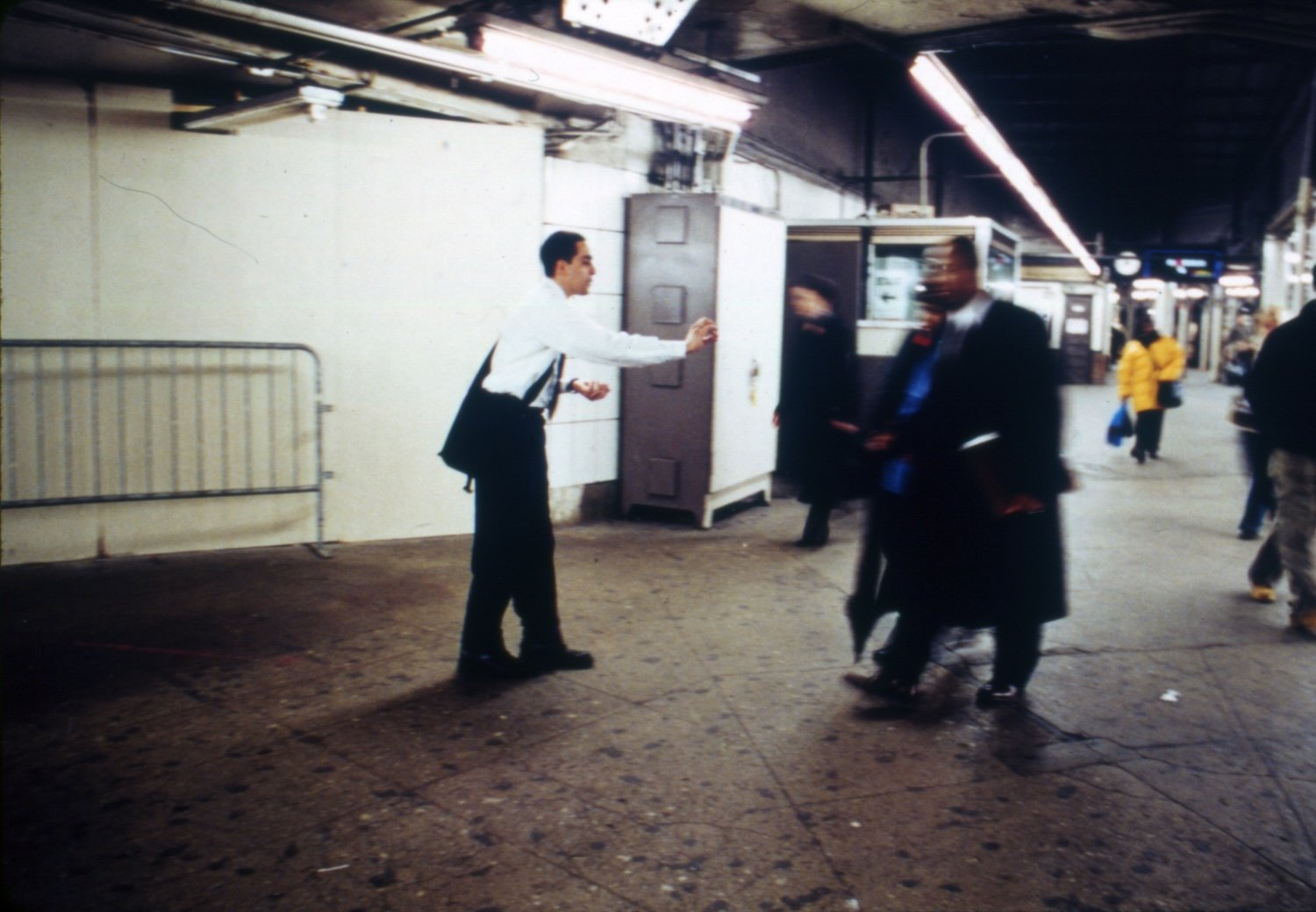
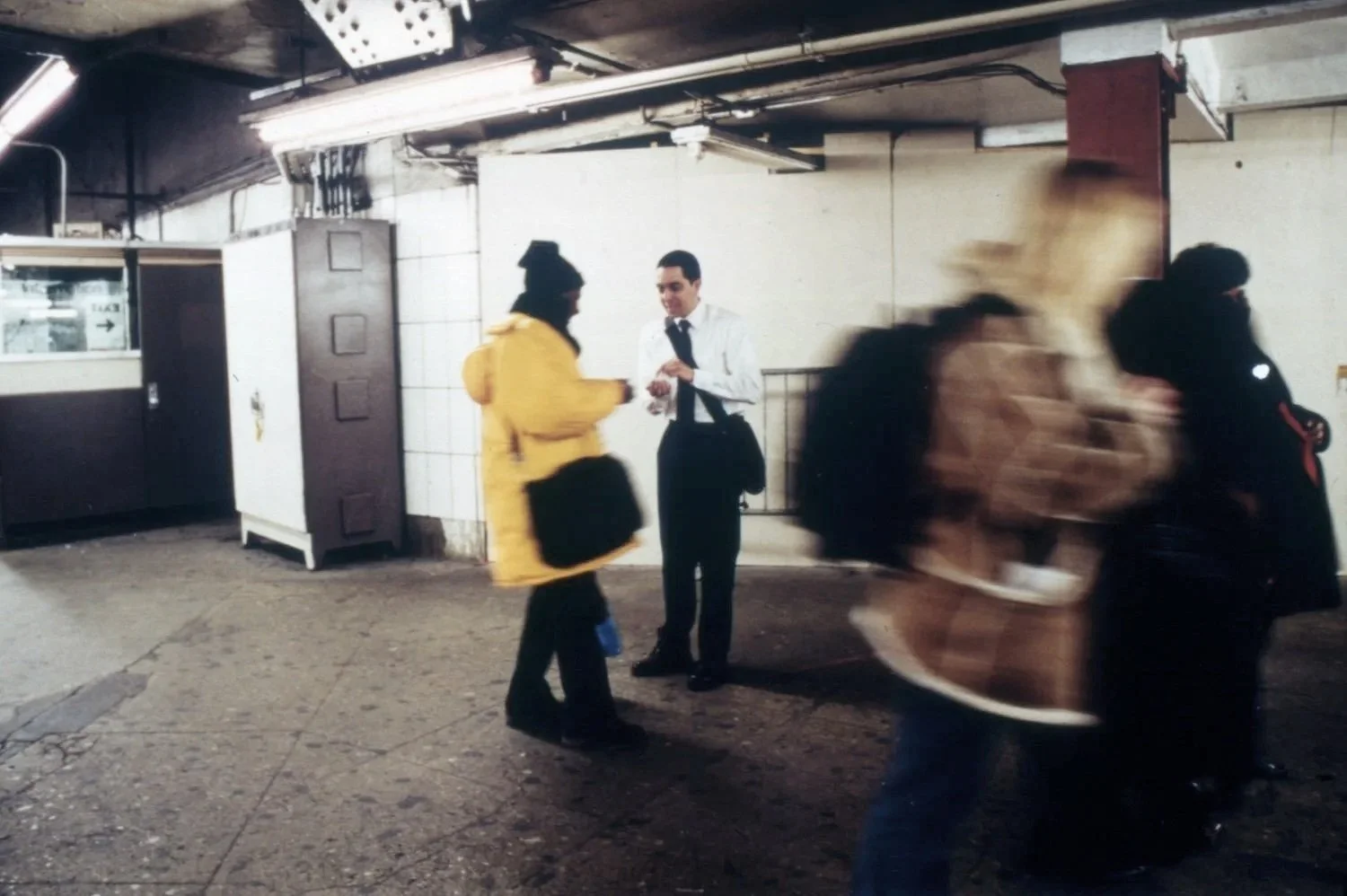
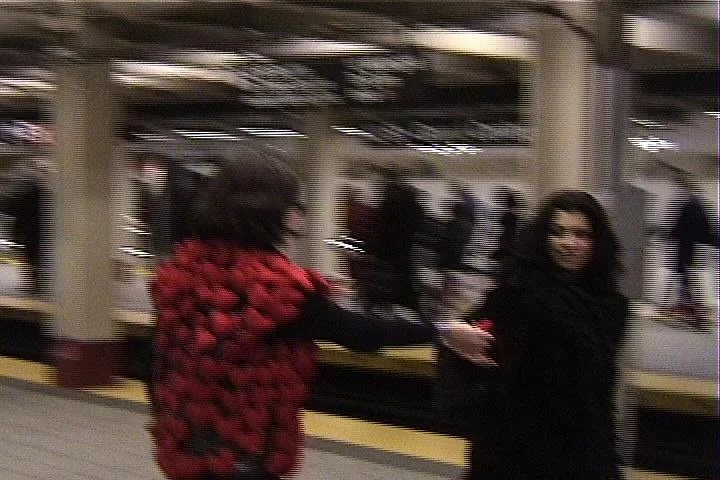
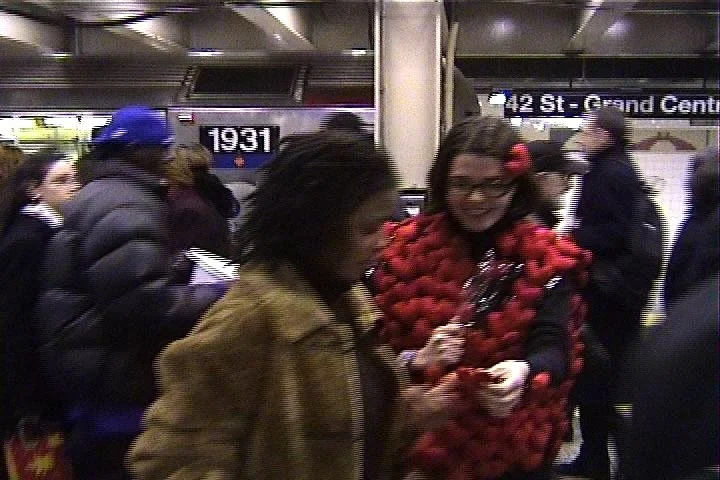
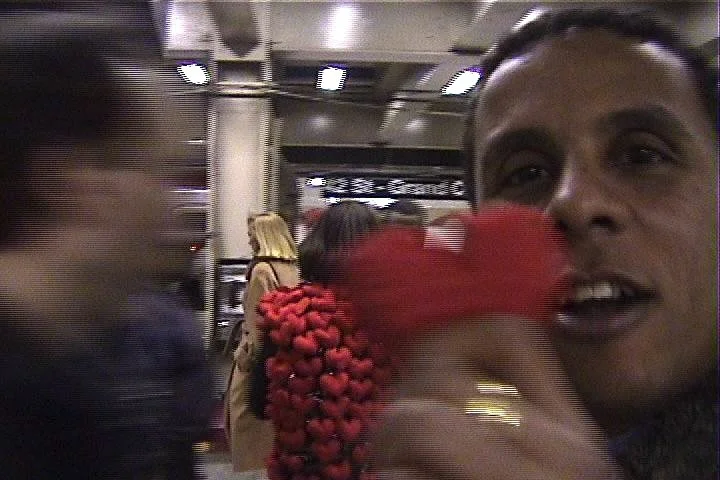
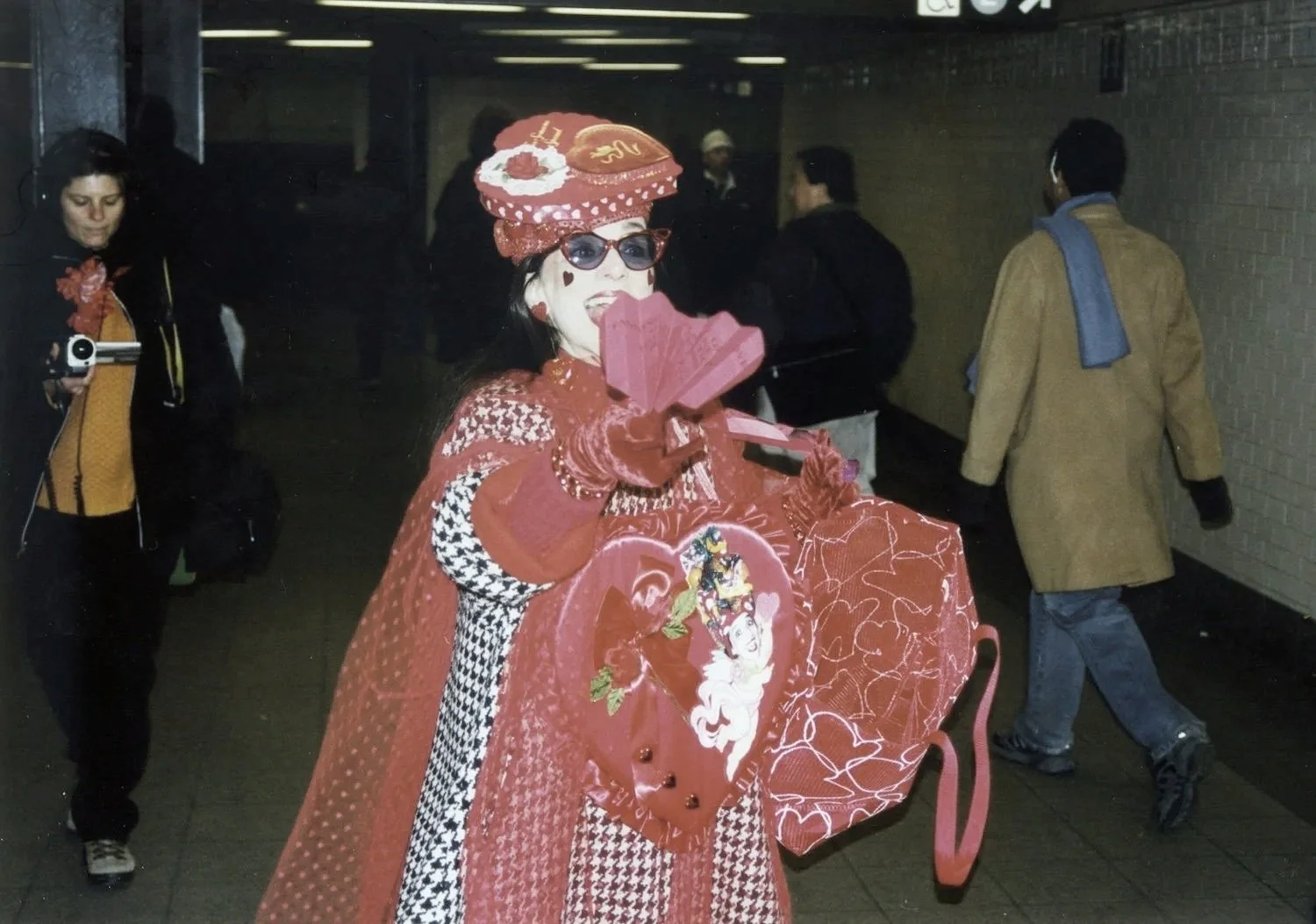
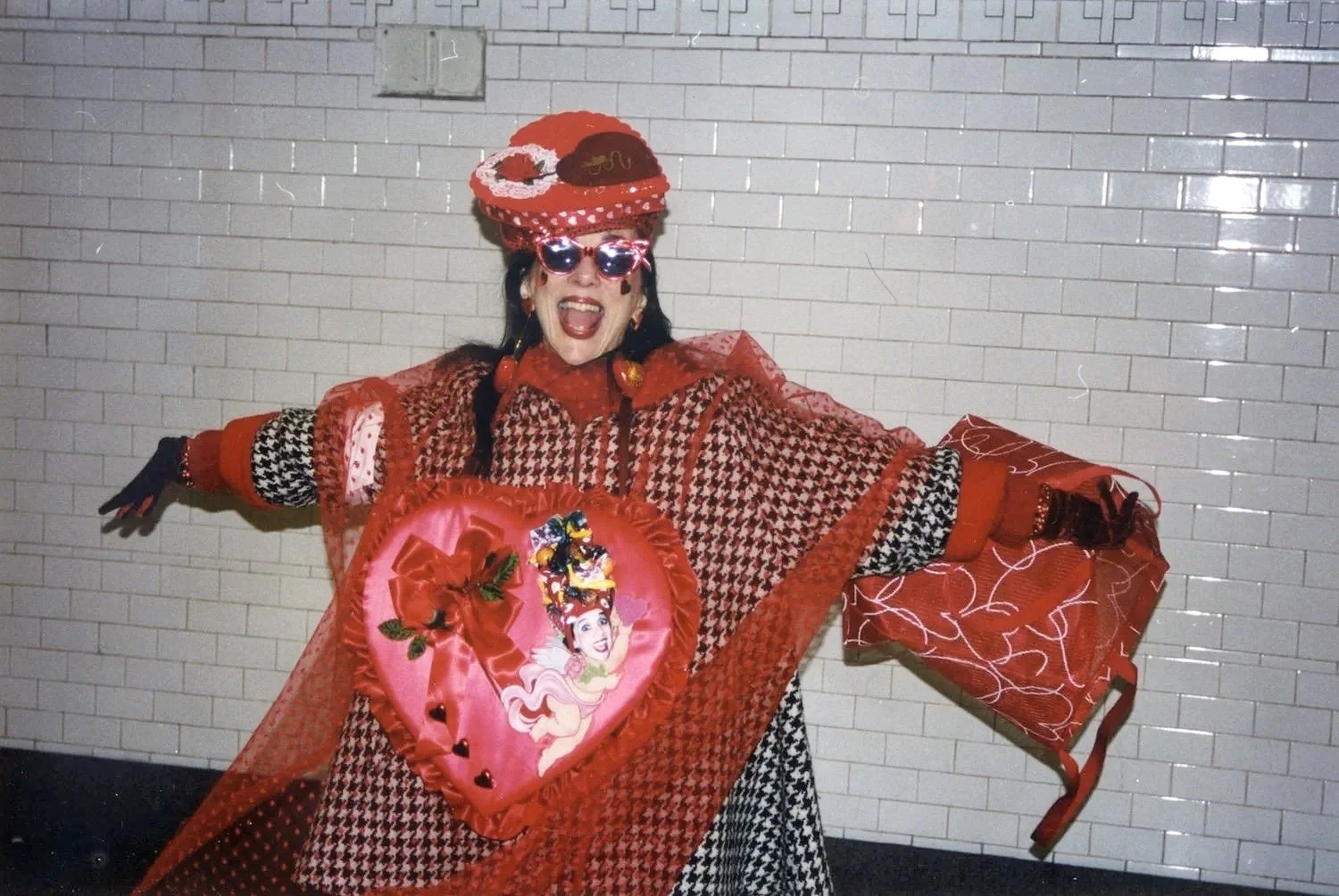
This coming Valentine’s Day The Love a Commuter Project promises to love thousands of New York City subway commuters. The Love a Commuter Project" is a site-specific intervention launched by artists Nicolás Dumit Estévez and María Alós on February 14, 2001 at the Grand Central Terminal and Times Square subway stations in New York City. Over six hundred and fifty tokens of  affection, consisting of  "I Love You" notes and 'heart-flowers’ were distributed by the artists free-of-charge to those traveling during the holiday. This ephemeral piece allowed subway riders to share a quick moment of intimacy with the performers in a space deemed as functional and impersonal. This year the reach of The Love a Commuter Project will expand. For  additional information about The Love a Commuter Project or to find out about the subway station near you where you can be loved, please contact us/

february 14, 2002: HUNDREDS WERE LOVED / This past Valentine's Day Nicolás Dumit Estévez and María Alós loved over 500 New York City subway commuters

This coming Valentine's Day, with your help, the artists will expand the reach of The Love a Commuter Project to other additional subway stations. For this purpose, they would like to invite you to propose an intervention or action of your own to be developed and performed at a site of your choice. A ‘How to Love a Commuter’ training session will be facilitated prior to the program. All of the interventions will be documented by video, slides or photographs. Please keep in mind that because of its interactive nature and the day selected for its presentation, this project will most likely comment on the City's current state of affairs. Remember also that the interventions will take place in a space of endless opportunities for social and cultural convergence.

This 2002 chapter of this project was partially supported by Artists Space's Independent Project Grants Program

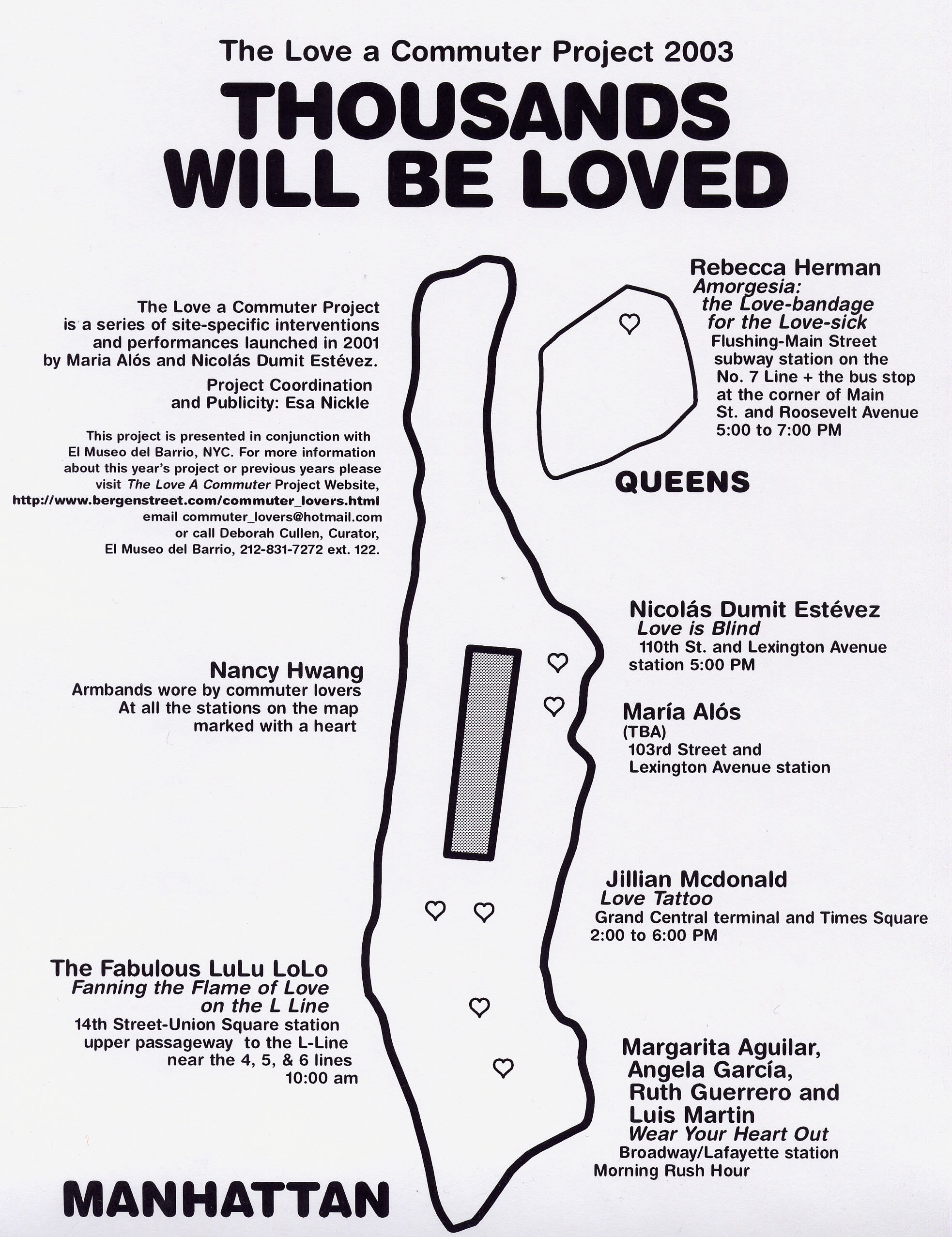
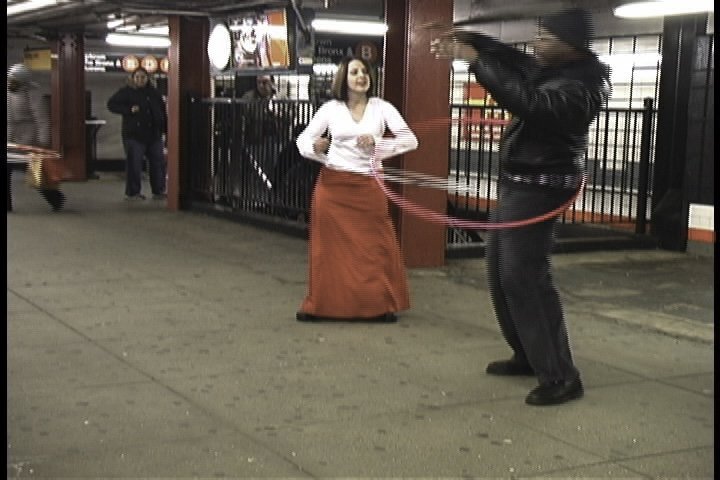
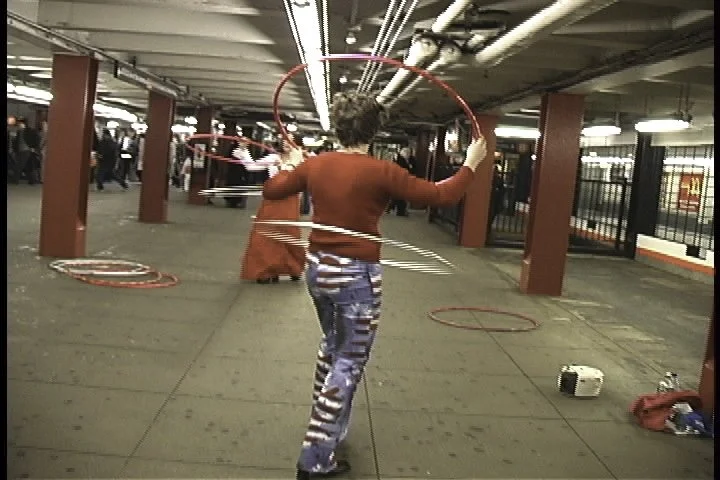
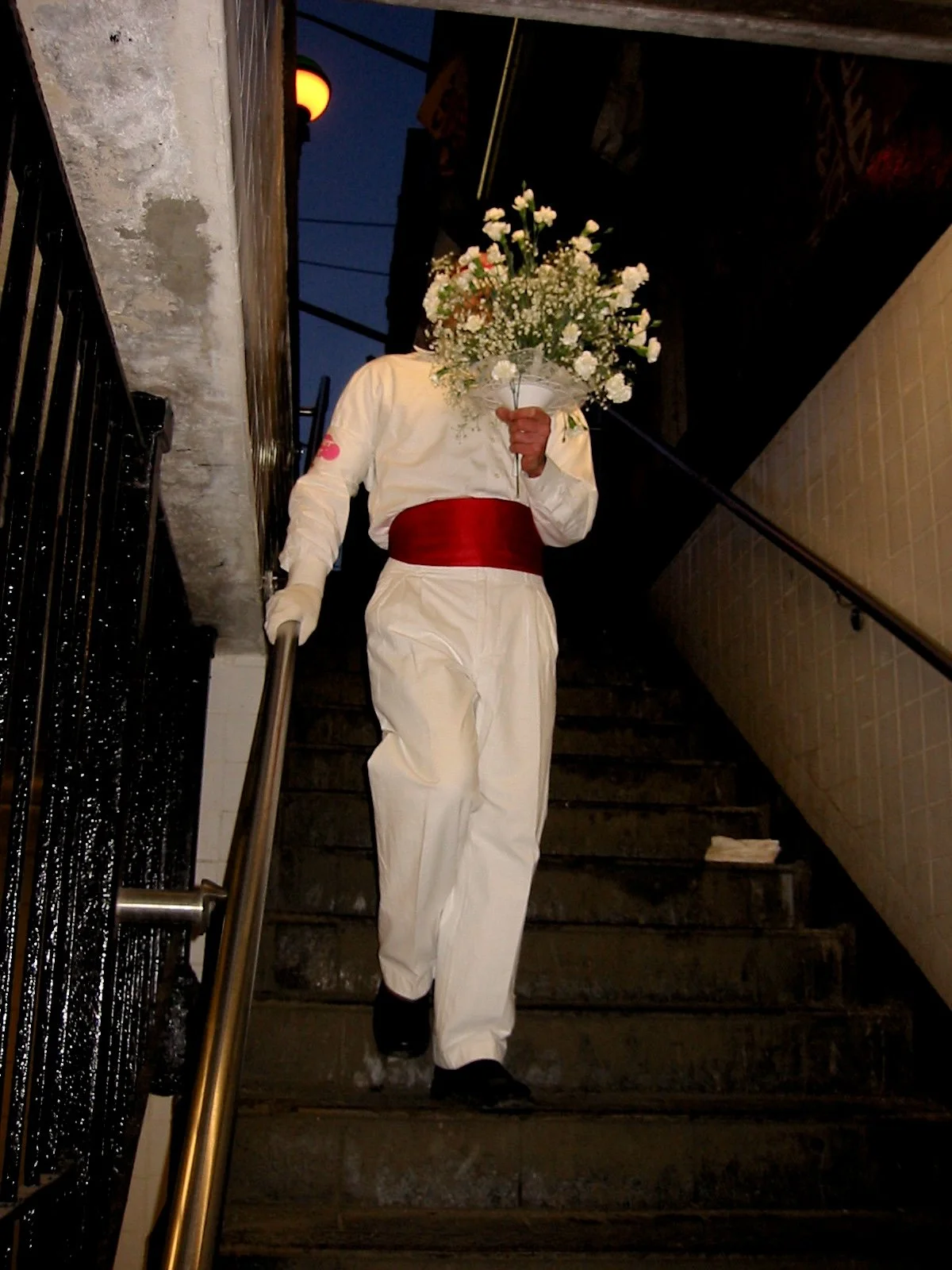
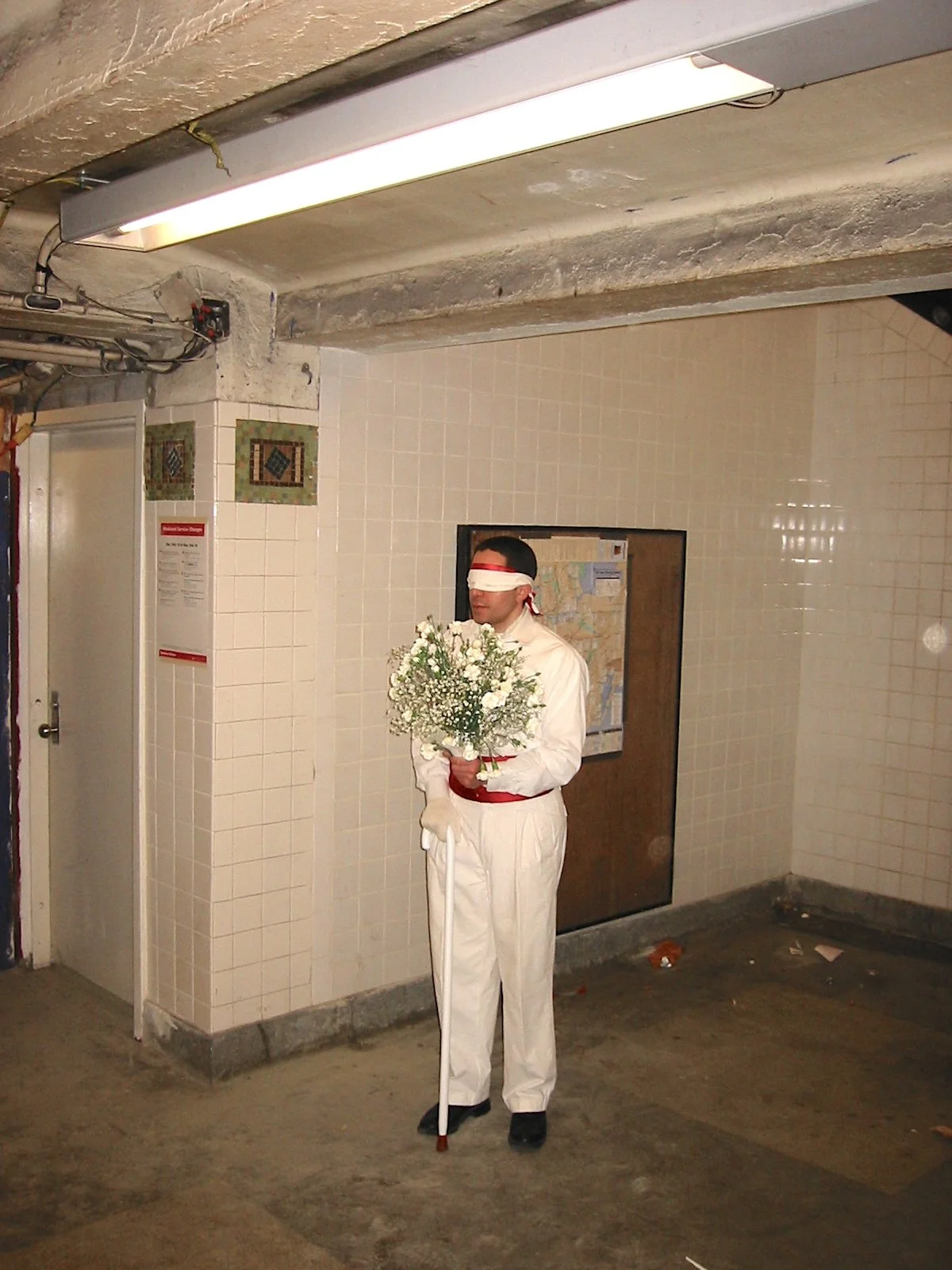
february 14, 2003: all day throughout the New York City subway system /The Love a Commuter Project - Thousands Will Be Loved

We've all heard about the singles who congregate in the front car of the subway in search of love and we know what an emotional roller-coaster of a year it's been for commuters within the 5 boroughs. At last the artists turned commuter lovers for a day are back again with The Love a Commuter Project 2003. Thousands of unsuspecting commuters will find themselves loved at various subway stations throughout New York City on Valentine’s Day, 2003. For the third annual Love a Commuter Project, artists will distribute tokens of love and activate Valentine’s Day performances in the New York City Subway system. Led by multi-disciplinary artists María Alós and Nicolás Dumit Estévez, other participating artists will surprise Valentine’s Day commuters with actions and gifts that evoke the true spirit of love in New York.  Highlights will include Nicolás Dumit Estévez descending blindfolded into the 110th and Lexington station distributing roses at 5 pm, Lulu LoLo and her 214 Fans of Love at Union Square at 10 am, Love Tattoos by Jillian McDonald at Grand Central Station from 2-6 pm and Love Bandages in Flushing Queens Main Street Station by the No. 7 line from 5 -7 pm by Rebecca Hermann. Look for love at your nearest subway station. Commuter Lovers may be identified by the armbands that Nancy Whang has created for the project

The 2003 version of this project is presented conjunction with El Museo del Barrio’s Biennial

Given the considerable amount of materials that we are processing, this specific part of the archive is in progress. If you were one of the artists who participated, please contact Nicolás Dumit Estévez by clicking HERE, with information regarding your project or with any files pertaining to images images that we might be missing here. Thank you.

To go back to El Reguero/Archives menu, click HERE
 

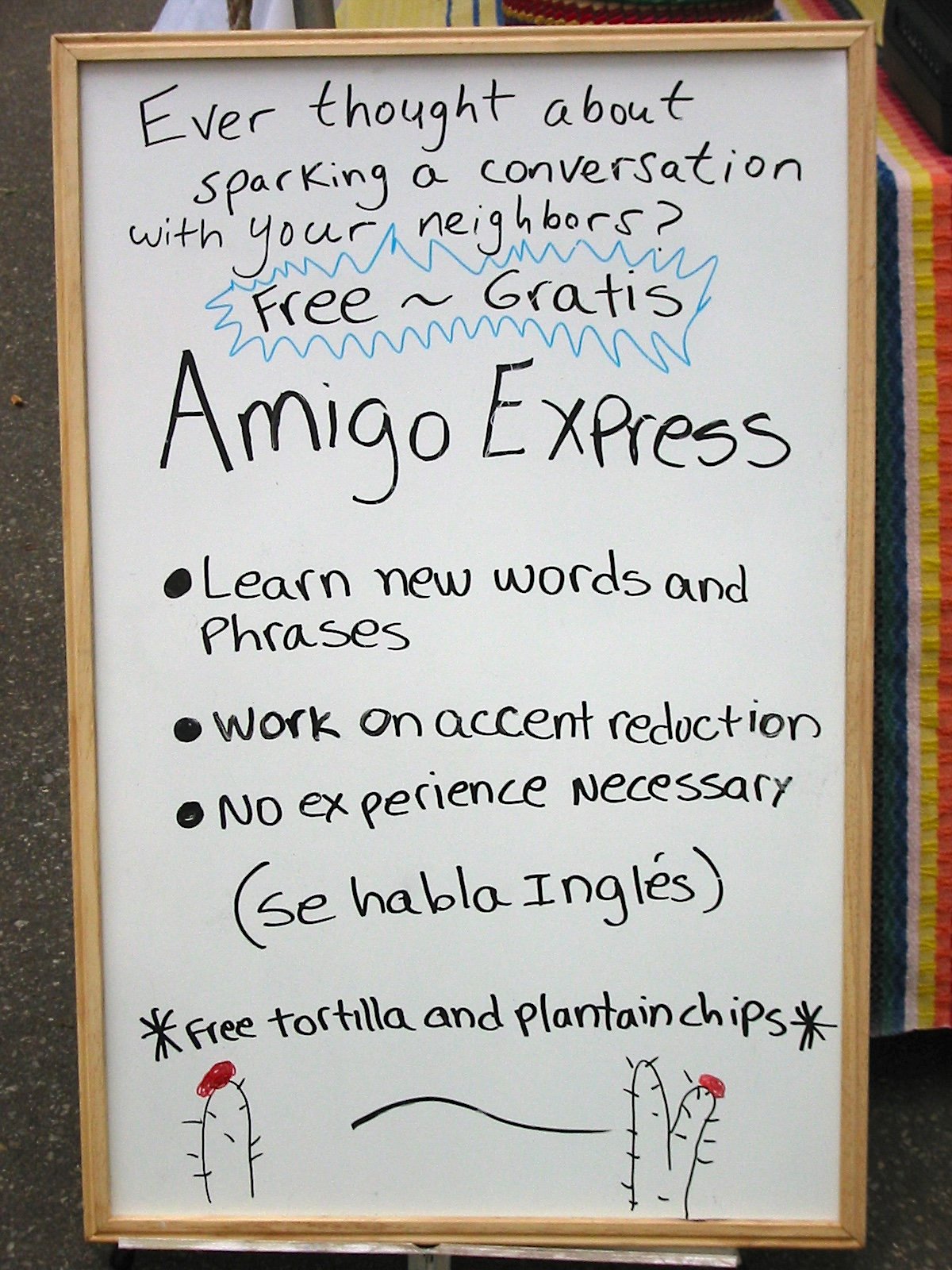
Amigo Express


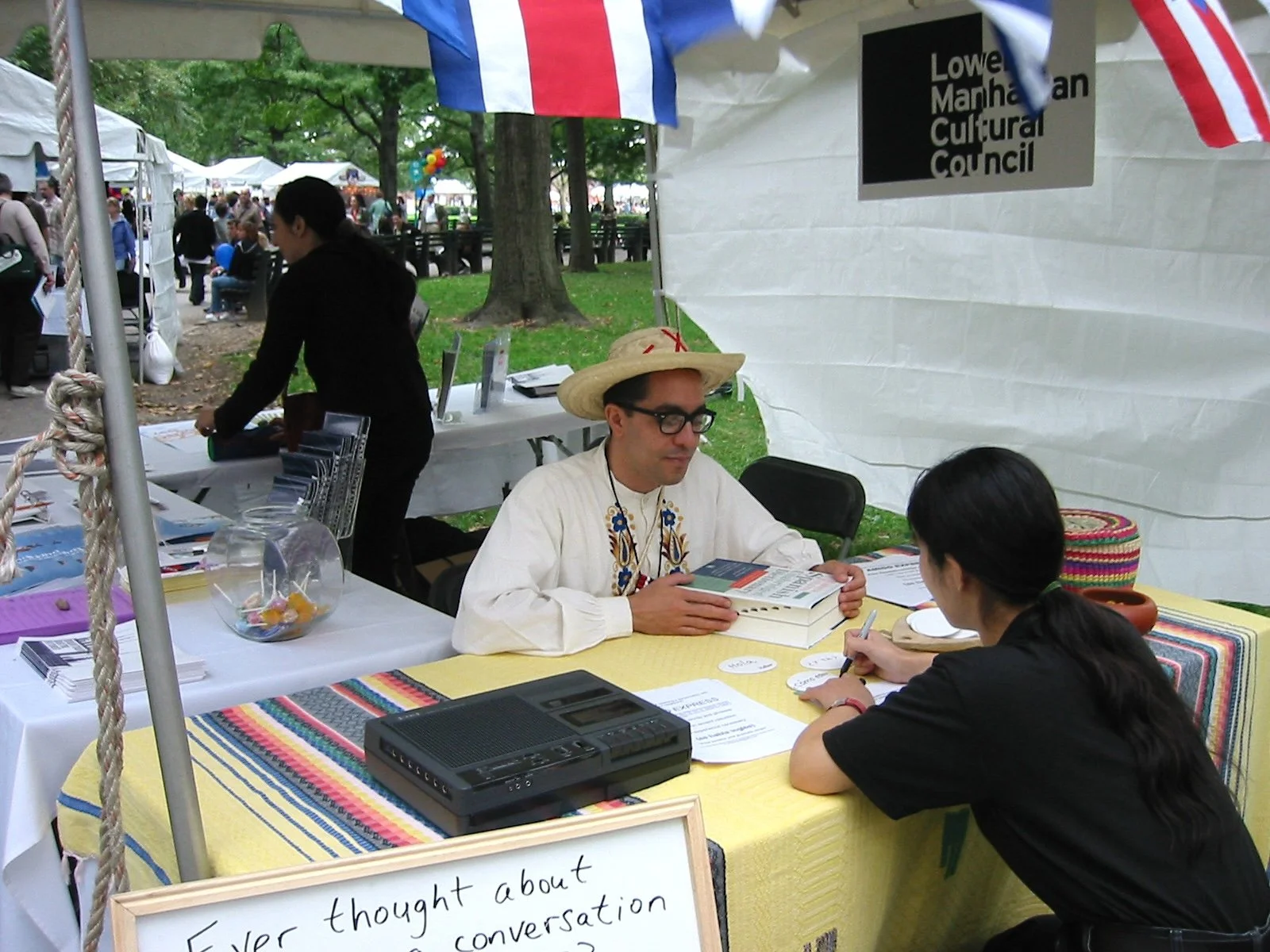
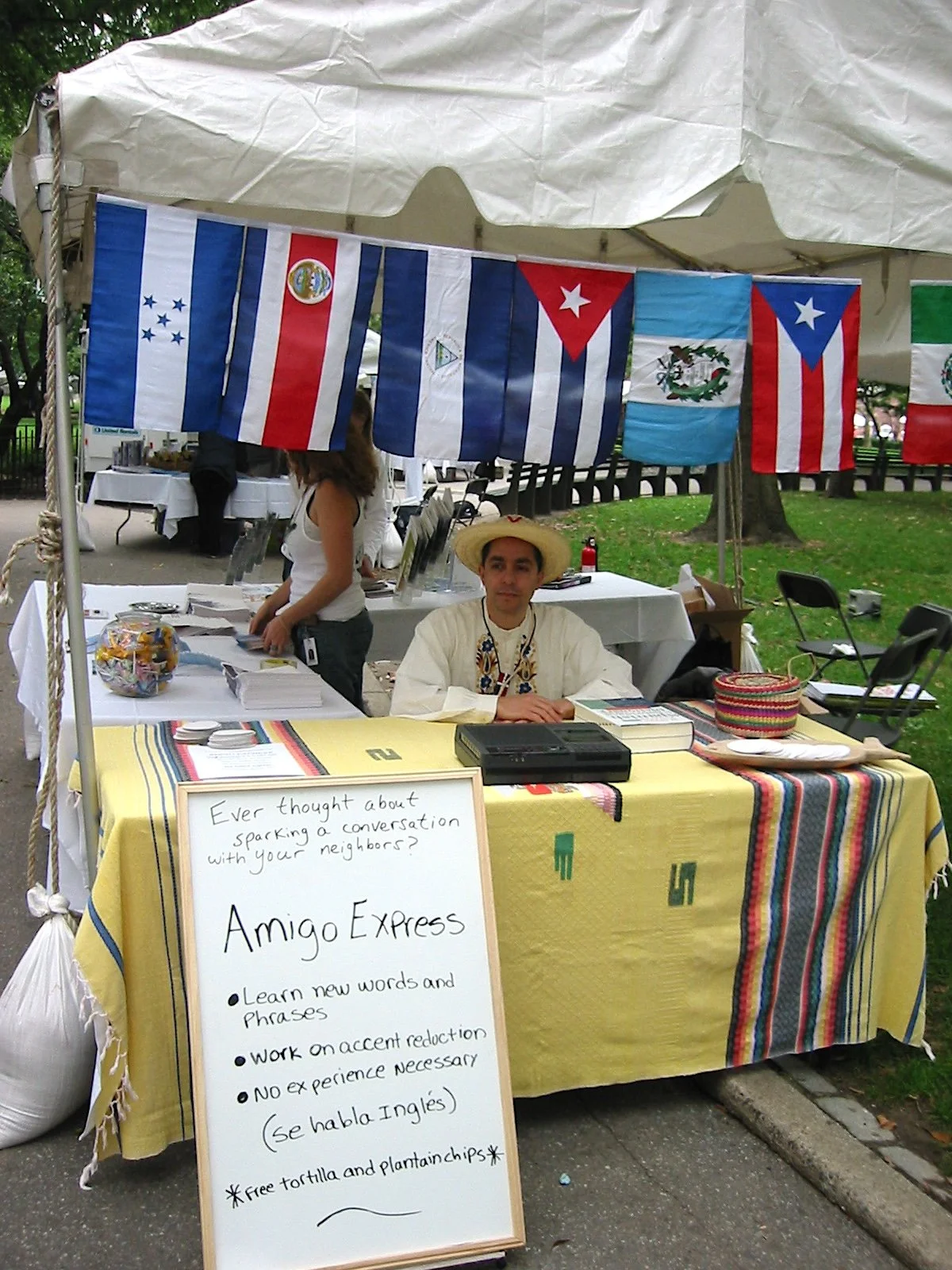
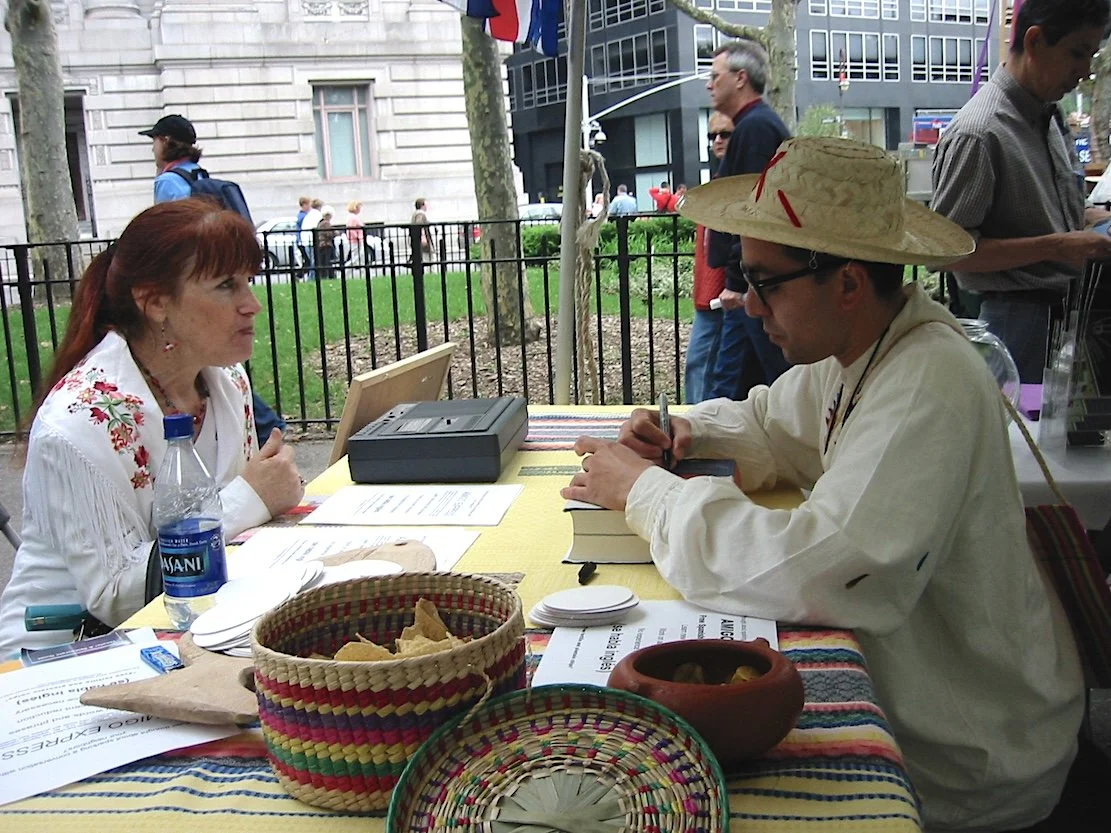
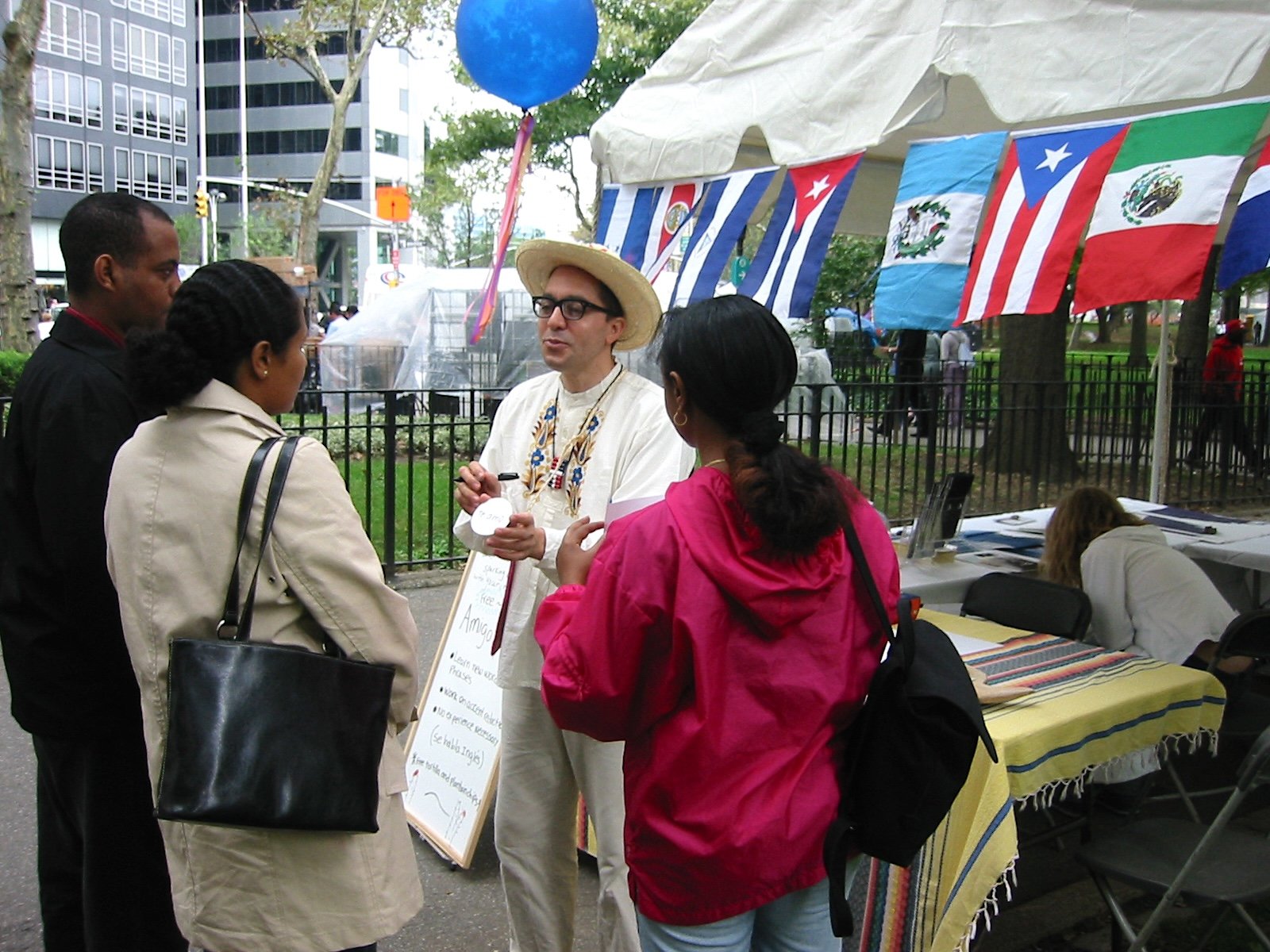
Amigo Express is an itinerant, one-person language institute that offers free Spanish instruction at selected public locations within the U.S. No experience necessary. Participants may spend time learning new words and phrases from scratch or work one-on-one on accent reduction. All interactions are archived on the spot by way of a tape recorder.

 Presented with Lower Manhattan Cultural Council, and Peekskill Project


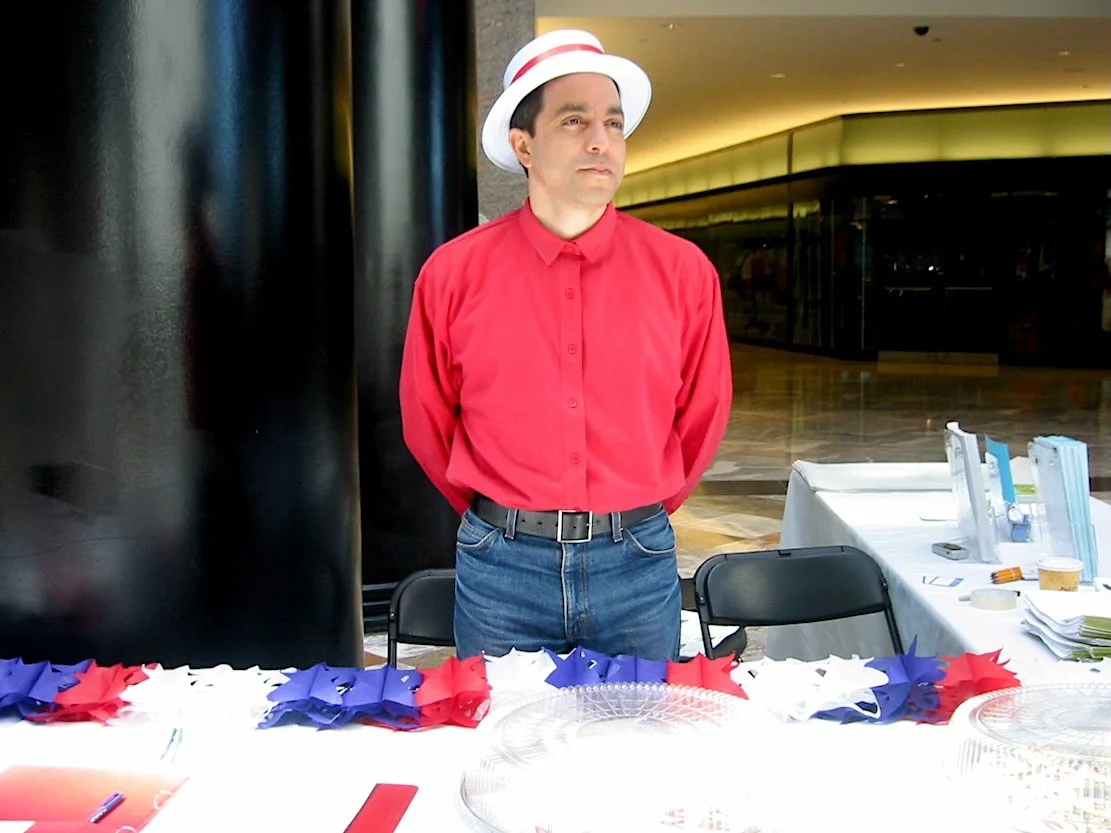
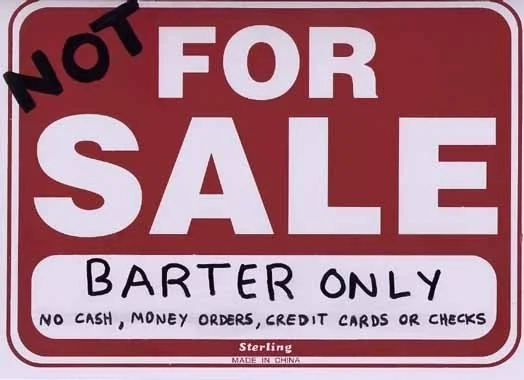
Not for Sale


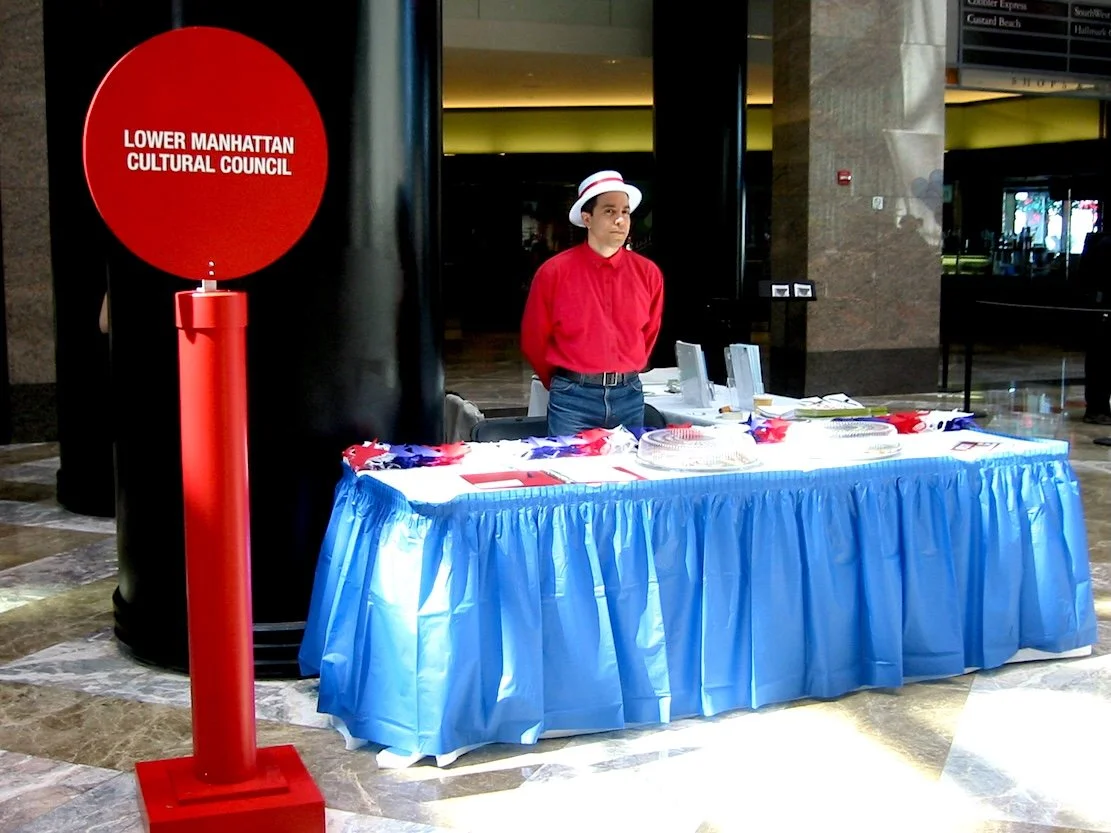
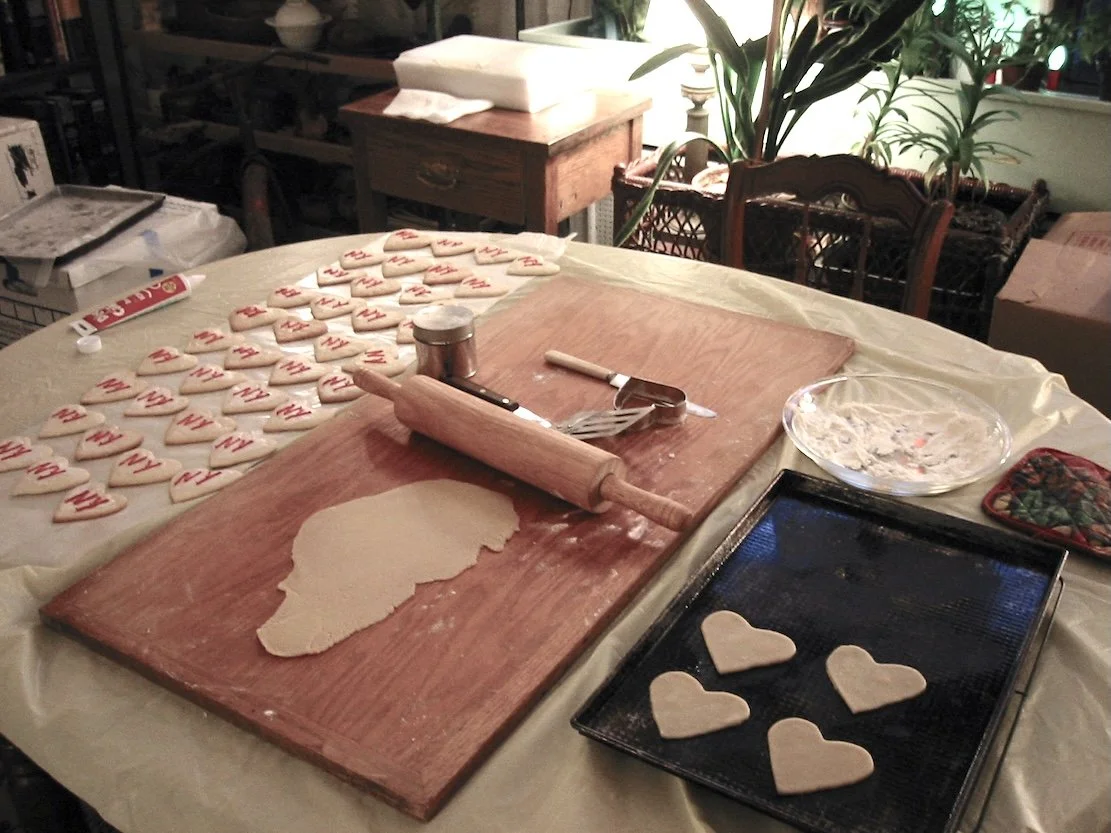
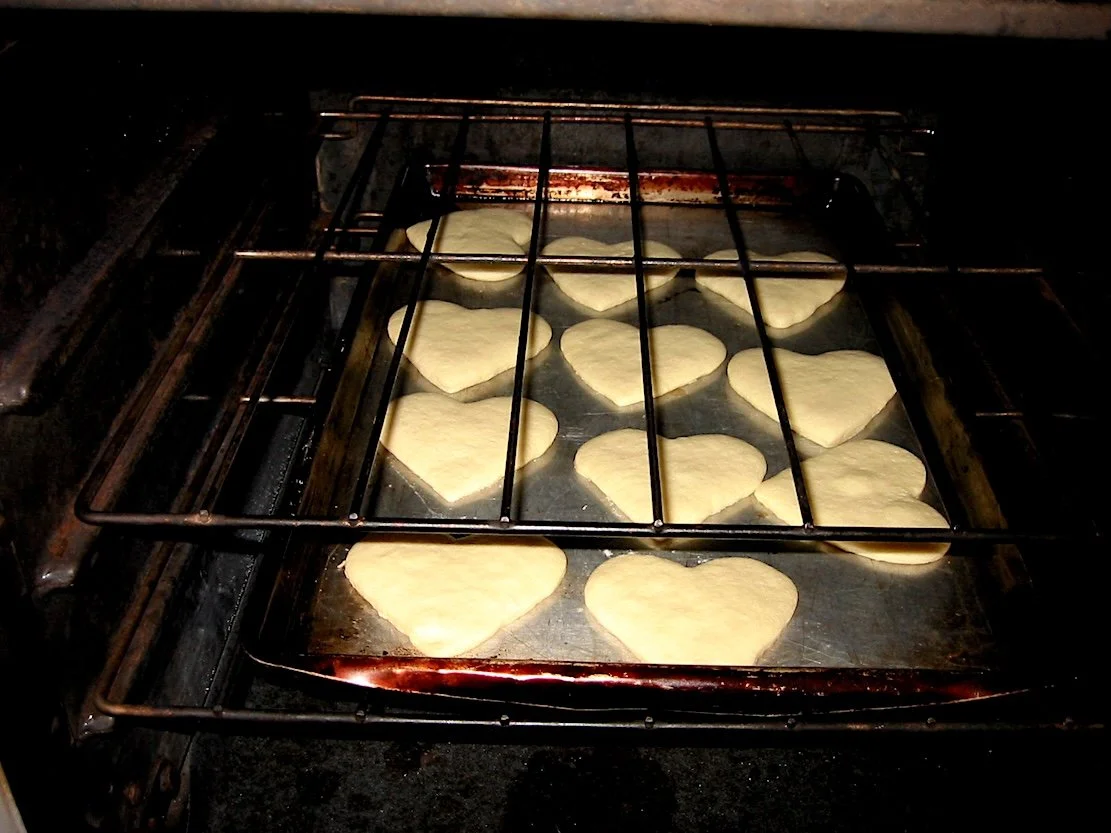
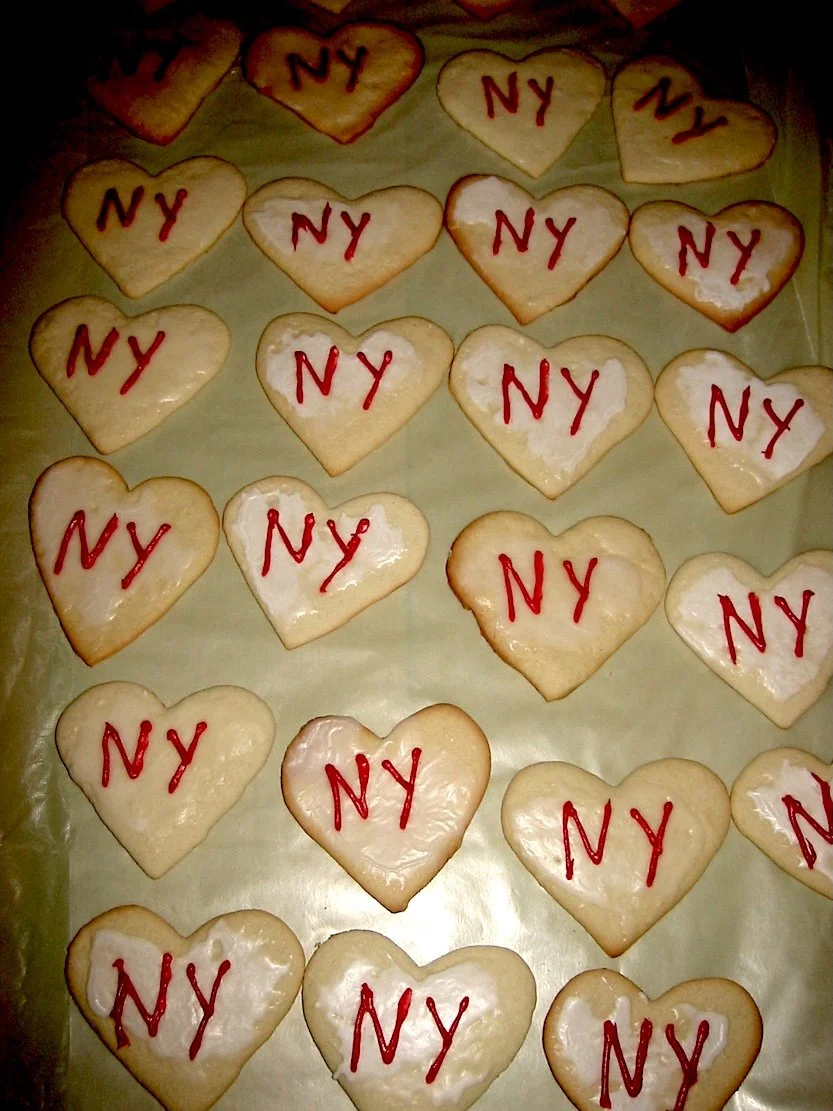
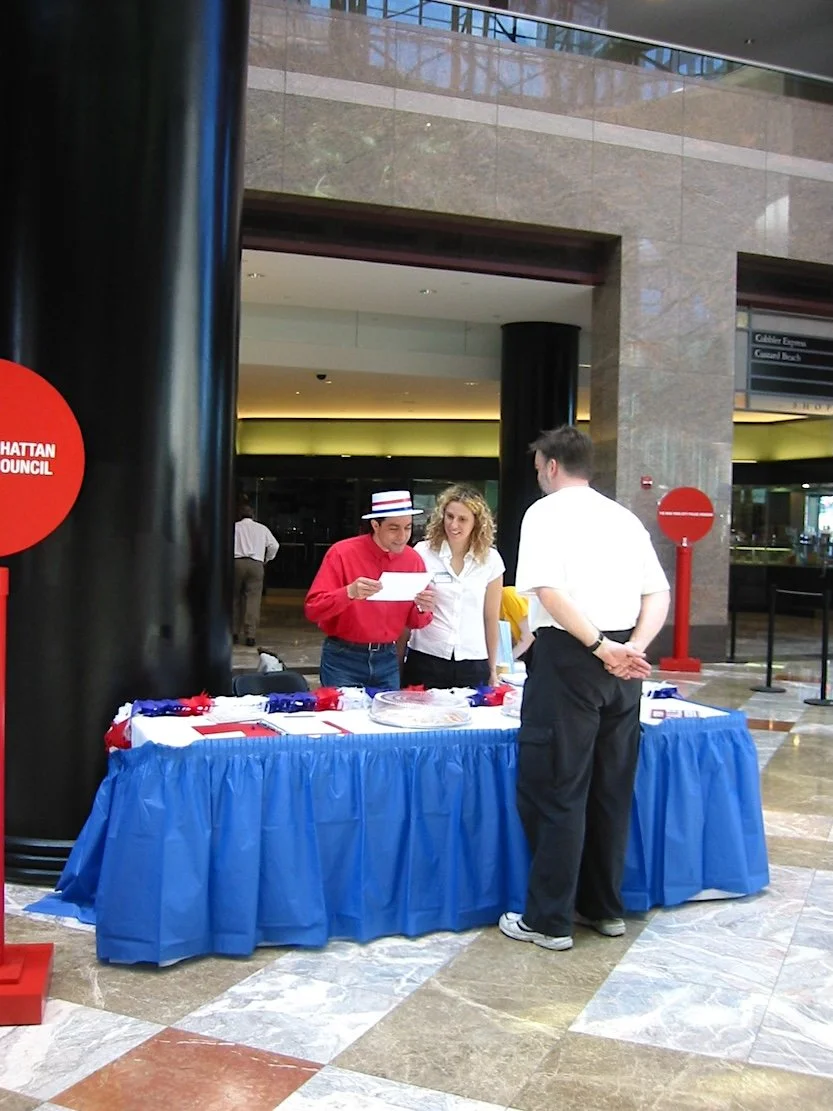
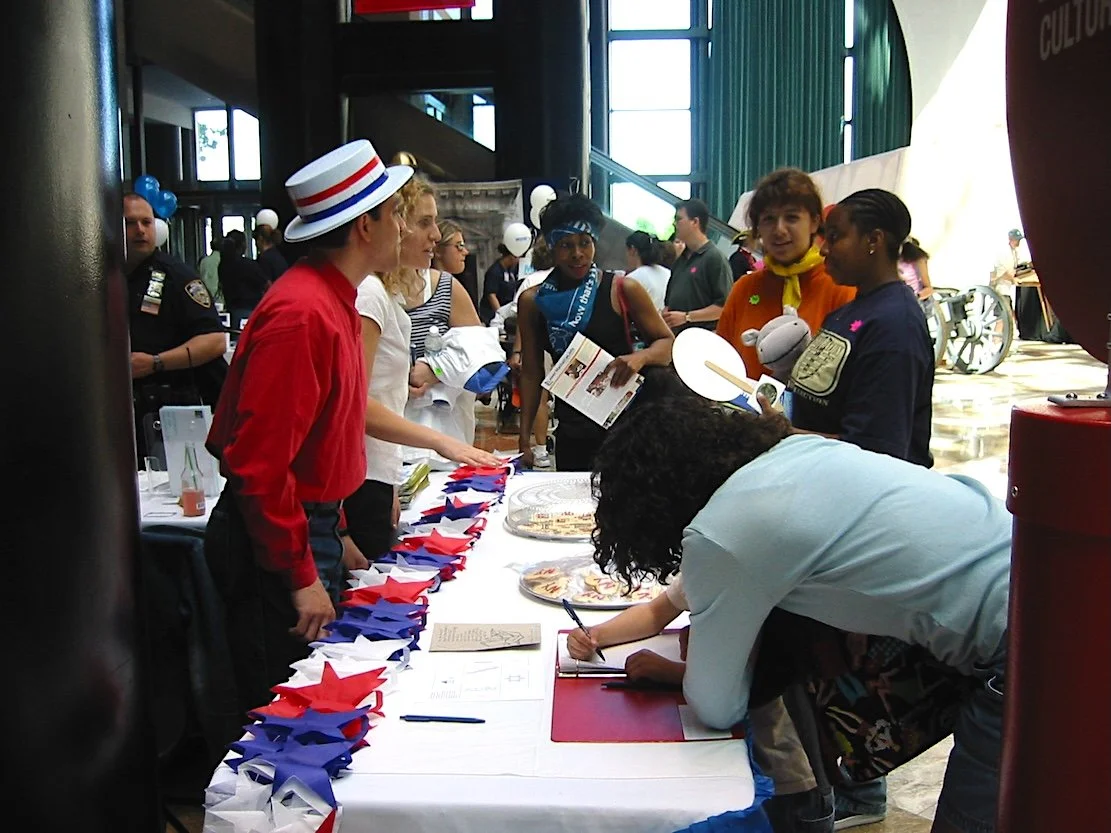
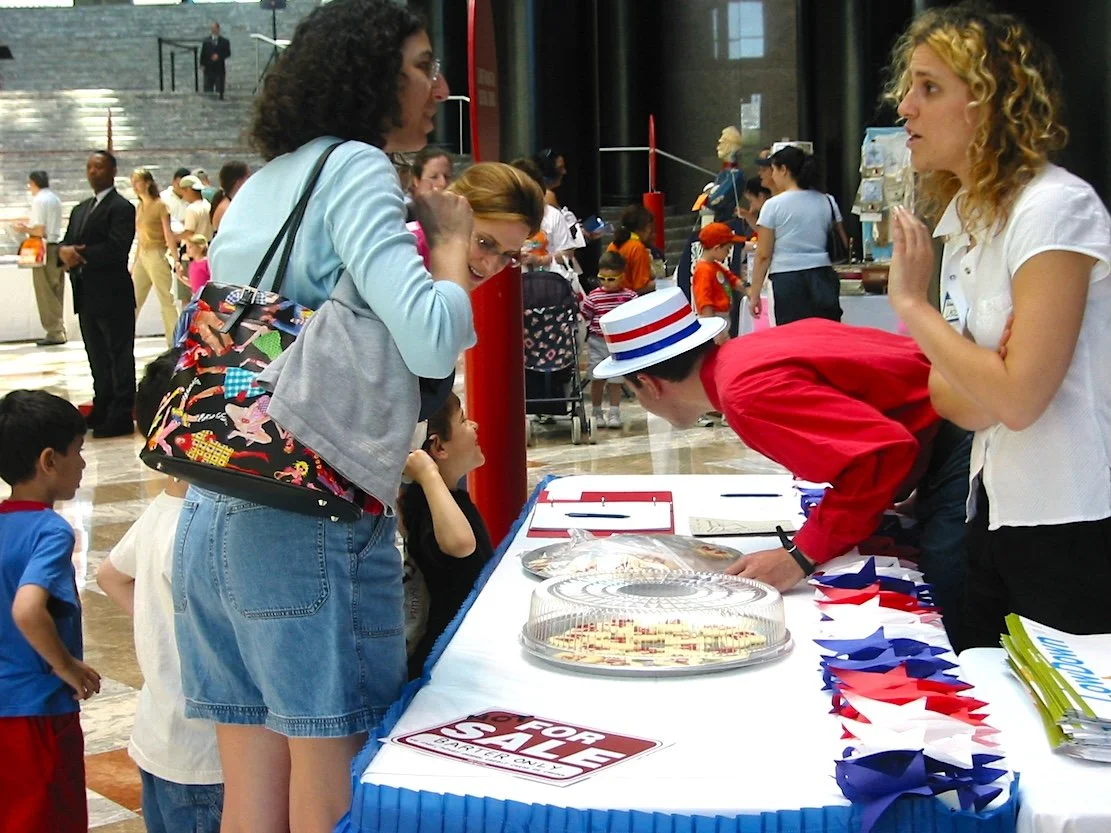
I set up a red, white and blue souvenir stand inviting visitors to CultureFest 2003 to barter something of their own choosing (material or immaterial) for a homemade, heart-shaped cookie with the initials NY spelled out with frosting. A ledger records the transactions. No cash, checks or credit cards accepted.

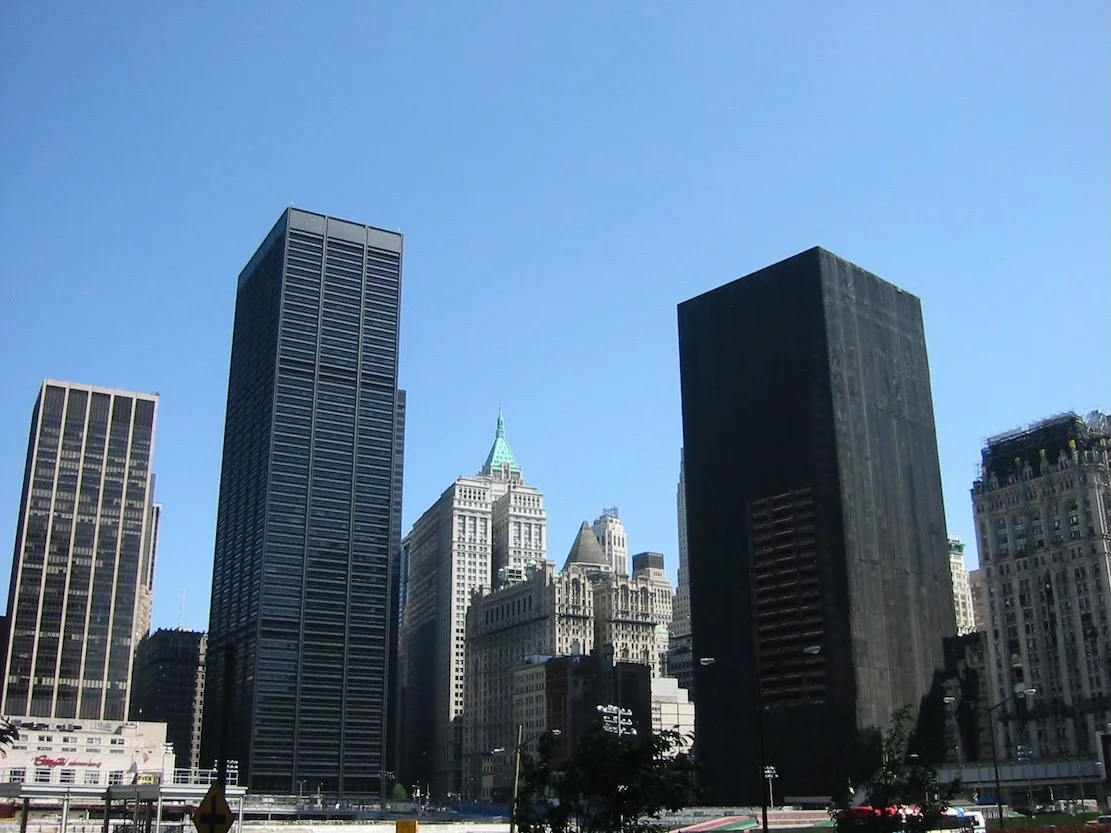
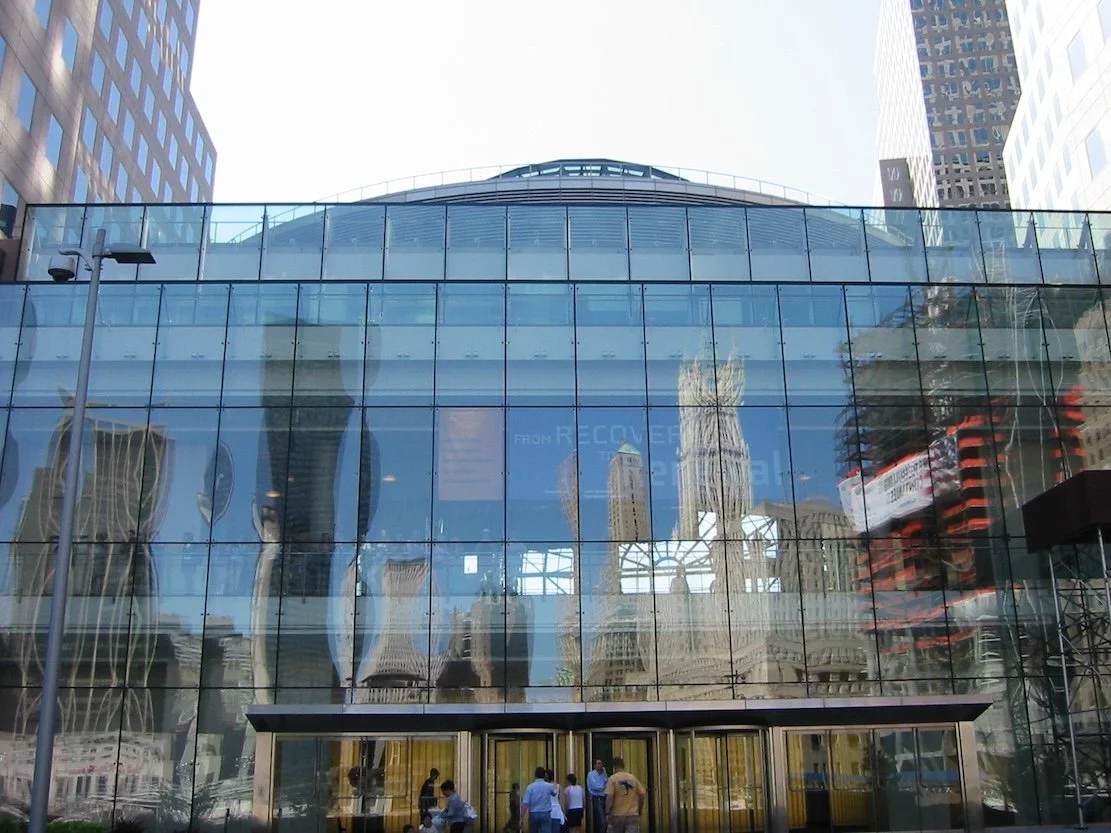
Presented with Lower Manhattan Cultural Council at the World Trade Center Winter Garden

To go back to El Reguero/Archives menu, click HERE
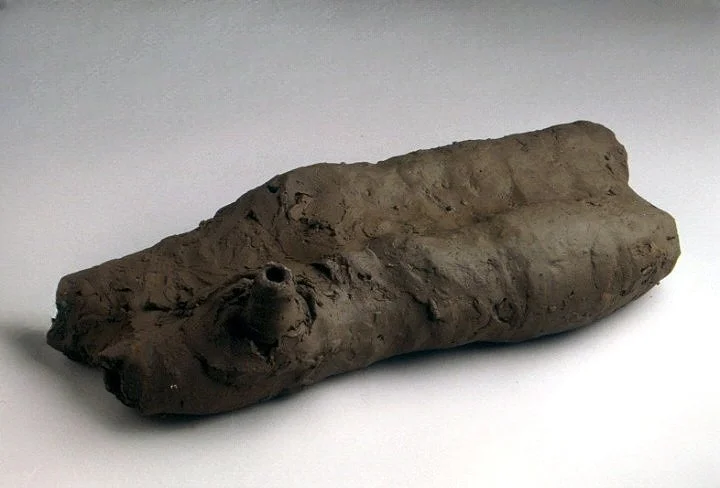
 

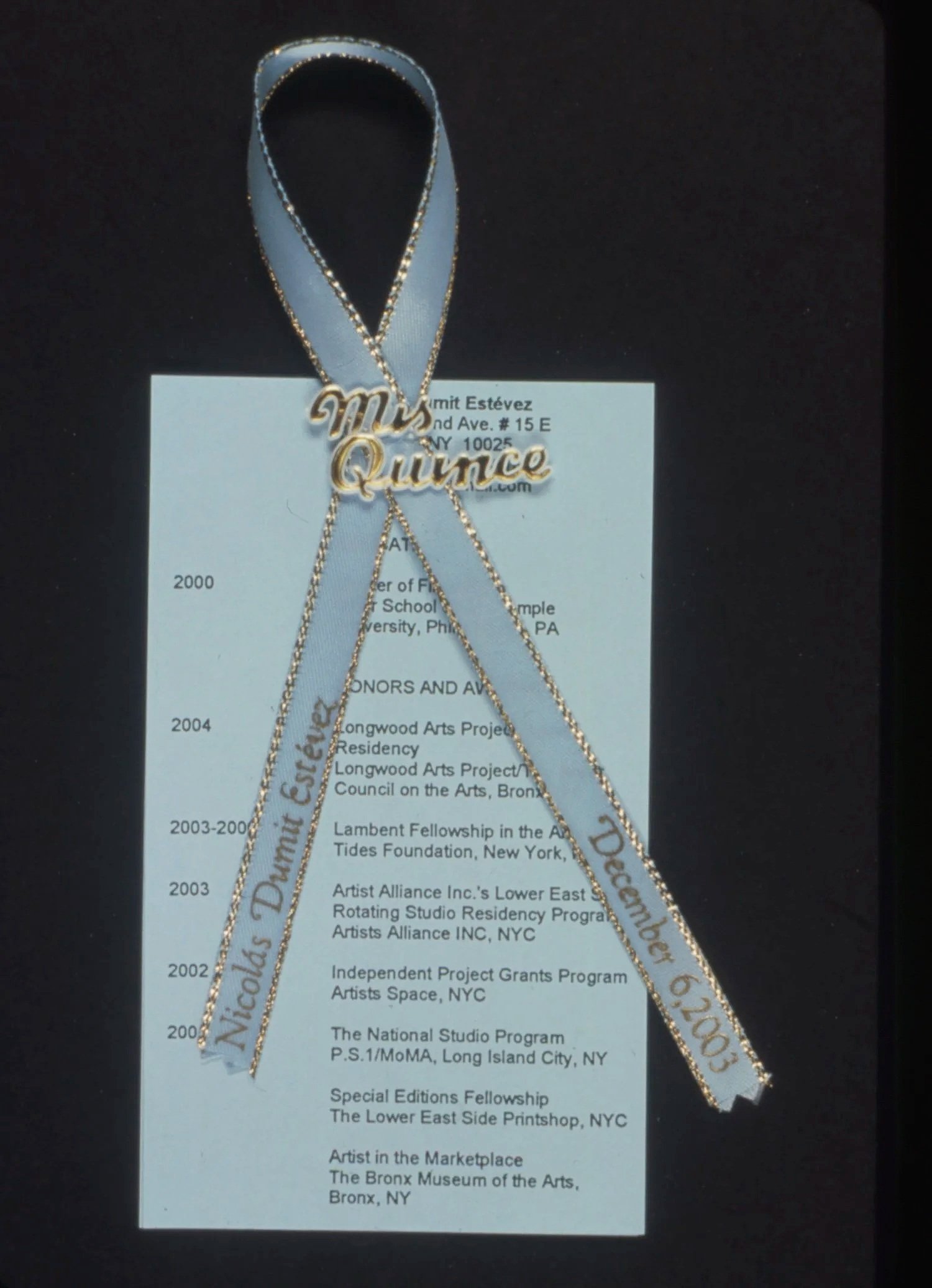
Recuento de mis 15


Formatted as a traditional Latina/x quince años, a coming-of-age ceremony, this piece consists of an exhaustive audio-visual presentation performed collaboratively by an artist, a curator, a gallery coordinator, a flower person, a theramin player, a waiter and group of invited guests.

For this occasion, the gallery space is furnished with a portable projection screen and a lectern where the curator, dressed in black, reviews the development of the debutant’s career. Recuento de mis 15 looks at professional roles and questions the established art world’s (Art Industry’s) methods of validating an artist’s work. Those present are invited to delve simultaneously into the private and the public, the institutional and the personal, and into what might be real and what is being staged. Guests at this event get an inside look at Estévez’s upbringing as well as his education, exhibitions, awards, residencies and rejection letters through a presentation that includes detailed projections of his then five-page resume.

Semi-formal attire was suggested.

Theramin player: Micahel Evans / Flower person: Lina Beltré / Curator: Edwin Ramoran / Special thanks to Carl Eckhoff

Presented at Bronx River Art Center (BRAC)

To go back to El Reguero/Archives menu, click HERE
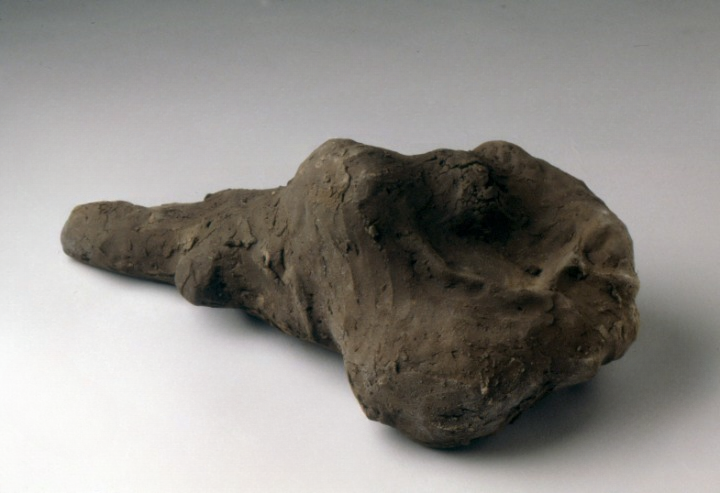
 

Love is Blind


Nicolás Dumit Estévez

CODE RED: Notes on Love is Blind

An intervention developed by Nicolás Dumit Estévez and modified by the New York City Police

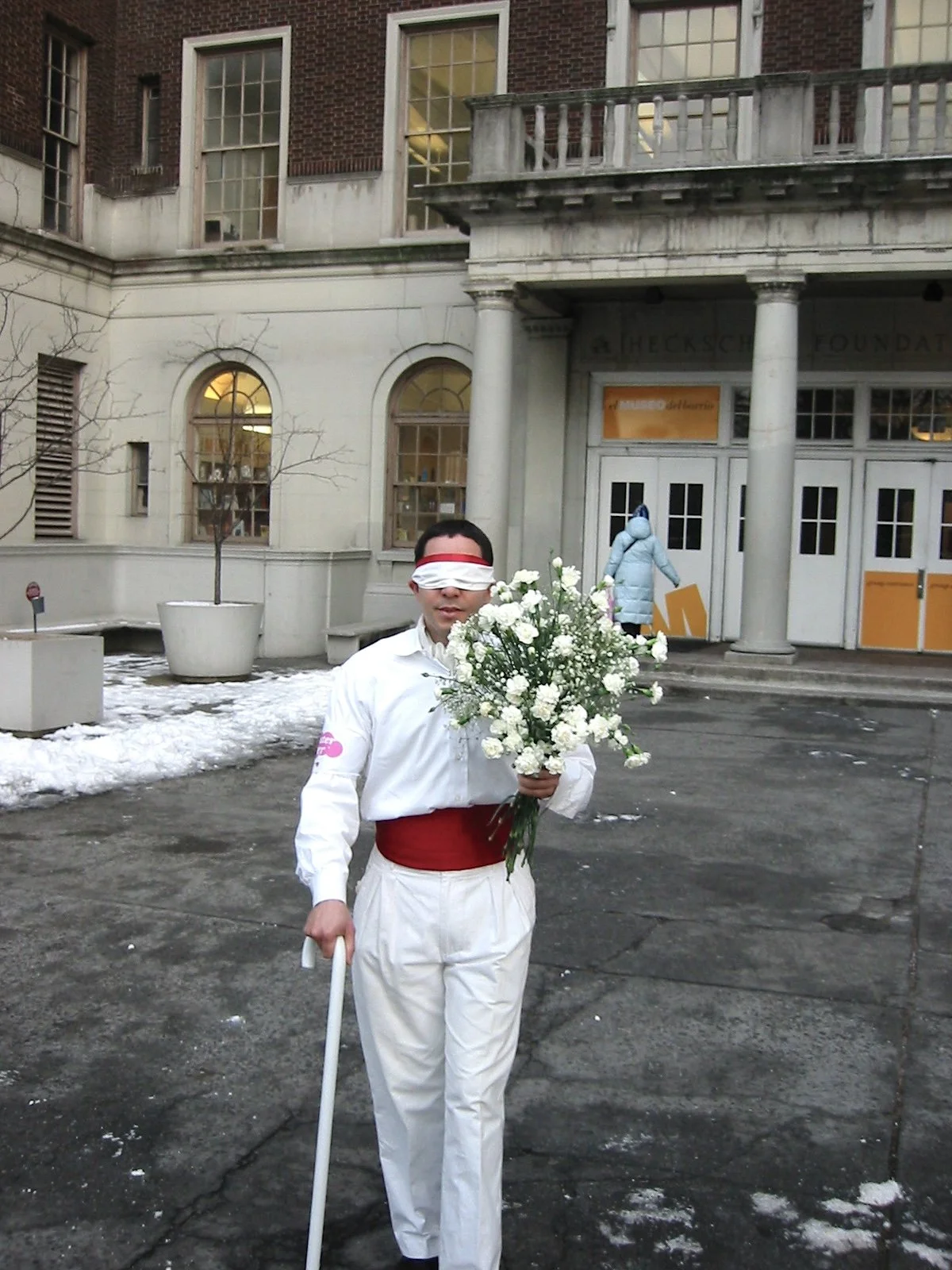
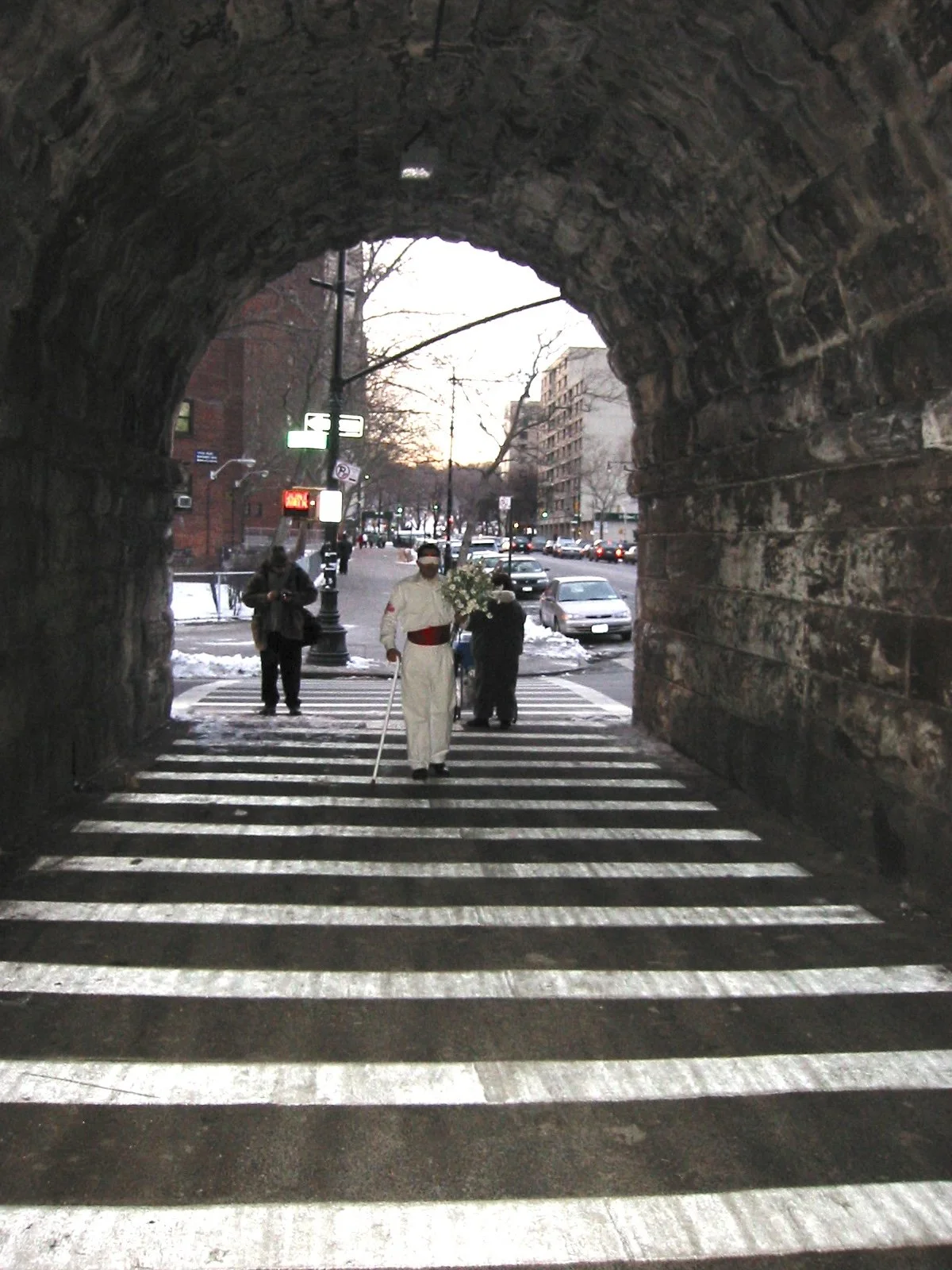
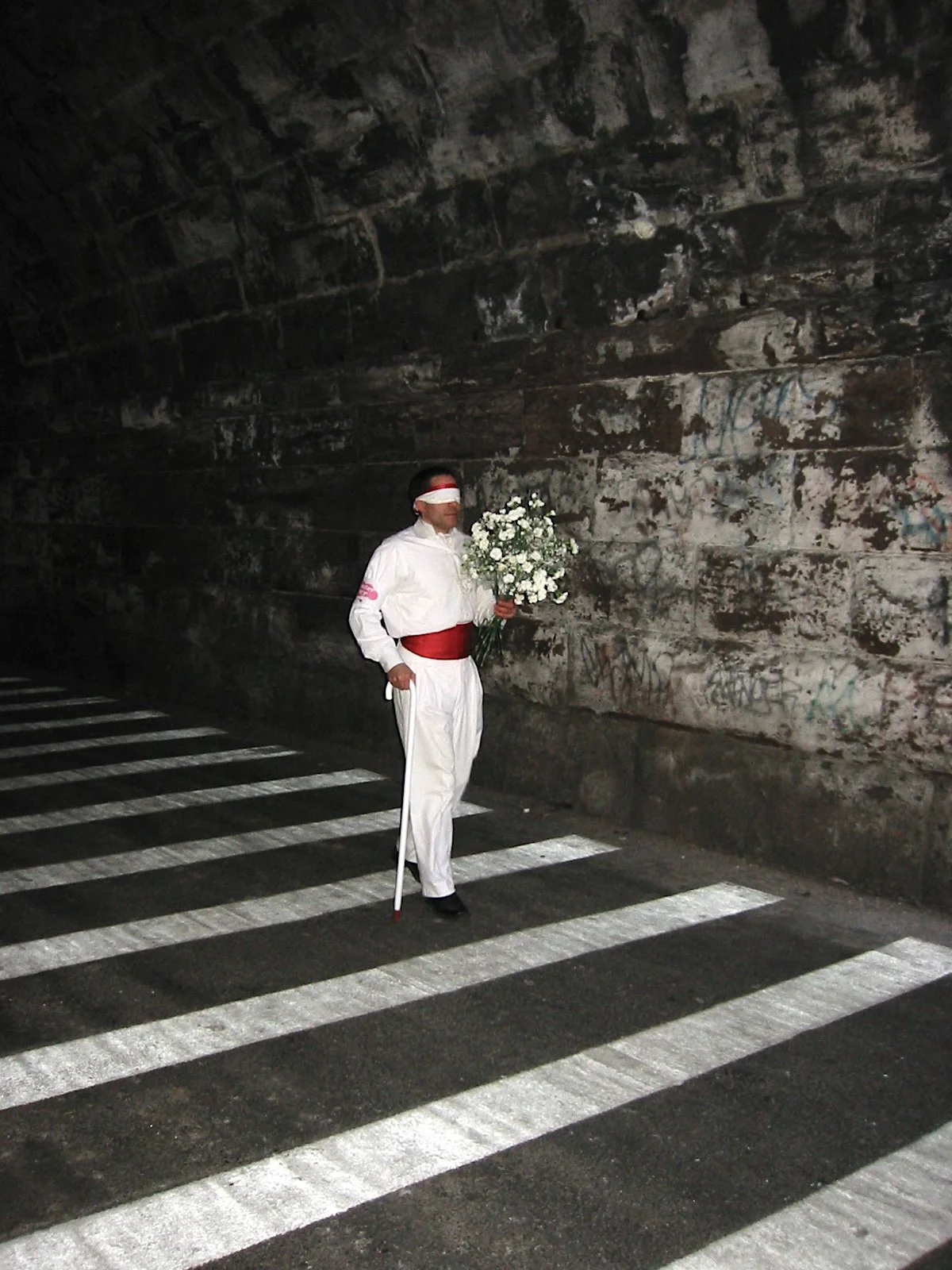
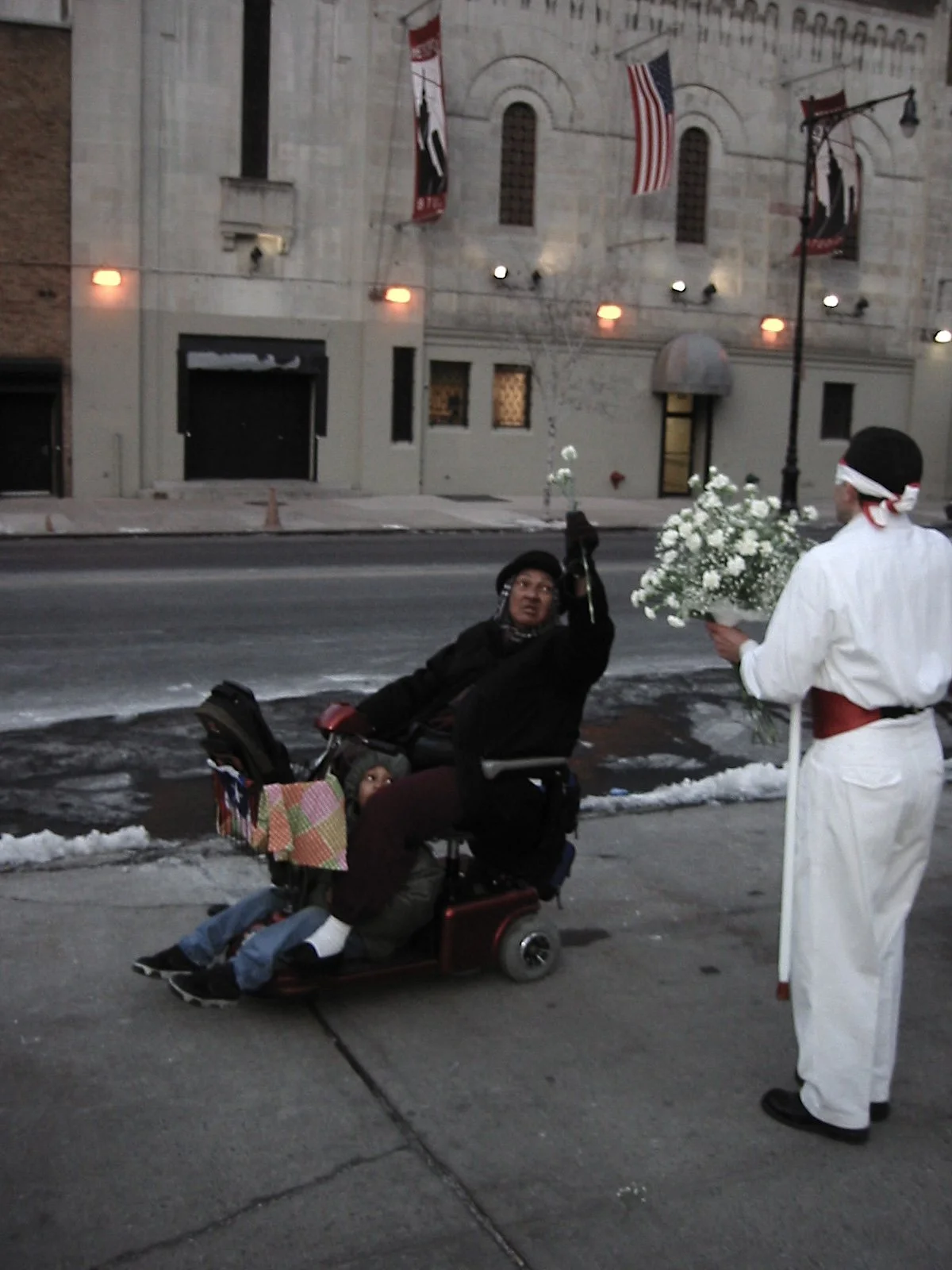
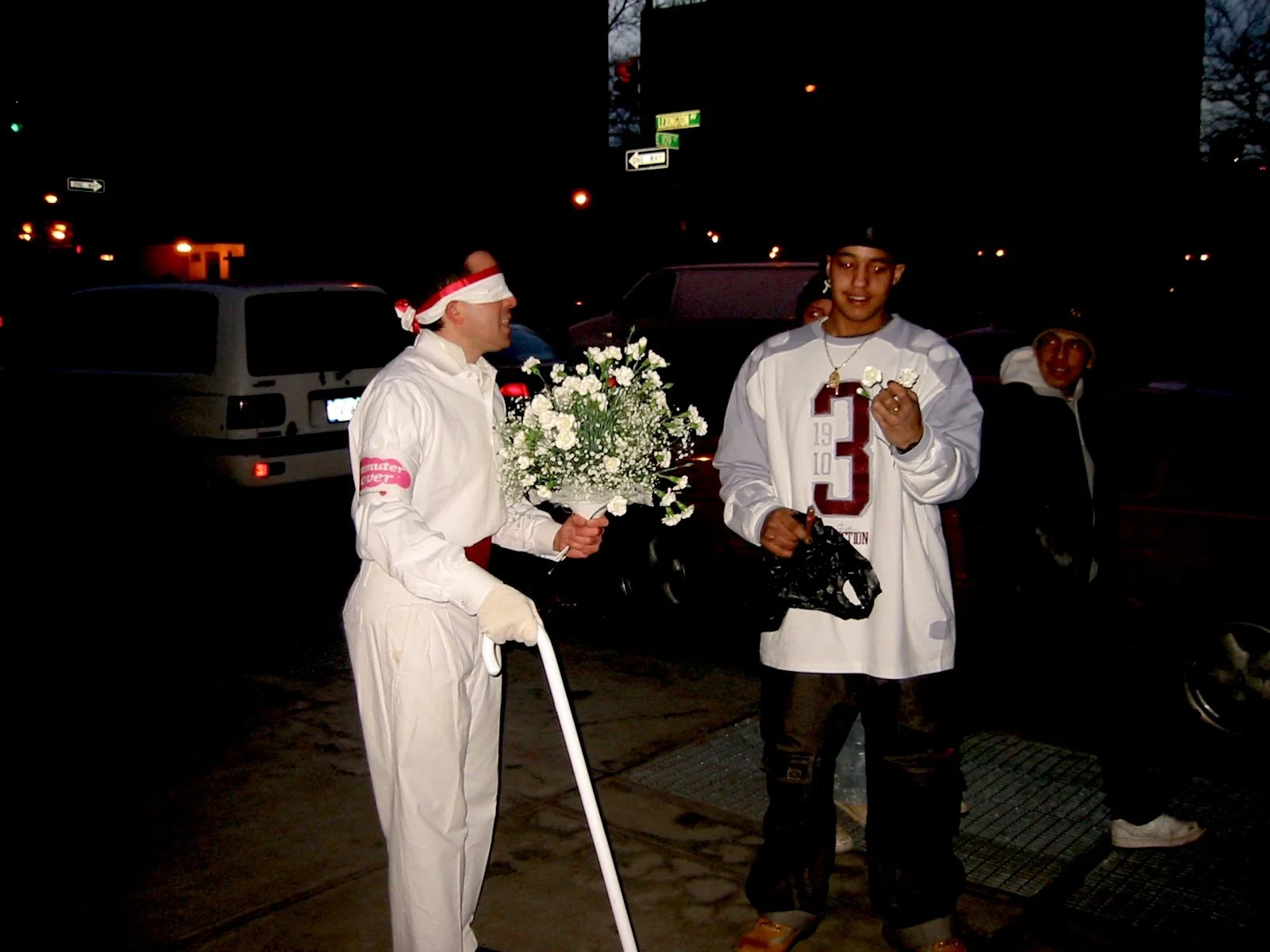
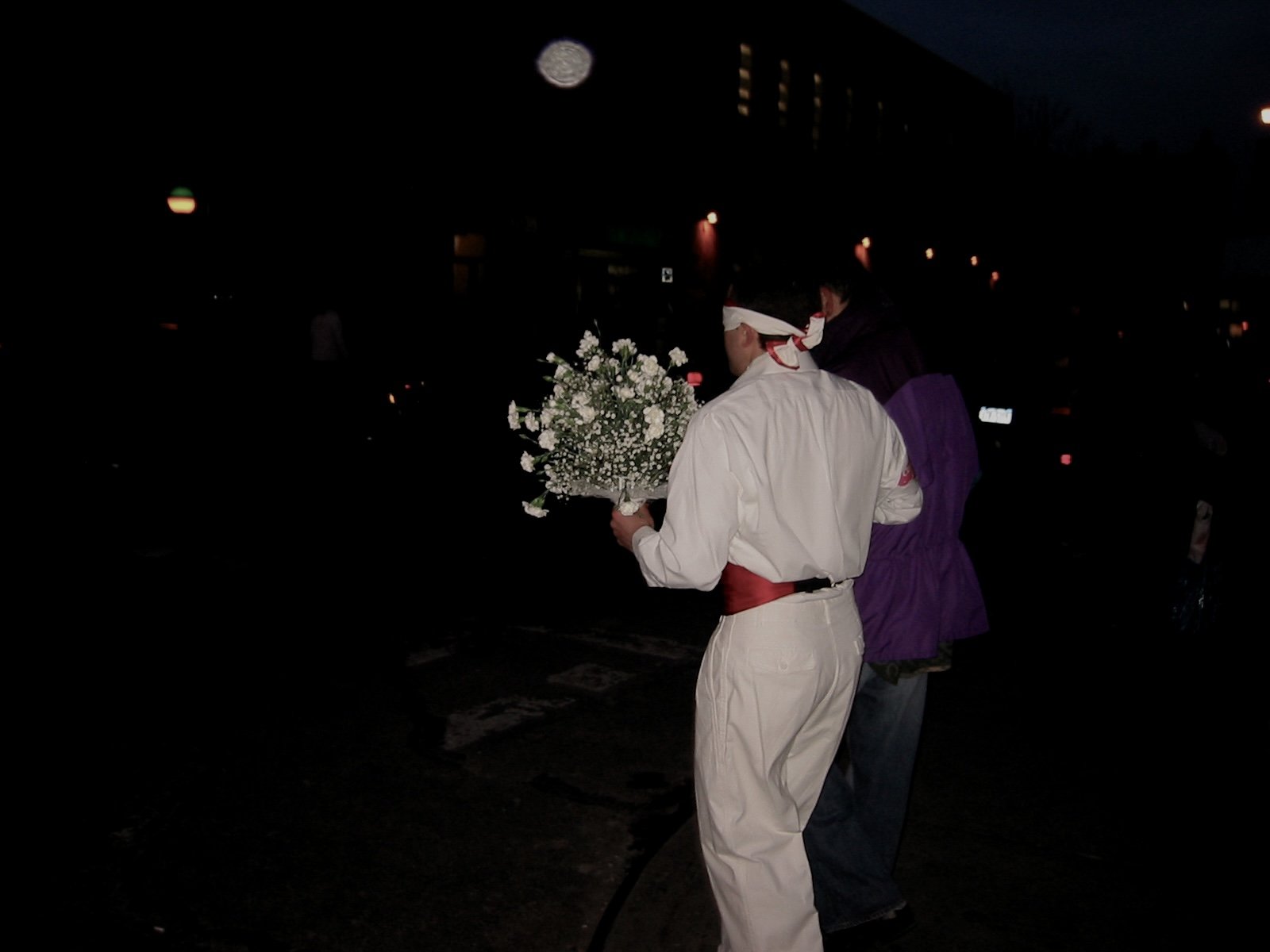
On February 14 I left El Museo del Barrio blindfolded, unaware of what I would see at the end of a performance piece that I called Love is Blind, which was part of The Love a Commuter Project. This project consists of a series of site-specific performances and interventions that take place every year on Valentine’s day in the New York City subway system.  In 2003 the project was presented in conjunction with The S Files at El Museo del Barrio. Besides watching out for some icy spots on the sidewalk, my job during the performance was to locate pedestrians who would help me find the way to the subway station at 110th and Lexington Avenue in exchange for a white carnation. The plan was to save the remaining part of the bouquet to share  with subway commuters. Along the way to the subway station a policewoman helped me cross under the tunnel below the train tracks on Park Avenue, and an older woman who spoke Spanish proffered a blessing “Dios te bendiga mi hijo,” after making sure I was going to be ok. Someone who I perceived as a strong man grabbed me by the arm to help me walk from 108th to 109th Street, while a disgruntled pedestrian tried to confused me when I asked him for directions. “You’re at 125th St.,” he said, while my Samaritan told me that we were crossing 108th. Another man helped me make it all the way down the stairs of the subway station. I remember feeling his hand as he took mine and guided it to the cold metal railing. I then proceeded to use the white cane I was carrying to search for an empty spot near the token booth. I found one on the north side of the station. Two children initiated the first underground interaction as they detached several carnations from the bouquet. “Take another one for your mother,” yelled a commuter, perhaps from the other side of the turnstile. “Don’t touch them,” said an adult to a child who insisted on having one of the carnations. What felt to me like a rushing commuter snapped up a flower without giving me time readjust the bouquet in my hand. Then there were the predictable quiet moments between the departure and arrival of the Number 6 train. All of the sudden, the hissing sound of police walkie-talkies invaded the space. That day the city was under Code Orange, raised from Yellow by the Department of Homeland Security. Sensing what might be happening, I took the blindfold off and walked aboveground to find that three uniformed officers were questioning my colleague Manuel Acevedo who was videotaping the project, and a friend who came to watch the piece. After several attempts to explain what we were doing, we were ushered into the back of a car and driven to the precinct. I managed to make a quick phone call from my cell phone before one of the agents confiscated my phone and Manuel’s video camera; we were not permitted to contact anyone else. At the precinct I glanced at a booklet on fighting terrorism and the snapshots of several individuals who were wanted by the Law. We had plenty of time to kill as the agents busied themselves swiping our ID cards and figuring out what was recorded on the video camera they could not manage to operate. About 40 minutes later, an officer came to us and asked us to show him the video. He later return with our IDs, shook our hands and apologized. We could go. I remember shaking his hand while holding the bouquet in my other hand, when suddenly the friend who came to watch the piece took the flowers and tossed them in the trash, perhaps trying to rid himself of the memories of the incident. I rushed to retrieve them. The carnations still looked fresh, ready to continue to flow from the foam that held them in place into the hands of the commuters, but instead they ended up in a glass vase at home, as a reminder of how current law enforcement in the name of  “safety” has reconfigured the use of the spaces we share in the city, not to mention the interactions we forge with one another in so called public spaces.

Nicolás Dumit Estévez. February 21, 2003, New York City

CODE RED: Notes on Love is Blind ©2003 Nicolás Dumit Estévez Raful

This piece was originally published with Tart Magazine, Canada

Love is Blind was presented with El Museo del Barrio as part of the S-Files Biennial, and as part of The Love a Commuter Project, and program launched in 2001 by María Alós and Nicolás Dumit Estévez

Special thanks to Manuel Acevedo

To go back to El Reguero/Archives menu, click HERE
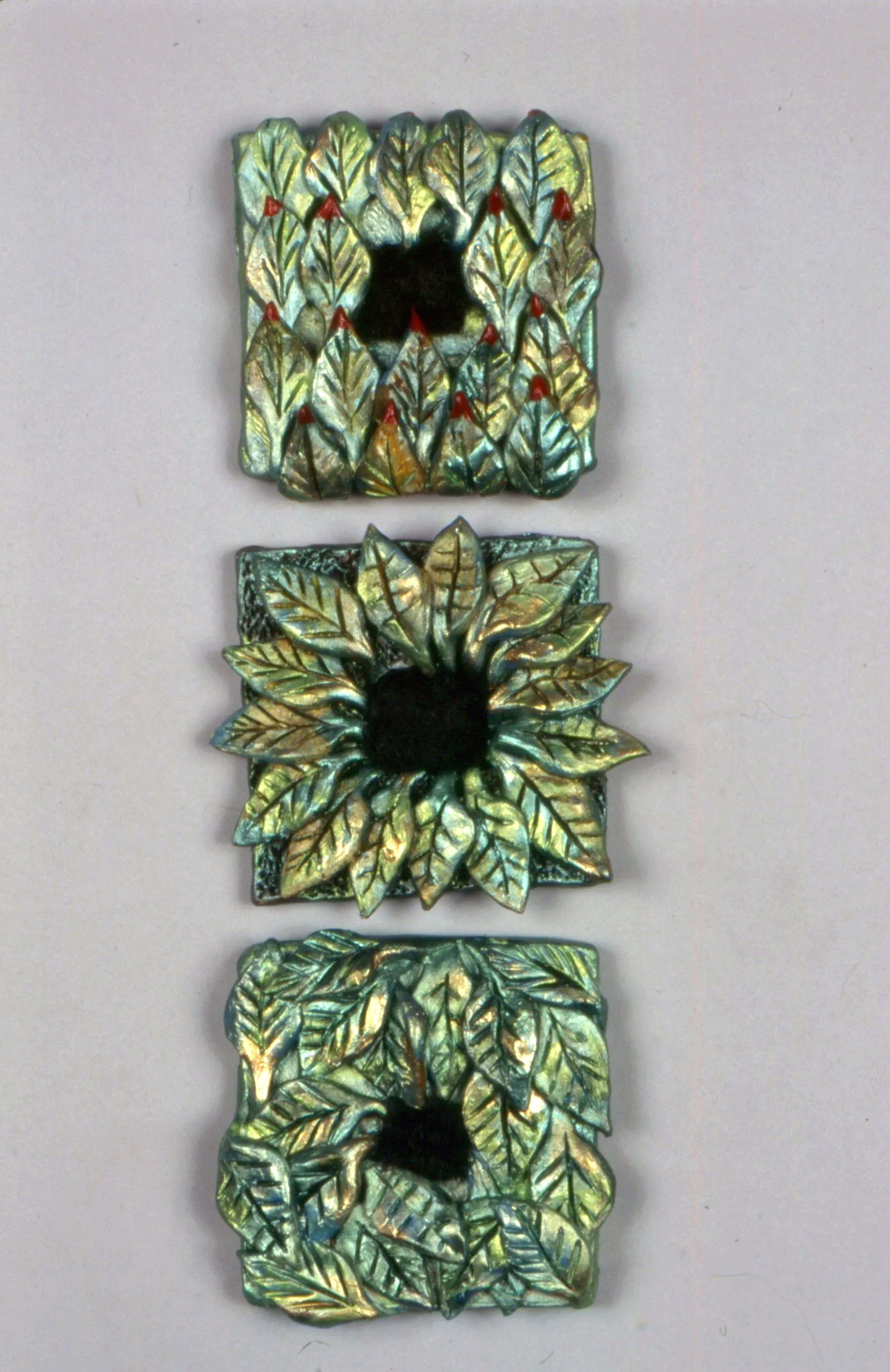
 

Consartcrations


Nicolás Dumit Estévez Raful, Consartcration, 2004 / This image must not be used without previous permission from the artist


New York City emerging artist blesses winning amount bid into art / Great value for your investment

I market my services as an artist, inviting an e-bay based audience to participate in a conceptual transaction in which, by means of a consecration act performed through the internet, I bless the highest amount bid as art. Winner is provided with a certificate signed by the artist, stating the amount “paid” for the piece and confirming the authenticity of the artwork purchased. Certain conditions apply*

Nicolás Dumit Estévez Raful, Consartcration, 2004 / This image must not be used without previous permission from the artist

With Consertcration I am interested in looking at the monetary value of art as ascribed by society, thus allowing the buyer to determine the price of the piece being auctioned, which in this case consists of the blessing service provided by the artist. Art and money cancel out each other as the money “spent” is symbolically transformed into art and the art piece generated by the transaction exists within the context of the highest amount bid. In Consartcration I use my formal educational and professional qualifications to validate both the service being offered for sale and the action performed; confirming my authority to bless an object as art.

 The winning bidder pays the percentage charged by e-bay for the transaction as well as any shipping and handling charges. Money orders only. No cash, credit card or pay pal. The blessing is performed after payment has been received. Also, the winner provides the artist with information regarding the actual amount in the form of cash to be consecrated: serial number and country of origin. Any particular marks or stains must be declared after the sale and prior to the official blessing. In return, winner is sent an official consecration confirmation by e-mail. Certain restrictions apply

Presented with Pace University / Cabinet Magazine review

To go back to El Reguero/Archives menu, click HERE
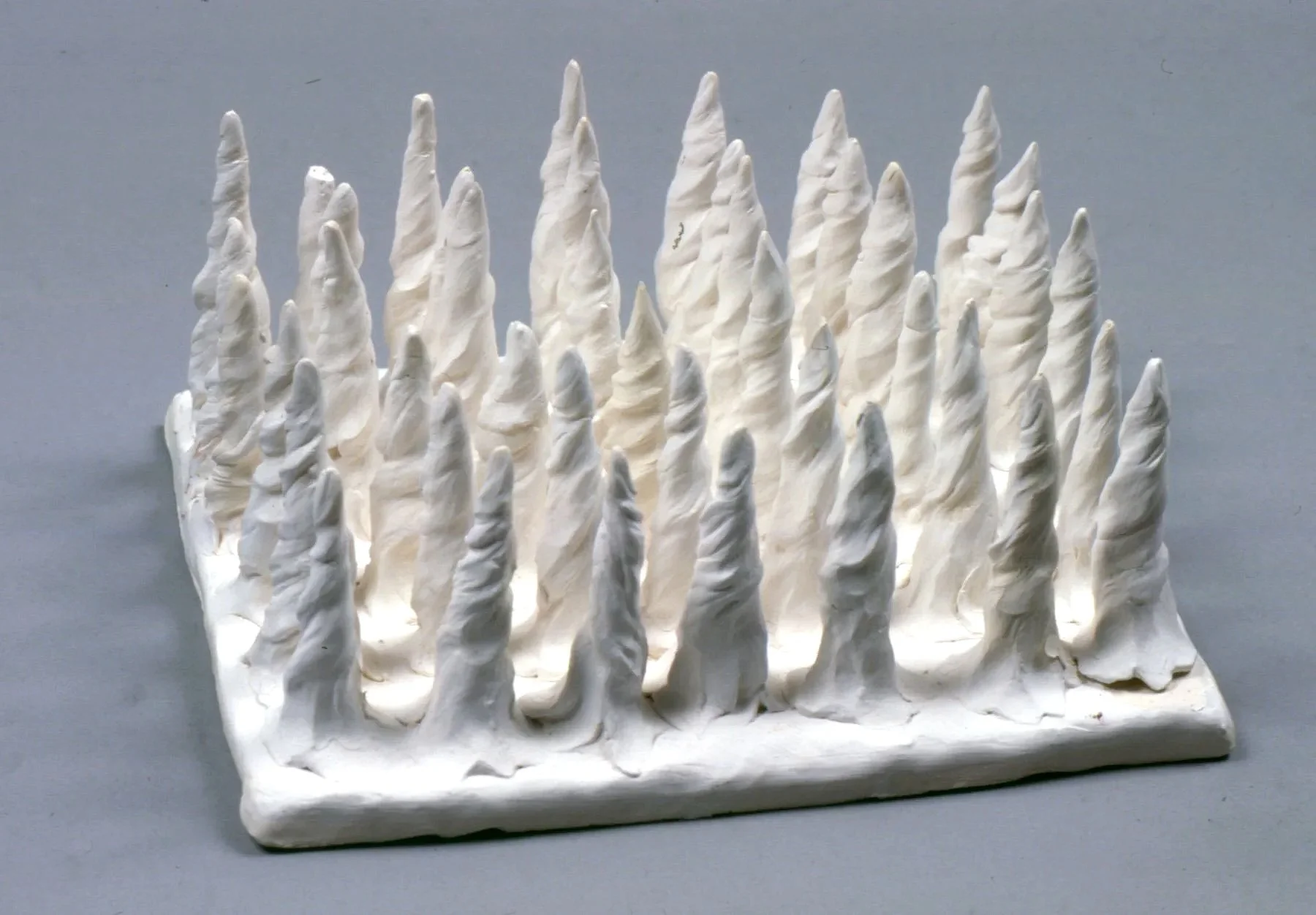
 

Cash Tendered


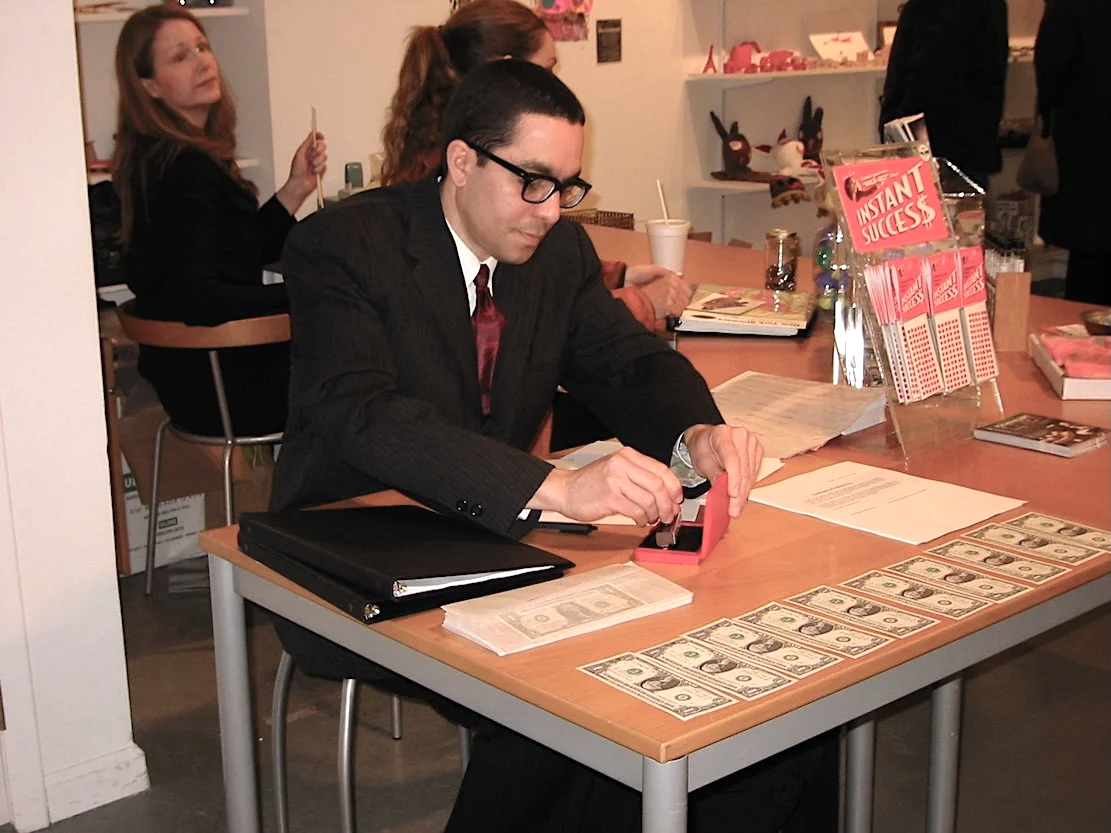
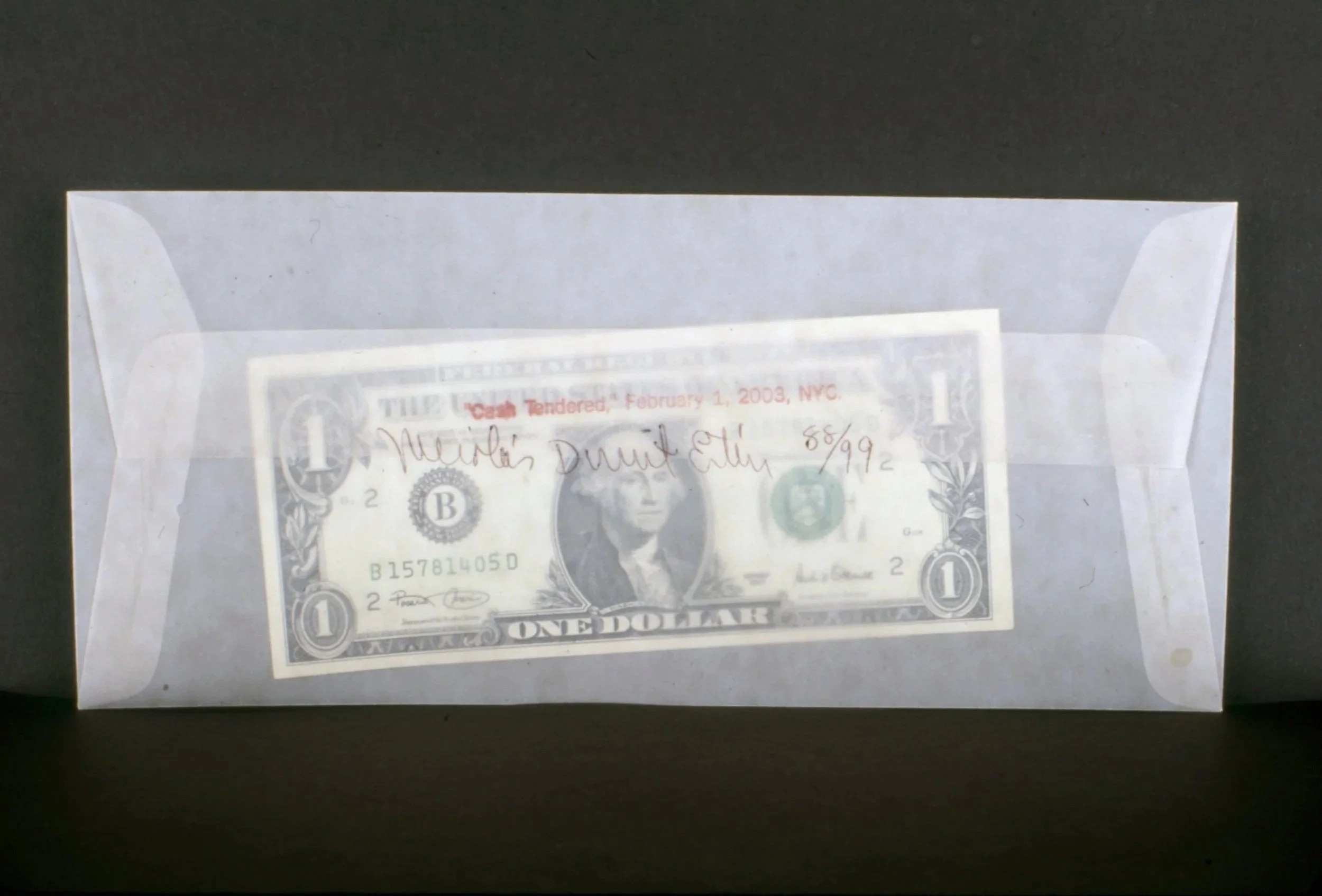
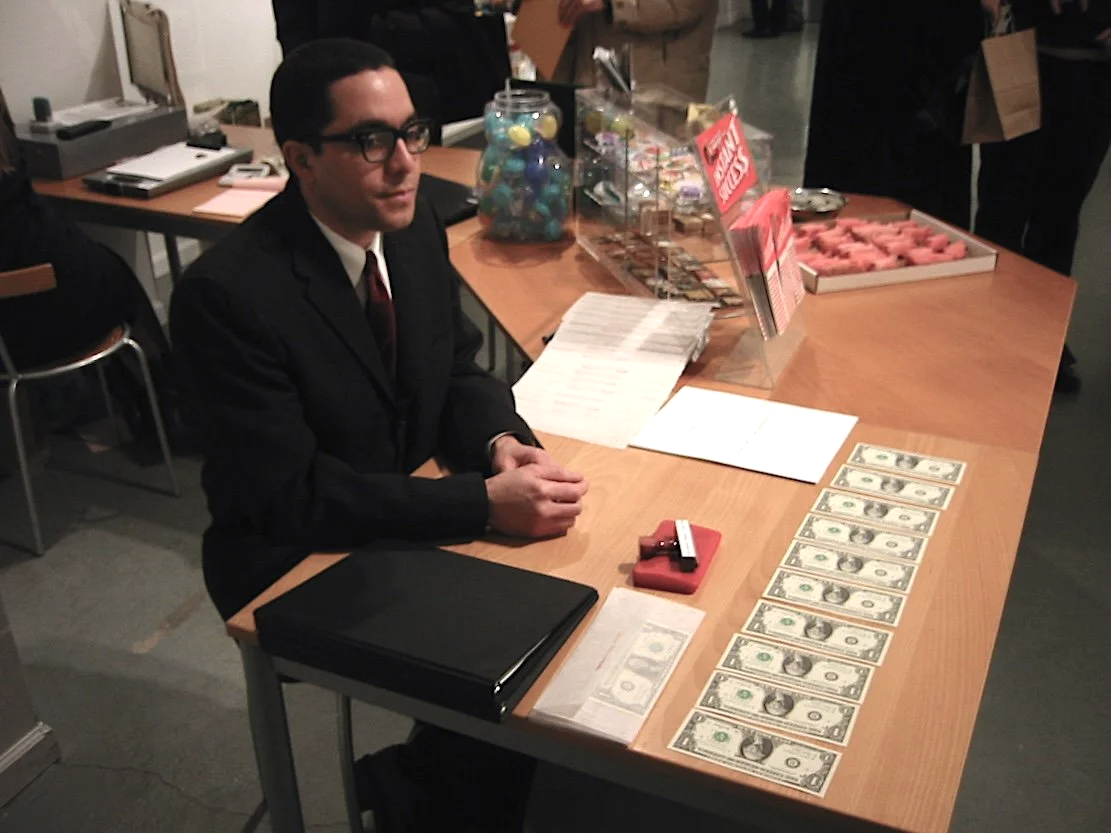
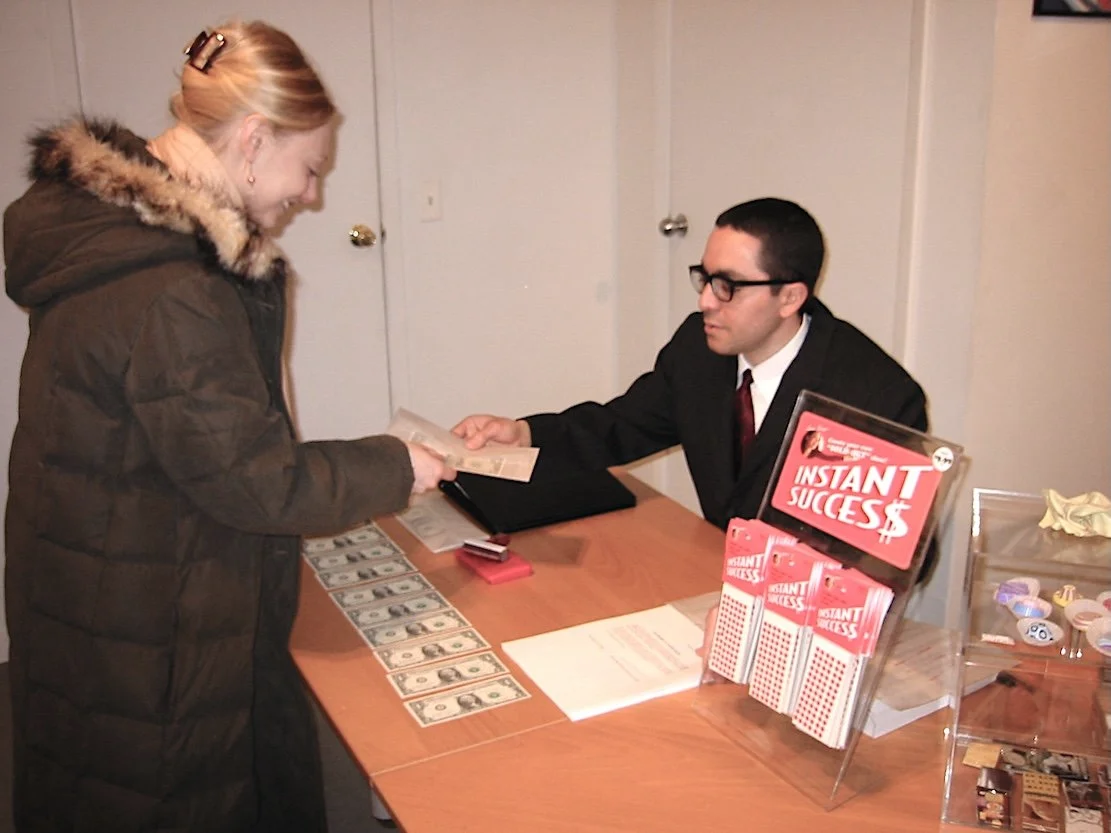
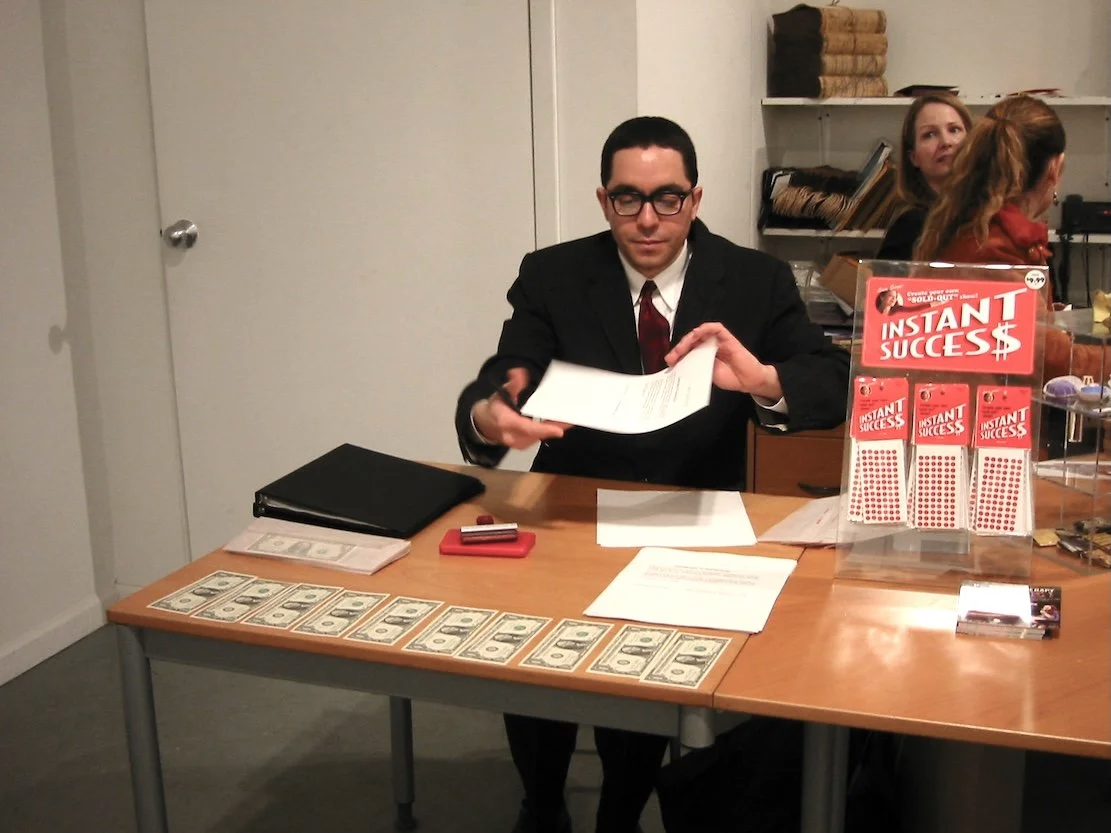
In this intervention 99 brand new bills of one dollar are offered to gallery patrons for sale for the modest price of 99 cents a piece. Map tracks numbered 1 to 99, placed on the lower corner of each dollar will serve to keep an inventory of the existing stock as well  as to provide a record of the bills sold. Upon receiving the payment for the bills for sale, I formalize the transaction by marking them with a small, self-inked, red stamp bearing the name of the piece, the date and the city where the intervention took place. This action serves to enact an official consecration of the object in into a work of art.

With Cash Tendered I am interested in donning money with a value other than the one ascribed to it by law, and in raising questions about inflation, devaluation and the legitimacy of the piece for sale. In Cash Tendered the seller and the buyers’ roles reverse and collapse under the pretext of a staged transaction.

To view Certificate of Authenticity click HERE

Presented at Cynthia Broan Gallery


Credited


María Alós and Nicolás Dumit Estévez, Credited, 2004, site-specific installation 3’ x 10 / Photo: Marías Alós / This image must not be used without permission from the artists


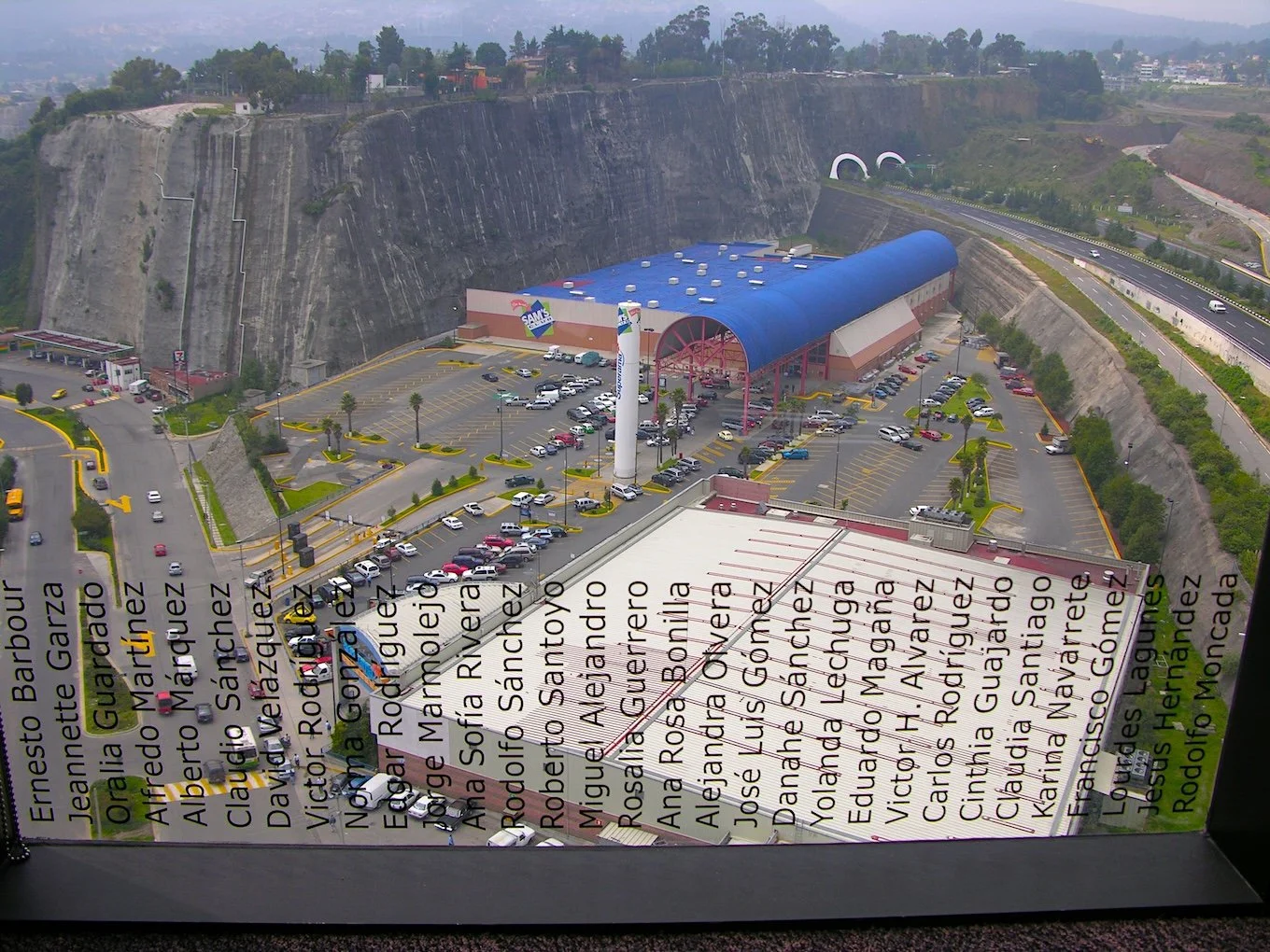
We create a thorough, yet unconventionally organized directory made out of black vinyl that is installed at the Daimler Chrysler building, listing each of its employees. The subjects are listed accordingly the number of syllables  in their name, rather than by the usual formula, beginning with the least and ending with the most, so as to question any hierarchical preconceptions based on the value of labor. The porter may be at the top of a list in which the secretary’s name is just above the executive director and below the deliveryman.

Presented at Daimler Chrysler Building, Mexico City


Takeout: An Edible Portrait of Home


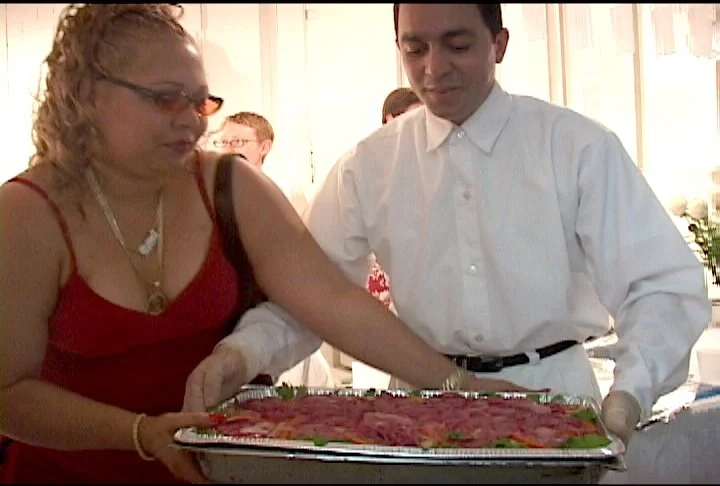
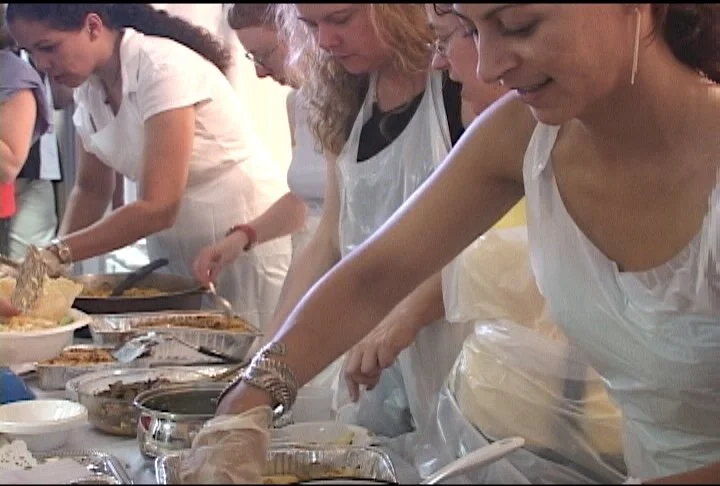
This action deals with food, food preparation, eating and cooking within the context of the ethnically and culturally Lower East Side. I invite residents in the neighborhood to collaborate with a recipe based on their perception of "nationality" and national identity.

Presented with Artists Alliance Inc as part of Lower East Side Rotating Studio Program


Spread #1


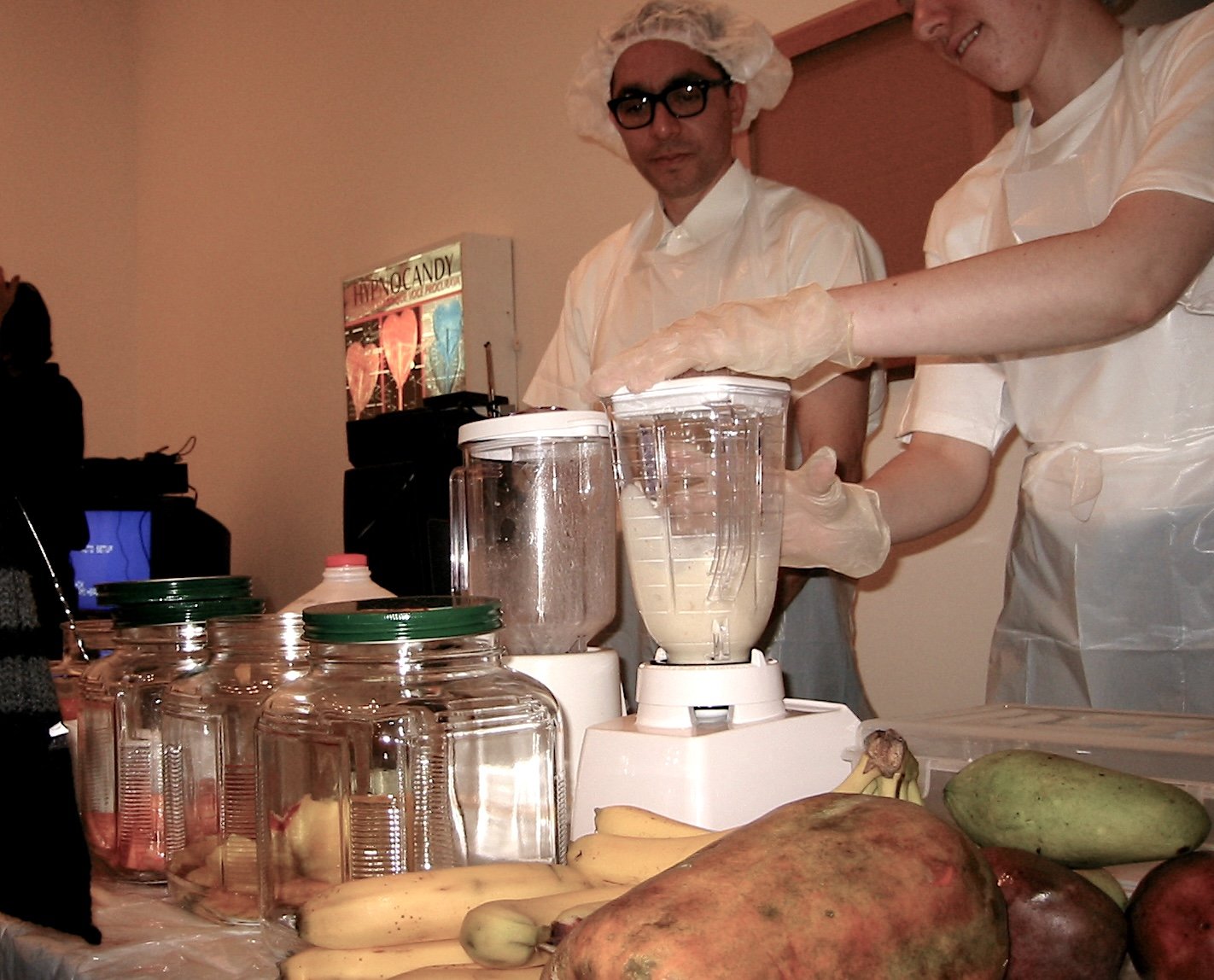
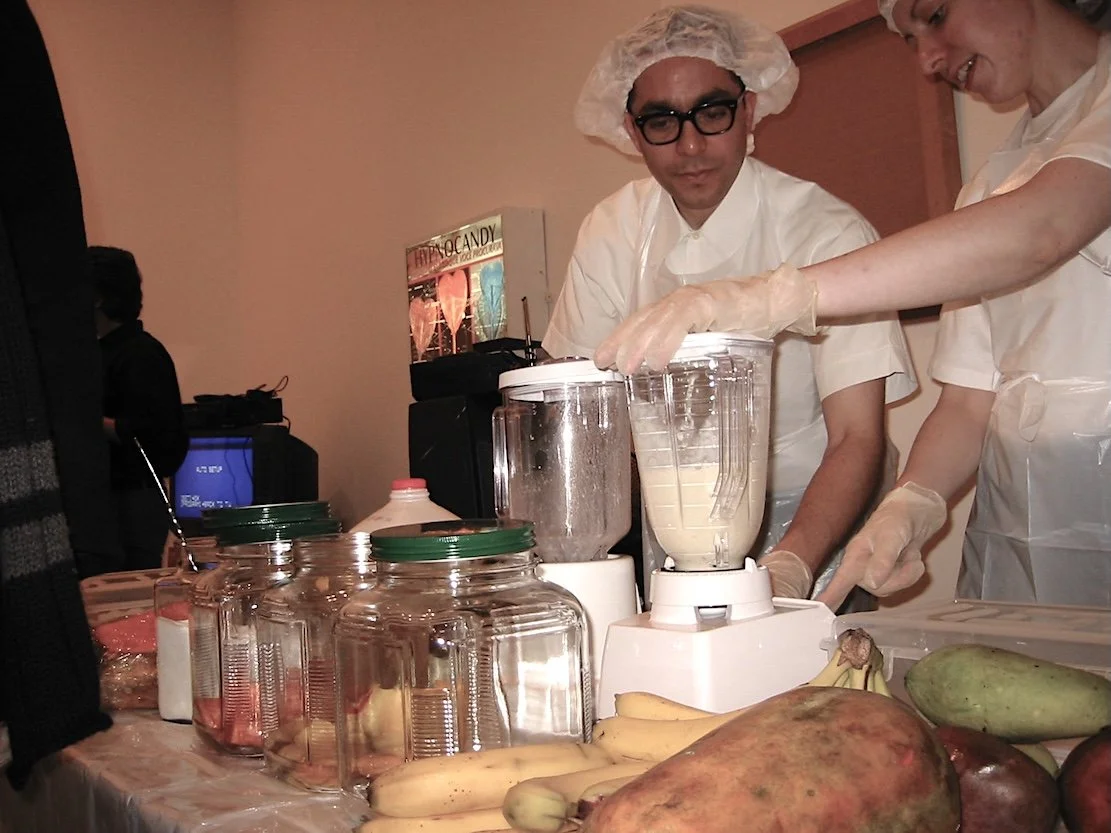
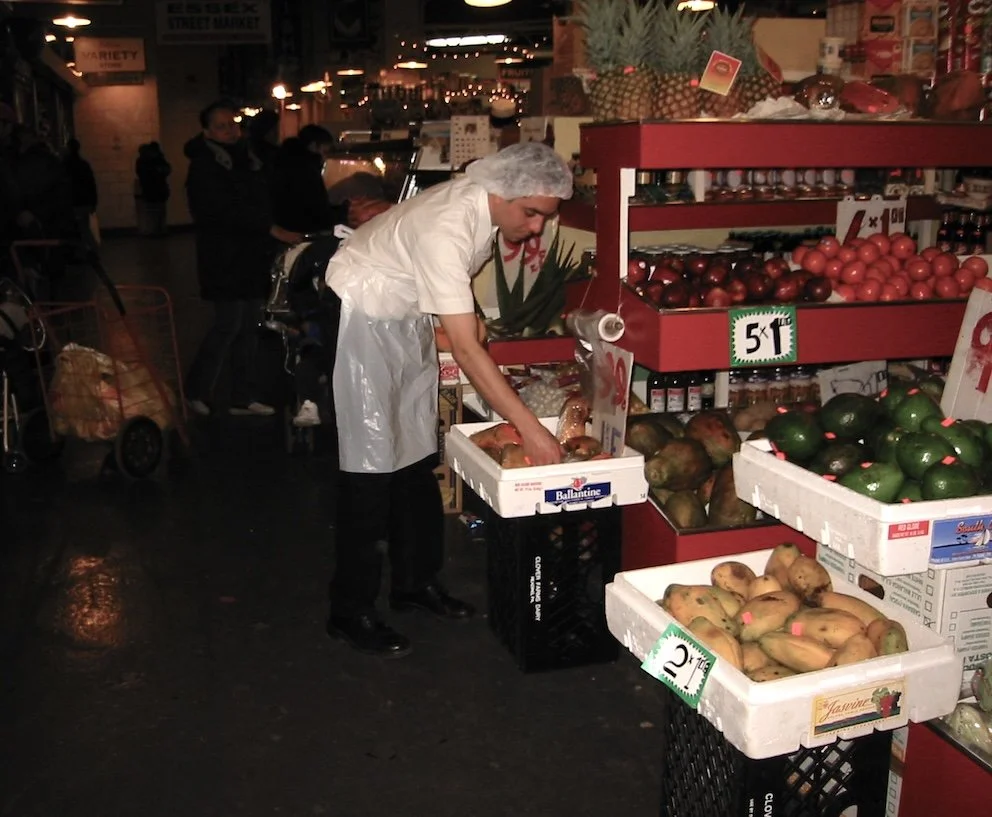
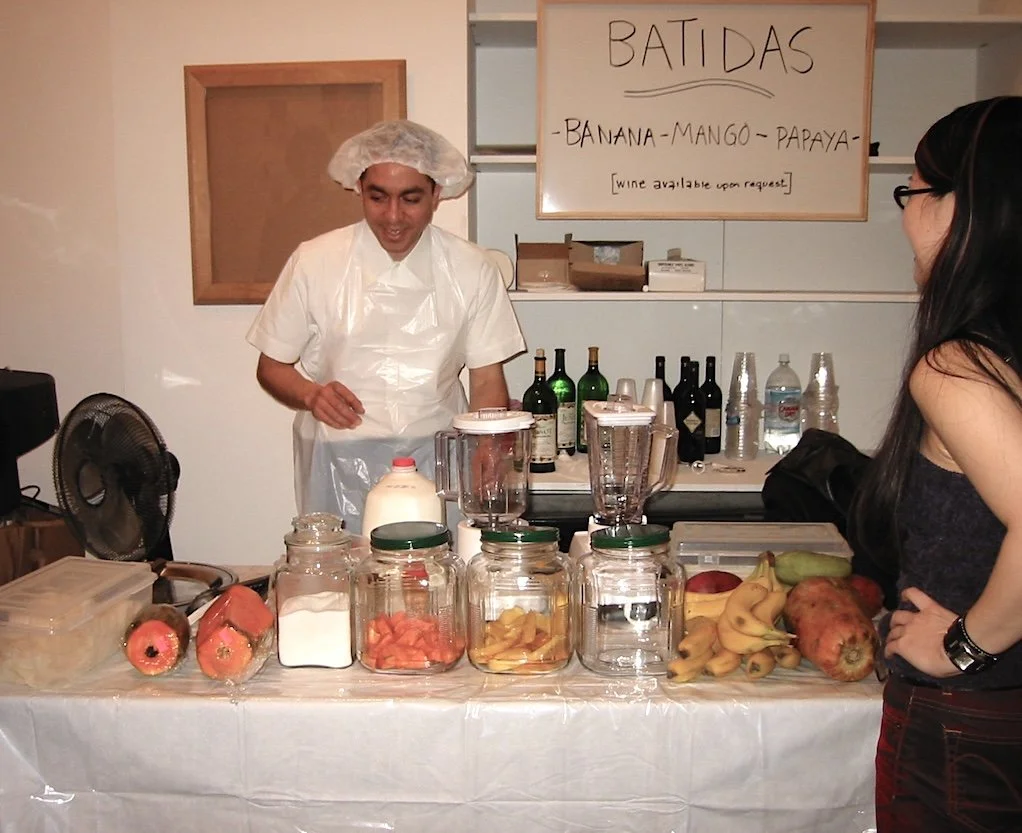
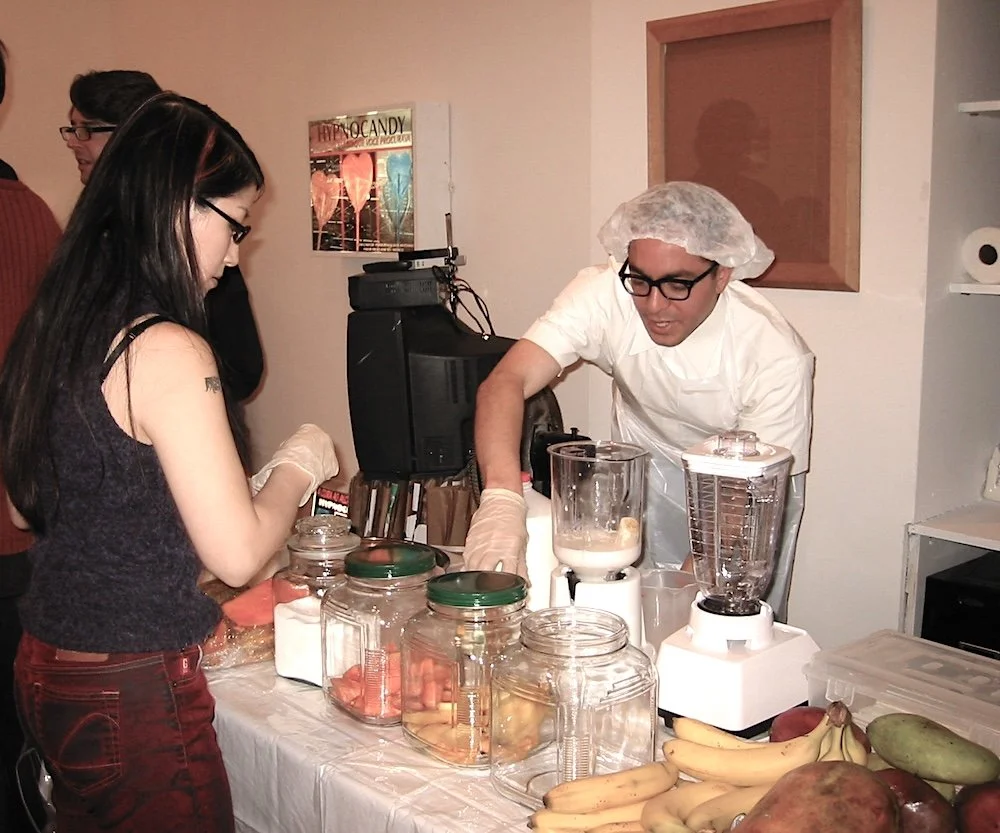
I insert Spread #1 in the gallery of the Essex Market, using products expended by local vendors as a substitute for the traditional food served during art openings. Gallery visitors are invited sample papaya, mango and banana shakes made in the two loud blenders that I bring to the space.

Presented with Cuchifritos Gallery at the original Essex Market / Exhibition curated by Natalia de Campos & Thiago Szmrecsányi


Opening Spread


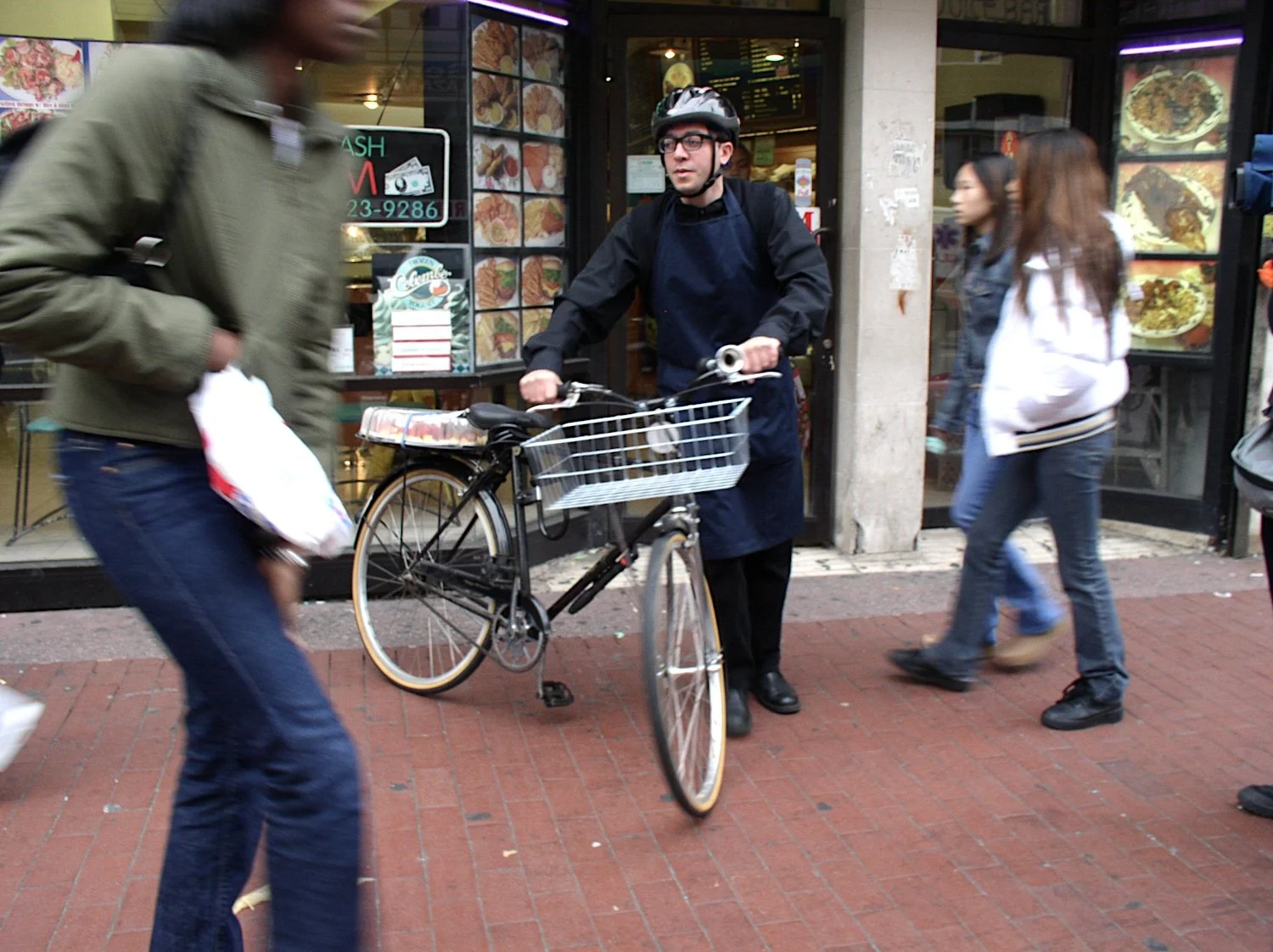
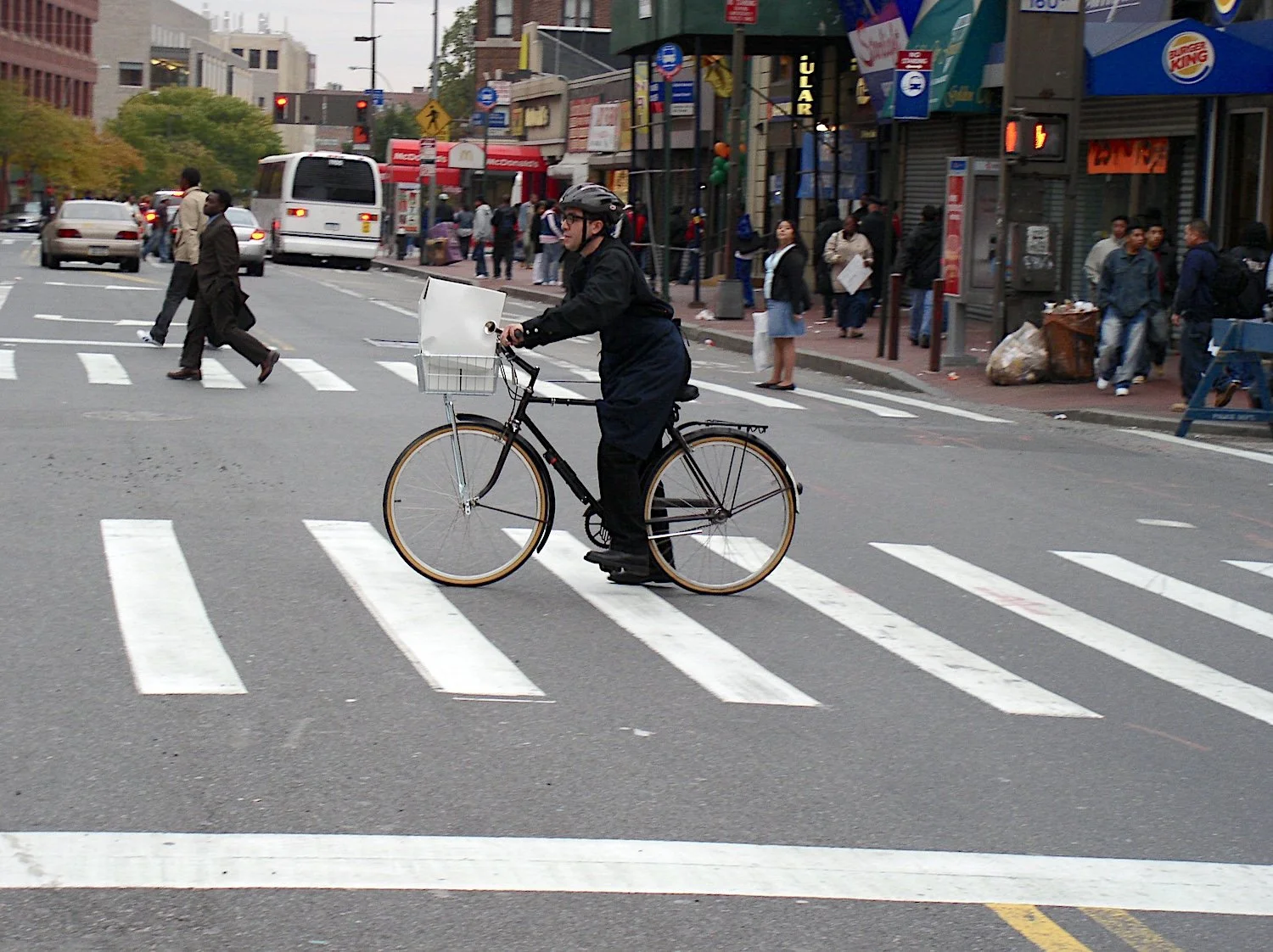
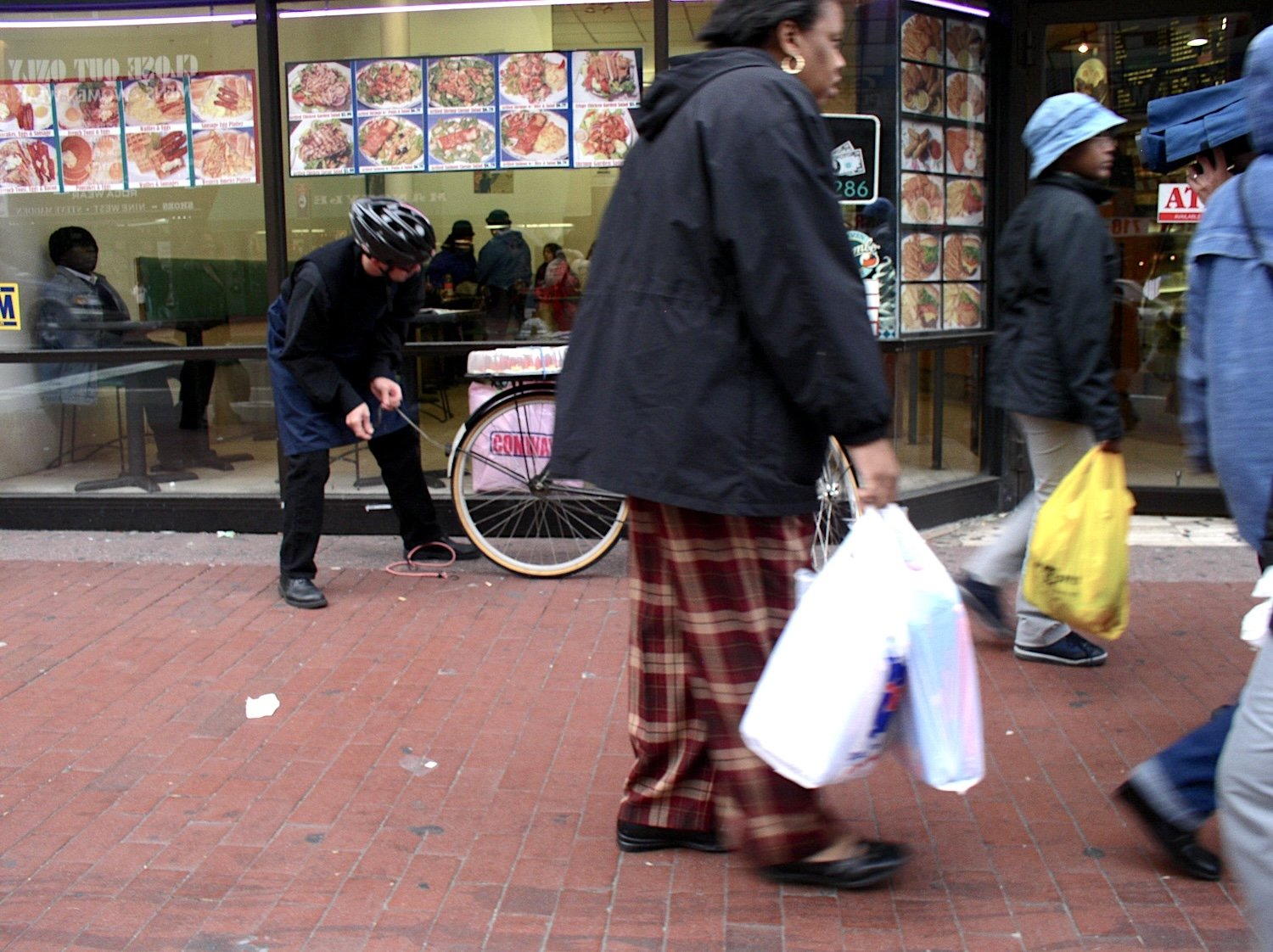
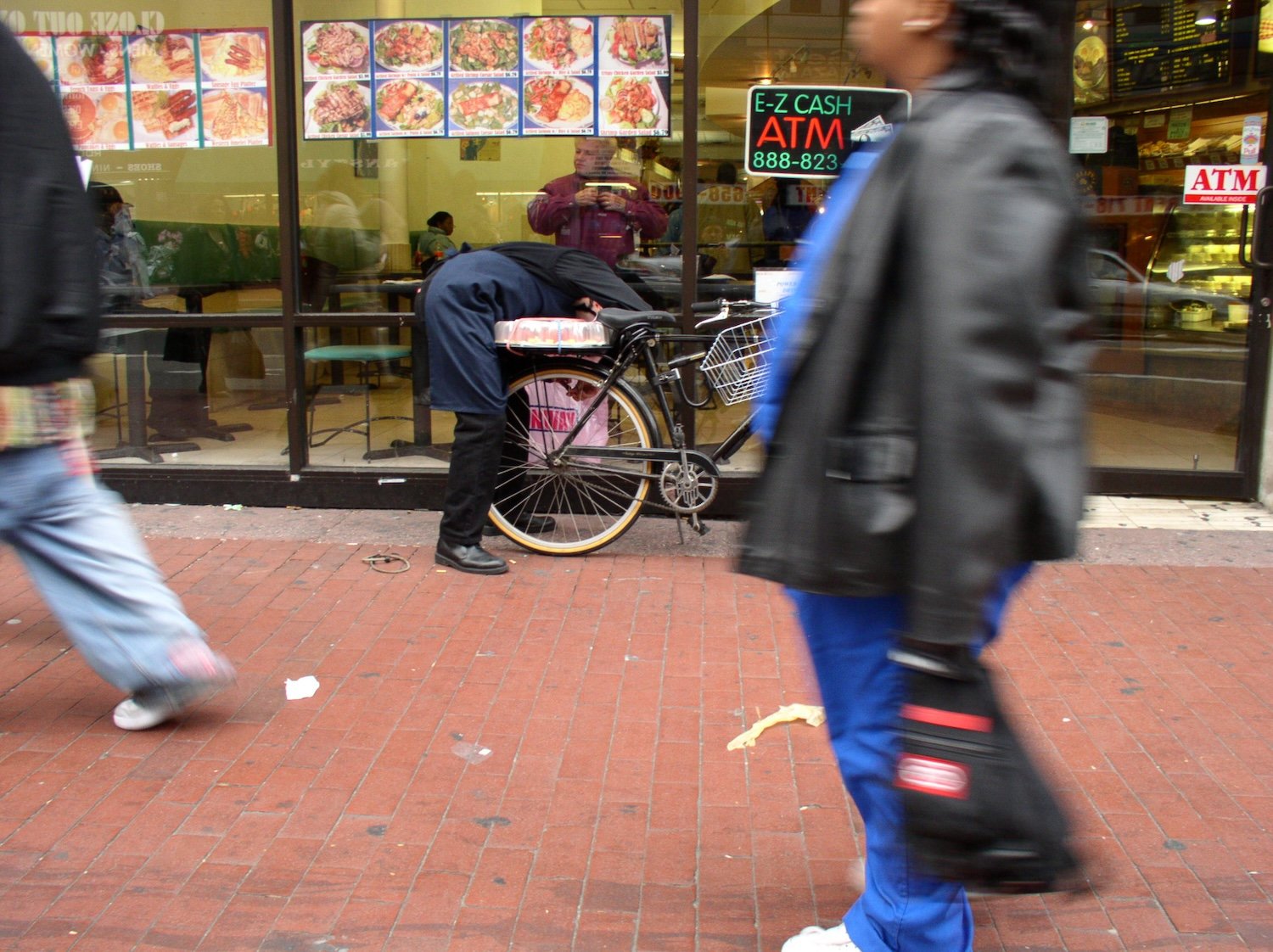
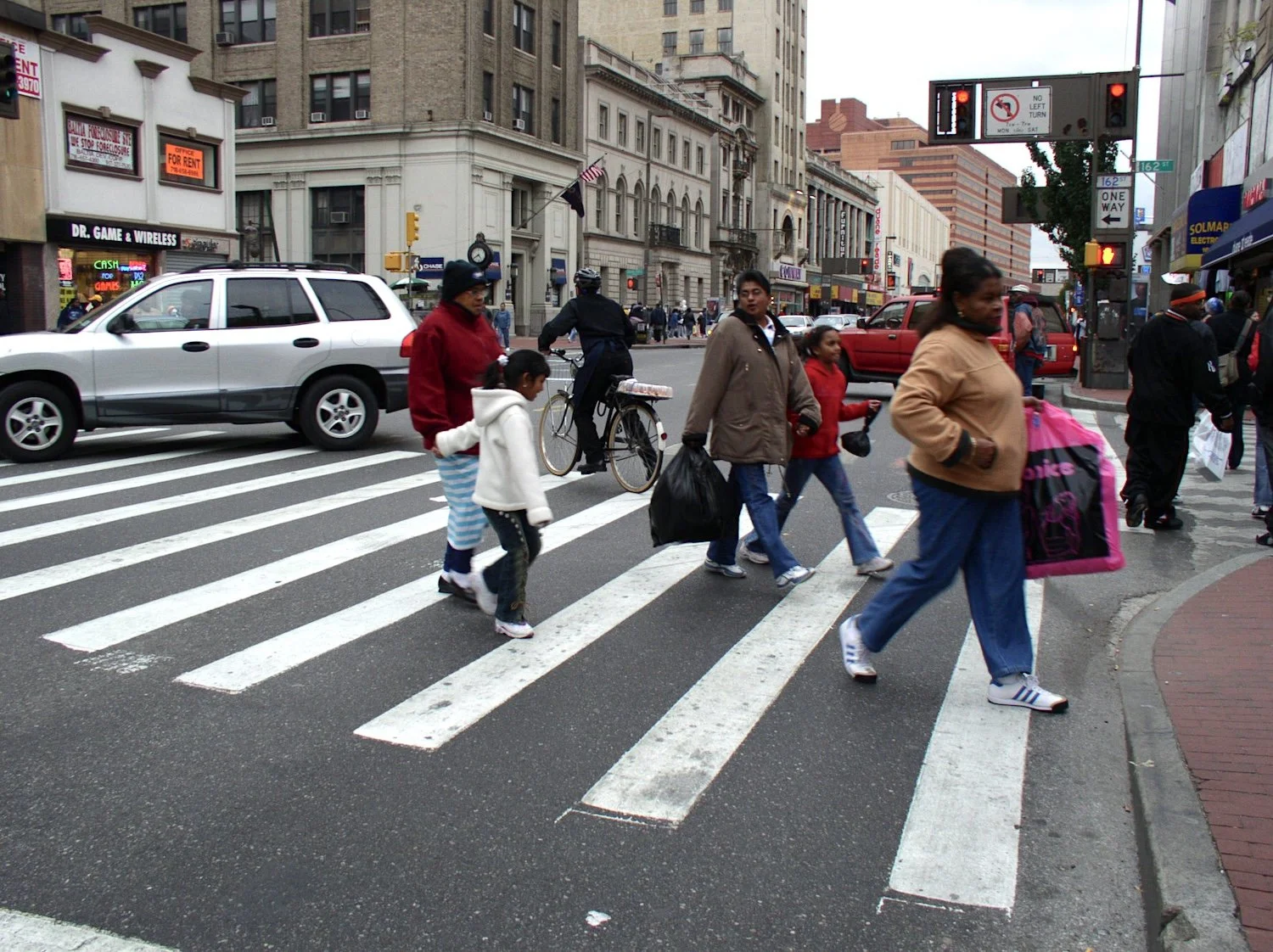
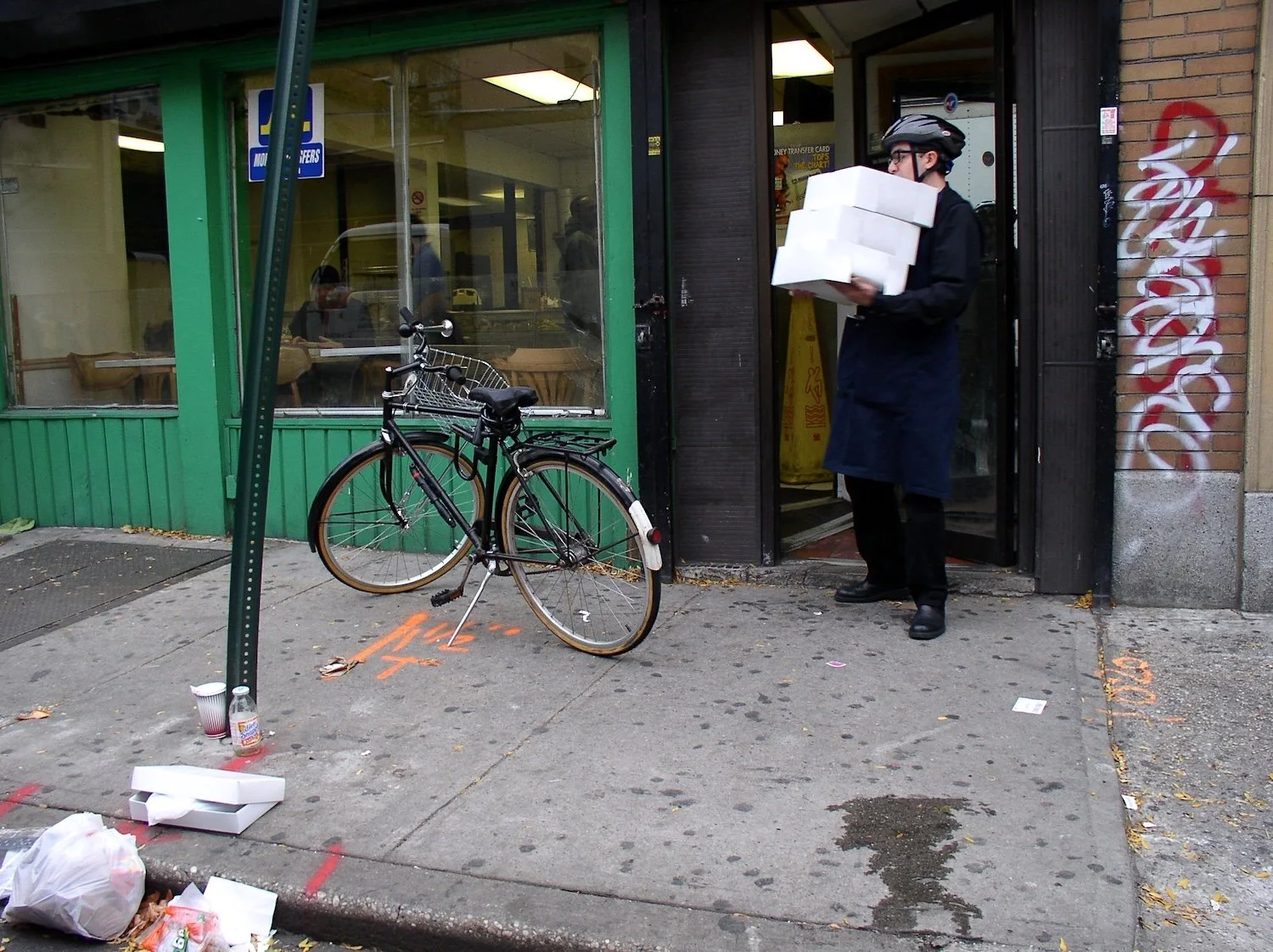
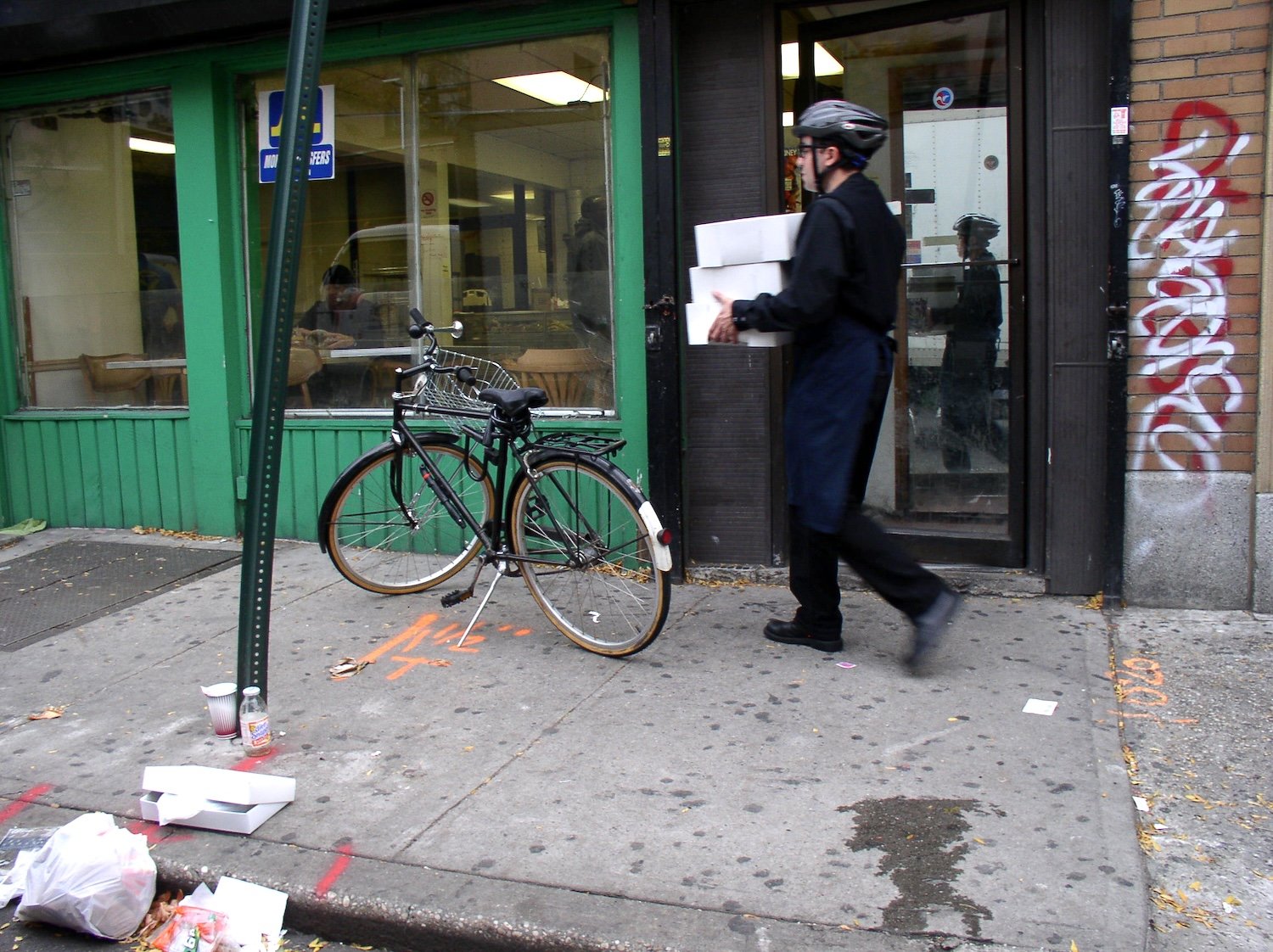
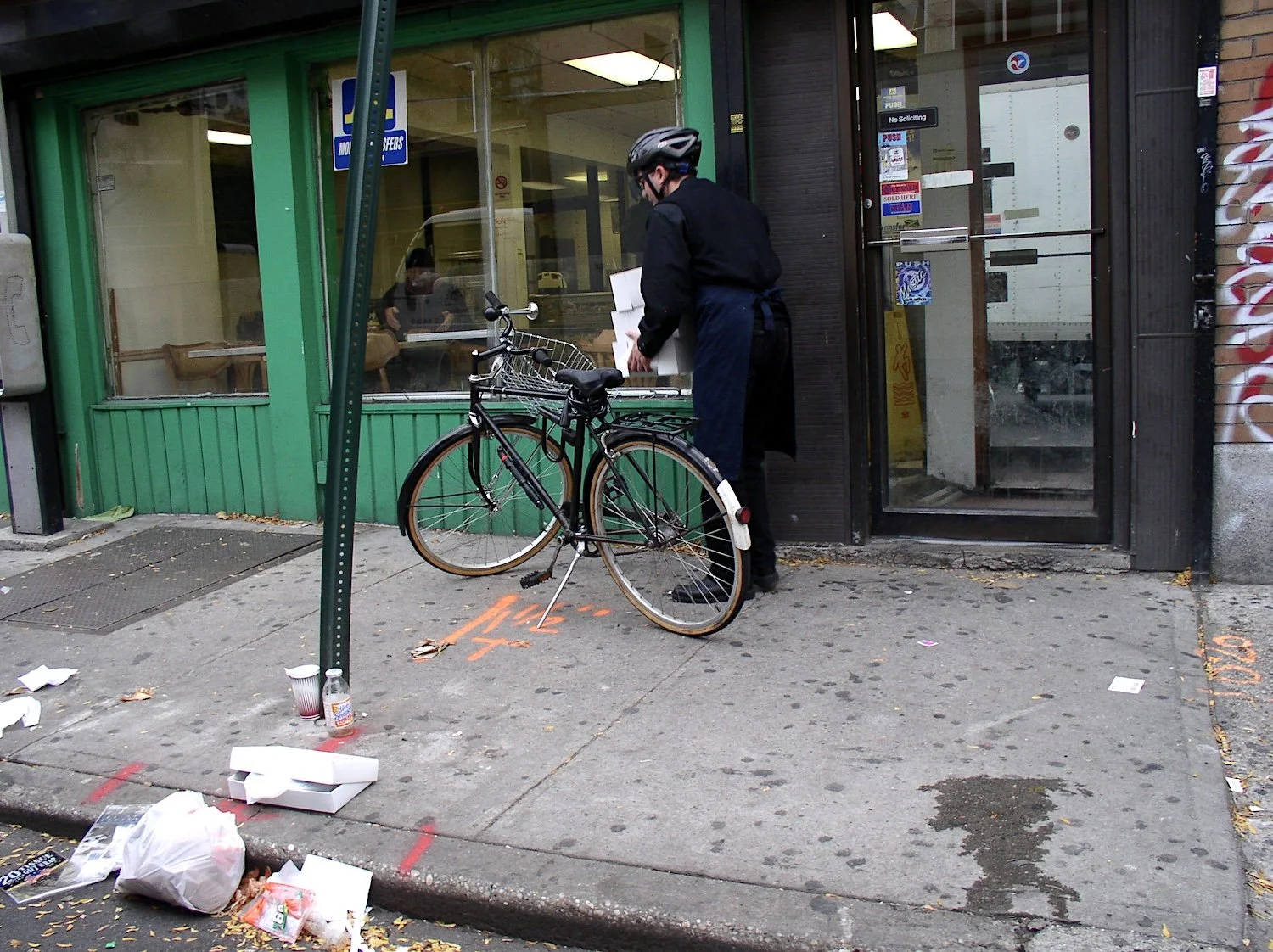
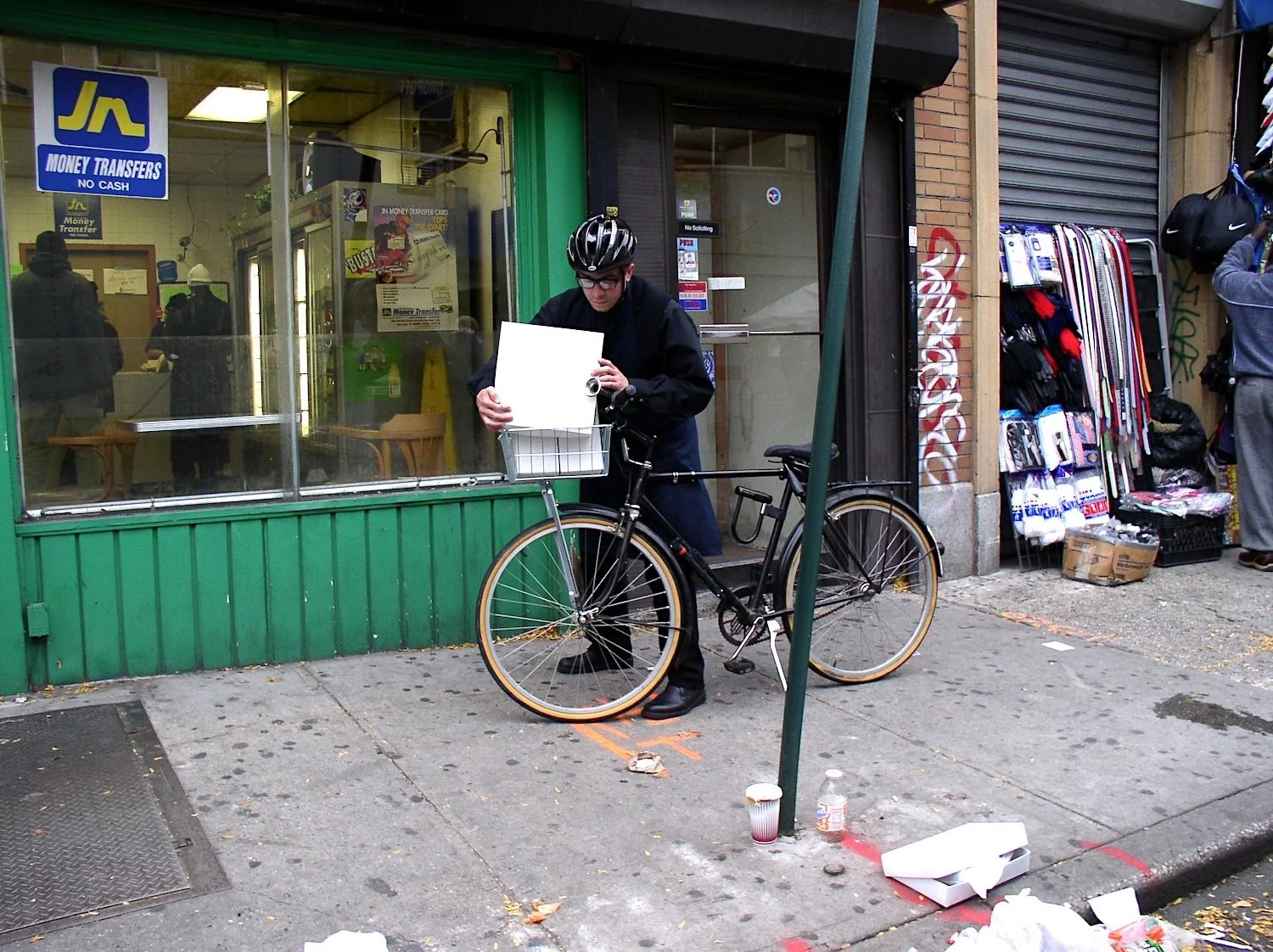
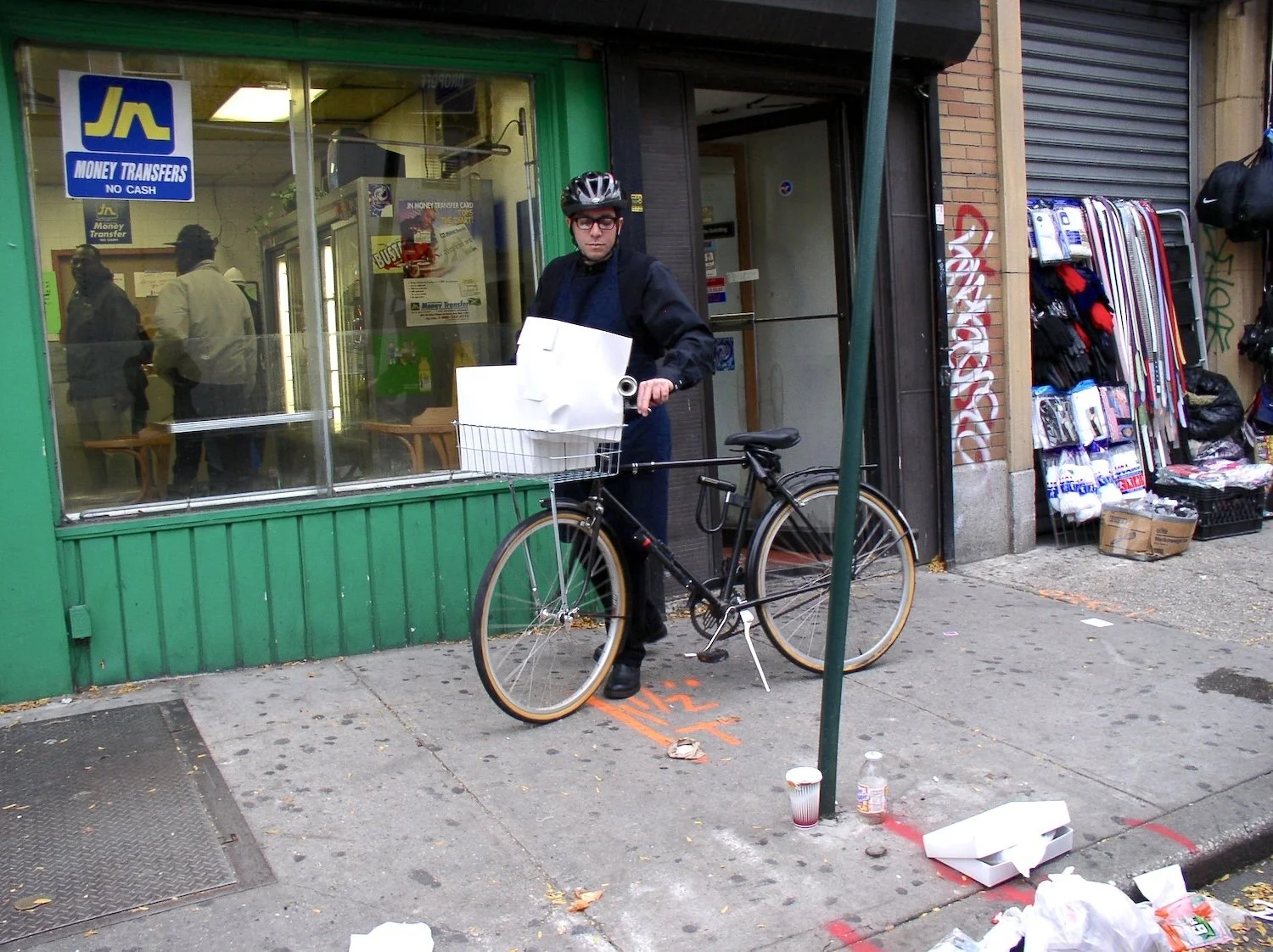
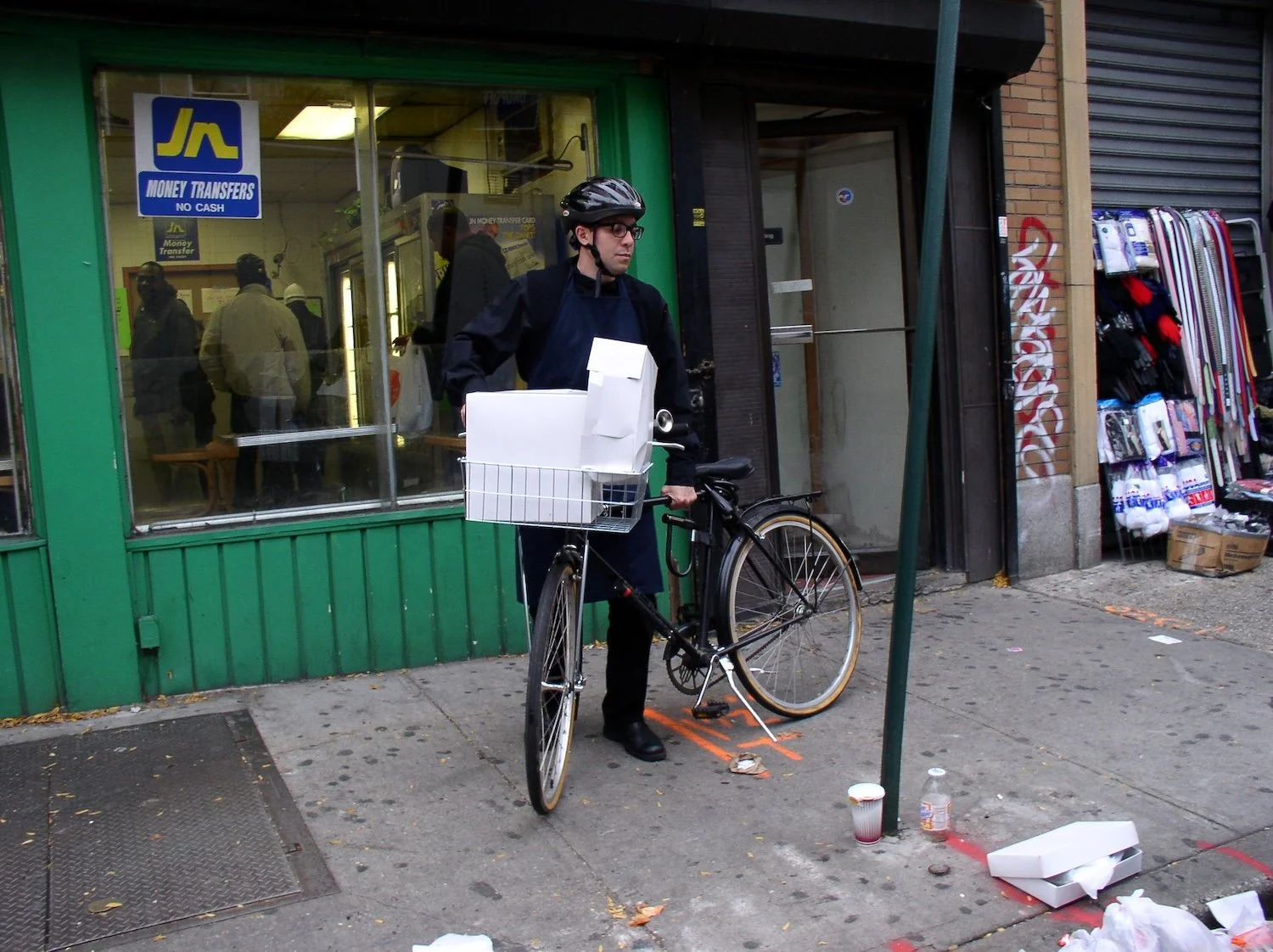
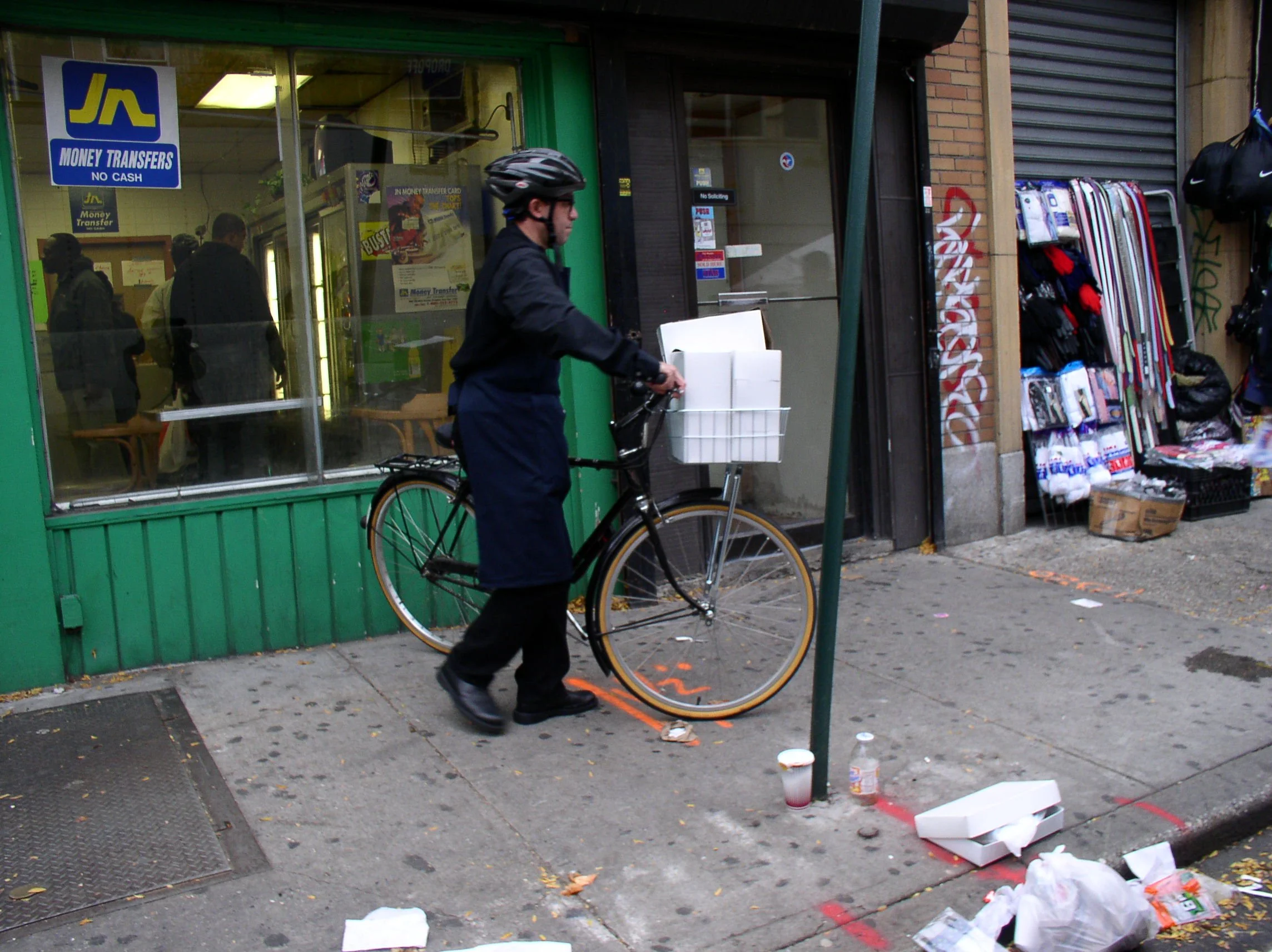
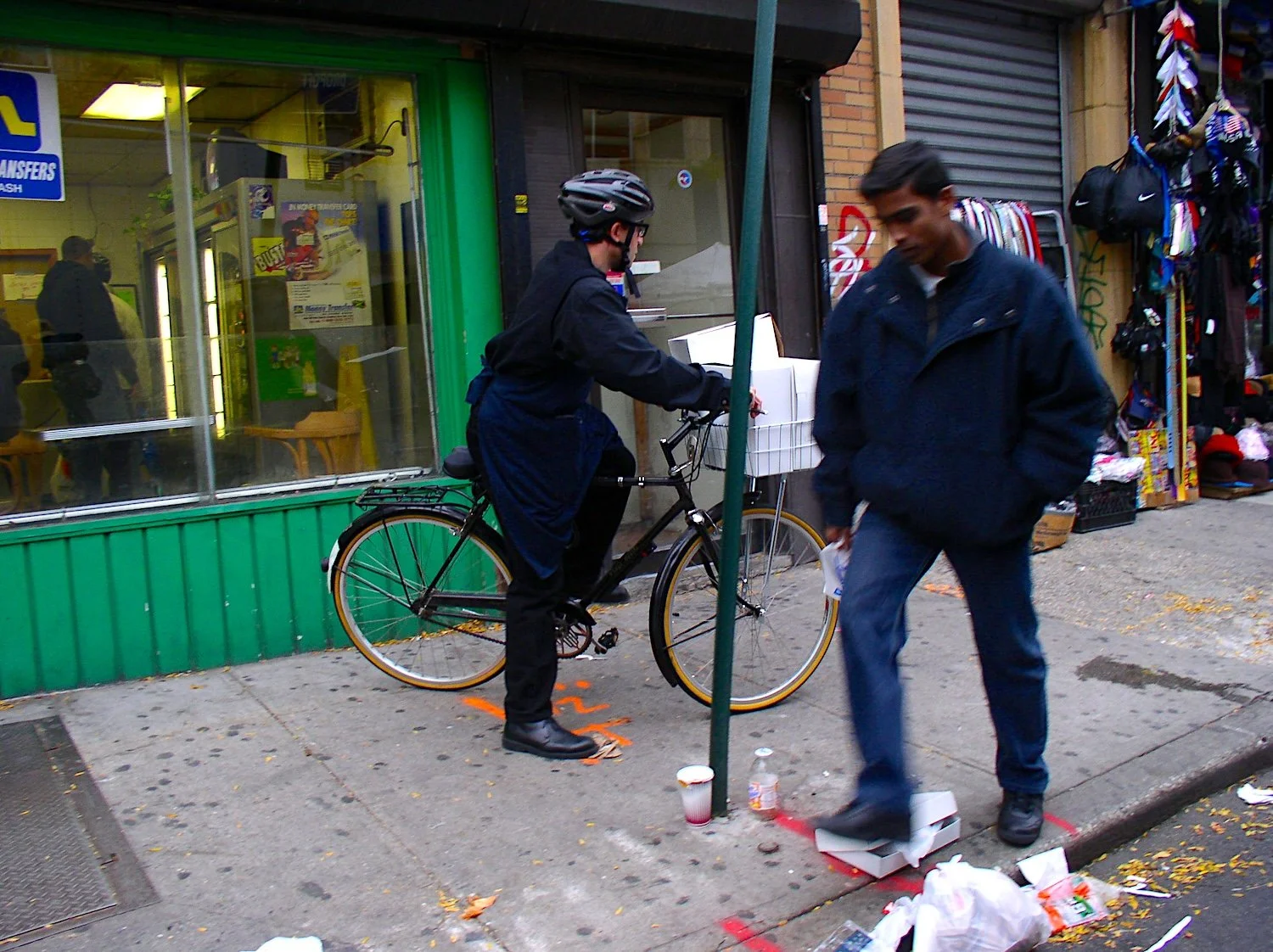
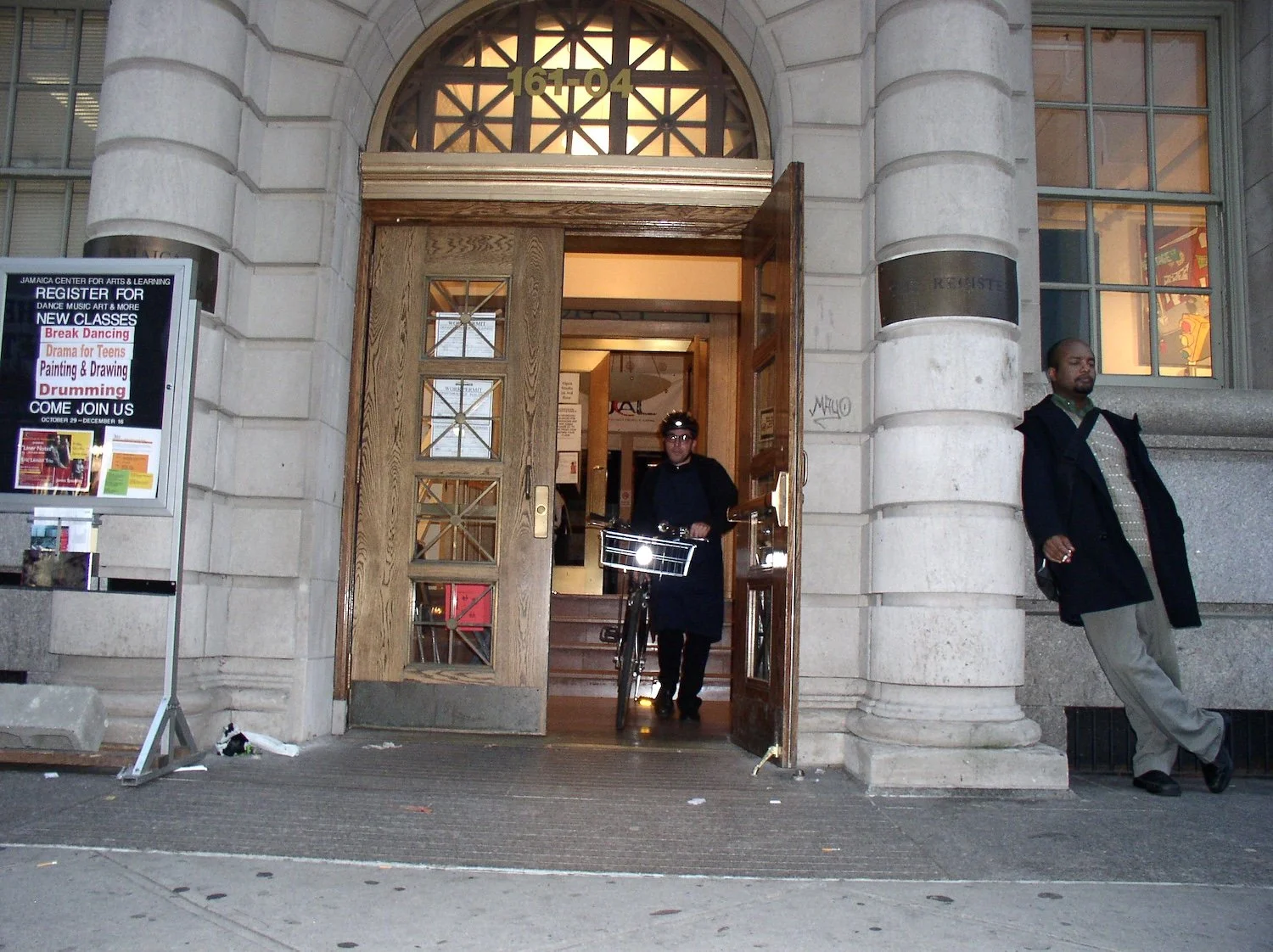
In an effort to connect the gallery of Jamaica Center for Arts and Learning (JCAL) with its immediate neighborhood and stores, I travel by bicycle the day of the opening of Jamaica Flux gathering local dishes. I hence fetch food from different restaurants and deliver this to the art crowd attending the show. This action entails taking the culinary pulse of the place as a way to generate a banquet representative of the communities who inhabit and frequent this area of New York City.

Presented with Jamaica Center for Arts and Learning (JCAL) as part of Jamaica Flux


Stored


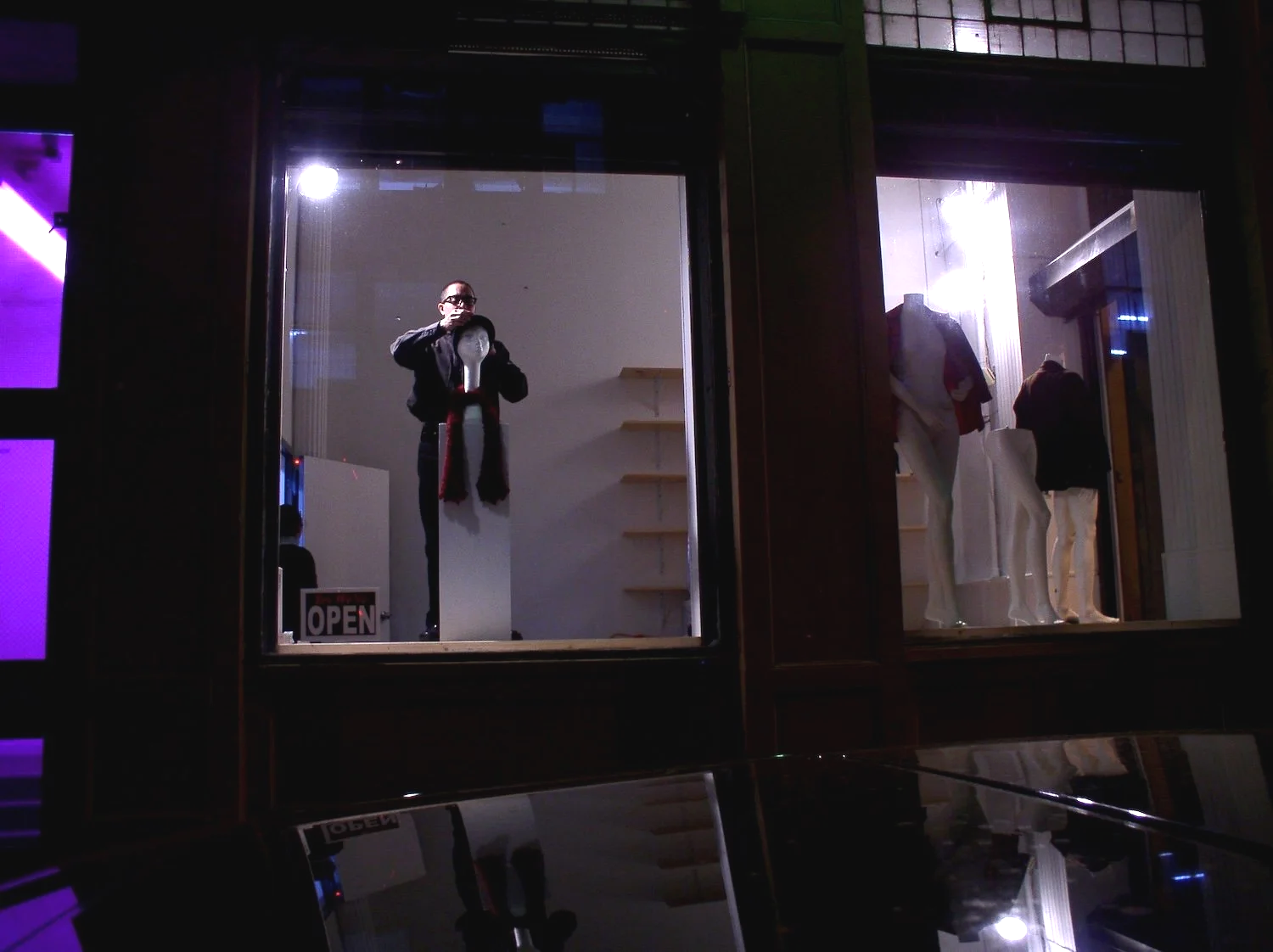
I co-generate a temporary store with nothing to sell on the ground floor of Art in General, one of New York City historic art spaces, and using items belonging to those that attend an opening at this exhibition space. Muzak plays in the background, as I collect, coat-check like, sweaters, coats, scarves, and even a teapot belonging to those entering the gallery. A series of claim checks is specially printed for the night.

Presented with Art in General


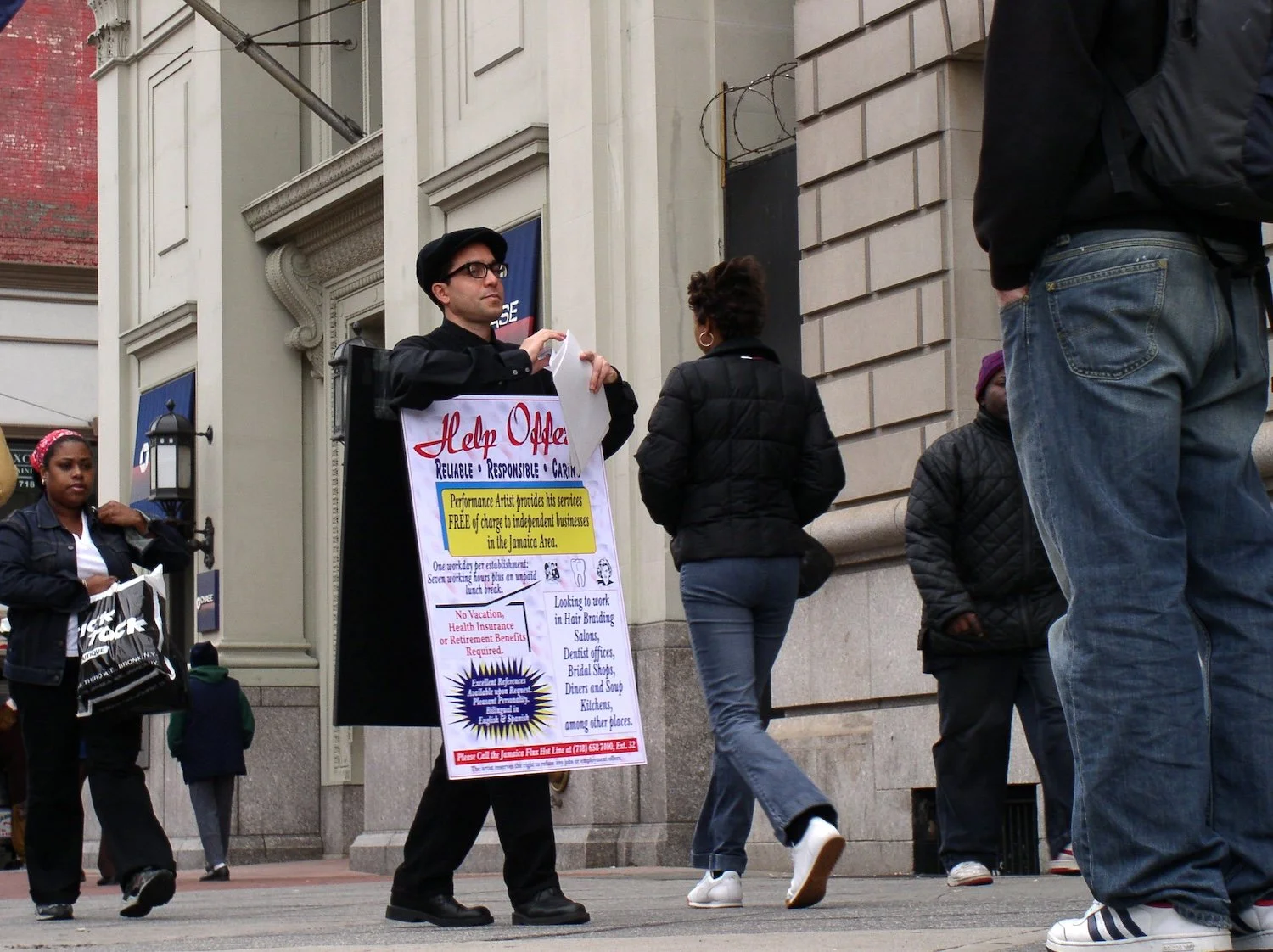
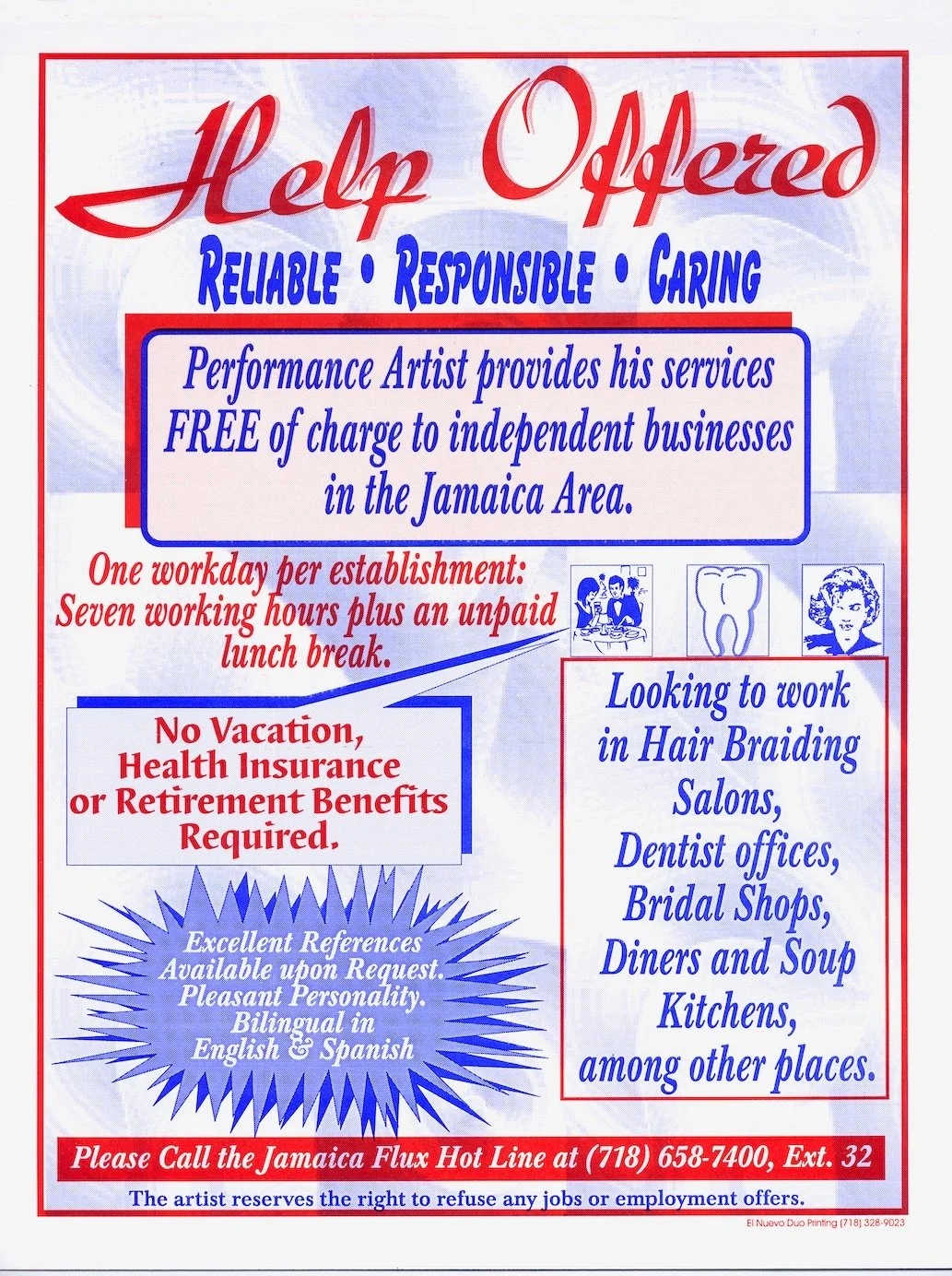
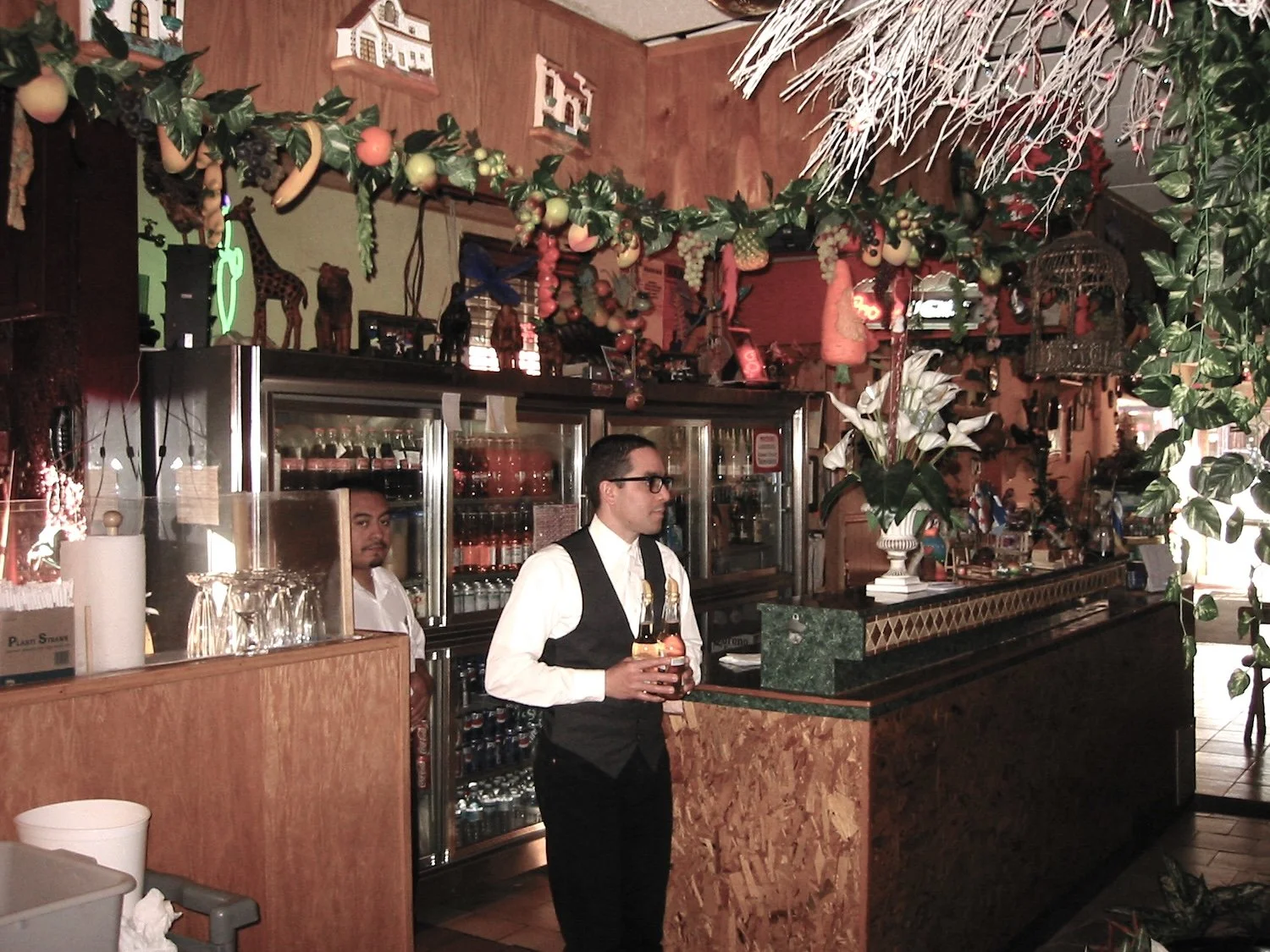
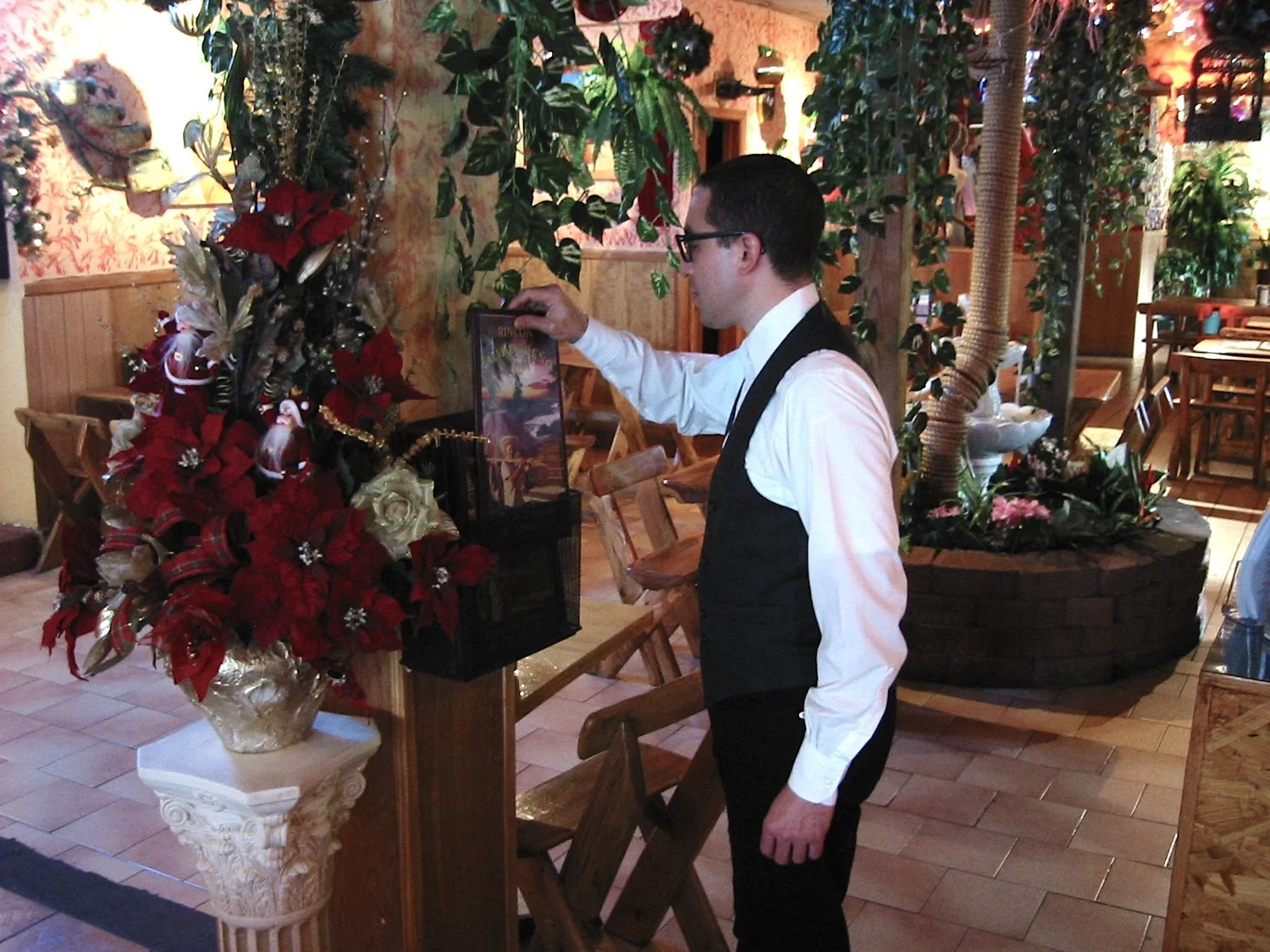
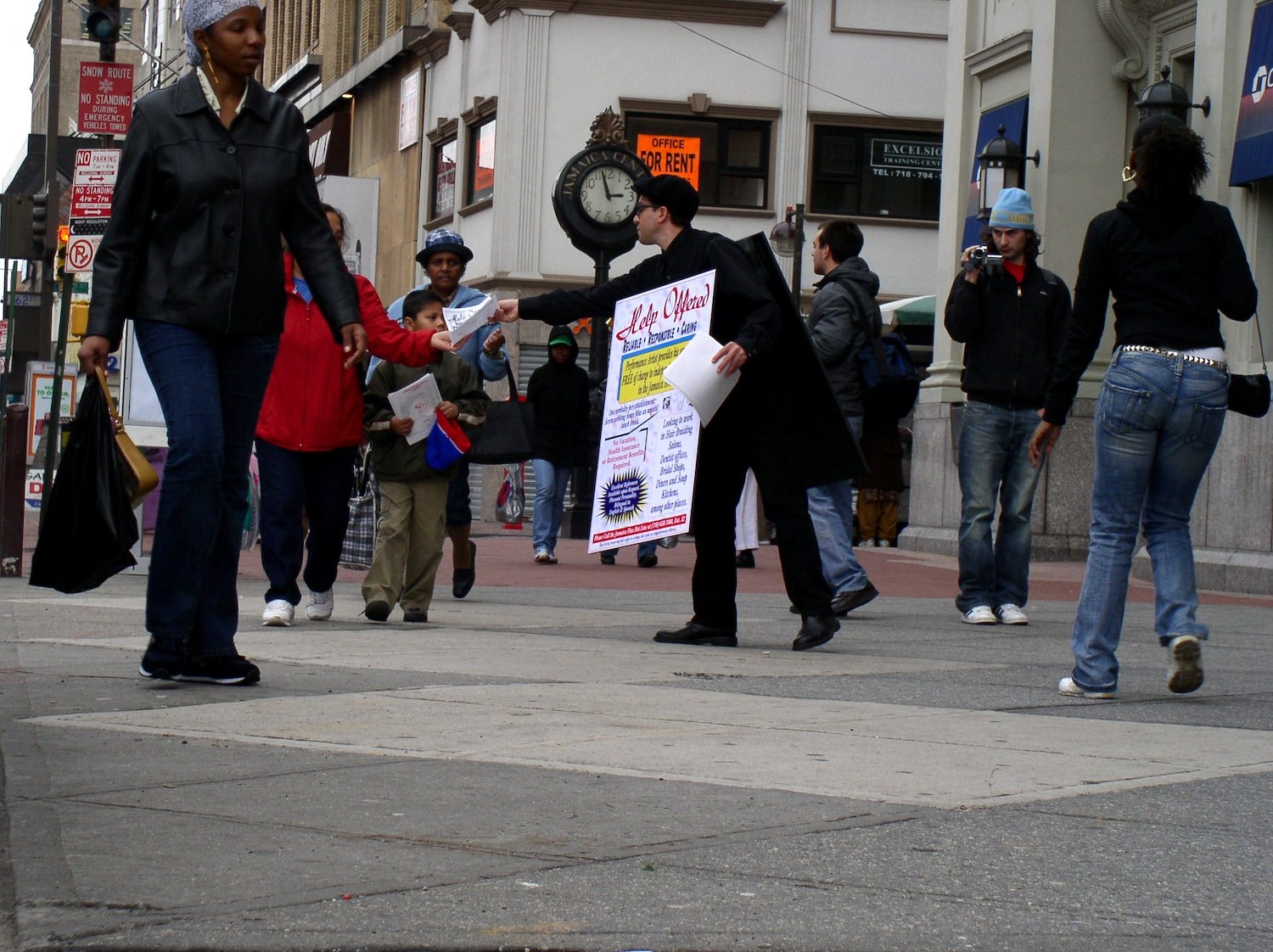
Help Offered


I offer my services free of charge to small-scale independent businesses in Jamaica, Queens. I will work in close proximity with the owners and/or employees, performing a variety of tasks that meet the needs of the establishments, bringing purely utilitarian actions to the realm of performance.

Presented with Jamaica Center for Arts and Learning (JCAL) as part of Jamaica Flux


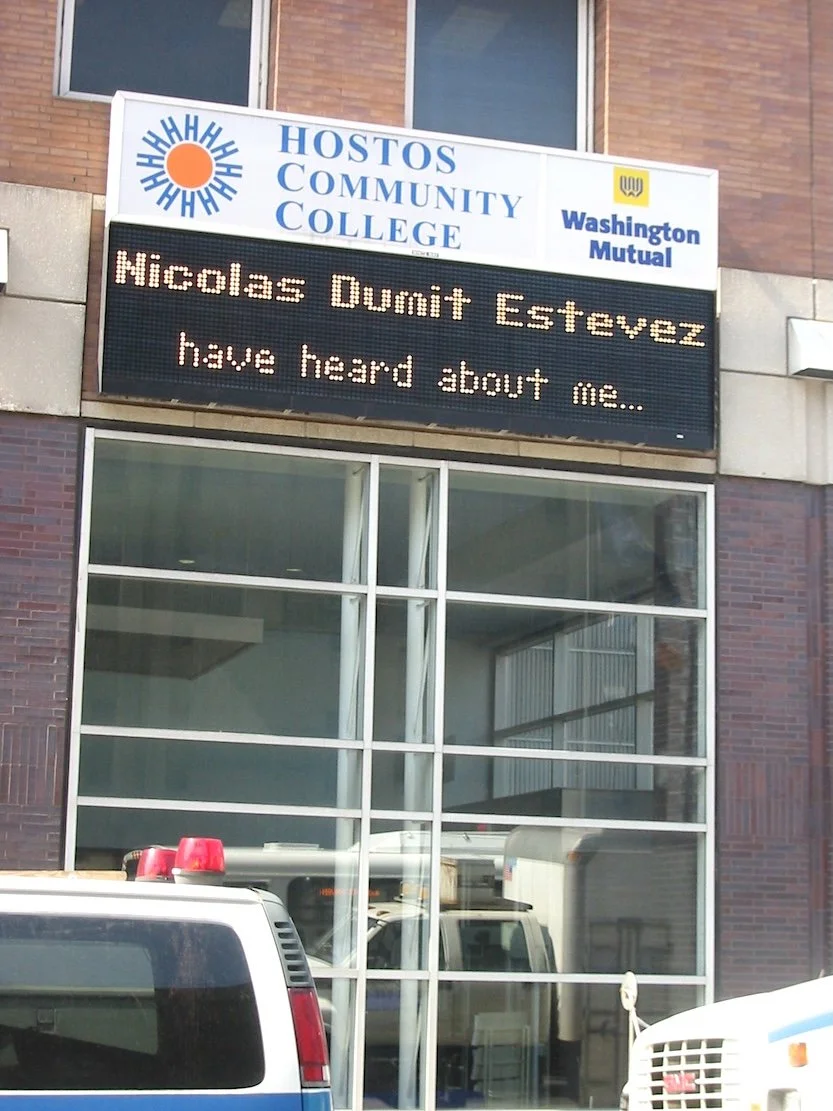
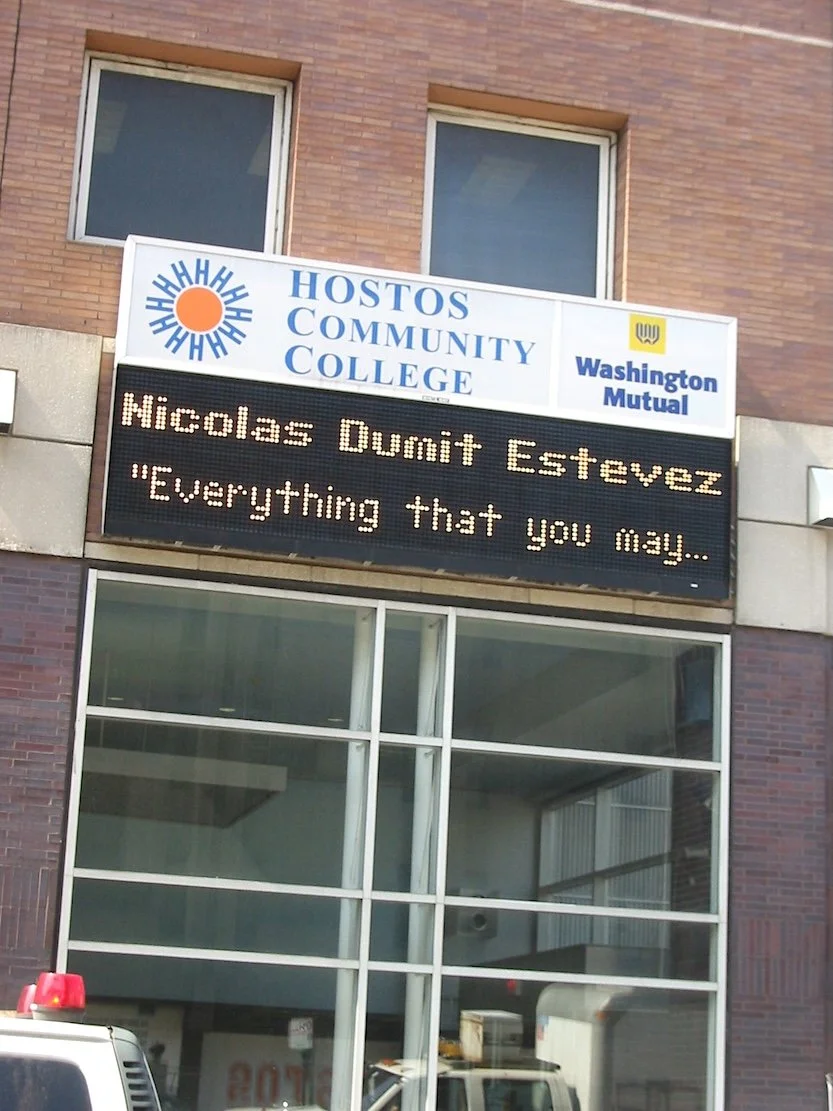
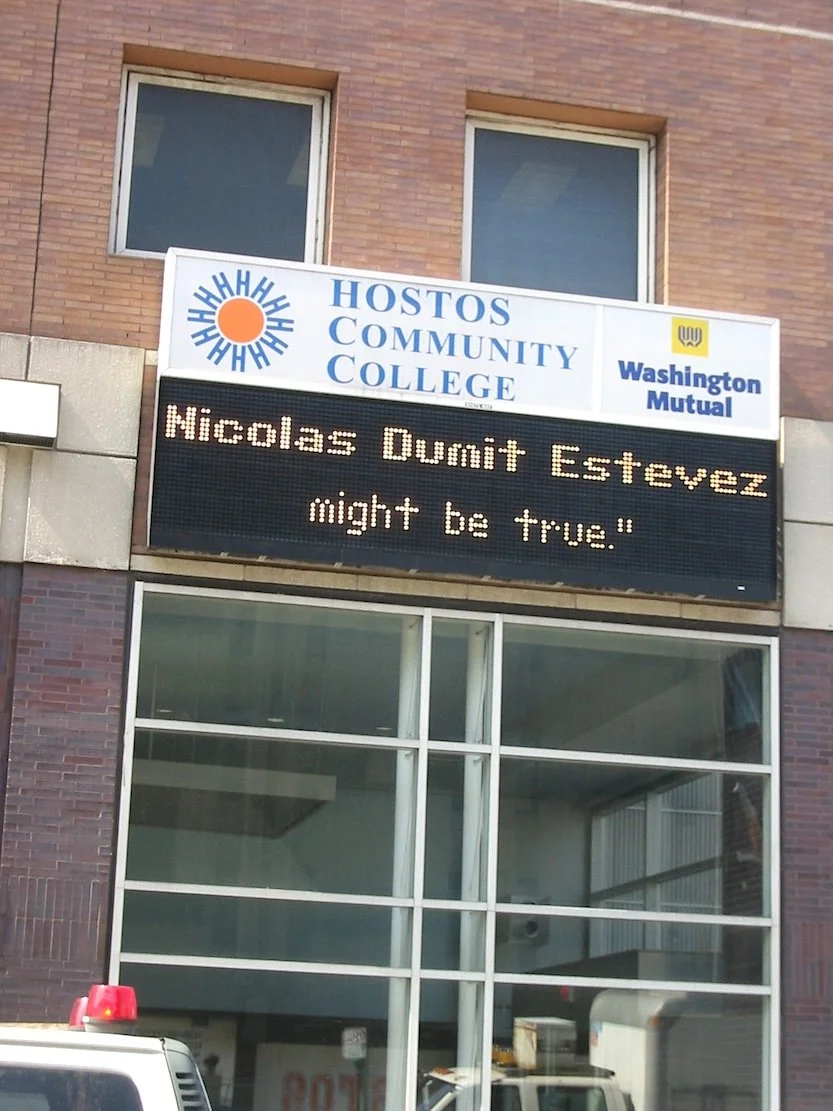
Everything that you May Have Heard About me Might be True…


Public/private statement on marquee at Hostos Community College

Presented as part of Rehearsed, a solo exhibition of Nicolás Dumit Estévez’s work curated by Edwin Ramoran at Longwood Art Gallery/Bronx Council on the Arts


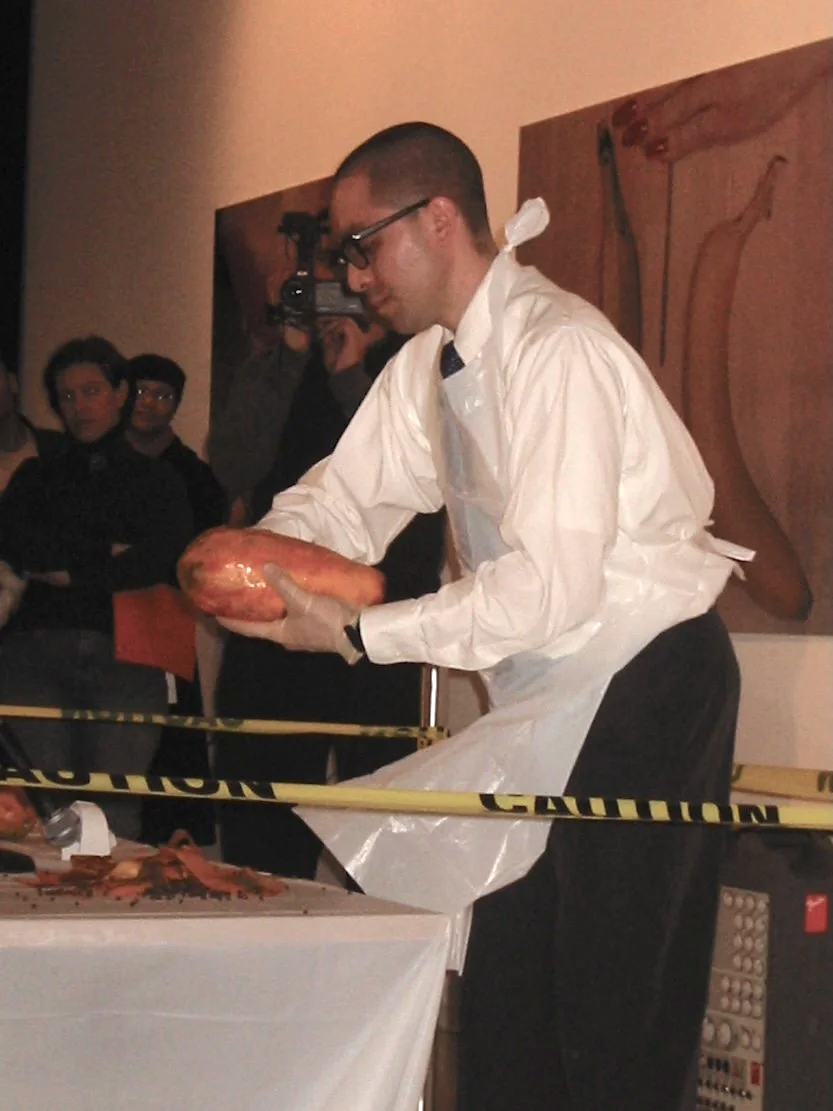
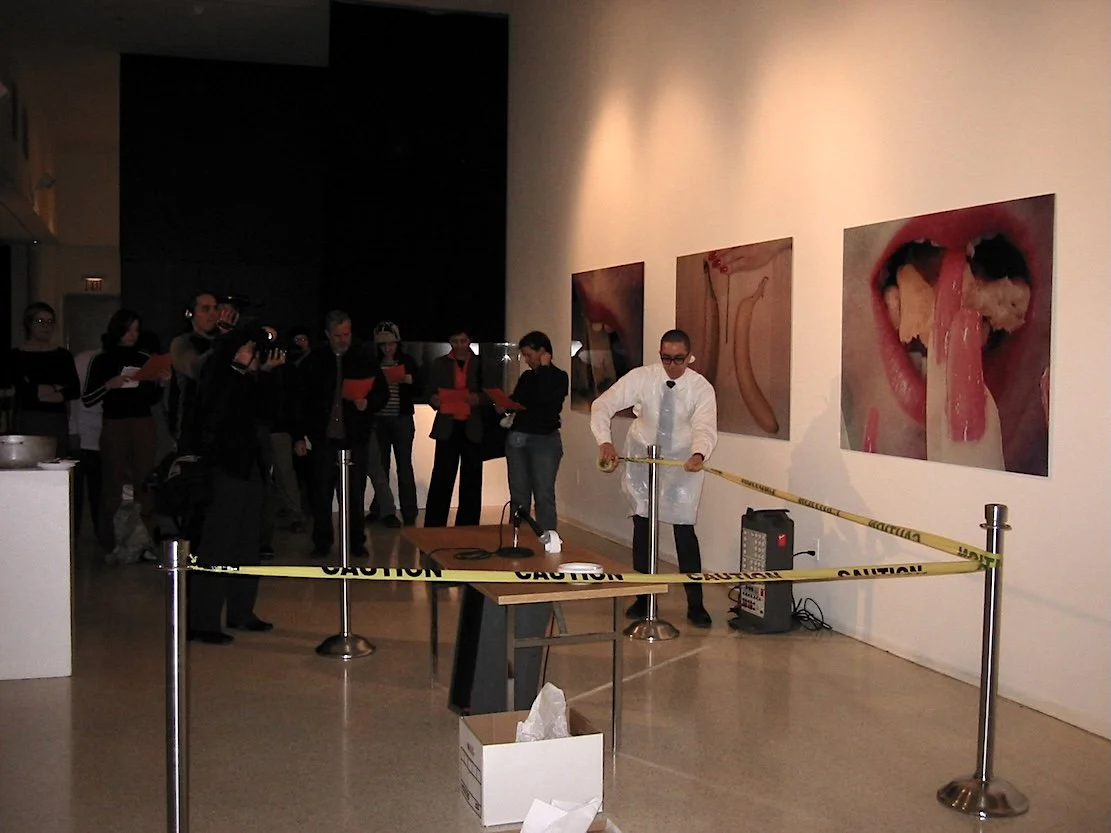
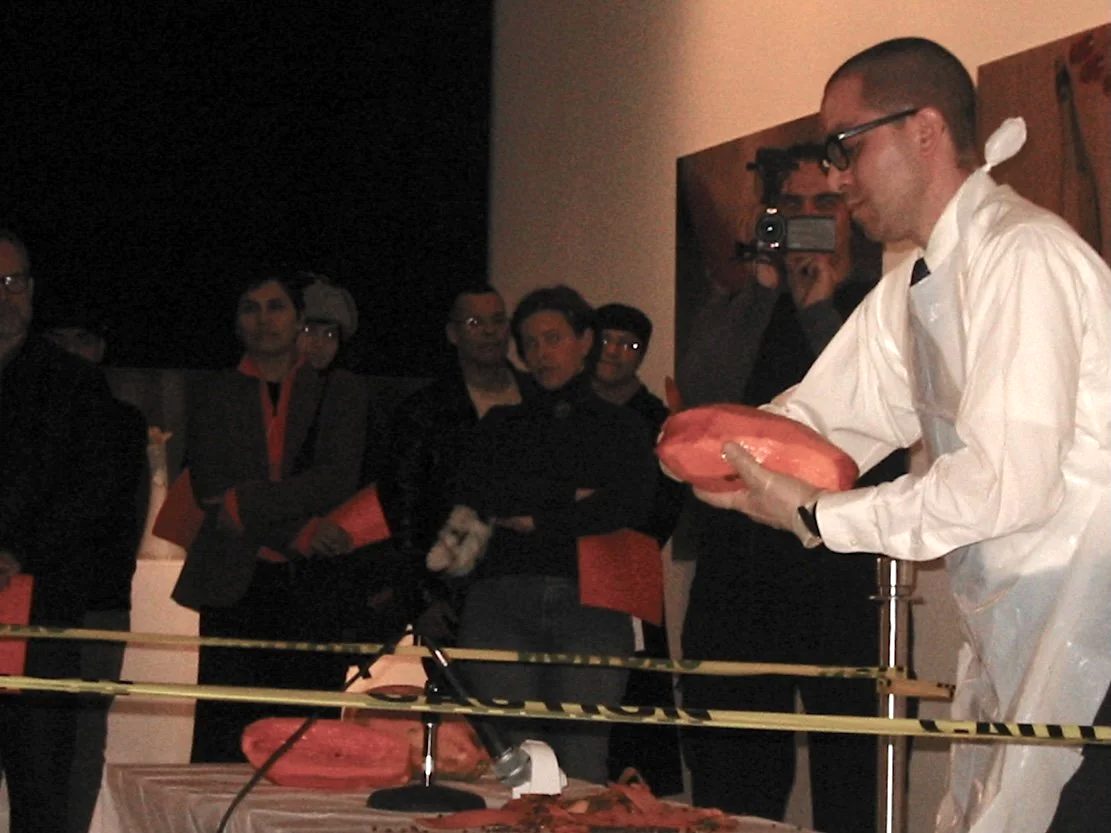
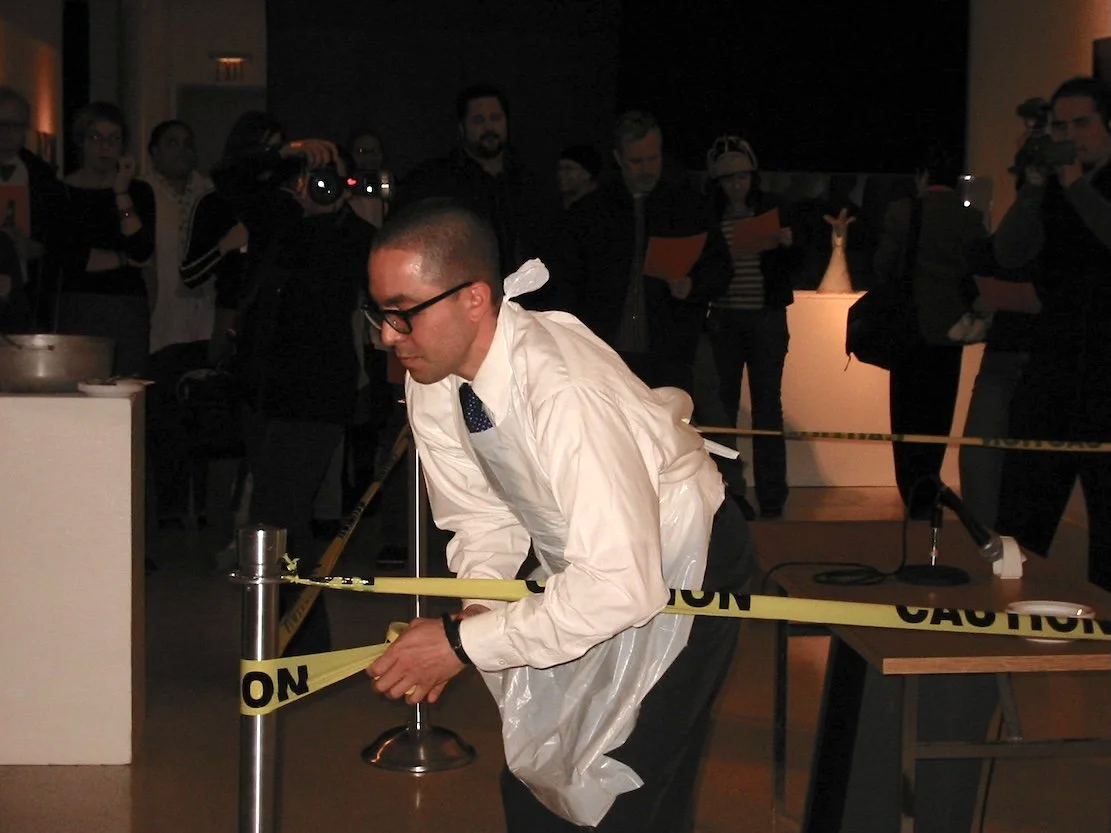
Orange Alert


A 15 minutes deactivation procedure developed by the Department of Fruitland Security

How to deactivate a Fruta Bomba, Papaya or Lechosa

Tools and materials: A cardboard box / A large sharp knife / A 6’ long folding table / A plastic tablecloth with felt backing / Two plastic bags / A pack of disposal plates / A pack of white plastic forks / A pack of napkins (any brand) / A smock / A pair of powder-free latex gloves / A roll of Bounty paper towels / A roll of “DO NOT CROSS” tape / A timer / A PA system / A red permanent marker

Procedure developed by the Department of Fruitland Security:

1. Purchase or otherwise obtain five medium/large frutas bombas or papayas

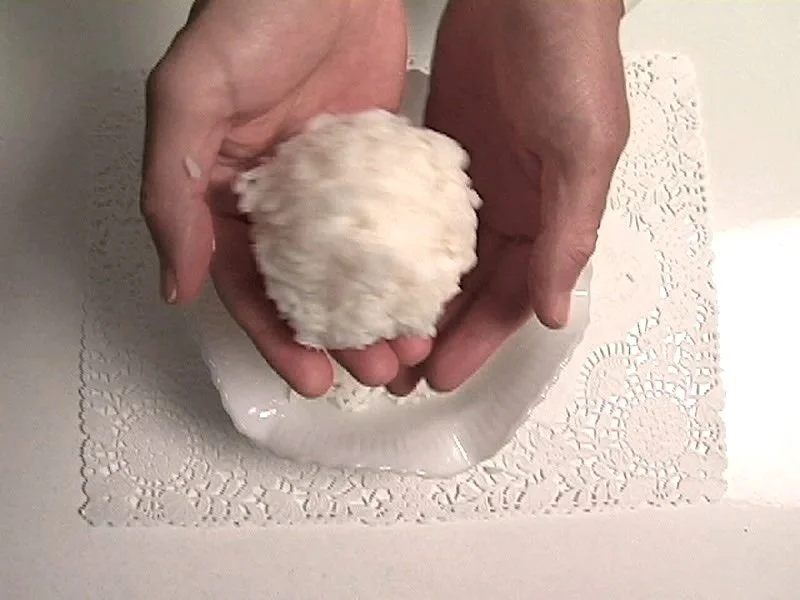
2. Make sure each fruta bomba is wrapped individually in soft paper. This minimizes contact and possible damage to the delicate surface of the fruit. Dark green or brown splotches tend to appear where the surface of this item has experienced pressure, heat or cold. Do not worry too much about small spots of mold. White clusters of cotton-like growth are actually an indicator that the fruta bomba is reaching its ripe stage.

3. When the fruta bomba is uniformly orange and soft to the touch, transport it in a cardboard box or padded container. Set this on the floor. Be as gentle as possible. Keep one hand under the container and one hand wrapped around. When ready to set the cargo on the floor slide the hand that is under the container towards you and keep the hand that is wrapped around it in place until the container is no longer in motion.

4. Unfold the 6' long table. Make sure that legs are properly locked into place. This avoids possible accidents during the deactivation procedure. Cover the table with the white tablecloth.

5. Connect the timer to the PA system. Set the alarm to twenty-five minutes.

6. Unroll the “DO NOT CROSS” tape. Separate the work area from the public access area by three feet in each direction.

7. Don a pair of latex gloves to avoid contact with the skin.

8. Unwrap the frutas bombas and place them on the surface of the table. Save the wrapping paper in a clear plastic bag. Using the red permanent marker, label it with its use and contents. i.e. paper used for wrapping papaya. Include the date, time and your signature.

9. Proceed to deactivate the frutas bombas individually, completing the full deactivation procedure on one before moving to next one. This is important in case you do not have enough time to work on all of them. In the event that you are short of time, place all the remaining fruits in a clear plastic bag and run out of the building before the timer goes off.

The deactivation procedure is as it follows:

Hold the fruta bomba in the middle with one hand. Use the free hand to maneuver the knife. Peel off all of the skin. Cut the fruit in half horizontally and remove its seeds. Save these in a lidded plastic container. These seeds are beneficial in ridding the human body of harmful parasites. Slice the pulp in pieces of approximately 2" x 2." Serve on individual plates. Provide each plate with a fork and a paper napkin.

10. Turn the timer off.

11. Disconnect the PA system.

12. Clean the work surface.

13. Remove the “DO NOT CROSS” tape.

13. Invite everyone present to the table.

14. Leave the room. Carry all of the debris from the process with you.

Presented as part of Rehearsed, a solo exhibition of Nicolás Dumit Estévez’s work curated by Edwin Ramoran at Longwood Art Gallery/Bronx Council on the Arts


Toilet Training


This is a site-specific intervention presented at Sculpture Center’s renovated restrooms. The piece consists of an instructional audio played through speakers, instructing bathroom users on hygiene and social deportment, while also giving factual information on the space in question and shaping it as a conceptual sculpture.

Audio Narrator: Rebeca Herman / Audio recording and mastering: Mark Soffner

Presented at Sculpture Center as part of In Practice


All You Can Eat


Nicolás Dumit Estévez, Lobstetrics, 2004 / Developed as part of Longwood Cyber Residency / Bronx Council on the Arts


Nicolás Dumit Estévez, Orange Alert, 2004 / Developed as part of Longwood Cyber Residency / Bronx Council on the Arts


Nicolás Dumit Estévez, All You Can Eat, 2004 / Developed as part of Longwood Cyber Residency / Bronx Council on the Arts

All You can Eat consists of the recreation of a series of raw videos originally generated two decades ago using Flash, a format that was in vogue then. This page celebrates the coarseness of the process and its inherent beauty. In 2004, this undertaking was all about exploration, experimentation, having fun, and making do with what I had at hand. All You can Eat is also about the unspoken layers. The videos talk about gender, race, immigration, politics, sexuality in non-prescribed ways; just like cooking.

Given my current ethics in regard to food justice, many of the ingredients depicted here are not ones I would use today.

There will be more elements of this series coming up!

Developed as part of Longwood Cyber Residency / Bronx Council on the Arts


Arroz Sin Pollo: I Wish I could be Universal!


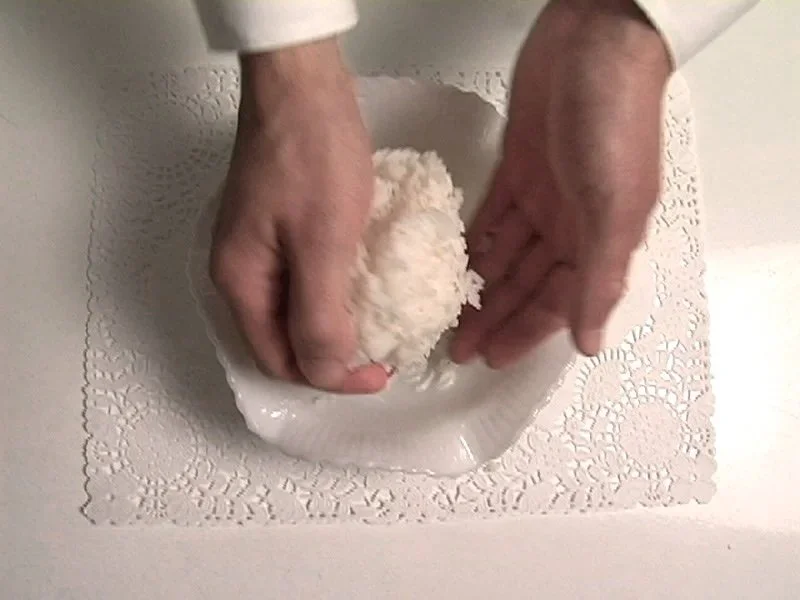
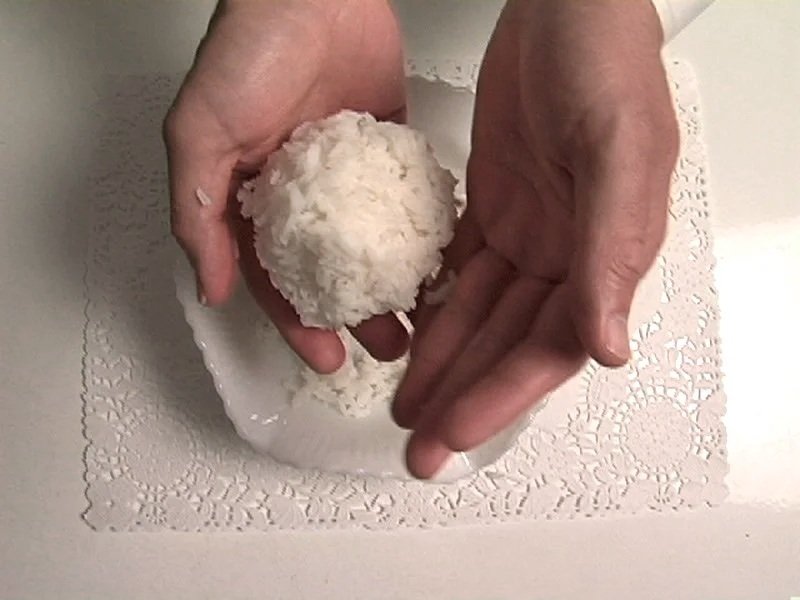
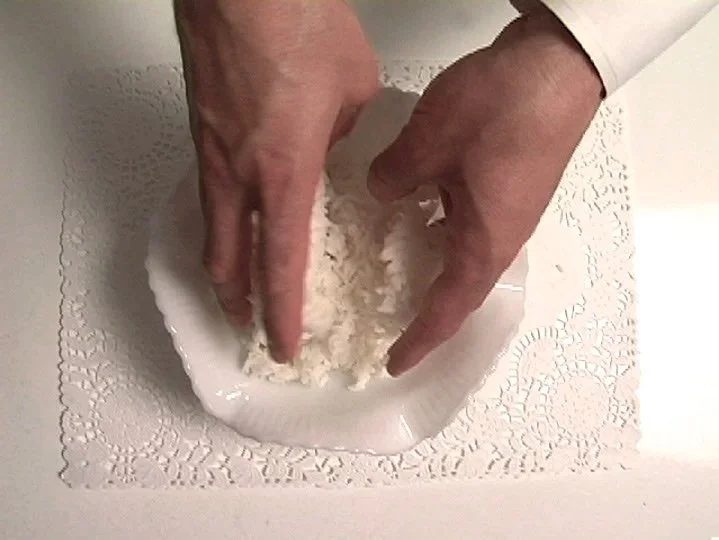
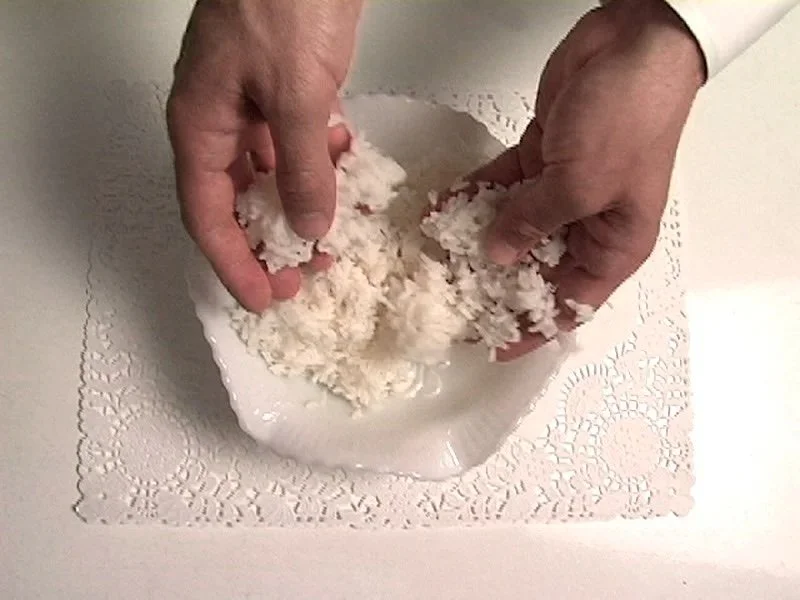
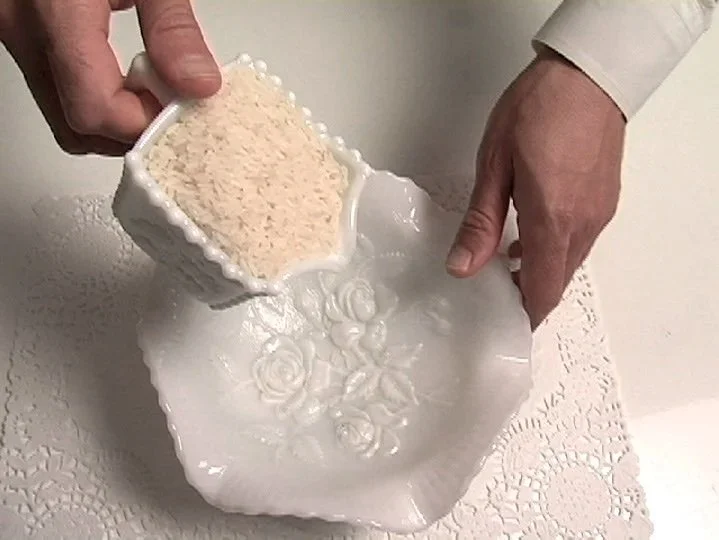
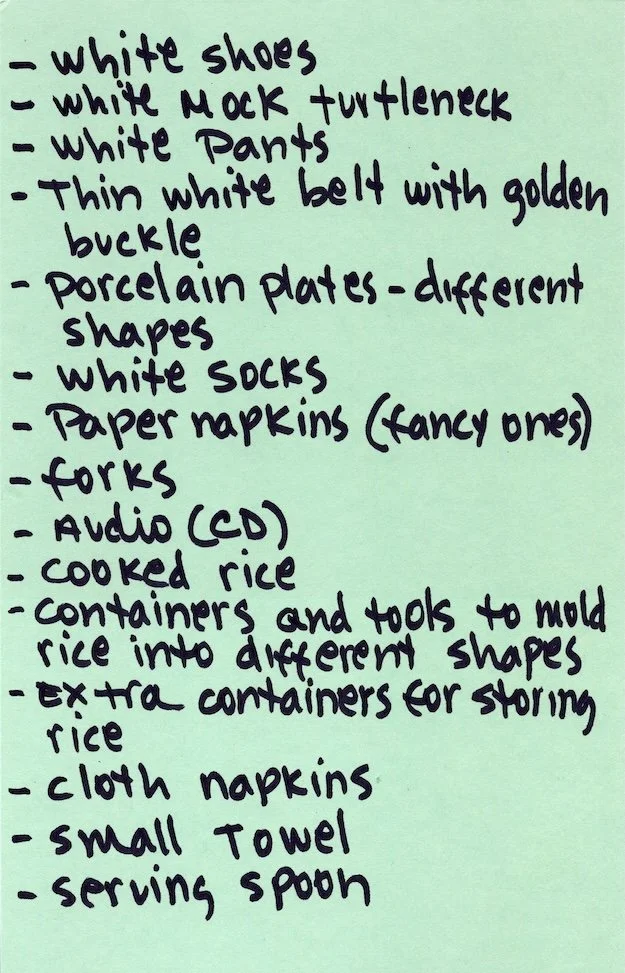
Arroz sin Pollo [Rice without Chicken] is the minimalist counterpart of a traditional Caribbean recipe that consists of a mixture of rice and chicken prepared in tomato sauce, seasoned with garlic, cilantro, onion, peppers, Spanish olives and salt. In this case, the dish is presented without chicken or any other ingredients, allowing for a detailed examination of the formal properties of the starch itself. Also titled: I wish I could be Universal.

An Audio-victual Presentation produced and performed by Nicolás Dumit Estevez / Voice: Rebecca Herman / Audio recording: Mark Shoffner

Presented with PERFORMA and Longwood Art Gallery/BCA at Artists Space


Peek-Skill, May I Borrow Your Eyes?


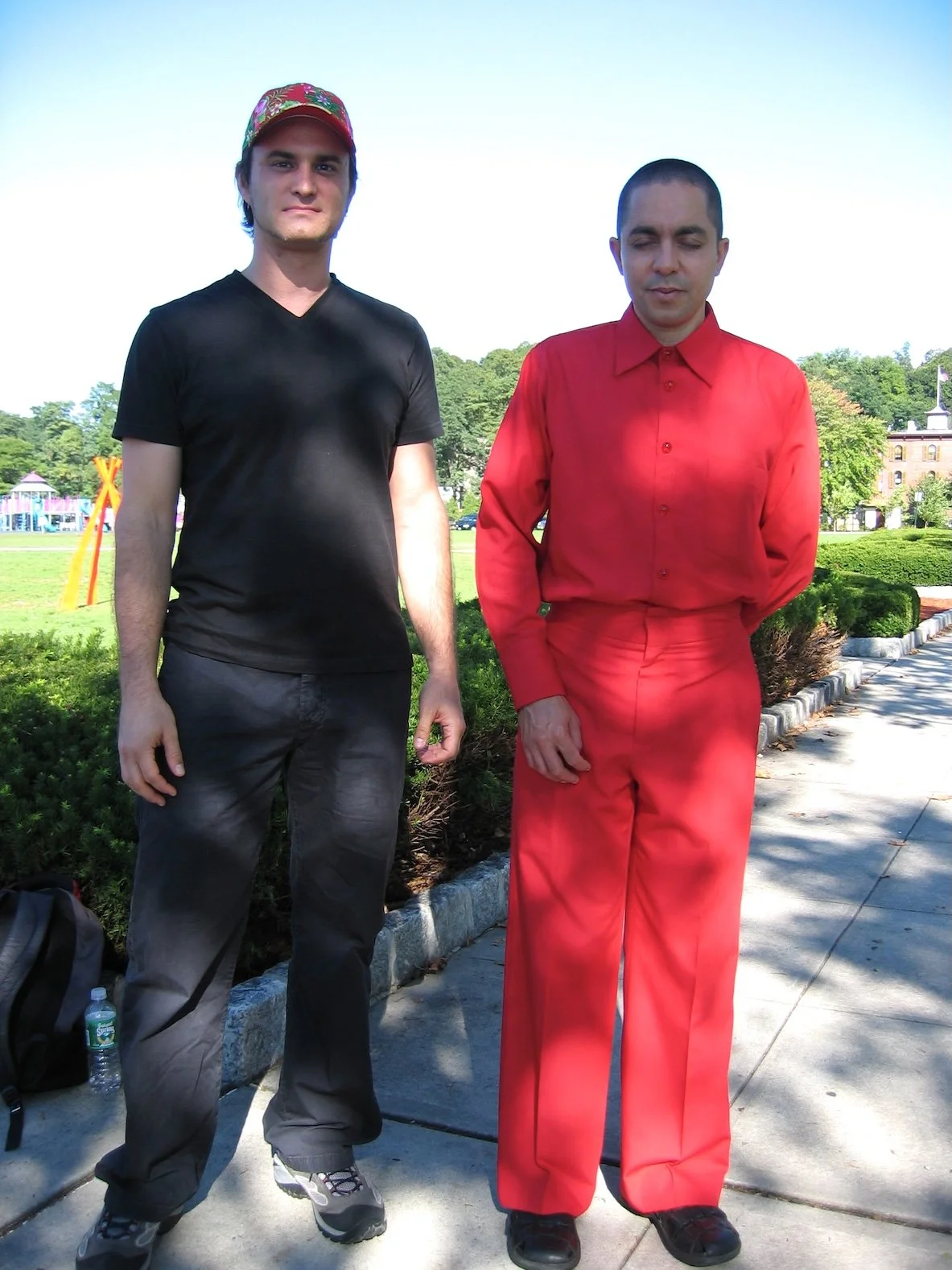
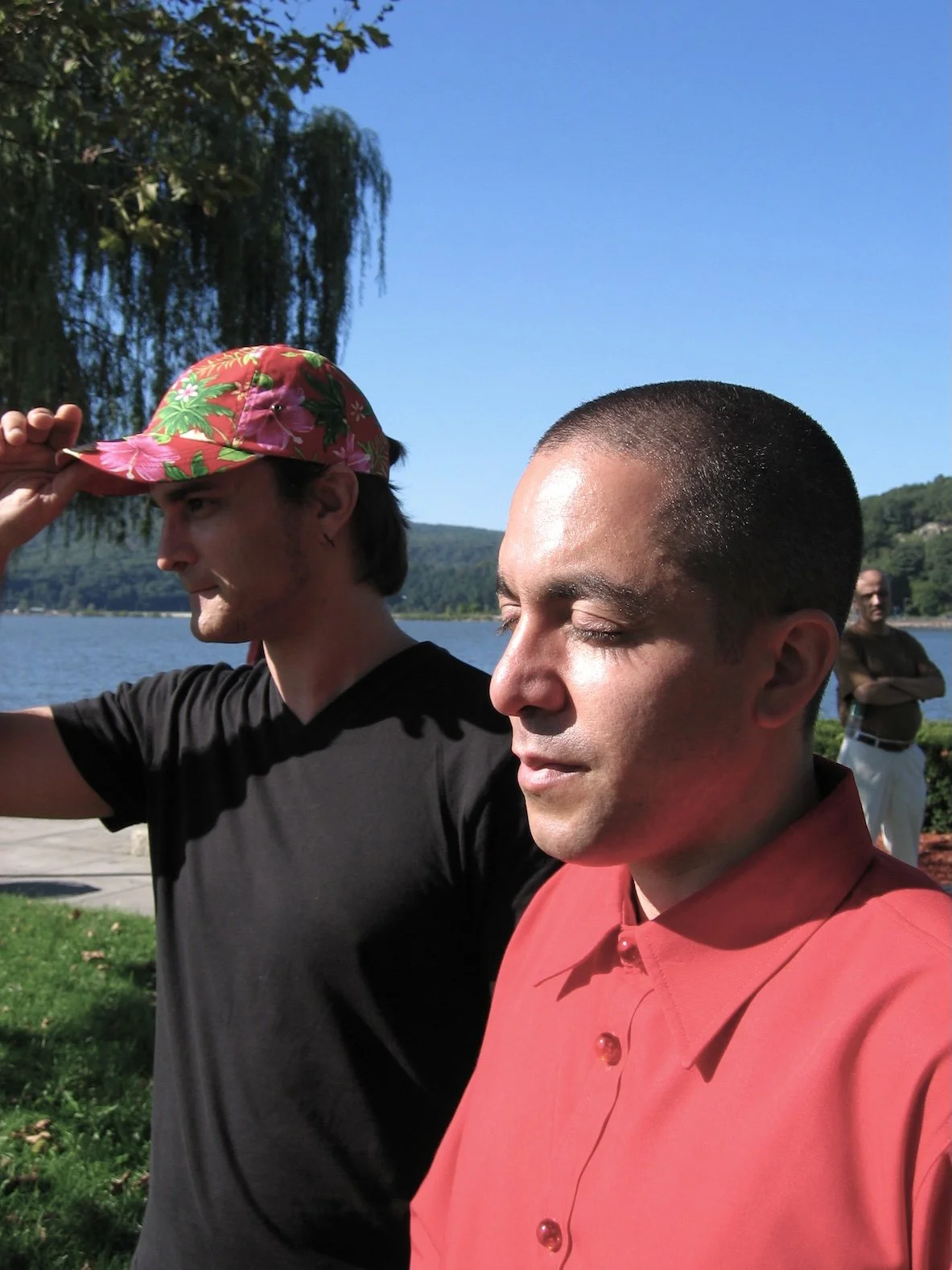
Having been to Peekskill once for the duration of a few hours, I recall some of its streets, talking with a family as they waited for a bus, ordering food at a Latino restaurant, and eating by a curb near the main square. Two years later, I am interested in inviting residents to give me tours of their favorite parts of the city, to choreograph with these journeys a geography I will only see through someone else’s sight. These promenades will allow participants to  revisit everyday surroundings from a visitor’s perspective. My eyes will be closed from the time I arrive at Peekskill until the time I depart. No squinting.

Presented with Peekskill Project


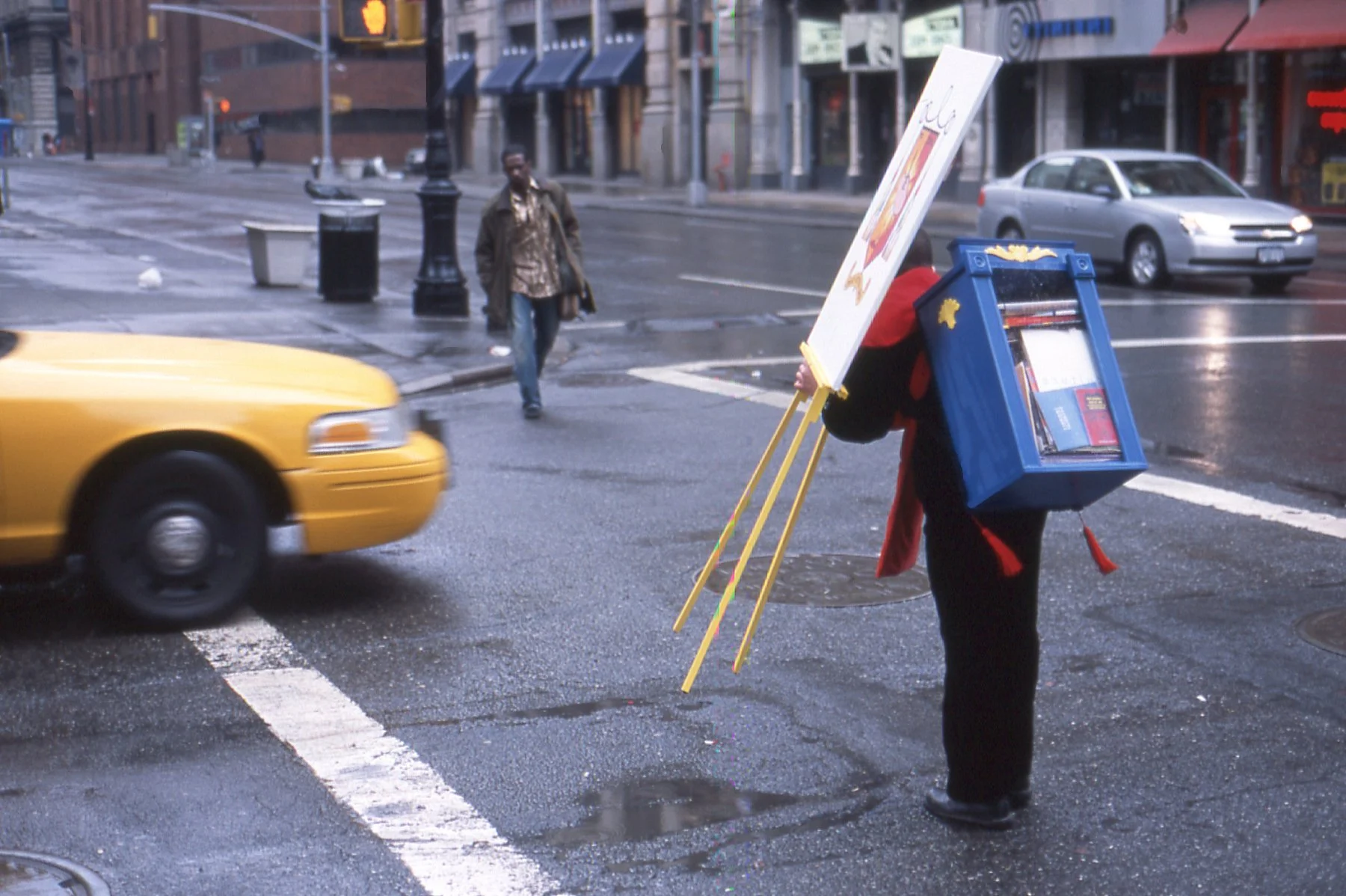
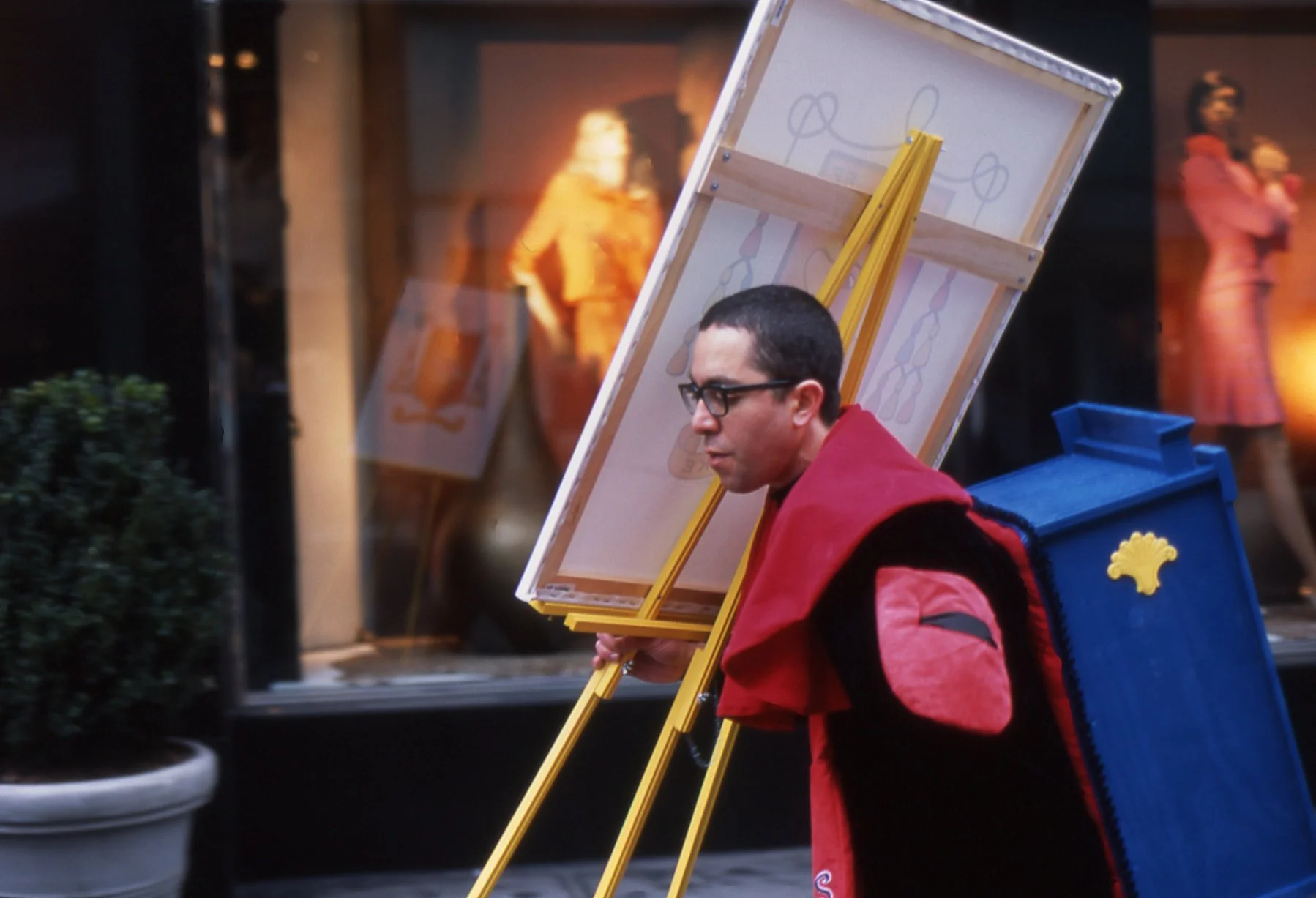
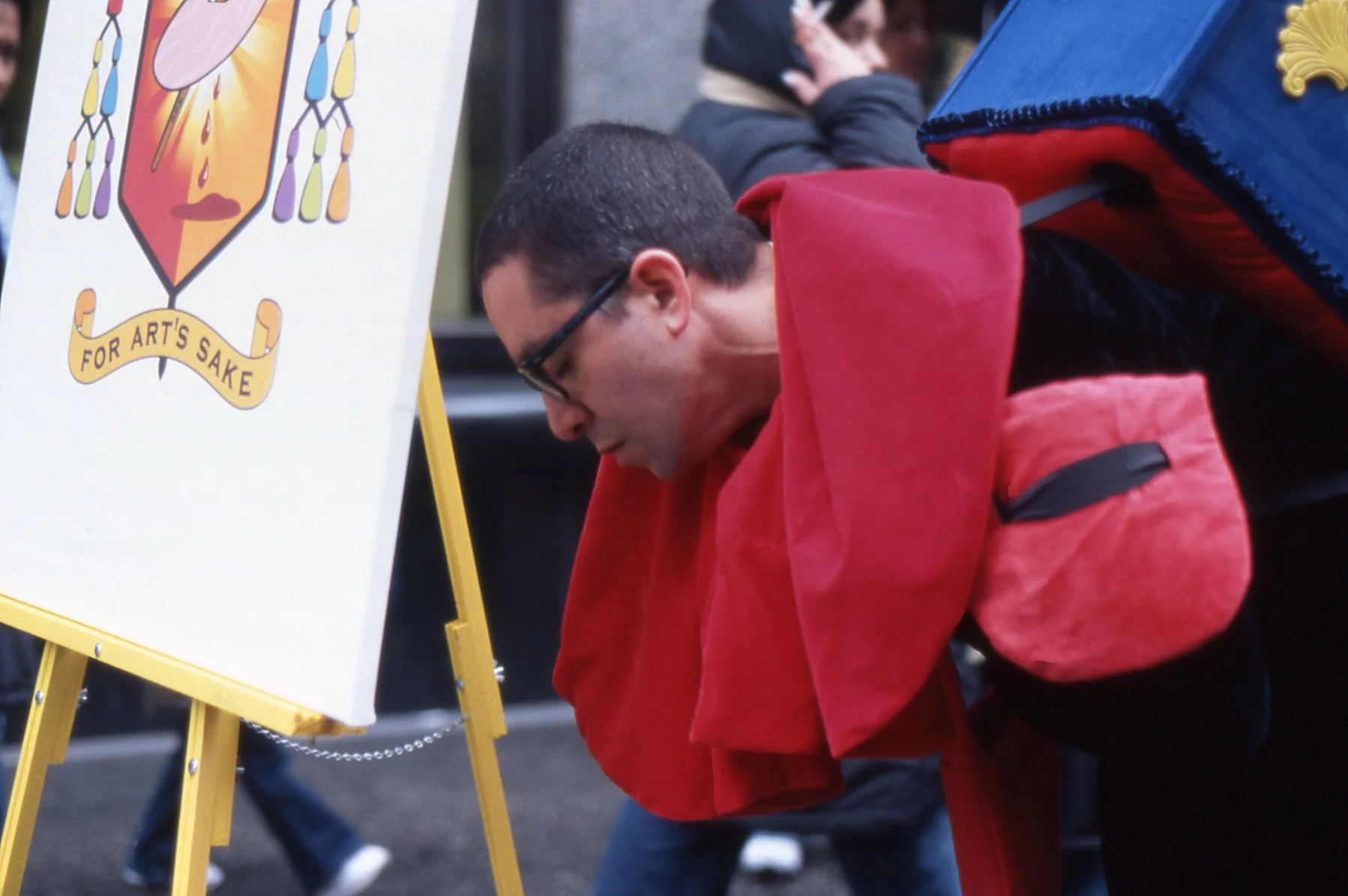
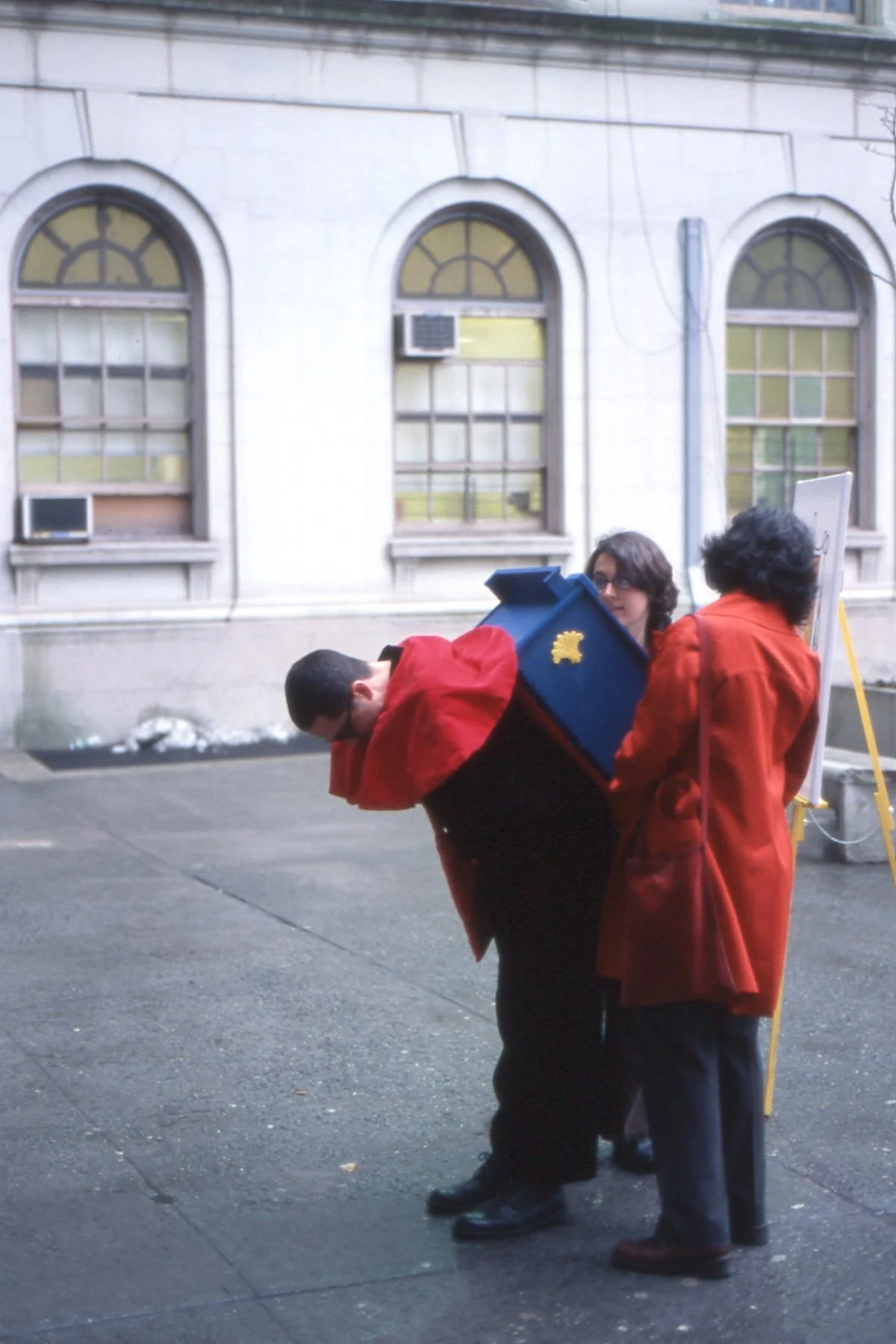
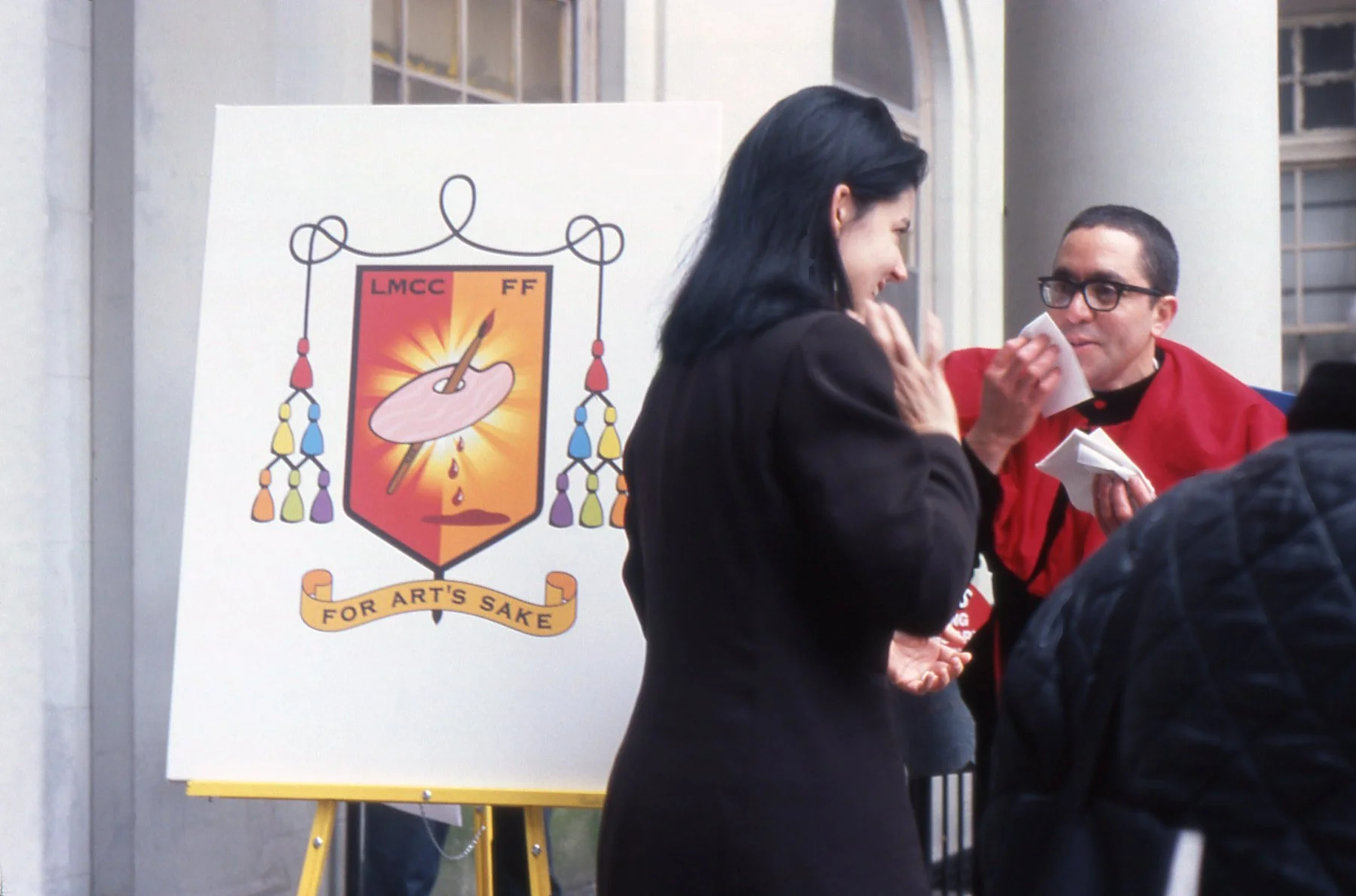
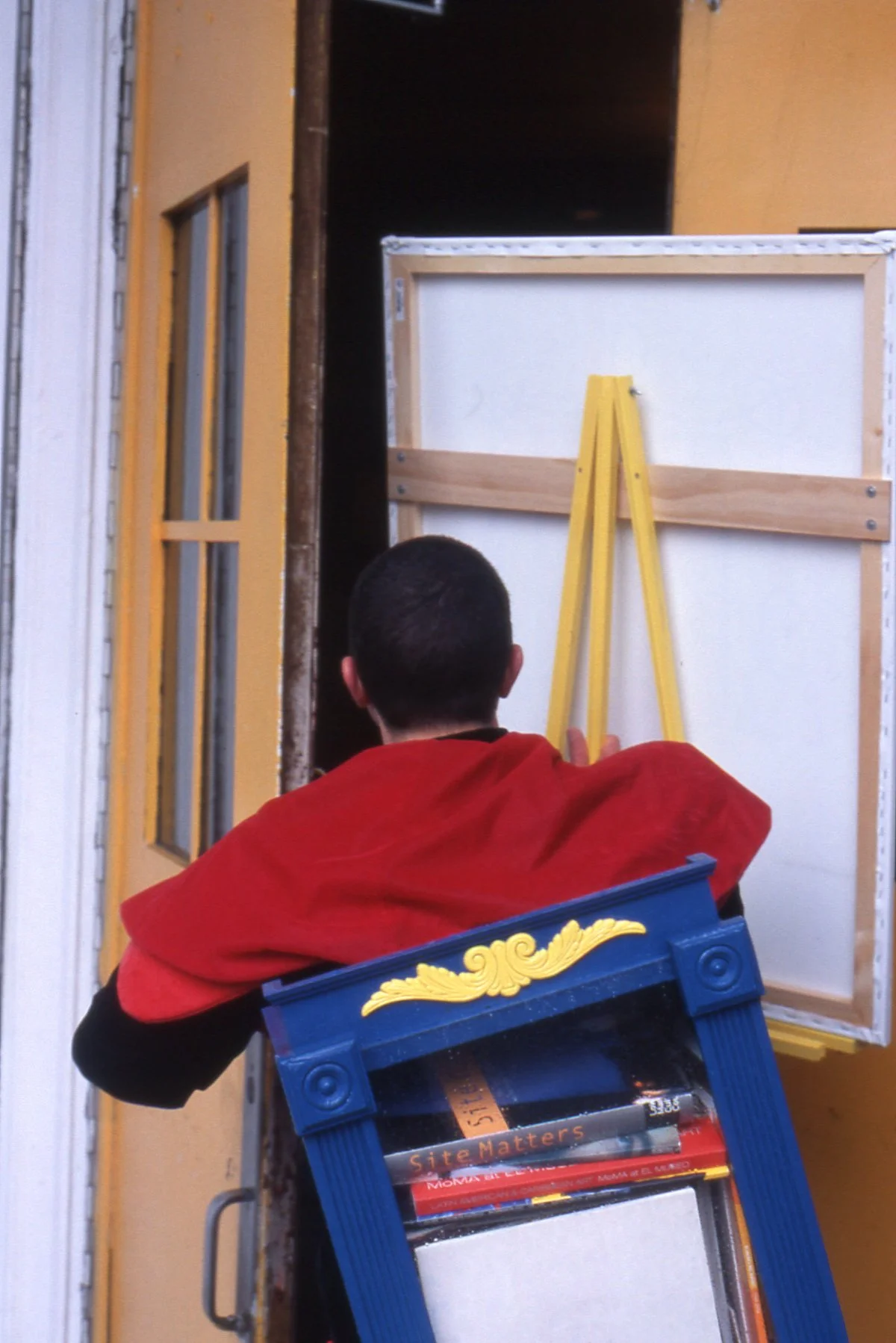
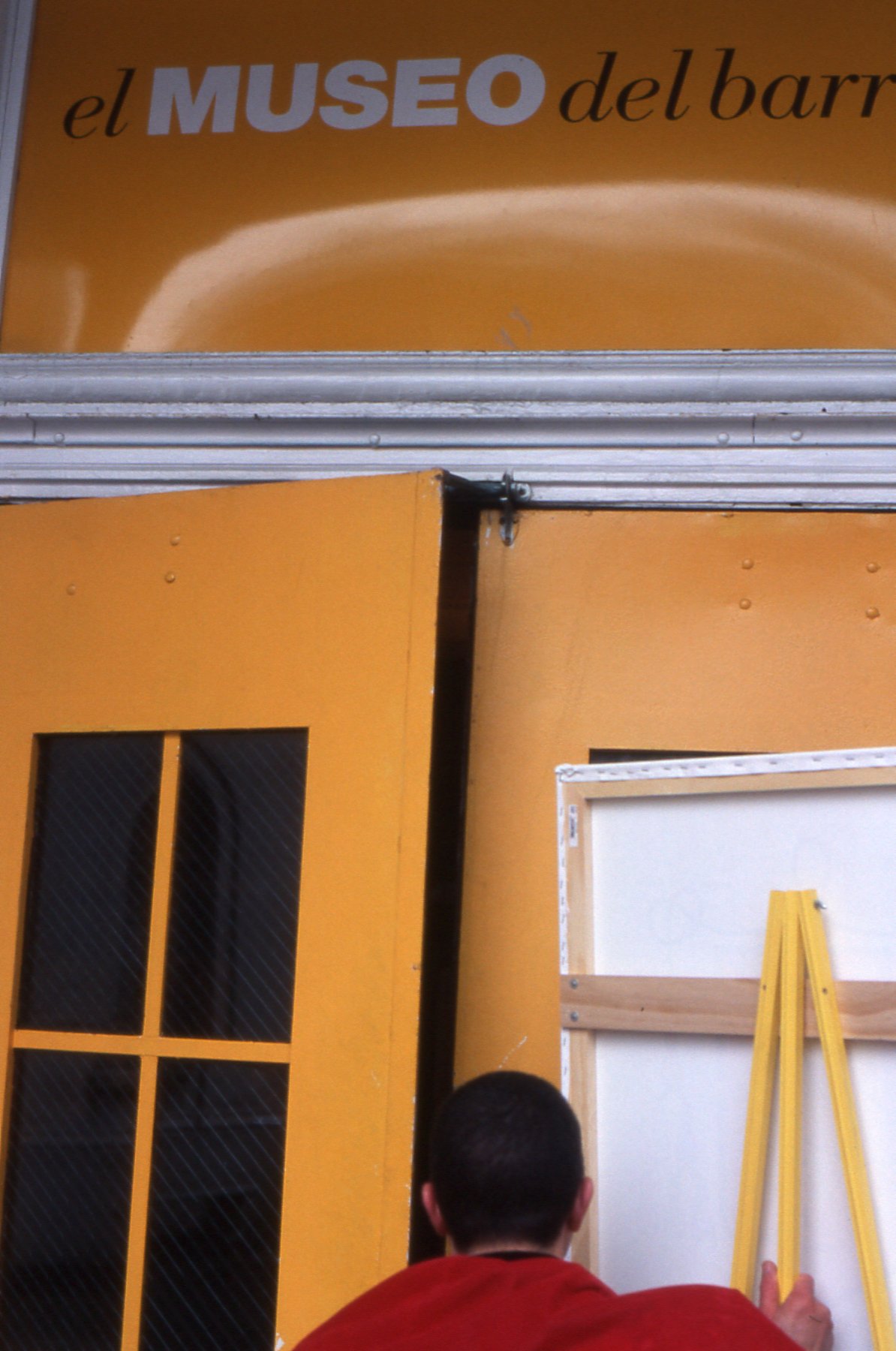
For Art’s Sake: Pilgrimage to El Museo del Barrio


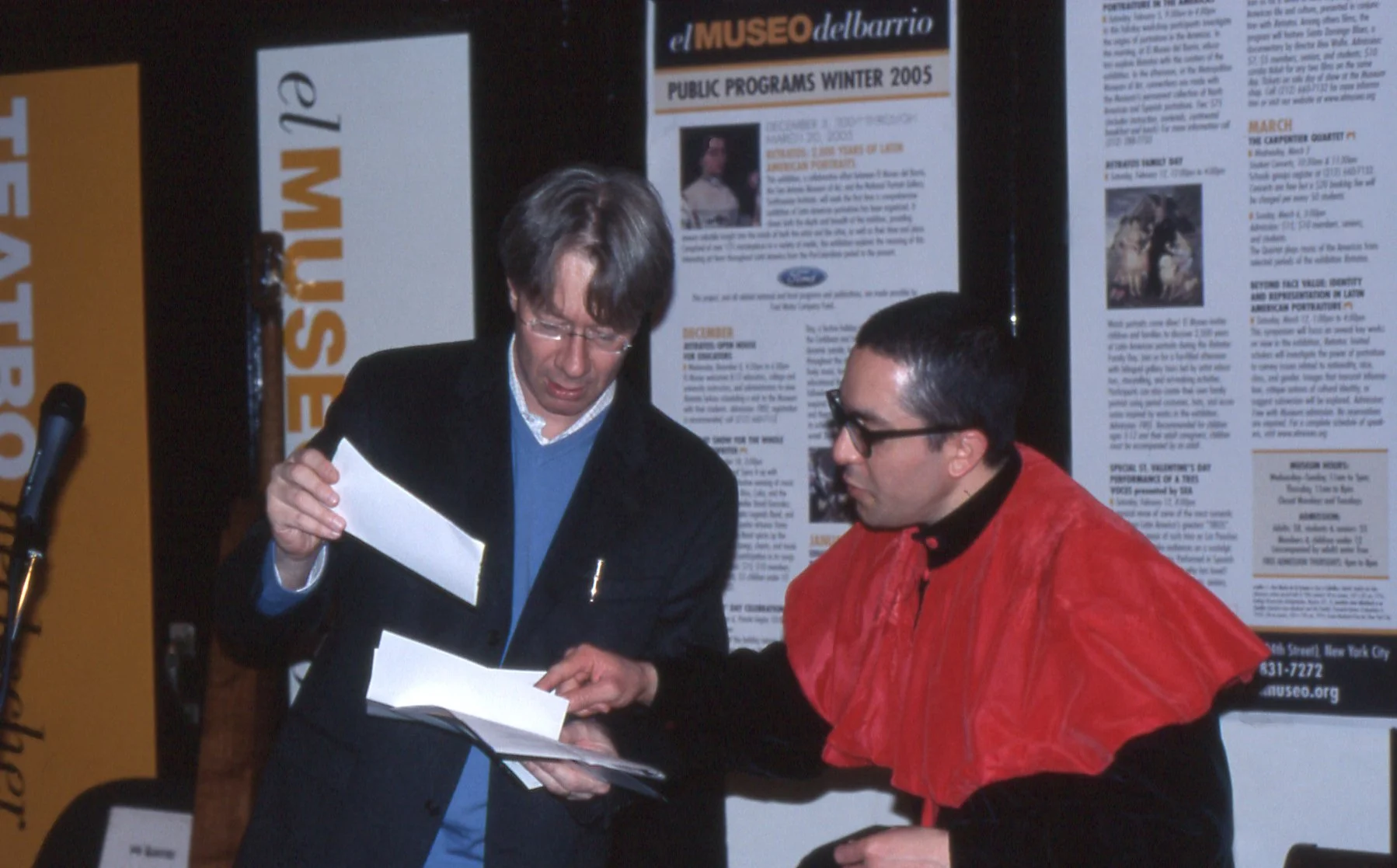
I modeled these actions after El Camino de Compostela in Spain, staging a series pilgrimages to seven museums in the New York metropolitan area. During my journeys, I carried a pilgrim’s credential that I asked museum directors or other cultural officials linked to the places that I visited to stamp and or sign.

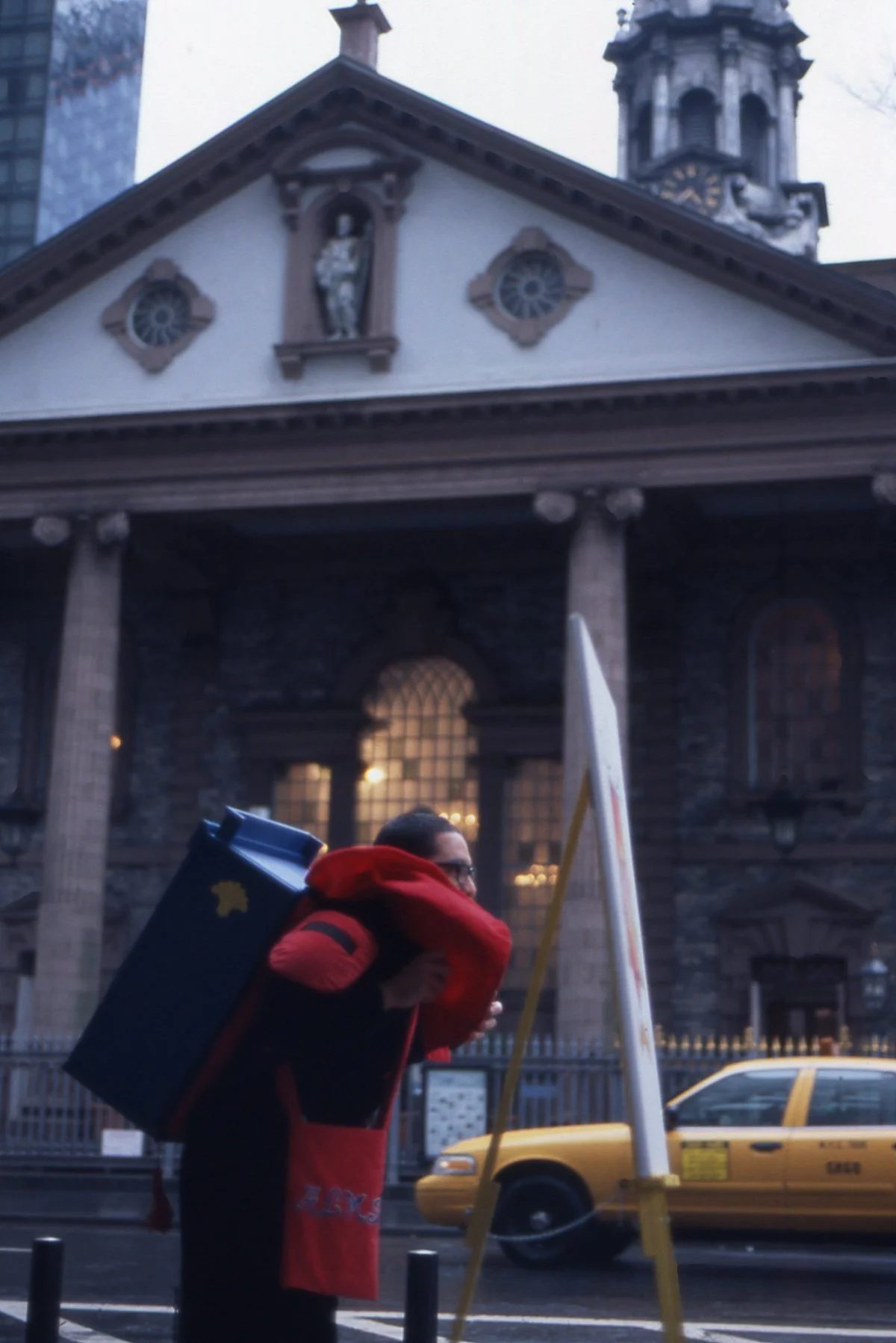
For the first journey on March 20, 2005, I was heavily laden with donated art publications strapped to my back for a trip that took me from the heart of the world’s financial center in Lower Manhattan to East Harlem. El Museo del Barrio’s Director Julián Zugazagoitia commemorated the performance by signing the credential.

For Art’s Sake was presented as part of Lower Manhattan Cultural Council’s Workspace Residency Program and the Franklin Furnace Fund for Performance Art, and in collaboration with El Museo del Barrio, The Bronx Museum of the Arts, The Studio Museum in Harlem, The Jersey City Museum, the Lower East Side Tenement Museum, the Smithsonian’s National Museum of the American Indian, Queens Museum, Longwood Arts Project/Bronx Council on the Arts, Local Project, Y Gallery, Steinway and Elmhurst Libraries in Queens, and the Center for Book Arts.

Funding for these pilgrimages have been provided by: The Franklin Furnace Fund for Performance Art (Franklin Furnace Fund for Performance Art is supported by Jerome Foundation and public funds from the New York State Council on the Arts, a state agency); The Center for Book Arts; Lambent Fellowship Program of Tides Foundation; The National Association of Latino Arts and Culture; The Michael Richards Fund, a program of Lower Manhattan Cultural Council; The Center for Book Arts; The Urban Artist Initiative/NYC; and Queens Museum.

Special thanks to Dolores Zorreguieta, Martha Wilson, Sara Guerrero-Rippberger, Harley Spiller, David Hinkle, Geoffrey Jones, and Edwin Ramoran.


For Art’s Sake: Pilgrimage to Bronx Museum


I modeled these actions after El Camino de Compostela in Spain, staging a series pilgrimages to seven museums in the New York metropolitan area. During my journeys, I carried a pilgrim’s credential that I asked museum directors or other cultural officials linked to the places that I visited to stamp and or sign.

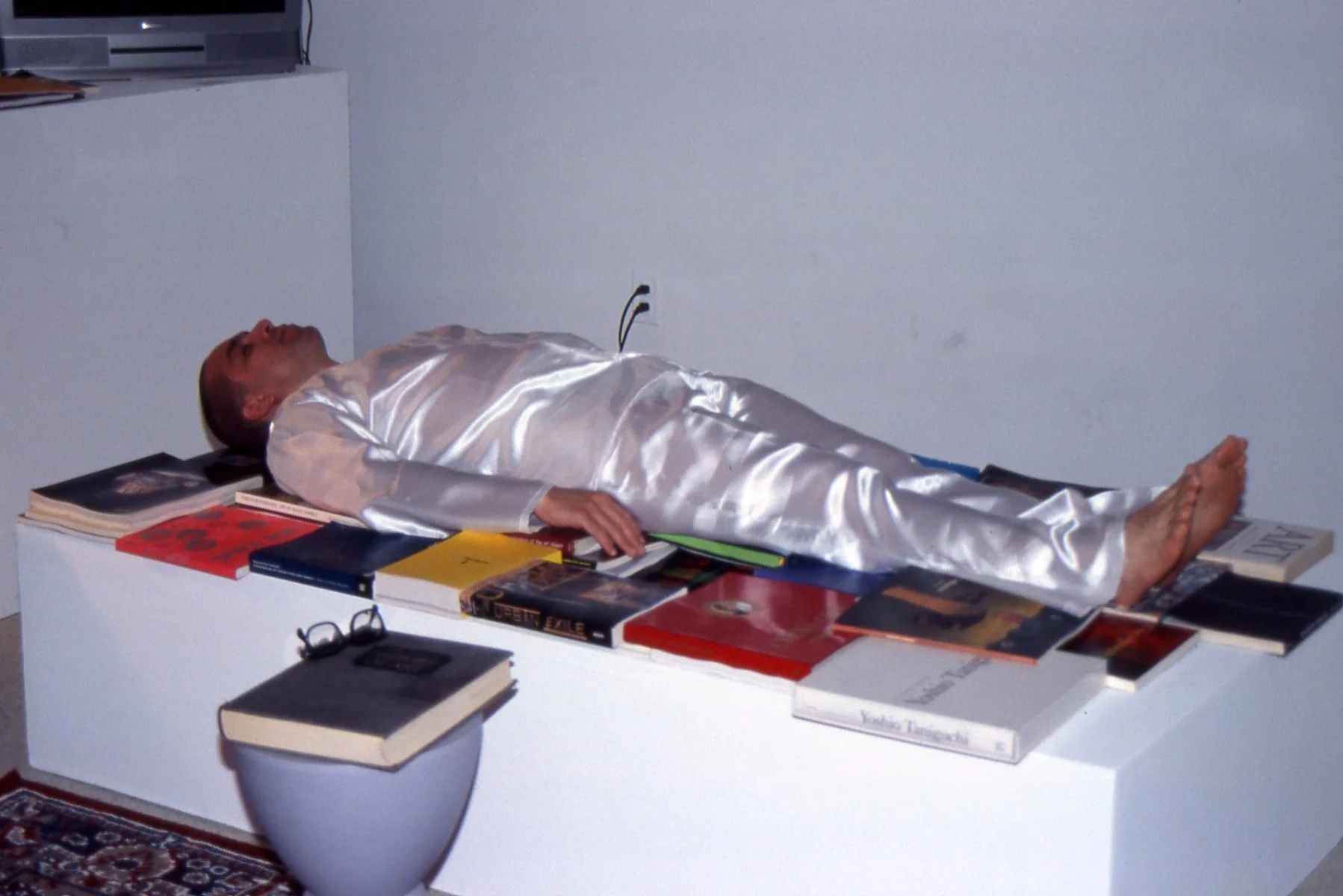
On the second pilgrimage on June 28 and 29, 2005, I forged my way walking backwards from Lower Manhattan Cultural Council to the Bronx Museum of the Arts, spending the night on a hard bed of art catalogues provided by Longwood Arts Project/Bronx Council on the Arts. The strenuous two-day journey came to an end when the Director of The Bronx Museum of the Arts, Olivia Georgia, officially greeted me at the door of the Museum and signed the credential.

For Art’s Sake was presented as part of Lower Manhattan Cultural Council’s Workspace Residency Program and the Franklin Furnace Fund for Performance Art, and in collaboration with El Museo del Barrio, The Bronx Museum of the Arts, The Studio Museum in Harlem, The Jersey City Museum, the Lower East Side Tenement Museum, the Smithsonian’s National Museum of the American Indian, Queens Museum, Longwood Arts Project/Bronx Council on the Arts, Local Project, Y Gallery, Steinway and Elmhurst Libraries in Queens, and the Center for Book Arts.

Funding for these pilgrimages have been provided by: The Franklin Furnace Fund for Performance Art (Franklin Furnace Fund for Performance Art is supported by Jerome Foundation and public funds from the New York State Council on the Arts, a state agency); The Center for Book Arts; Lambent Fellowship Program of Tides Foundation; The National Association of Latino Arts and Culture; The Michael Richards Fund, a program of Lower Manhattan Cultural Council; The Center for Book Arts; The Urban Artist Initiative/NYC; and Queens Museum.

Special thanks to Dolores Zorreguieta, Martha Wilson, Sara Guerrero-Rippberger, Harley Spiller, David Hinkle, Geoffrey Jones, and Edwin Ramoran.


For Art’s Sake: Pilgrimage to Studio Museum in Harlem


I modeled these actions after El Camino de Compostela in Spain, staging a series pilgrimages to seven museums in the New York metropolitan area. During my journeys, I carried a pilgrim’s credential that I asked museum directors or other cultural officials linked to the places that I visited to stamp and or sign.

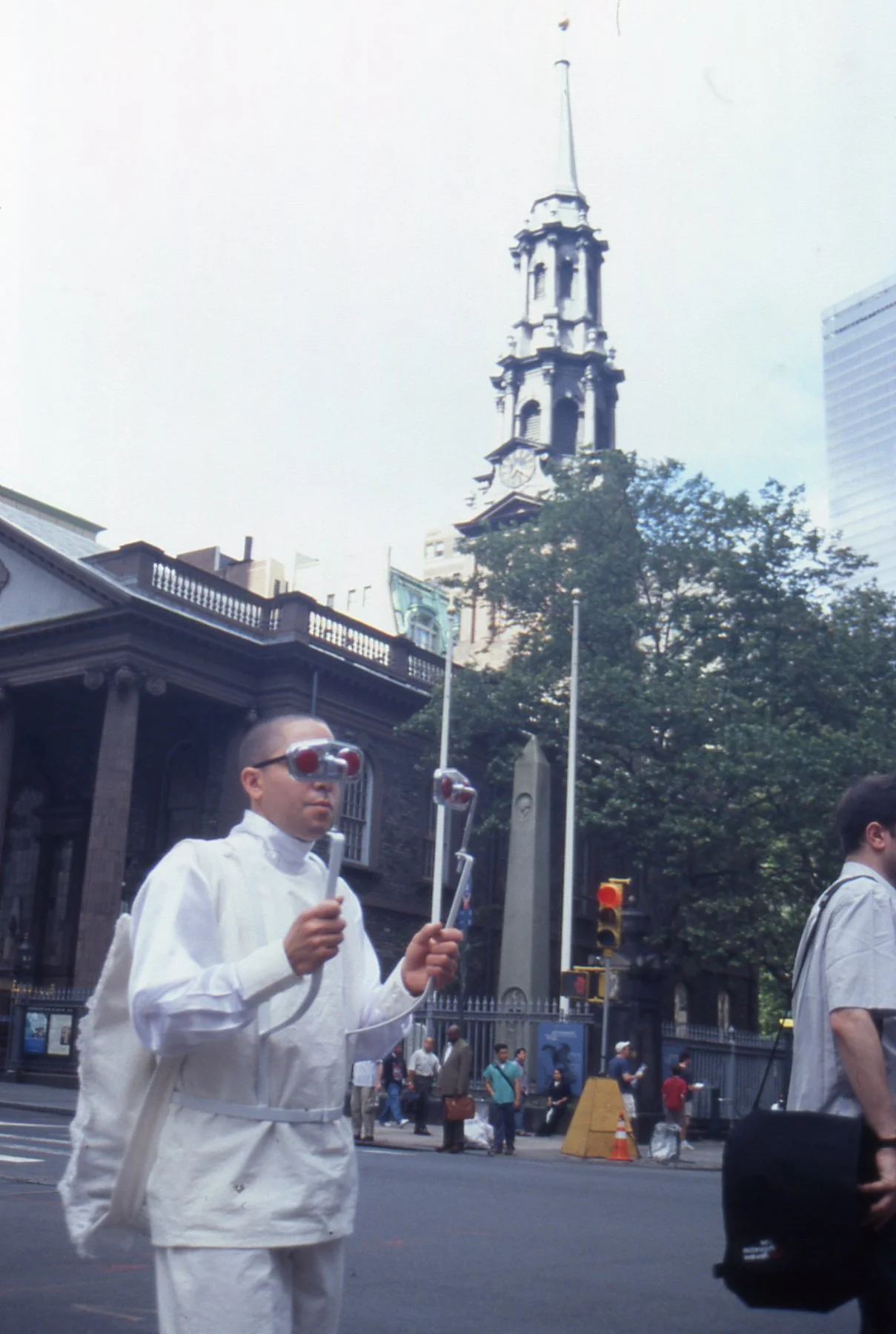
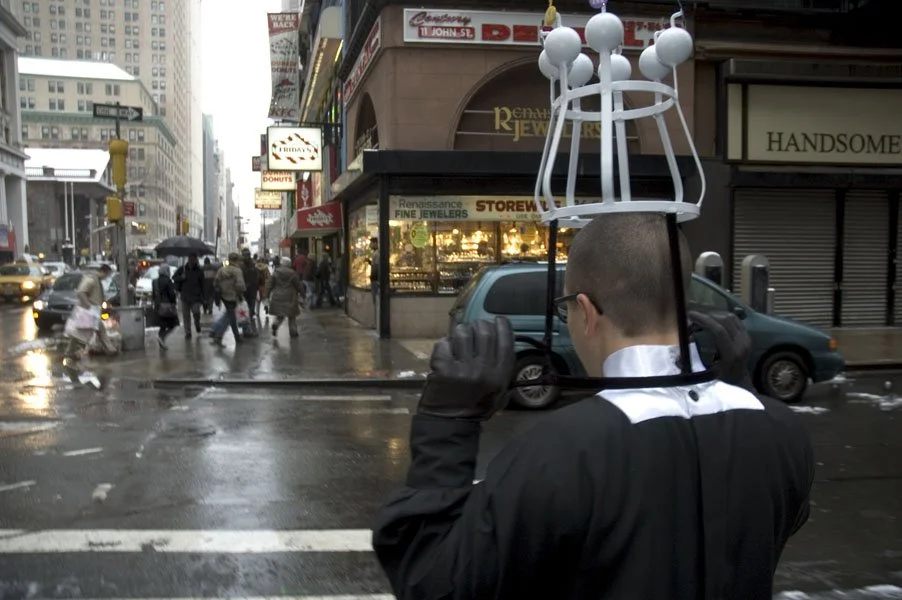
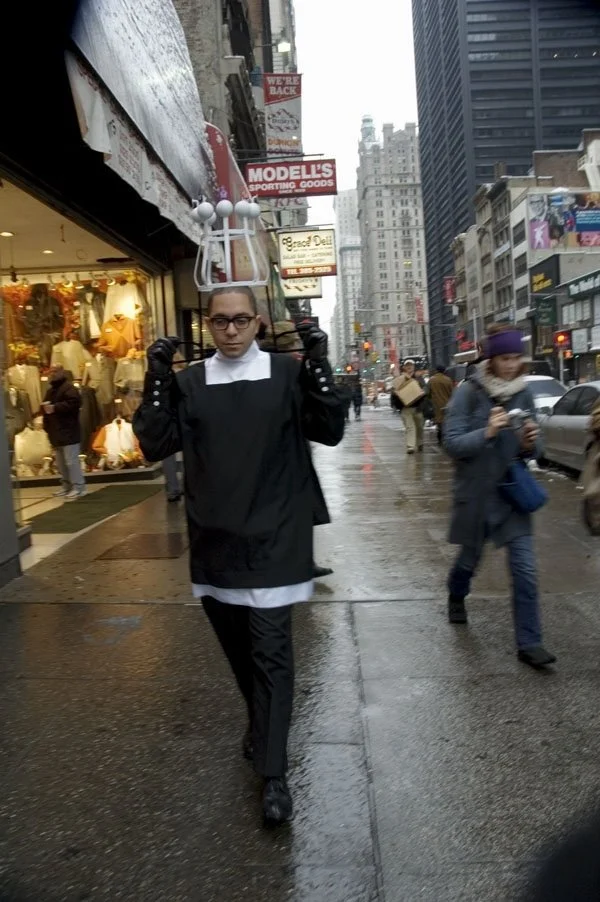
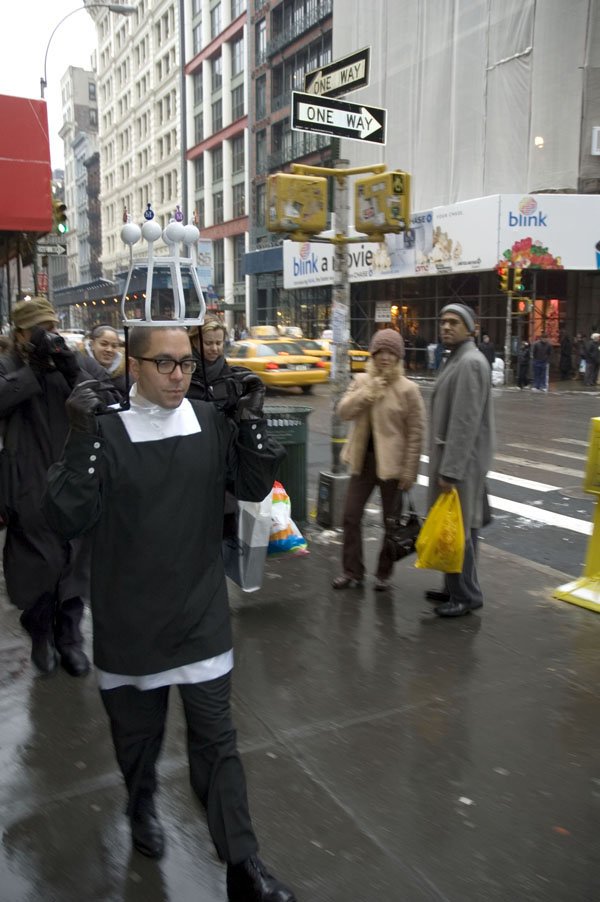
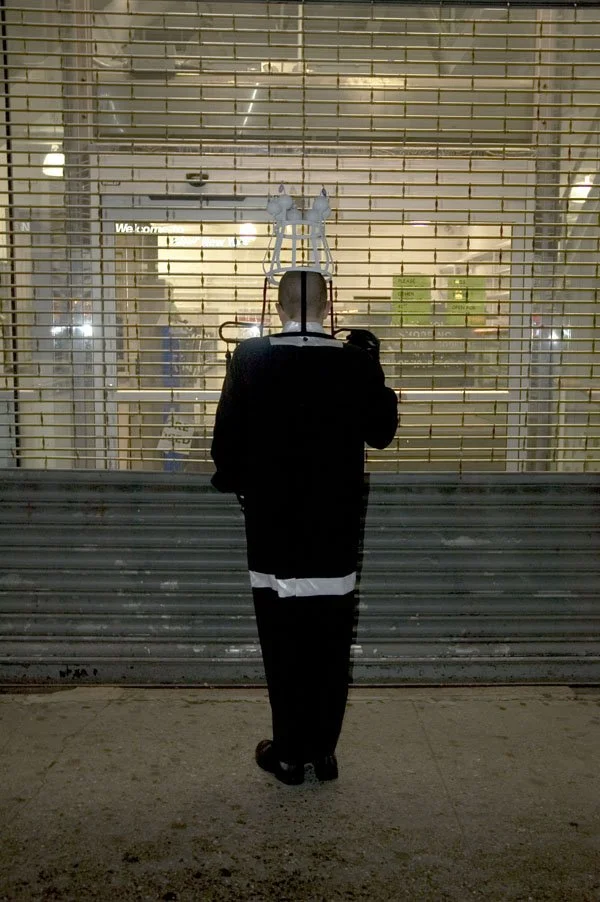
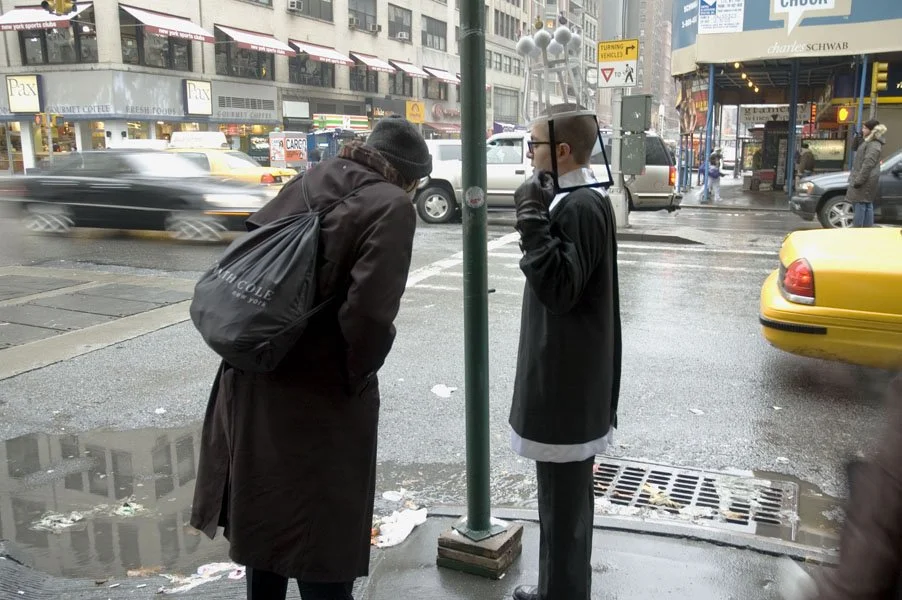
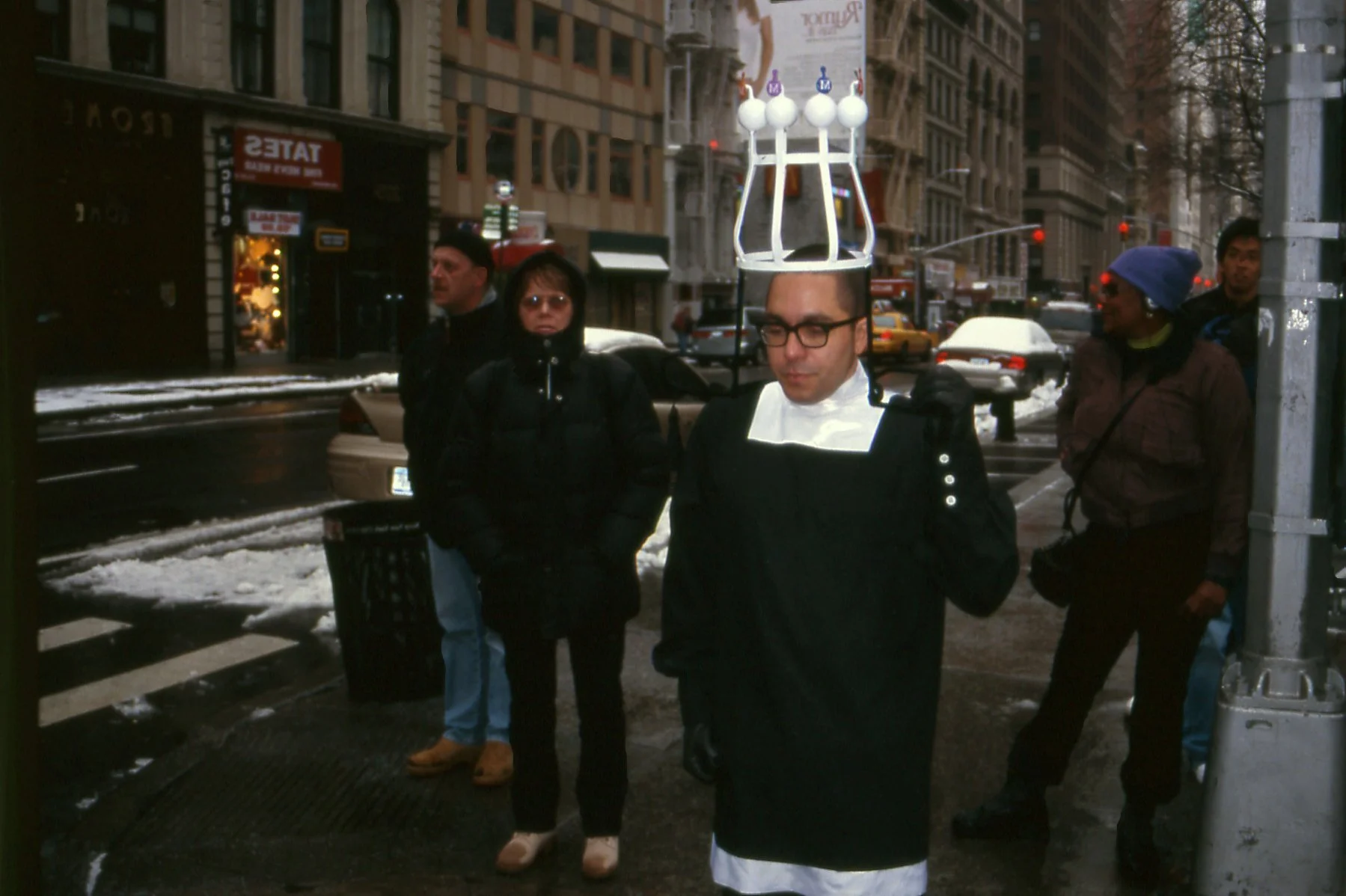
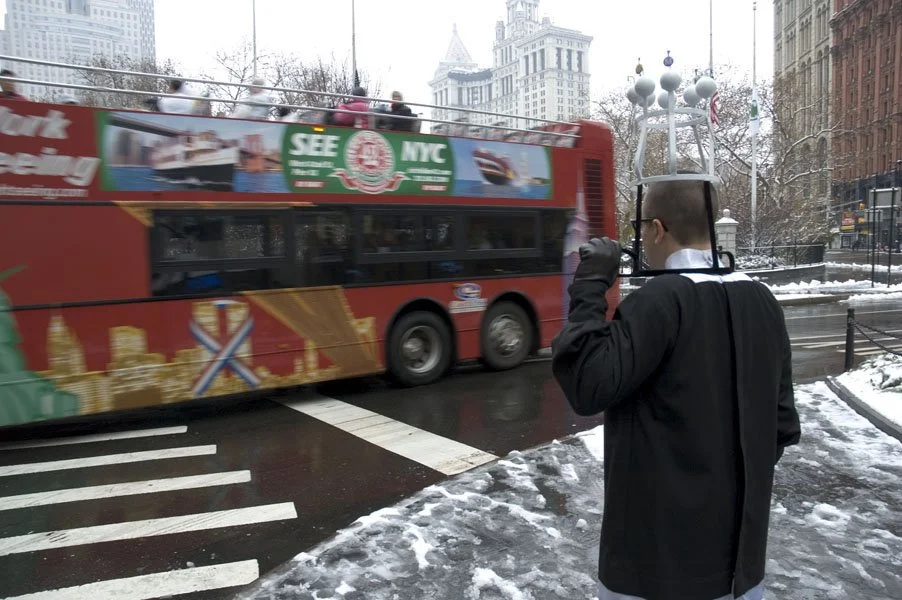
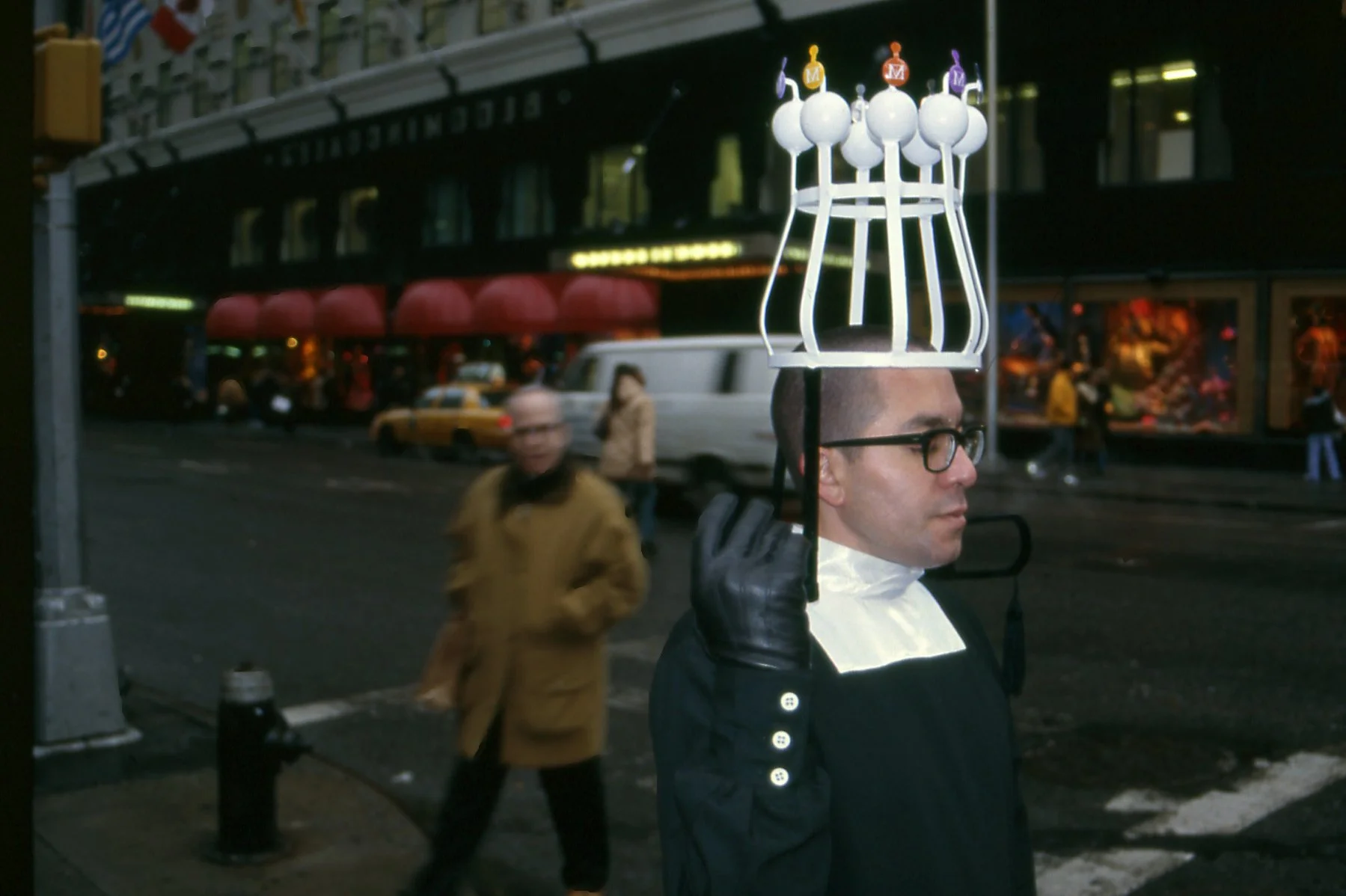
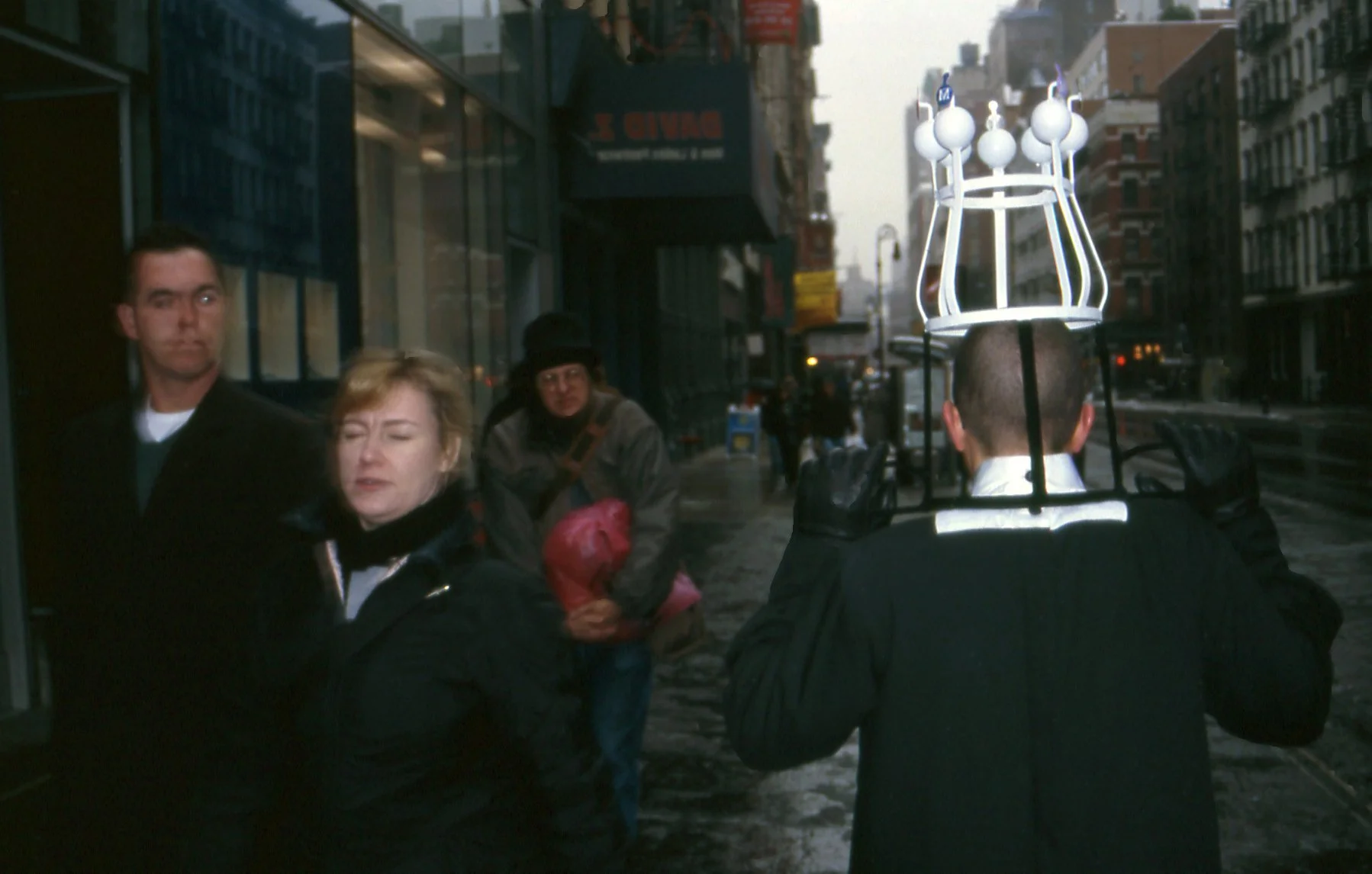
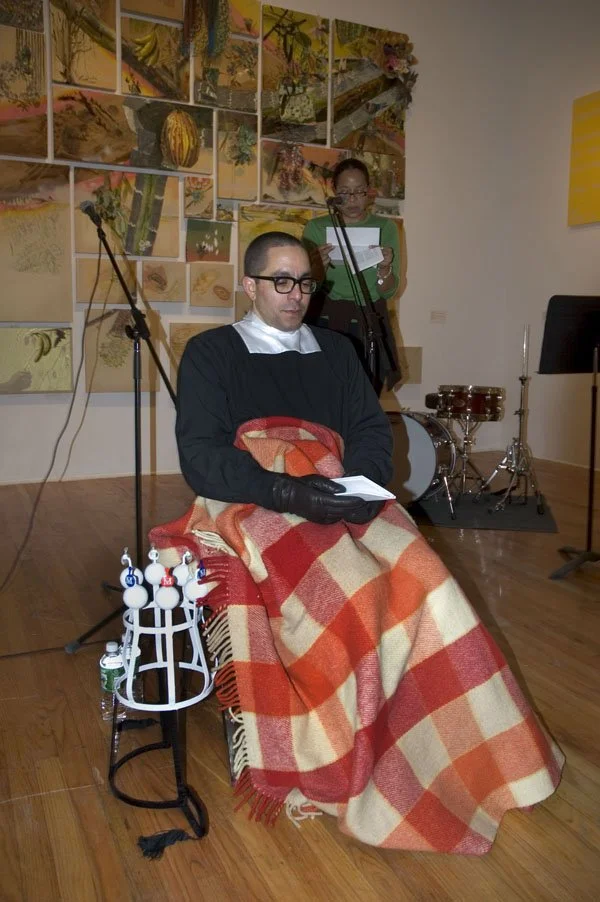
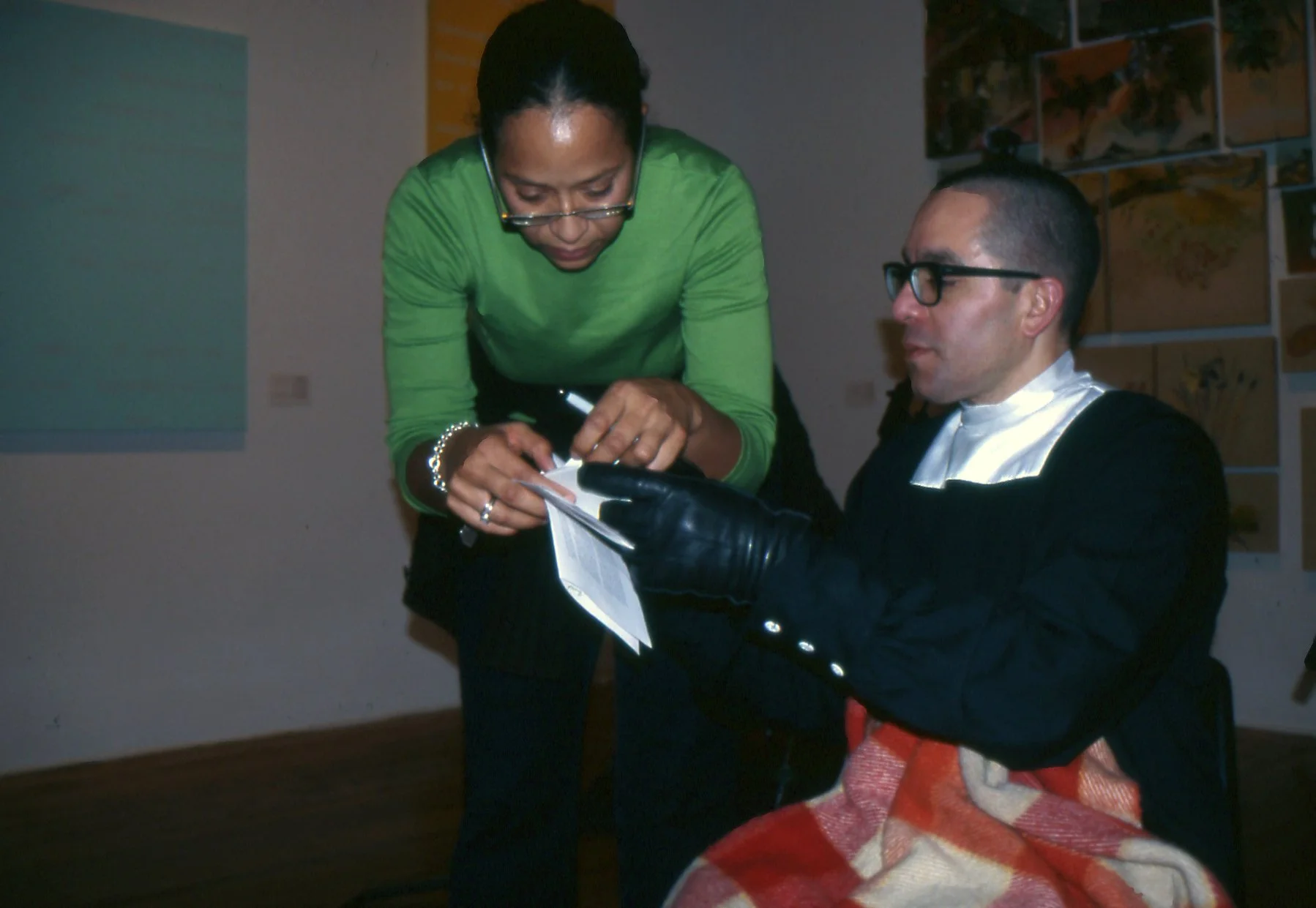
During the third journey of the series on Sunday, December 4, 2005, I walked from LMCC to the Studio Museum in Harlem dressed in black and white raiment and wearing an iron crown embellished with seven admission buttons from the Metropolitan Museum of Art. Upon arrival at the Studio Museum in Harlem, Director of Education and Public Programs Sandra Jackson lifted the crown off my shoulders and signed the credential, thus confirming that the journey was successfully completed.

For Art’s Sake was presented as part of Lower Manhattan Cultural Council’s Workspace Residency Program and the Franklin Furnace Fund for Performance Art, and in collaboration with El Museo del Barrio, The Bronx Museum of the Arts, The Studio Museum in Harlem, The Jersey City Museum, the Lower East Side Tenement Museum, the Smithsonian’s National Museum of the American Indian, Queens Museum, Longwood Arts Project/Bronx Council on the Arts, Local Project, Y Gallery, Steinway and Elmhurst Libraries in Queens, and the Center for Book Arts.

Funding for these pilgrimages have been provided by: The Franklin Furnace Fund for Performance Art (Franklin Furnace Fund for Performance Art is supported by Jerome Foundation and public funds from the New York State Council on the Arts, a state agency); The Center for Book Arts; Lambent Fellowship Program of Tides Foundation; The National Association of Latino Arts and Culture; The Michael Richards Fund, a program of Lower Manhattan Cultural Council; The Center for Book Arts; The Urban Artist Initiative/NYC; and Queens Museum.

Special thanks to Dolores Zorreguieta, Martha Wilson, Sara Guerrero-Rippberger, Harley Spiller, David Hinkle, Geoffrey Jones, and Edwin Ramoran.


For Art’s Sake: Pilgrimage to Jersey City Museum


I modeled these actions after El Camino de Compostela in Spain, staging a series pilgrimages to seven museums in the New York metropolitan area. During my journeys, I carried a pilgrim’s credential that I asked museum directors or other cultural officials linked to the places that I visited to stamp and or sign.

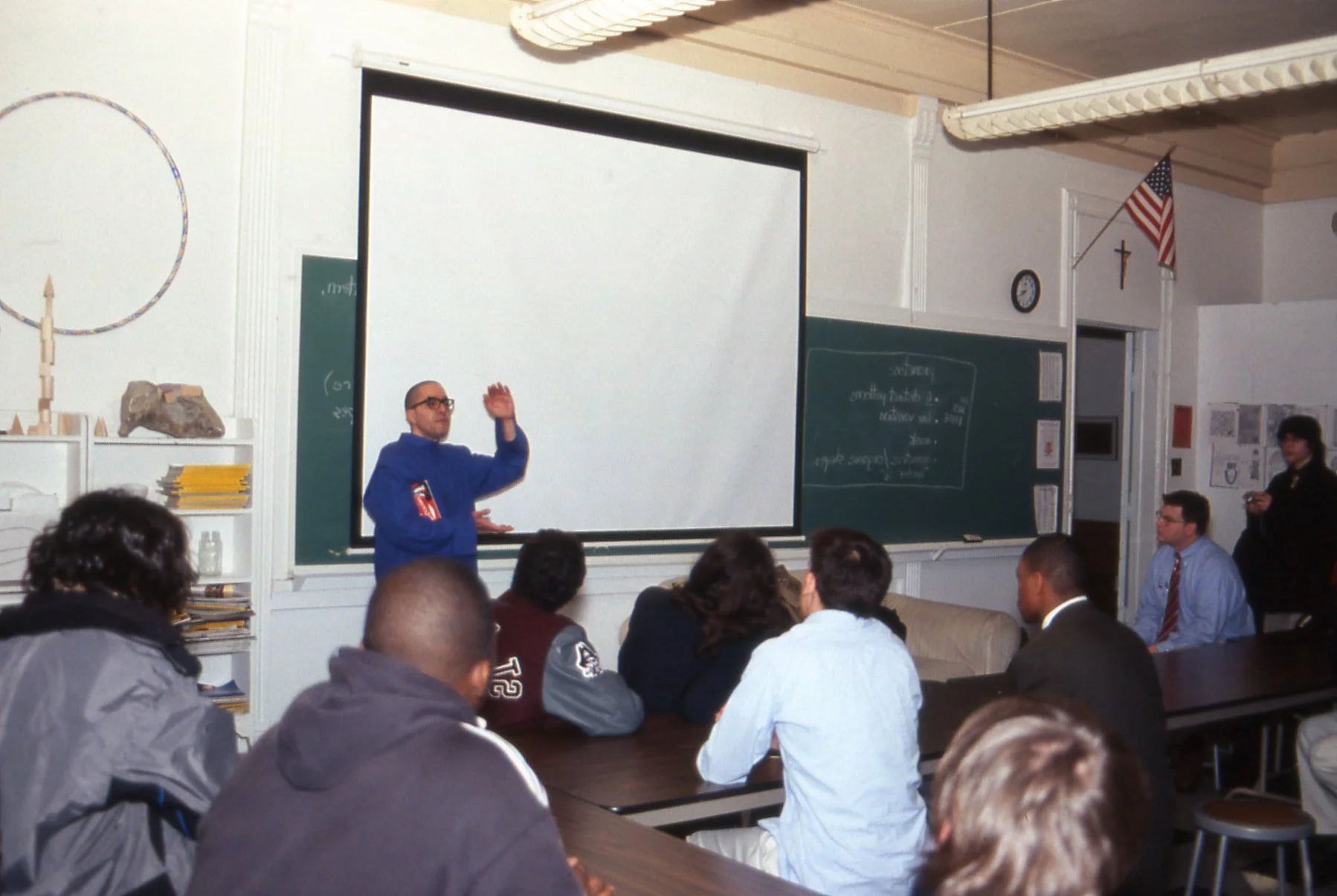
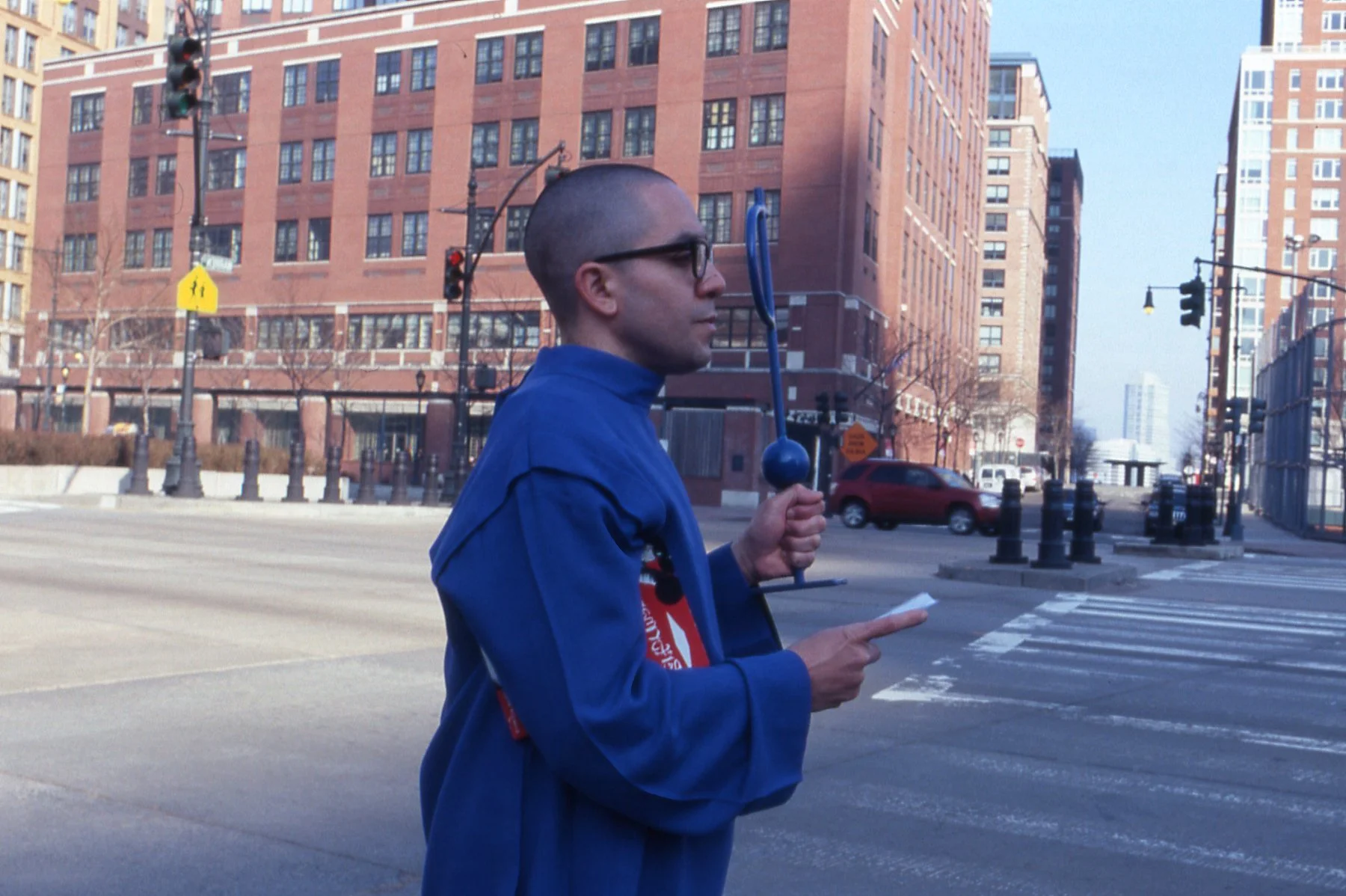
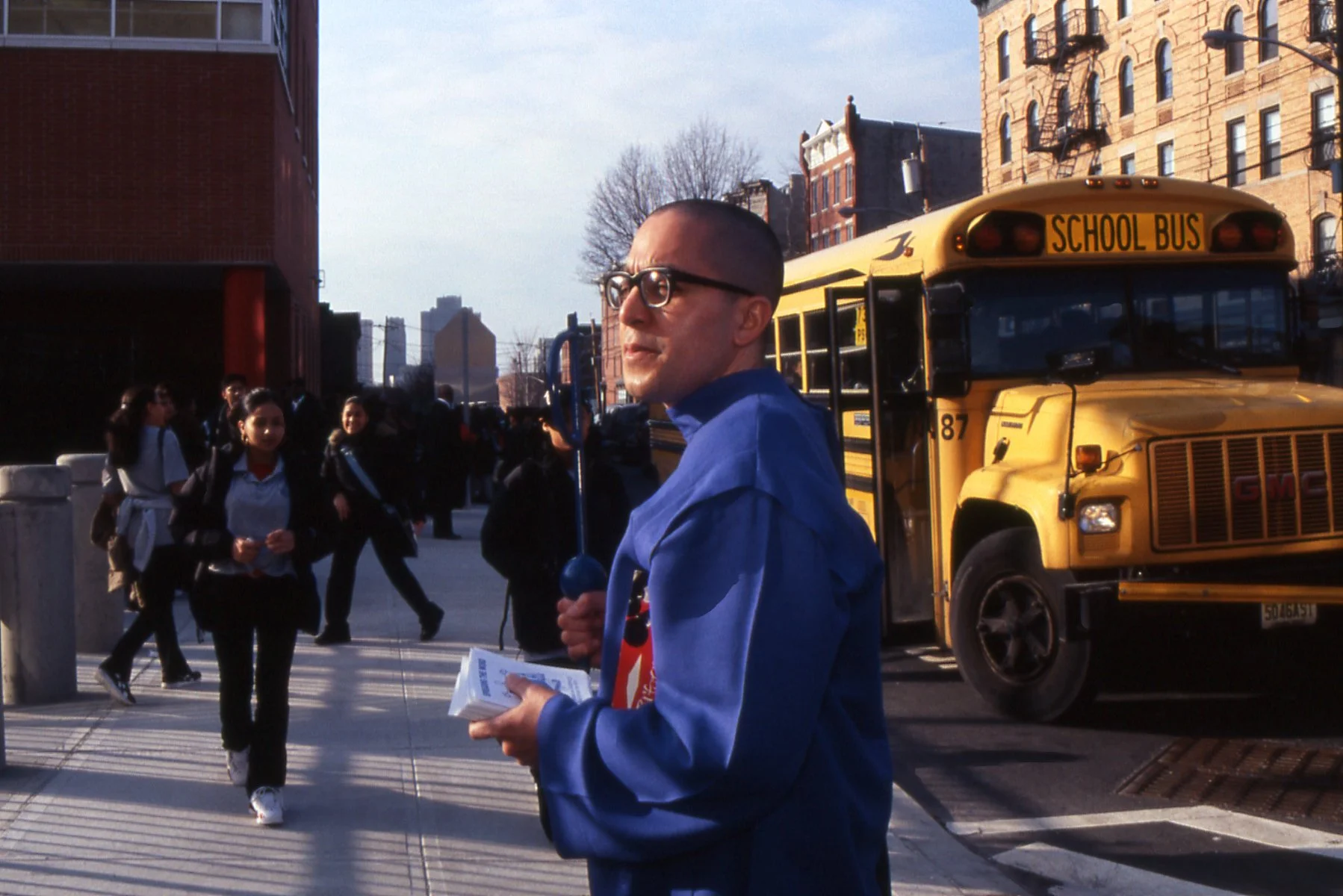
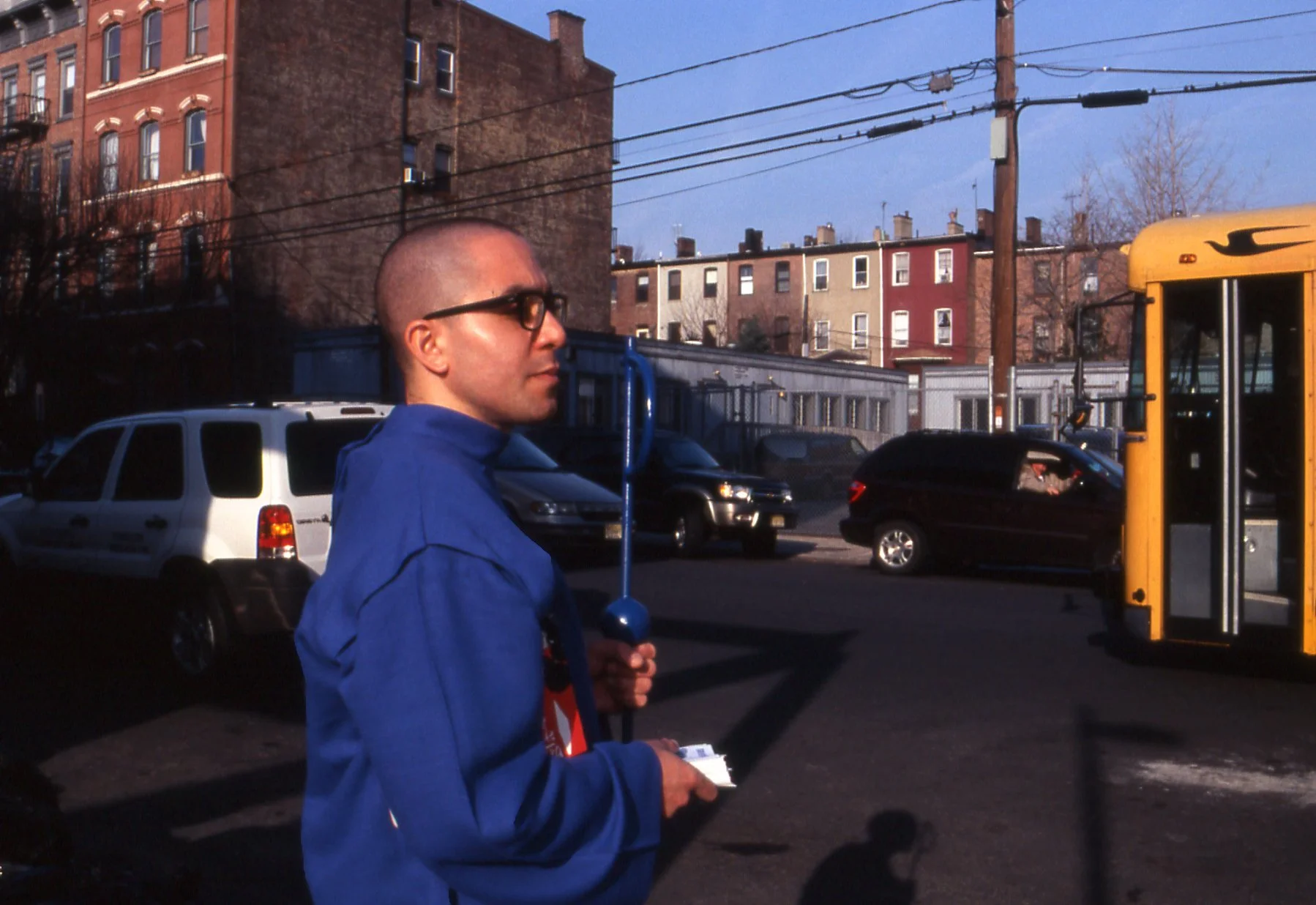
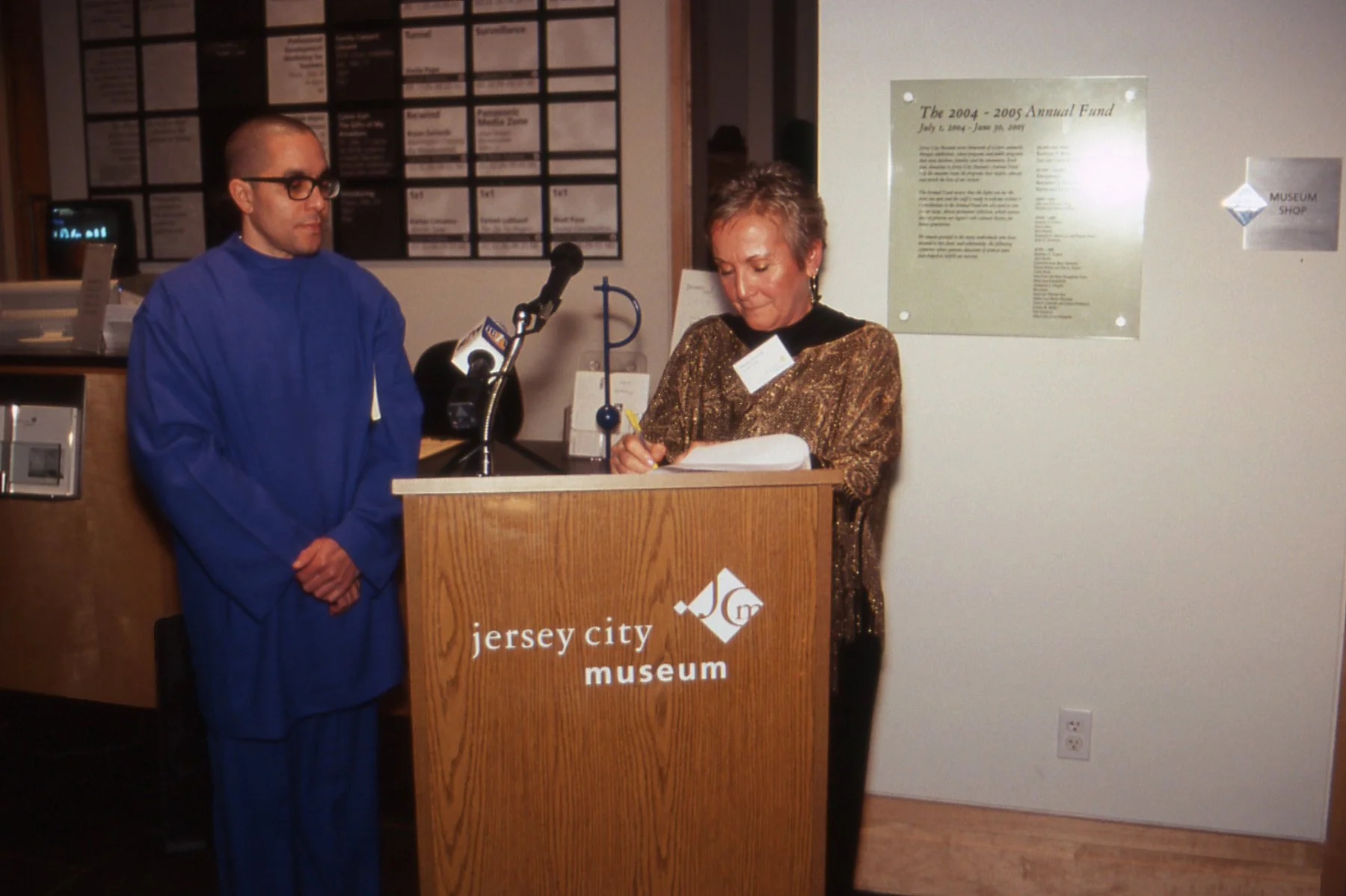
For the fourth pilgrimage on February 2, 2006, I traveled by foot and ferry from the offices of LMCC to the Jersey City Museum, stopping at educational/cultural organizations along the route: an Episcopal church, an all-boys Catholic school and a public school, to spread the word about performance art and the penances that I have been undertaking. Upon my arrival at the Jersey City Museum, Marion Grzesiak, Executive Director, recorded her signature in the credential.

For Art’s Sake was presented as part of Lower Manhattan Cultural Council’s Workspace Residency Program and the Franklin Furnace Fund for Performance Art, and in collaboration with El Museo del Barrio, The Bronx Museum of the Arts, The Studio Museum in Harlem, The Jersey City Museum, the Lower East Side Tenement Museum, the Smithsonian’s National Museum of the American Indian, Queens Museum, Longwood Arts Project/Bronx Council on the Arts, Local Project, Y Gallery, Steinway and Elmhurst Libraries in Queens, and the Center for Book Arts.

Funding for these pilgrimages have been provided by: The Franklin Furnace Fund for Performance Art (Franklin Furnace Fund for Performance Art is supported by Jerome Foundation and public funds from the New York State Council on the Arts, a state agency); The Center for Book Arts; Lambent Fellowship Program of Tides Foundation; The National Association of Latino Arts and Culture; The Michael Richards Fund, a program of Lower Manhattan Cultural Council; The Center for Book Arts; The Urban Artist Initiative/NYC; and Queens Museum.

Special thanks to Dolores Zorreguieta, Martha Wilson, Sara Guerrero-Rippberger, Harley Spiller, David Hinkle, Geoffrey Jones, and Edwin Ramoran.


For Art’s Sake: Pilgrimage to Smithsonian’s National Museum of the American Indian (NMAI)


I modeled these actions after El Camino de Compostela in Spain, staging a series pilgrimages to seven museums in the New York metropolitan area. During my journeys, I carried a pilgrim’s credential that I asked museum directors or other cultural officials linked to the places that I visited to stamp and or sign.

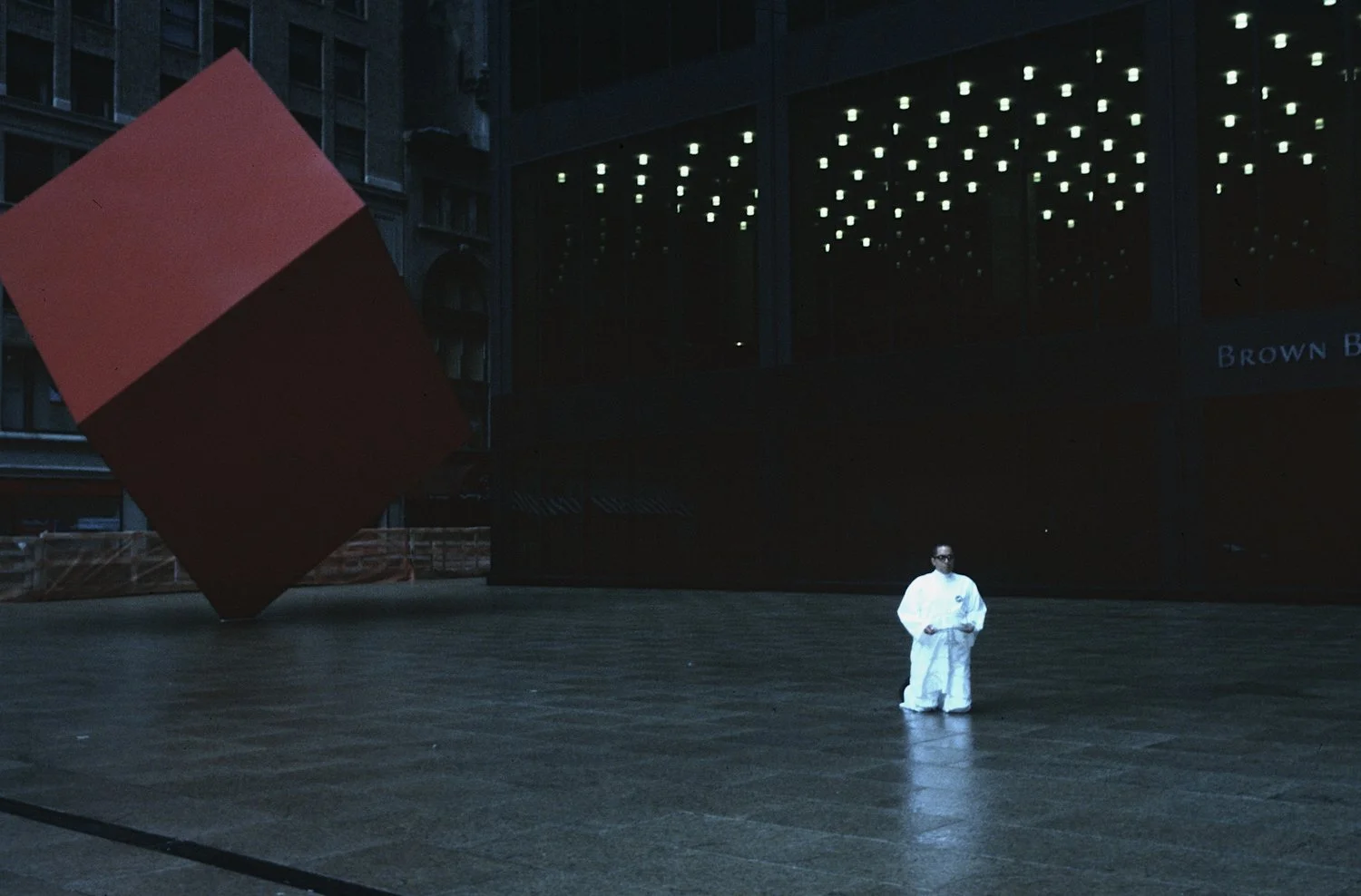
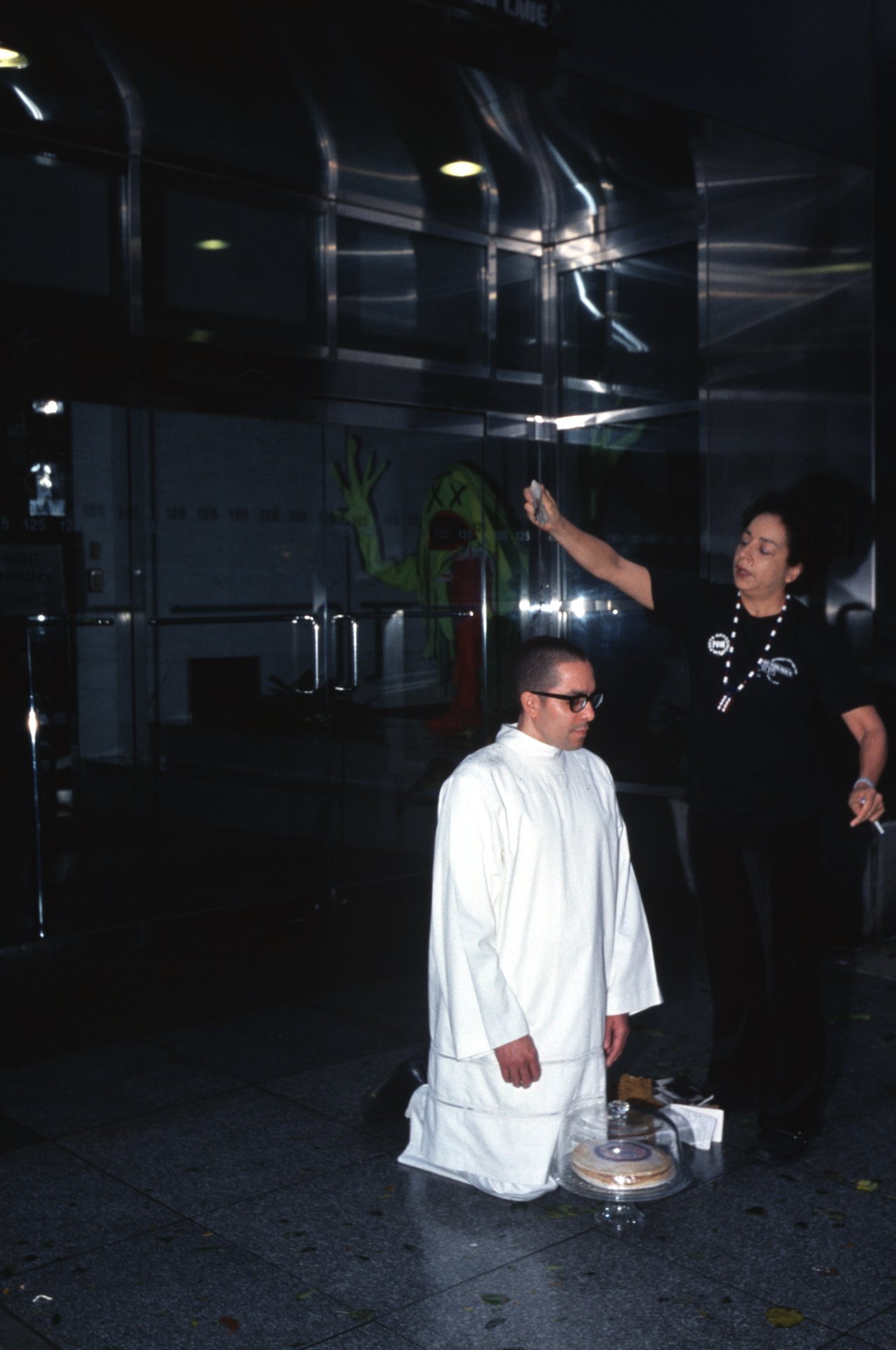
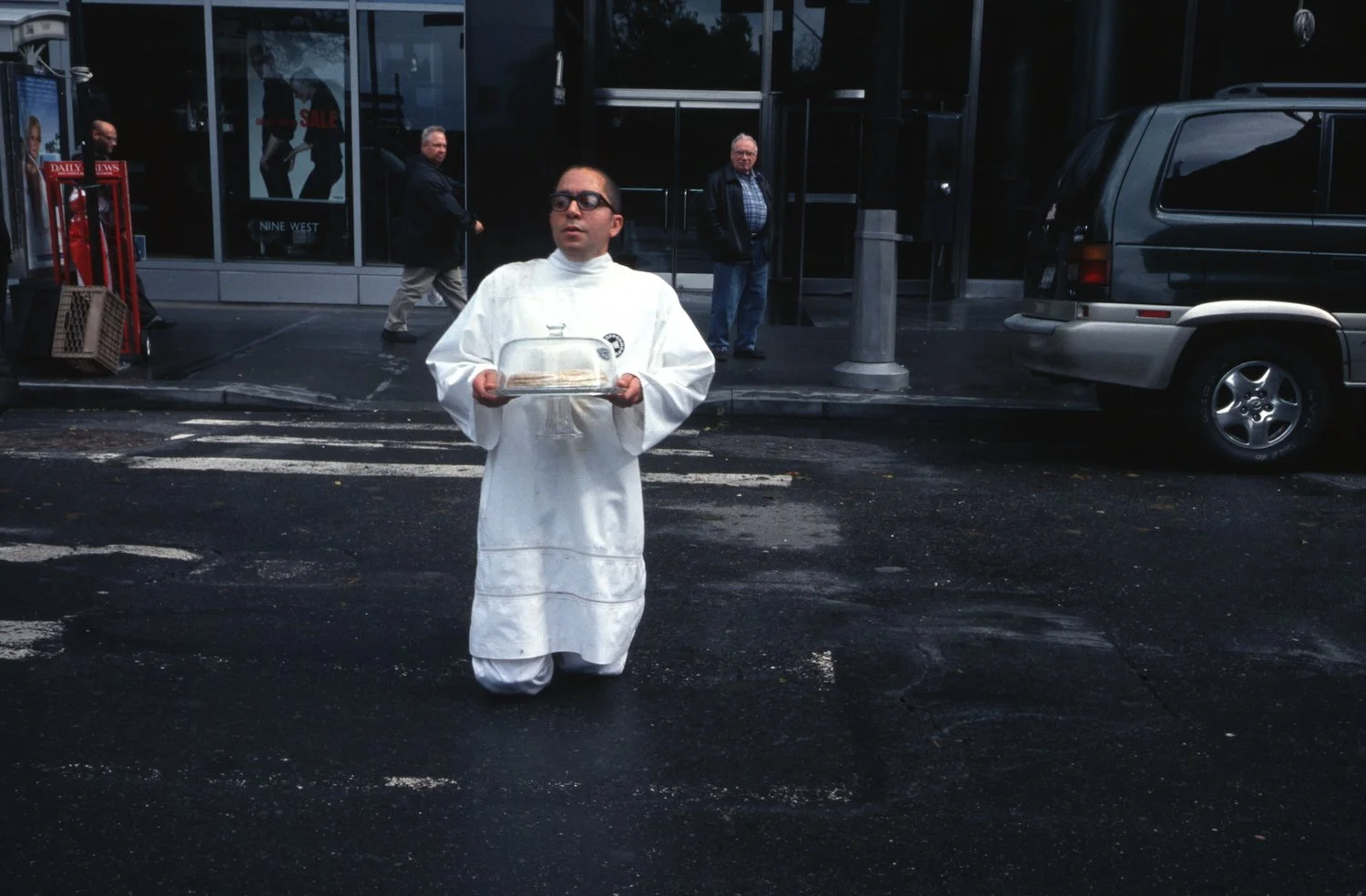
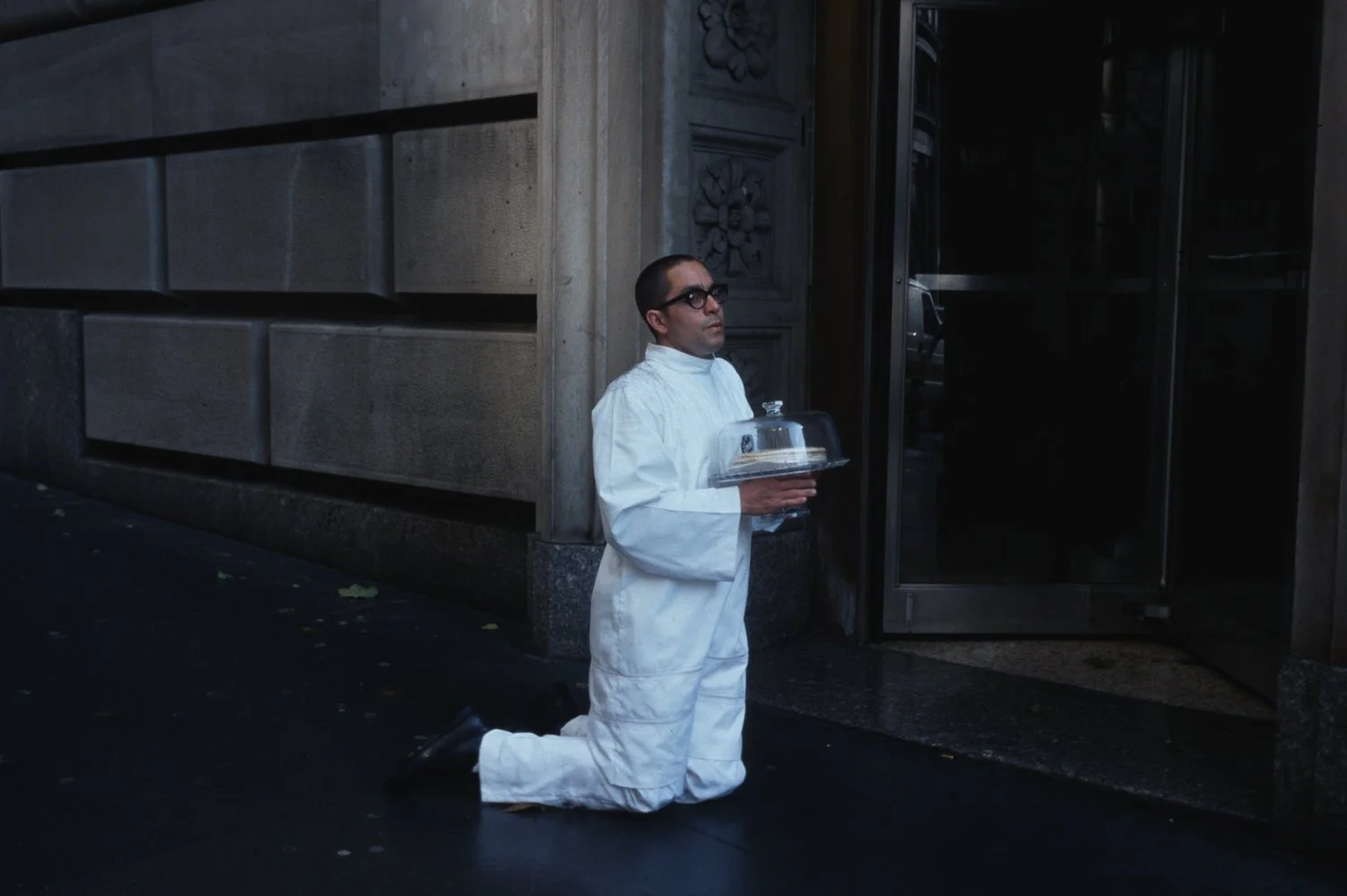
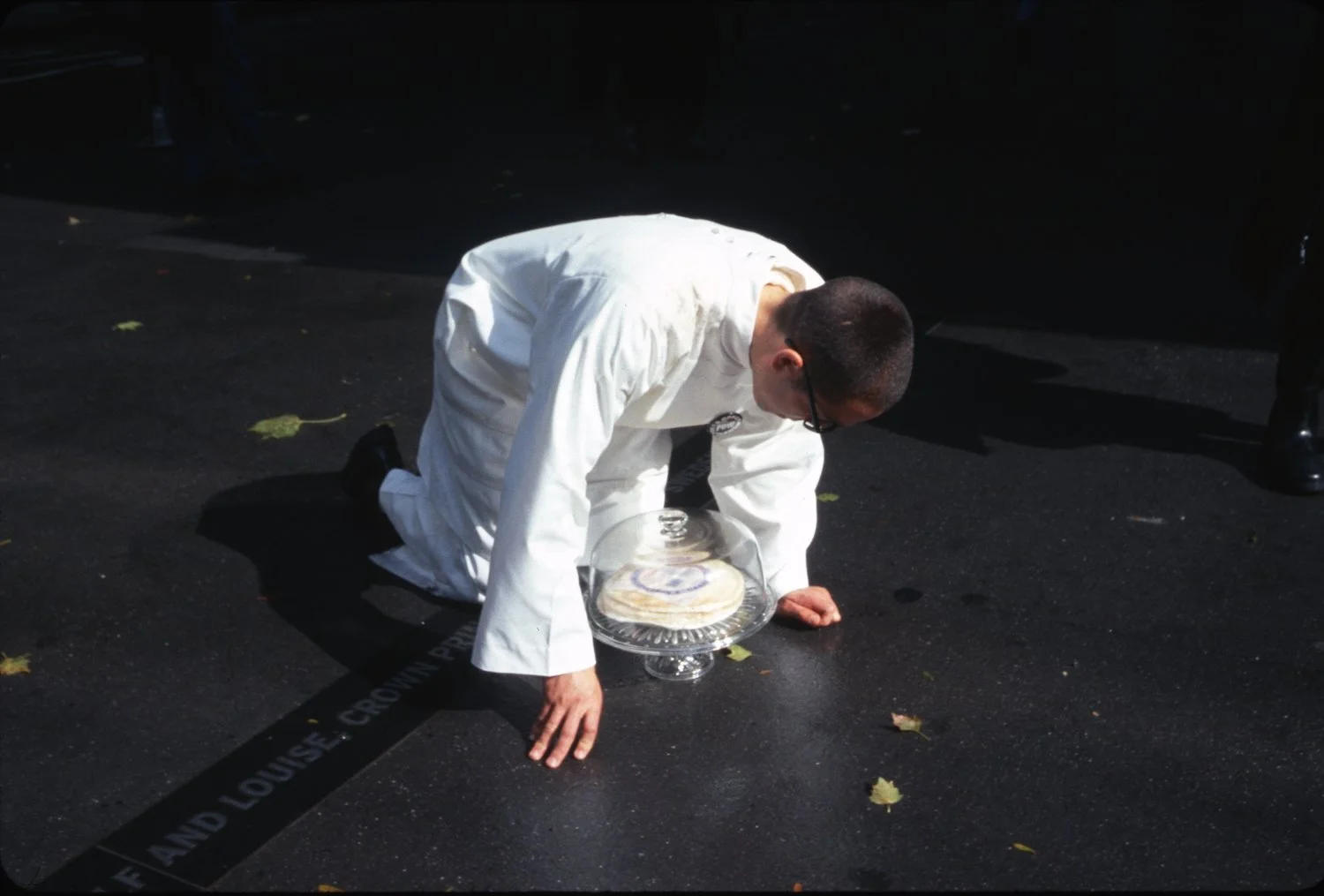
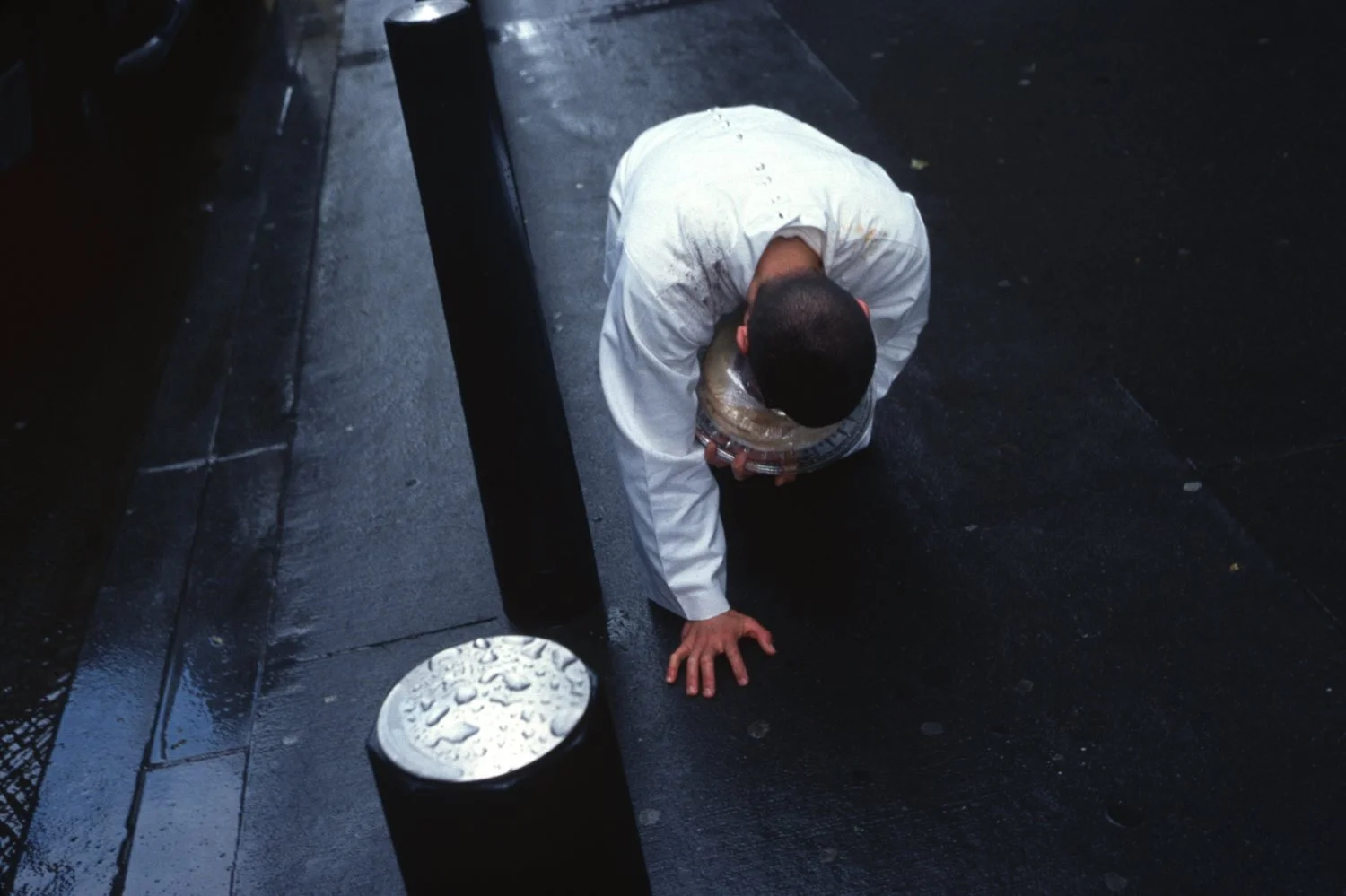
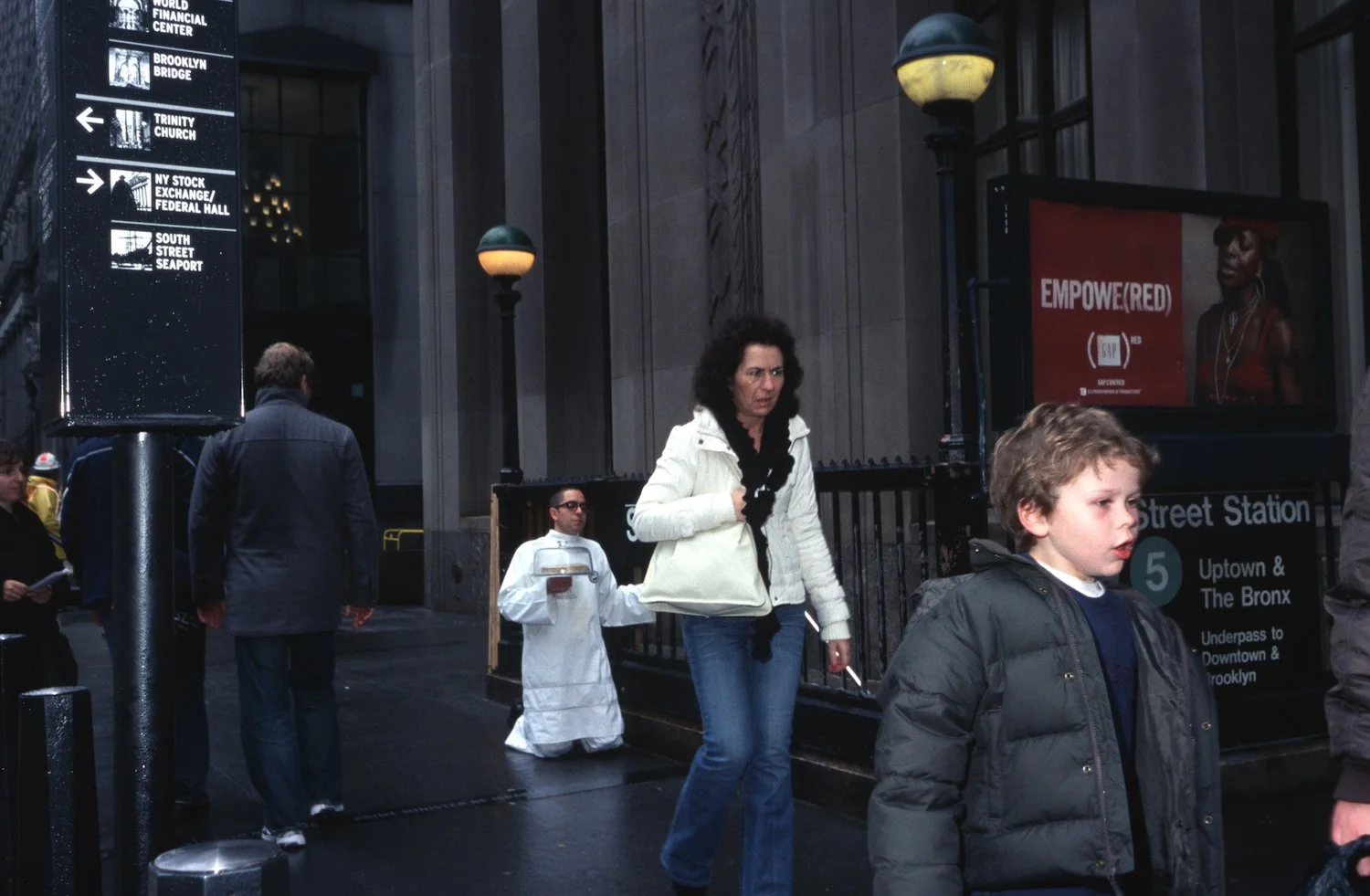
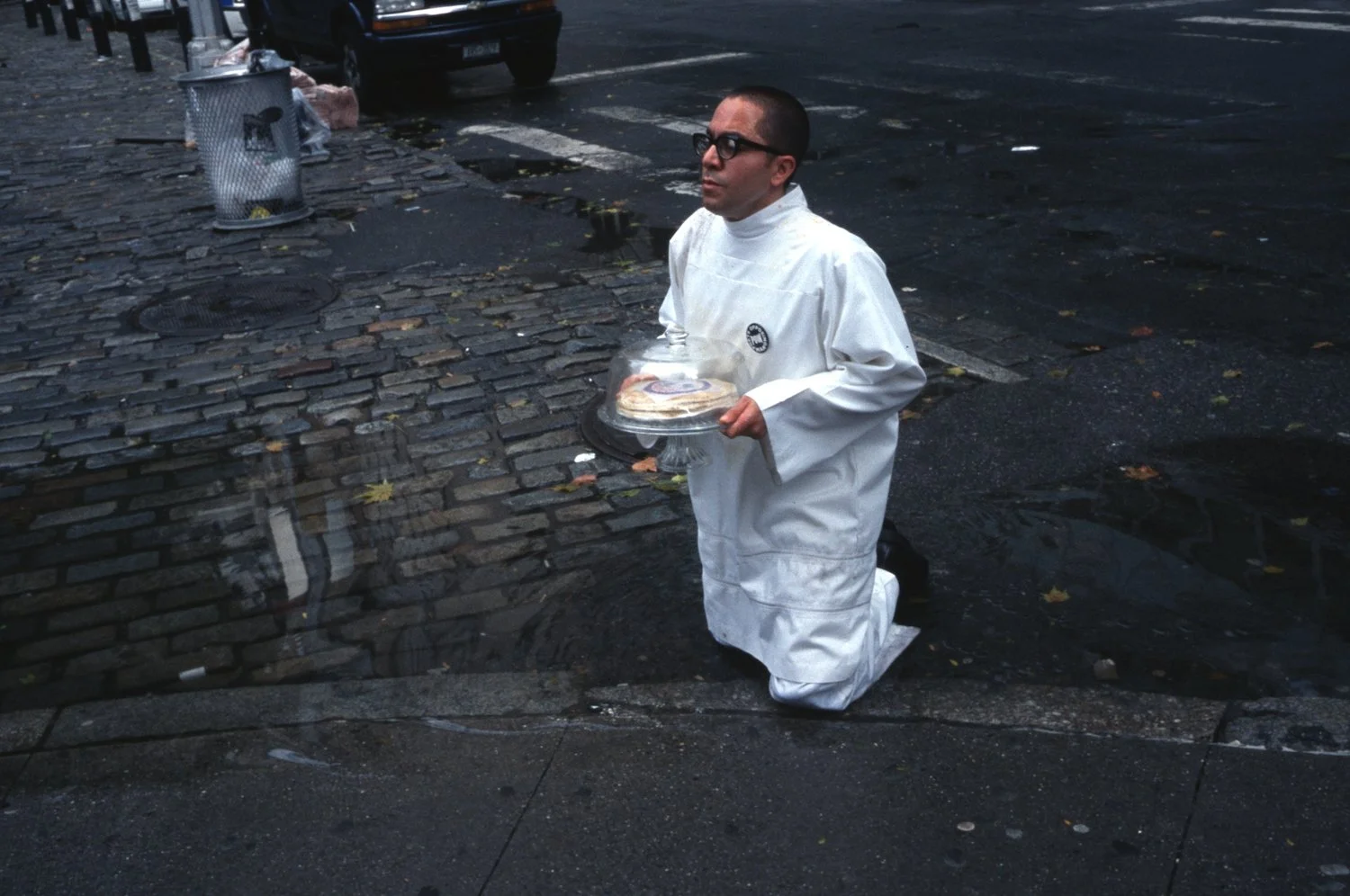
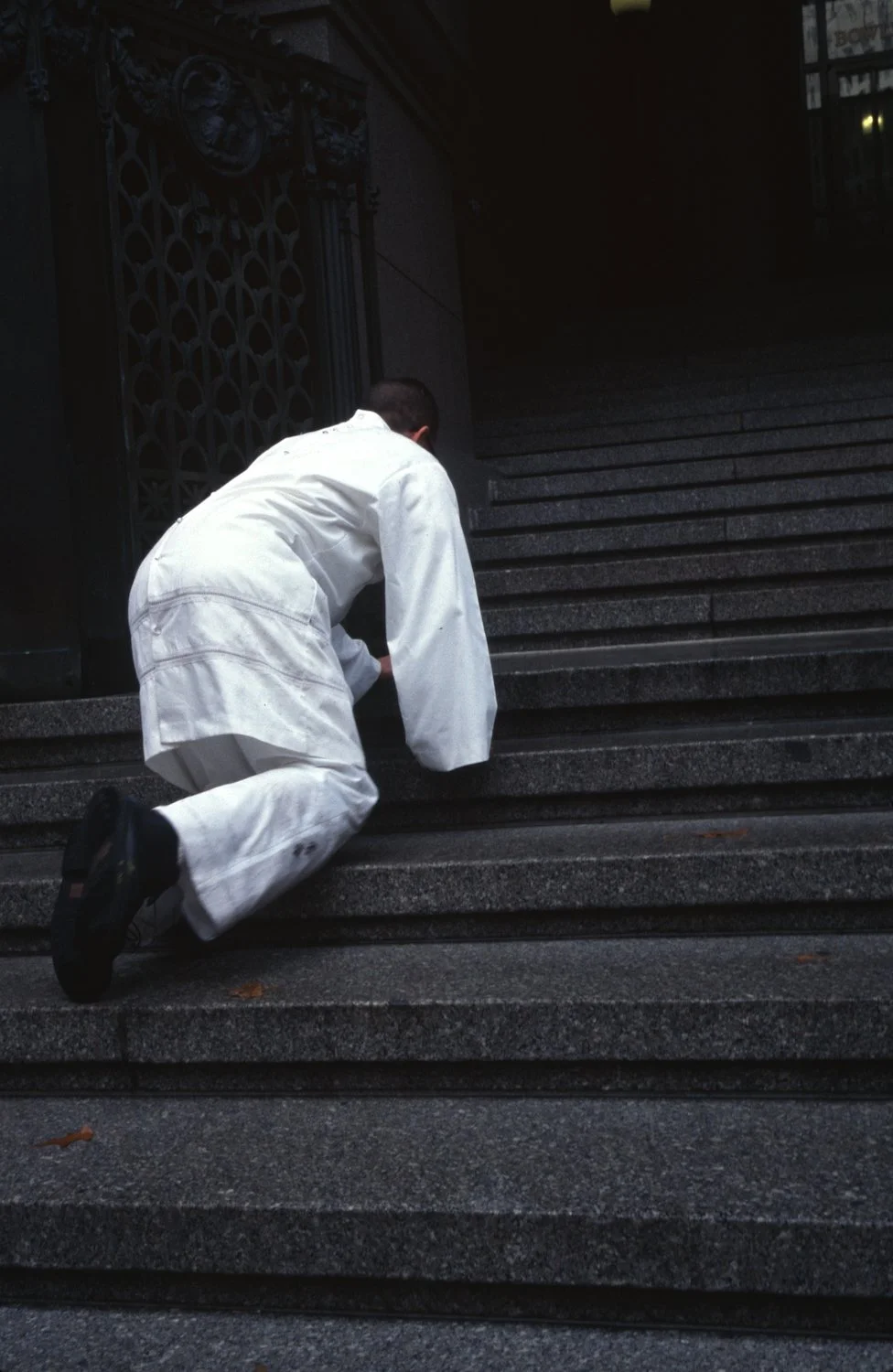
As part of the fifth penance on October 28, 2006, I traveled on my knees from the offices of LMCC to the Smithsonian’s National Museum of the American Indian (NMAI) at Bowling Green. On this occasion I carried in my hands a piece of casabe, a type of bread prepared from the indigenous cassava root, thus transporting a legacy of the Caribbean Taíno culture to be presented as a gift to the host institution. Peter S. Brill, NMAI’s Assistant Director for Exhibitions, Public Programs and Public Spaces, signed the credential.

For Art’s Sake was presented as part of Lower Manhattan Cultural Council’s Workspace Residency Program and the Franklin Furnace Fund for Performance Art, and in collaboration with El Museo del Barrio, The Bronx Museum of the Arts, The Studio Museum in Harlem, The Jersey City Museum, the Lower East Side Tenement Museum, the Smithsonian’s National Museum of the American Indian, Queens Museum, Longwood Arts Project/Bronx Council on the Arts, Local Project, Y Gallery, Steinway and Elmhurst Libraries in Queens, and the Center for Book Arts.

Funding for these pilgrimages have been provided by: The Franklin Furnace Fund for Performance Art (Franklin Furnace Fund for Performance Art is supported by Jerome Foundation and public funds from the New York State Council on the Arts, a state agency); The Center for Book Arts; Lambent Fellowship Program of Tides Foundation; The National Association of Latino Arts and Culture; The Michael Richards Fund, a program of Lower Manhattan Cultural Council; The Center for Book Arts; The Urban Artist Initiative/NYC; and Queens Museum.

Special thanks to Dolores Zorreguieta, Martha Wilson, Sara Guerrero-Rippberger, Harley Spiller, David Hinkle, Geoffrey Jones, and Edwin Ramoran.


Viewing


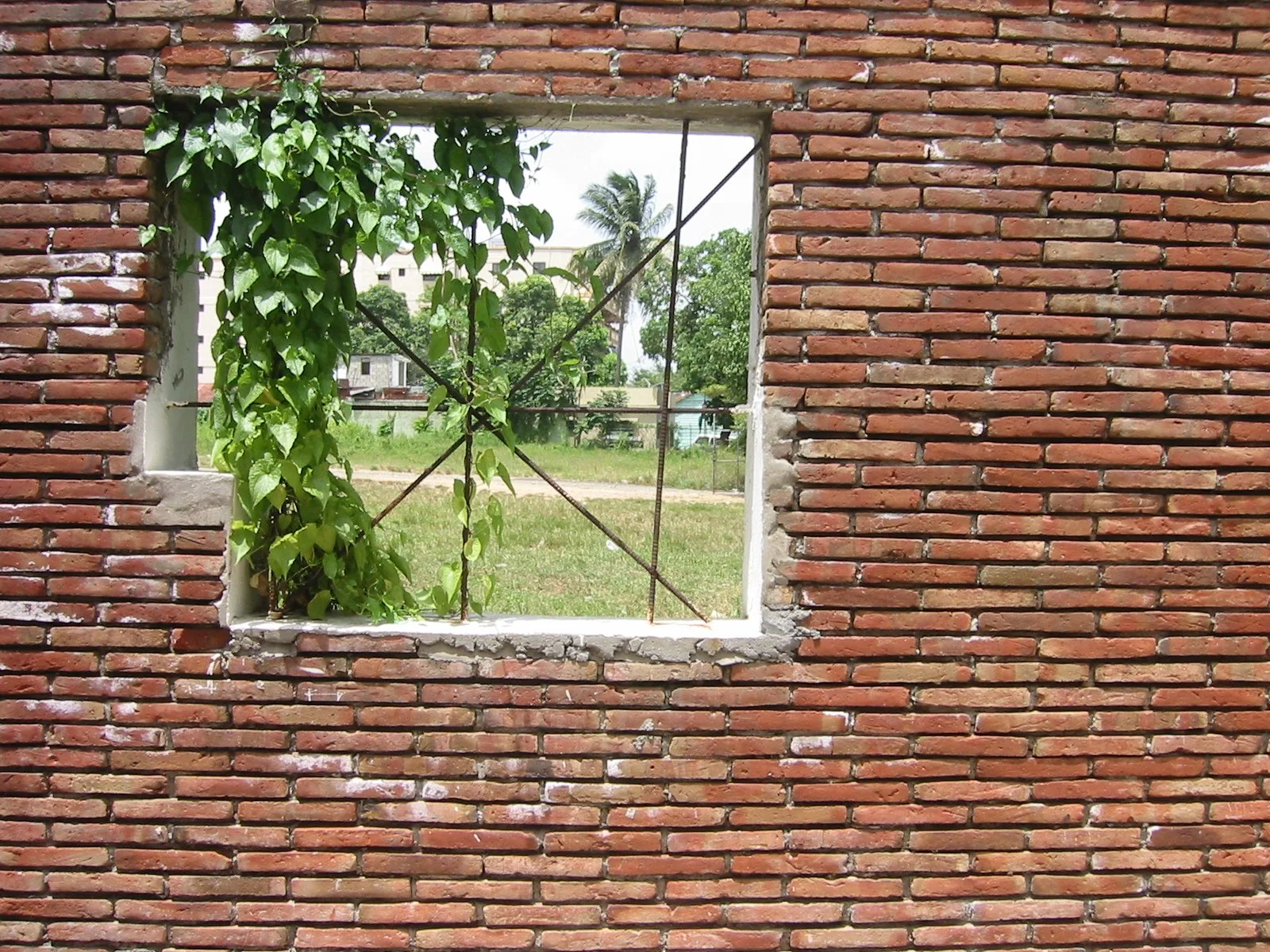
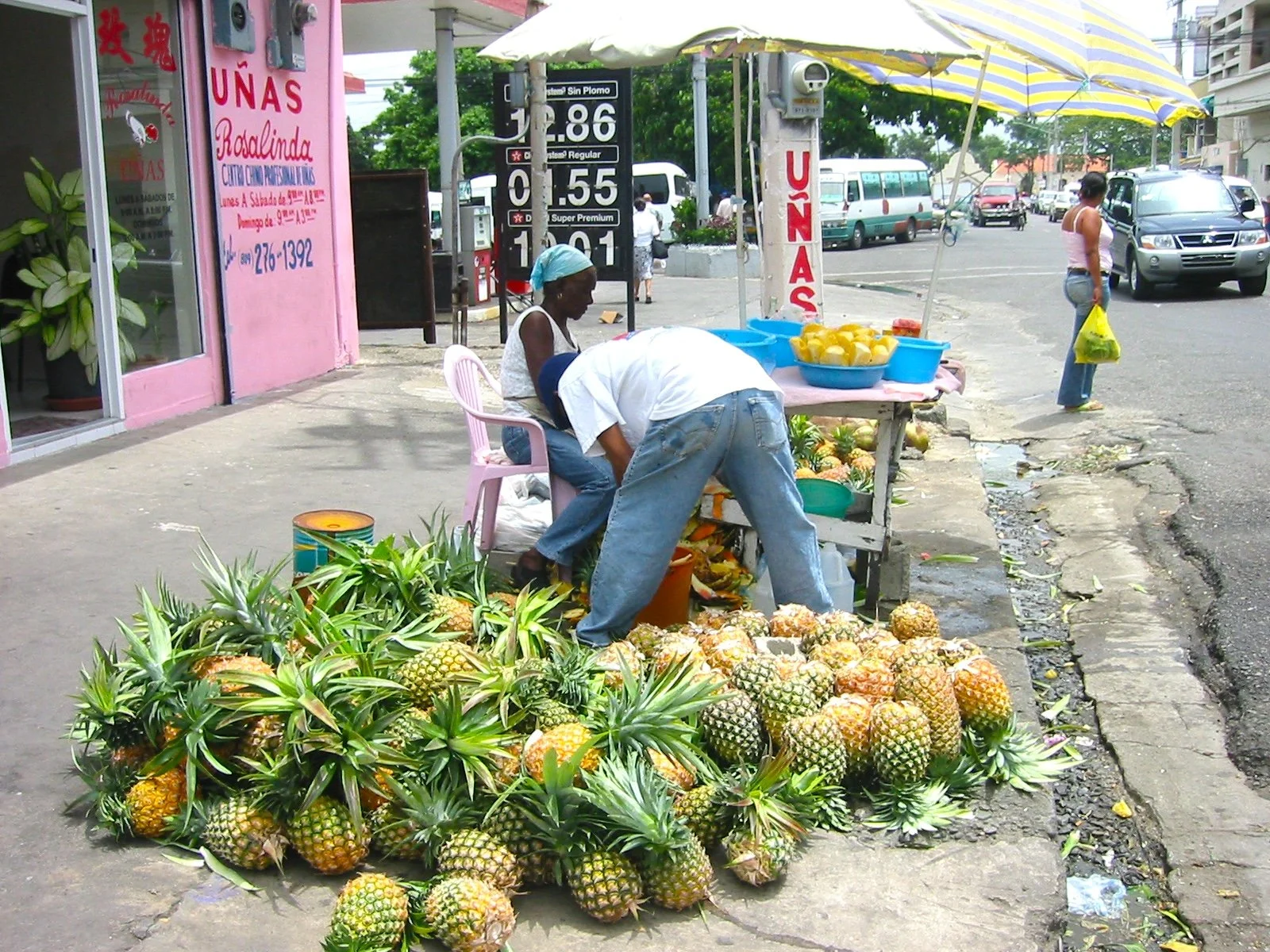
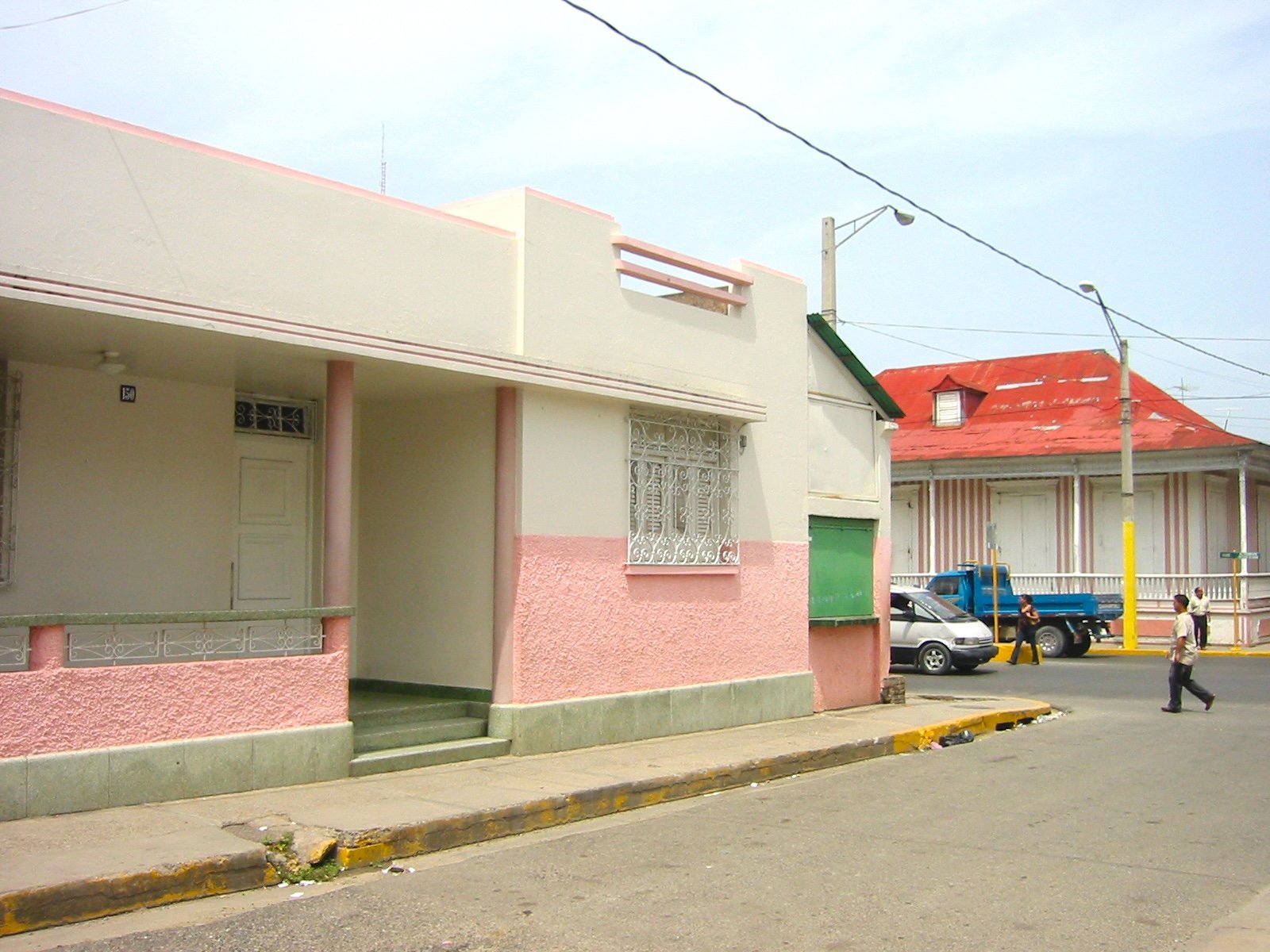
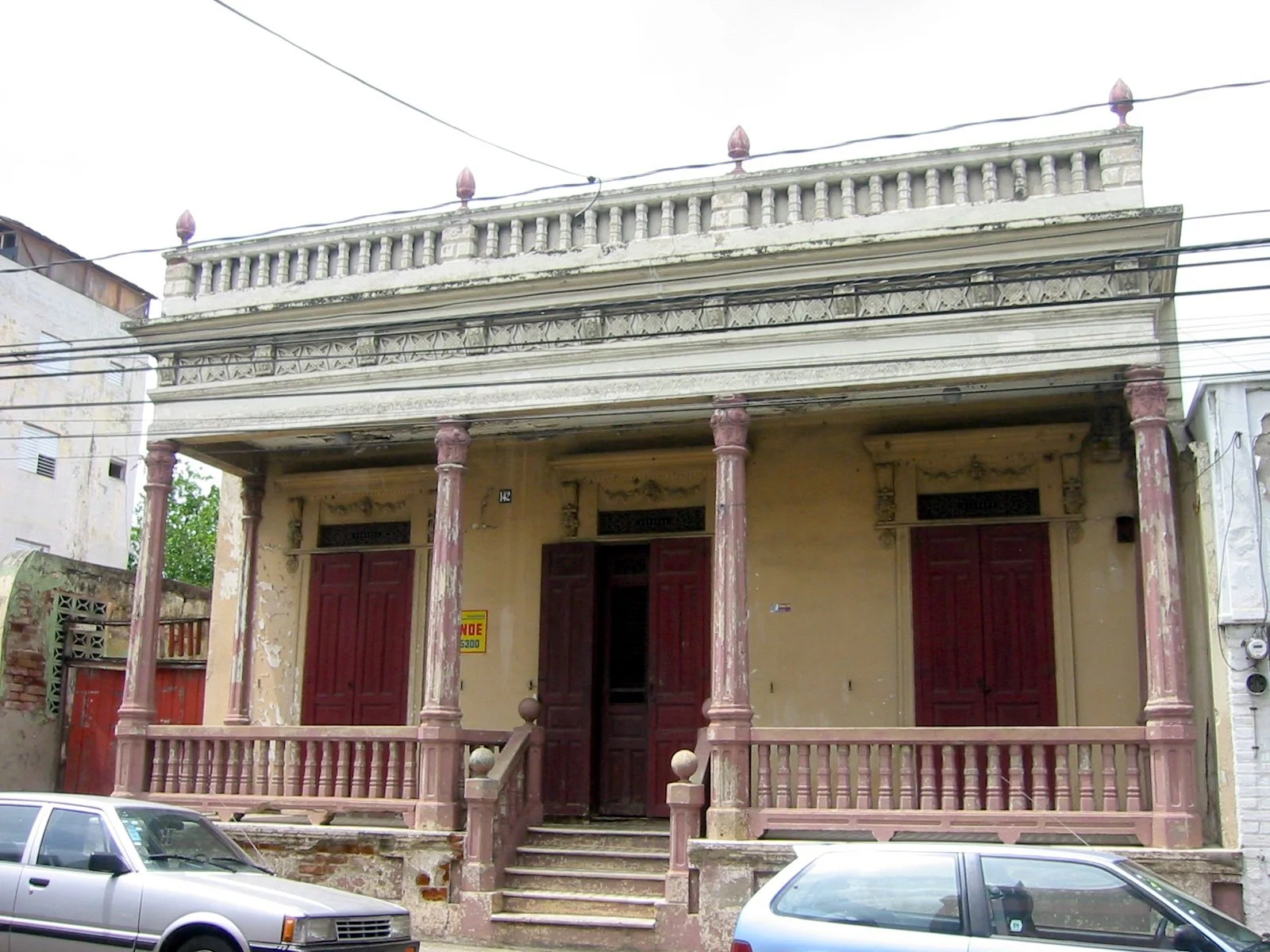
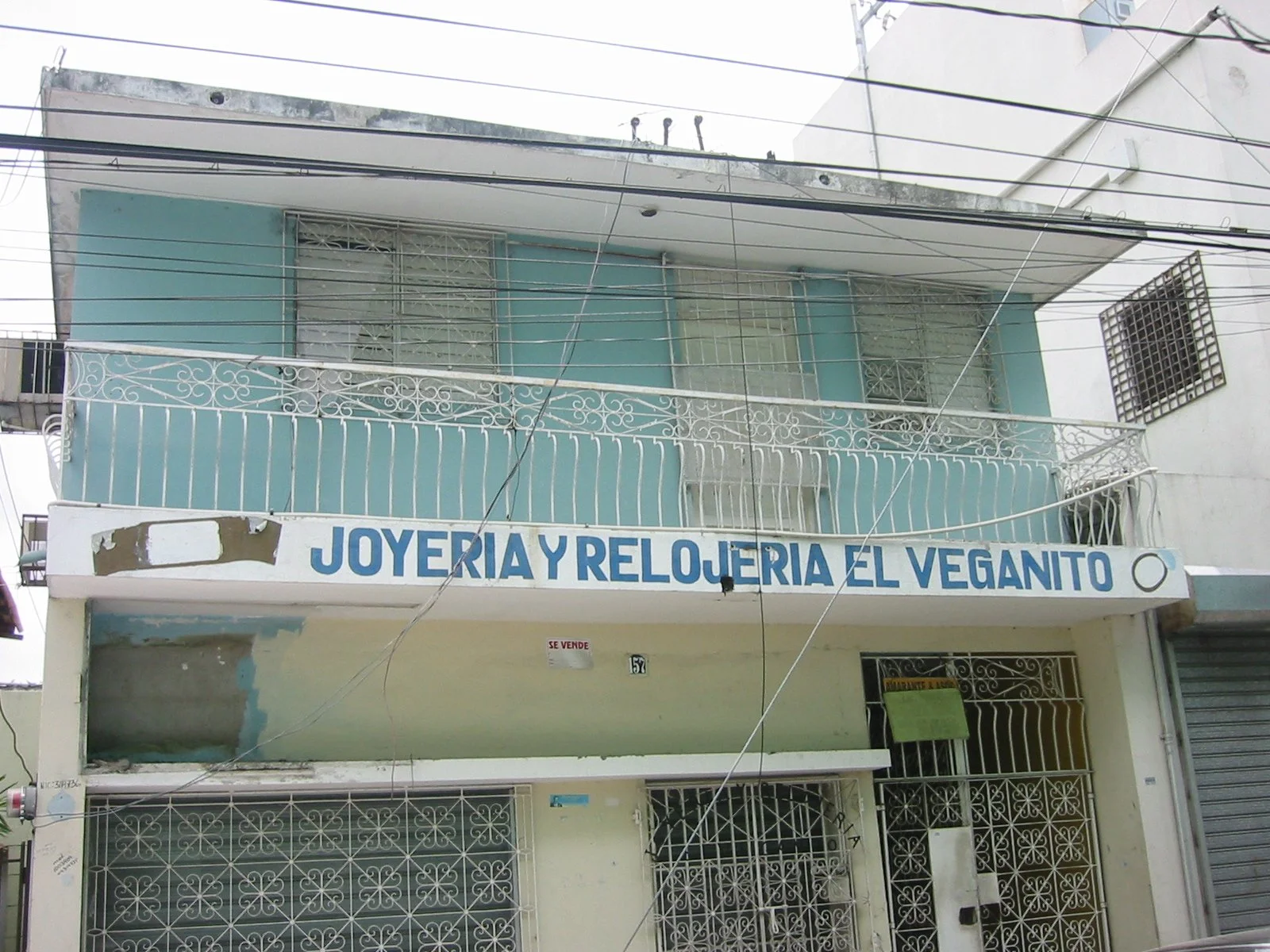
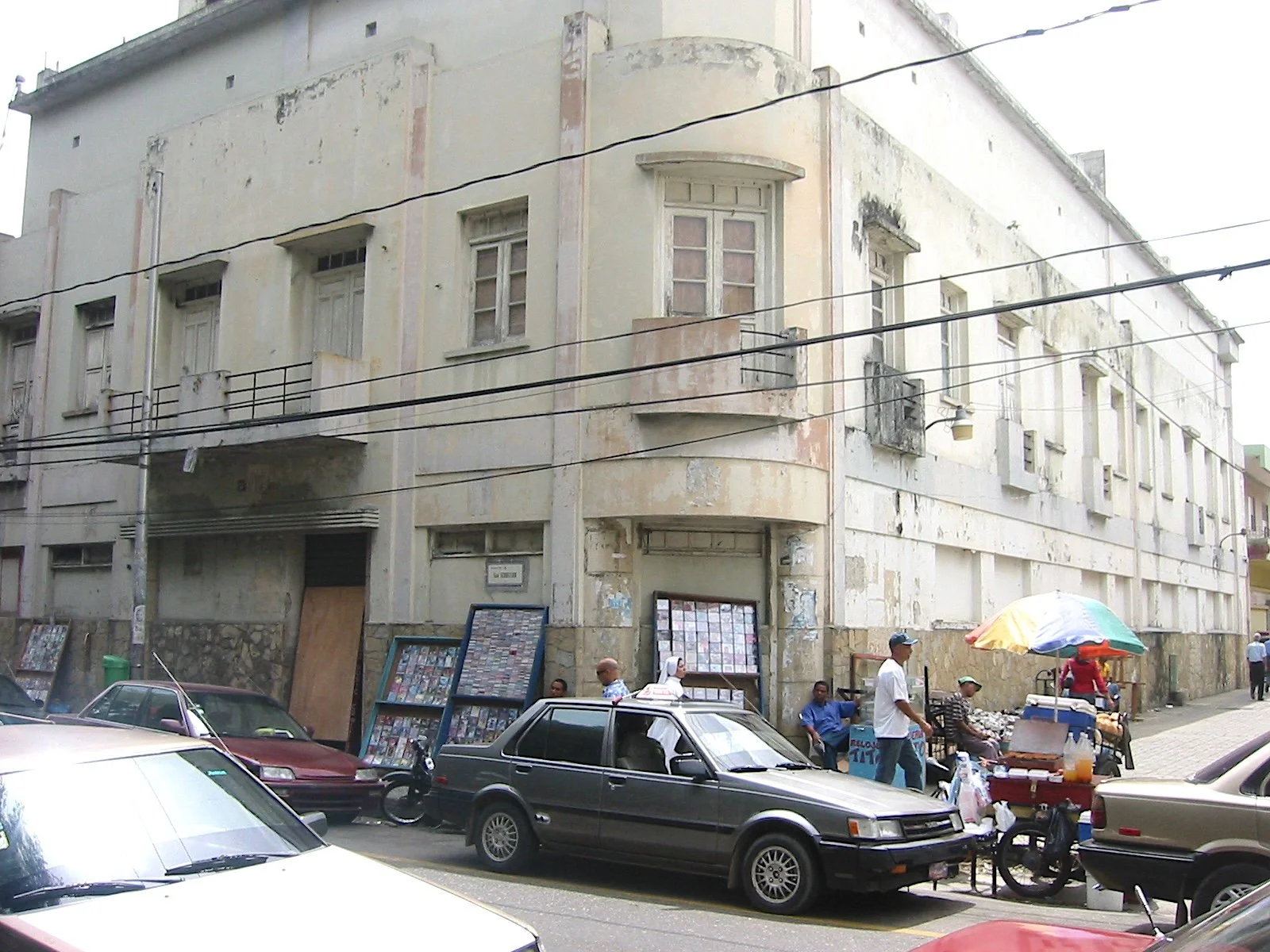
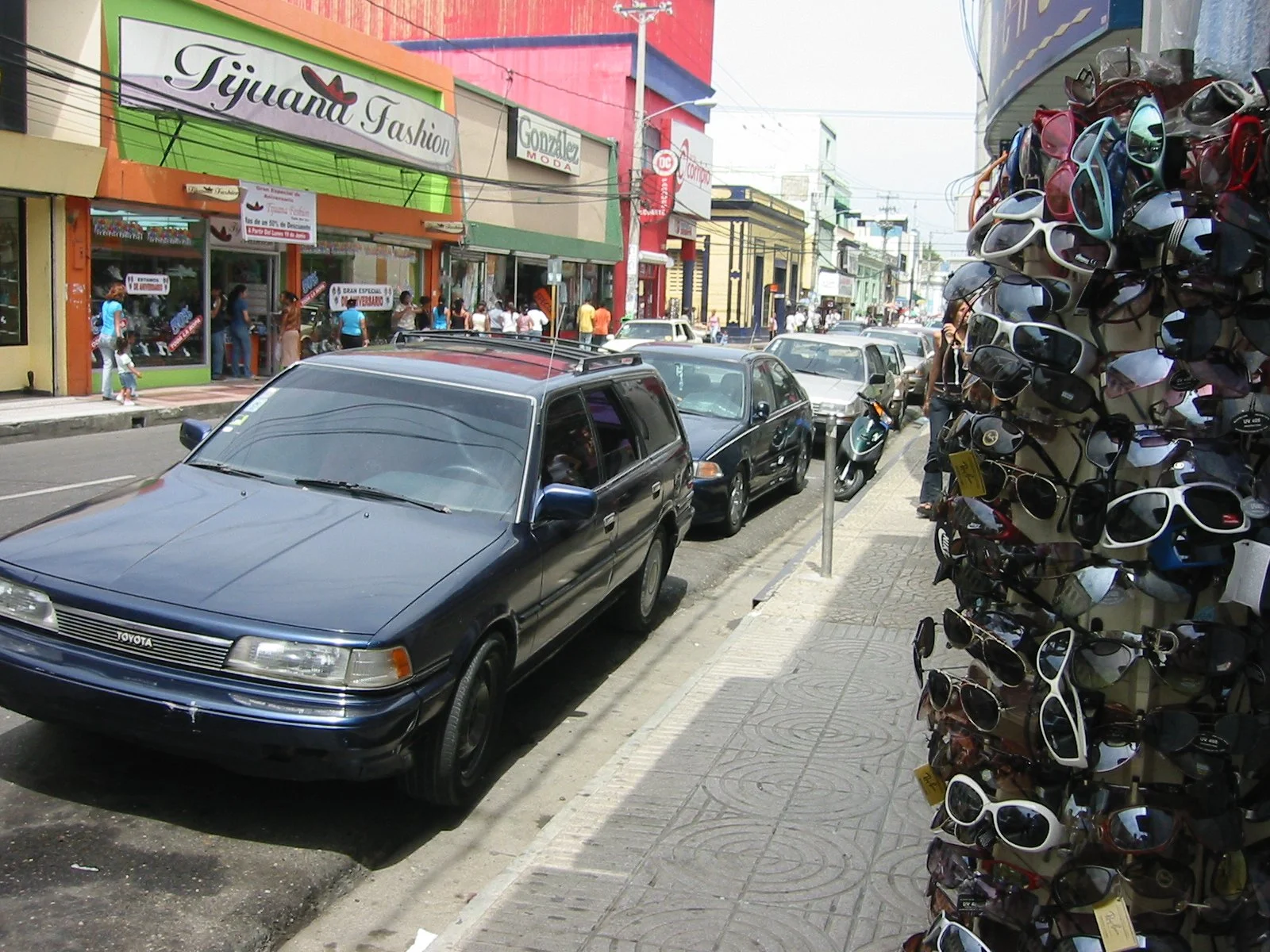
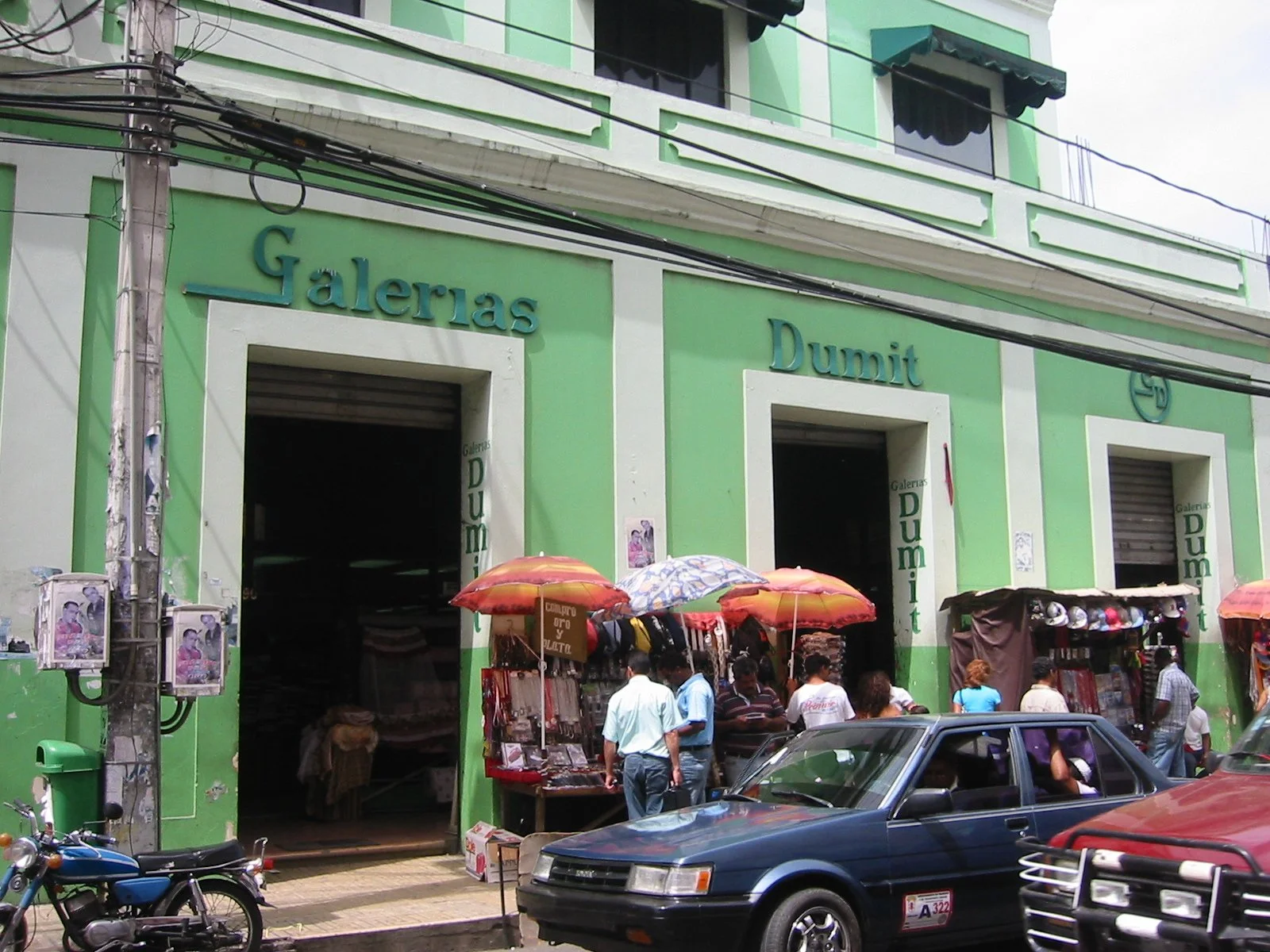
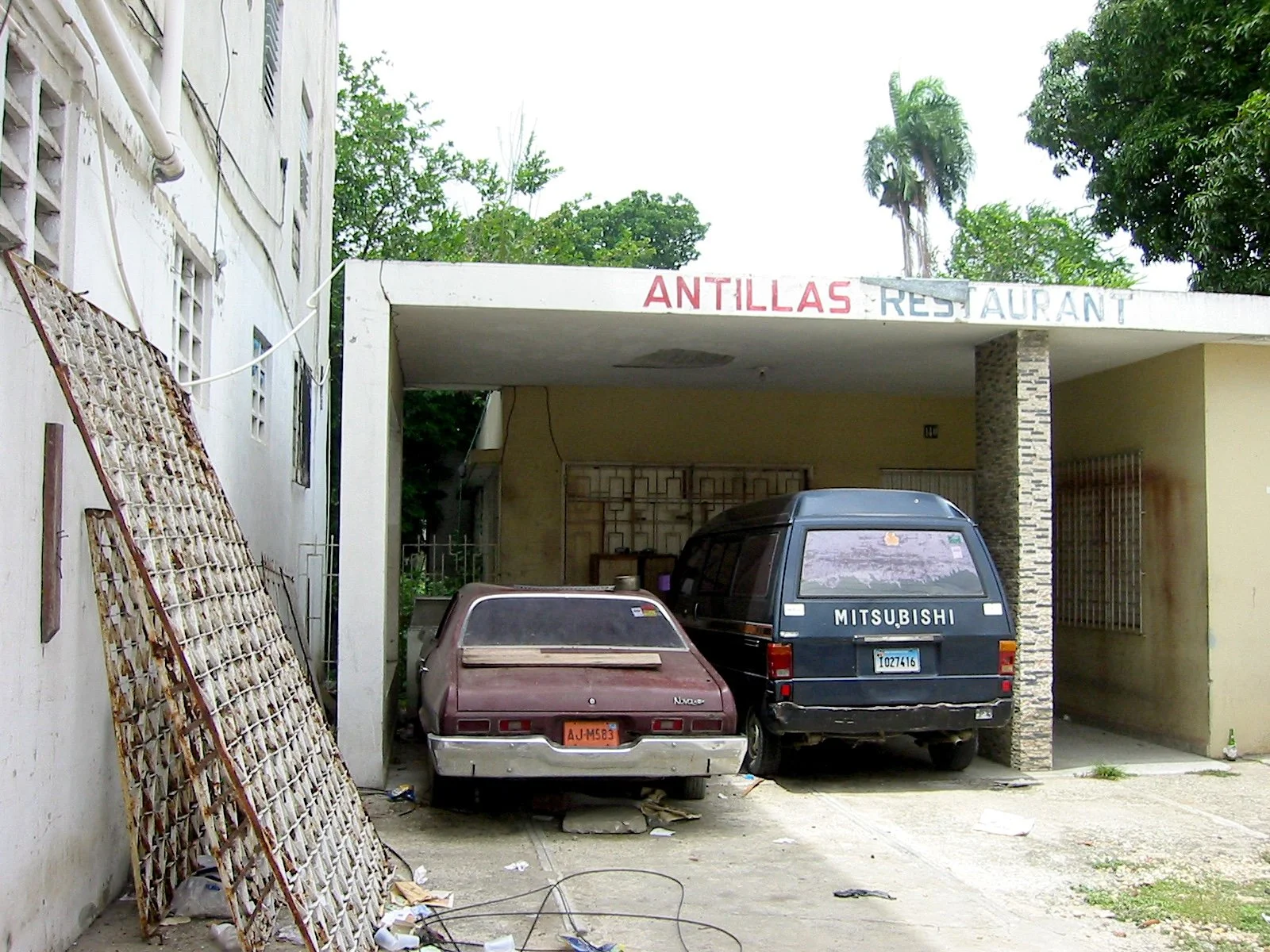
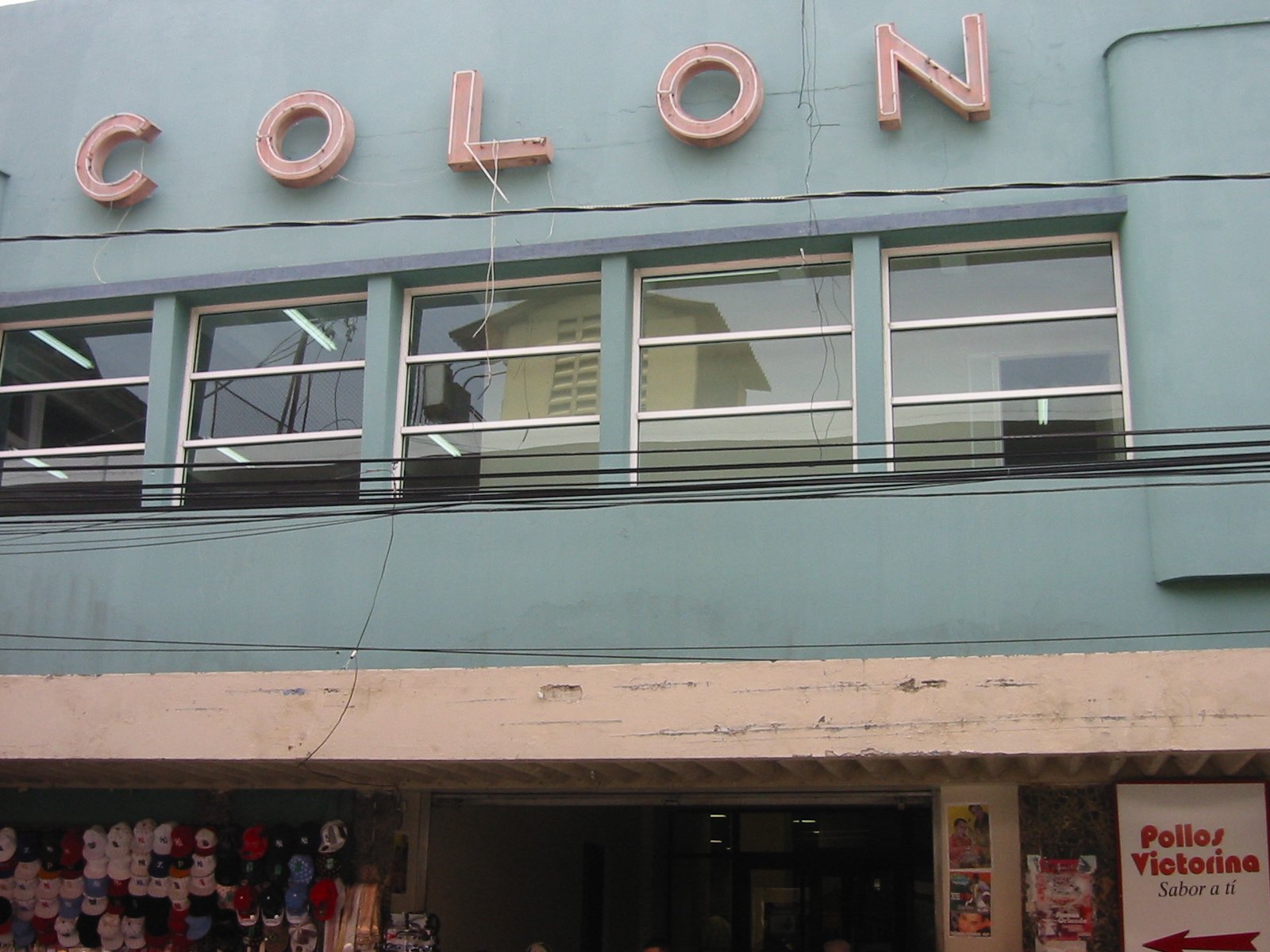
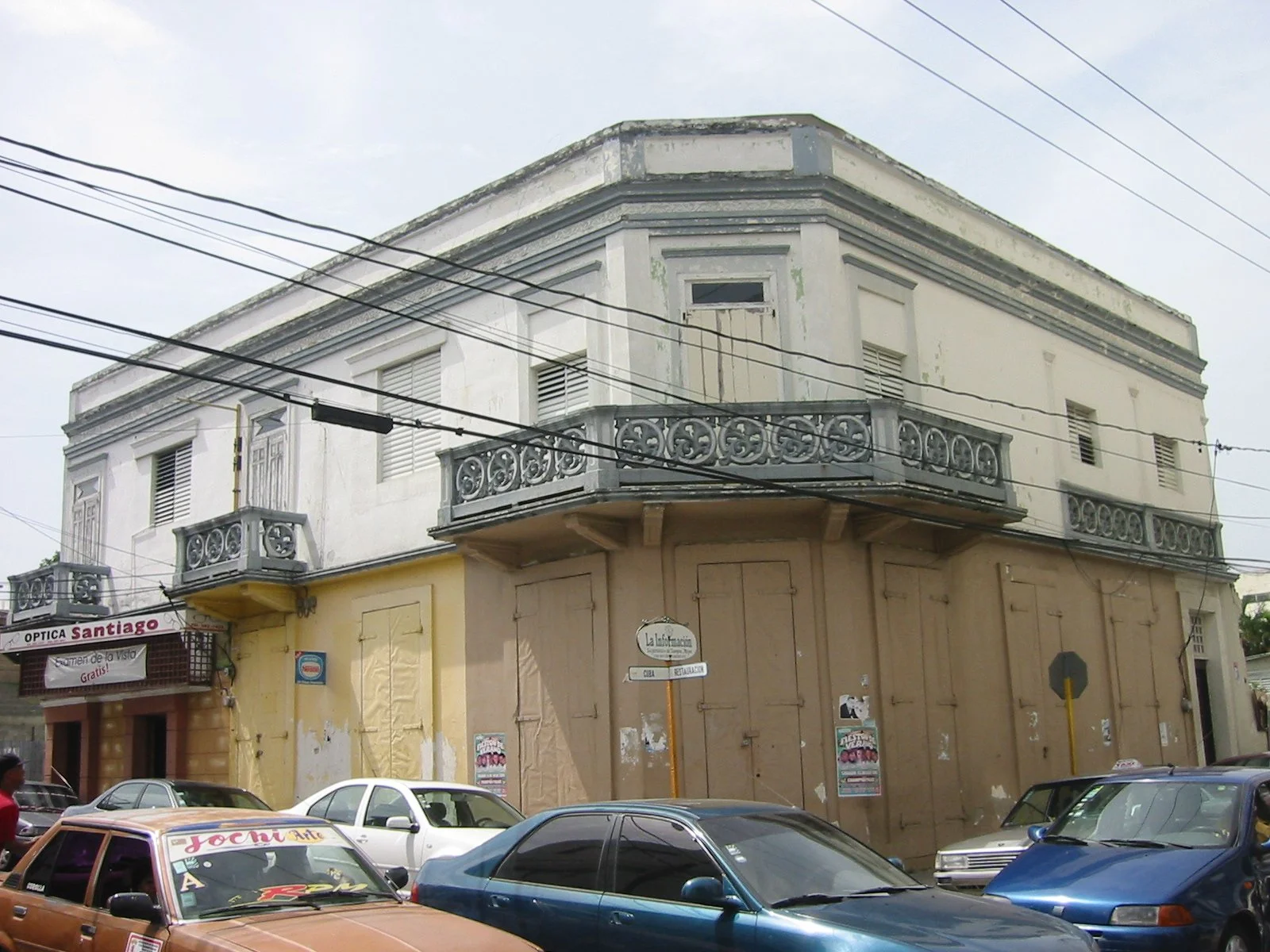
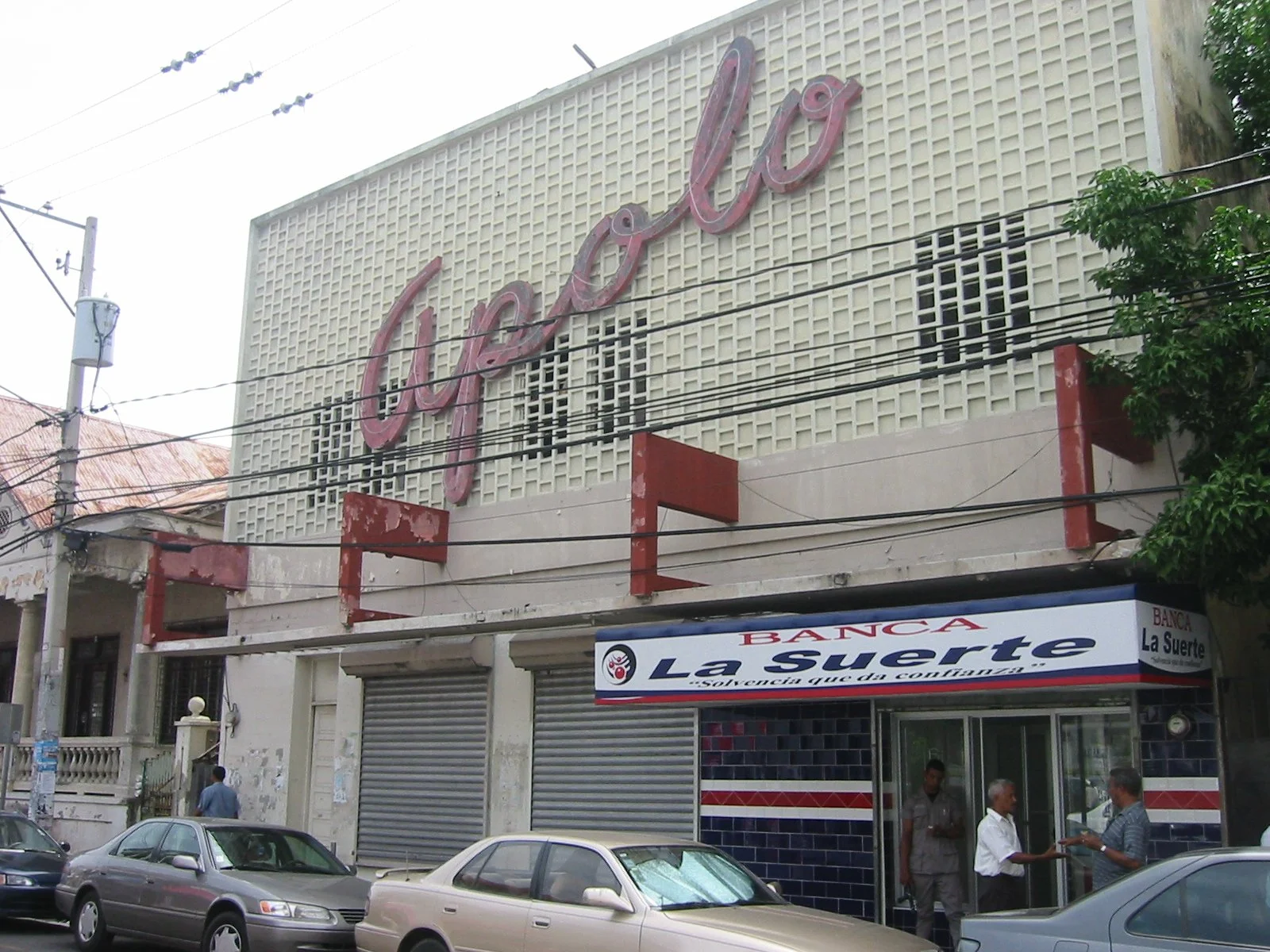
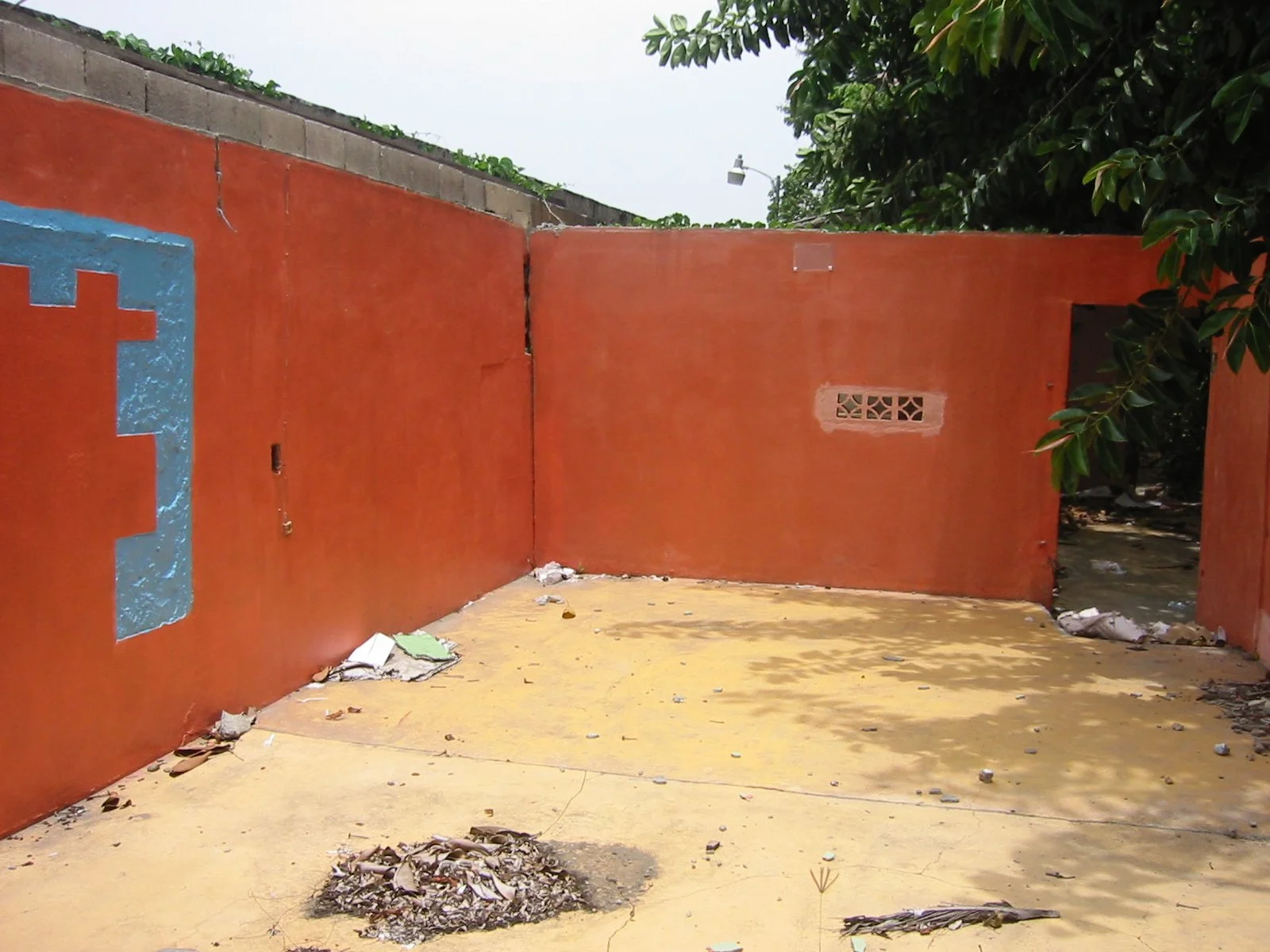
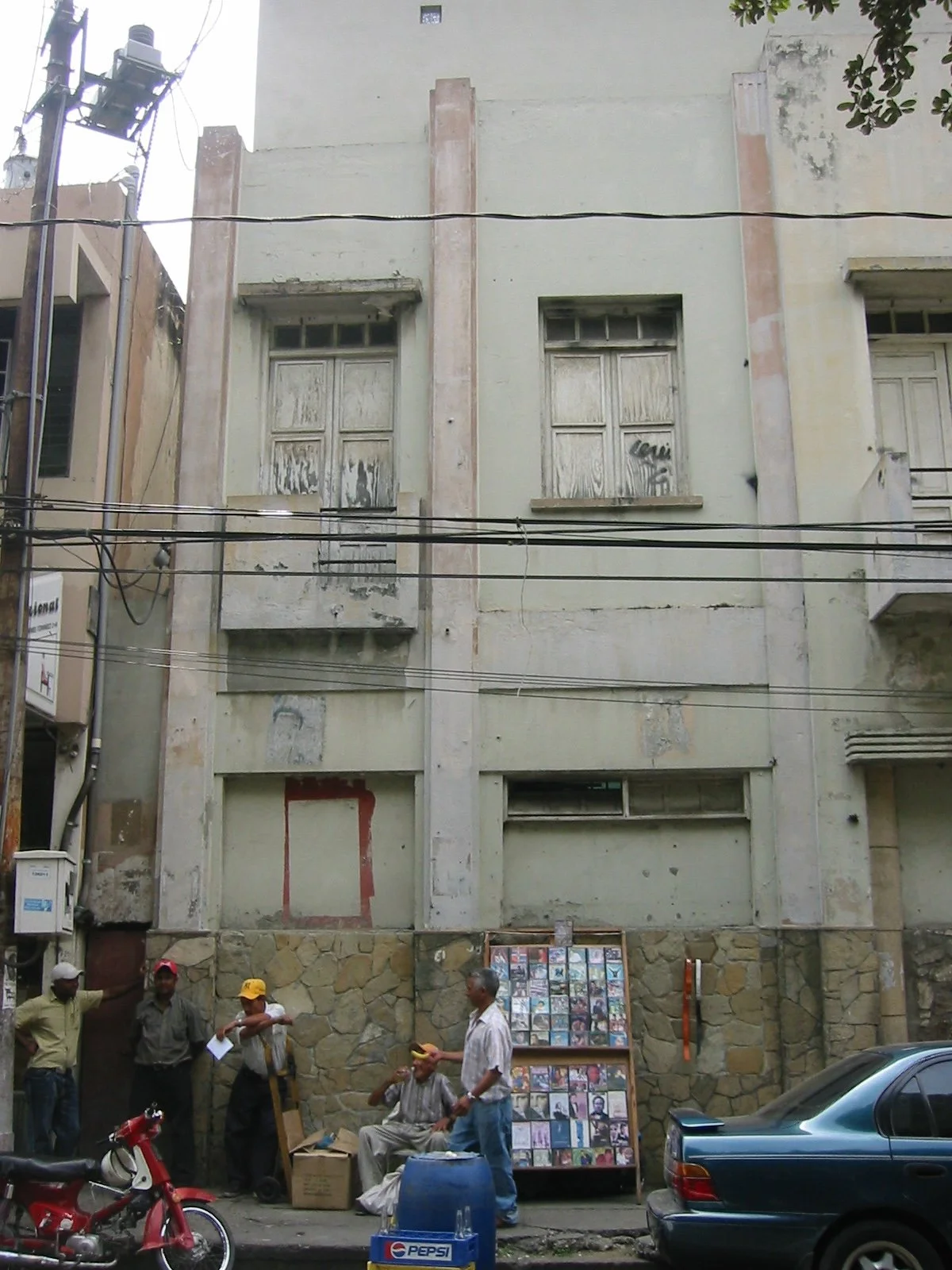
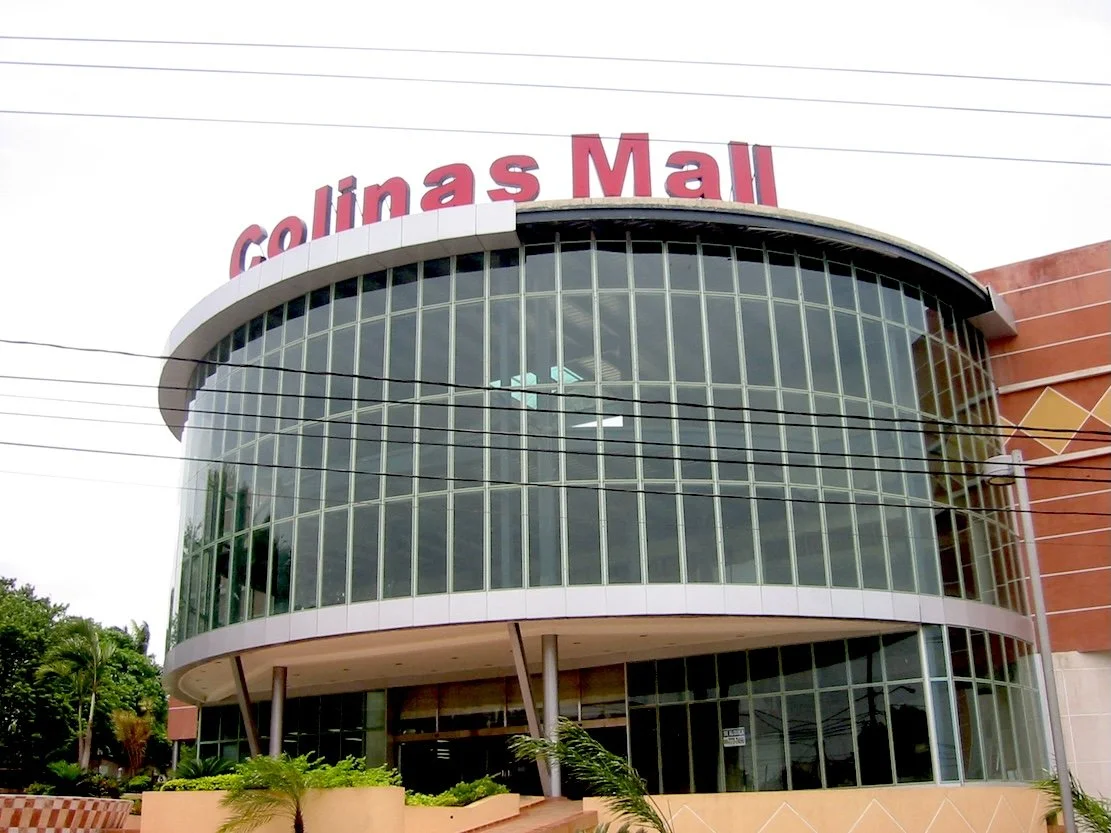
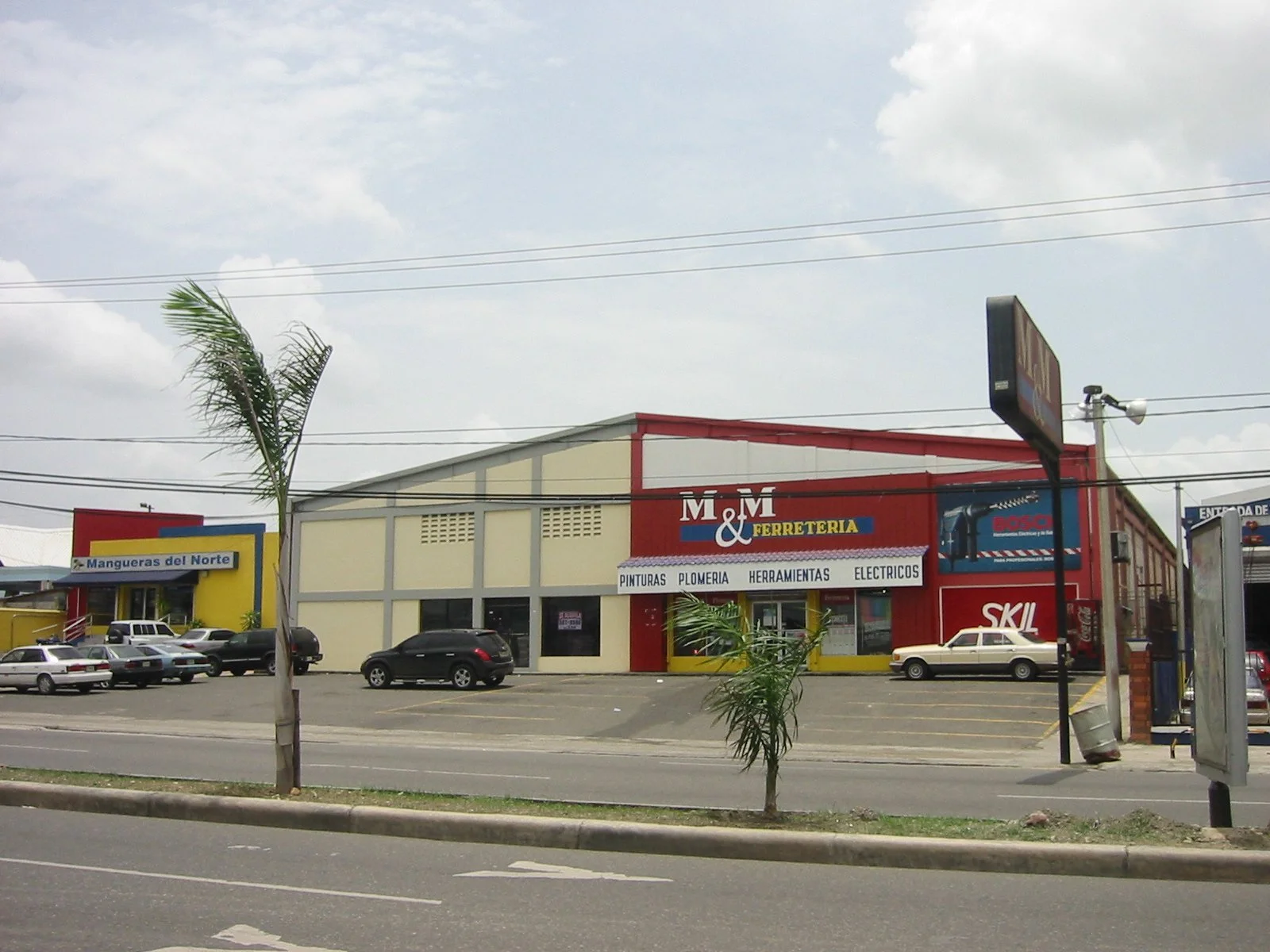
I undertake a pilgrimage through Santiago de los 30 Caballeros, the city in the Dominican Republic where I was born, with the intention of witnessing the shifts that have been happening within the urban space and more specifically in relationship to personal landmarks. Today, the Dominican Republic is one of the fastest growing economies in Latin American and the Caribbean, raising questions as to how are financial resources being distributed with the population at large. With this influx of money, the reckless severing of the soul of Santiago has been set in motion, with very little room for pedestrians to enjoy the city and with the disappearance of places that were dear to generations. Gorgeous Caribbean Victorian houses have been razed to make room for parking lots, and the downtown has been slowly replaced by shopping malls. In the Dominican Republic there is a saying stating that, “El que anda a pie’ no e’ gente, those who walk and do not have a car are not human beings” This pilgrimage allowed me to witness the parts of me that have been effaced by so-called “progress.”

There has been recent attempts to rescue the historic center, and there are initiatives trying to preserve some of Santiago’s downtown. A good example of this is the revitalization of Los Pepines, an iconic barrio that is now visited every weekend by thousands of locals. However, the trend has been for people with any resources to flee the historic center, thus emulating the US white flight phenomenon. The difference to this being that The Dominican Republic is a majority Black and Brown nation.


Searching for Refuge/ Spreading the Word at the Armory


Nicolás Dumit Estévez

“What you could neither grasp nor see,

A lively faith will yet affirm

Beyond this world's design”

Saint Thomas Aquinas

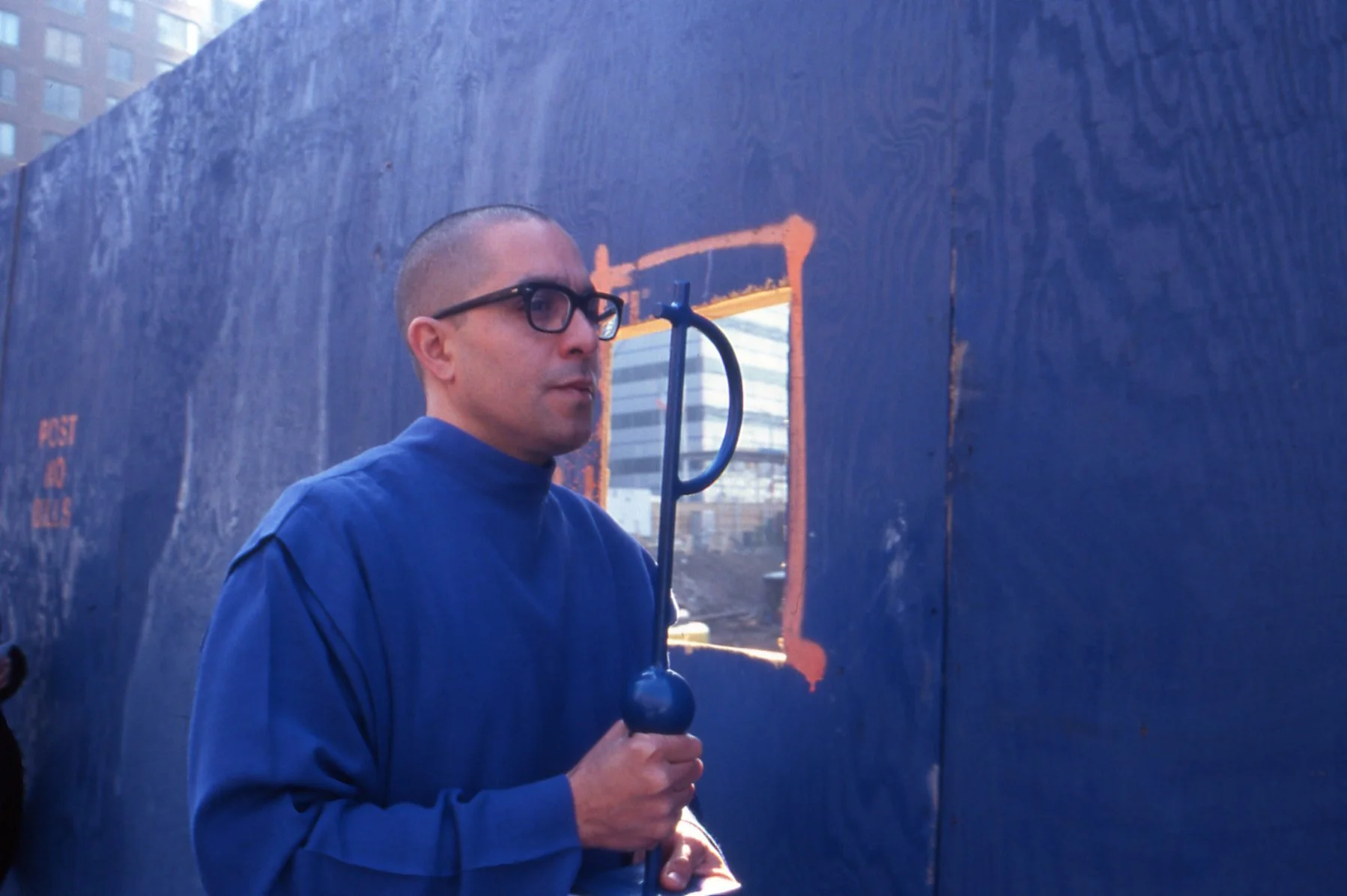
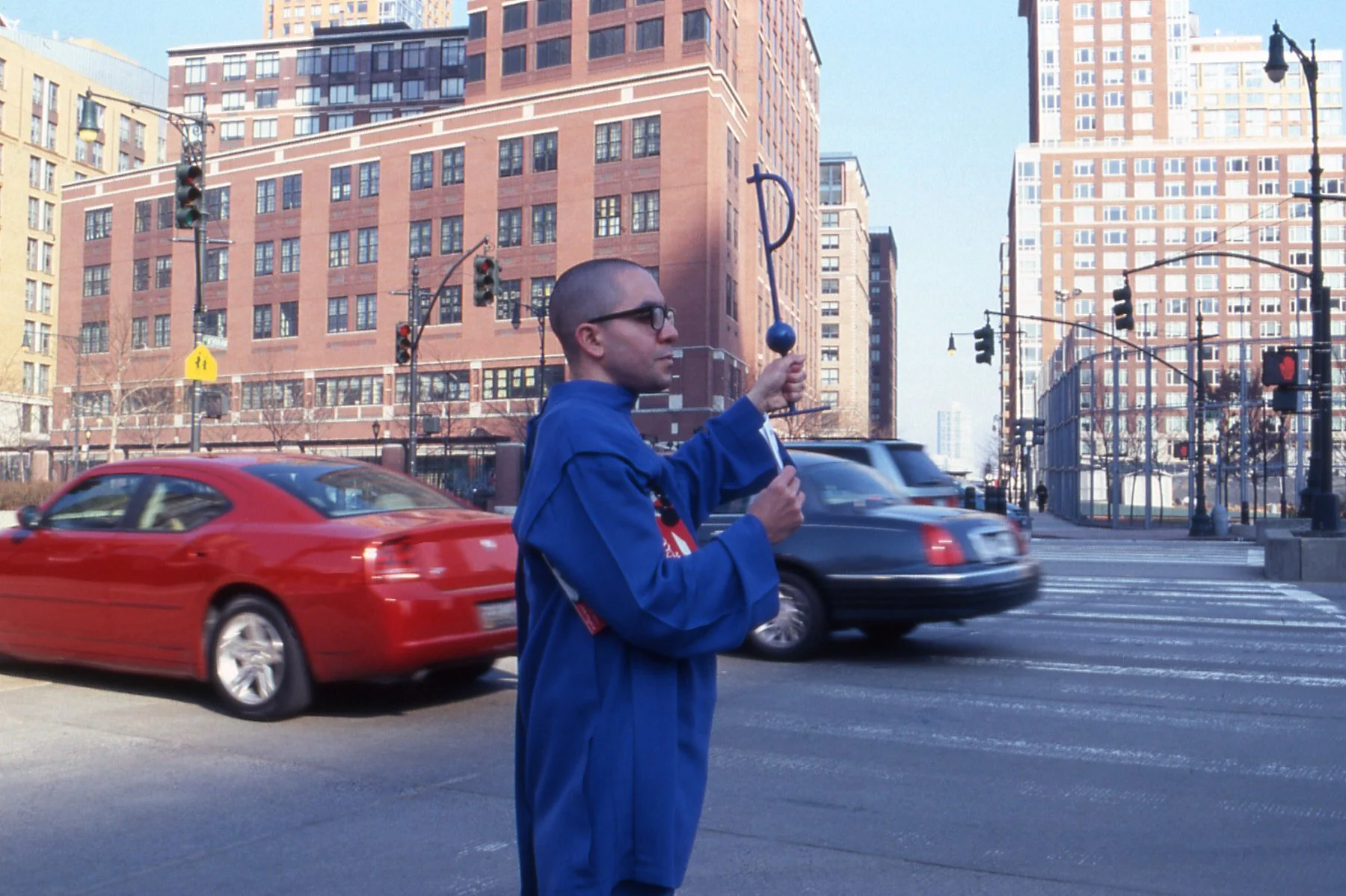
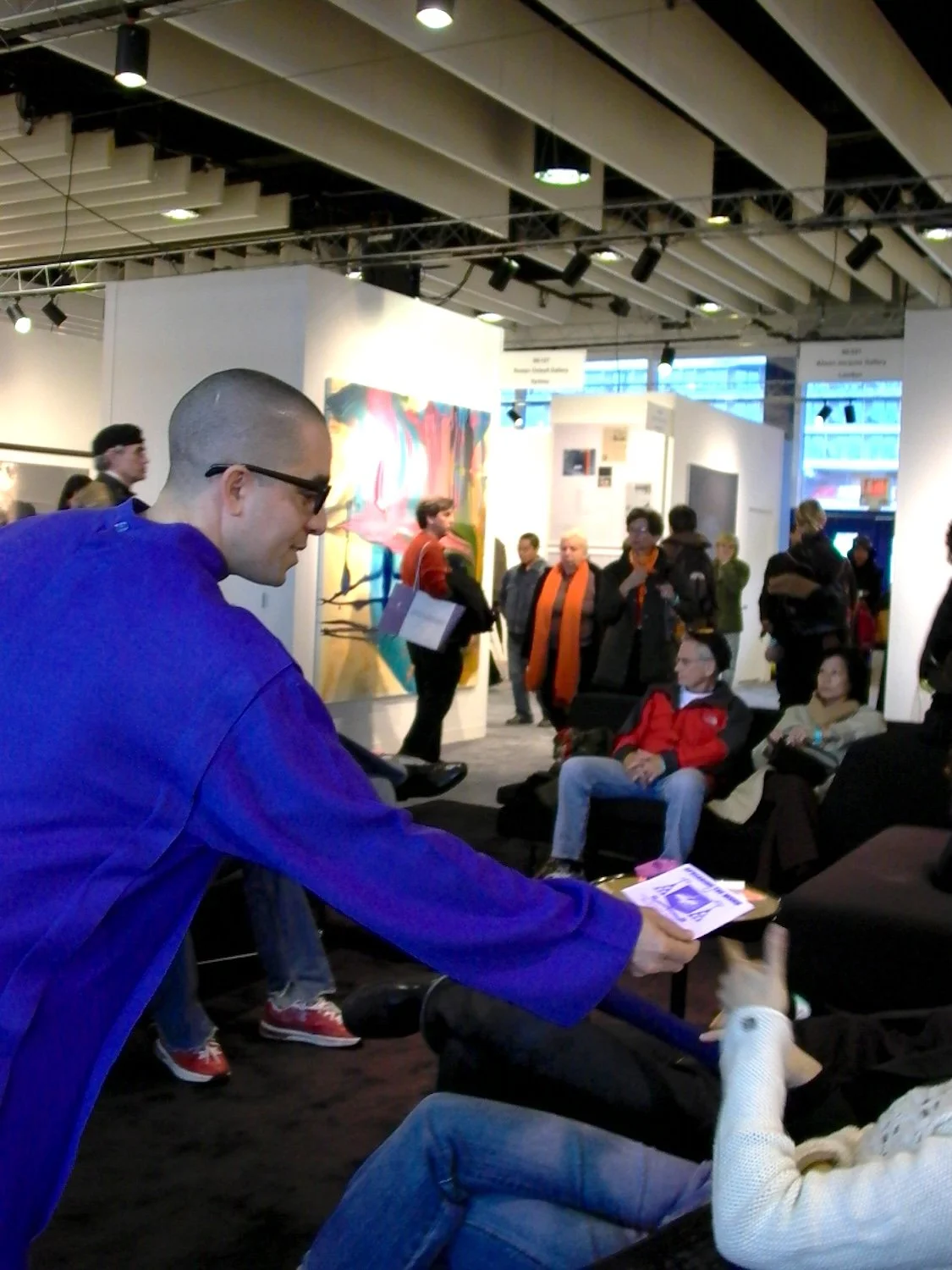
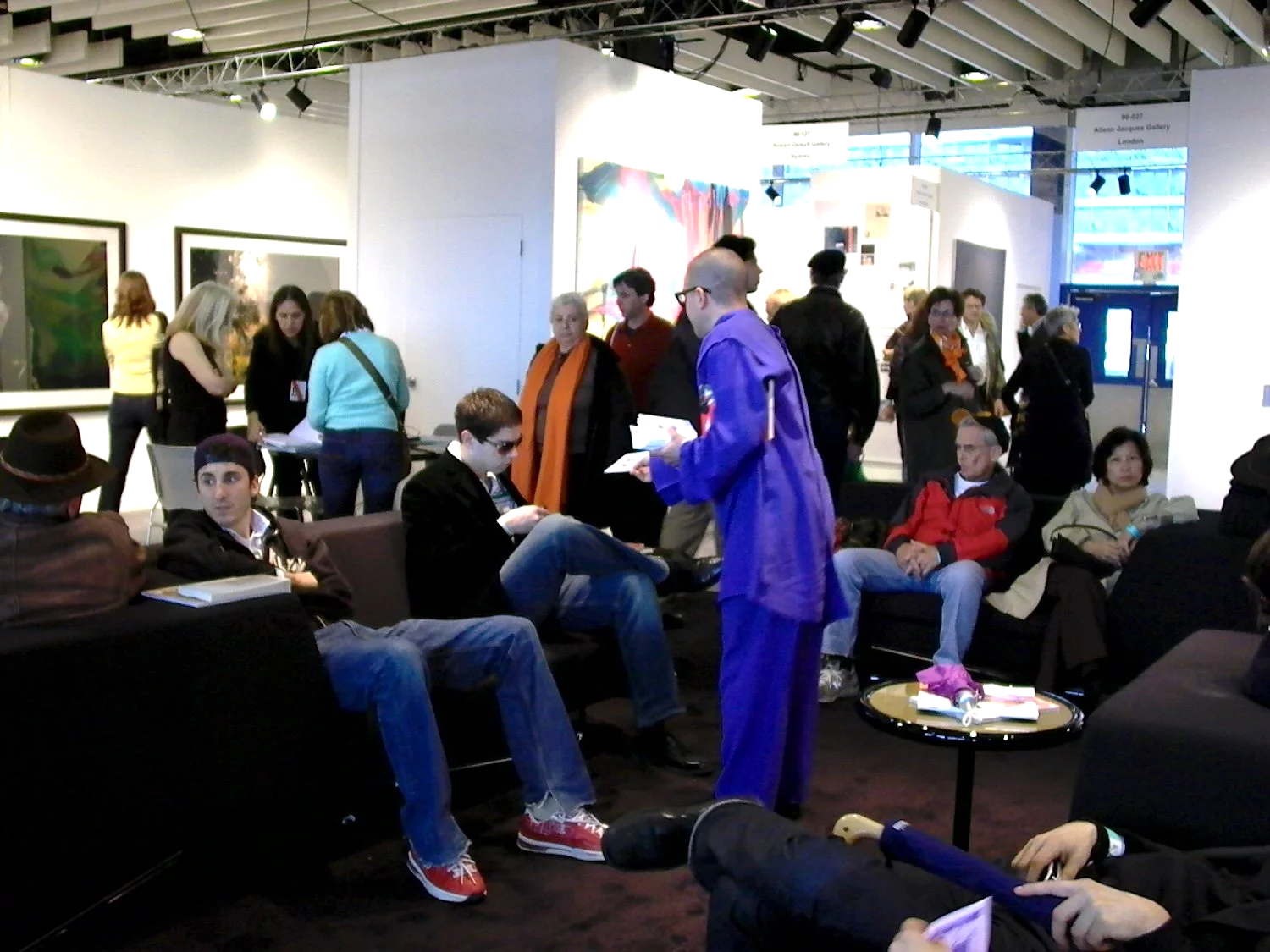
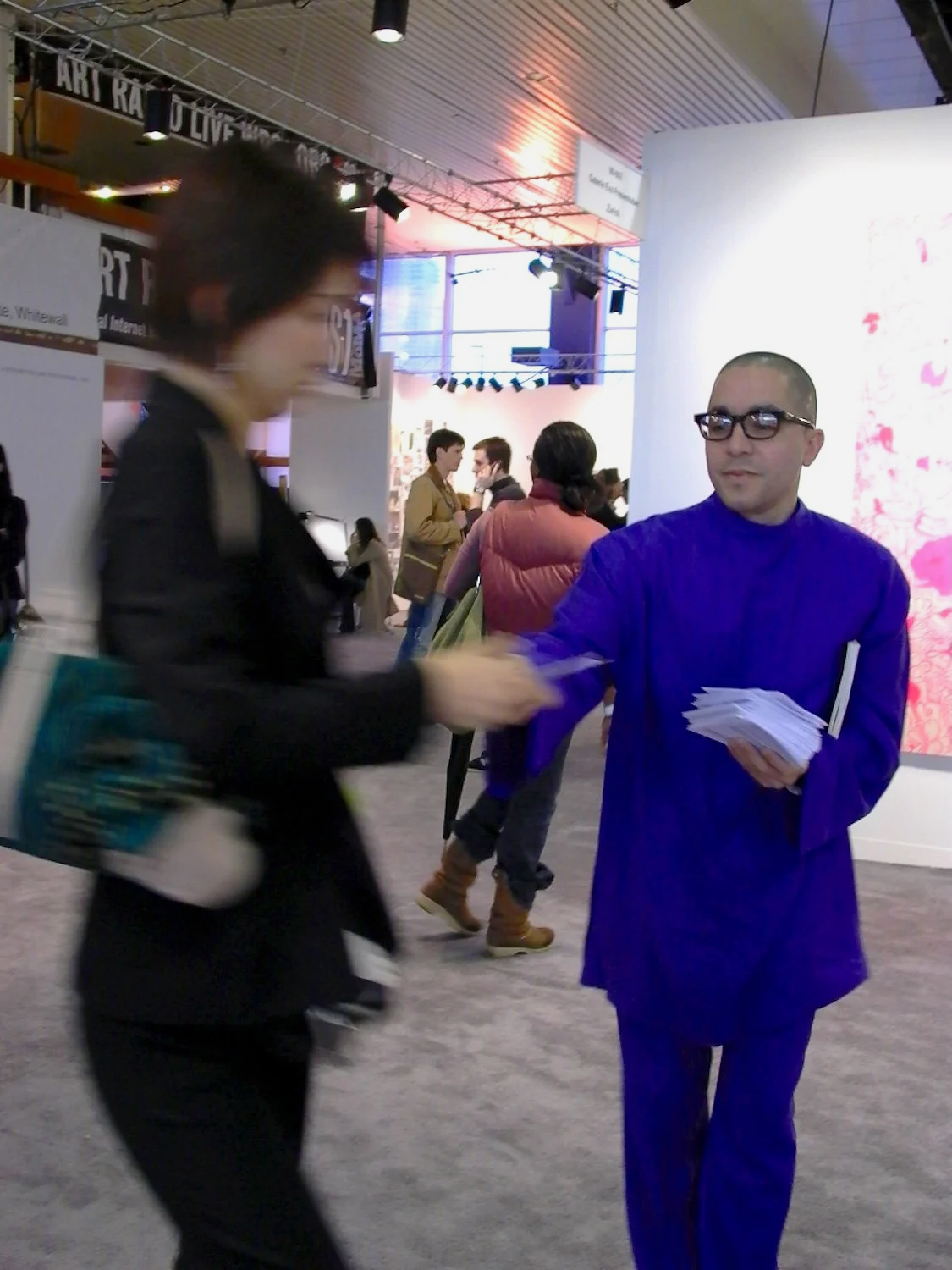
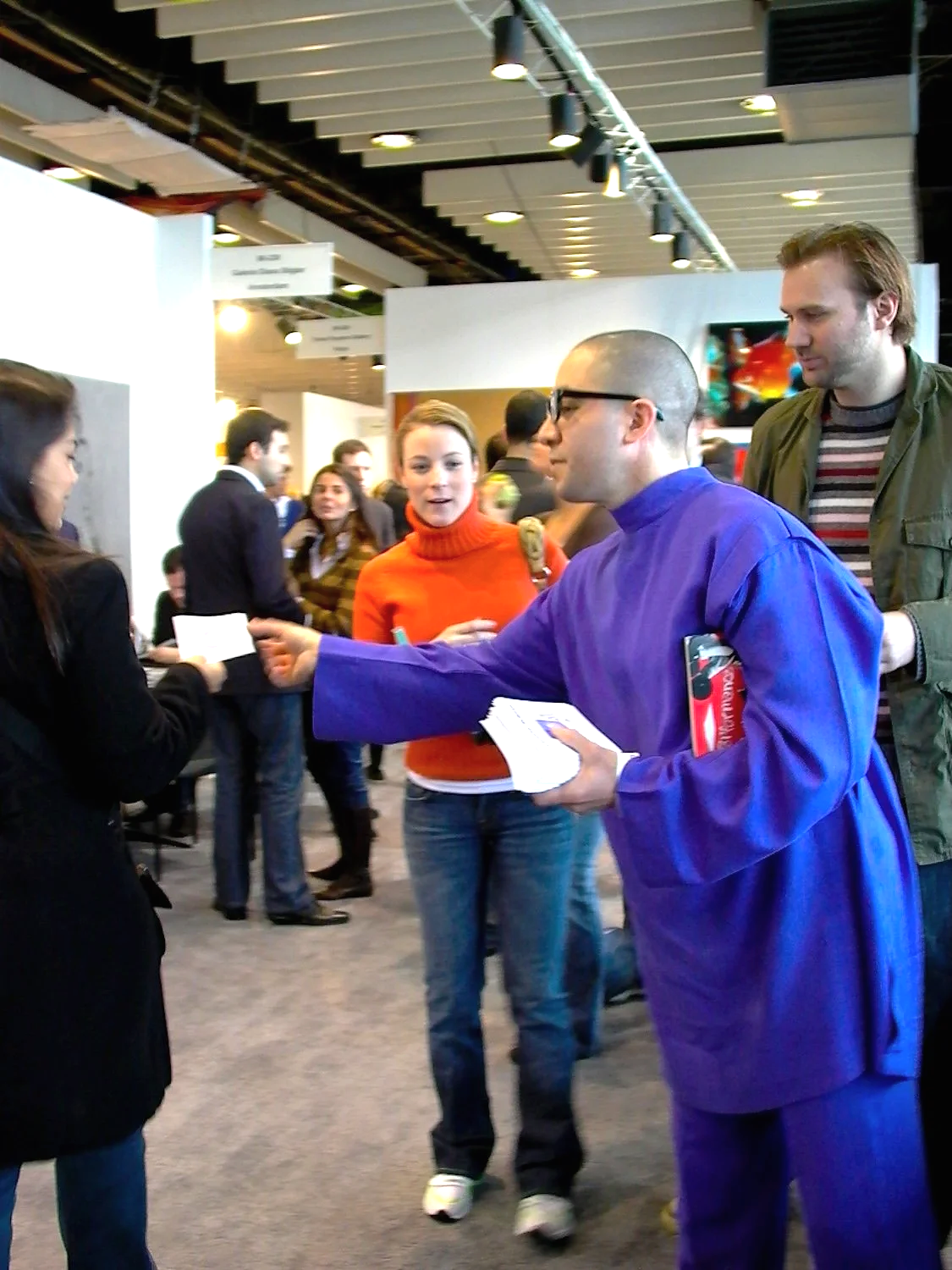
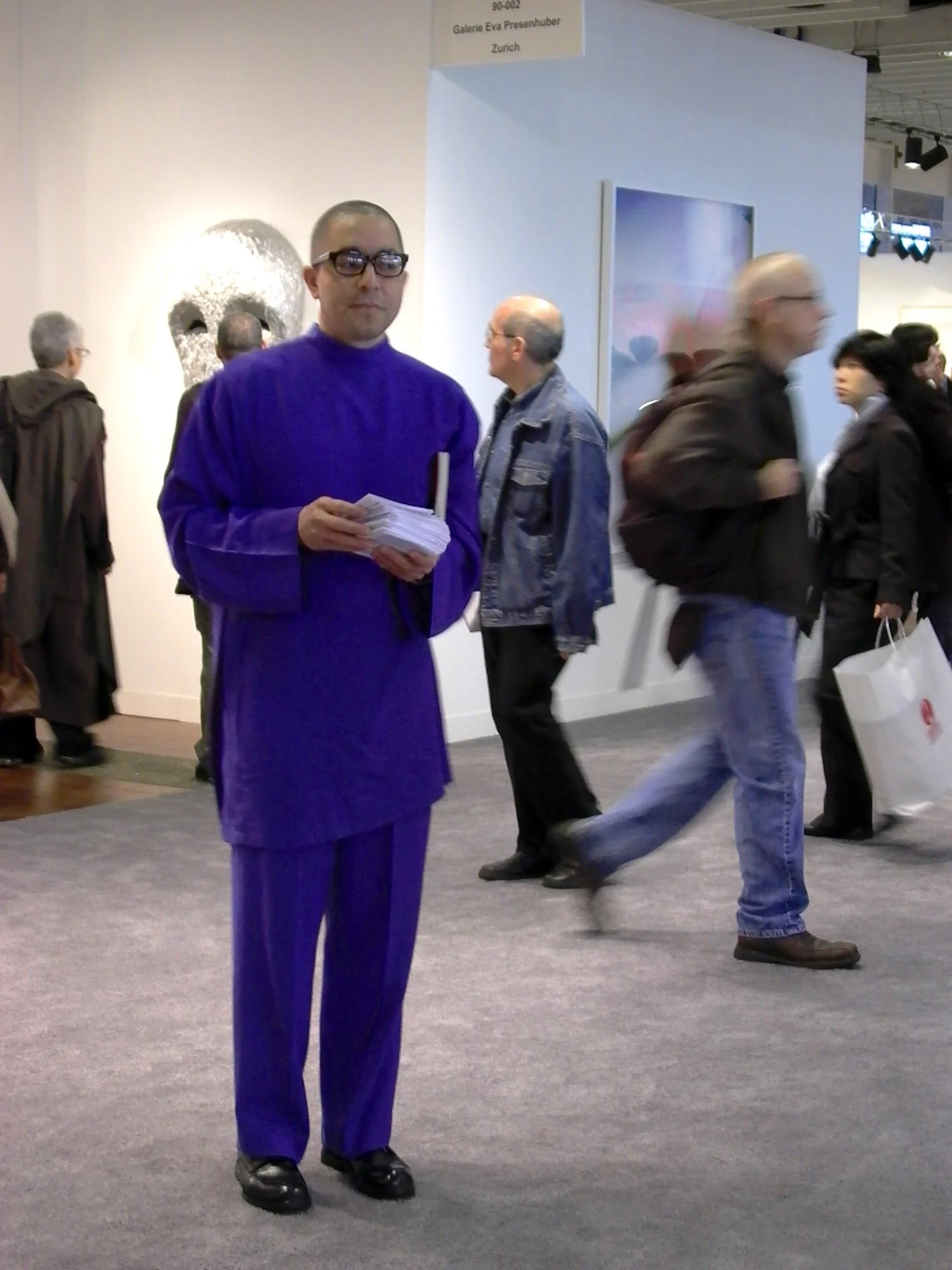
I came across the non-definition of performance art after having  practiced it, only to find myself several years later in urgent need of sustaining my claim to be performing, or more specifically, to be a performance artist. RoseLee Goldberg's statement that performance art is a medium that purposely avoids “precise or easy definitions” had suited my work for close to a decade, yet it did not  spare me from becoming the subject of scrutiny by a security guard at the New York 2006 Armory Show. I arrived at this event in answer to an invitation to perform issued by Franklin Furnace and following an inner call to spread the word about the medium in question. In fact, I had brought with me Goldberg’s book Performance Art from Futurism to the Present. Tucked under my arm, the publication acted as a bible I could resort to when in need; I merely had to refer to one of her psalms.

Voids exist in relation to what surrounds them, serving the purpose of defining a space already taken.  In many instances they assume the presence of what is actually in front of us but is not readily available.  Yves Klein’ interest in the void lead him to enact a series of leaps in which he inhabited, if temporarily, the domains of immateriality. For similar reasons, he burnt the profits from a transaction of an art piece that he had disposed of in the Seine. Speaking of voids, I have always felt an unfounded reservation about using the words nothing, never, and nobody, but lately have come to realize that these words exist because of an unstated need to give absence a presence. On the other hand, hasn't the magic wand of capitalism managed more than once to materialize the unseen, for example, by making the sale/acquisition of air rights a legitimate business?  Klein's backstage landings were, in the end, a reminder of our unredeemable debt to physicality.  

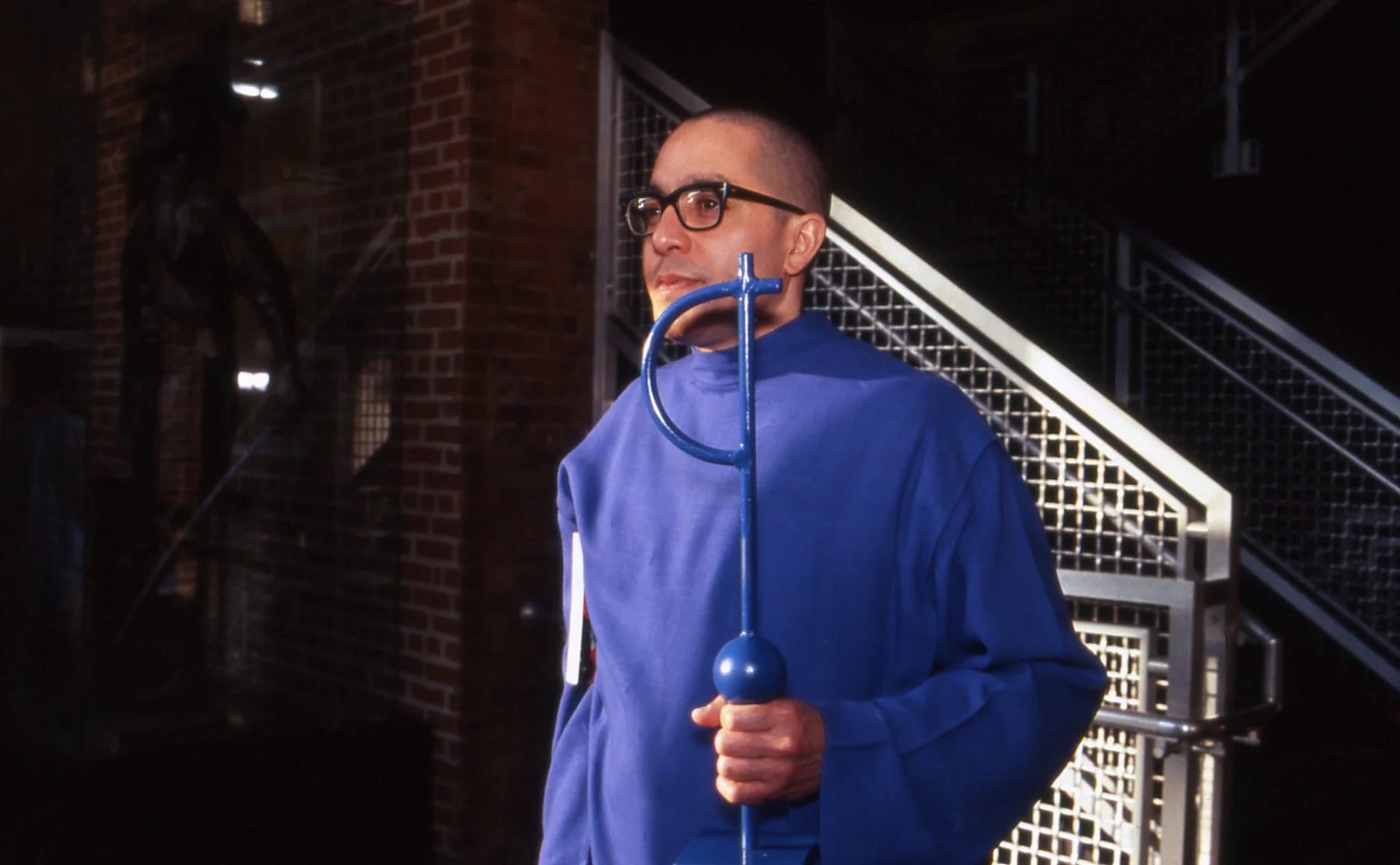
The afternoon I appeared at the Armory Show neither the Klein-blue chasuble I wore nor the message I came to deliver were valid reasons for the organizers to grant me a free leap into one of the world’s leading art fairs. My destination was Pier 90. At the door I claimed the ticket that was purchased for me and paid for in advance by FF. The slip of paper gave me immediate access to the art acolytes that were in full supply in the hallways of the building. Inside, I found myself preaching to deaf dealers selling their wares, was dismissed by those who visited the event for the sole purpose of looking at Art, and was gracefully validated, indeed blessed, by a woman who whispered to her companion in Spanish that I was in fact an artwork. As if in a reenactment of Piero Manzoni's 1961 Living Sculpture, these words placed the woman in the role of the artist and gave her the authority to sign me as a walking art piece.

While delivering the word, I refrained from making predictions of who would end up in art hell or who would reap the fruits of admission to art heaven. As fairgoers scanned the show searching for the specific artwork that would redeem them from purgatory, scores of visitors claimed from me unquestioningly a free-of-charge copy of the pamphlet that described my mission.

Performing performance art has become one of my works in progress. In my encounters with potential believers amongst students, friends, passersby, colleagues and reporters I have come to accept the challenges of the task. Some have remained unconverted because of the lack of a definition to encapsulate the field. Nevertheless, I thought that if Joseph Beuys could explain Art to a dead hare, I could certainly succeed in talking about performance art to two cloistered nuns at the Corpus Christi Monastery in the heart of the South Bronx. On that occasion I mentally, almost telepathically, resorted to Linda M. Montano's book Art in Everyday Life to deliver an improvised presentation in the lobby of the building. Two attentive sisters stood listening to the message I proclaimed, one of them adding to the conversation with a comment, formulated more like a question, on the relationship of performance art with postmodernism. Working the art crowd at the Armory Show was not any easier than conversing with the nuns. I recall strolling up and down, over and over, step by step, with the Word always in my hand. Interactions were brief. Scant. A smile, the handing over of a pamphlet and a thank you to the recipient. One more seed sown. Art bless.

Association continues to allow the Armory Show to be named after the 69th Regiment Armory that housed the fair in 1999. Similarly, I thought the Yves Klein blue vestment I wore would allow me in this context to be able to disseminate freely the message of performance art. Instead, my participation in the fair was brought to a halt by an art dealer’s complaint that I was too close to the portion of the void his gallery had paid for. In the minutes to follow I was questioned by two security guards: one who claimed to understand what I was doing; the other a frightening captor demanding a concise definition of the medium I was presenting at the event. With no other weapon than Goldberg's gospel at hand, I enticed this guard to give me her own answer to ‘what is performance art?’ Her response was simply to dismiss my proposition with a rosary of unrelated answers. I finally understood the correspondence between the idea of voids defining their surroundings with performance art’s ability to define through its own lack of definition. My day’s work was done.

After the organizers contacted Franklin Furnace I was free to go, receiving authorization by the show to continue Spreading the Word. I was permitted to remain in the facilities with the sole understanding that I was to circulate throughout the fair, and not spend more than five minutes standing at any given location. This was fine with me. I was happy with just tickling the void and leaving the place as quietly as I arrived.

Spreading the Word with RoseLee Goldberg's Book under my Arm is a component of For Art's Sake, a series pilgrimages through which I reverse the relationship between art and religion. In For Art's Sake, religion becomes a tool in the service of art as I endure seven arduous journeys that begin in Downtown Manhattan or in Brooklyn and conclude at seven museums. Upon completion of each penance a museum director or appointed official sign a passport that I carry, thus confirming that the journey has been successfully completed. For Art's Sake has been developed for the Franklin Furnace Fund for Performance Art and Workspace, the residency program of Lower Manhattan Cultural Council. The pilgrimages include a devotional guide printed at the Center for Book Art in NY.

 April 20, 2006, Yaddo, Saratoga Springs, New York

Sources:

Aquinas St. Thomas. Devoutly I adore Thee, The Prayers and Hymns of St. Thomas Aquinas, Manchester, NY 1993

Goldberg, RoseLee. Performance Art From Futurism to the Present, New York, 1988

Montano, Linda. Art in Everyday Life, Los Angeles and New York, 1981

Searching for Refuge/Spreading the Word at the Armory ©2006 Nicolás Dumit Estévez Raful

Presented with Franklin Furnace / This essay was first published with Caribbean in Transit / Special thanks to Alanna Lockward

To go back to El Reguero/Archives menu, click HERE
 

Ánima


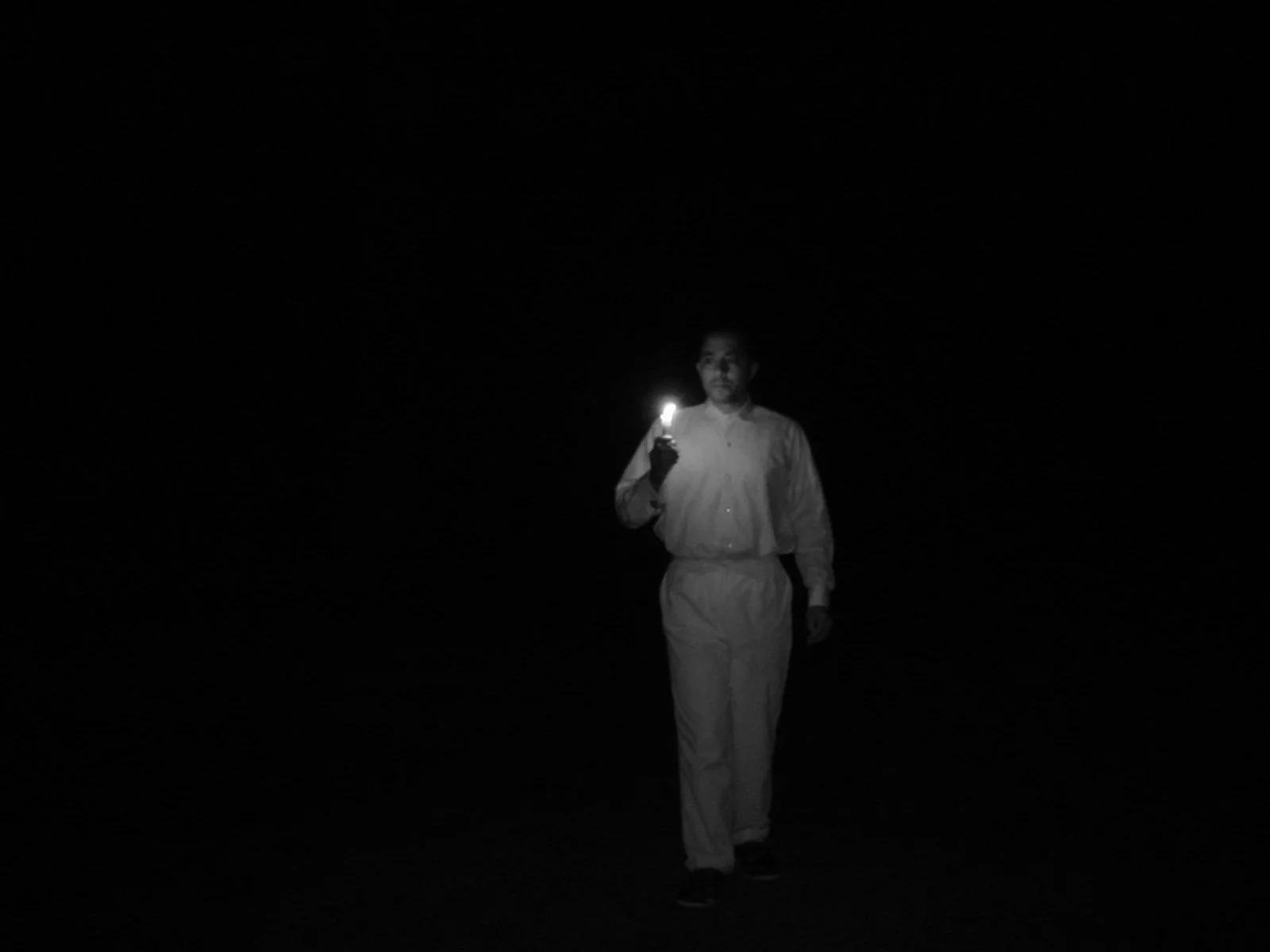
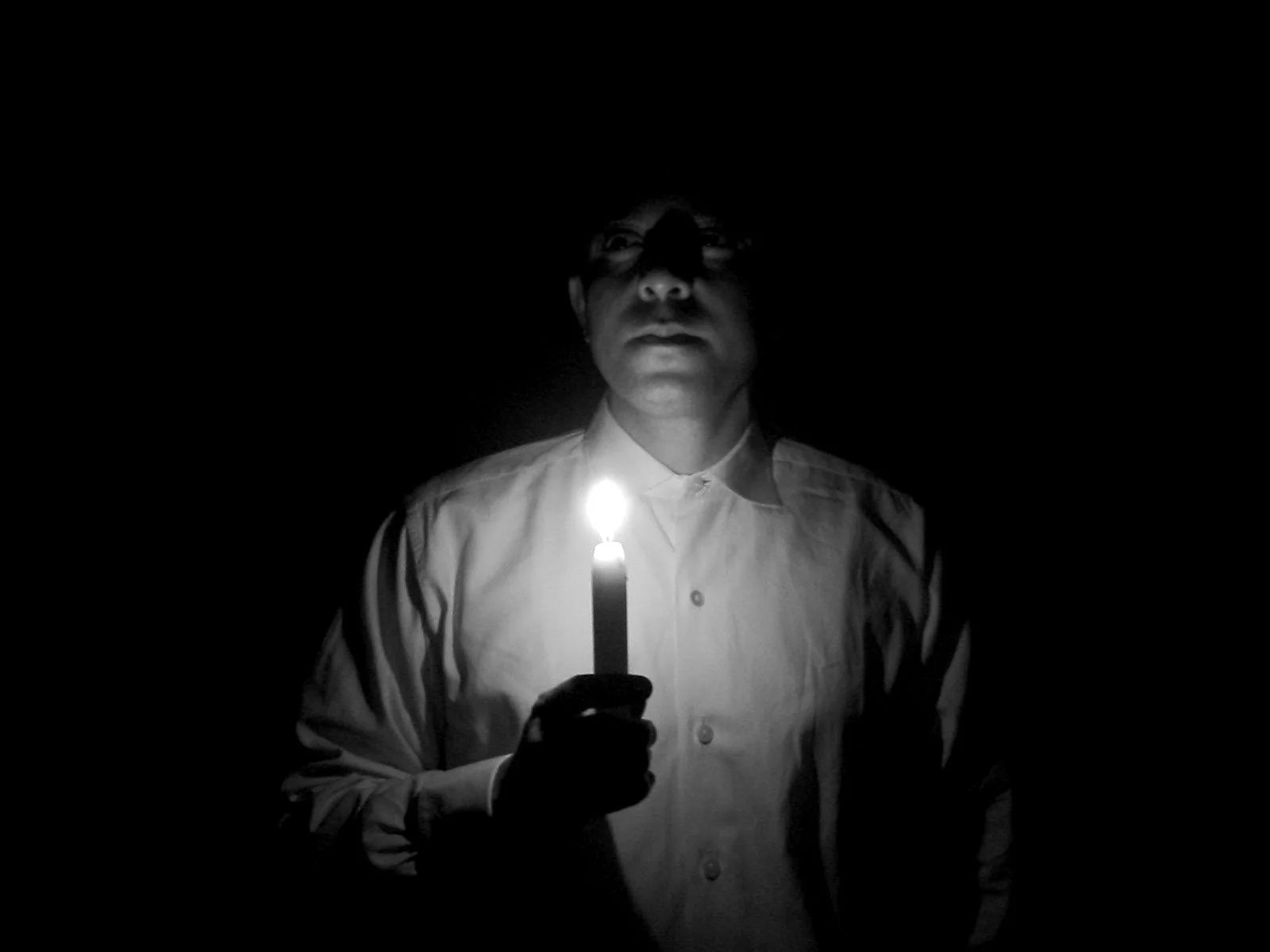
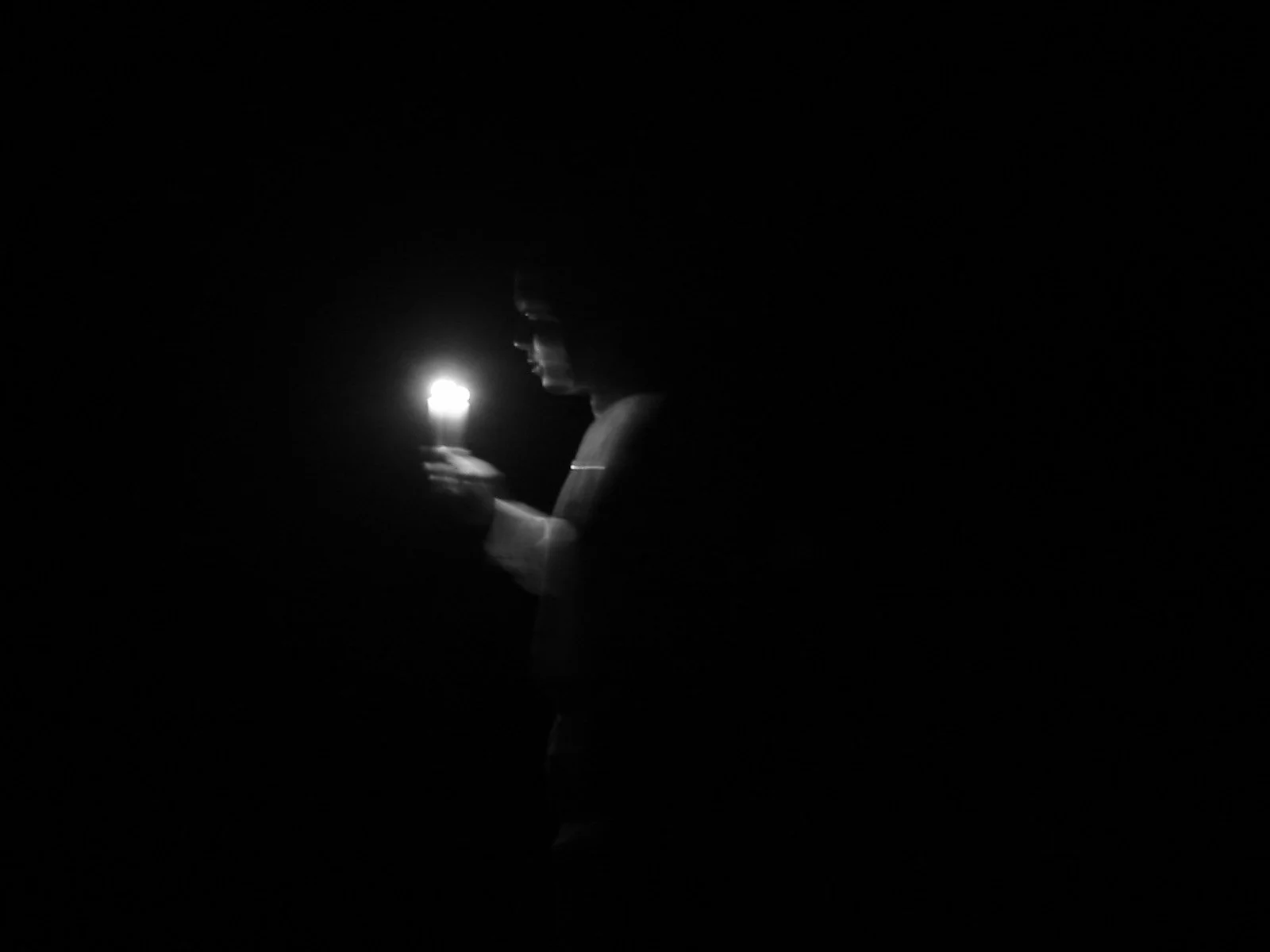
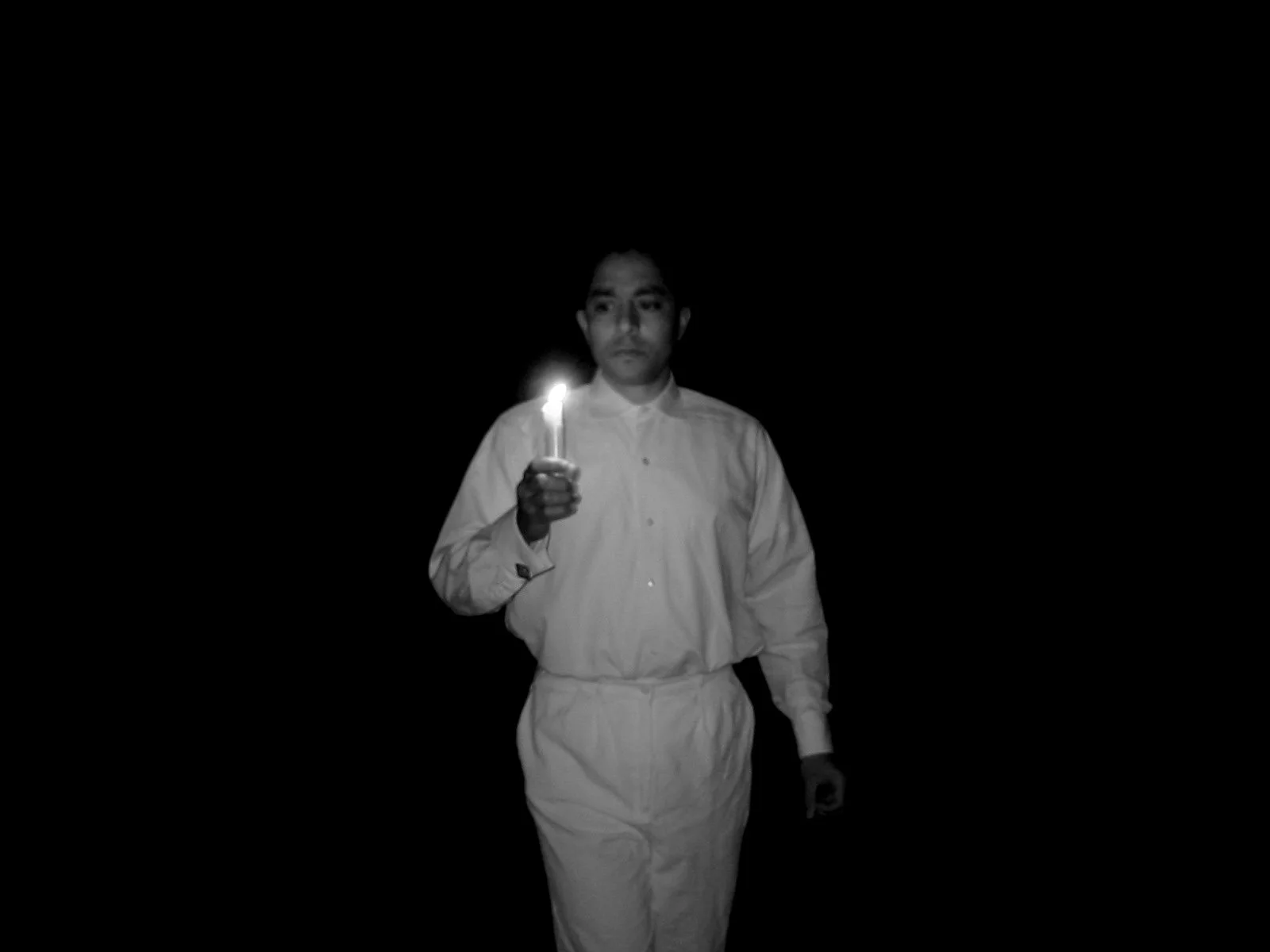
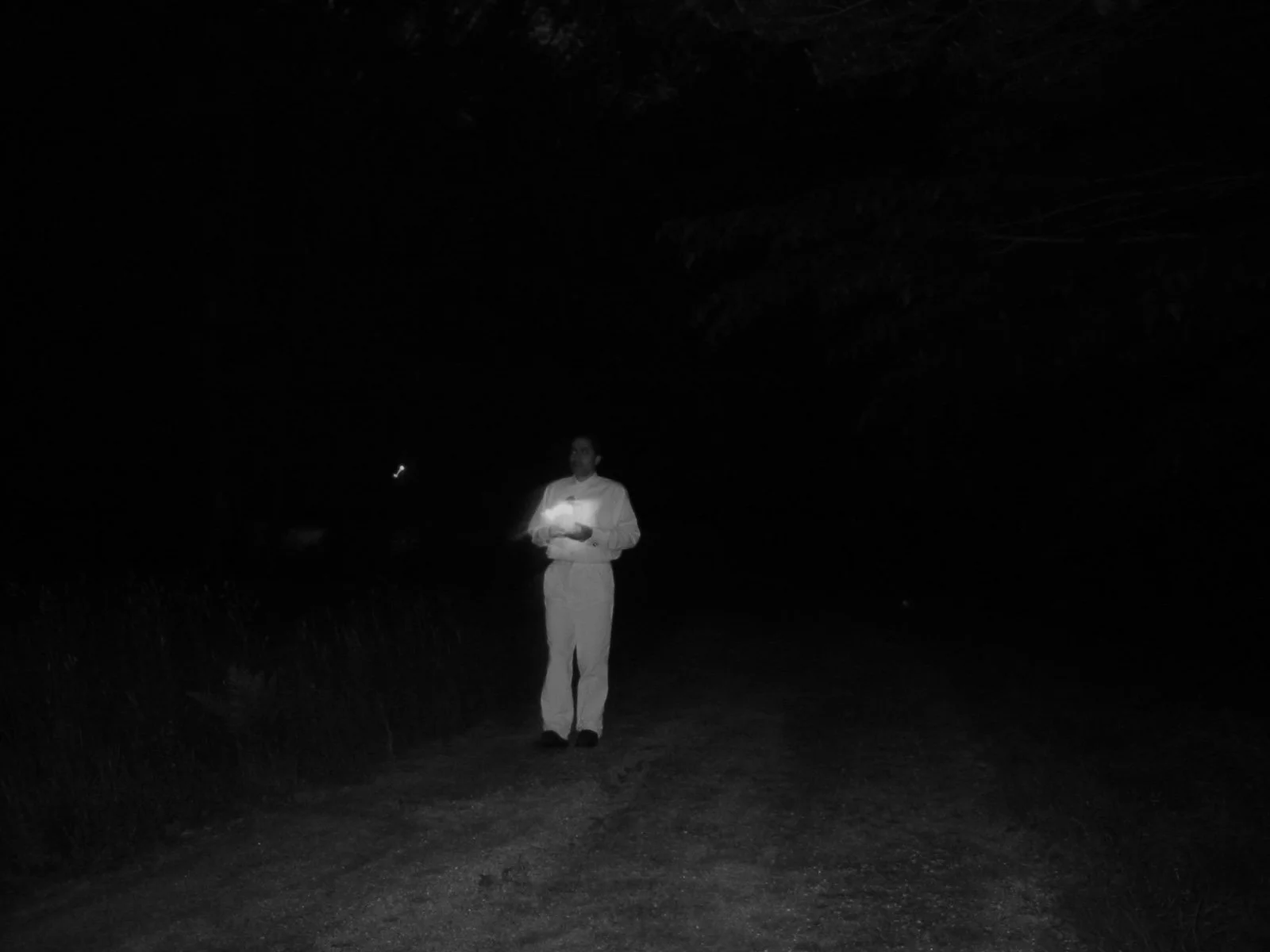
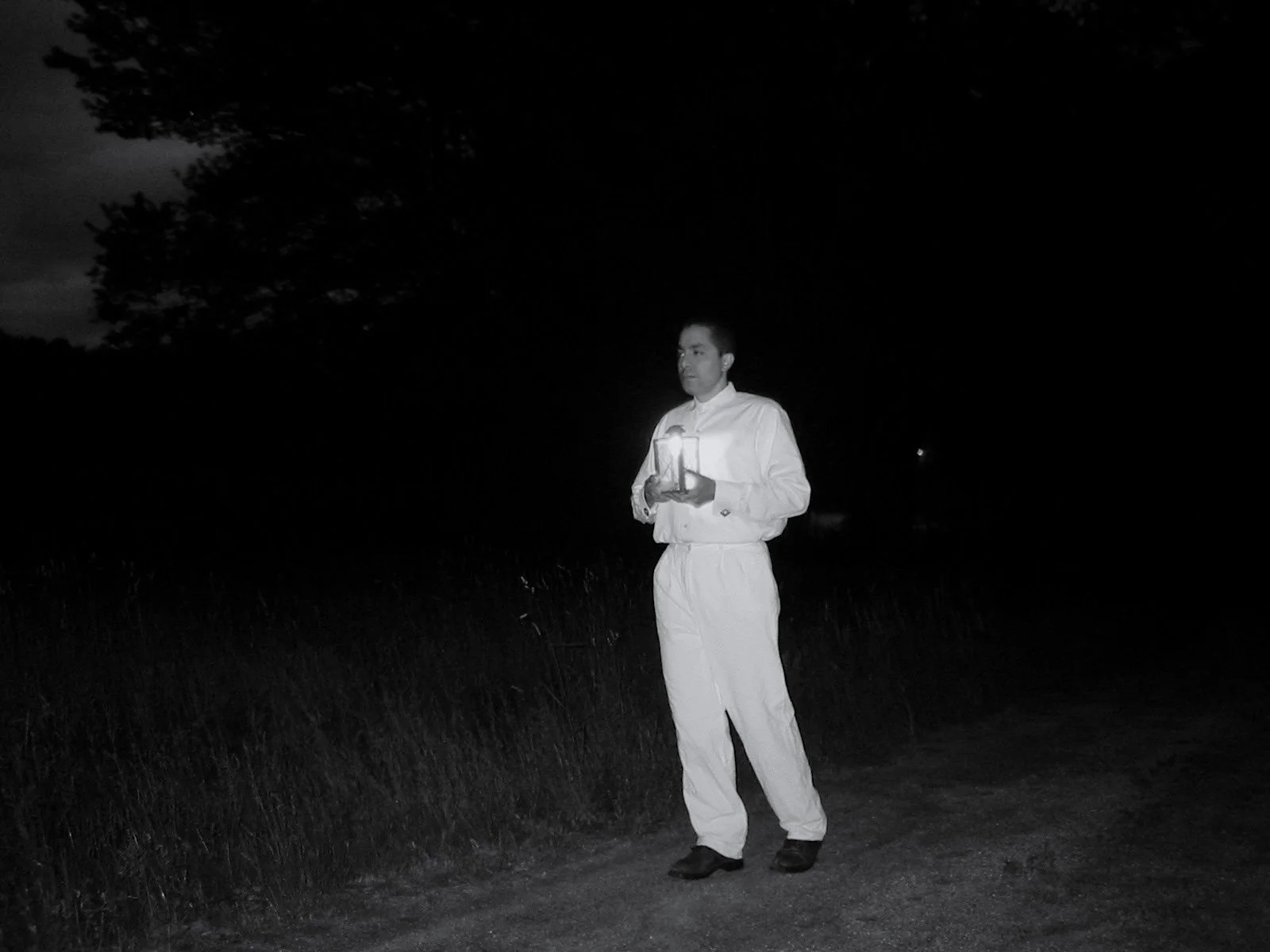
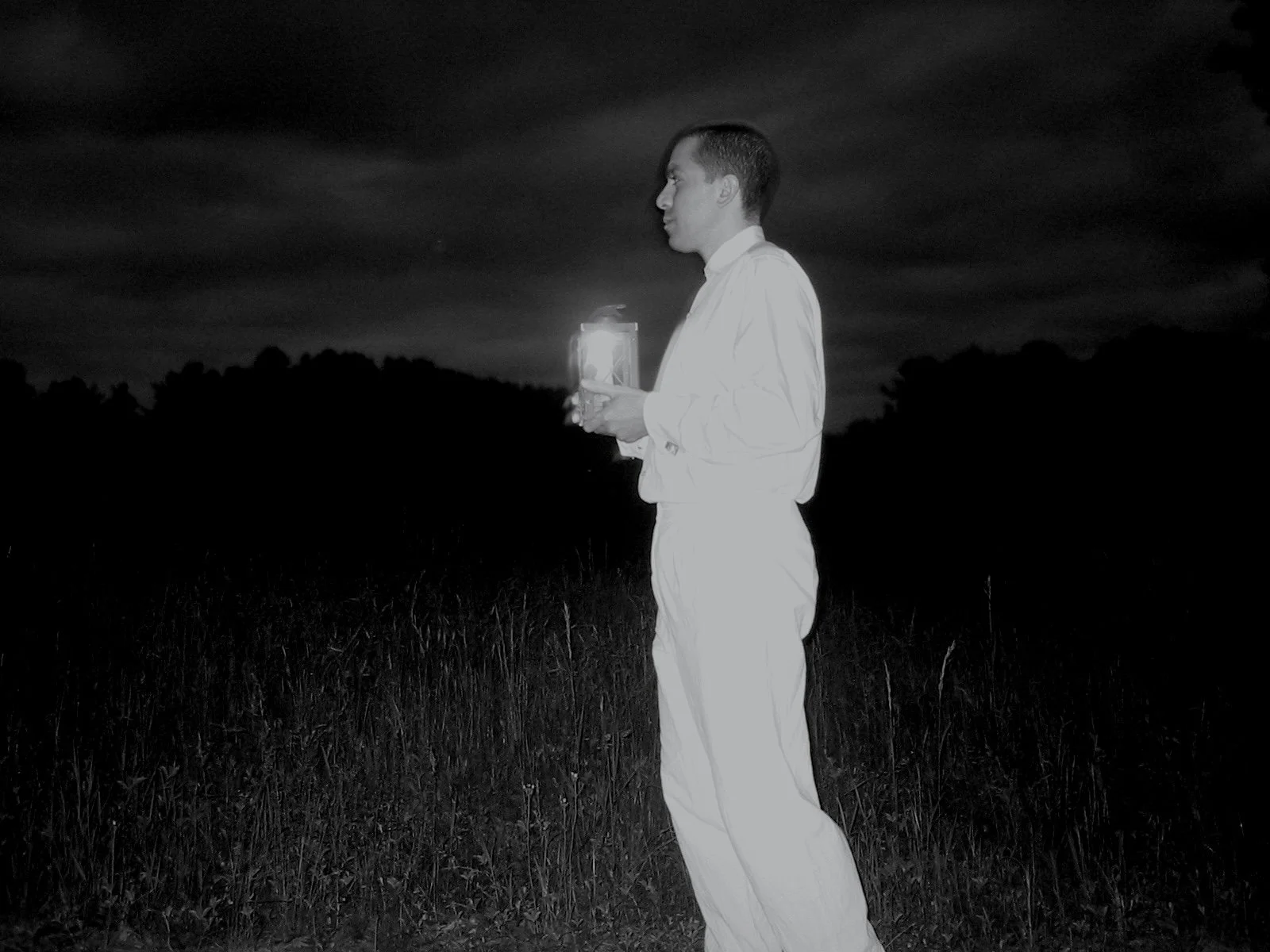
On the afternoon of June 5th, 2006, I awaited expectantly for the sun to set. Nonetheless, the converging clouds foretold an ordinary end of the day. No ambulance-light reds. No deep purples mixed with flaming oranges. This was no eschatological rehearsal. Not at all. Peterborough, New Hampshire, has been under the siege of constant rain. Online predictions had 8:23 PM as the time for dusk to arrive. 8:21 PM brought shy traces of the approaching night. Sort of. Darkness was to arrive slowly, I learned. Much later than I imagined—closer to 9:30 PM, I would say. Pitch black would not paint the evening until about 10:30 PM, I think, because there was no way I could have matched these transitions to specific times. I took on a pilgrimage without a watch. From dusk to dawn I would walk uninterruptedly on the paths within MacDowell. The geography I had set myself to traverse was meant to forgo any references to a map, that is, there was no destination to arrive to. Without articulating it, I intended to collapse space within time.

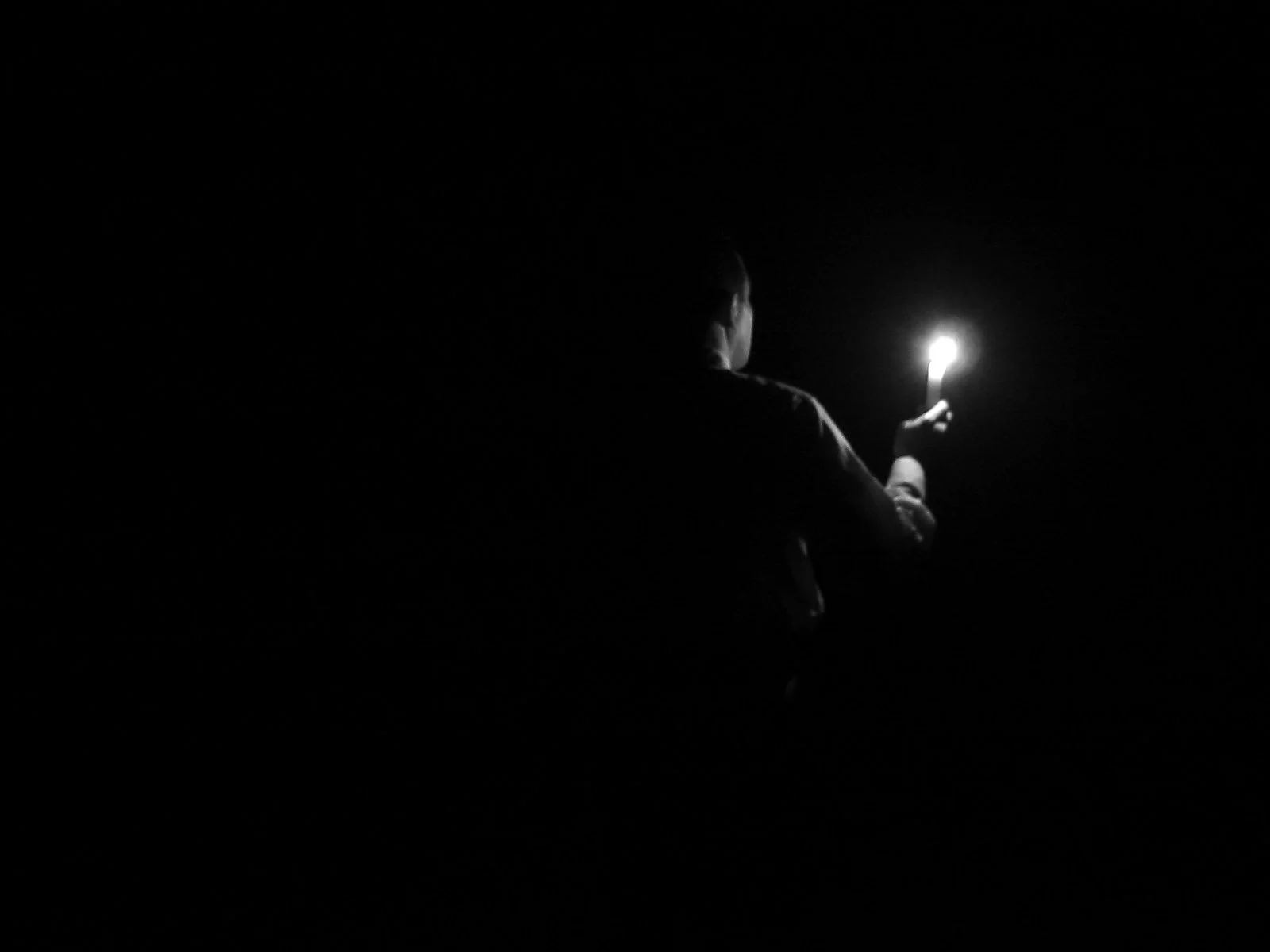
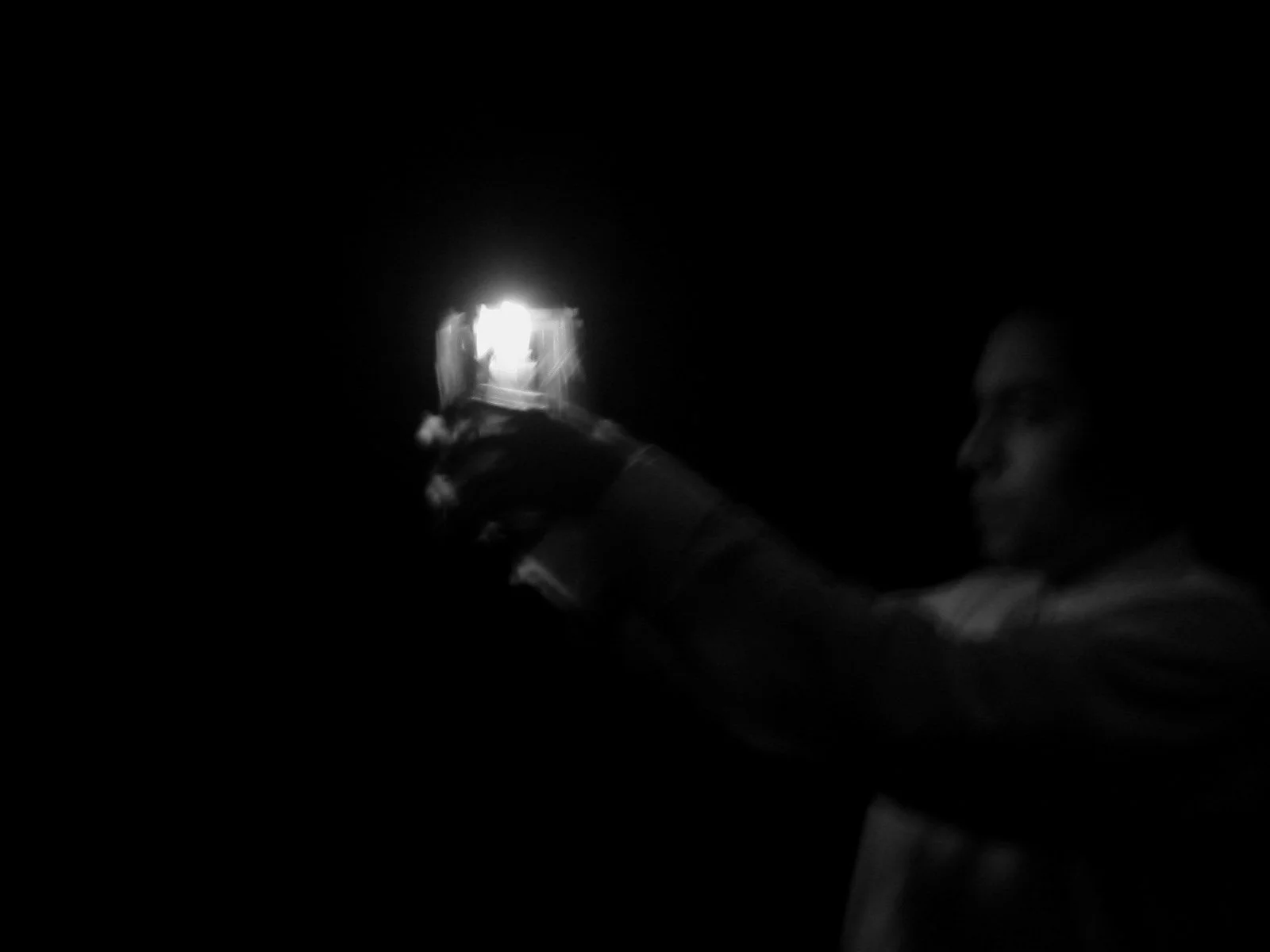
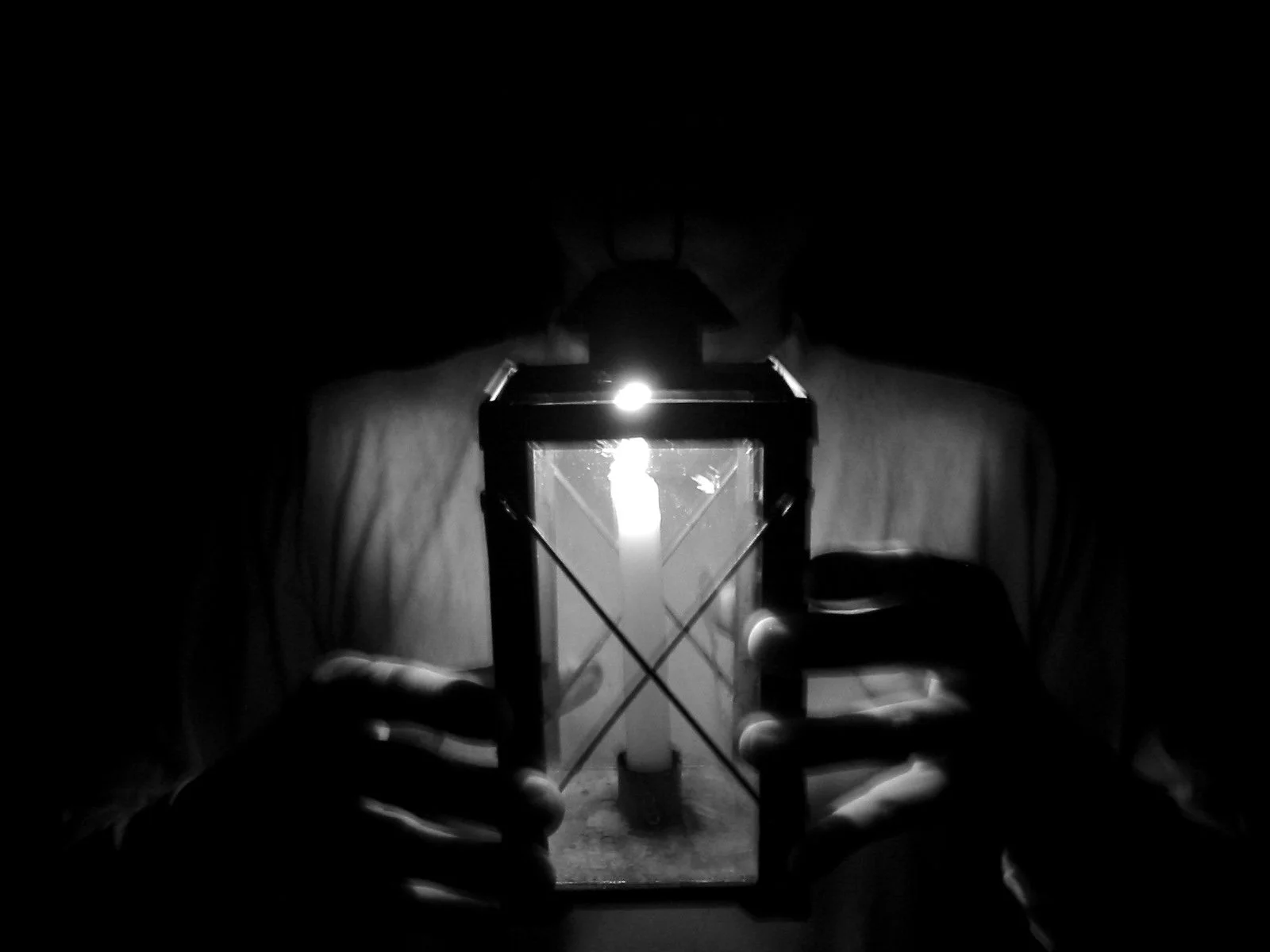
Guests who make themselves too comfortable run the risk of not being invited again. My journey into the night began as a casual visit into that period of the day I had greatly feared as a child. Growing up in the Caribbean entailed making sure I had a bedmate who would look after me when the lightbulb would go out in my room. Even then, nightmares would start playing like a black and white silent movie. Otherworldly beings would have a feast in my quarters and they would make sure to include me in their plots. At MacDowell, I attired as a ghost. White pants and shirt. A lit candle at first. Then a lantern to protect the flame from the winds. Once sent off, I would eventually was on my own through paths I had befriended during the day, but that when the night enveloped the area, would present themselves as total strangers. It became clear to me that any information accumulated during previous trips would no longer be applicable to this one. The after dark hours had claimed the woods I was in for their own purpose. In some instances, for rest, in others to free creatures and forces that would only emerge when very little was visible to the eye. I could see as far as a few steps ahead. This was much like a conscious practice on life.

Avoiding talking was easy to submit to as a self-imposed vow. Yet, traveling nonstop was simply not sustainable. I needed brief pauses to comfort myself after some of the sporadic sounds that would come to surround me, among them a screeching owl, as well as other beings I could not identify. I prayed not to cross paths with a coyote, and I had no resources in place to deal with a bear, in the event we came face-to-face. I had heard how making noises helped, and how useful it was to project oneself big, larger than one was. In any case, now that I think about it, I was at the mercy of this mighty creature. Bieng a stone’s throw from the cottages planted in the woods would not provide an escape. Emotions on the road fluctuated. I would say too that they would flow from one to the other stirred by the winds. There was sadness when loneliness hit me. The same sadness morphed into fear at the sight of a shaking bush or at the feeling of something following my steps.

 Any more recollections of that time have faded for me. I am attempting to reconstruct this narrative almost 20 years later. Tonight, it is 2025, running soon into 2026, and I am writing from my bedroom in the South Bronx. If anything, I have now very little fear of the dark and I have learned to wrestle with the scary characters in my nightmares quite skillfully. More than the night, it is the dawn I am working with at present. That is the hour when the night has packed up to go to the other side of the planet and the day shows up like an ominous presence. At MacDowell however, the terrors were mostly tangible ones and I was a light bearer through time. In the woods I was looking forward to the morning not realizing that the darkest period of the night is when the day is about to crack open. I have heard this on more than one occasion, but thought of it as mediocre poetic cliché. But let me tell you that this is actually true. It was for me during my walk in Peterborough.

When the first glimmer of the morning star appeared on the horizon, I was exhausted to the very core. The lantern I held was by then ready to swap places with the Sun. I found my way back home at MacDowell in a daze, half-drunk from the experience, into my cottage and into my bed, where I crashed like a falling meteor. A Mennonite resident had engaged the vision I kindled through the night and written a poem which I hope to locate someday or night. Gisela Insuaste recorded the initial leg of the of this journey through photographs. The remaining parts of my pilgrimage are blurry memories, and I am gladly to let them continue to reside there.

 Ánima © Nicolás Dumit Estévez

In Anima I embark on a journey through the night to a location not defined by a departure or an arrival point, but to an obscure territory, a geography mapped in time. This exercise addresses issues of darkness and light, taps into the conceptual realm of non-object based art, and embodies the ephemerality of performance art. This action took place in a forest as a ritual though the night.

 Anima began at the sundown of June 3, 2006 at MacDowell, Peterborough, New Hampshire