Lady K Fever


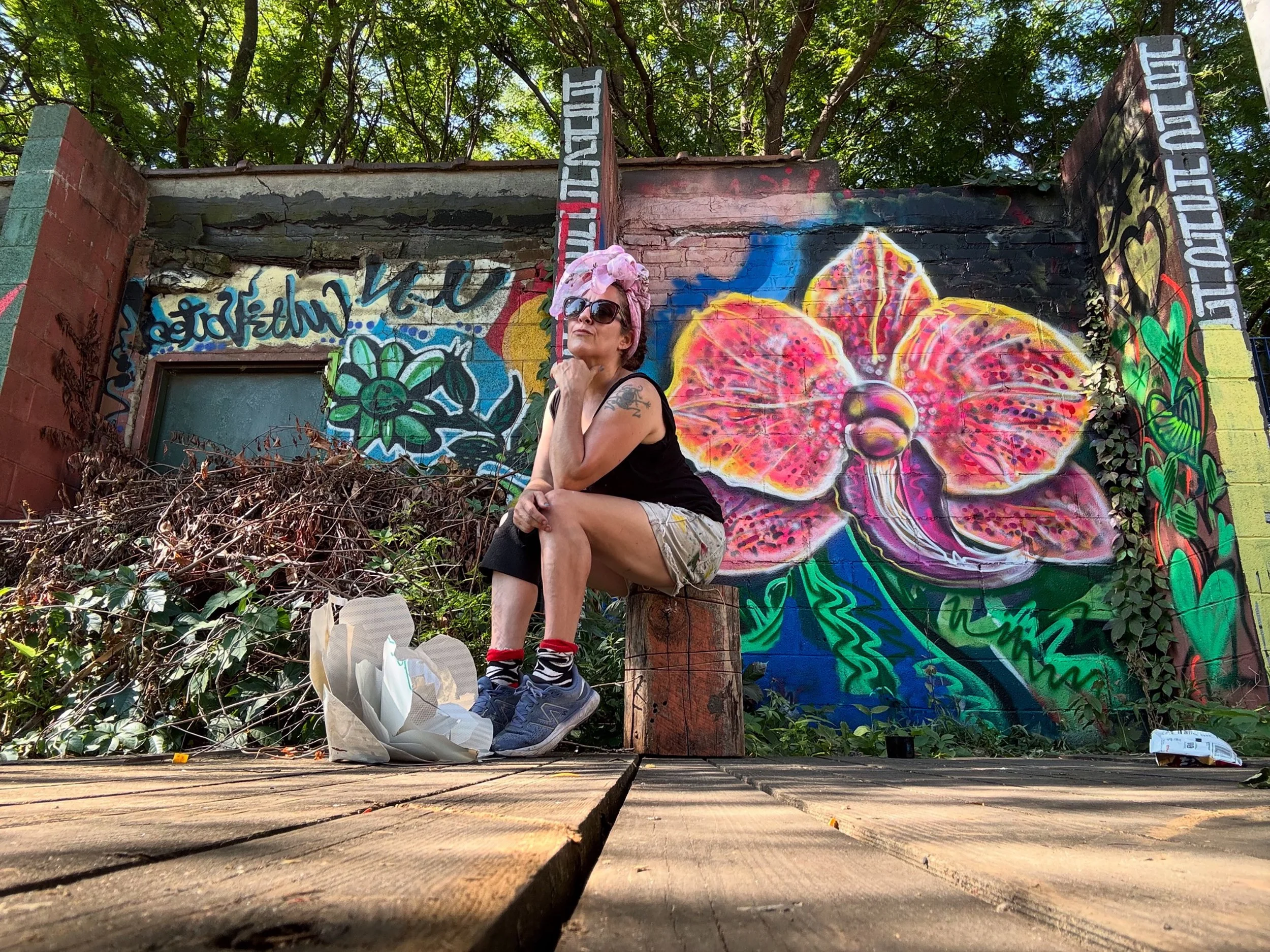
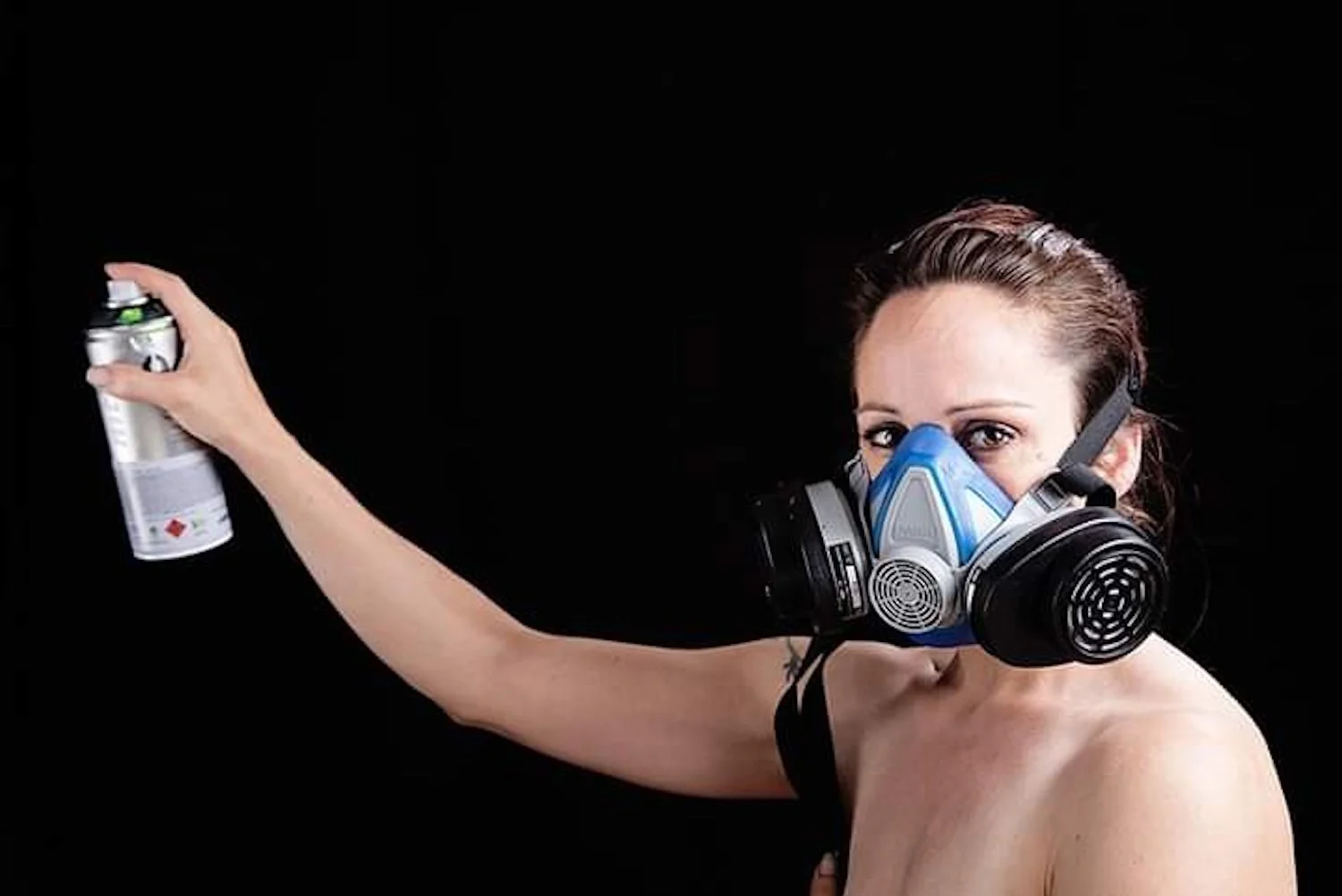
Nicolás Dumit Estévez Raful Espejo Ovalles Morel: Lady K Fever, I believe our point of connection was El Museo del Barrio, where you worked as an educator. I was immediately taken by your energy and love for teaching and communities. We ended up co-teaching at Banana Kelly on Longwood Avenue, as part of Born Again, the experience that I launched with Longwood Art Gallery/Bronx Council on the Arts. Tell me about your journey to the Bronx. How did you get to our borough and what keeps you here?
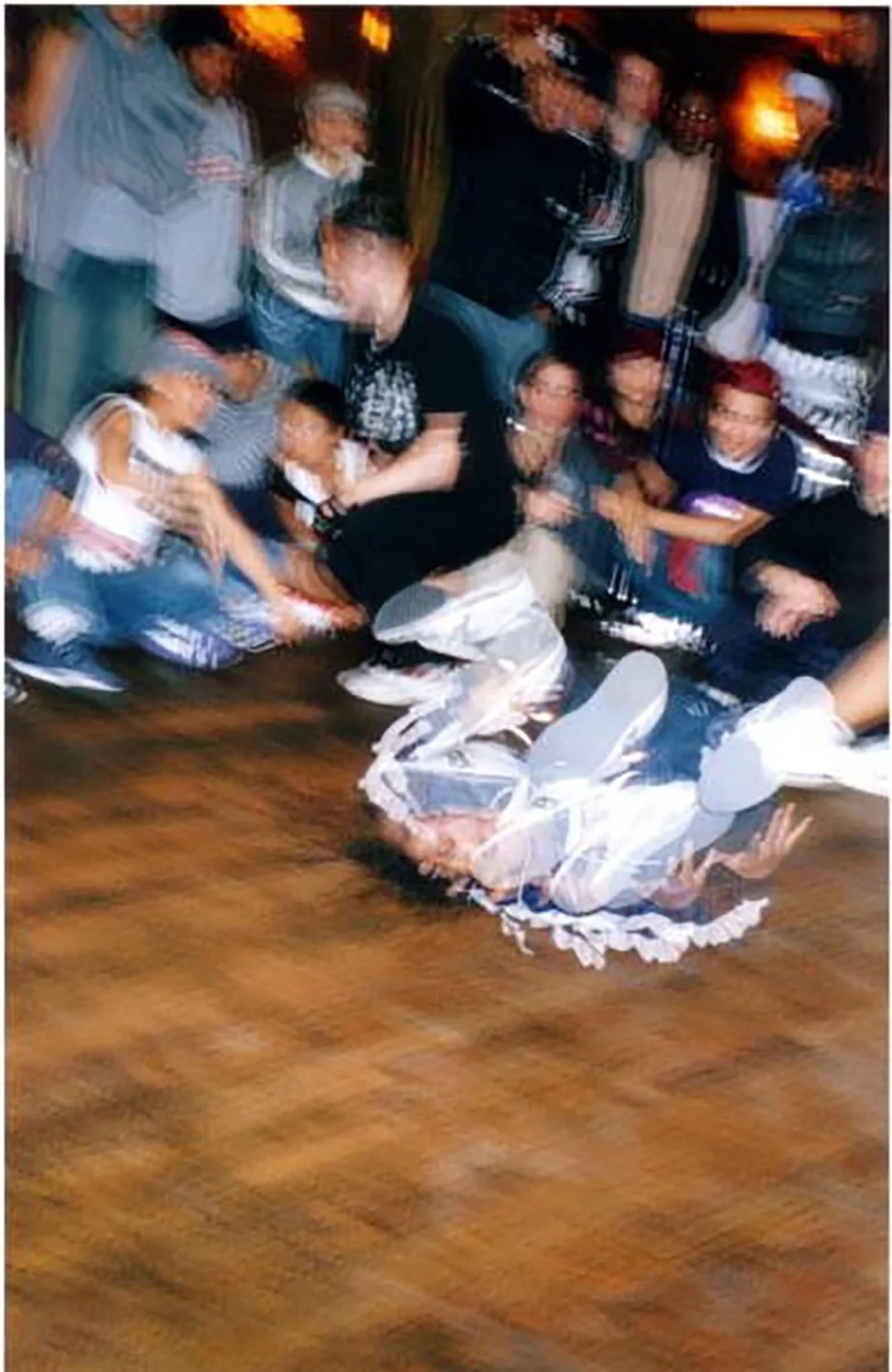
Lady K Fever: My Journey to the Bronx started a long time before I moved here. I may even have ancestors that walked and worked in the Bronx centuries ago. My family are New Yorkers from the early 1600s, and my family is still unravelling my father’s family history here in New York. I first put my feet on Bronx soil in 2001 when I first started coming to visit New York from Canada as an artist and as a journalist with Backspin Magazine, a German Hip Hop magazine.
I had the dream to become the first Canadian woman graffiti artist to make art in New York and when the opportunity knocked, I answered. I was the first Canadian woman to paint at the NYC Graffiti Hall of Fame in 2003 and fell in love with New York City. In 2004, I left Toronto Canada with a baby and backpack and never looked back. I was fleeing a domestic violent relationship with my 3-year-old daughter in tow. My mother had been diagnosed with cancer a week before I was planning to move. I was a single mother on welfare and had no real financial options. My ex-partner was a famous graffiti artist, and the community of Canada graffiti art was small, and I felt like I had to get out. At the same moment, I fell in love with NYC and the Hip Hop community embraced me.
As a female graffiti artist, it was the first place that I really felt like it made sense to me. I had been such an outsider and outcast for so long in a country where men were so disrespectful to women artists. So, New York, the Bronx was a breath of fresh air and I was finally able to be successful and make money as an artist. When I first moved to New York I had gotten an apartment with a roommate in Brooklyn. In Bedford-Stuyvesant’s Throop and Gates Avenues I witnessed my first dead body from a homicide. That was the first night in my building. My roommate was a Latin king gang member/ junkie who robbed me and after a week threw me out on the streets with my daughter. I was fortunate to have an artist friend MUCK let me stay at her house for a few months while I got my life together. I somehow managed to get a design / painting job at a children’s clothing store in Union City, New Jersey, for $6000, and that saved my life. I had a NY Mama—a woman named Iris, who babysat my daughter, and she would let me sleep on her couch when I had nowhere else to go. I was an illegal immigrant and finding any apartment that would take me was tough.
I was told not to go to the Bronx for many years, I would visit artists and paint, but I wasn’t expecting to become a resident and Bronxite lol. When I first moved up to the Bronx, I had an apartment in the infamous Jackson Avenue projects. A building complex right next to St Mary’s Park. I was naïve and was illegally subletting a bedbug infested apartment from a junkie who decided to kick me out on my birthday.
At this time, I had started a job as a Curator for a gallery in Chelsea and was working on big graffiti exhibits. I then moved up to the neighborhood I still live in and love. Bedford Park. I have lived here for 20 years, and as much as I think about moving into the woods, I still would like to have a home, a place here to rest my head. There is something special about the Bronx and I am not done as an artist or as an advocate. What has kept me here is a sense of home, providing that for my daughters, so that they can flourish and be successful in the world. I also feel that after so many years of my community work there is still more to do. Right now. Last year I organized the second NYC Women’s Graffiti Festival which was in the Bronx in May 2025.
My heart will always be in the Bronx.
When I met you, I had just started with El Museo as an Educator. I loved your work, and I found it so much fun to work with. I was so happy that you joined us at Banana Kelly High School with Jocelyn Santos. It was a great partnership.
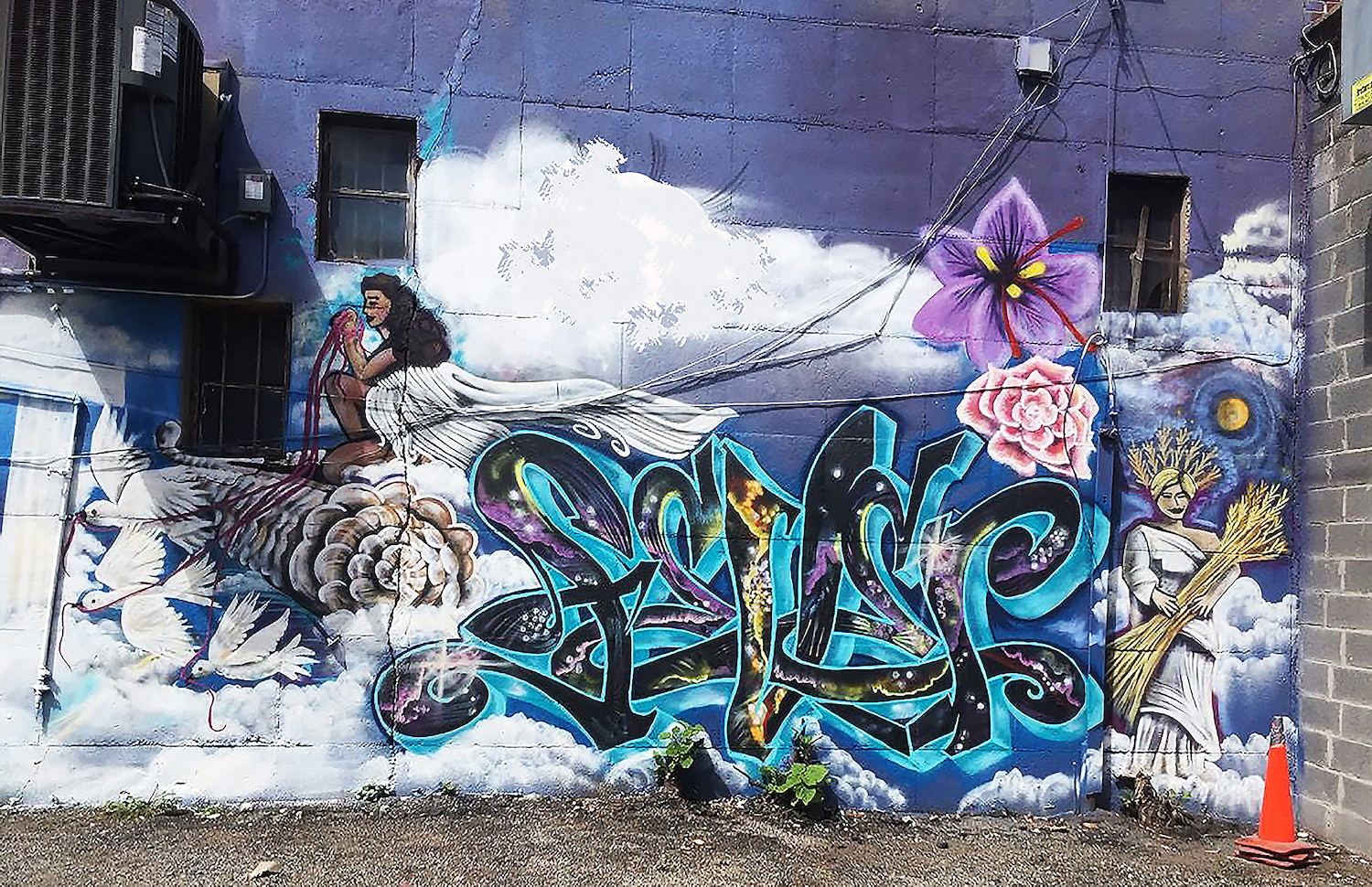
NDEREOM: I recall our times at Banana Kelly High School and loved the group we worked with there. I learned so much about the Bronx and about life from the students. And I would always remember young man who was so welcoming and full of joy for life, and whose life ended tragically; Michael. His interview is in the archives of the Bronx that I have been co-creating with neighbors. I often think of a mural to honor this person and we talked about it. I am mentioning this here to plant a seed. I believe in the power of naming what is in the heart to see it materialize. Do you have anything to say about this?
LKF: It's always heartbreaking when a student passes away. There is nothing that can prepare you for this when it happens. I have had a few students pass away. Each time it is hard to find joy in teaching and sharing at that moment for me personally. It would be great to create a mural in Michael’s honor. His poetry was insightful and beautiful.
NDEREOM: I do remember his smile and how he moved through life.
When and how did you start to think in terms of graffiti? Who have been your mentors and what does it take to train as a graffiti artist?
LKF: I started to become aware of what graffiti was and how it was being done around 18, after I had hitchhiked across US-America for 2 months with no money, with a bunch of deadheads. I travelled from Boston to Vancouver. Up until 17, I was focused on a fine arts career as a painter and training as a ballet dancer professionally. At 17, I ended up in the hospital with a kidney stone that went into a kidney failure, and I died. I came back, yes, I saw the light and it was a divine experience. I spent a month and half in hospitals, I failed a ballet exam with the Royal Academy of Dance after two years of training. I had been offered a dance company position but lacked the understanding and support to take that opportunity. I lost my love of training to dance and after so many years of that one focus I felt like I wanted to do other things with my life. I didn’t have a traditional ballet body and it’s such a silent world. I have a voice, and I needed to express that.
In Vancouver in 1991 there was an explosion of talent, hip hop and punk rock, artists, actors and dancers, it was thriving and still is a thriving art city. I was angry, I had started to remember my childhood abuse and I was becoming a woman—in therapy— and started skateboarding to manage my feelings. I became involved with RIOT GRRL a neo feminist underground movement that put together zines and would later shape the dynamics of females in music. I started doing spoken word in costumes and my poetry was published. I was a model and worked with a lot of designers. I met House of Venus, a collective of artists and drag queens who invited me to perform weekly with them at night clubs.
One night, my friends and I decided to go bomb up a skatepark. The men there were not nice to women skateboarders. Graffiti was already painted all over the skatepark so we decided to go paint it over. We did and the next day I felt empowered in that skatepark like I never had felt before. It was so thrilling and so new to feel empowered by painting a public space that I went and had way, way, too much fun. I felt in love with graffiti, the act, the planning, the art, the artists. I found books and documentaries and dreamt of painting in New York one day. I only really thought of it as a dream.
At 22, I decided to go to study acting which was one of the best investments I made at that time. Theatre school taught me about my creative process, the how and why. I was already not willing to settle into one specific medium as an artist. I have always had a multidisciplinary practice and that is maybe why, back then, I could not get into art school. They wanted me to only focus on one medium. I had spent high school in an intensive fine arts program that was college-level, so going back into that was for me like: if I study color theory for one more year, I might lose my mind!!! Street art and graffiti was still outlawed and not accepted in the way it is now, so I felt a lot of shame in being a graffiti artist. I didn’t share with anyone at that time that I was out there tagging my name. No one really understands the feeling unless they get it. It is an obsessive, overwhelming practice that is relentless. There is no specific training except to go out and do it. It takes a certain amount of focus and planning to make it happen in the moment… it’s spontaneous and spiritual. At that time, I didn’t have any mentors and for the most part of my career I have not had mentors. I have definitely had advisors and a support circle of artists; not necessarily graffiti artists.
NDEREOM: You work with bright colors and flowers are prevalent in your praxis. Can you talk about both of these elements?
LKF: Color for me is a language, one of my love languages! I love color and my eyes are extremely light sensitive, so I have been gifted with an incredible sense of the whole spectrum of colors. I was born in the 1970s so my whole approach to life, embellishment, and color play with fashion has always influenced my work: pixelation, remixing, textile design and patterns have always attracted me. My mother was an amazing seamstress and would take me along to the fabric stores. I would spend my time touching and looking at all the varieties of textiles. I still go to the fabric store to be inspired. I would play dressing up all the time and perform lip syncing for my parents and their friends. Pop Culture was budding, and I was right there in the 1980s with neon colors on.
When I paint graffiti,I follow my instincts and experiment with color, so I don’t really have any set way to approach my color play. As an artist, I am not afraid of color and making bold choices. Sometimes in nature there are color combinations that make no logical sense but it is beautiful that it doesn’t make sense. That is how I approach my color practice sometimes, other times it is let me see how this works?
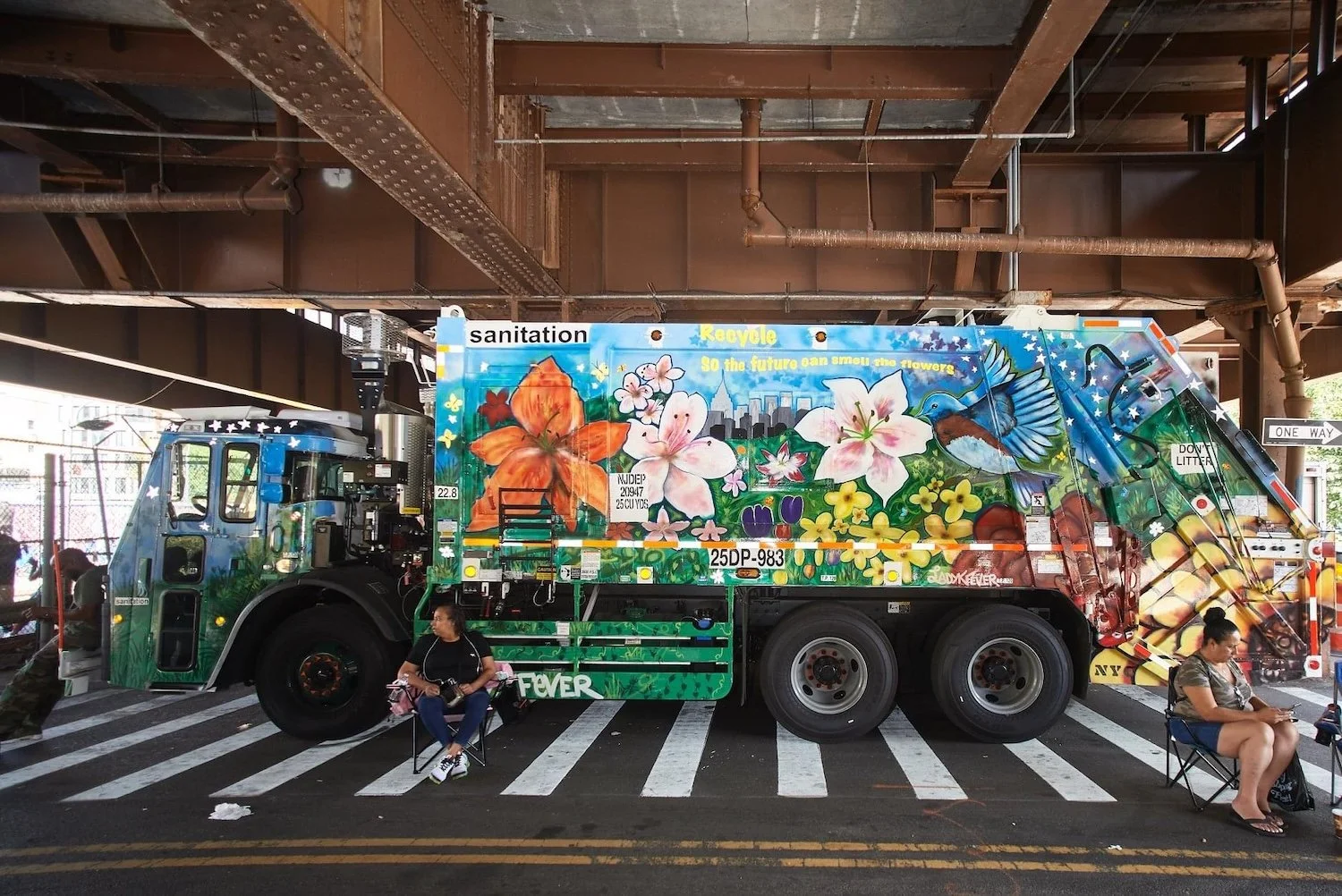
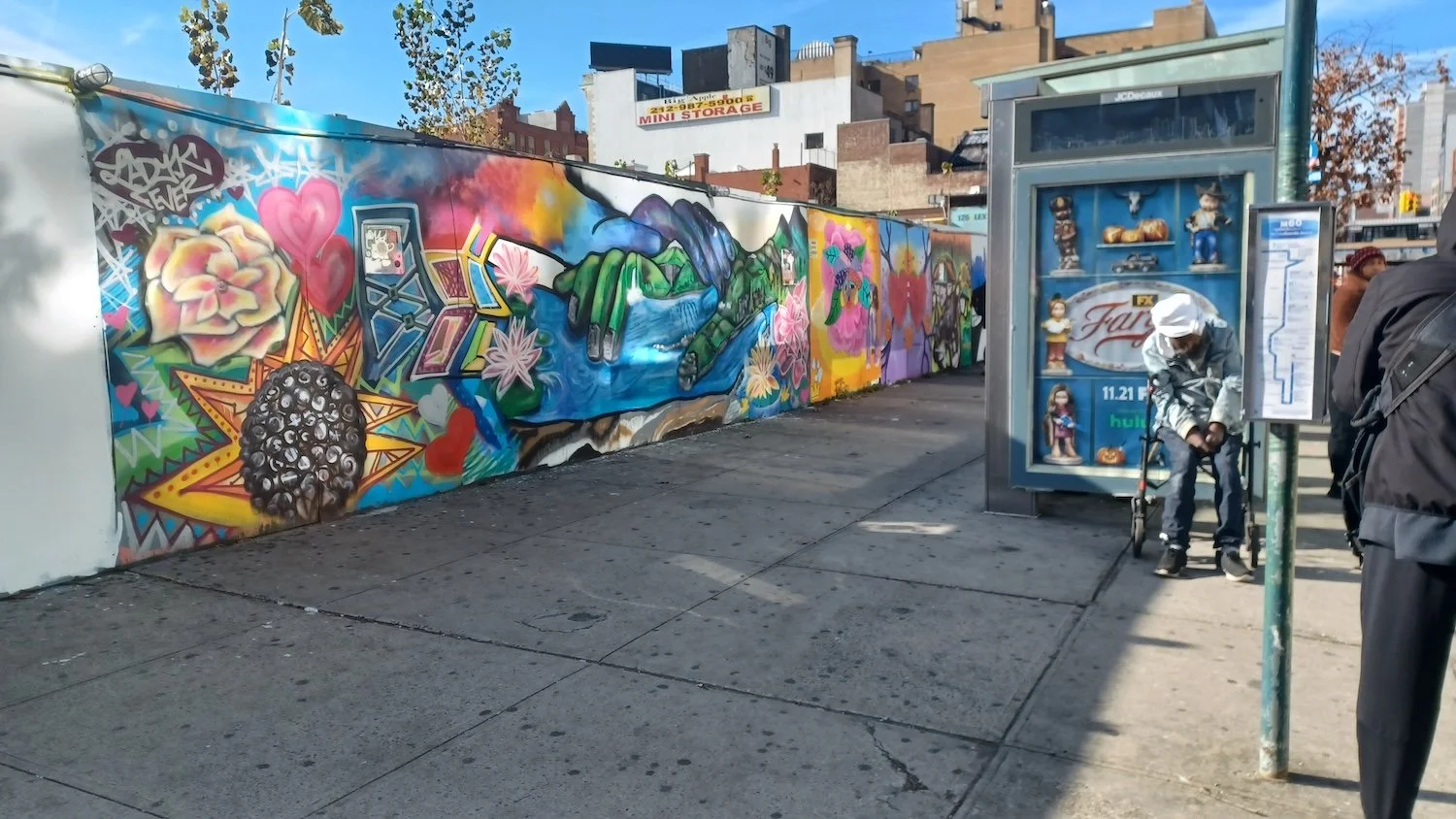
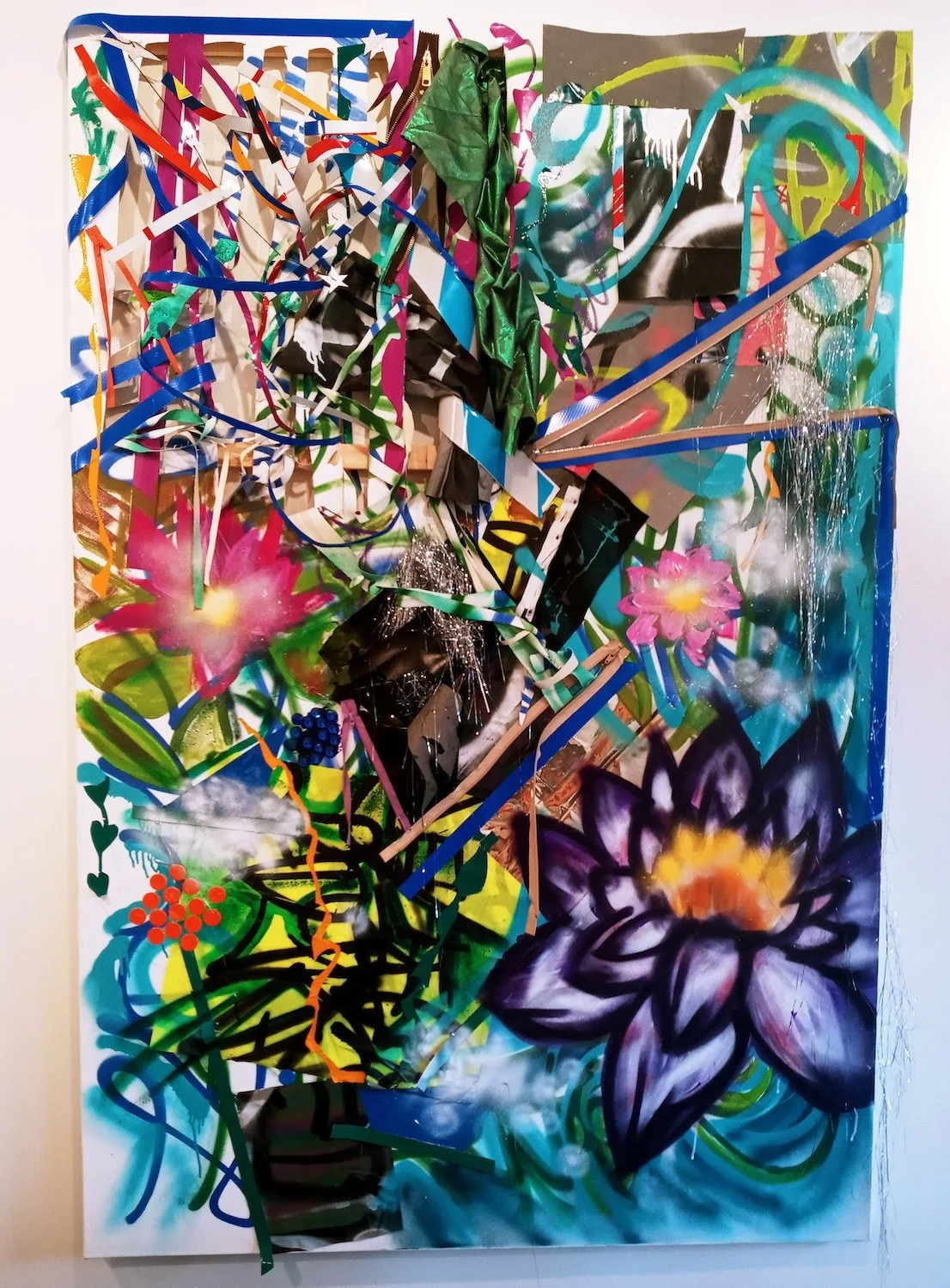
I started painting flowers on the streets in a time when street art was not what it is now. I was made fun of and asked all the time, “Why are you doing graffiti with flowers?”
As a woman, it made sense to me. I grew up with a huge garden all around my house. My mother and father were gardeners and we ate out in our garden. There were flower beds with roses, peonies, forget-me-nots, irises, and so many more. It was amazing, the scents, the colors, the stories I would make up and create with each season. The flowers would inspire me to create outfits and dances as a kid. I would hang out with them as if they were people, beings. I felt that magical connection to nature and still do. Nature has a consciousness, feelings and expresses this in ways that we don’t always recognize.
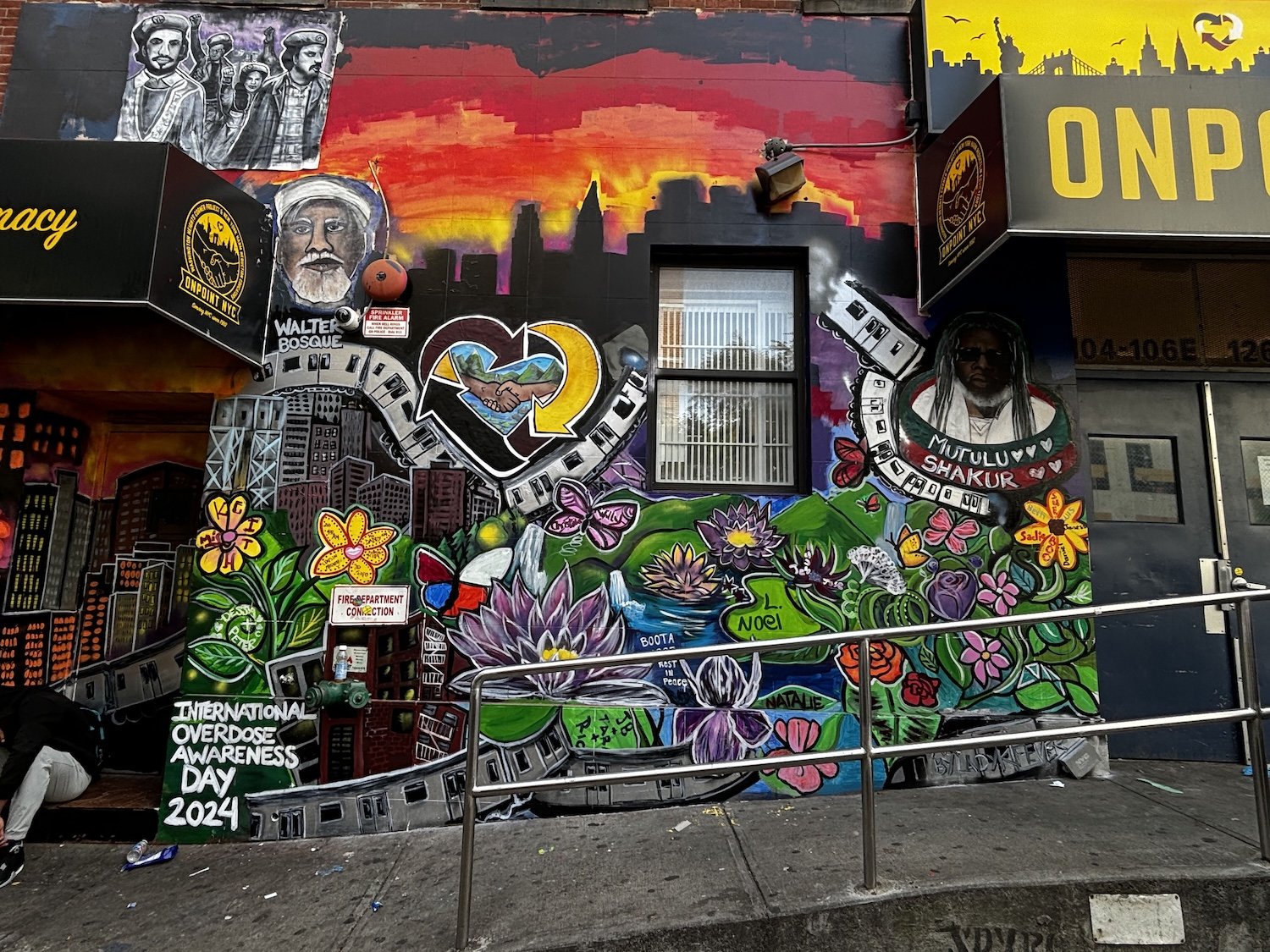
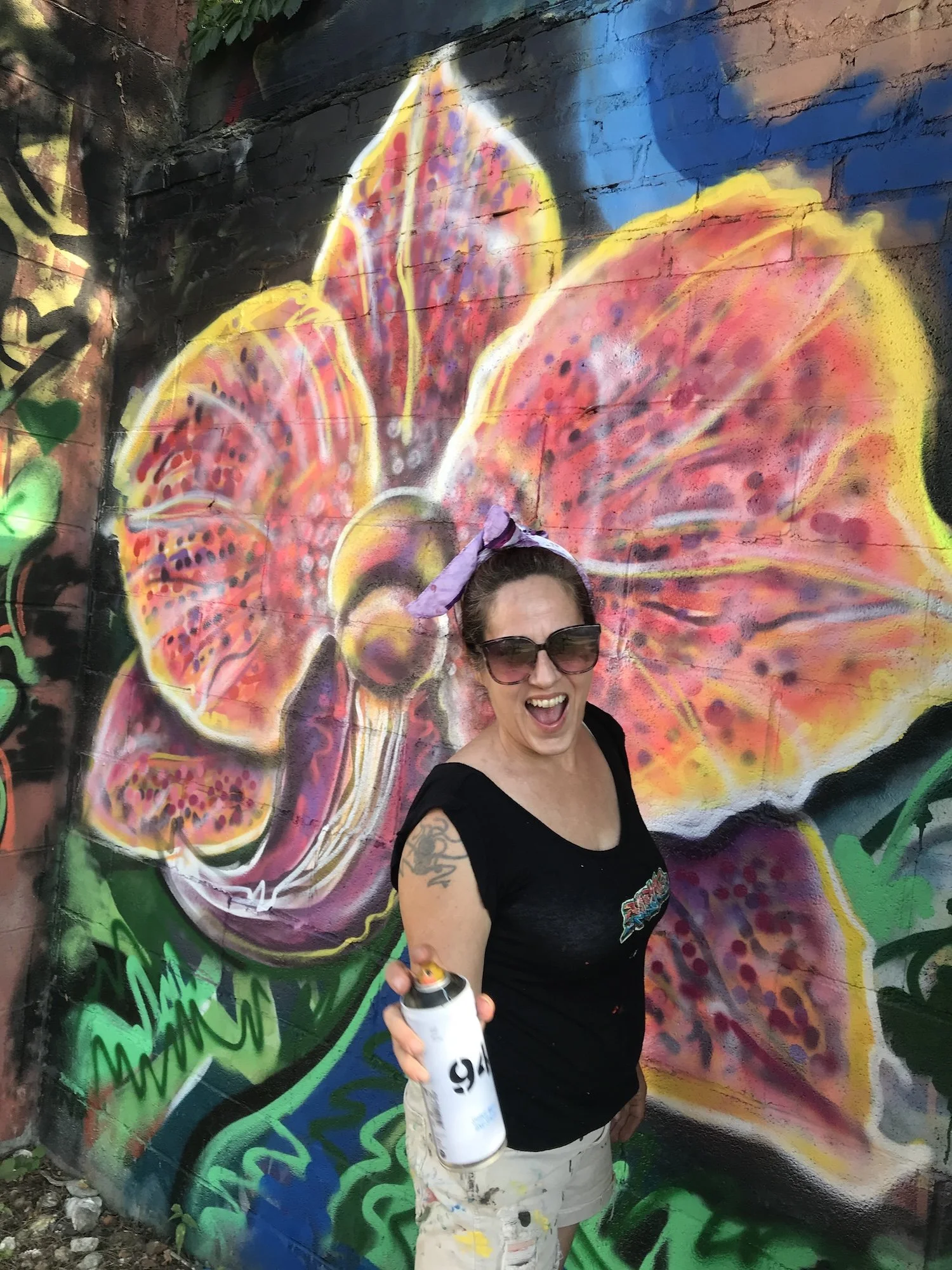
I started painting specifically the hibiscus in the late 1990s after my first trip to Maui, Hawaii. I had always loved the hibiscus, and my mother grew them in her gardens. It was when I saw these flowers in the wild that they really called out to me. I love this flower as it opens every morning and closes at night, or when it is raining. It’s a symbol of being alive, surviving and being resilient. Flowers became a symbol for me to be visible as a female graffiti artist. There is this idea that graffiti is only male, and I am here to let people know I can paint feminine symbols and imagery and still be a graffiti artist.
NDEREOM: It seems that the art industrial complex has been trying for decades to bring graffiti into the commercial gallery space and has succeeded in doing so–to some extent. Has graffiti been coopted, or would you say that there is an aspect of it that remains on the margins?
LKF: Yes, there is so much of it that remains in the margins. The reason being some artists don’t want to be part of the commercial art world. Graffiti really lives, breathes and is created on the streets. Since the inception of graffiti, modern age of spray paint graffiti 1960s and on, artists have shown and been a part of the commercial art world to some degree. It is an ongoing debate with each new generation of artists and art spaces. I think what's changing is the perception of its role in the art world and how a lot of artists are taking up street art as a way to get attention really fast. I have worked as a museum educator since 2005 and I was hired to develop graffiti and arts education programming as a way to include the community in public art projects. So, I am at the forefront of changing that perception in the NYC museum and education community.
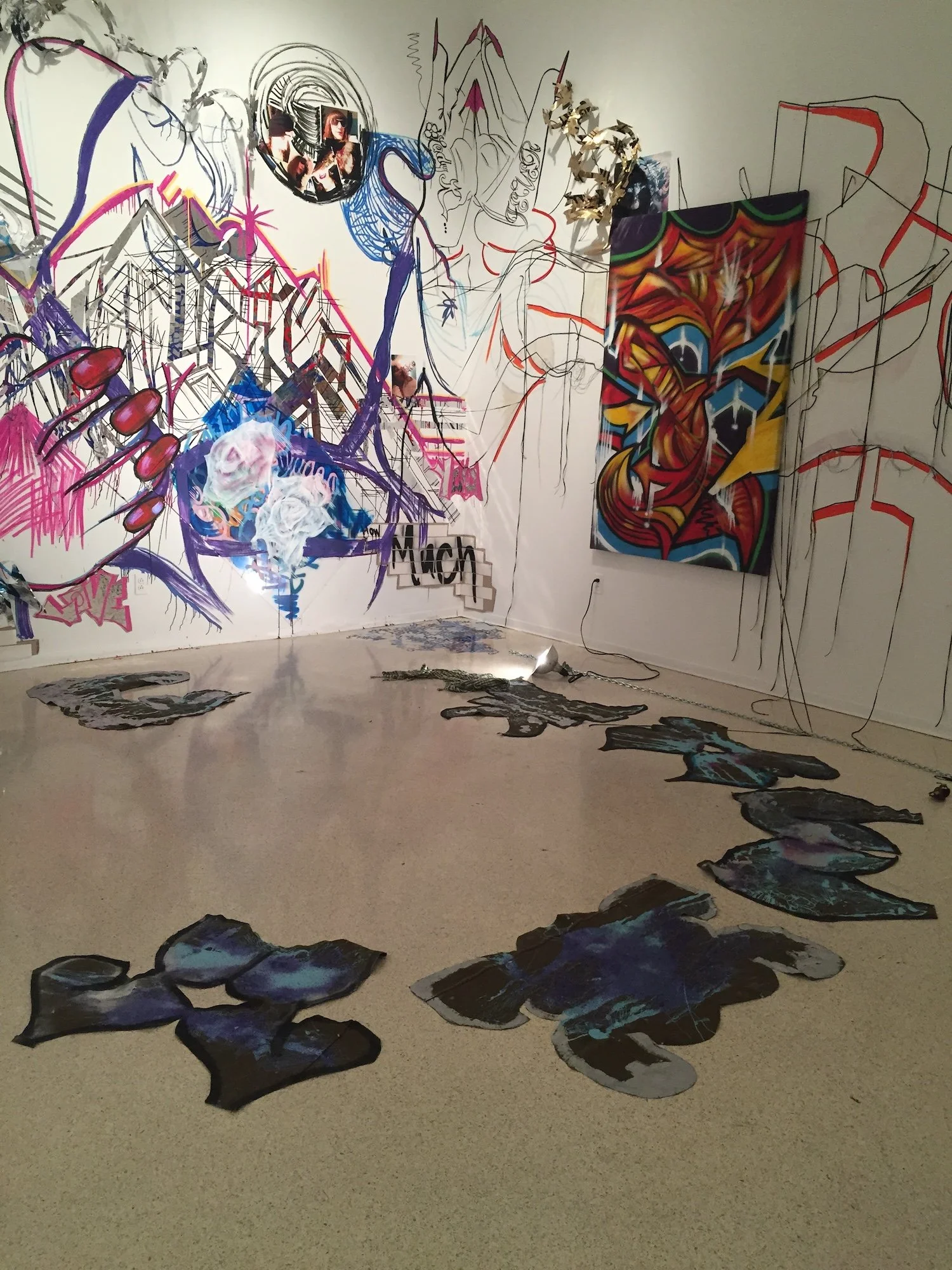
I have been working on a series since 2015, that is called Street Sized and it is addressing the concept of “Can graffiti really be taken into a gallery space and still be graffiti?” These pieces are the actual size of graffiti on the street. There are different levels and concepts with graffiti art. It is an art movement, it is an art style, and has become an art culture with over 50 years of creation and dialogue. It is an immense powerful art movement, and we do not know what the impact will be. Graffiti is rebellious and will always have a sect of artists who do not want to be part of the commercial art world, as the commercial art world wants to contextualize and subtext the culture with what they think is graffiti and what is sellable, marketable and will bring acclamation for their art gallery or museum.
I feel that this embrace is still weak in its understanding or really how immense and diverse the graffiti world really is. There are a lot of talented graffiti writers/artists out there but because of being from the hood and being marginalized, they have a hard time finding support from galleries and museums. I have worked with many artists to help them understand the business side of being an artist. So, lack of access to support has always been an issue. It relays a lot of oral histories, so it is still being written down and not yet fully appreciated.
What doesn’t help with the graffiti narrative is: there are artists telling stories and creating a history that is not inclusive or diverse or even the truth and the commercial art world is supporting that. Like women artists will not be featured in historical books and cut out because they are women.
I have watched for many years how the commercial art world embraces certain graffiti artists allowing only a few narratives to dominate and it’s so masochistic, racist and classist. Not only that, but you also have some artists who are known to be abusive towards women, out there being supported by commercial galleries, museums and private collectors with no accountability for their abusive behavior.
Women and some male artists are forced to put up silently with sexual abuse and harassment because the other artist is more famous, and everyone likes to cosign on fame as it means power and respect.
How I counter this, is to continue to paint and do what I love!!
I have created a graffiti festival for women artists to participate in creating a safe space for women to create without the harassment and pressure. This festival also is a vehicle to uplift and create an economy for women in the graffiti arts.
I am working on some book projects as well as some other digital projects coming later in 2025 and 2026.
NDEREOM: Do you have any stories of the streets? I am an avid walker. I walked even in places like Houston and Los Angeles; and I have tried to walk in Dallas. I so much enjoy urban life, especially in the Bronx, where BIPOC neighbors take up space and make the city their own by way of inflatable swimming pools, picnics, and chairs on the sidewalks. Thank God for this.
LKF: It's always so much fun and a really amazing experience to connect within a community on the streets. I have so many stories that you will have to wait for my book about my career to read all of them. Before I started painting graffiti I was already an explorer of streets, cities and nature. I love finding abandoned spaces and beautiful nature spots.
I will say there is magic and there is a karma of the streets. What's magical about the world of discovering graffiti/street art as one of the vernacular/ languages in the streets is that it is like every language as you learn and speak/see it. There is a whole new layer to the world you are living in as an artist. I feel that I have been blessed to make work in historically violent/dangerous neighborhoods and it always so ironic that, within these communities, there are some of the most introspective emotionally intelligent human beings (most times youth or children). They are dynamic equity-driven thinkers, they really want to change and make an impact on their community.
NDEREOM: You are a mother, a creative, a community organizer, and rebel! How do you move within all of these roles? Do they overlap or clash? How do they manifest for you as a teacher and as a street artist?
LKF: They all go together and work as one. One inspires the other and all around. I don't really question it. I find inspiration from being a mother to create a more equitable creative thinking future for all beings. My mother was an activist around mothers and families, so that informs my approach to community and creating public art projects—family and creating together as a family is important—respecting how a person thinks and approaches responses is a lifelong learning process.
My practice is rooted in theatre and performance. My life is Art and Art is my life. There is no separation. My main studio/lab/incubator has and always will be my home. I grew up economically stressed (aka poor). I did not have access to this idea of creating outside my house, so my studio/research practice has always been around and surrounded by my life. I also was educated as a very young kid about artists and their lives. This impacted my outlook on being an artist. There is no separation in my life and my practice, they are one. I have been waking up every day thinking, making and creating since I was a toddler. I bought my first polaroid camera at 8 and took photos of a car like a real photographer.
I love being able to wake up and make art in my pajamas. Having children only solidified this practice more.
I don't go out of my way or seek out to be a rebel. LOL Thank you! I appreciate the love for my work. I feel that I am perceived this way sometimes because I was educated to speak up for the unjust and give people a voice who do not know how to use their voice. I grew up in the special needs community. My older sister has cerebral palsy and autism. I was always speaking up for her and her friends, so I think that is one of the many reasons why I love to teach and work with communities that are looking to uplift and connect together. Working in museums in NYC and internationally as an educator and curator has also inspired my teaching approach to focus on opening up the doors to museums and institutions that are looking to really connect with the community where they are located, their neighborhood.
NDEREOM: I would love for you to do a small street painting of Super Merengue, the super hero I brought forward in 1999. I am naming this to in hope that a grant emerges.
LKF: LOL! Lets make it happen!
NDEREOM: What are your visions for our borough and for yourself?
LKF: Lady K Fever: I do have some visions for the Bronx. I would like to see this borough flourish and not be ruined by gentrification and thoughtless architecture. I want Bronx kids who grow up here to be proud of how beautiful and strong the communities here are. I have raised my daughters here and I am proud of how they have grown up shaped by the Bronx. Of course, there are some negatives but, in hindsight, they miss the music, laughter, spontaneousness, but also the sense of home and family and hardworking people who are not afraid to fight for what’s just and right for humankind.
I want my legacy/Bronx Legacy to be an annual NYC Graffiti festival for women, an indoor skateboard/ snowboard training facility with a graffiti/ street art gallery on the outside-inside, that will have a workshop for youth to learn about art and host workshops. There maybe is a store for youth to run as an entrepreneurial project.
NDEREOM: May your work continue to draw admiration from passersby. May you continue to bring art to our neighborhoods.
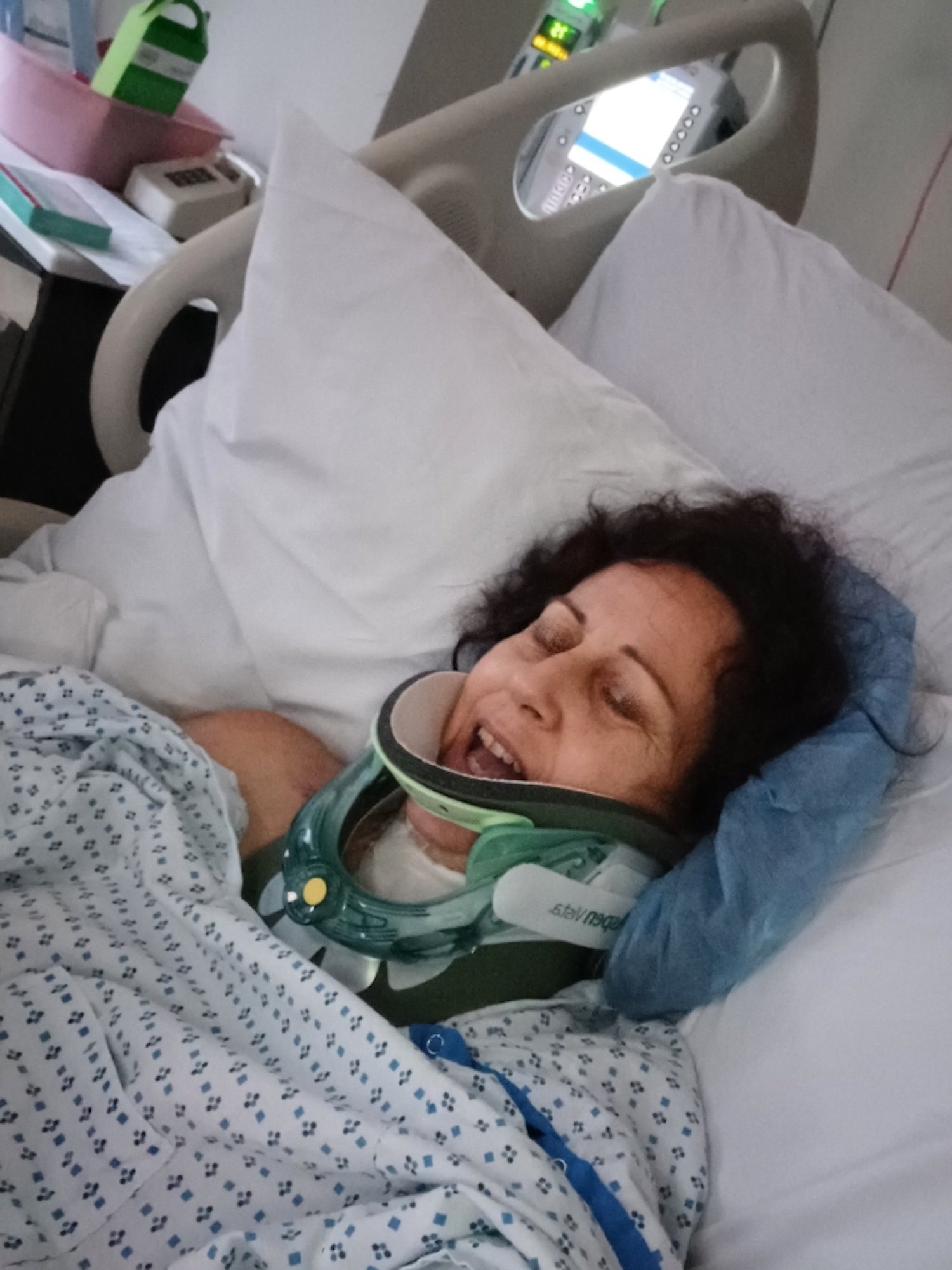
LKF: THANK YOU! I appreciate your kind words especially at this moment in my life and career. There will be a time when I will have to transition to not installing/painting huge large-scale artworks myself, as I am recovering from life changing injuries. I took on a job as a City painter and was injured on the job, my neck and my knees. These injuries have turned my life upside down: I am in an ongoing battle to get a settlement from my old job. It has been going on for 2 years and it has been devastating financially and emotionally. I have been at risk to lose my home, my credit and still no end in sight. I had taken this job to buy a house with a larger studio space and it kind of all blew up in my face. I was not meant to be a construction painter painting white walls. I am an artist!
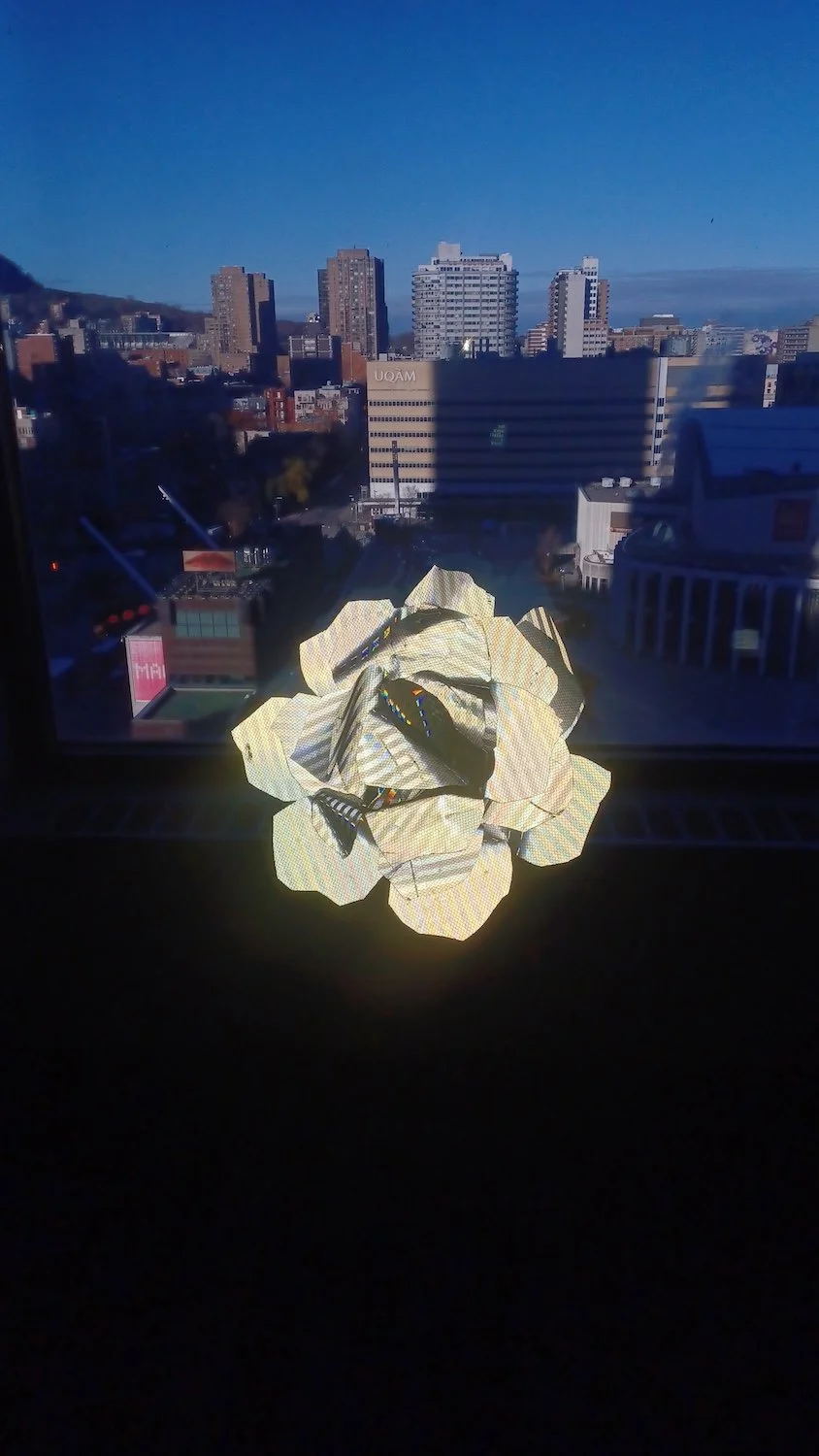
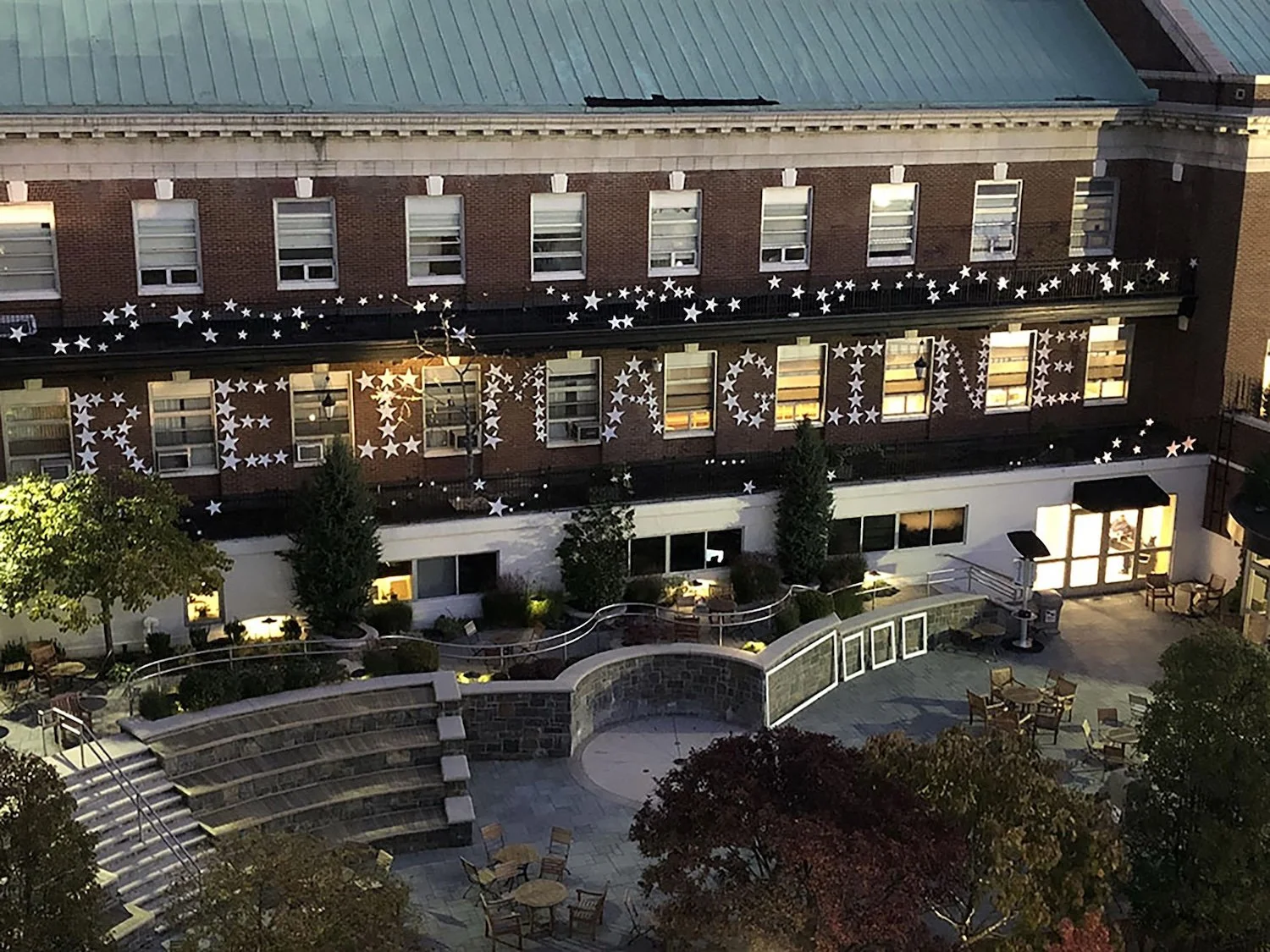
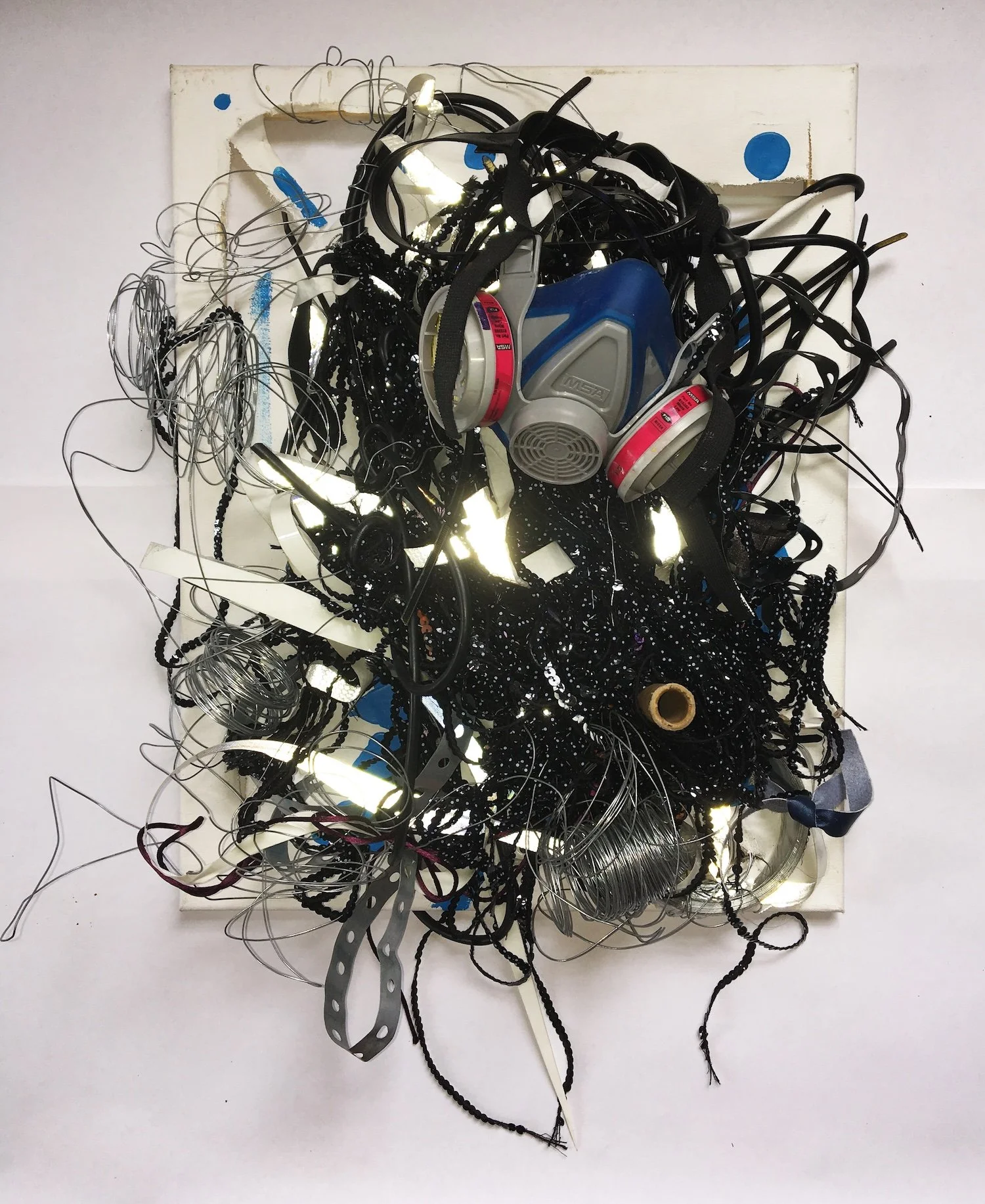
I have found out I have disc degeneration disease with extreme nerve damage so I am awaiting surgery hoping to fix my neck. With that, I may or may not be able to physically install my work but I will continue to create public art projects with a team of artists/installers. I am also making large scale works using new ways such as Wall Wraps, Digital projection and cut out wall collages—big canvas pieces that are painted off site and installed on the wall. I love digital mapping!! I have a fun refractive reflective light installation series that I am experimenting with.
I am rekindling my small-scale drawing, illustration and painting series, as well as writing, photography and digital apps that support creative projects. I will always be making art and designing, how it womenfests will be the fun part!
I am finally feeling more creative and inspired as I am in my summertime watercolor painting fun series. I just finished up a botanical illustration class with New York Botanical Garden and a UX design certificate with FIT. Both have been transformational in my personal practice. I look forward to exploring more art and technology. I am currently a guest lecturer with Fordham University and working with their Community Engagement Center as a consultant.
I would love to work with universities museum studies and art departments to share my experiences and support the next generation of museum/teaching artists/educators
I hope that there always will be a free place where people can paint freely without the constraints of commercial ideology/consumerism. It is imperative that people are allowed to curate their public community spaces.
All images courtesy of Lady K fever / None of these images should be used without written consent from the artist
Lady K fever’s related links: Website / Instagram / YouTube / Design / Other
Lady K-Fever is a Canadian-born, New York City based artist, activist, educator, and designer whose work centers on community, collaboration, liberation, empowerment, and healing. For over three decades, she has built a multifaceted international career as an award-winning graffiti artist, documentary photographer, hip hop journalist, and creative practitioner whose work bridges art, culture, and social impact.
A third-generation photographer, Lady K-Fever began photographing at age eight, inspired by her mother, using a Polaroid camera bought at a garage sale. In 2002, she received a 35mm Olympus from her great-uncle, Carlton Kelsey, an American historian in East Hampton, NY, sparking a lifelong commitment to documenting communities, culture, and ephemeral histories.
In 2004, after experiencing domestic violence in Canada, she escaped to New York City with her baby, a backpack, and her camera, transforming her life through art. She has painted across North America and exhibited at Trucks of Art, Art in the Parks, DOT Arts, The Bronx Museum, Art in Odd Places, and Longwood Art Gallery, and has been featured in The New York Times, The Wall Street Journal, and major media outlets. She is a Bronx Council on the Arts BRIO Award recipient, Cohort 38 AIM Fellow with The Bronx Museum, recipient of Assemblyman José Rivera’s Excellence in Community as well as DOT Arts Community Commission, and Citizen Committee for New York City Neighborhood Grant.
Lady K-Fever contributed to Backspin Magazine (Germany), 12oz Prophet, as well Graffiti Women: Street Art from Five Continents. In 2014, founded the Bronx Graffiti Art Project and NYC Graffiti Women Festival to celebrate graffiti culture and preservation. Her 20+ year practice has engaged thousands of participants as a teaching artist, museum educator, and healing arts instructor; bridging storytelling, design, and participatory art to empower communities and preserve urban cultural legacies.
Through visual storytelling, design, and participatory art initiatives, she uplifts communities while preserving and advancing the legacy of graffiti and urban expression.